
COLUMBIA, PENNSYLVANIA
Some places have a way of making you wonder what happened there long before you arrived. Chickies Rock is one of them. The road leading toward the park winds through a landscape that, at first glance, seems ordinary enough. Wooded hills rise above the Susquehanna River, and the towns of Columbia and Marietta sit nearby, their histories intertwined with the water, railroads, and industries that once defined this part of Lancaster County, but Chickies Rock has another history. One that doesn’t appear on the trail maps.
It is a place associated with forbidden love, a supposed witch’s curse, fatal accidents, ghostly figures, and a strange little creature said to steal apples from unsuspecting visitors, and beneath the wooded hillside, an old railroad tunnel has its own stories to tell.
I pulled into the parking area and made my way toward the trail leading to the overlook. The woods seemed to swallow the sounds of the road behind me. Fallen leaves covered portions of the path, and the trees stood close together, allowing only scattered patches of light through their branches. There was nothing particularly frightening about the trail itself. That was part of what made the stories so intriguing.
People have been coming to Chickies Rock for generations. Some came for the scenery. Others came for entertainment, industry, or transportation. A few never made it home, and according to local folklore, some may never have left.

A Rock Above the Susquehanna
Chickies Rock County Park encompasses more than 422 acres between Columbia and Marietta. Its best-known landmark is a massive quartzite outcropping rising approximately 100 feet above the Susquehanna River. From the overlook, visitors can see across the river toward York County, the borough of Marietta, and the surrounding countryside. It is an extraordinary view, but the landscape tells a much older story.
The name Chickies is commonly traced to the Indigenous placename Chiquesalunga, often interpreted as “place of the crayfish.” The nearby Chiques Creek carries a related name. Long before European settlers built roads, mills, and railways, Indigenous peoples lived along the Susquehanna and traveled through this region.

Later, industrial development transformed the river corridor. Iron furnaces and rolling mills operated nearby. Canals carried goods along the water, railroads cut through the hillsides, and trolley lines brought visitors to recreational attractions above the river. Remnants of that industrial era can still be found throughout the park. Yet for all the changes made by human hands, the rock itself remains, and so do the stories attached to it.
Lover’s Leap: A Tragedy Written in Folklore
One of the oldest and most frequently repeated legends associated with Chickies Rock is known as Lover’s Leap. There are several versions, and the names, details, and circumstances vary depending on who tells the story. In one telling, a Susquehannock man named Wanunga lived in the area with his wife, Wanhuita. When Wanunga departed on a lengthy trading expedition, Wanhuita reportedly developed a relationship with a European settler. The two began meeting secretly near the towering cliffs overlooking the river.
Eventually, Wanunga returned. He sensed something had changed between them. Suspicious of his wife’s behavior, he followed her one evening as she slipped away from their home. The trail led him toward Chickies Rock. There, according to the legend, he discovered Wanhuita with the settler. Enraged, Wanunga attacked the man and killed him, throwing his body over the cliff. When Wanhuita cried out, Wanunga turned on her. During the struggle, both reportedly fell from the summit to the rocks below. The story ends with three deaths and a curse that supposedly never faded.
For generations, people have repeated claims of a woman’s screams drifting through the woods at night. Others describe seeing an Indigenous man moving silently among the trees, sometimes carrying a tomahawk. Some versions identify the figure as Wanunga, condemned to wander the place where the tragedy unfolded. Others interpret the apparition as a guardian warning intruders away.
There is also a recurring description of a ghostly man in Colonial-era clothing appearing near the summit or along the riverbank. These are stories of folklore, not an established historical account. I found no reason to treat the named characters or the events of Lover’s Leap as documented fact. Their endurance, however, is part of the history of how people have understood this landscape, and the legends don’t end with apparitions.
There are stories of drums sounding somewhere deep in the woods, with no visible source. That story has always stayed with me. When I was a child, I wandered into the woods with my siblings and cousins, despite being told not to. Somewhere among those trees, we heard drumming. I still remember the sound, but what has stayed with me just as vividly is the reaction of the adults when they found us. Their expressions changed, and we were hurried out of the woods with a speed that made it clear they wanted us gone.
I cannot tell you what produced the sound that day. I can only tell you that I heard it, and that I have never forgotten it. Returning to Chickies Rock, I found myself thinking about that childhood experience as I walked beneath the same wooded hills.
The Real Deaths at Chickies Rock
Not every dark story surrounding Chickies Rock belongs to folklore. The cliffs have claimed real lives. Before protective fencing was installed around the overlook in 1990, fatal falls were a recurring problem. Historical newspaper reporting cited in accounts of the park identifies twelve deaths from falls between 1981 and 2006, including eight during the 1980s. The deaths involved different circumstances, including accidents and suicides. The park’s dangerous terrain, steep drop-offs, and exposed rock made the summit especially hazardous. The fencing reduced the number of fatal incidents, but it did not eliminate the danger. One widely reported tragedy occurred in November 2006, when a teenager from York County fell to his death while watching trains.
Standing at the overlook today, it is easy to become absorbed in the scenery. The river stretches below, the wooded hills continue into the distance, and the passing trains seem almost miniature from above, but the beauty can conceal how unforgiving the terrain really is.
The deaths here need no supernatural explanation. They are tragedies in their own right, and they deserve to be remembered separately from the legends that surround them. Still, the accumulation of these incidents has helped shape Chickies Rock’s darker reputation. For some visitors, the stories of restless spirits and an ancient curse seem inseparable from the real losses that occurred here.

The Three Sisters & the Curse of Chickies Rock
By the late nineteenth century, Chickies Rock was becoming more than a scenic landmark. It was becoming a destination. Trolley companies recognized the appeal of the hillside and its commanding view of the Susquehanna. Plans were developed for a recreational park that would draw visitors from Columbia and surrounding communities, but local legend claims that those plans came at a terrible price.
According to the story, three elderly sisters lived in a small house on Chiques Hill, in an area sometimes called simply “The Rock.” The women were said to keep to themselves. Some neighbors reportedly believed they practiced witchcraft. When railway interests began acquiring land for the proposed trolley line and amusement park, the sisters refused to sell their property. Offers were allegedly increased, but they remained unwilling to leave their home. Eventually, the story claims, the property was taken through eminent domain.
Facing displacement, the sisters supposedly made a suicide pact. Before dying, they were said to have placed a curse upon the land and those who sought to profit from it. The curse was allegedly drawn from the Sixth and Seventh Books of Moses, a collection of magical and occult writings that circulated in various communities, including Pennsylvania German folk traditions. The legend promised that greed would bring suffering and death.
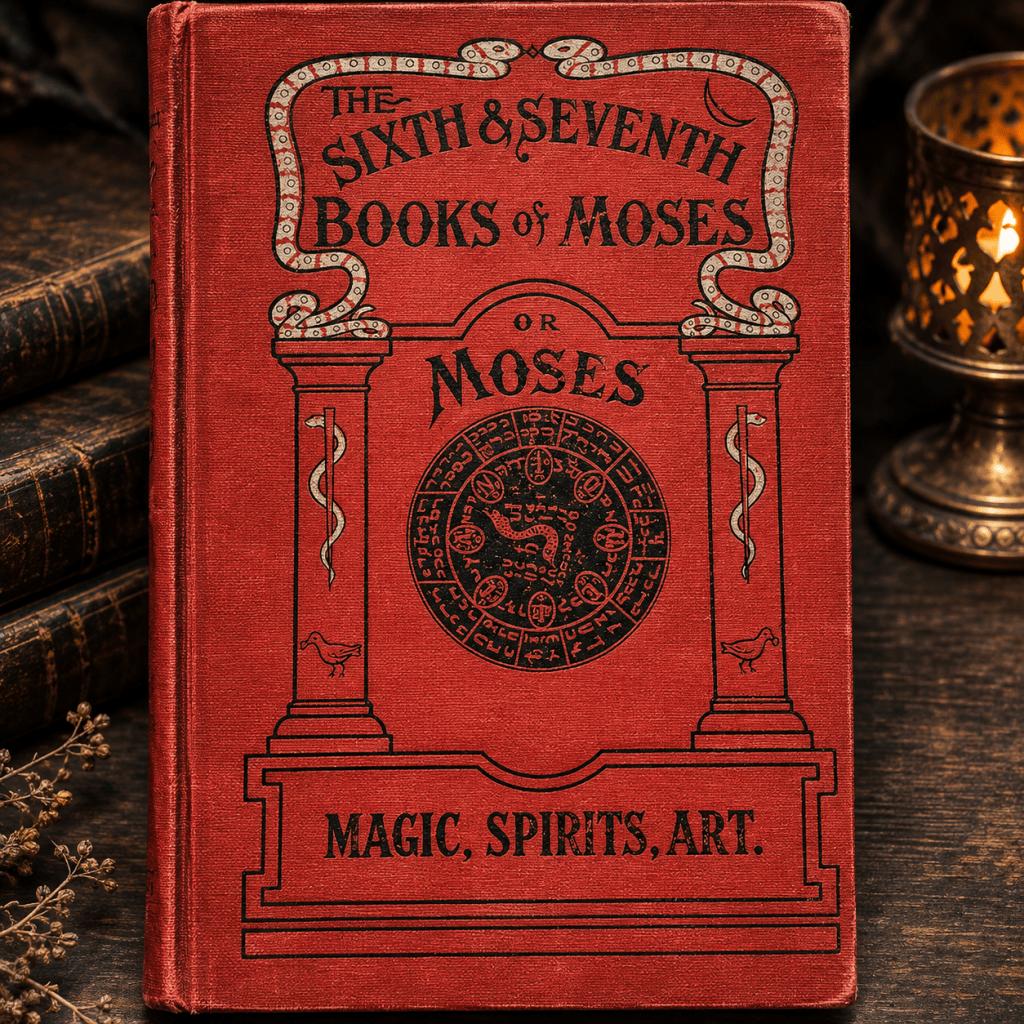
Whether these three sisters existed as described, whether their property was condemned, or whether any such pact occurred remains unverified in the material available to me. The tale should be understood as a local legend rather than a documented historical event, but the timing of what happened next gave the story a particularly sinister afterlife.
Only a few years after the park’s development, a trolley carrying visitors home from Chickies Park was involved in a devastating accident. Six people died. Dozens more were injured, and for those who believed in the sisters’ curse, the disaster was proof that the warning had come true.
The Haunted Railroad Tunnel
Not all the stories associated with Chickies Rock originate at the overlook. Below the wooded slopes, the old railroad corridor and tunnel have attracted their own collection of ghost stories. The tunnel is one of the places I explored during my visit. Unlike the open summit, where the sky and river dominate the landscape, a tunnel changes the experience completely.
Daylight narrows behind you. Sounds echo against the walls. Even ordinary footsteps seem louder in the confined space, and this tunnel has a reputation. One recurring account describes an Indigenous figure seen near the tunnel or moving through the surrounding woods. Some storytellers connect the apparition to Wanunga and the Lover’s Leap legend, while others believe it represents an entirely different spirit.
Another story involves a railroad worker carrying a lantern. According to the folklore, the figure appears in or near the tunnel, his light visible in the darkness before both man and lantern disappear. The identity of the supposed worker, the circumstances of his death, and the origin of the haunting story are unclear.
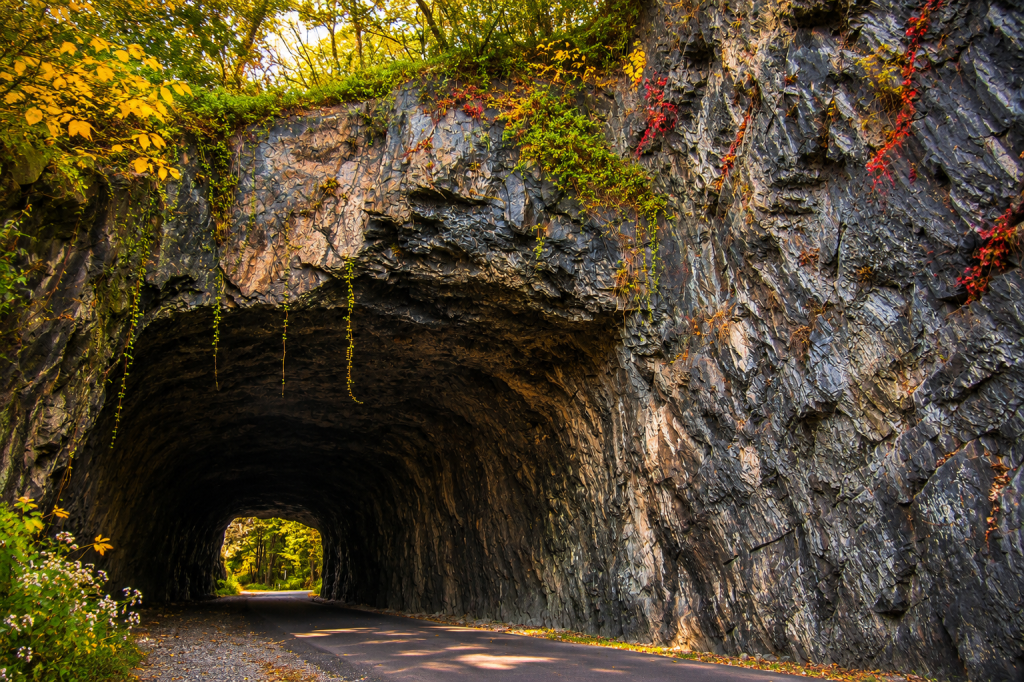
There are also reports of shadowy figures near the old rail corridor, strange sounds, and the uncomfortable sensation of being watched. These accounts are not evidence that the tunnel is haunted, but they are part of the folklore that has grown around Chickies Rock’s industrial remains.
I have always found places like this particularly interesting because they exist between two histories. There is the physical history: the people who cut through rock, laid tracks, operated trains, and transformed the river valley, and then there is the history people continue to tell after those workers are gone. The stories may be impossible to prove. The tunnel itself is real, and walking through it offers a very different perspective on the landscape above.
The Albatwitch: Chickies Apple-Stealing Mystery
Not every unexplained creature associated with Chickies Rock is described as a ghost. Some are considerably stranger. Among the area’s best-known legends is the Albatwitch, a small, humanlike creature said to inhabit the woods along the Susquehanna River. Descriptions vary, but the Albatwitch is generally portrayed as a slender, hairy creature standing approximately four to five feet tall. Its name is often explained through the phrase “apple snitch.”
According to the stories, the creatures lurked in trees near popular picnic areas, waiting for unsuspecting visitors to leave food unattended. Apples were supposedly their favorite. An Albatwitch would steal the fruit, retreat into the branches, and occasionally throw the discarded cores at people below.
Some tellings attribute the legend to Indigenous traditions centuries old. However, those claims are difficult to substantiate, and the creature’s familiar apple-stealing behavior may have developed much later, when Chickies Rock became a popular recreational destination. During the nineteenth century, visitors came to the hillside for picnics and amusement. The woods offered plenty of opportunities for unexplained rustling, missing food, and stories that grew more elaborate with every retelling.
Whether the Albatwitch began as a regional folktale, a practical joke, or an attempt to explain something unusual is impossible to say with certainty. What is certain is that the creature has become one of the most recognizable figures in the folklore of the lower Susquehanna Valley, and compared with the darker stories surrounding Chickies Rock, an apple thief lurking in the treetops almost seems harmless. Almost.
Shadows, Apparitions, & the Mist on the Rock
Over the years, Chickies Rock has accumulated still more unusual reports. Some involve figures seen near the base of the cliffs, believed by storytellers to represent former railroad or canal workers. Others describe a ghostly man associated with a riverboat accident, supposedly wandering along the shoreline. There are stories of a wounded, mummy-like apparition and a tall figure wearing a hat and cape, reportedly sighted in 2004, and then there is the mist.
One of the better-known stories describes a strange fog forming near the summit and gradually taking on the shape of a human figure. Interestingly, an account of the legend claims that teenagers admitted inventing the story in 1969. Yet the tale continued to circulate. That detail may reveal something important about Chickies Rock. Not every legend survives because people believe it. Sometimes a story becomes so closely associated with a place that it takes on a life of its own.
A patch of fog becomes a figure. A distant noise becomes a warning. A shadow among the trees becomes someone who died there a century ago. The landscape supplies the atmosphere. Human imagination supplies the rest. Or perhaps, as some visitors would argue, there is something else beneath the surface.
What Remains Beyond the Overlook
By the time I reached the overlook, the trees had opened enough to reveal the Susquehanna below. The river stretched across the valley, with distant hills and communities on the opposite shore. It was easy to understand why people had been drawn to this place for so long. The scenery was beautiful, but I kept thinking about everything that had happened beyond the view.

The people who once worked in the furnaces and along the railroads. Families who came here for summer concerts. Passengers who boarded a crowded trolley one August evening and never returned home. The lives lost at the cliffs. The legends that survived long after the amusement park disappeared, and the stories of figures still wandering the old tunnel beneath the hillside.
I don’t believe every unexplained sound has a supernatural origin, and I don’t think a tragic death automatically leaves a ghost behind, but I do believe places can carry histories that are easy to overlook. Chickies Rock is one of those places. Its geology is ancient. Its industrial history is fascinating. Its documented tragedies are sobering, and its folklore reveals how generations of people have tried to explain the strange, frightening, and sometimes inexplicable things associated with this stretch of the Susquehanna.
As I made my way back along the trail, the woods gradually closed around me again. The overlook disappeared behind the trees. The stories did not. Perhaps that is what makes Chickies Rock so compelling. You can leave the summit, walk back to your vehicle, and return to the familiar world beyond the park, but somewhere along the way, you may find yourself looking over your shoulder. Not because you necessarily believe the legends, but because, for a moment, you understand why someone else might have.


Leave a Reply