WESTON, WEST VIRGINIA
Some places are unsettling long before you know what happened inside them. The Trans Allegheny Lunatic Asylum is one of those places. I had seen it on television more times than I could count. Episodes of Ghost Adventures and Ghost Hunters had introduced me to its darkened corridors, abandoned wards, and stories of restless spirits, but what stayed with me wasn’t necessarily the paranormal activity. It was the building itself, and the realization that behind those enormous stone walls, thousands of people had lived, suffered, and, in some cases, died.
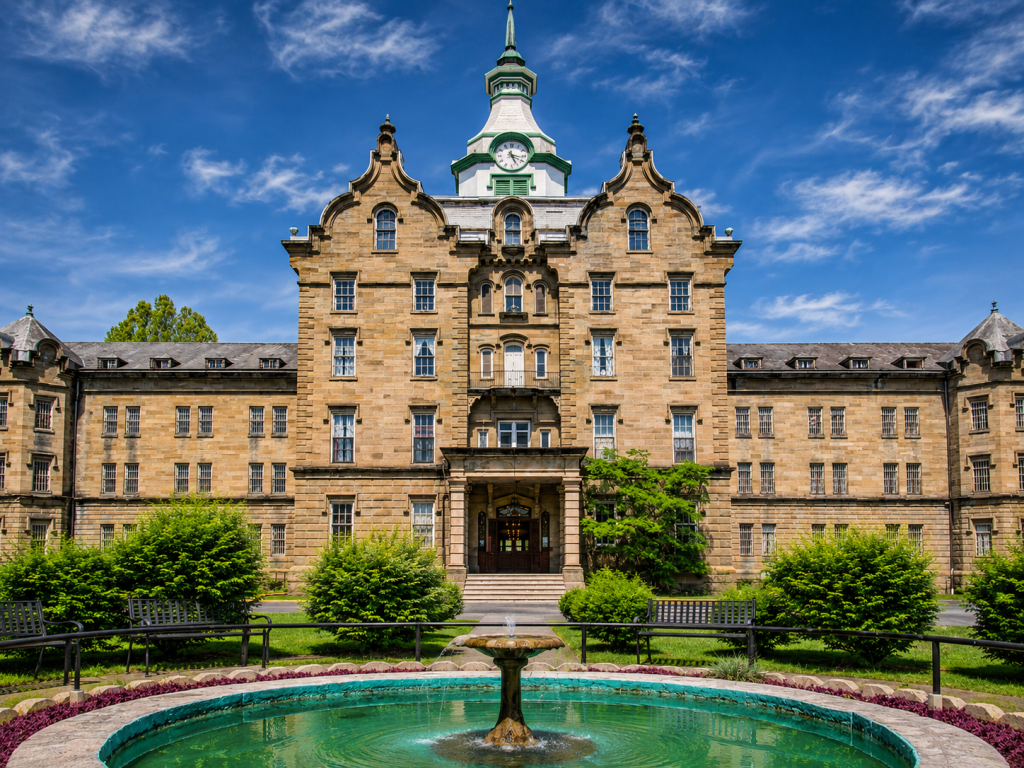
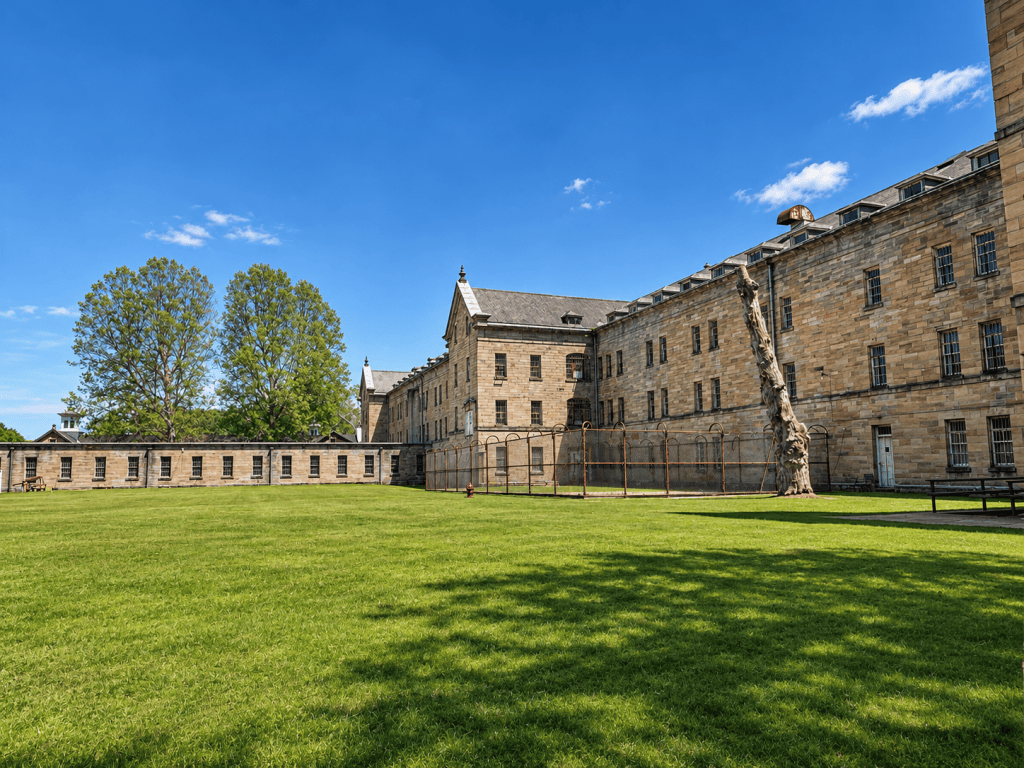
I knew eventually I would find my way to Weston, West Virginia, and when I finally did, the asylum was every bit as intimidating as I had imagined. The building appeared ahead of me like something left behind by another century. Its immense stone facade stretched across the landscape, interrupted by towering windows, steep rooflines, and architectural details that seemed almost too elaborate for a place with such a troubled past.
The closer I drove, the more overwhelming it became. There was something deeply unsettling about its size. Even from a distance, the asylum seemed to dominate everything around it, dwarfing the quiet town that had grown alongside it. Yet the grounds presented an entirely different picture. A carefully maintained lawn stretched before the building, and a fountain offered an almost peaceful welcome. It was a strange contrast—this beautiful, historic structure surrounded by greenery, concealing a history that was anything but peaceful.
I stood for a moment looking up at the enormous facade, trying to imagine what it must have been like to arrive here more than a century ago. For some, those doors represented the possibility of treatment and recovery. For others, they would become the entrance to a life they never expected to live, and for many, leaving would prove far more difficult than entering.
A Hospital Built on Hope
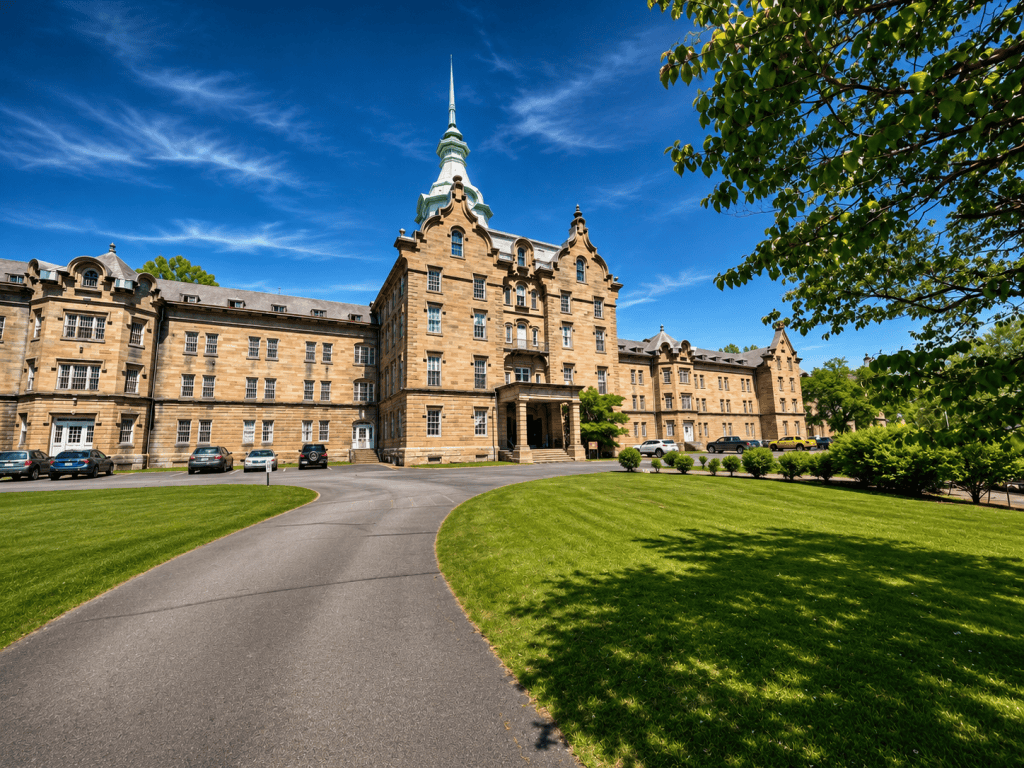
Long before the building became a destination for paranormal investigators, it was part of an ambitious nineteenth-century movement to change how people with mental illnesses were treated. Construction began in 1858, when the land was still part of Virginia. The hospital was designed by Baltimore architect Richard Snowden Andrews, who followed the principles of Dr. Thomas Story Kirkbride, a physician who believed that a patient’s surroundings could play an important role in recovery.
At the time, the concept was considered progressive. Instead of confining patients in cramped, prisonlike institutions, Kirkbride advocated spacious buildings filled with natural light, fresh air, and opportunities for outdoor activity. Carefully arranged wings, landscaped grounds, and private rooms were intended to create a calmer environment where treatment could take place. The hospital’s location near the West Fork River offered the space needed for such an ambitious project, but history intervened before construction could be completed.
When the Civil War erupted, work on the asylum was disrupted, and the property became entangled in the conflict that would ultimately divide Virginia and create the new state of West Virginia. The hospital began receiving patients in 1864, although construction continued for years afterward. The massive central building was finally completed in 1881.
Built from hand-cut stone, it remains one of the most remarkable surviving examples of Kirkbride-era institutional architecture in the country. Standing outside, I could understand why people are so fascinated by it. The craftsmanship alone is extraordinary. Every stretch of stonework, every towering window, and every carefully designed wing speaks to the enormous amount of labor required to create a building of this scale, and perhaps that is what makes its later history so tragic. This was not originally intended to be a place of punishment. It was supposed to be a place of healing.
When a Place of Healing Became a Place of Confinement
The asylum was originally designed for approximately 250 patients. The idea was simple enough: provide enough space for each individual to receive attention, treatment, and a degree of dignity, but that vision would not survive the generations that followed. As the decades passed, the number of people committed to state psychiatric institutions increased dramatically. Hospitals became responsible for individuals with a wide range of mental illnesses, neurological conditions, physical disabilities, and circumstances that society often had little understanding of—or patience for.
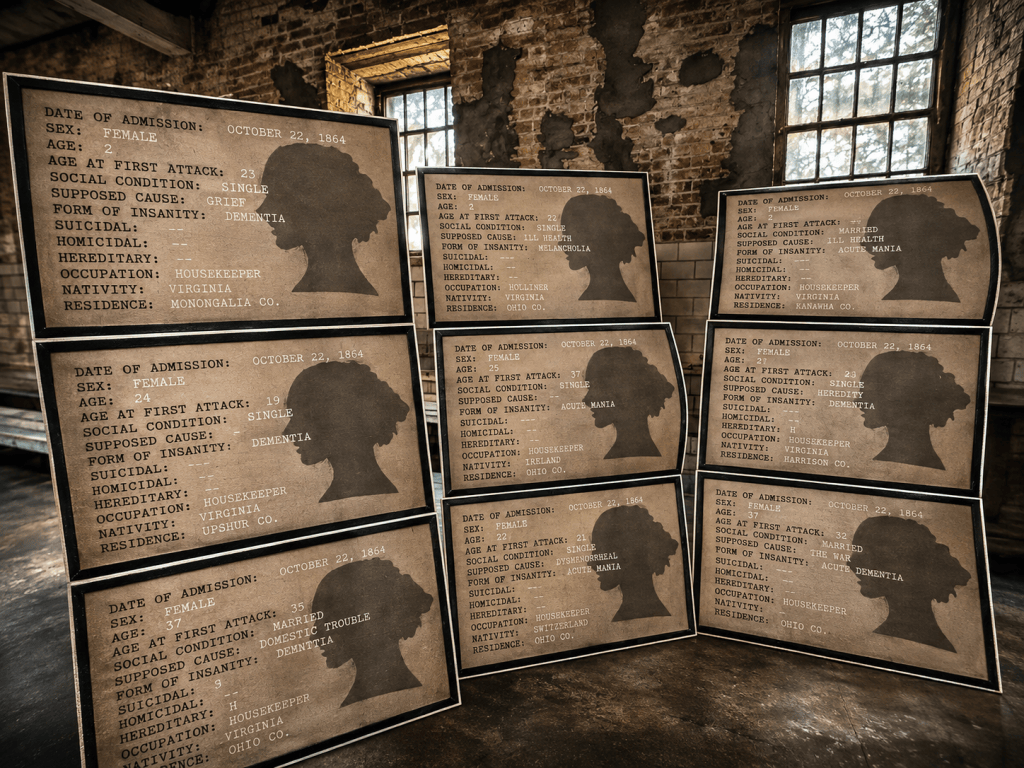
Some people were admitted because they genuinely needed psychiatric care. Others found themselves institutionalized for reasons that reflected the prejudices, medical limitations, and social attitudes of their time. Historical admission records from institutions of this era contain descriptions that seem almost unbelievable today. Physical illnesses, behavior considered socially unacceptable, and vaguely defined personal difficulties could all become grounds for confinement. Reading about those practices raises an uncomfortable question. How many people were placed behind institutional walls because they needed help, and how many were there simply because the world outside had no place for them?
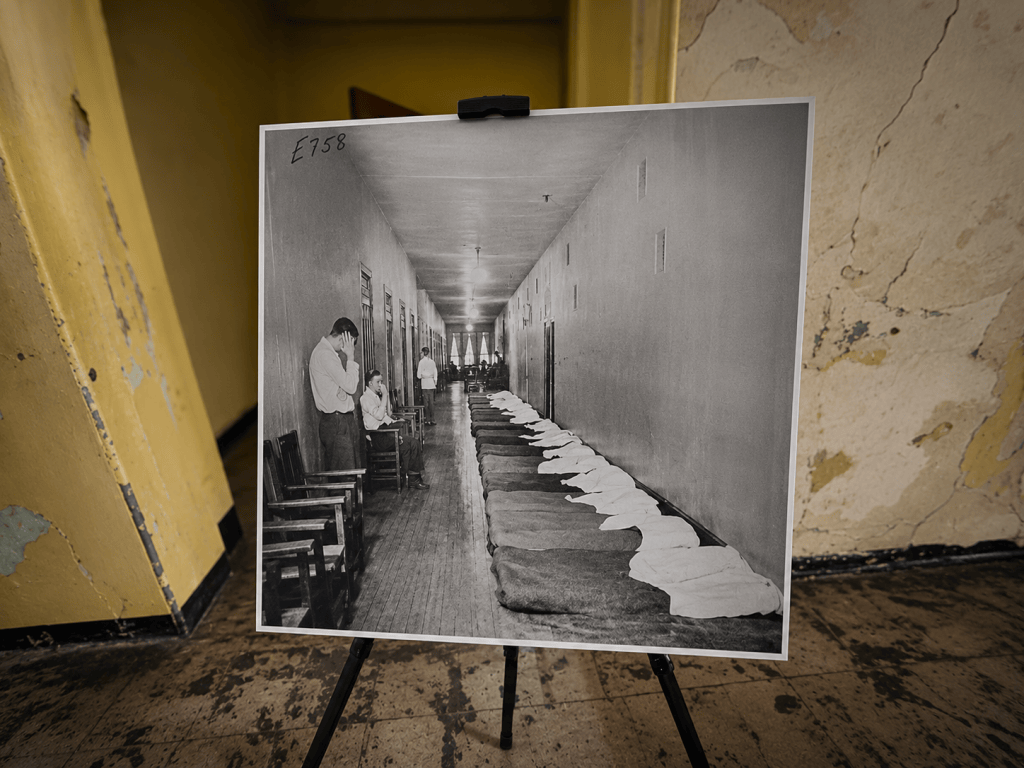
At Weston, the population continued to climb. Rooms intended for one person were eventually shared by several. Hallways and other spaces were pressed into service as sleeping areas. Staff struggled to meet the needs of an increasingly large and complex patient population. By the middle of the twentieth century, the hospital housed more than 2,000 patients. Some accounts place its peak population at approximately 2,400 or more—nearly ten times the number the original building was designed to accommodate. Imagine that for a moment.
A facility created to provide quiet surroundings, individual attention, and room to recover had become a crowded institution where privacy was nearly impossible. The conditions were a far cry from Kirkbride’s original vision. Accounts from the hospital’s troubled later years describe deteriorating wards, inadequate resources, and patients living in circumstances that would be difficult to accept in any institution, much less one intended to provide medical care. Overcrowding placed tremendous pressure on staff and patients alike, and as I would discover during my visit, some of the darkest stories associated with the asylum emerged from those years.
The Treatments That Left Their Own Scars
Walking through the asylum today is a strange experience. There are places where the architecture still hints at the building’s original grandeur. Long corridors stretch into the distance, and daylight filters through tall windows that were once meant to make the hospital feel open and welcoming, and then you enter another room. The walls are worn. The atmosphere changes, and the history becomes much harder to separate from the space around you.
The asylum operated through some of the most controversial periods in psychiatric medicine. During the twentieth century, treatments such as insulin shock therapy, electroconvulsive therapy, and psychosurgery were used in psychiatric institutions across the country. Among the most disturbing were lobotomies.
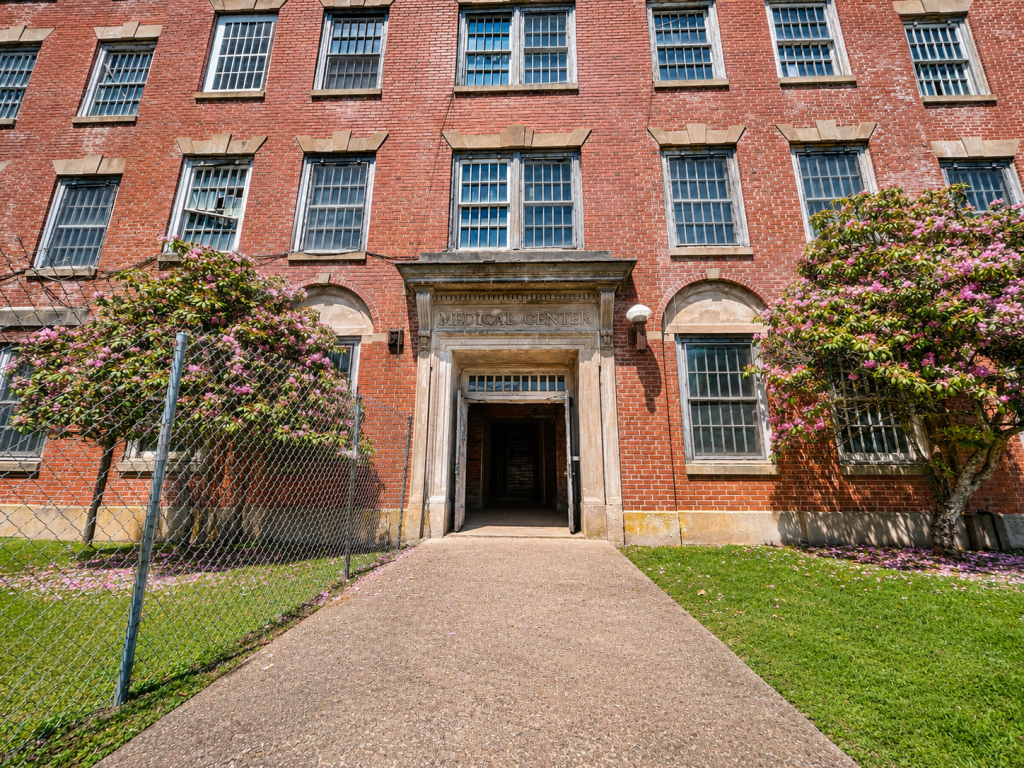
The procedure involved deliberately damaging or severing connections in parts of the brain in an attempt to alter psychiatric symptoms or behavior. Although once promoted as a medical breakthrough, lobotomies could leave patients with severe and irreversible impairments. Some lost aspects of their personalities. Others experienced profound cognitive and emotional changes.
The so-called transorbital or “ice-pick” lobotomy became particularly notorious because of the crude instruments and methods associated with it. The history of these procedures is difficult enough to read about. Standing inside a former psychiatric hospital, surrounded by rooms where generations of patients received treatment, makes that history feel considerably closer.
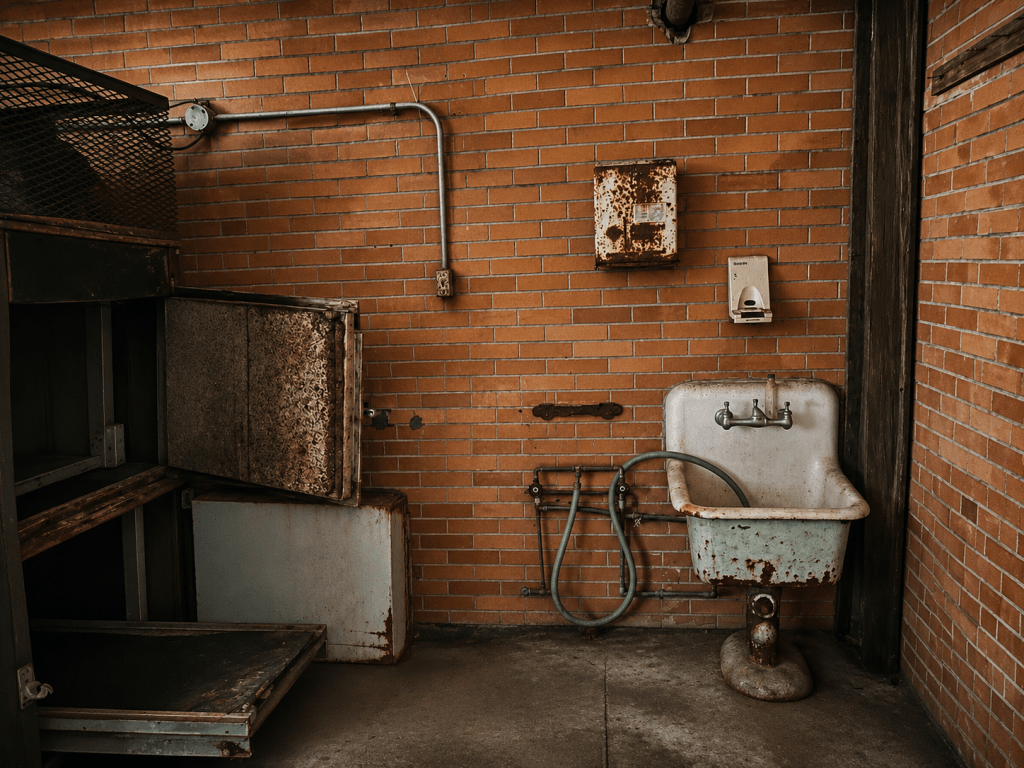
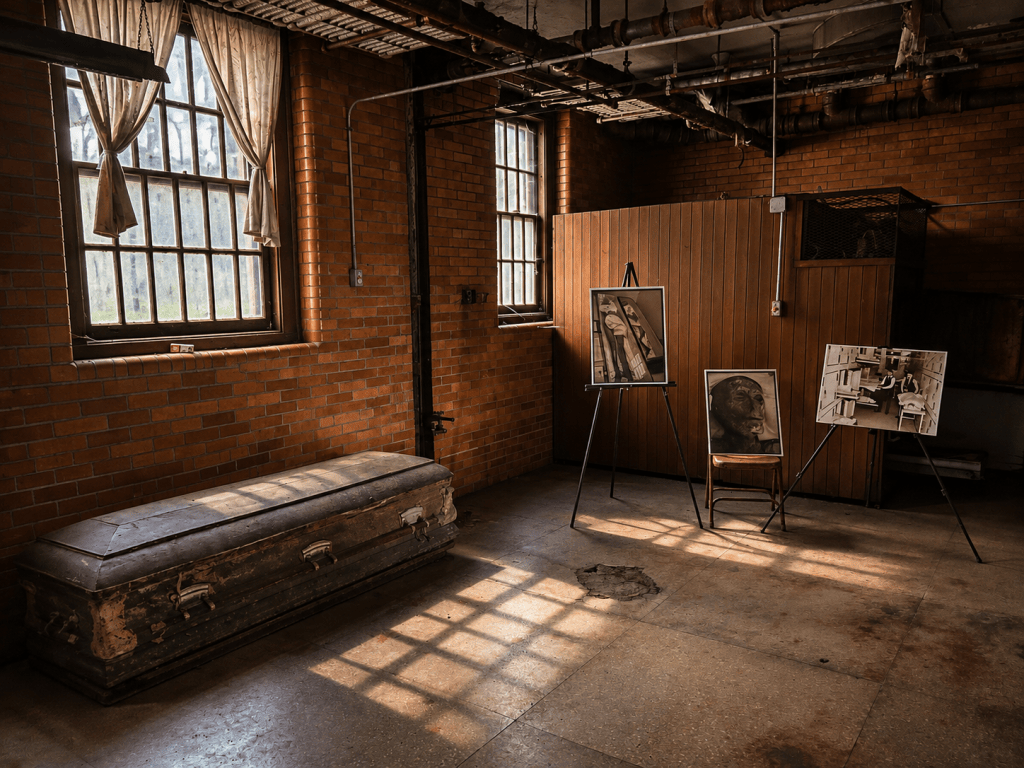
Other therapies, including early psychiatric medications and electroconvulsive treatment, also have complicated histories. Some represented genuine advances in medicine, but treatment practices, consent, oversight, and patient protections were very different from what they are today. Modern electroconvulsive therapy, for example, is performed under anesthesia and remains an established treatment for certain severe psychiatric conditions. It should not be confused with every historical practice associated with institutional care.
What troubles me most about this era is not simply that medicine was still evolving. It is how little control many institutionalized patients had over their own lives. For someone confined behind these walls, the difference between receiving care and being subjected to treatment could depend on decisions made entirely by other people, and in an overcrowded institution, where staff and resources were stretched thin, the consequences could be devastating.
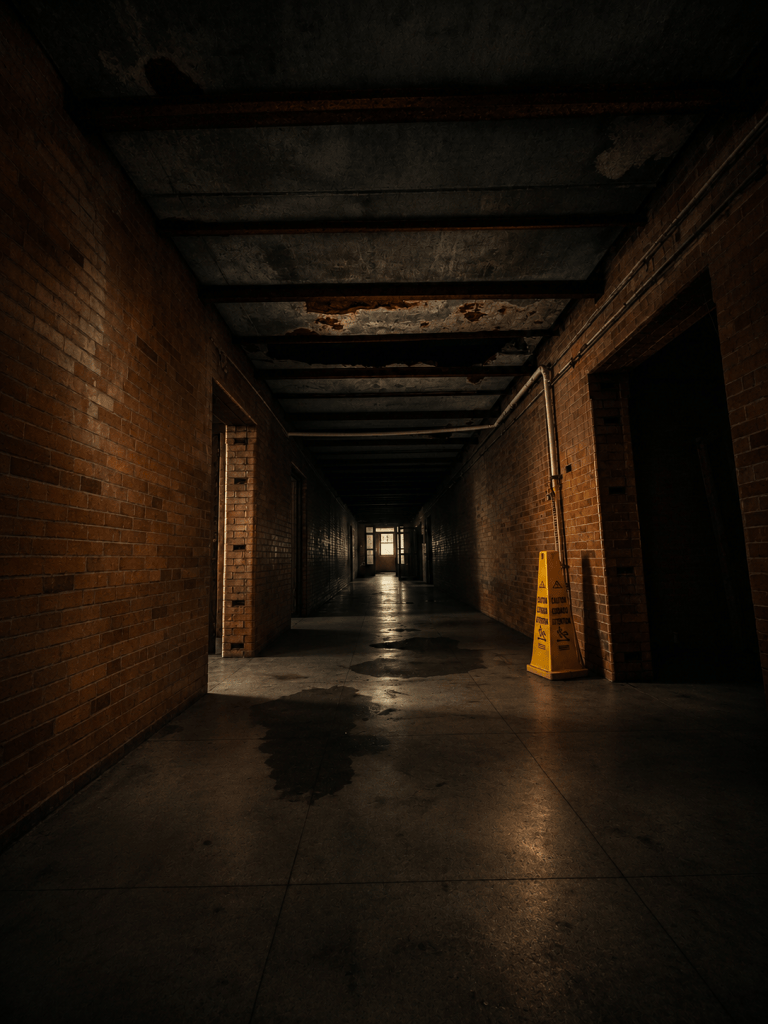
The Violence Behind Closed Doors
Not every tragedy at the asylum involved medical treatment. Some of its most disturbing accounts concern violence between patients. One particularly brutal killing has become part of the asylum’s history and its paranormal reputation. According to accounts shared about the hospital, a patient named Dean was attacked by two fellow patients in a room in one of the wings. The story describes an attempted hanging that failed, followed by a horrifying assault involving a heavy metal bed frame.
It is a deeply disturbing account, made worse by the knowledge that the victim was already living in an institution where his safety should have been protected. The room associated with his death has since become one of the locations discussed during paranormal tours. Visitors and investigators have reported sudden cold spots, unexplained sounds, and what some interpret as distant cries.
Whether those experiences have any connection to the killing is impossible to establish, but the story itself illustrates a grim reality. Overcrowding, inadequate supervision, and the difficulty of managing a large population of vulnerable patients could create dangerous conditions. Behind those walls were real people, and not all of them survived their time there.
Isolation: The Rooms Nobody Wanted to Enter
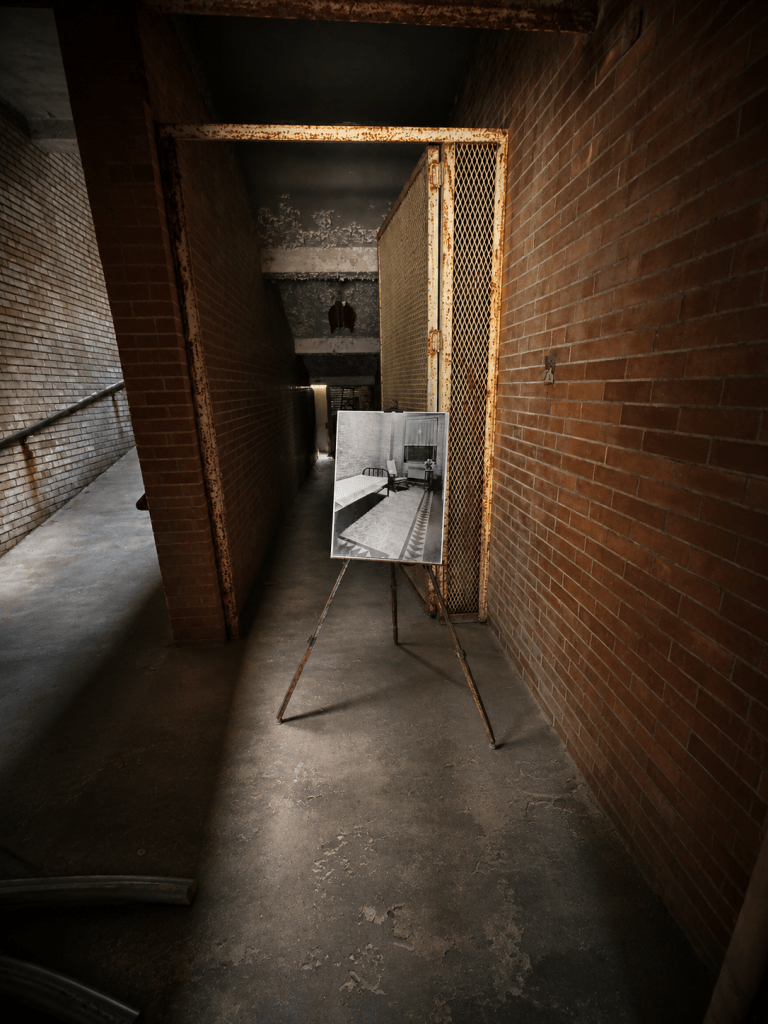
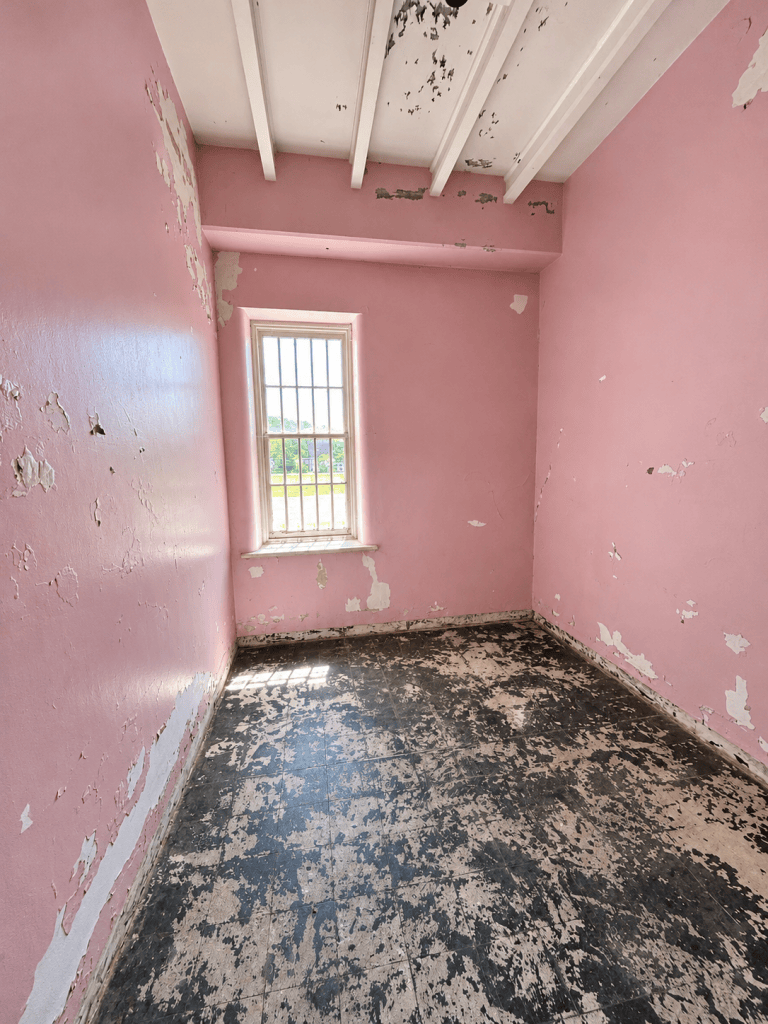
Another unsettling chapter of the asylum’s history involves the use of isolation. Patients considered violent, disruptive, or difficult to manage could be separated from others. In some circumstances, isolation was intended to prevent harm, but it could also become an experience of fear, distress, and confinement. The rooms associated with these practices have become some of the most talked-about spaces in the building.
One story told about the asylum concerns a former boxer who had reportedly suffered repeated head injuries during his career. According to the account, he was confined in an isolation room and became determined to escape. He allegedly struck the heavy metal door with such force that he eventually tore it from its hinges. What happened next is perhaps the strangest part of the story. Rather than attacking anyone, he reportedly carried the damaged door to a nurse, handed it over, and returned quietly to his room. It is one of those stories that sounds almost impossible, and I would want to see the original documentation before treating every detail as established fact. Still, it has become part of the lore surrounding the hospital.
Today, paranormal visitors sometimes describe hearing disembodied voices in the isolation areas, including pleas to be released. Others report unexplained touches, scratches, or the sensation of being pushed. I can’t say what causes those experiences, but I can understand why the rooms leave such an impression. There is something profoundly unsettling about standing in a place where someone may once have begged to be let out, and knowing that the decision was not theirs to make.
The Asylum’s Other Reputation
By the time I began researching the Trans Allegheny Lunatic Asylum, its reputation as a haunted location was almost as well-known as its medical history. Television programs had brought the building to an international audience, following investigators through dark corridors and abandoned wards in search of evidence of paranormal activity. Stories circulated about footsteps in empty hallways, unexplained voices, shadowy figures, and doors that seemed to move without anyone touching them. Some visitors claimed to hear conversations when no one was nearby. Others described feeling watched or experiencing sudden changes in temperature.
The asylum has also become associated with the spirit of a young girl known as Lily, one of the better-known figures in its ghost-tour folklore. Visitors have reported playful sounds, unexplained movement, and experiences they attribute to a child’s presence. The details of Lily’s identity and history, however, are not firmly established through the paranormal stories alone. That distinction matters.
The hospital’s documented past is already filled with suffering. The ghost stories may be part of its modern identity, but they should never overshadow the people who actually lived there, and that was something I kept thinking about as I made my way through the building. It is easy to walk into a place like this expecting to be frightened by something supernatural. It is much harder to confront the possibility that the most frightening things happened when the hospital was still operating.
Walking the Corridors
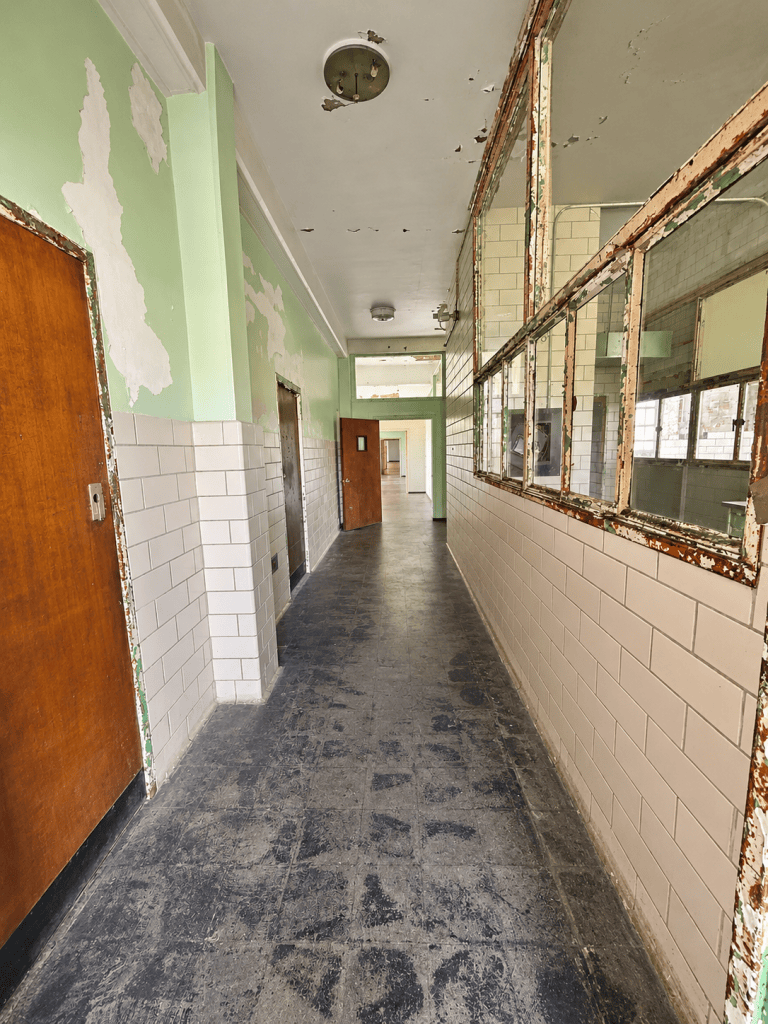
Inside the asylum, the first thing I noticed was the cold. It wasn’t simply a passing draft. The air felt noticeably cooler than I expected, and the sensation seemed to follow me through different parts of the building. I knew the enormous stone structure had no modern climate-control system keeping every room at a comfortable temperature. Thick masonry, shaded corridors, and the building’s age could easily explain much of what I was feeling. Still, knowing that didn’t make the atmosphere any less unsettling.
I was part of a guided group, but I deliberately kept a little distance whenever possible so I could take in the rooms without rushing. There was so much to look at. Long hallways disappeared around corners. Doorways opened into rooms that had once served entirely different purposes. The scale of the building was difficult to comprehend from the inside, where one corridor seemed to lead into another. Every room had its own character. Some were almost ordinary. Others made me stop and look around a little longer.
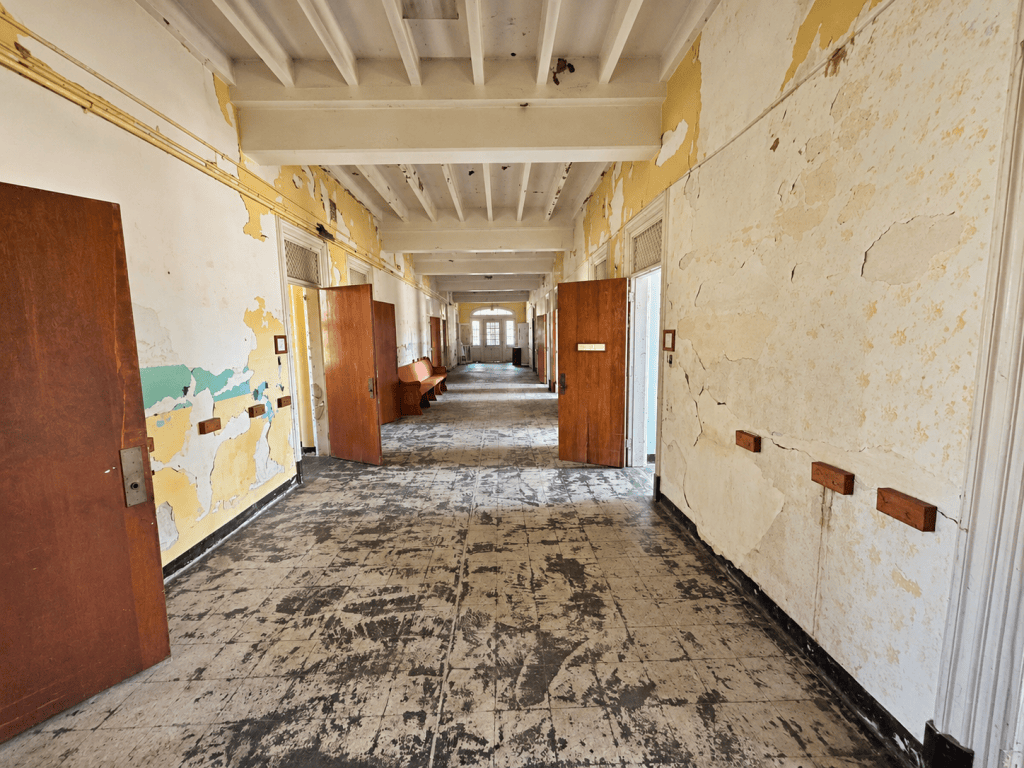
I found myself studying the windows, the walls, and the remnants of an institution that had operated for well over a century. I wondered how many patients had looked through those same windows, waiting for visitors or hoping to go home. How many had spent years here? How many had arrived believing their stay would be temporary? And how many had eventually stopped expecting to leave? Those questions stayed with me more than any ghost story.
The building has a way of making you feel small, not just because of its size, but because of the enormous number of lives connected to it. At times, I tried to imagine the halls filled with nurses, attendants, doctors, and patients going about their daily routines. The sounds of footsteps. Doors opening and closing. Conversations drifting from nearby rooms, and then I looked down the empty corridor in front of me, and the silence felt different.
The Long Road to Closure
By the late twentieth century, the future of the hospital had become increasingly uncertain. Mental health care in the United States was changing. Large state institutions were being reconsidered as treatment shifted toward smaller facilities, community-based services, and different approaches to psychiatric care. West Virginia announced plans to replace the aging hospital, and its operations were gradually reduced.
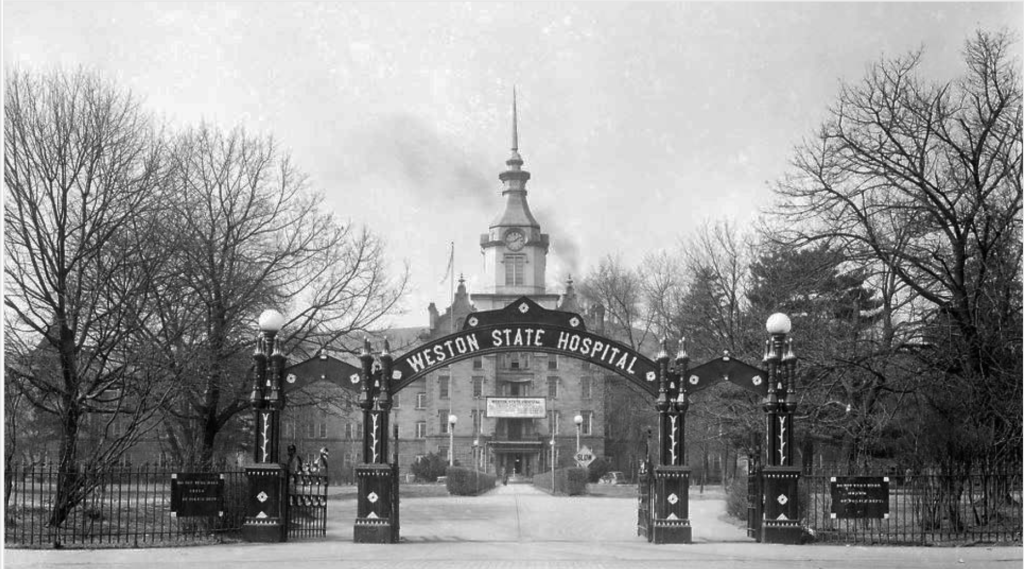
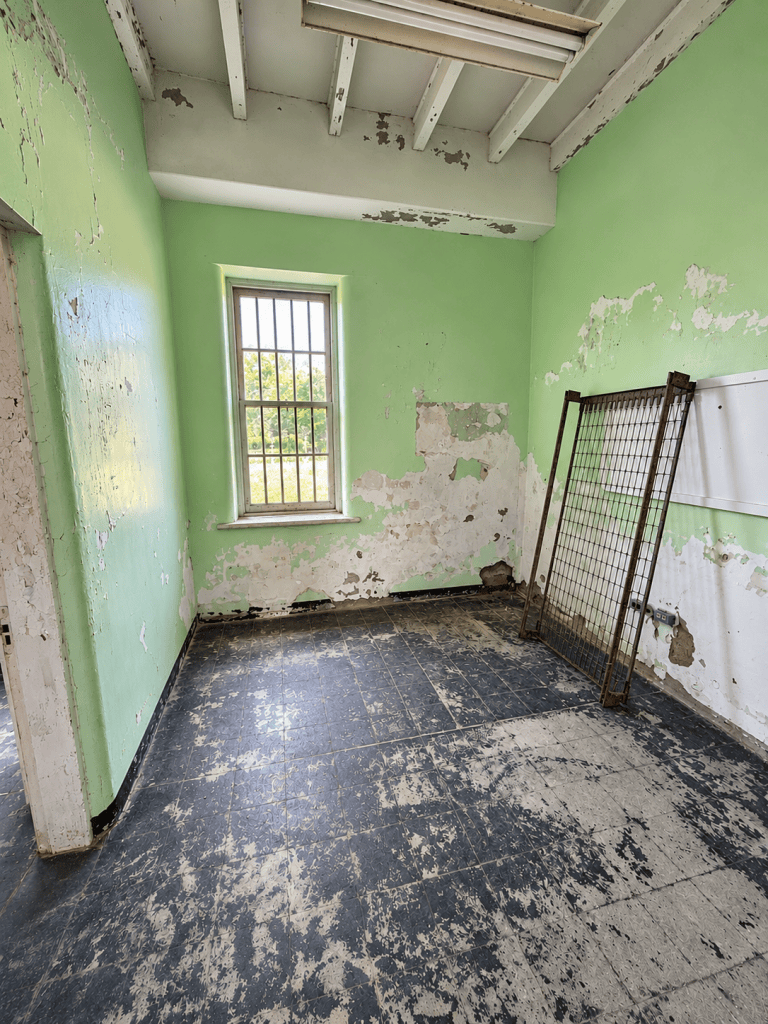
In 1994, Weston State Hospital finally closed. After more than a century of operation, the remaining patients were transferred, and the enormous building fell silent. For years, the former hospital stood largely unused. Without the daily activity of a functioning institution, sections deteriorated. Paint peeled, rooms aged, and the once-grand structure faced an uncertain future.
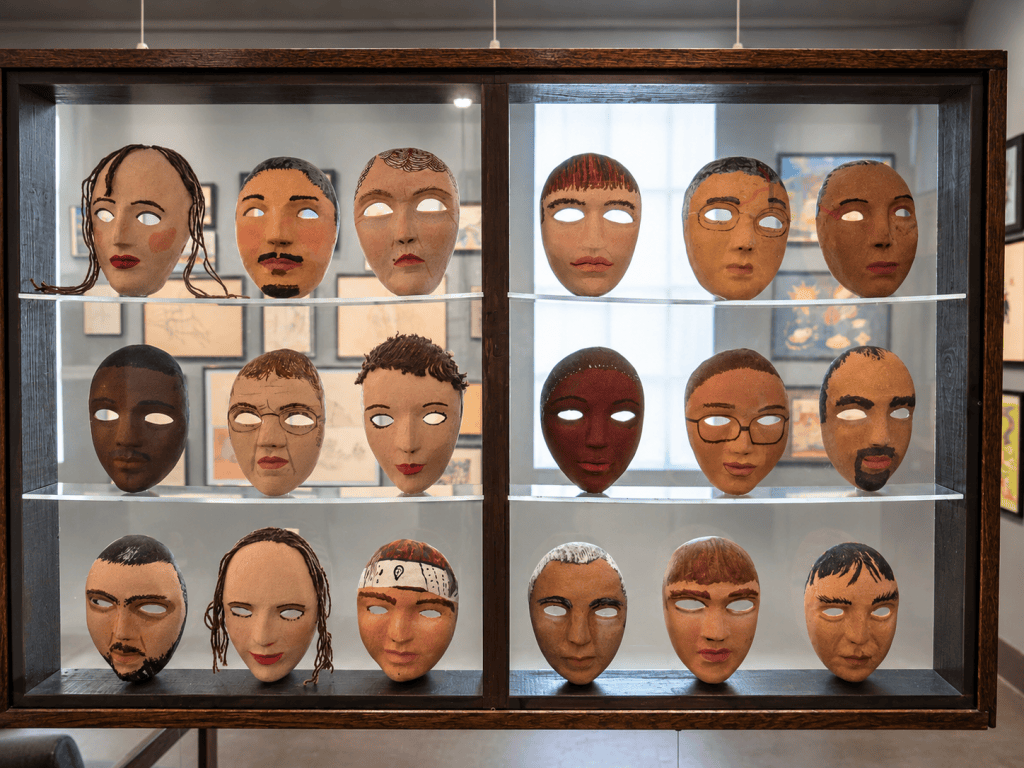
In 2007, businessman Joe Jordan purchased the property at auction. Restoration and preservation efforts followed, allowing portions of the building to reopen for historical tours, educational programs, and paranormal investigations. Today, the property is once again known as the Trans Allegheny Lunatic Asylum. Visitors can explore parts of the hospital, learn about its architectural and medical history, and see exhibits that help tell the story of the people who lived and worked there. Among the displays are historical medical artifacts and examples of artwork created by patients.
I found that aspect particularly meaningful. Paintings, drawings, and written expressions offer something that statistics and institutional records often cannot. They remind us that the people who lived here were individuals. They had personalities, memories, fears, talents, and lives that extended far beyond the diagnoses recorded in their files.
What Remains After the Patients Are Gone?
One of the reasons places like the Trans Allegheny Lunatic Asylum attract so much attention is the uneasy relationship between history and the paranormal. When a building has witnessed generations of suffering, it is tempting to believe that some part of that suffering must remain. Perhaps that is why stories of restless spirits seem to follow old hospitals, prisons, and asylums.
We look at the empty rooms and wonder whether they are truly empty. We hear a noise in an abandoned hallway and imagine someone still walking there. We feel an unexpected chill and wonder whether it belongs to the building—or to something we cannot see, but there is another kind of haunting that doesn’t require a ghost. It comes from knowing what happened. From standing in a room where someone once lived without the freedom to leave. From seeing the remains of a system that began with good intentions but eventually failed so many of the people entrusted to its care. That kind of history stays with you, and in some ways, it is far more difficult to explain away.
Leaving the Asylum Behind
I didn’t get to explore the entire building during my visit. Given its size, that would have been nearly impossible in a single tour anyway. There were still corridors I hadn’t walked, rooms I hadn’t seen, and stories I wanted to learn more about. Eventually, I made my way back outside. After spending so much time in those cold, shadowed interiors, the open grounds felt almost strangely peaceful. I turned and looked back at the building. From the outside, it was still magnificent. The stonework, the immense wings, and the carefully designed facade remained a remarkable example of nineteenth-century architecture, but I could no longer look at it as simply a beautiful old asylum.
I was thinking about the people who had lived behind those windows. The patients who received help. The patients who suffered. The staff who worked through impossible conditions, and those whose stories may never be fully known. The Trans Allegheny Lunatic Asylum has earned its reputation as one of West Virginia’s most unsettling historic landmarks. Its ghost stories and paranormal investigations will undoubtedly continue to attract visitors, but the real darkness here isn’t dependent on whether the building is haunted. It is written into the history of the institution itself.
I left Weston knowing there was much more to discover, and that I would eventually want to return. Not simply to see whether something might be lingering in those empty corridors, but because some places deserve to have their stories told beyond the legends, and at Trans Allegheny, the truth is haunting enough.


Leave a Reply