
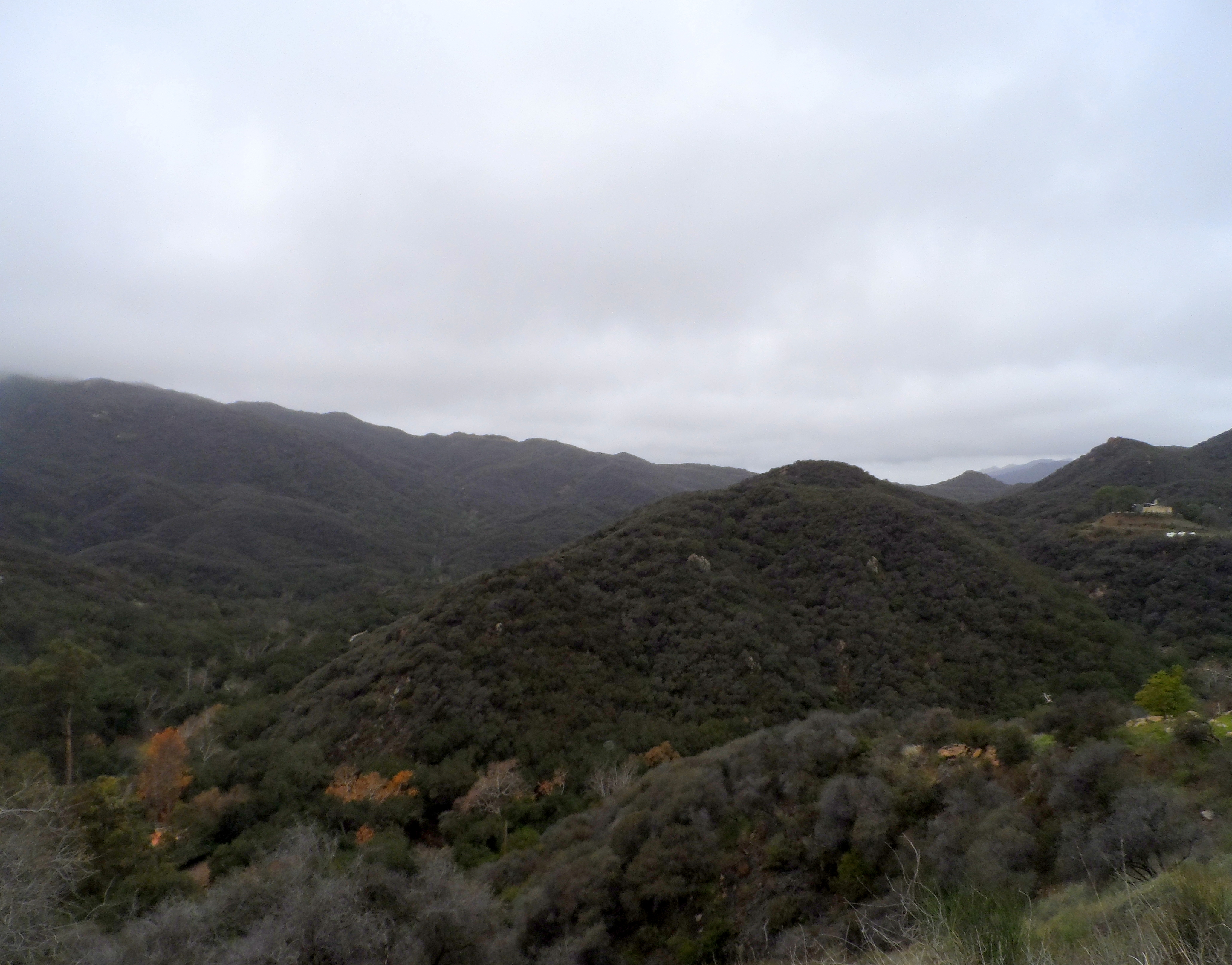
In 1927, Paramount Pictures acquired 2,400 acres nestled in the hills between Malibu and the Valley to serve as a dedicated “movie ranch.” The landscape offered everything needed to replicate untamed wilderness—rolling meadows, shady oak and walnut groves, winding streams, and rugged canyons—making it the perfect natural backlot for their productions.
After World War II, the studio sold off the property, dividing it into parcels that were picked up by private investors. In 1952, Bill Hertz purchased 326 acres that retained the Paramount name and transformed the land into a Western-style town. The National Park Service later acquired the property in 1980 and began restoring the historic movie ranch to its former glory.
Paramount Pictures used the ranch and its original sets for filming from the 1920s through the mid-1940s, producing more than a hundred movies—most of them classic Westerns. While the original sets no longer stand, a recreated Western Town now welcomes visitors. Along its Main Street, you’ll find iconic frontier-style buildings like a sheriff’s office, blacksmith and livery, surveyor’s office, saloon, post office, barns, and a Wells Fargo outpost—bringing the Old West back to life.


Over the course of more than sixty years of film-making, the studio constructed a wide array of large-scale sets on the ranch—including a full replica of early San Francisco, European-style village streets, and a classic Western town. The site has doubled for countless iconic locations: Tombstone, Arizona; Dodge City, Kansas; the sweeping hills of Montana; and the sunbaked streets of Laredo. It has also stood in for the Royal Gorge of Colorado, the Ozark Mountains, Albuquerque, New Mexico, and even Tom Sawyer’s Missouri—convincing moviegoers time and time again.

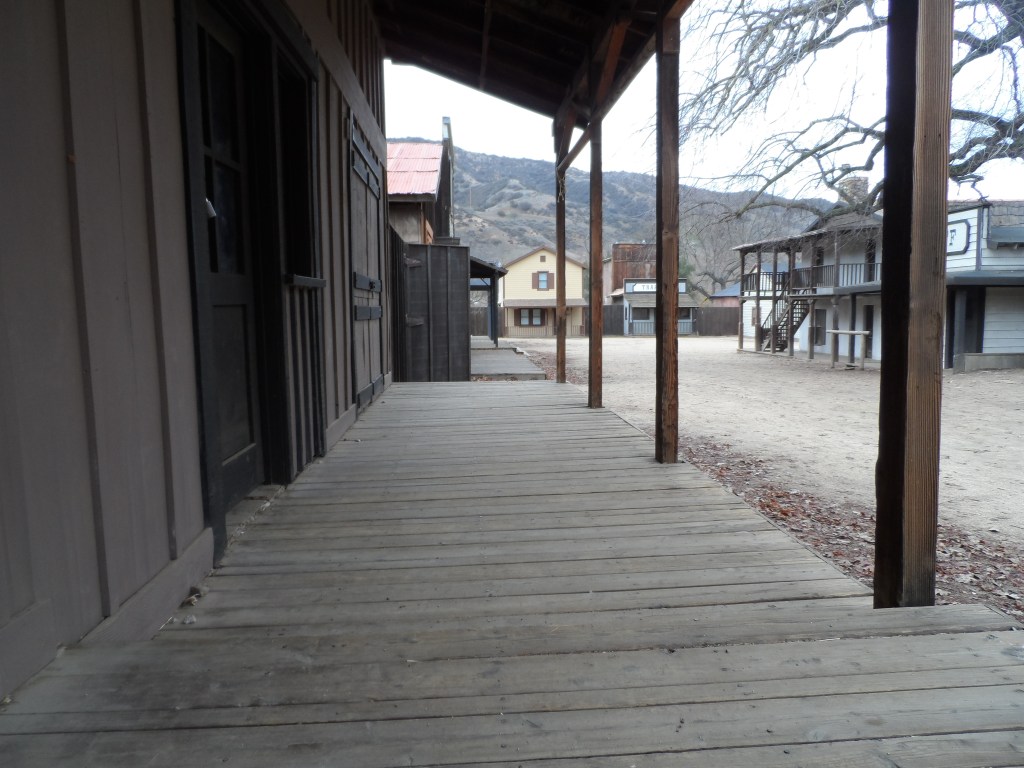
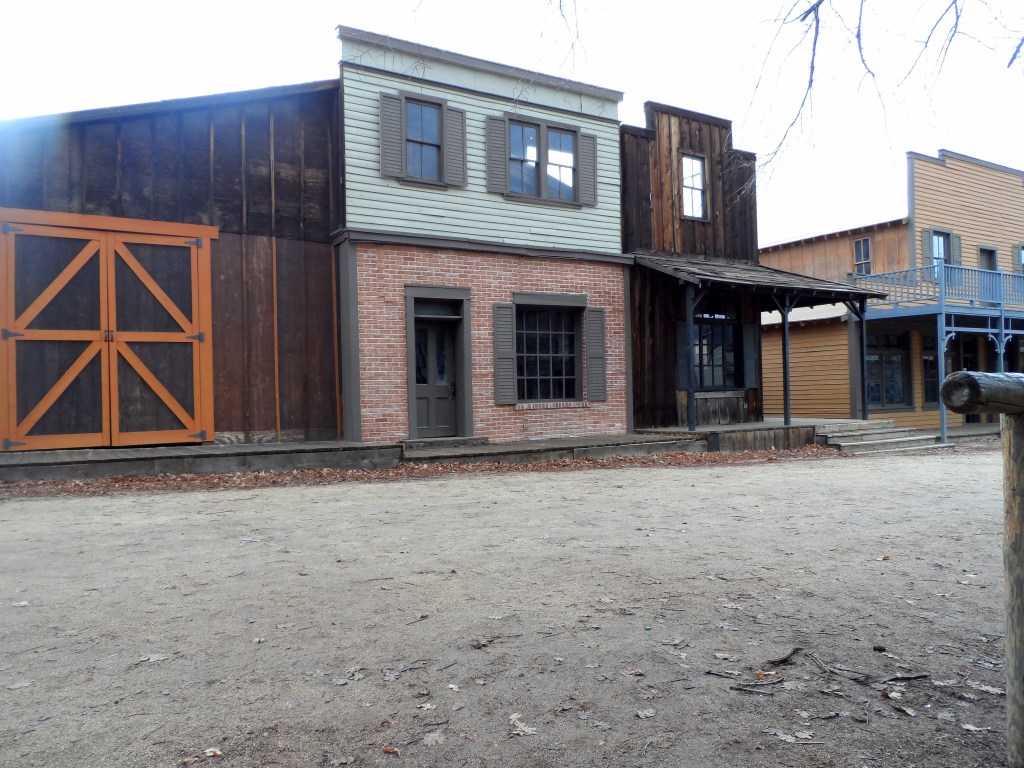

Since 1980, the site has been preserved as part of a national park, now encompassing 436 acres. Though its footprint has shrunk, the ranch endures—and the Western Town was rebuilt in 1984. It continues to serve as a popular filming location for Western productions. For several years, CBS used the town as the primary set for its hit series Dr. Quinn, Medicine Woman, starring Jane Seymour. Many of the show’s original set pieces can still be seen on-site today.
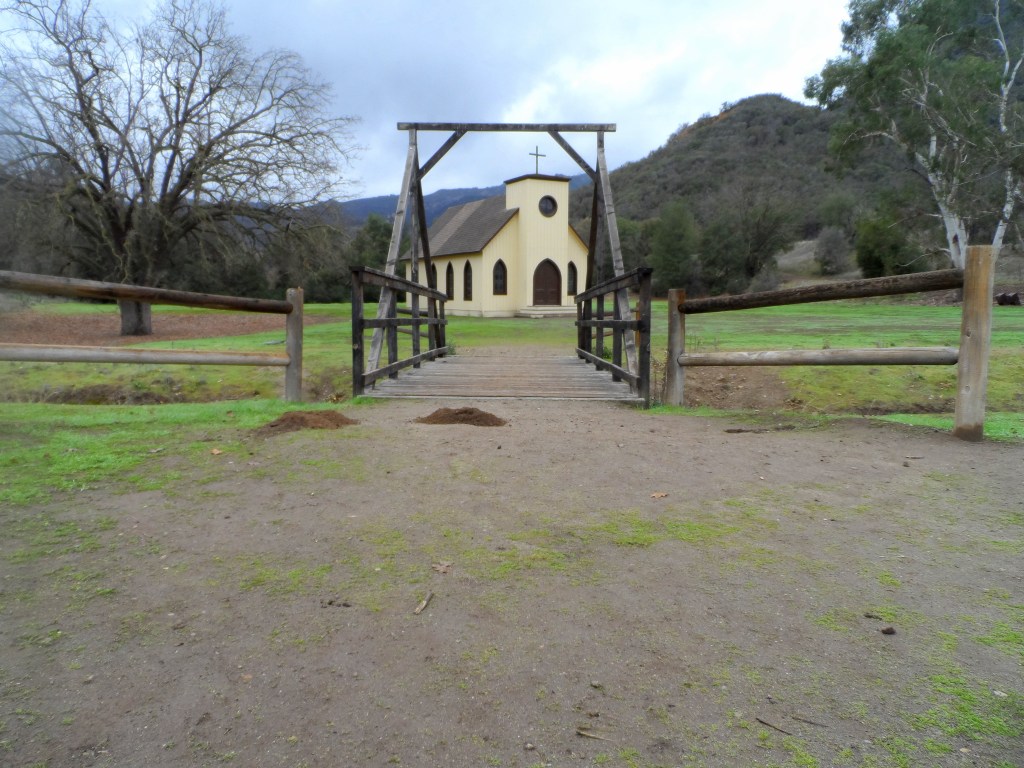
After parking in the spacious dirt lot, you’ll cross a quaint wooden bridge and step into a slice of movie history. Paramount Ranch is a free, open-access park that welcomes visitors—even during active filming. It’s a place that sparks imagination, where the inner cowboy (or cowgirl) in you can come alive.

The park offers plenty of amenities, including restrooms, picnic tables that can accommodate around 100 guests, and a variety of hiking trails. A short 1/8-mile trail leads south to a scenic overlook above willow-shaded Medea Creek and the Western Town. For those looking to explore further, there are several miles of easy to moderate trails winding through chaparral, riparian corridors, and valley oak savannahs. These multi-use trails are open to hikers, equestrians, and mountain bikers alike—so stay alert. If you’re lucky, you might spot local wildlife like red-tailed hawks, acorn woodpeckers, great blue herons, or even a deer or two.
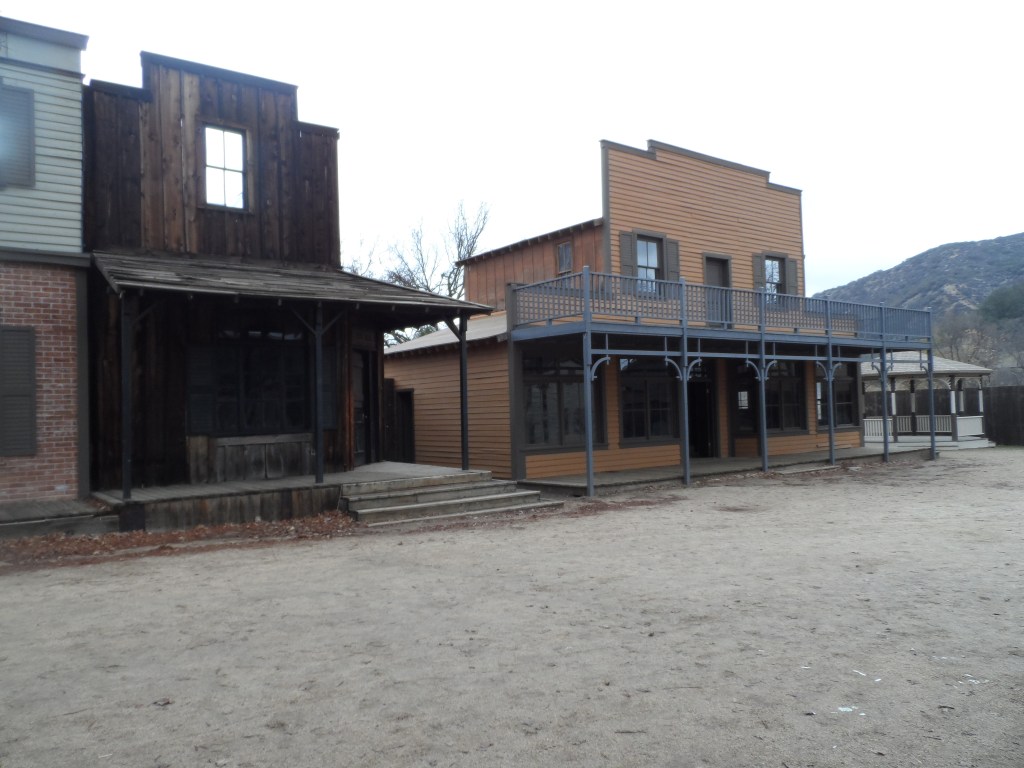

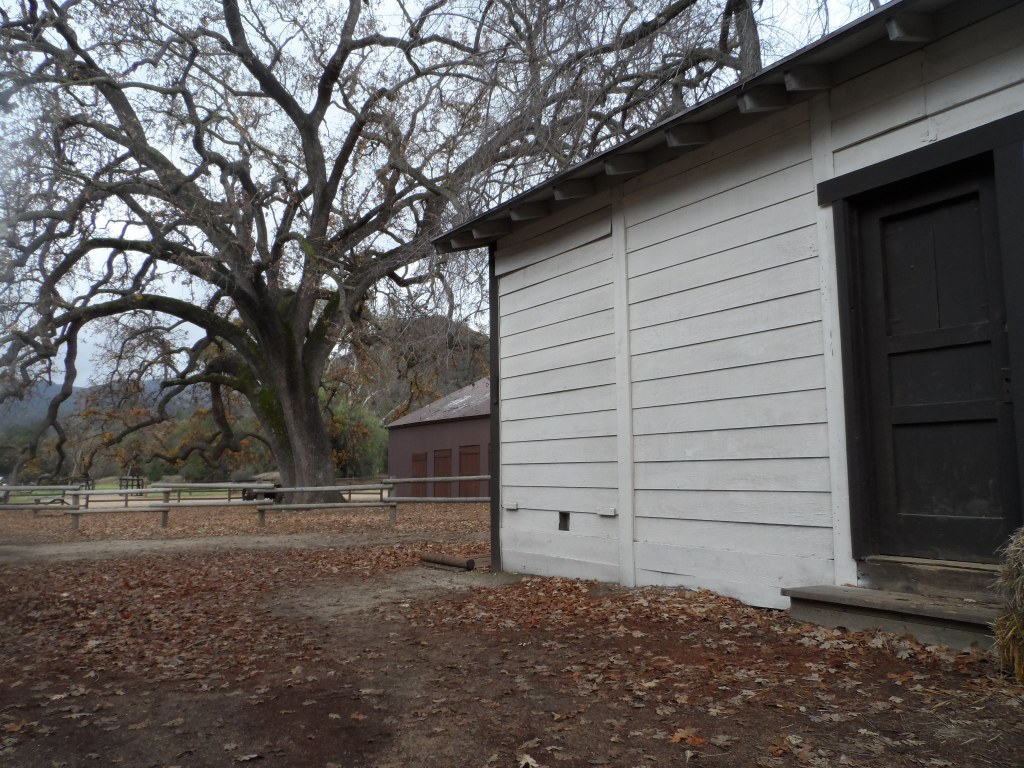
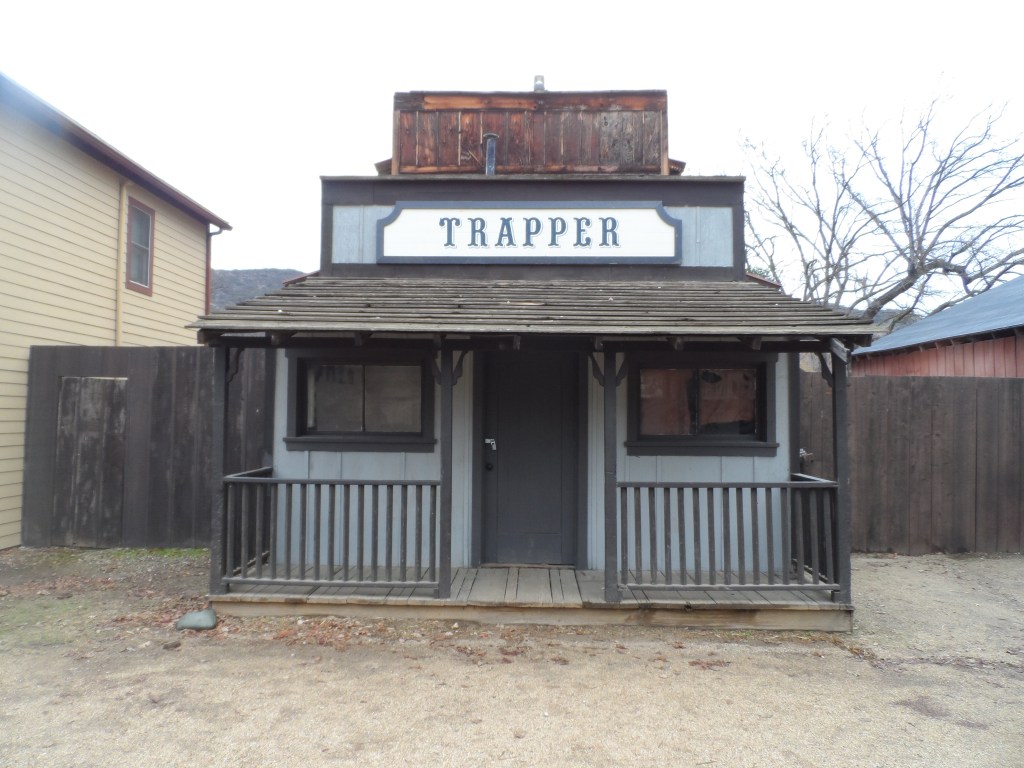

As you can see, there’s plenty to discover here. If you enjoy hiking, numerous trails wind through the surrounding wilderness—some even leading to a scenic summit where you can take in sweeping views of the Western Town below.

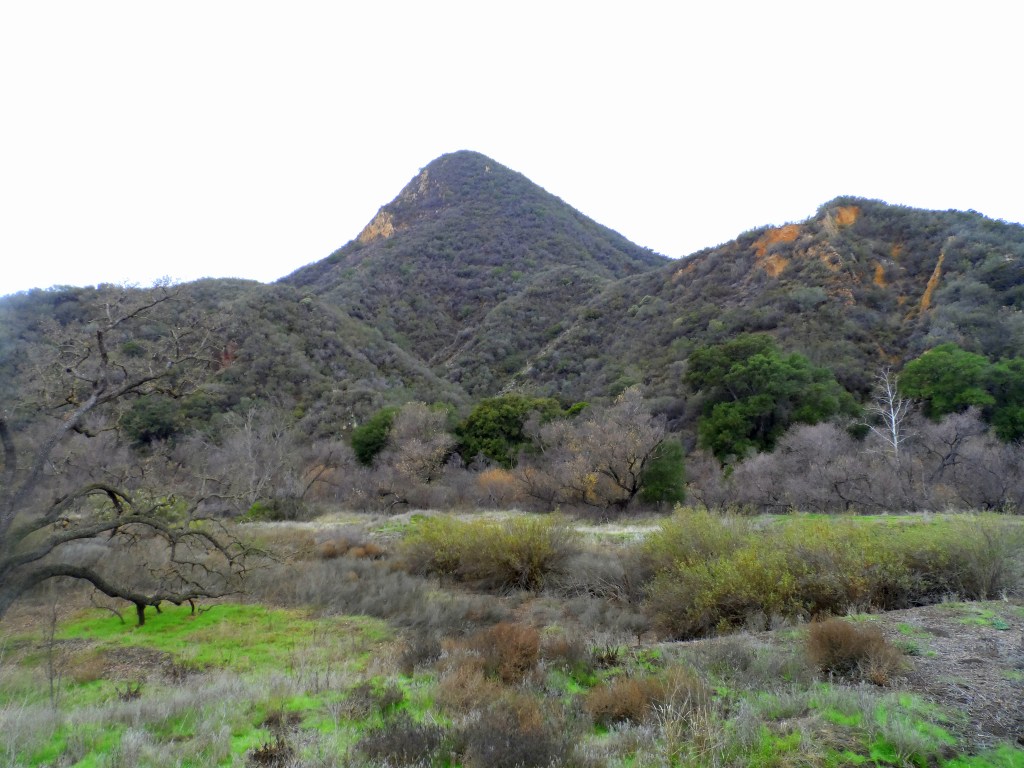
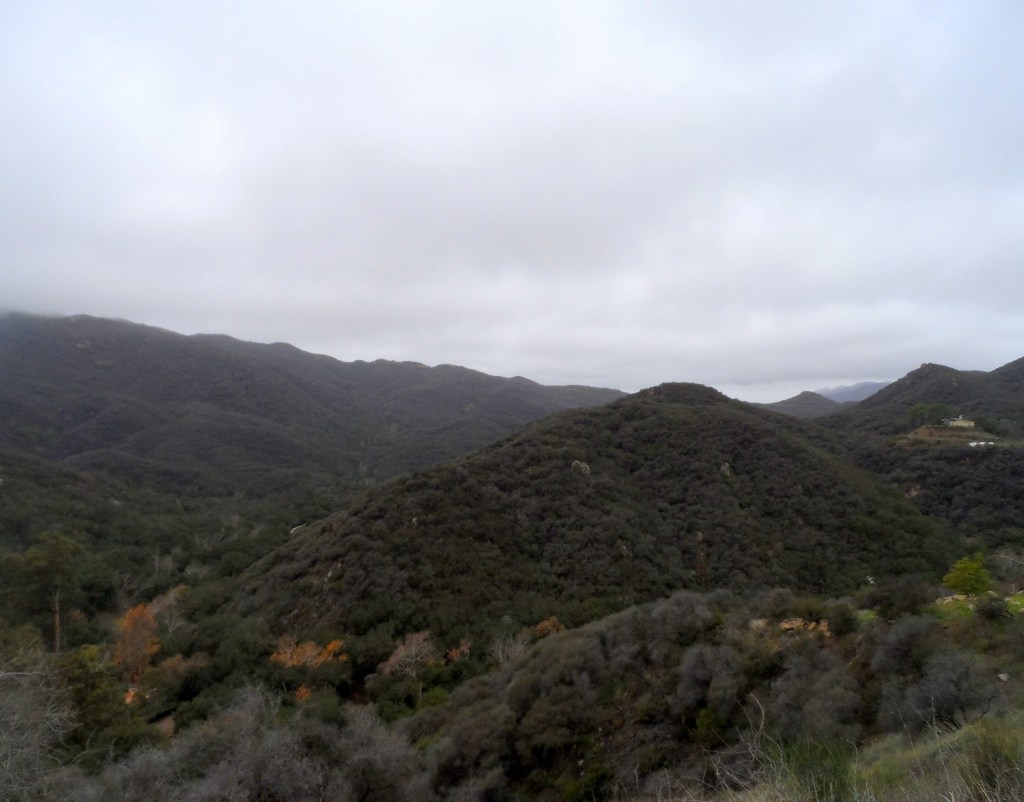
Directions: Paramount Ranch is located in the Santa Monica Mountains, between the west San Fernando Valley and Malibu. Address: 2903 Cornell Rd, Agoura Hills, CA 91301
Some of the more notable movies filmed at Paramount Ranch include: “Paleface” (1948) and “Son of Paleface” (1952), “Gunfight at the OK Corral” (1957), “Fancy Pants” (1950), “The Virginian” (1946), “Whispering Smith” (1948), “The Forest Rangers” (1942), “Miracle of Morgan’s Creek” (1944), “The Perils of Pauline” (1947), “Geronimo” (1939), “The Streets of Laredo” (1949), “Buck Benny Rides Again” (1940), “Ruggles of Red Gap” (1935),” “Gunsmoke” (1931), “The Plainsman” (1936), “Hopalong Cassidy Returns” (1936), “Wells Fargo” (1937), “Union Pacific” (1938), “The Adventures of Marco Polo” (1938), “The Adventures of Tom Sawyer” (1938) and “Reds” (1981).

 Wander Woman