Some roads lead you straight into history.
Tucked quietly into the rolling countryside of Union County stands one of the oldest and most significant homes in the entire Upstate of South Carolina. This Georgian Colonial masterpiece has watched more than two centuries pass from behind its stately brick façade. Long before highways carved through the Carolinas and long before small towns became dots on GPS maps, this home was already standing — solid, symmetrical, and unapologetically grand.
Something is humbling about walking up to a structure that has outlived generations. The air feels heavier. The silence feels deeper, and the walls seem to hold stories that stretch far beyond what any roadside marker can explain. This isn’t just an old house. It’s a survivor.
One story tells of two seafaring friends — a ship’s captain and his purser — who journeyed inland from the Carolina coast and chose two quiet spots exactly five miles apart. They made a pact there: when their days at sea were over, they would return to those very places, build homes, and spend the rest of their lives side by side in the countryside.
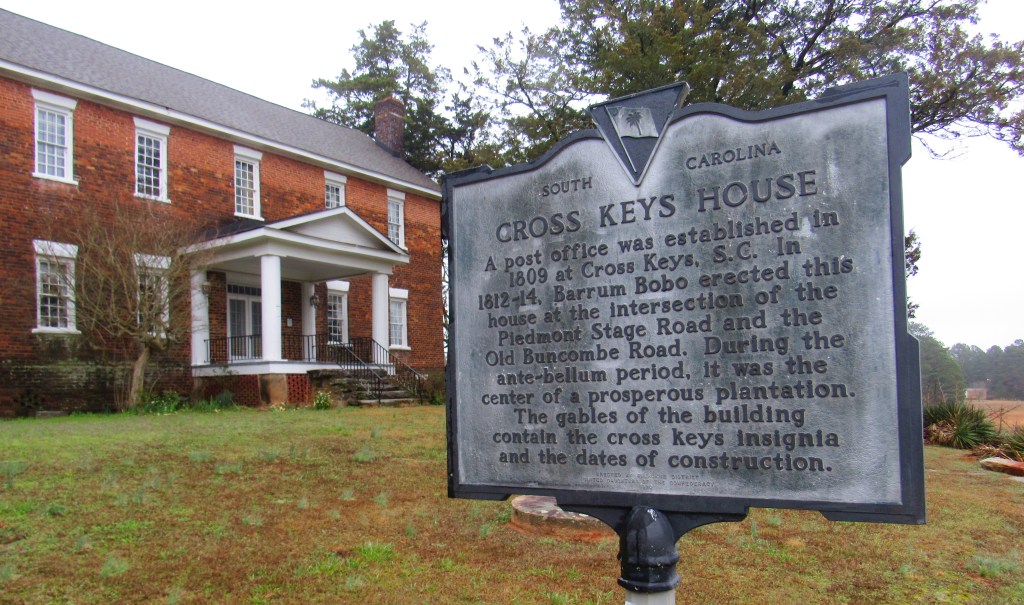
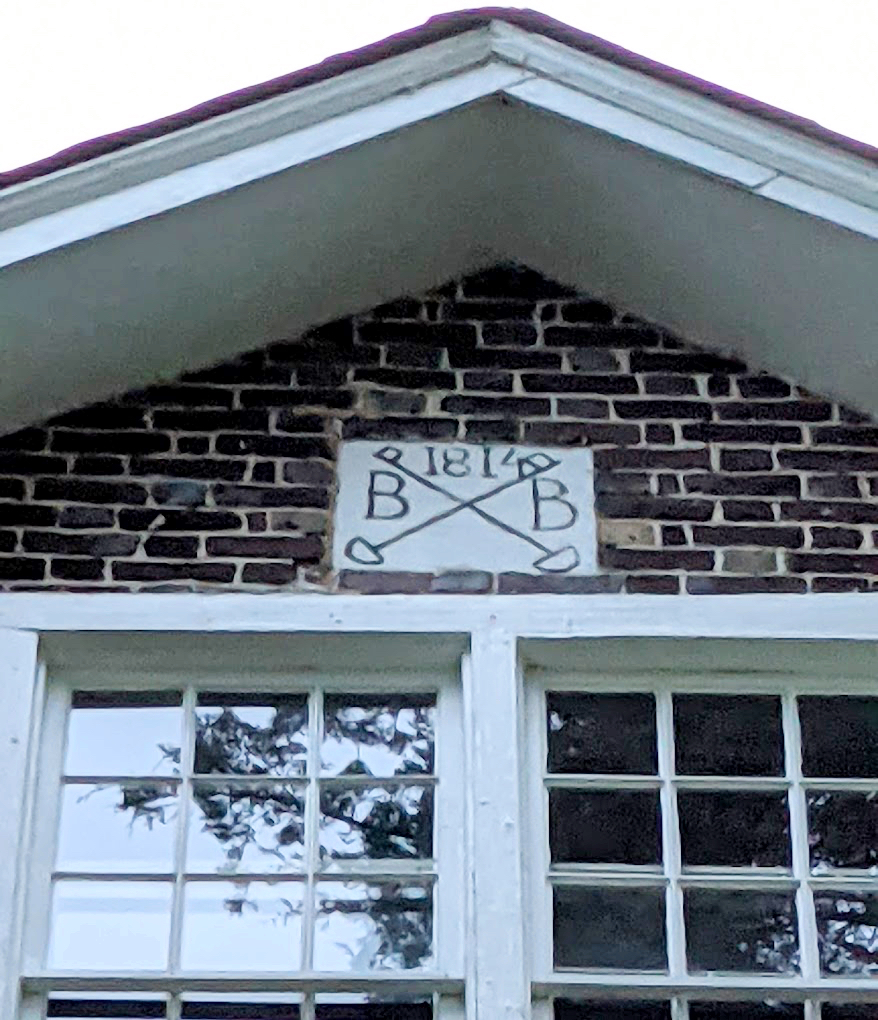
The name Cross Keys is said to have been born from that promise. Between 1812 and 1814, Barrum Bobo constructed the grand Georgian home that still stands today. Beneath its gables rest two carved stone markers. One bears the initials “B.B.” alongside a set of crossed keys — believed to symbolize the purser’s insignia from his years at sea.
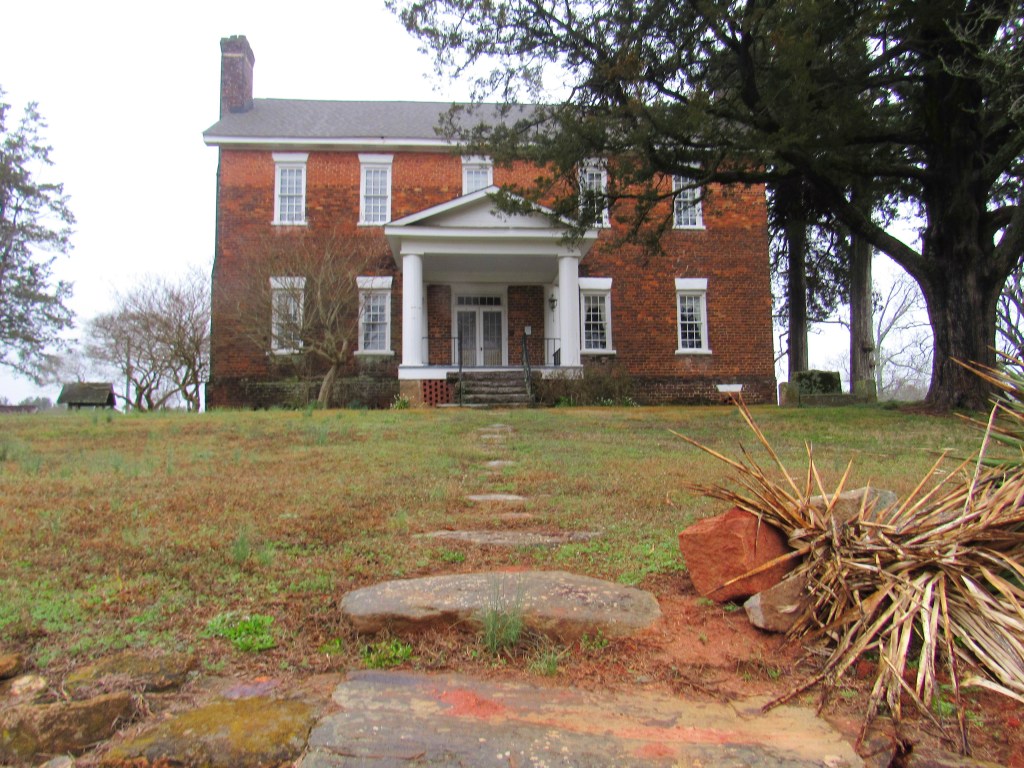
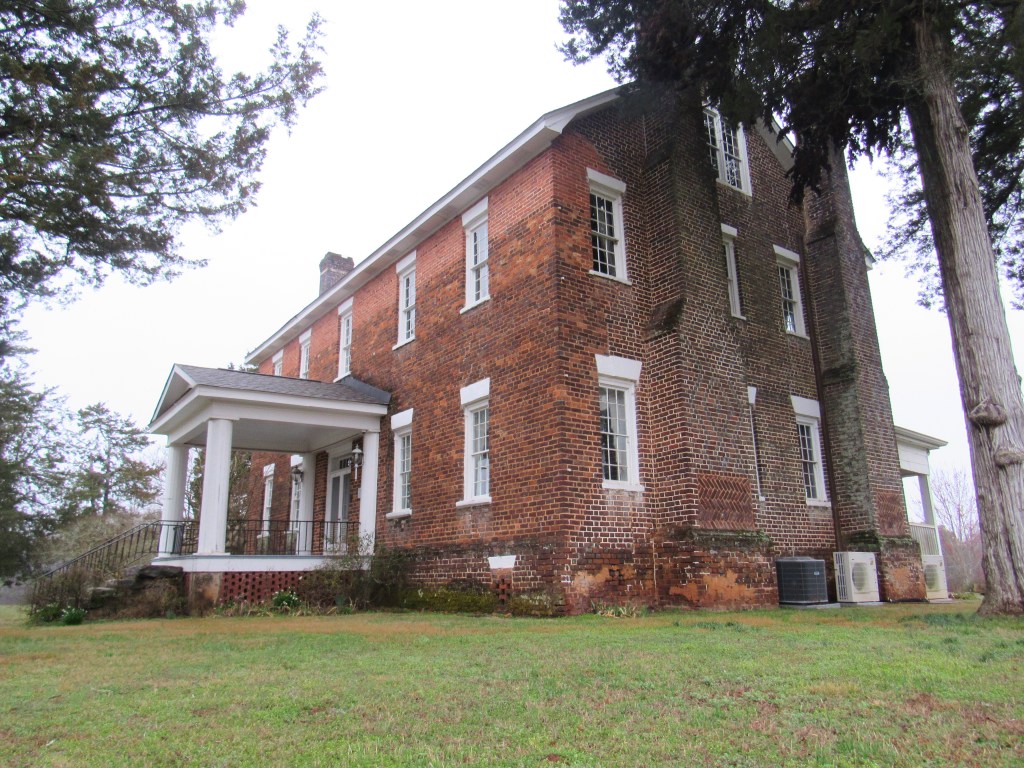
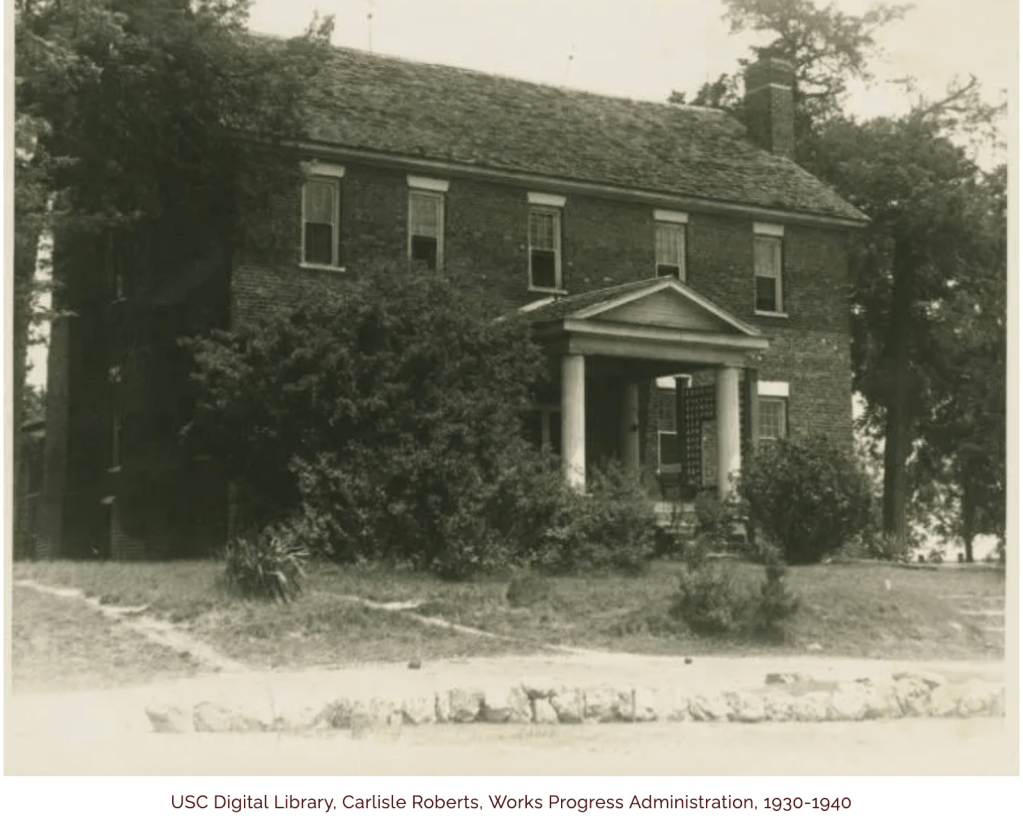
Perched atop a gentle knoll, the tall, stately home rises two full stories above a basement, with an attic tucked beneath its gabled roof. Identical pairs of end chimneys and a massive raised portico anchor the front and crown its symmetrical design. In its prime, Cross Keys stood as the heart of the surrounding community, encompassing nearly 900 acres at its largest.
The land was cultivated by enslaved men, women, and children who were forced to labor for the prosperity of the family that owned it. While historical records do not clearly document how many individuals were enslaved here, it is known that they lived in separate structures scattered across the vast property — their lives and contributions forming an essential, though often under-acknowledged, part of the plantation’s history.
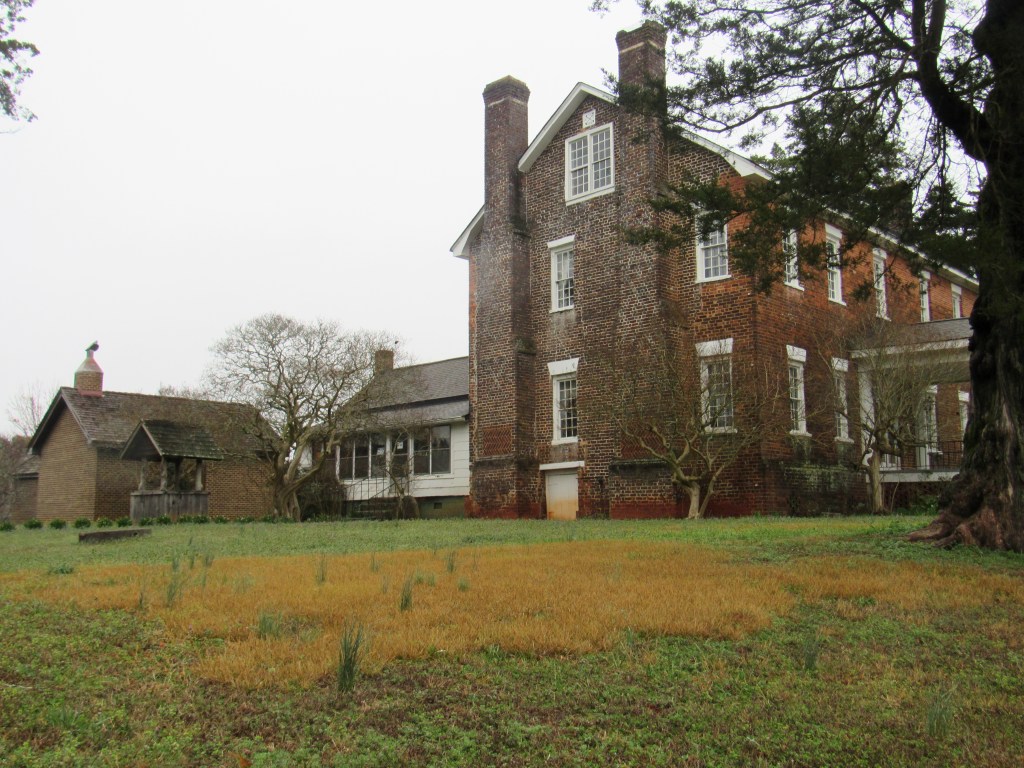
Fueled by the wealth generated through the forced labor of enslaved people on the plantation, the Bobo family experienced nearly two decades of prosperity at Cross Keys. That era came to a somber close on September 20, 1829, when Barrum Bobo died inside the very home he had built, following a long and debilitating illness.
The Cross Keys House eventually passed into the hands of the Whitmire-Davis family, who would guide the historic home through yet another chapter of American history. The new lady of the house, Mrs. Mary Ann Elizabeth Bobo Whitmire-Davis, was a distant cousin of Barrum Bobo, linking the property’s past and future through family ties.
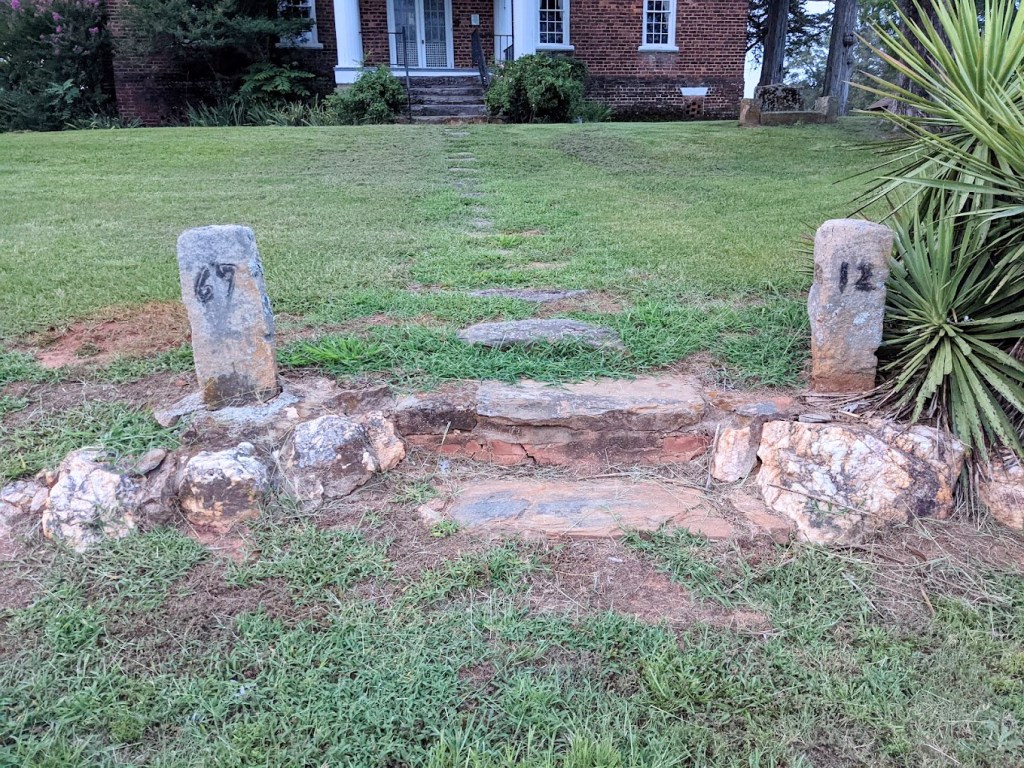
Positioned at the crossroads of the Old Buncombe Road and the Old Ninety-Six Road, Cross Keys stood at the heart of a thriving plantation and quickly became a well-known stagecoach stop for travelers moving through the region. A post office was established here as early as 1809, overseen by the area’s first postmaster, George Gordon. Two weathered milestones still stand in front of the house, marking distances to Union and Columbia — quiet reminders of South Carolina’s earliest highway system.
The plantation stepped into a pivotal moment of history on April 30, 1865, supported by diary accounts, when Confederate President Jefferson Davis passed through along with members of his cabinet and military escort, while fleeing Richmond, during the final days of the Civil War. Hoping to remain unnoticed, the men offered only vague introductions before taking their seats, joining the family for a meal just as countless travelers had before them. Unaware of their guests’ true identities, the hosts served a simple meal of mutton and sent them on their way.
It wasn’t until later, legend says, that Mrs. Whitmire-Davis recognized the man she had served. After spotting his likeness on a postage stamp, she realized that the former President himself had dined under her roof — a revelation that transformed an ordinary meal into a story passed down through generations.
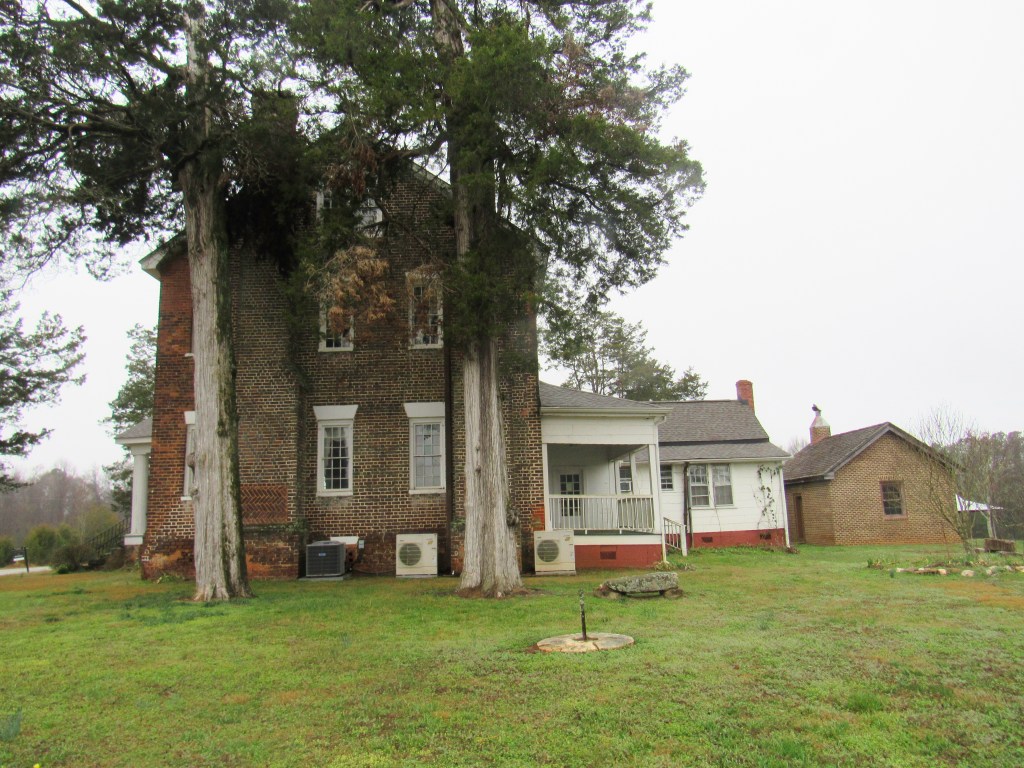
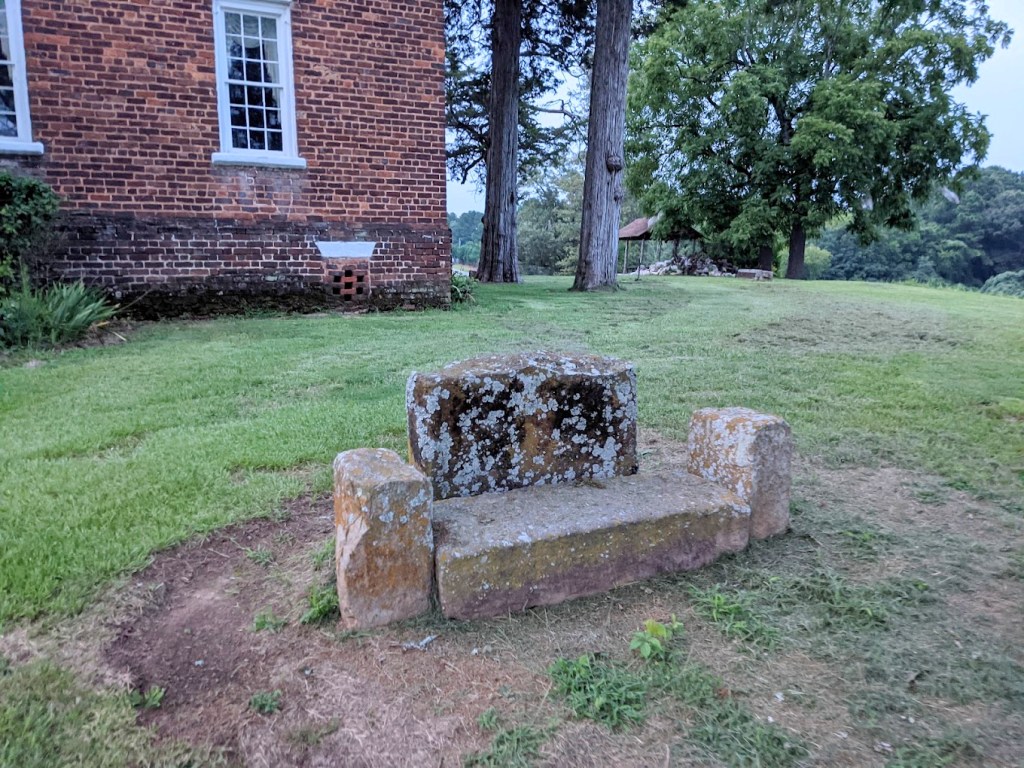
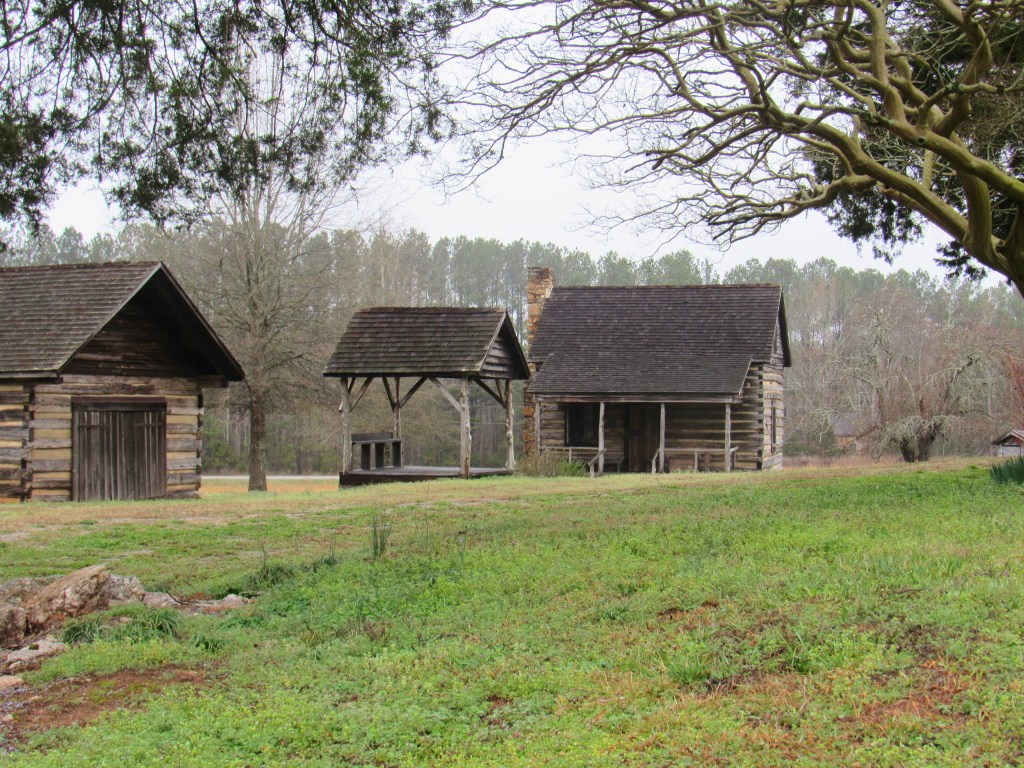
Today, the site is preserved and operated as a museum by the Union County Historical Society. Visitors can explore the main house along with several carefully relocated historic structures, including an antebellum log cabin, a blacksmith shop, a barn, and a smokehouse — each offering a glimpse into daily life on a working Southern plantation.
Over the years, both visitors and local historians have come to believe that the plantation carries more than just history within its walls. The spirit most often mentioned is said to be Mary Whitmire Davis — also known as Mary Ann Bobo Whitmire — the former owner who died in an upstairs bedroom in 1888. Witnesses claim to have seen a woman standing in the upper or attic windows, a candle glowing faintly in her hand. Tour guides have also noted small but unsettling disturbances, including a pair of women’s shoes displayed in one of the bedrooms that are frequently discovered out of place. Others speak of shadowy figures glimpsed through the windows and an unmistakable sense of being watched while moving through the house. Some visitors report the sound of heavy footsteps echoing overhead, while others describe the lingering scent of cigar smoke drifting through the very room where Jefferson Davis once stayed.
As the sun dips behind the trees and the shadows stretch across the brick façade of the Cross Keys Plantation House, it’s easy to understand why this place lingers in the minds of those who visit. Preserved by the Historical Society, it stands not only as one of the most significant historic homes in Union County, South Carolina, but as a quiet guardian of the Upstate’s layered past. Beauty and sorrow, legend and documented history all meet beneath its gables, and perhaps that’s the real magic of the road — sometimes the most meaningful moments aren’t on the itinerary at all. In a state as rich as South Carolina, a simple detour can lead you straight into a story that refuses to be forgotten.
The Cross Keys House is located at 163 Old Buncombe Rd.