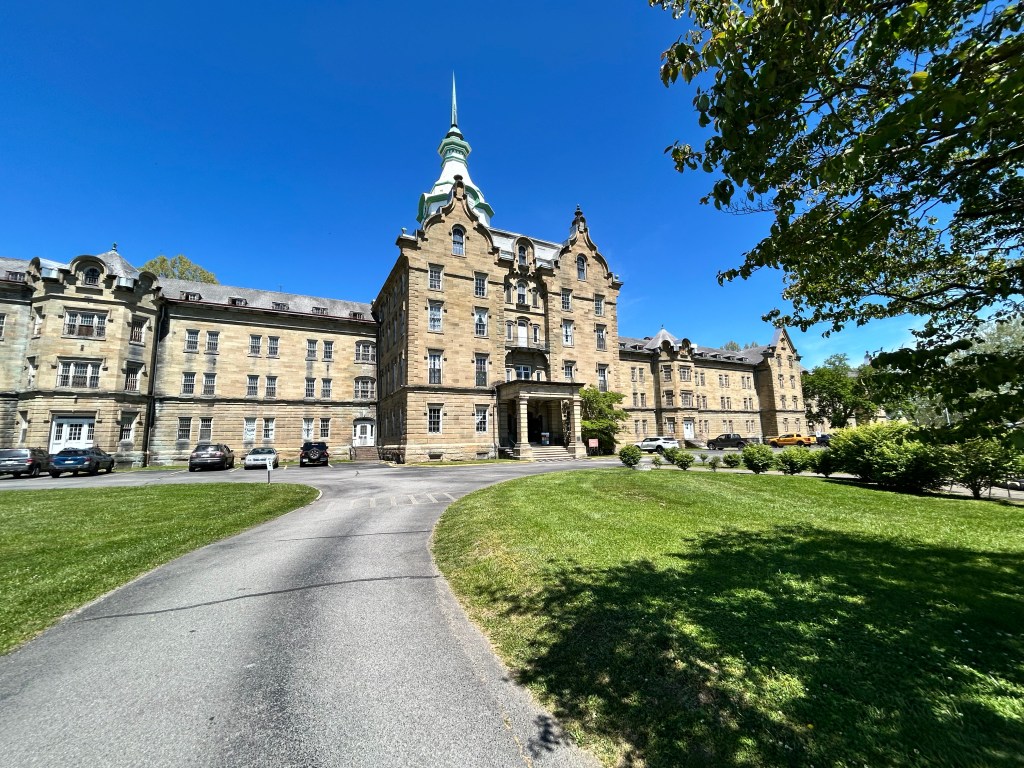
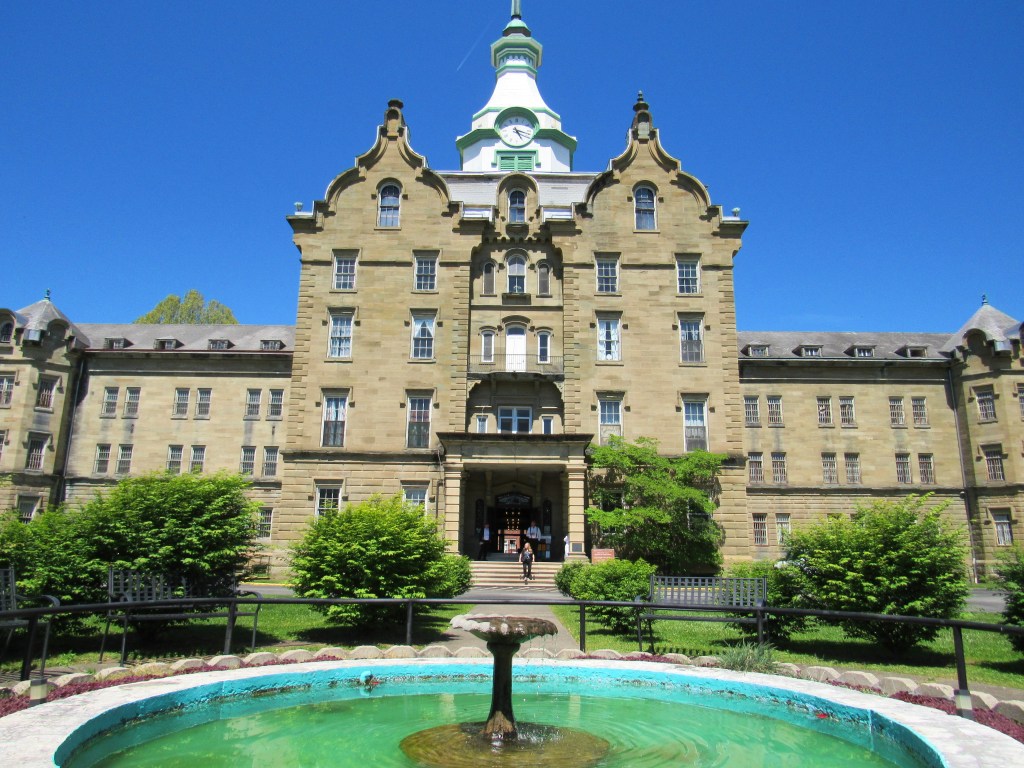
Winston & I pulled up to the terrifyingly beautiful Trans Allegheny Lunatic Asylum with a mix of anticipation and that uneasy quiet you only get when you know a place has stories buried deep in its bones. The first thing that hits you isn’t even the history—it’s the building itself. Massive and unrelenting, it stretches out in long, intimidating lines of weathered stone, its architecture rising in a way that feels almost deliberate, like it was designed to make you feel small before you even step inside. Driving closer, the sheer scale of it becomes overwhelming; it’s not just a building, it’s a presence. And then there’s the cold. A strange, sinking chill that clings to the air despite the fact there’s no air conditioning, no modern reason for it at all. It’s the kind of cold that doesn’t just sit on your skin—it settles in, like the place is breathing around you, watching you before you’ve even had the chance to look inside.
I first learned about the Trans Allegheny Lunatic Asylum through episodes of Ghost Adventures and Ghost Hunters, and from that moment on, I knew it was a place I would have to experience for myself someday. There was something about it that stuck with me—not just the reports of paranormal activity, but the deep, layered history behind its walls and the lives that once passed through them. As a wanderer drawn to forgotten places and the stories they leave behind, I’ve always had a soft spot for historic sites that carry a little extra weight in the air… the kind that feels like history never fully let go. Winston, on the other hand, isn’t exactly a fan of haunted locations—he tends to prefer places with a lot less mystery and a lot more sunshine.
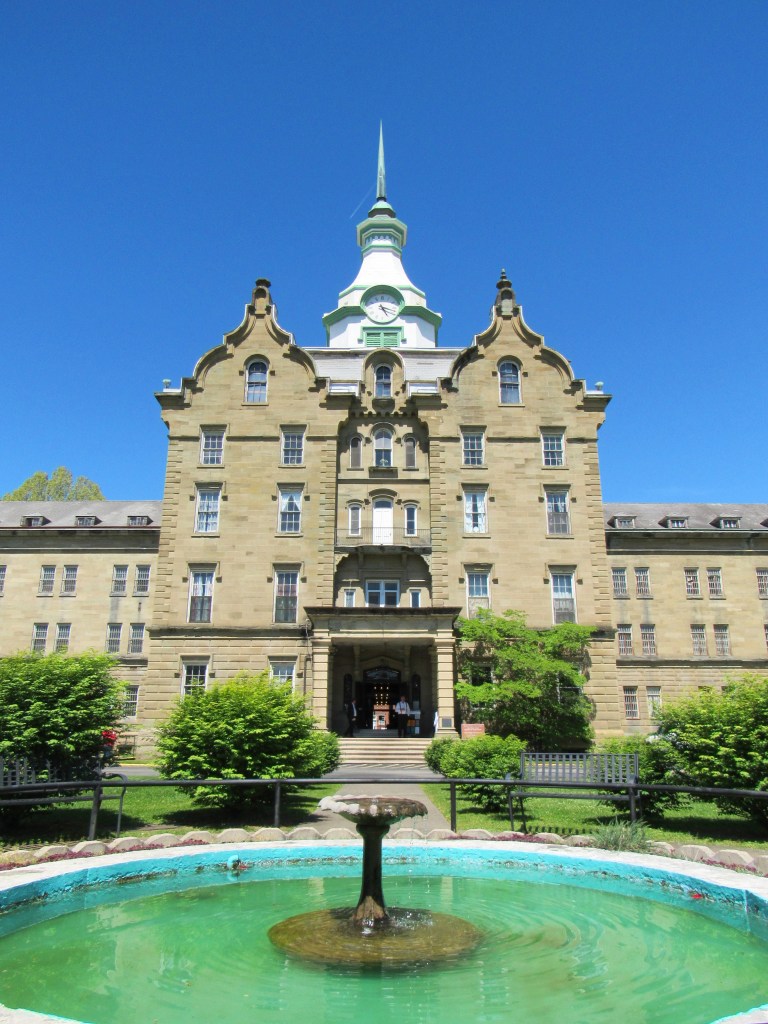
The enormous structure looms over what is otherwise a quiet, unassuming West Virginia town. At first glance, the grounds feel almost peaceful—a neatly kept lawn and a glistening fountain offering a welcoming entrance that hides what lies beyond the surface. Walking the property, you’d never guess that the Trans-Allegheny Lunatic Asylum once held some of the most disturbing and inhumane medical practices in history.
Built in the Gothic and Tudor Revival styles, the facility’s design is both striking and unsettling in its detail. Construction began in late 1858 along the West Fork River, directly across from the small village of Weston, forever changing the landscape—and its history.
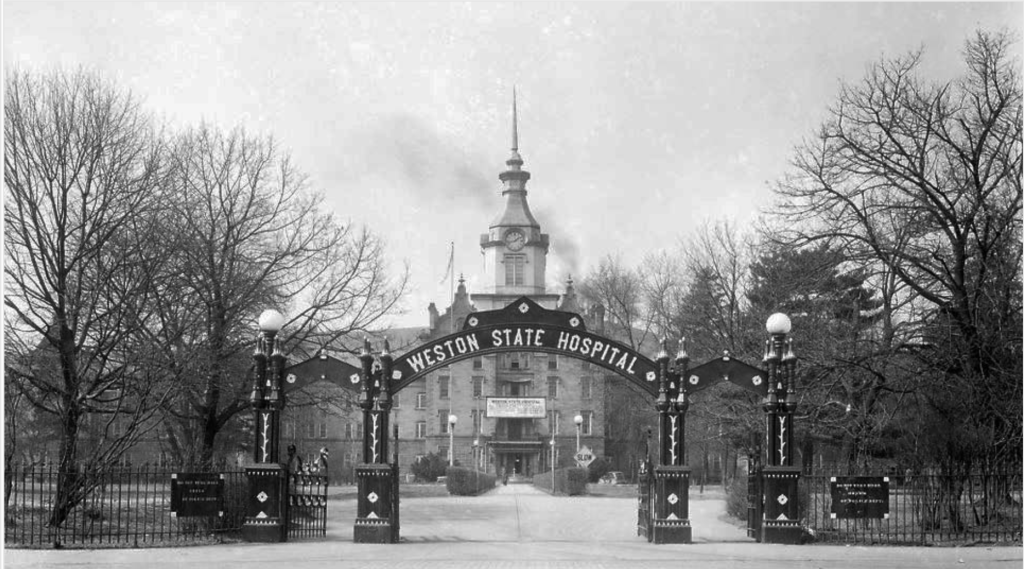
Originally known as Weston State Hospital when it was built in the 1800s, construction on what would become the Trans-Allegheny Lunatic Asylum was interrupted in 1858 when Union soldiers took control of the land during the Civil War. Like many psychiatric institutions of its era, the building was designed in the Kirkbride Plan, a system created under the guidance of Dr. Thomas Story Kirkbride. He believed that environment played a crucial role in mental health treatment, advocating for spacious, structured facilities where patients could move freely and spend time outdoors on the grounds. He envisioned that this sense of openness and calm could aid in healing and, over time, even lead to recovery. In its early years, some patients reportedly held fond memories of their time there, when the hospital more closely reflected its intended purpose as a place of care and treatment rather than the dark reputation it would later acquire.
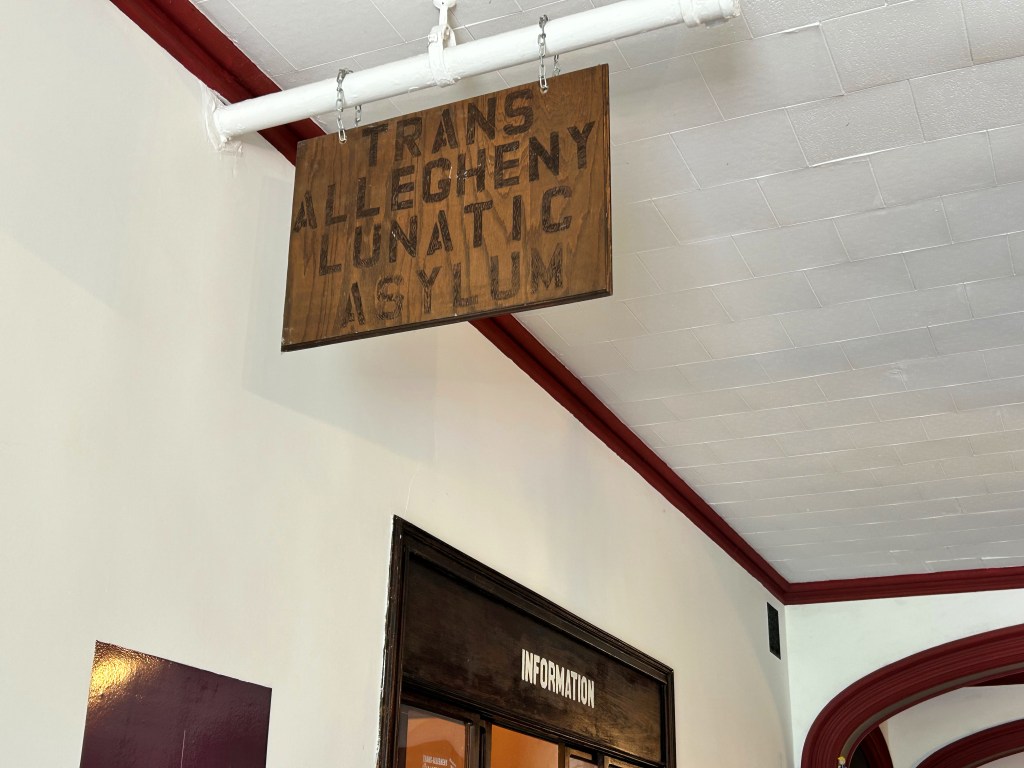
The asylum’s Gothic Revival main building is believed to be one of the largest hand-cut stone structures in the United States, and some accounts suggest it is second in size only to the Kremlin in Moscow. It was authorized by the Virginia General Assembly in the years leading up to the Civil War and deliberately placed far from the populated eastern regions of the state, beyond the Allegheny Mountains. Designed by architect Richard Snowden Andrews and completed in 1881, the facility was originally intended to house around 250 patients. However, by the 1950s it had become severely overcrowded, with more than 2,400 individuals confined within its walls, ultimately leading to its closure.
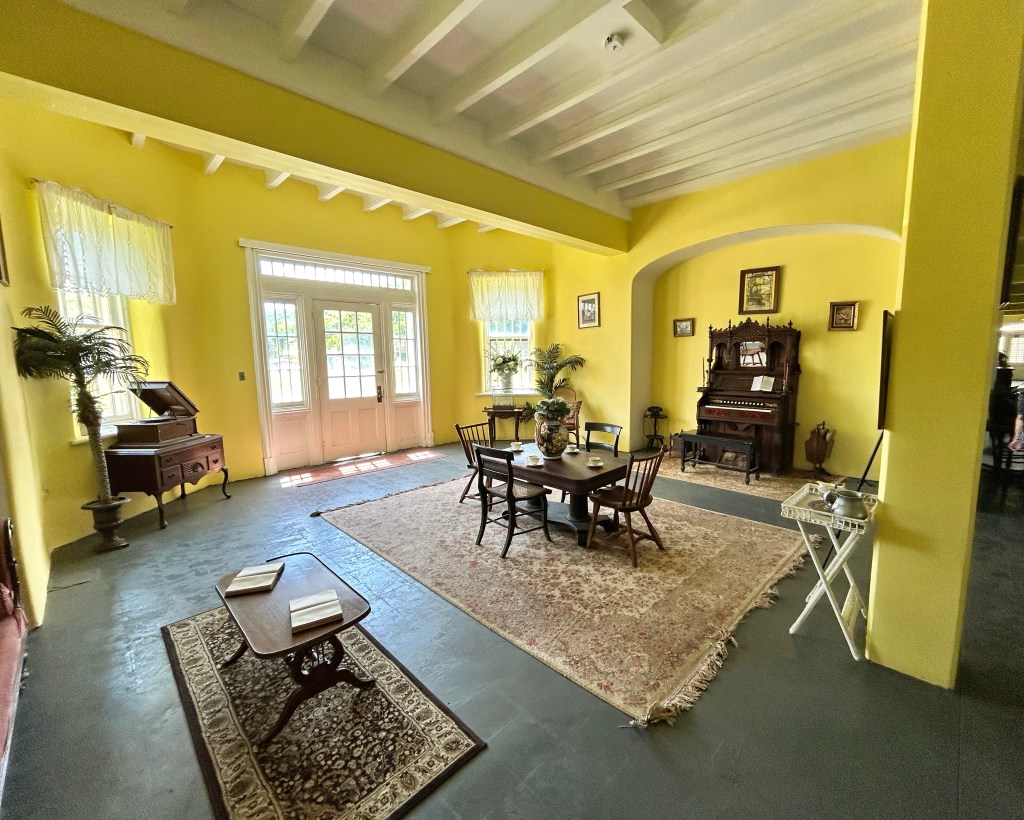
When it first opened, the hospital was designed to comfortably house around 250 patients, each with their own private room. However, by 1863, a rising number of mental health diagnoses led to a sharp increase in admissions, quickly pushing the facility beyond its intended capacity. An additional 500 patients were taken in despite the hospital already being full, and it soon began to struggle under the weight of overcrowding and the level of care required. From there, conditions began to deteriorate—and they declined quickly.
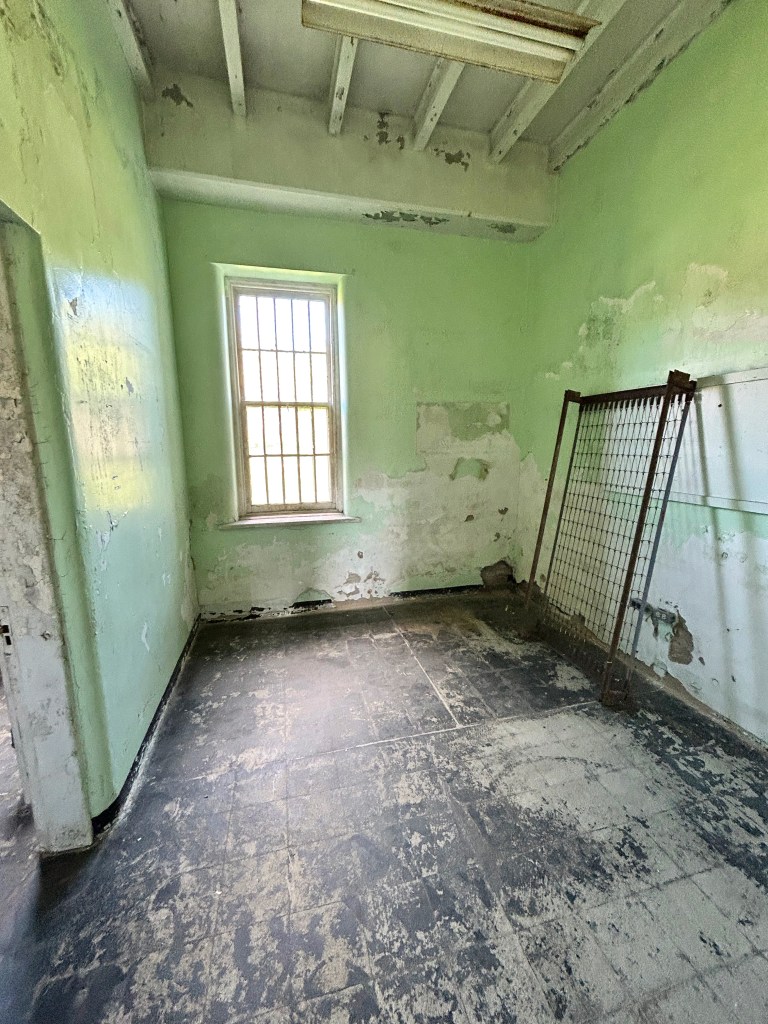
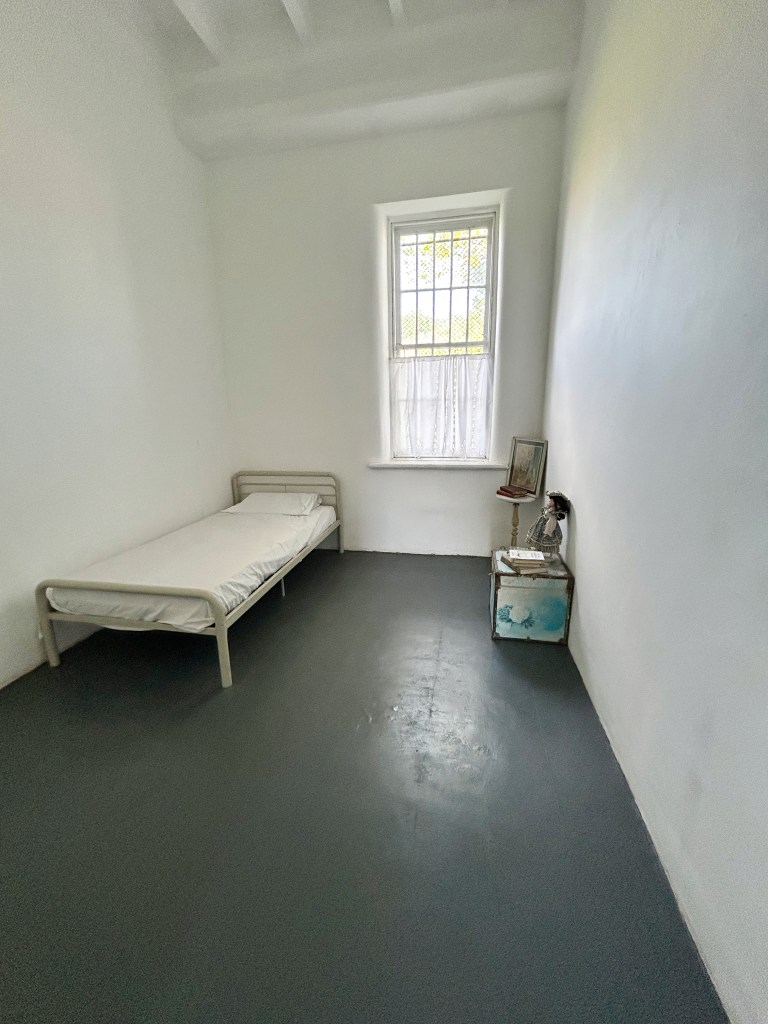
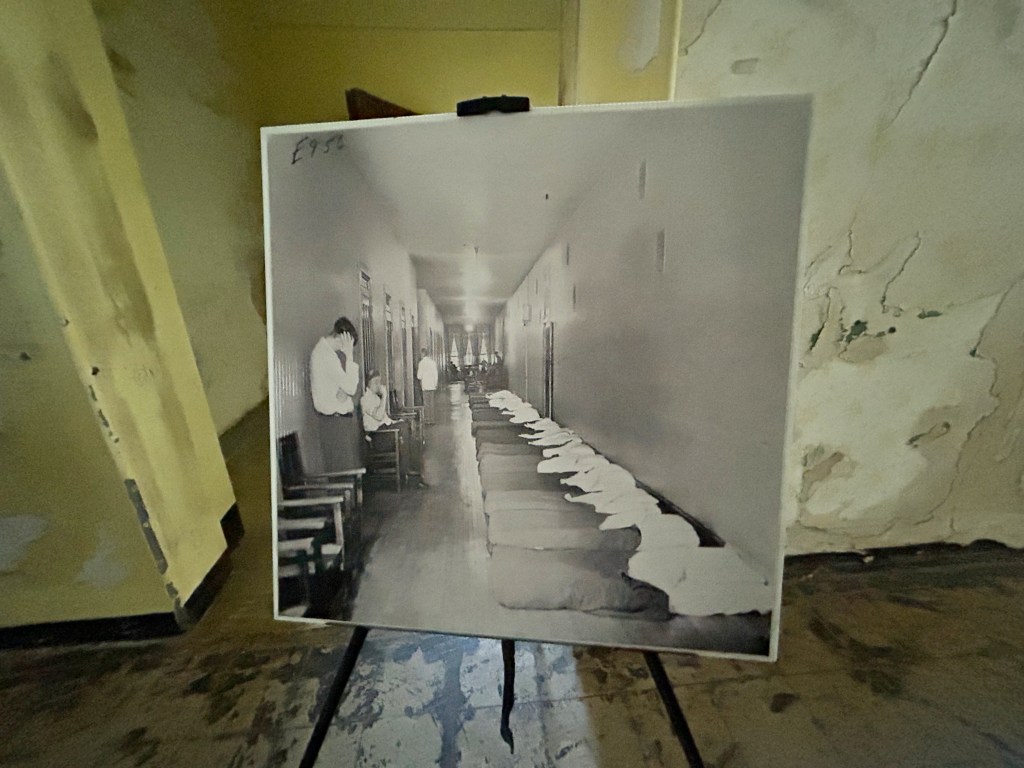
Patients were often forced into overcrowded conditions, with four or five sharing rooms that were originally intended for just one person. By 1938, the asylum had expanded to more than six times its intended capacity. Order began to break down as patients became increasingly difficult to manage, and nurses and doctors struggled to maintain control. Food supplies grew scarce, and even hallways were converted into makeshift patient rooms to accommodate the overflow.
The overcrowding wasn’t simply the result of limited space. While many patients did suffer from legitimate mental health conditions, a significant number were admitted for reasons that today seem questionable at best—ranging from physical illnesses like asthma, tuberculosis, and rabies to vague or subjective causes such as “domestic insubordination,” indigestion, or even political agitation. When viewed through a modern lens, it raises an unsettling thought: by those standards, nearly anyone could have qualified for admission at some point—after all, most people have argued with a spouse, dealt with an upset stomach, or felt frustration with the state of the world around them.
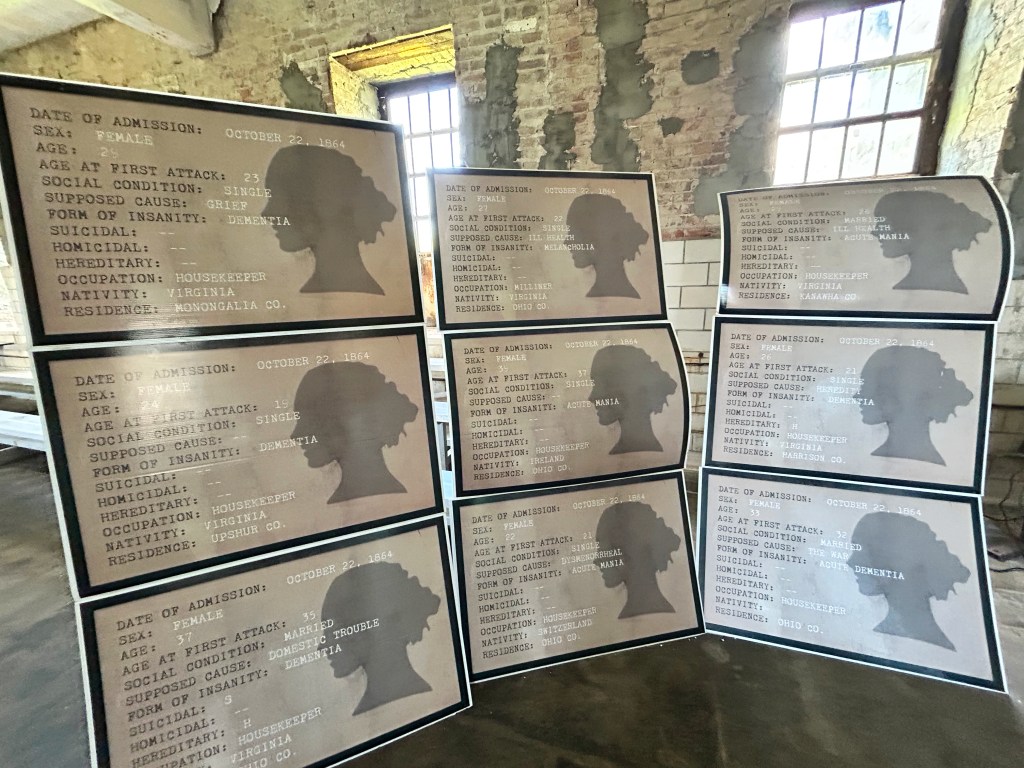
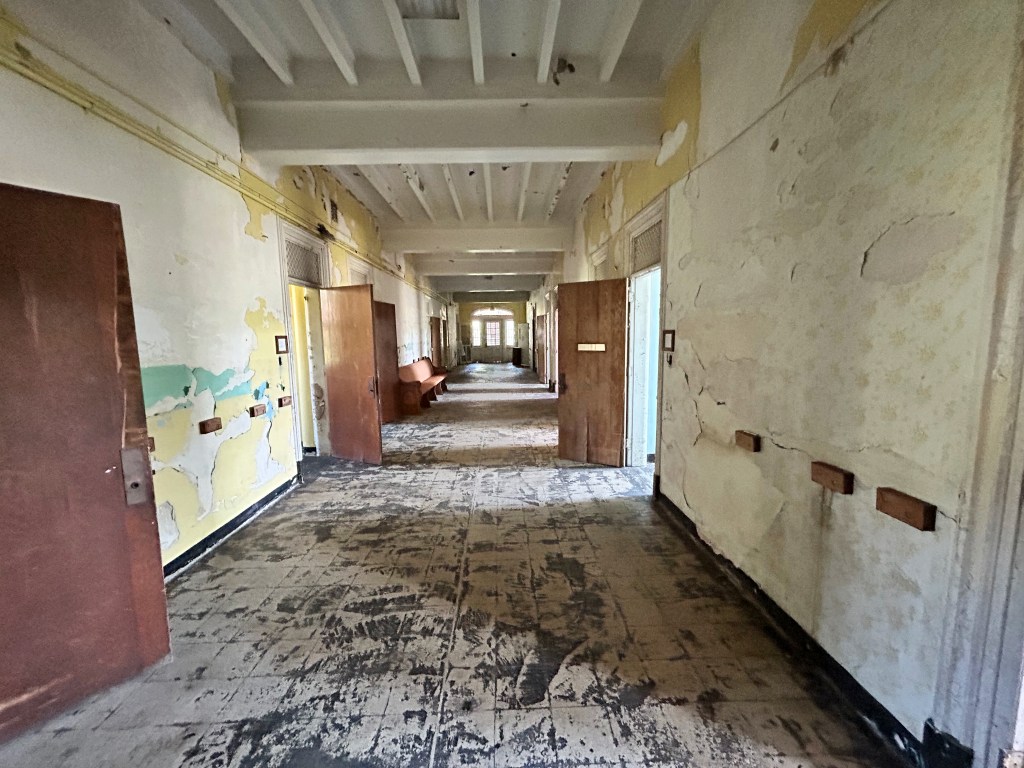
By the 1950s, the hospital had reached its peak population, housing around 2,600 patients despite being originally designed for just 250. This extreme overcrowding created a volatile environment, with tension, conflict, and a growing sense of apathy spreading through the halls. Patients were often forced to sleep on bare floors in freezing rooms, many of which lacked basic furniture or adequate heat. Windows were thick with mold, and wallpaper hung in peeling strips from the walls. In many areas, the asylum gave the unsettling impression of being abandoned long before it officially closed.
During this period, the Trans-Allegheny Lunatic Asylum also became known for its use of now-discredited and experimental psychiatric treatments. Among them were thousands of lobotomies—reportedly over 4,000 procedures—that often left patients with severe and permanent brain damage, including cognitive impairment and internal complications.
One of the methods used was the so-called “ice pick” technique, a procedure intended to disrupt connections in the brain’s frontal lobes. While it was promoted at the time as a treatment for severe mental illness, it frequently resulted in drastic personality changes, loss of emotional responsiveness, and, in some cases, death.
Other treatments used during this era reflected the limited understanding of mental health at the time. Chlorpromazine (Thorazine) was introduced with the intention of managing psychotic symptoms, but was often used in a way that left patients heavily sedated or emotionally blunted. Insulin shock therapy—inducing repeated comas—and electroconvulsive therapy, commonly known as shock treatment, were also employed in attempts to control or “reset” psychiatric conditions.
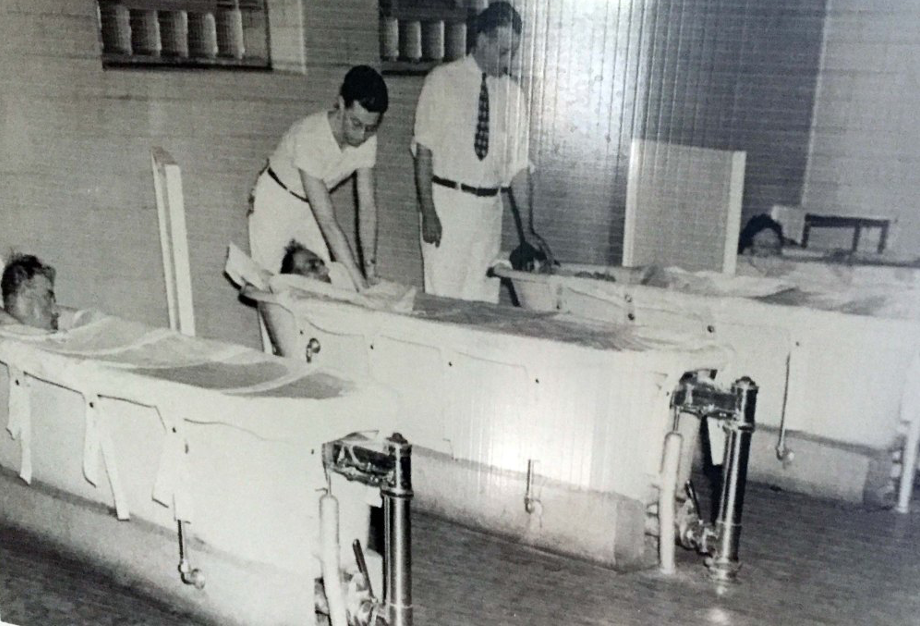
Looking back, many of these practices are now viewed as deeply harmful, reflecting a period in psychiatric care where experimentation often came at a devastating cost to patients.
After the hospital closed in 1994, the only addition ever made to the property was a cemetery. Today, visitors can take guided tours through both the former hospital and the graveyard, where the story of its past is shared time and time again. Each retelling revisits, some of the most difficult and tragic chapters in the lives of those who once lived there. Given its history, it’s not hard to understand why the asylum is believed to be haunted—many say the spirits of former patients still linger on the grounds, unable to leave what was once their only home, even in death.
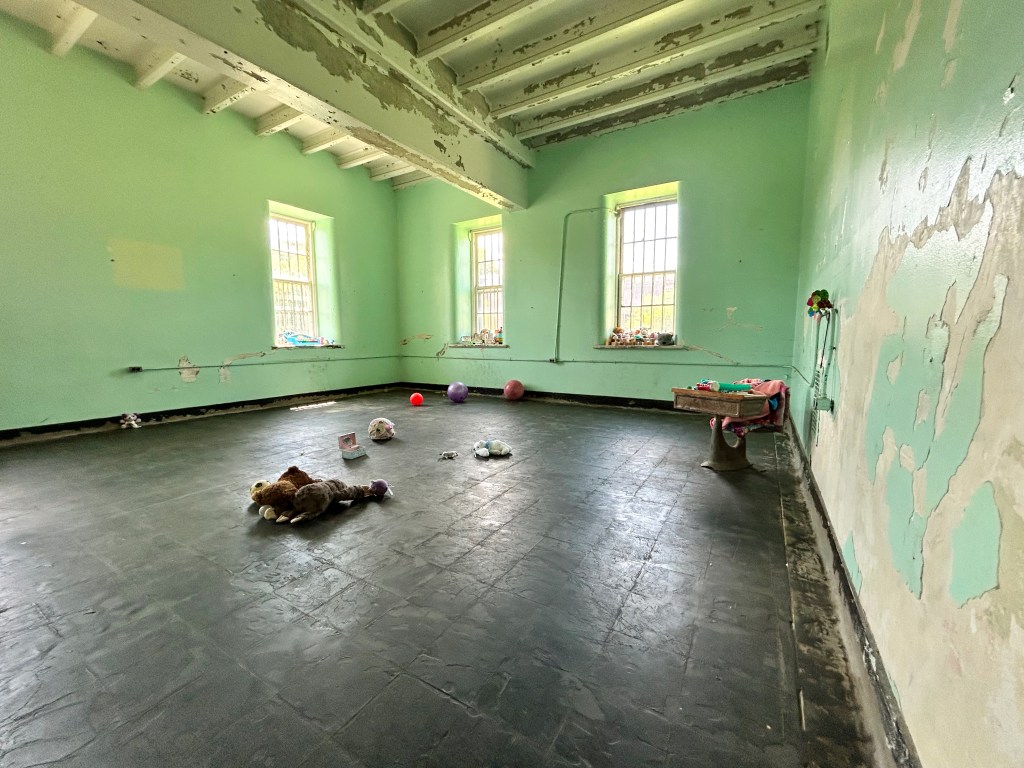
In a room toward the rear of one of the wings, a patient was killed by two others in a brutal attack. They initially attempted to hang him, but when that failed, they forced his head beneath a metal bed frame and jumped on it until the frame collapsed to the floor. Sadly, he was not the only victim—other patients were also killed by fellow residents as overcrowding, untreated mental illness, and inadequate care created a volatile and dangerous environment.
That same room is now often described as having sudden cold spots and the faint sense of distant, muffled cries. Some believe the presence is tied to Dean, the patient who was killed there, and that whatever happened in that space may still linger in ways that can be felt, if not explained.
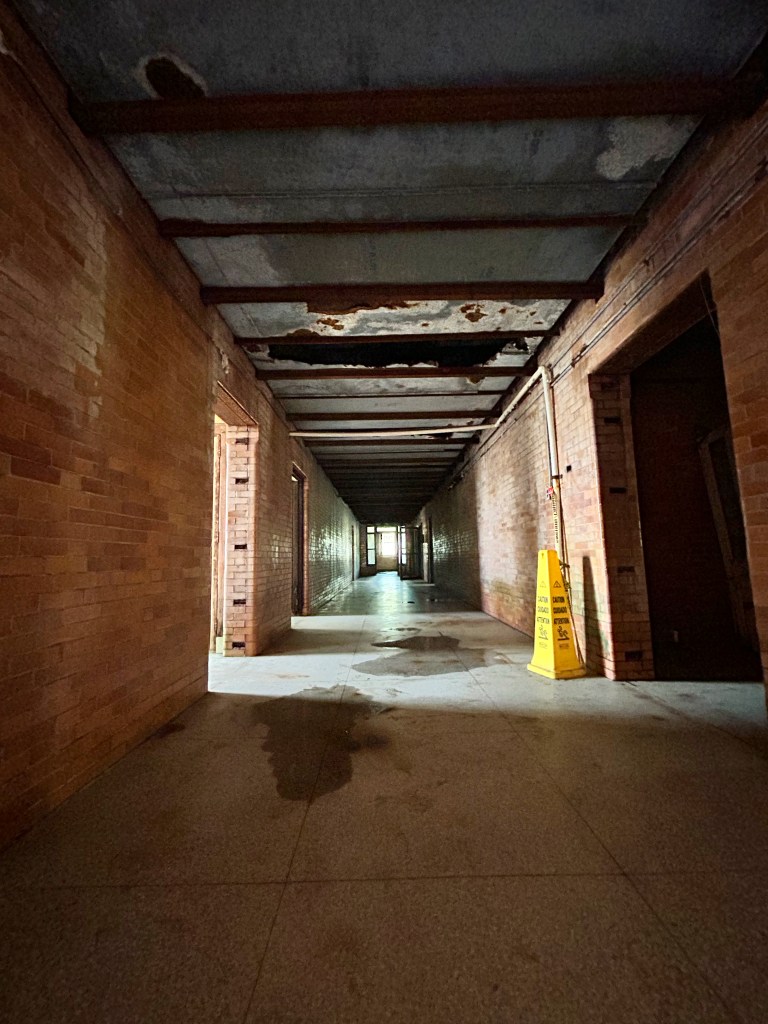
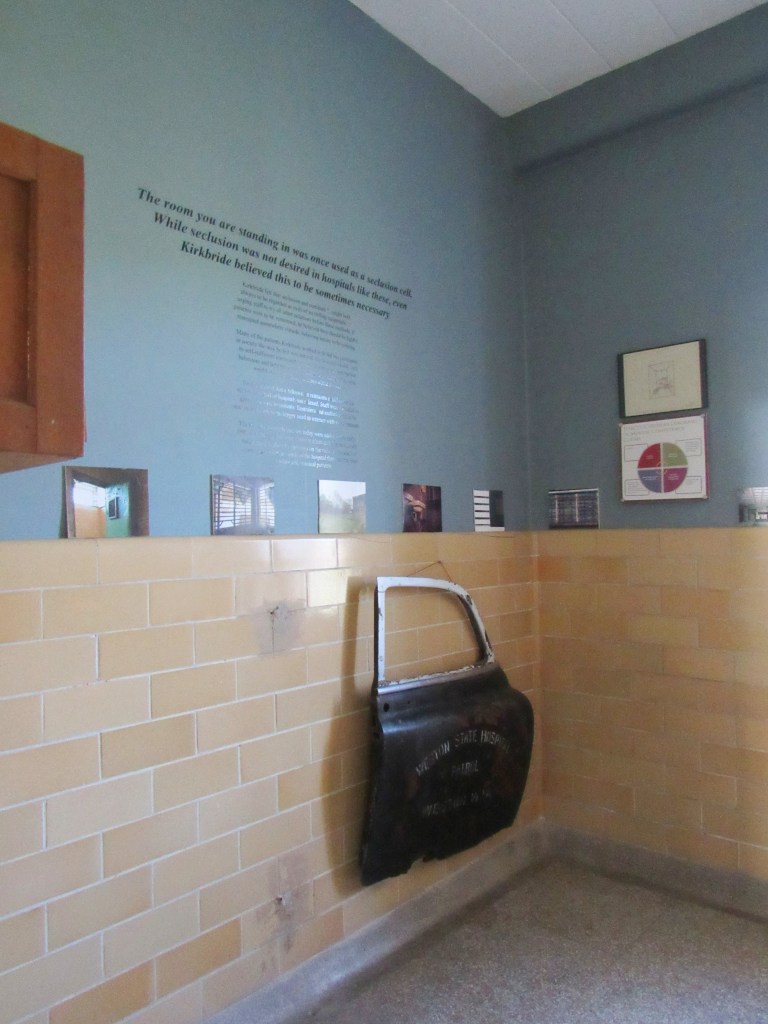
Asylum staff had the authority to place patients in isolation if they were considered “uncontrollable,” a decision often left to already exhausted and overworked employees. Conditions in isolation were said to be so severe that many patients would do almost anything to avoid or escape it.
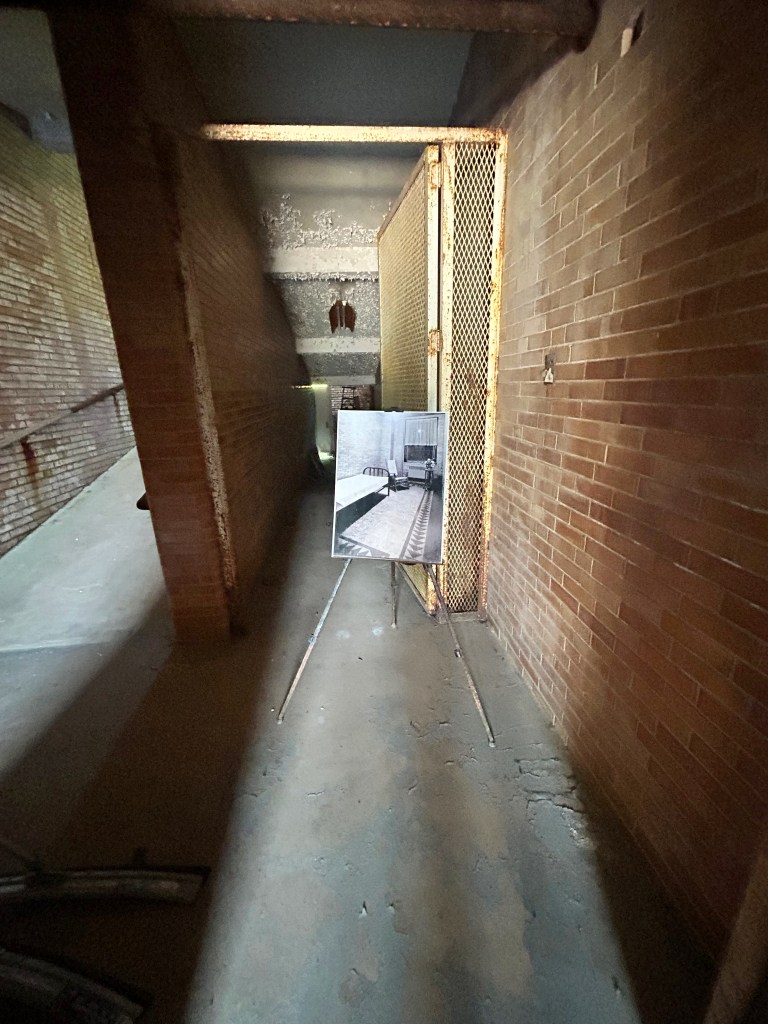
One particularly striking account involves a former boxer who had sustained repeated head injuries during his career, leaving him volatile and emotionally detached. In a sudden burst of strength, he reportedly attempted to break down the heavy metal door of his isolation room. Remarkably, he managed to tear it from its hinges, leaving visible dents in the steel. Once free, he is said to have calmly handed the door to a nurse before quietly returning to his room.
Rooms used for isolation are often described by visitors as carrying an unsettling energy, with reports of sudden pushes, unexplained scratches, and disembodied voices repeating the words, “get me out of here.”
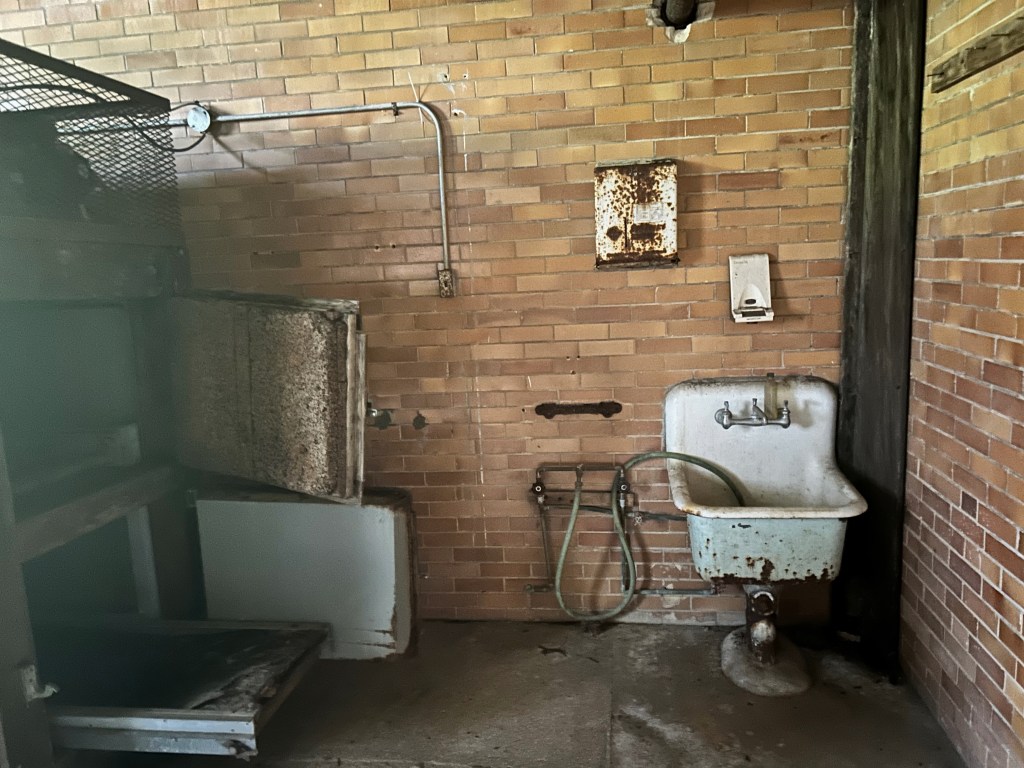
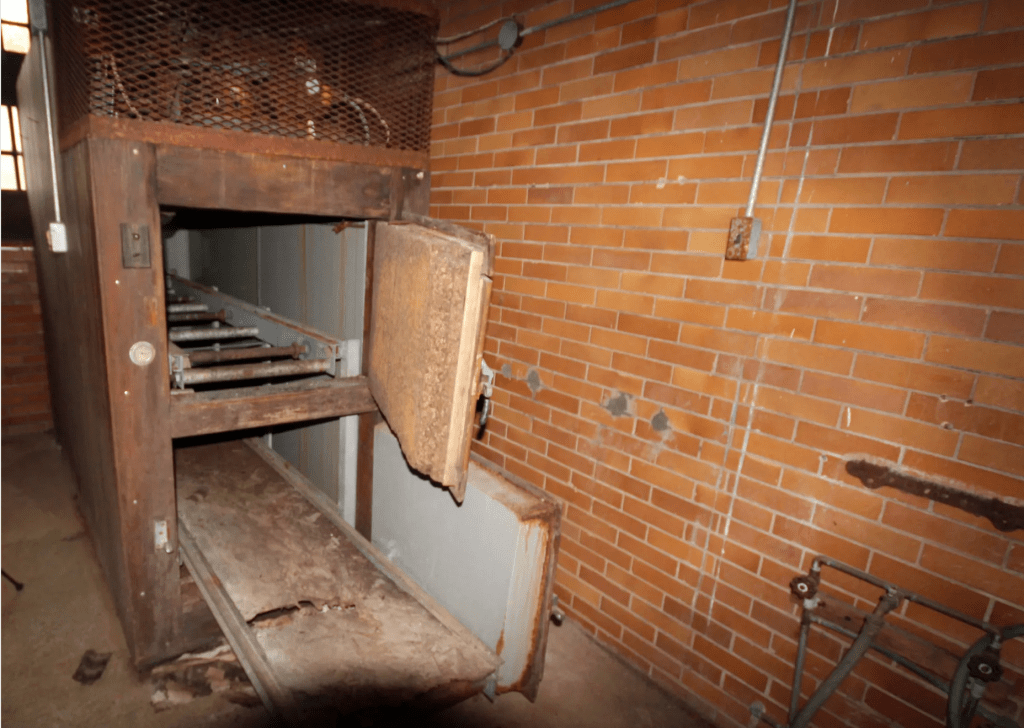
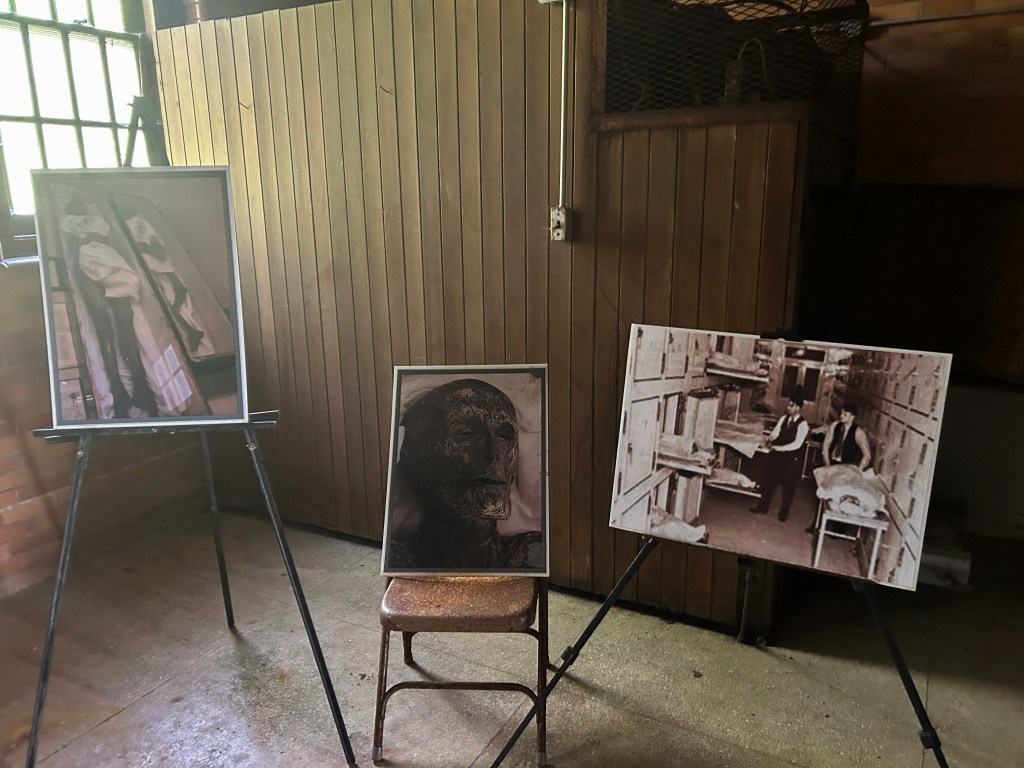
Trans Allegheny was officially closed in 1994 as approaches to mental health care began to change. The state had first announced its intent to shut down the facility in 1980, and from that point forward, wards were gradually phased out over time. Once a section was closed, it was sealed off and left untouched, slowly falling into decay.
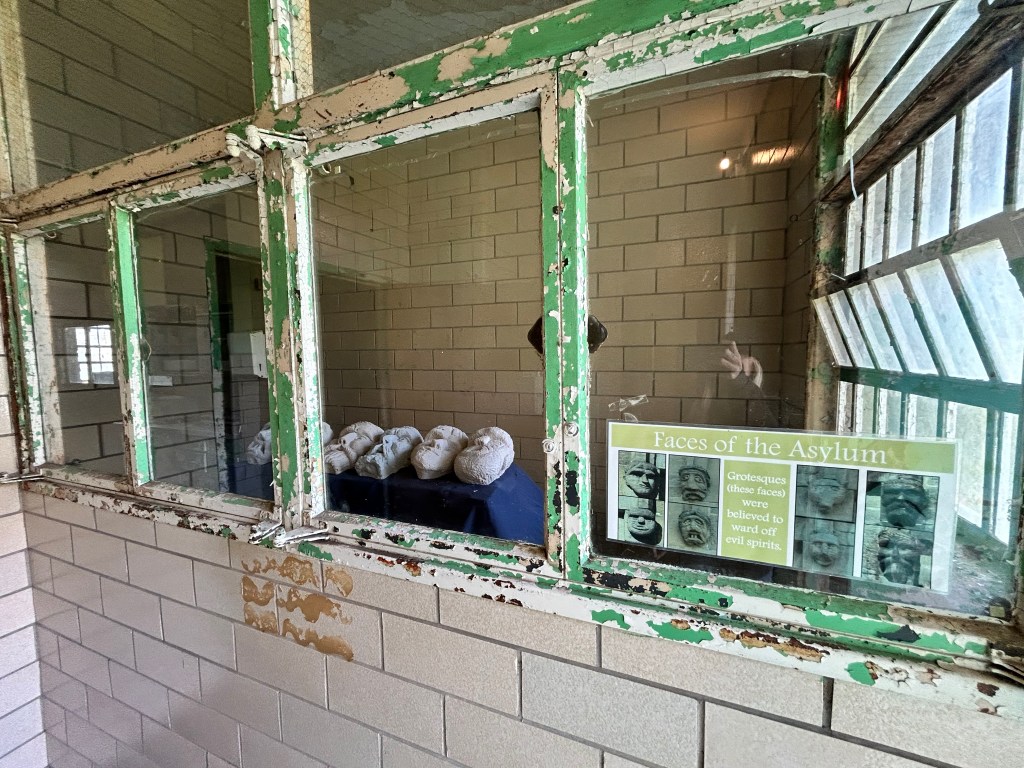
By the time the final patient was transferred out in 1994, the entire building was locked, padlocked, and left to the elements. Years later, in 2007, West Virginia businessman Joe Jordan purchased the property at auction for $1.5 million. Since then, he has invested over a million dollars into restoring parts of the asylum, carefully returning sections of the building to what they may have looked like in the early 1900s.
The main building of the asylum now houses several museum rooms showcasing artwork created by patients through art therapy programs, including paintings, poems, and drawings that offer a glimpse into their inner worlds. Other rooms are dedicated to the medical history of the facility, displaying artifacts such as a straitjacket and a hydrotherapy tub used in treatments of the time.
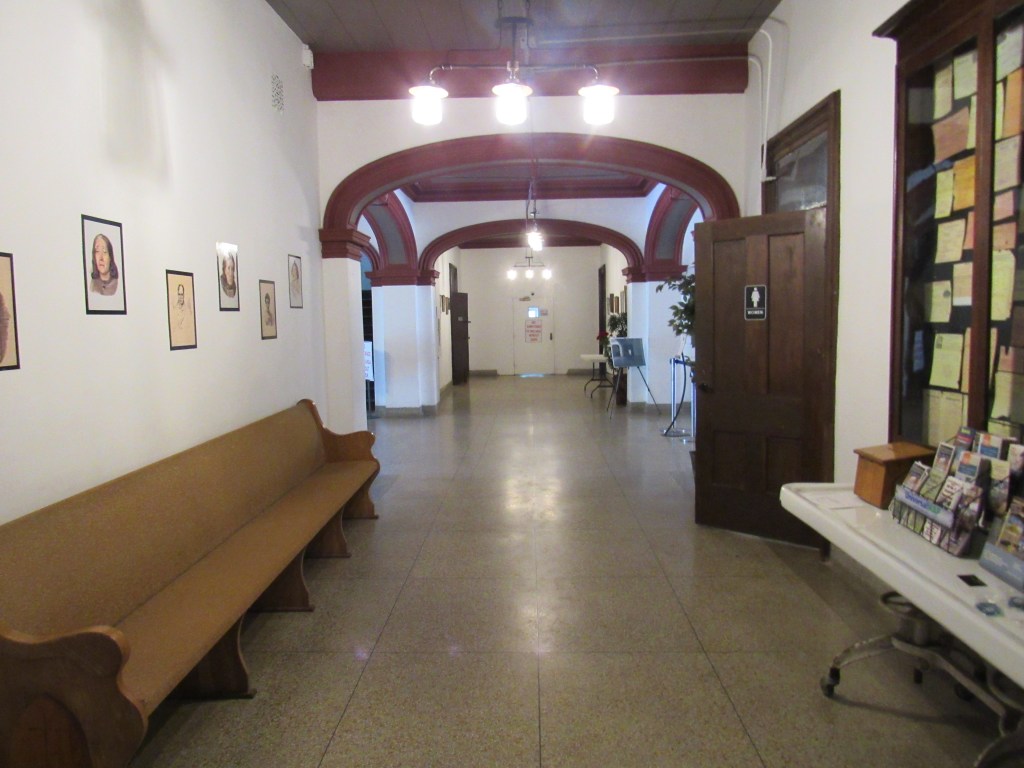
Today, the Trans-Allegheny Lunatic Asylum operates as both a historic landmark and a popular destination for history and ghost tours. A place of education and remembrance, preserving and sharing the stories of those who once lived within its walls. And for those who choose to visit today, it’s not uncommon to leave with an uneasy feeling—or to notice an unexpected chill or sensation that lingers long after the tour has ended. Its unsettling reputation, combined with the imposing presence of the building itself, creates a stark contrast that continues to draw visitors in. Originally built with the intention of providing compassionate care for those in need, the asylum’s purpose was gradually lost over time, and many of the patients it was meant to protect instead endured neglect and mistreatment.

As Winston & I made our way through the halls of the asylum, we kept a bit of distance from the rest of the group so we could really take in each room at our own pace. No matter where we went, I couldn’t shake how cold it felt inside—an unnatural, lingering chill that seemed to settle deeper the longer we stayed. In a few of the rooms, Winston would suddenly stop, his attention locked on something just beyond where I could see, glancing over my shoulder as if trying to make sense of what was behind us. Whether it was instinct or imagination, it definitely added to the unease of being inside those walls.
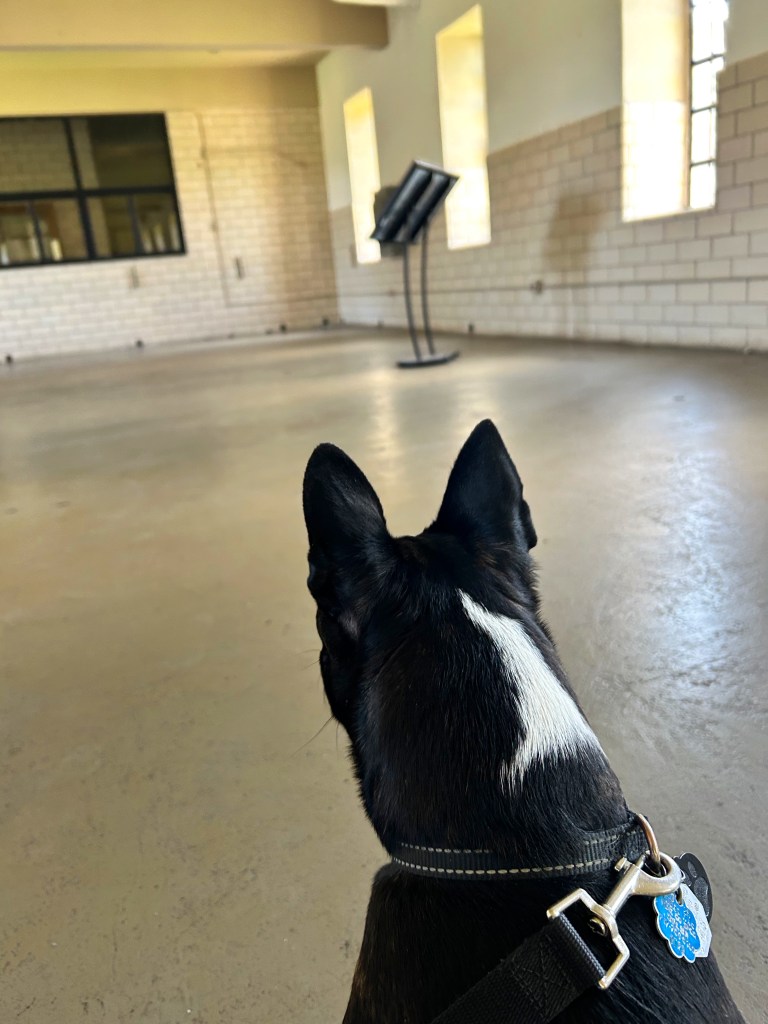
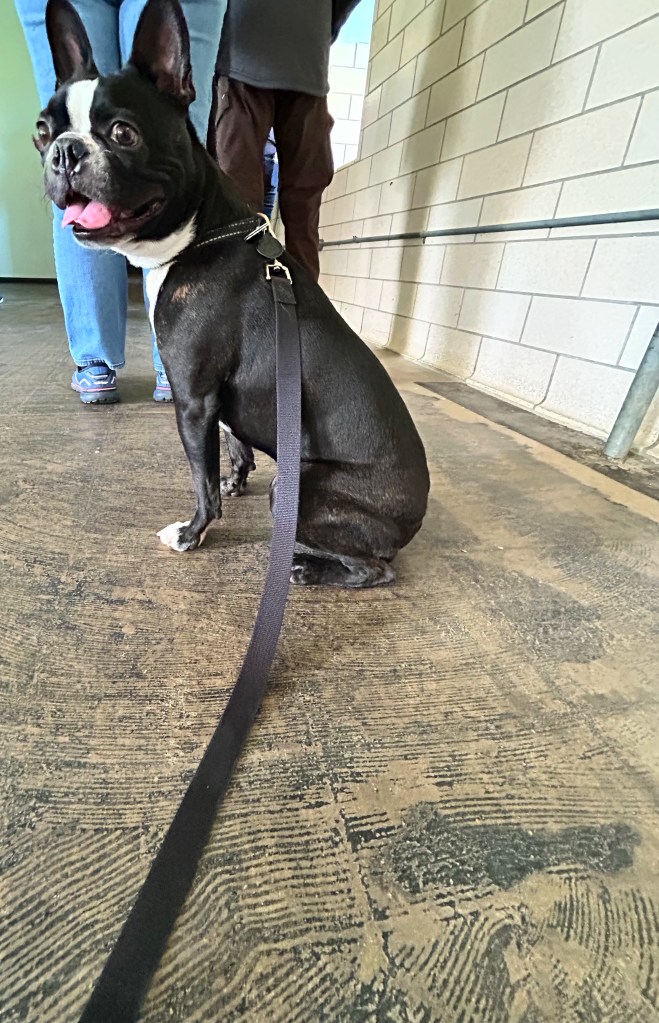
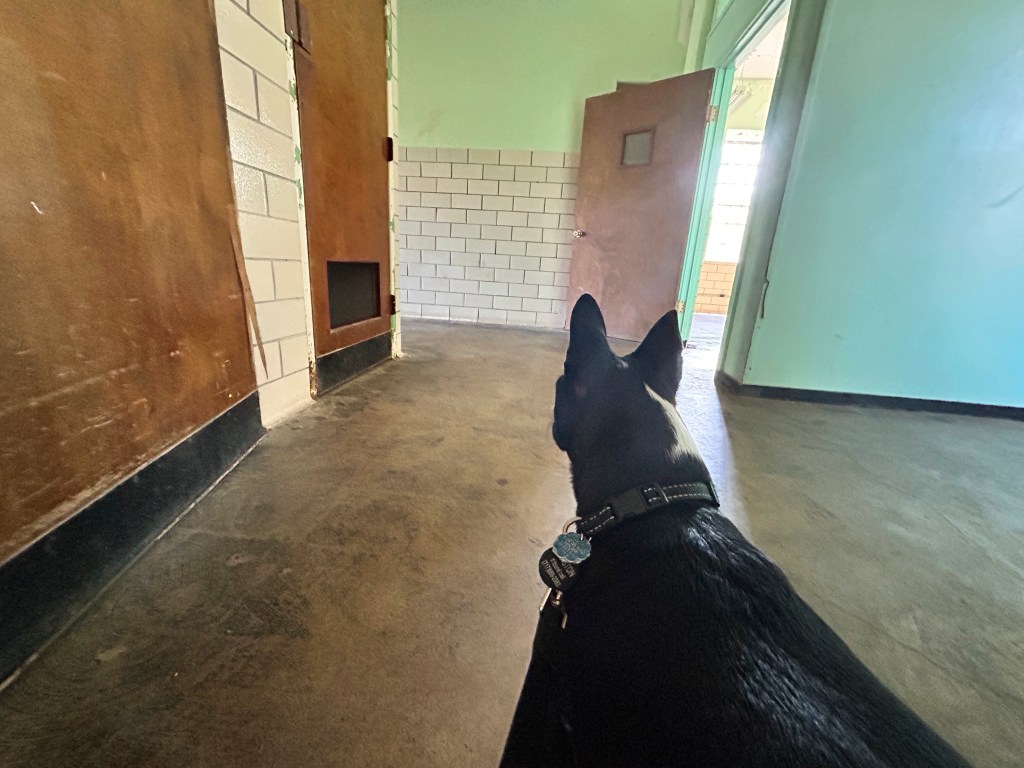
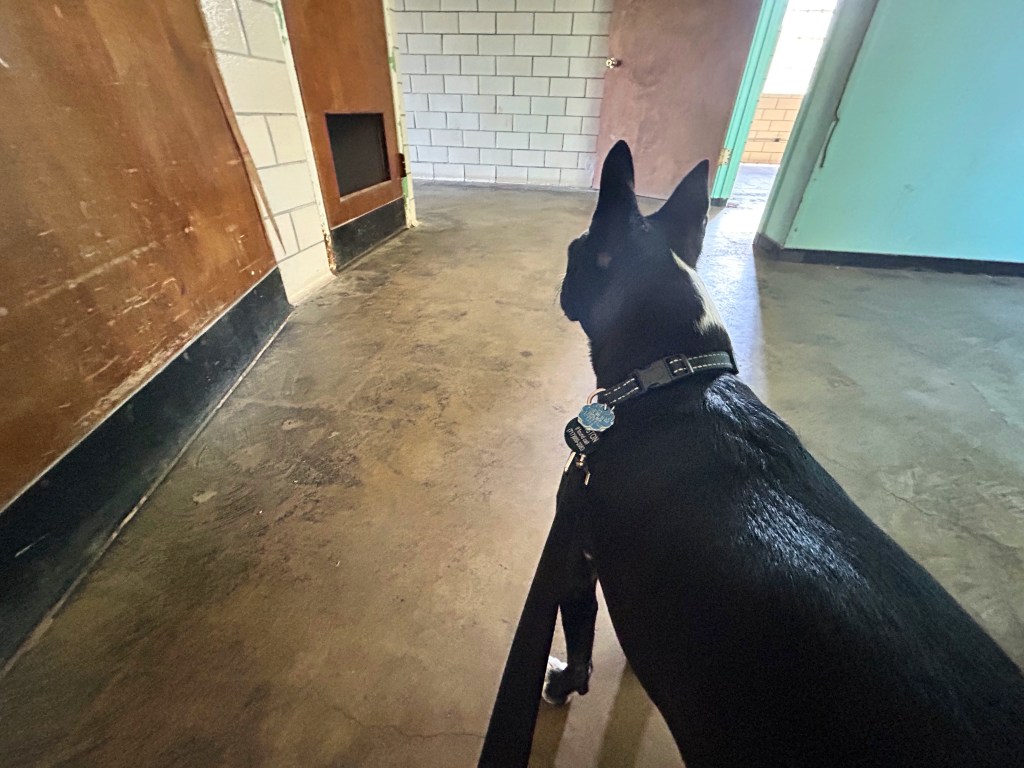
I didn’t get to see the entire building(s) this time, but maybe that’s for the best—it leaves something still waiting for me there. The Trans-Allegheny Lunatic Asylum is the kind of place that doesn’t leave you easily; it lingers in your thoughts long after you’ve stepped back outside into the light. Between its heavy history, its towering architecture, and the stories that still cling to its corridors, it’s more than just a stop on a map—it’s an experience that stays with you. And if anything is certain, it’s that this won’t be my last visit.
Address: 50 S River Ave, Weston, WV 26452
Here is a list someone compiled from records of patients, of all the reasons people were admitted to the facility between the years of 1864-1889. Obviously some of the stuff on that list is ridiculous, but a lot of those things were still used as reasons for commitment to institutions as late as the 1970’s.
REASONS FOR ADMISSION
WEST VIRGINIA HOSPITAL FOR THE INSANE (WESTON)
OCTOBER 22, 1864 to DECEMBER 12, 1889
Amenorrhea
Asthma
Bad company
Bad habits & political excitement
Bad whiskey
Bite of a rattle snake
Bloody flux
Brain fever
Business nerves
Carbonic acid gas
Carbuncle
Cerebral softening
Cold
Congetion of brain
Constitutional
Crime
Death of sons in the war
Decoyed into the army
Deranged masturbation
Desertion by husband
Diptheria
Disappointed affection
Disappointed love
Disappointment
Dissipation of nerves
Dissolute habits
Dog bite
Domestic affliction
Domestic trouble
Doubt about mother’s ancestors
Dropsy
Effusion on the brain
Egotism
Epileptic fits
Excessive sexual abuse
Excitement as officer
Explosion of shell nearby
Exposure & hereditary
Exposure & quackery
Exposure in army
Fall from horse
False confinement
Feebleness of intellect
Female disease
Fever
Fever & loss of law suit
Fever & nerved
Fighting fire
Fits & desertion of husband
Gastritis
Gathering in the head
Greediness
Grief
Gunshot wound
Hard study
Hereditary predisposition
Ill treatment by husband
Imaginary female trouble
Immoral life
Imprisonment
Indigestion
Intemperance
Interference
Jealousy
Jealousy & religion
Kick of horse
Kicked in the head by a horse
Laziness
Liver and social disease
Loss of arm
Marriage of son
Masturbation & syphillis
Masturbation for 30 years
Medicine to prevent conception
Menstrual deranged
Mental excitement
Milk fever
Moral sanity
Novel reading
Nymphomania
Opium habit
Over action on the mind
Over heat
Over study of religion
Over taxing mental powers.
Parents were cousins
Pecuniary losses: worms
Periodical fits
Political excitement
Politics
Puerperal
Religious enthusiasm
Religious excitement
Remorse
Rumor of husband’s murder or desertion
Salvation army
Scarlatina
Seduction
Seduction & disappointment
Self abuse
Severe labor
Sexual abuse and stimulants
Sexual derangement
Shooting of daughter
Smallpox
Snuff
Snuff eating for two years
Softening of the brain
Spinal irritation
Sunstroke
Superstition
Suppressed masturbation
Suppression of menses
Tobacco & masturbation: hysteria
The war
Time of life
Trouble
Uterine derangement
Venerial excesses
Vicious vices in early life
Women trouble
Young lady & fear




 Wander Woman