There’s just something about strange historic places that pulls me in every single time. The forgotten corners of Appalachia, the old legends whispered through the mountains, the stories that sound almost too bizarre to be true… that’s the stuff I live for. West Virginia is full of places like that, but few tales are quite as fascinating as the story of the Pringle brothers. Long before West Virginia was even a state, two brothers ventured deep into the wilderness that would one day become the Mountain State, carving out a life on the untamed frontier and earning a reputation that would survive for centuries. Their story is one of survival, isolation, and one incredibly unusual tree that still stands today as a living piece of Appalachian history.
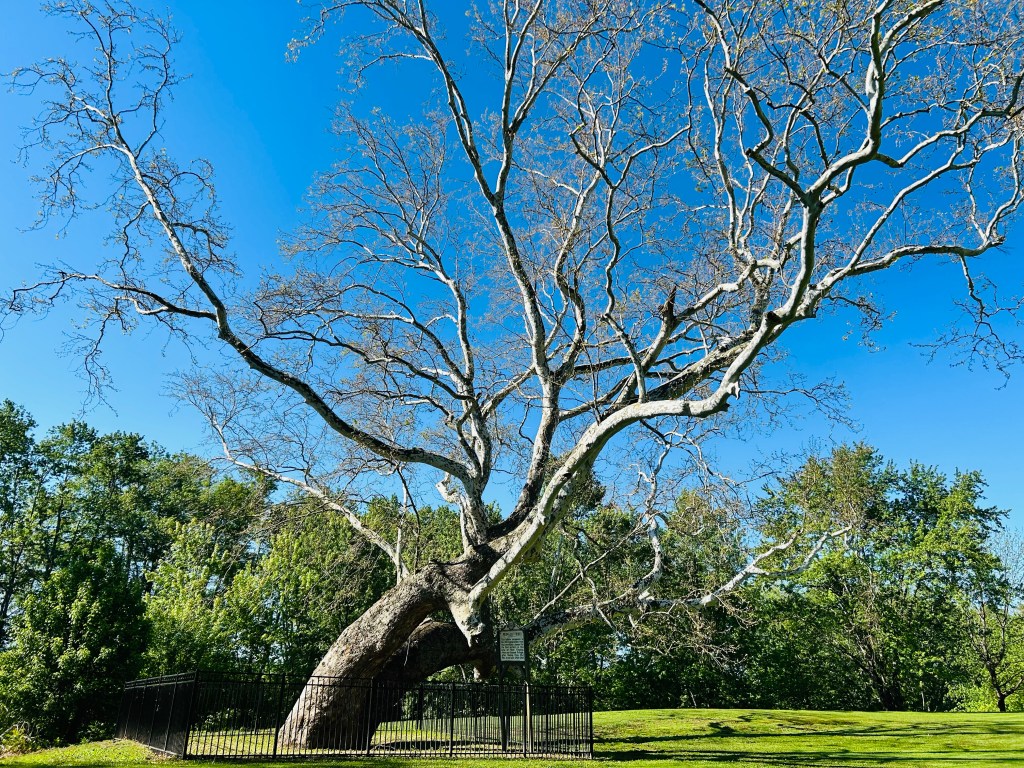
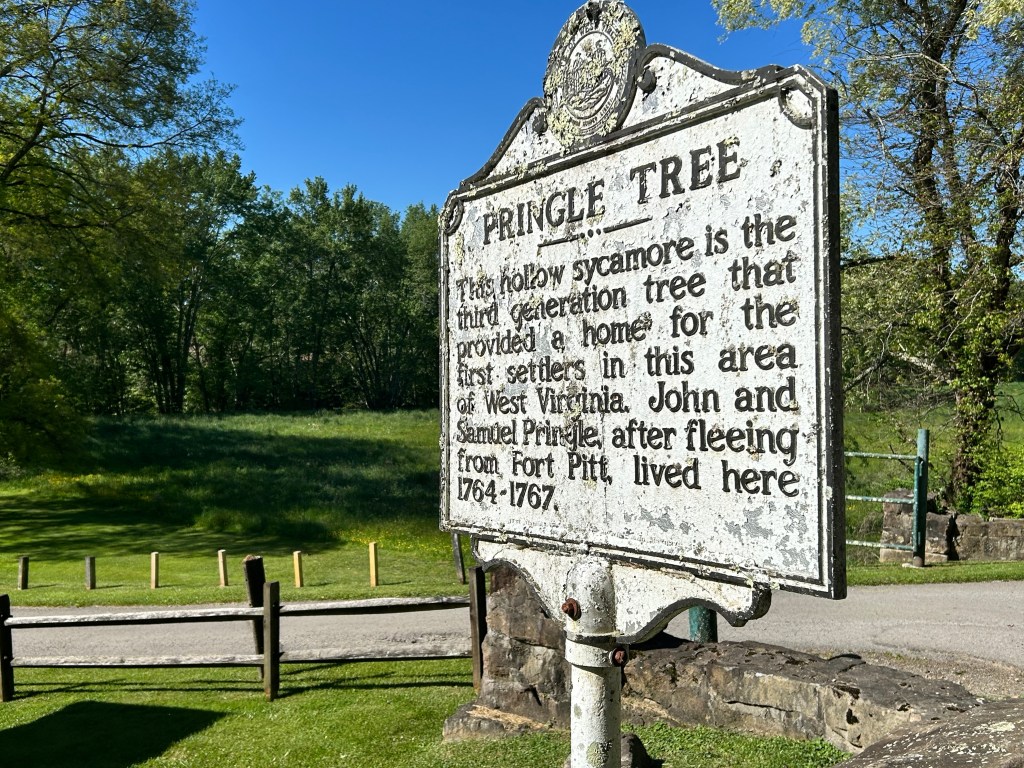
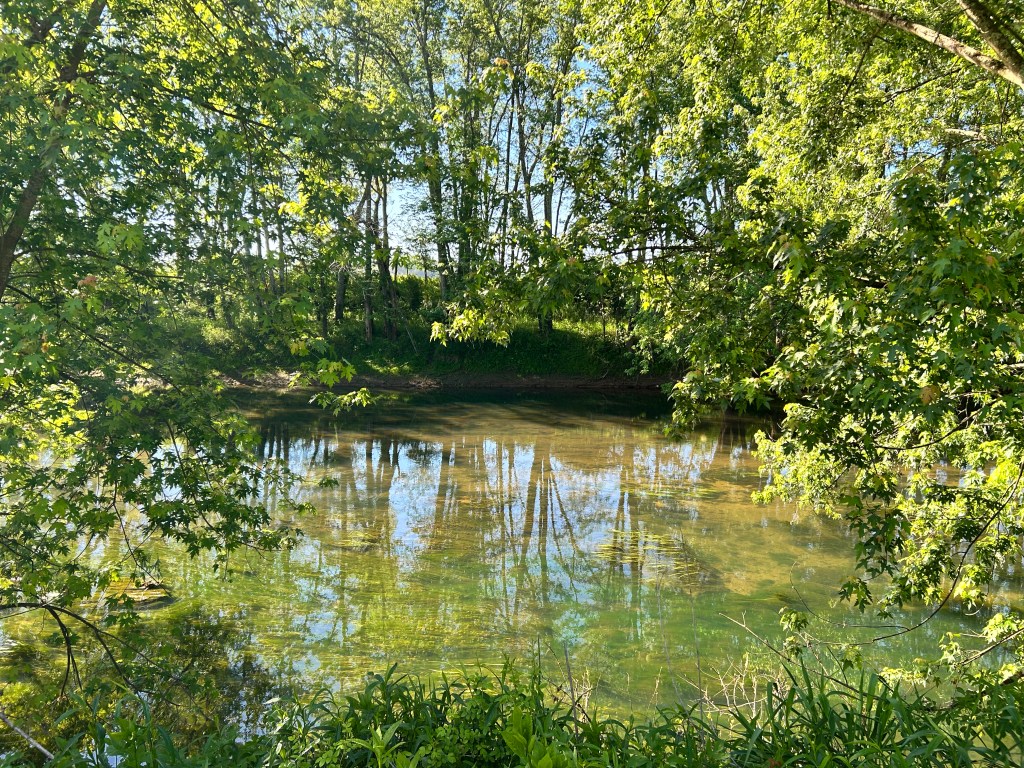
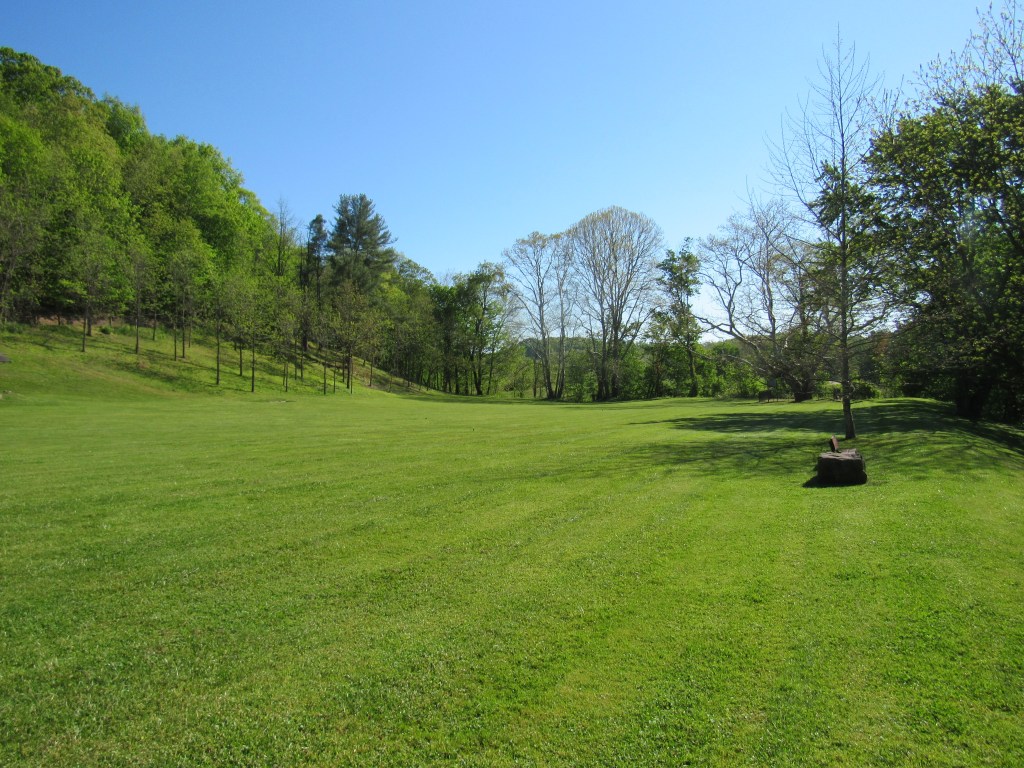
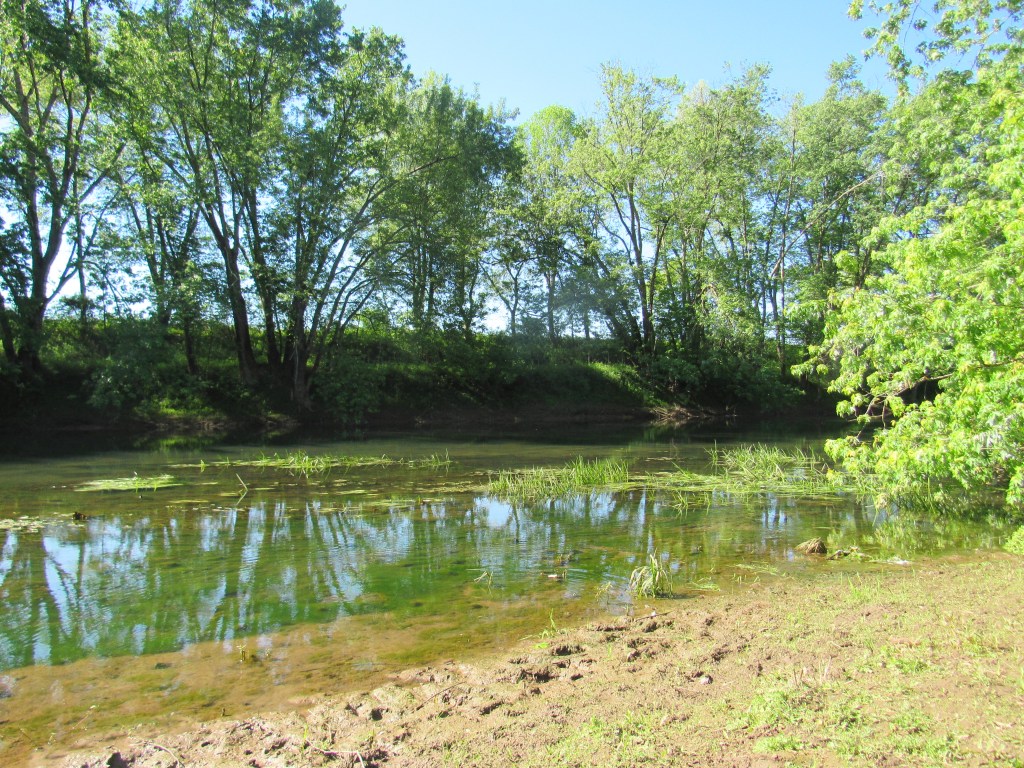
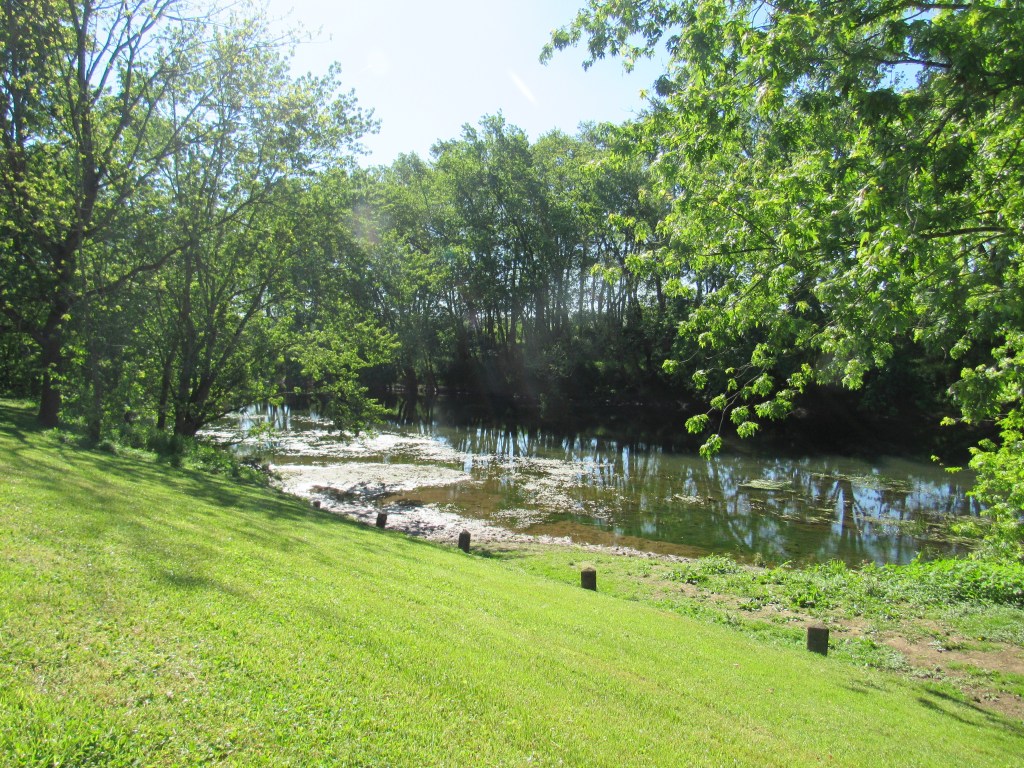
One of the most fascinating historic spots along the Buckhannon River is Pringle Tree Park, a peaceful little green space with riverside views, picnic pavilions, and old grilling stations tucked beneath the trees. But beneath the quiet setting is one of the wildest early frontier stories in West Virginia history. This spot marks the site of the first permanent settlement west of the Alleghenies in what was then Virginia, established by the Pringle brothers, Samuel and John, in 1764.
The brothers were of Scottish descent and the sons of William Pringle. Born in Philadelphia, they later settled with their family along the South Branch of the Potomac in what is now West Virginia’s eastern panhandle. As young men, Samuel and John enlisted in the British Army during the French and Indian War and were stationed at Fort Pitt in present-day western Pennsylvania. Apparently military life didn’t suit them very well, because in 1761 the brothers, along with friends William Childers and Joseph Lindsey, decided they’d had enough. The four men deserted the fort and disappeared into the rugged wilderness, heading deep into the untamed frontier that would eventually become West Virginia.
The men spent the next stretch of time wandering through the rugged country along the Monongahela and Youghiogheny Rivers, living more like drifters than settlers as they explored the untamed wilderness. By 1762, they had made their way to a small settlement along Looney’s Creek in present-day Grant County, where their run of freedom briefly came to an end when they were captured.
Not long after, the Pringle brothers managed to escape once again, eventually crossing paths with a trapper named John Simpson. They worked alongside him for a time, learning the rhythms of frontier life and surviving off the land. But the partnership didn’t last. In 1764, a violent dispute broke out at Horseshoe Bend on the Cheat River, forcing the brothers and Simpson to go their separate ways. Simpson continued his journey south and west, eventually reaching the headwaters of a river he named the Elk—an enduring name that still appears on the map today.
The Pringle brothers eventually turned south as well, finding their way into a quiet, inviting valley where they decided to settle along a small stream they named Turkey Run. At the time, the area was still untouched by European settlement, and life on the frontier came with constant uncertainty, including the possibility of encounters with the local Native population. Even so, the land was rich with game, and survival there seemed within reach.
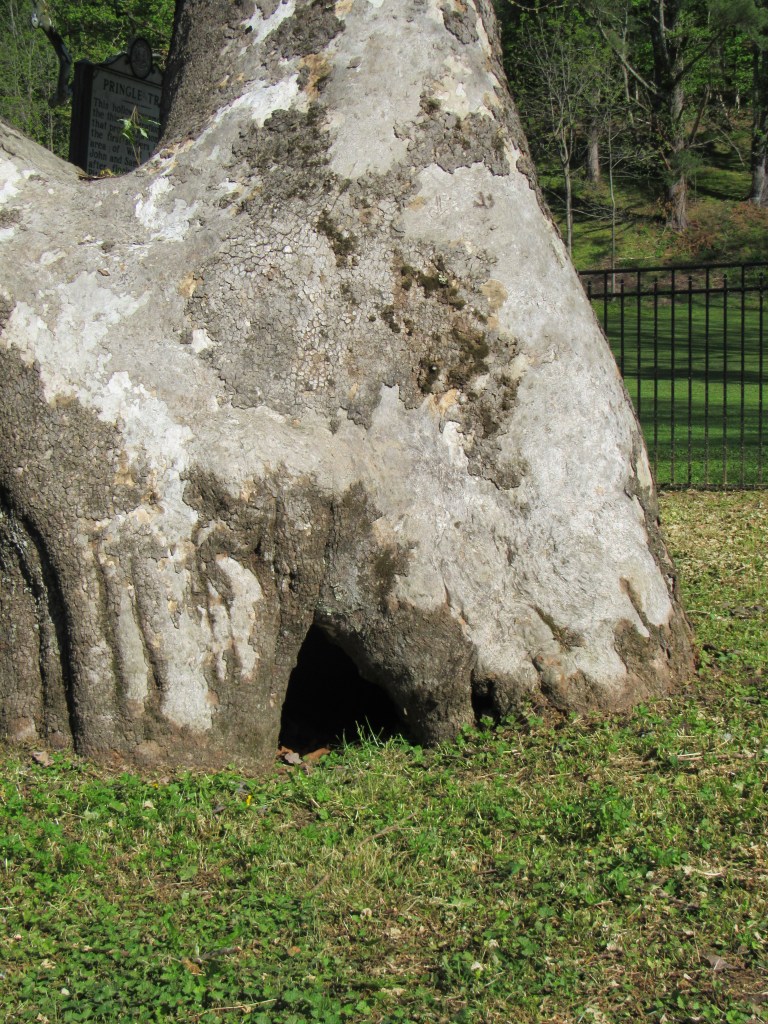
While exploring their new surroundings, the brothers came across an enormous hollow sycamore tree—massive enough to serve as shelter. It might have been the perfect frontier home, if not for the fact that it already had tenants: a female wolf and her cubs. Fortunately, the animal eventually moved on, and the Pringles took over the hollowed-out giant for themselves. According to stories passed down through the years, the inside of the tree was said to be around 10 to 11 feet in diameter—so wide, in fact, that one account claims a man could swing a split rail inside without ever touching the sides.
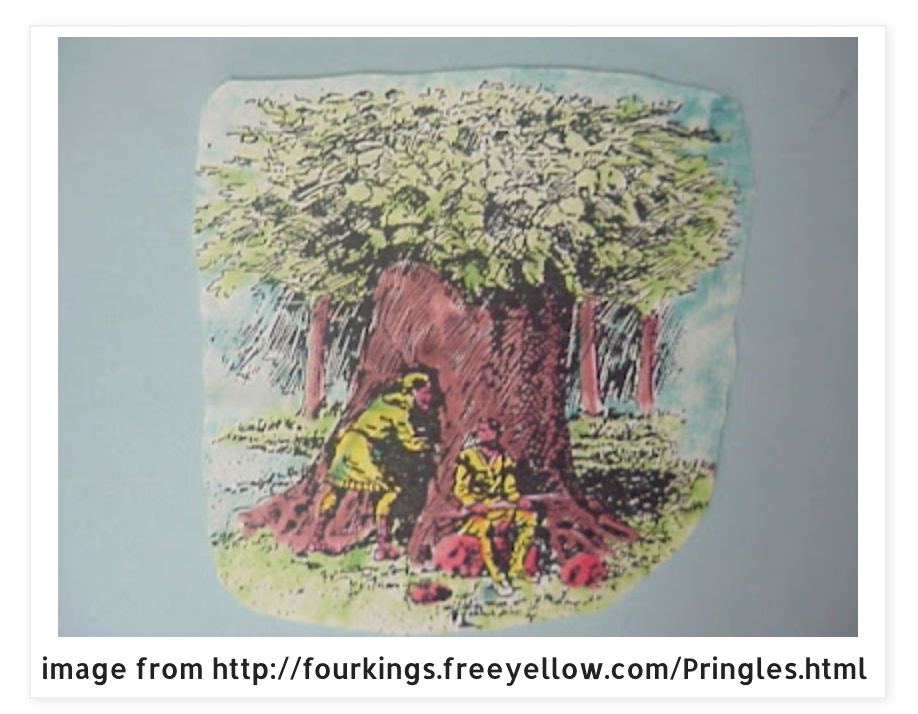
And so, the brothers made their home there in the hollow sycamore, tucked away in the wild. But as the days passed, their supplies began to run low, and the reality of survival pressed in harder than before. John eventually made the decision to return toward the South Branch area to resupply. It was a risky journey—there was always the lingering fear of being recognized and captured as a deserter—but they had little choice. Without ammunition, there was no hunting, and without hunting, there was no way to survive.
John set out with a bundle of animal pelts to trade and left his brother Samuel with just two remaining shells, enough, they hoped, to keep meat on the table while he was gone. It’s almost impossible to imagine—two bullets standing between them and starvation. It also says something about their skill and confidence as hunters that they believed it would be enough.
For John, the journey ahead offered no roads and no certainty, only miles of unfamiliar wilderness filled with mountain lions, bears, wolves, and the ever-present risk of encountering hostile groups. But years spent living as a backwoodsman had hardened him for exactly this kind of travel, and he pressed on with the kind of resilience only frontier life could teach.
In 1768, John returned from a trip to a trading post along the South Branch of the Potomac River with a new sense of certainty. It seemed clear to him that he and Samuel were no longer being viewed as fugitives or renegades. With that fear behind them, the brothers began to look toward something they hadn’t truly had before—stability.
By 1769, they were ready to return to the valley, this time not as drifters hiding in the wilderness, but as pioneers. Leading a small group of settlers with them, the Pringle brothers made their way back to the land they had once carved out alone, now with the intention of establishing a permanent settlement.
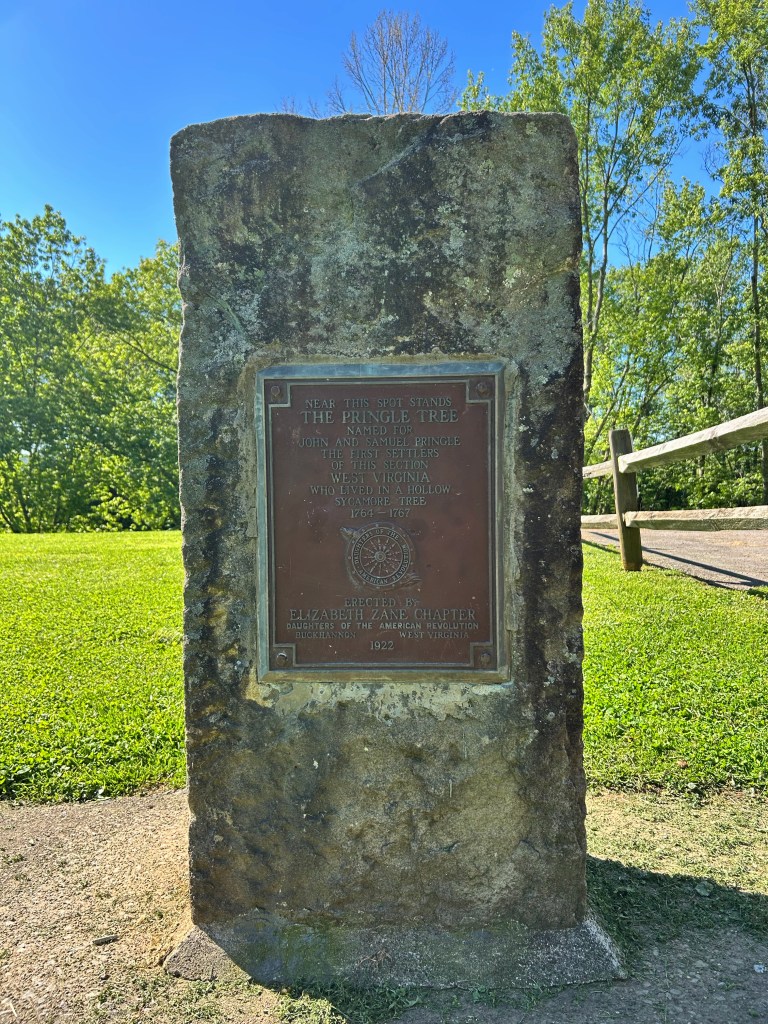
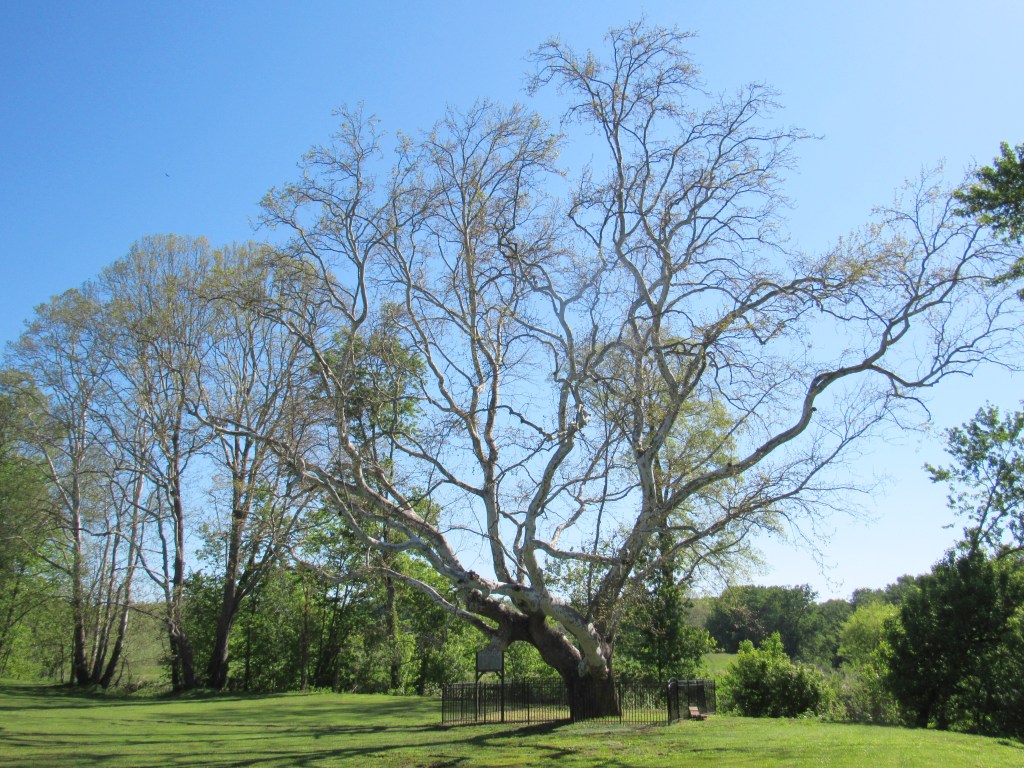
The sycamore that stands today is believed to be the third generation of the original tree made famous by the Pringle story. Sycamores are among the largest native trees in West Virginia, often reaching heights of over 100 feet when fully mature. As they age, it’s not unusual for their massive trunks to develop natural hollows, and in frontier times those openings were sometimes used as temporary shelter by hunters and travelers seeking cover in the wilderness.
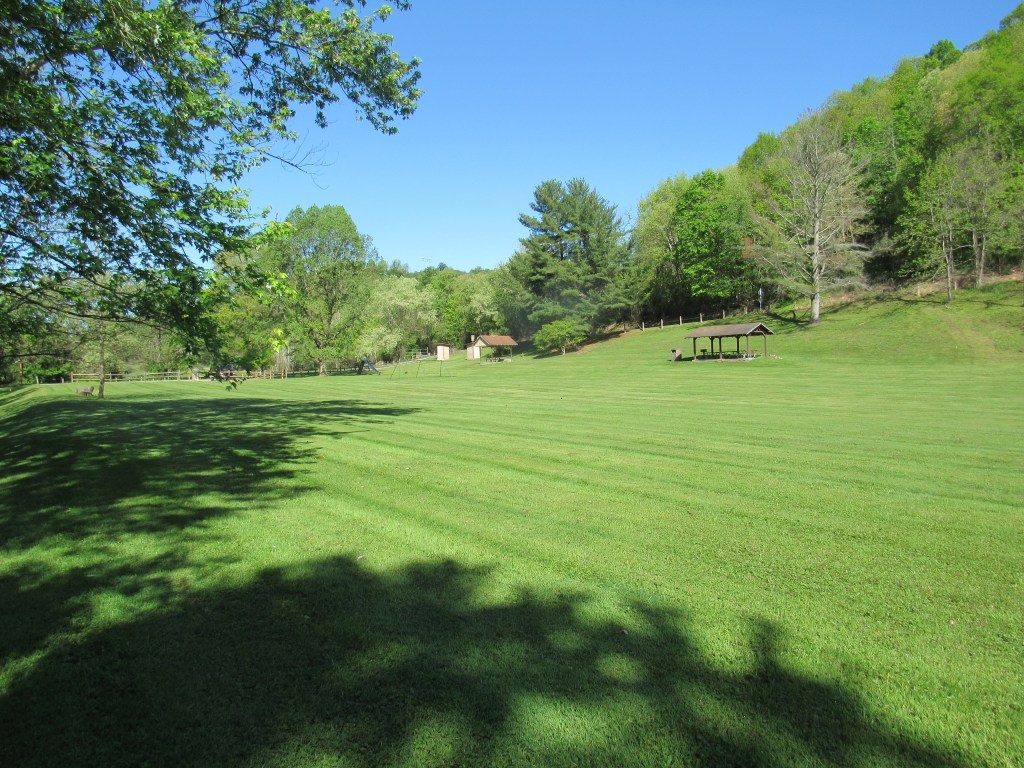
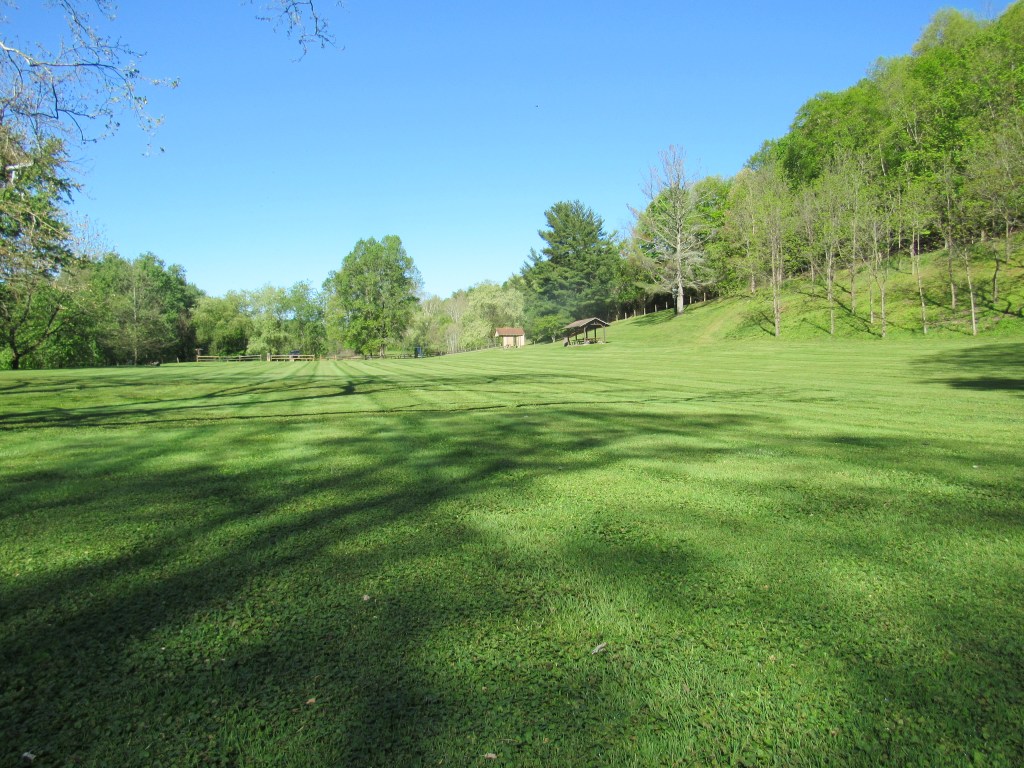
Today, the legendary tree stands at the heart of Pringle Tree Park, carefully maintained by the Upshur County Commission. The park offers a simple but welcoming mix of amenities, including a boat launch along the Buckhannon River, restrooms, parking, picnic areas, wide open fields for recreation, and a playground for families and visitors.
While it’s a great place to spend the day, overnight camping isn’t allowed. The park is open seasonally to the public from May 1 through November 1, giving visitors plenty of time during the warmer months to come explore this quiet riverside spot and the story that still lingers in its roots.
Address: Pringle Tree Park Rd, Buckhannon, WV 26201