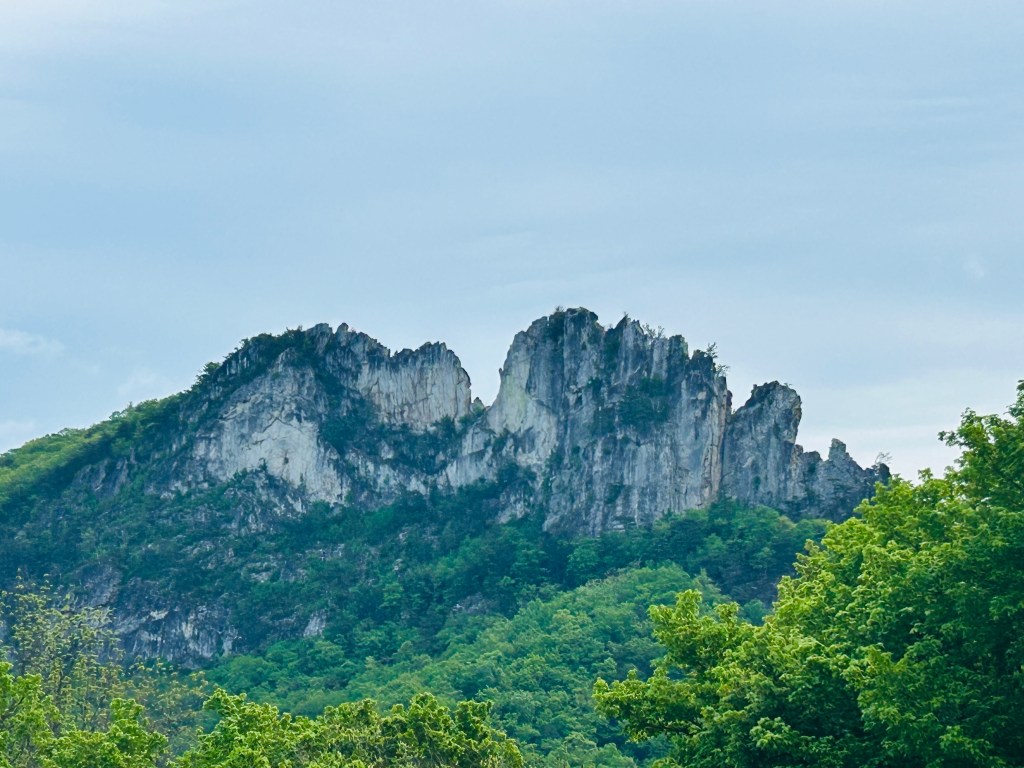
I wasn’t quite sure what to expect when I made the drive to Seneca Rocks. I had seen photos, read the recommendations, and heard people talk about the views, but none of it really prepared me for what it felt like standing at the base of those towering cliffs in person. The sharp rock formations rise dramatically out of the surrounding mountains like something ancient and untamed, impossible to ignore once they come into view. For a moment, I just stood there staring upward, feeling smaller than I ever have in my life. The noise in my head went quiet. The worries and constant rush of everyday life suddenly seemed insignificant beneath those massive walls of stone. It’s the kind of place that humbles you instantly and reminds you just how wild and powerful nature still is deep in the Appalachian Mountains.
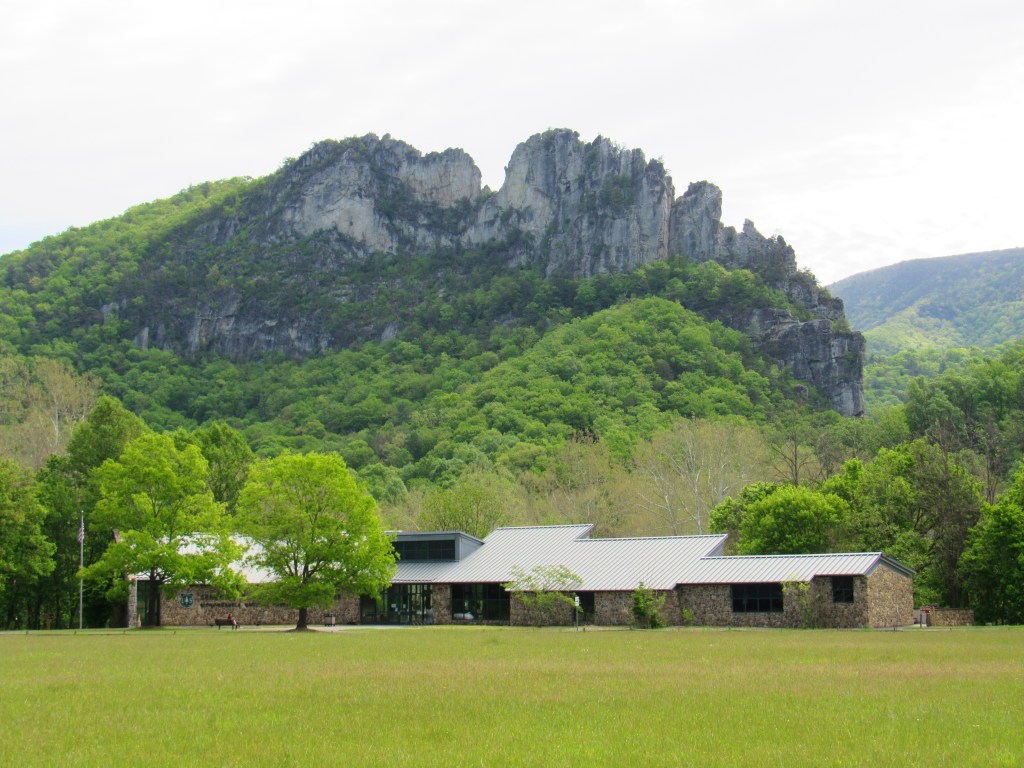
Tucked deep in the mountains far from the nearest interstate, Seneca Rocks remains one of the most recognizable and beloved landmarks in West Virginia while still holding onto its small-town, historic charm. The massive rock formation towers nearly 900 feet above the North Fork River, creating a dramatic landscape that seems almost unreal when you first see it. During the warmer months, especially from May through November, the area comes alive with rock climbers, campers, motorcyclists, fishermen, hunters, hikers, and outdoor lovers from all over. Even outside of peak season, there’s a steady stream of visitors drawn to the wild beauty, quiet mountain roads, and adventurous spirit that surrounds Seneca Rocks year-round.
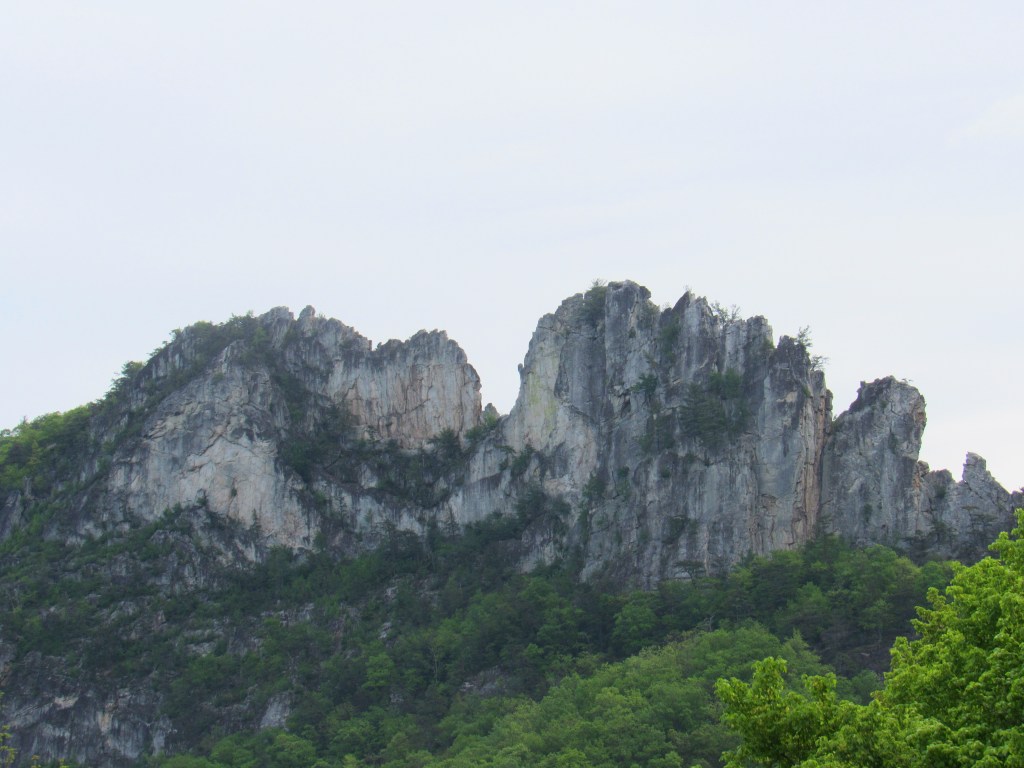
What makes Seneca Rocks even more fascinating is realizing the cliffs we see today were once part of an ancient barrier island nearly 450 million years ago. Back then, this area had a warm, tropical climate more like the Bahamas than the rugged mountains of West Virginia. The towering rock formations are made mostly of Tuscarora sandstone, created from sand that once rested on an ancient ocean floor. Even today, the landscape still holds traces of that prehistoric world. Layers of sandstone and dark shale around the cliffs contain fossils and trackways left behind by tiny marine creatures like trilobites and crinoids. It’s strange to think that millions of years ago these ancient sea creatures once moved across the very stone hikers now climb and walk over along the Seneca Rocks Trail.
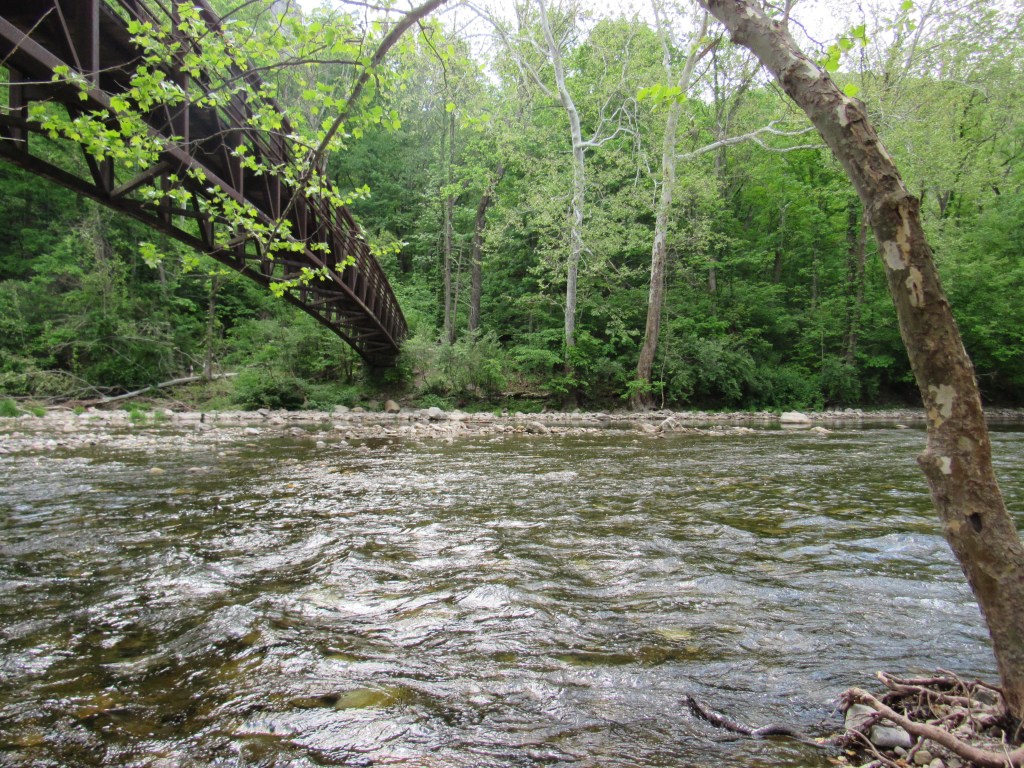
Long before hikers, climbers, and road trippers arrived at Seneca Rocks, Indigenous peoples lived throughout the valley below and traveled the nearby Seneca Trail for generations. The trail was once a major route connecting regions from present-day Florida all the way into Canada, making this area an important passageway for many Nations. In the Seneca language, the towering rock formation is called Jögä:ö’ / Dzögä:ö’, meaning “Little people live there,” adding another layer of mystery and history to the landscape. The Seneca, Shawnee, Delaware (Lenape), and Cherokee are just a few of the Nations deeply connected to this land. Native communities still exist throughout West Virginia and across the country today, though many were forcibly displaced during colonial expansion and the removal policies carried out by the United States government in the 1800s. Despite that history, many Indigenous Nations continue to thrive today in places such as Oklahoma, New York, and Canada, while maintaining strong cultural ties to their ancestral homelands.
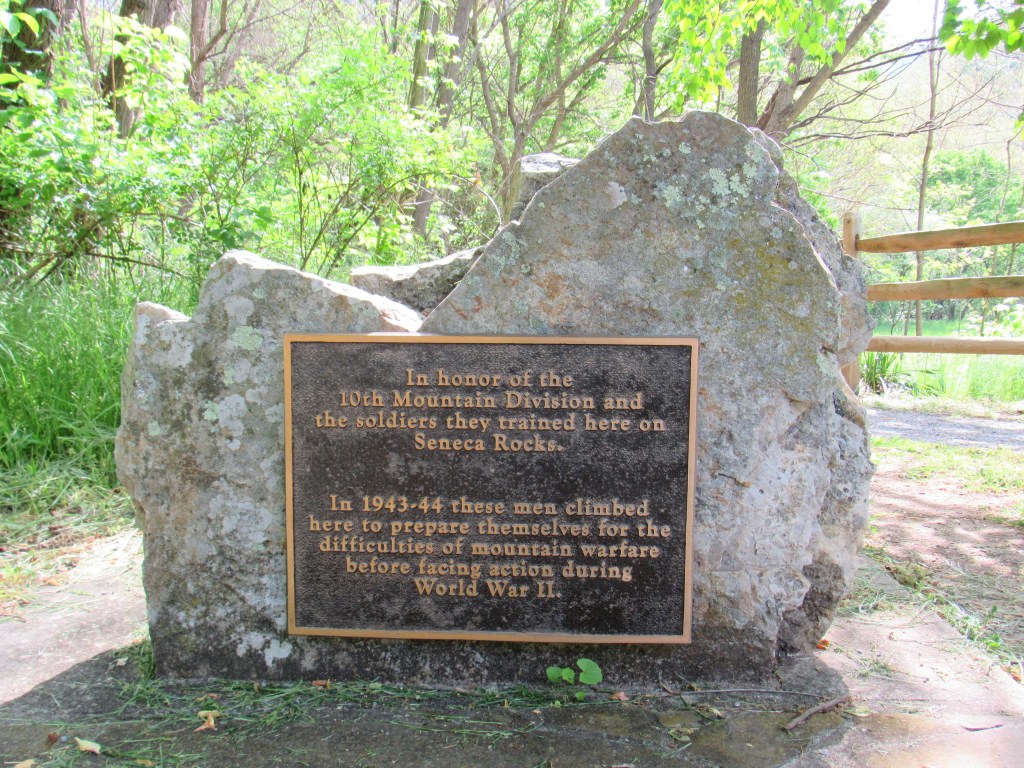
Seneca Rocks also played an important role in the early history of rock climbing in America. The steep cliffs and rugged terrain became a natural training ground during World War II as part of the West Virginia Maneuver Area. Soldiers trained on these rocky faces before being deployed overseas to fight in the mountainous regions of Italy and other parts of Europe. Today, the towering formation continues to draw adventurers from all over the country. While many visitors choose the scenic, family-friendly hike to the observation platform, Seneca Rocks is also considered one of the premier rock climbing destinations in the eastern United States, offering routes for both first-time climbers and experienced professionals looking for a challenge.
For those who aren’t interested in rock climbing, there’s still a great way to experience the beauty of Seneca Rocks from above. A self-guided 1.3-mile interpretive trail begins behind the Seneca Rocks Discovery Center and winds its way up the mountain to an observation platform near the north peak. Along the hike, visitors are rewarded with stunning views of the surrounding valley, rolling mountains, and the towering cliffs themselves, making it one of the best ways to truly take in the scale and beauty of the area.
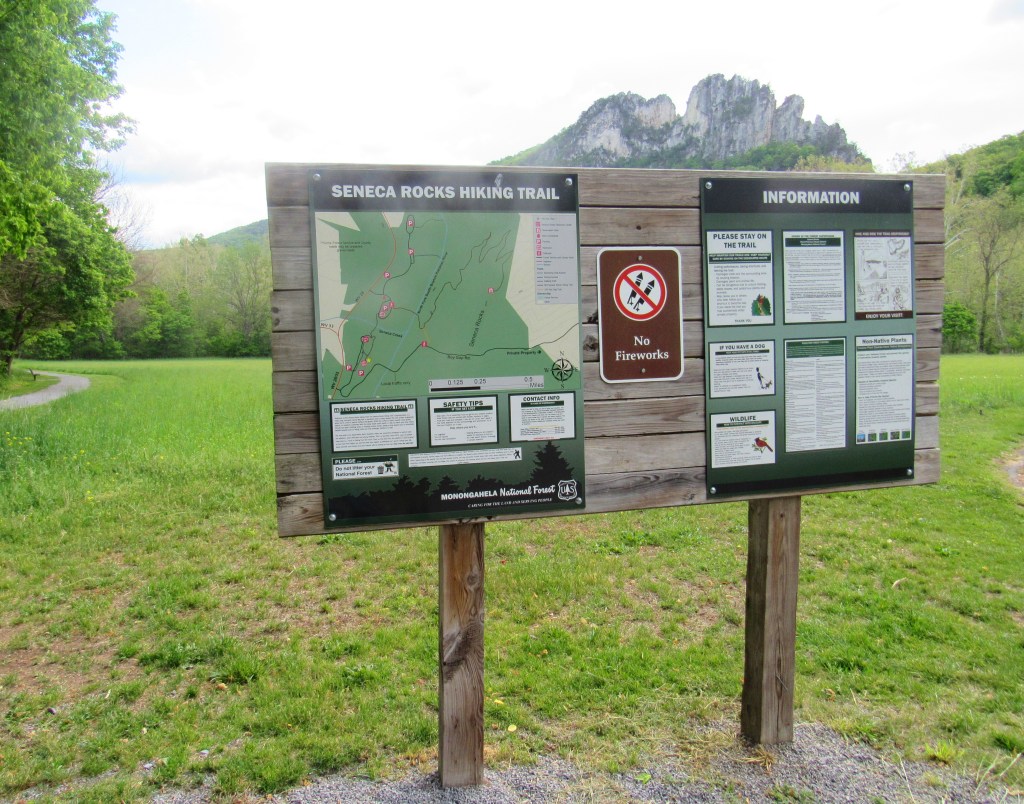
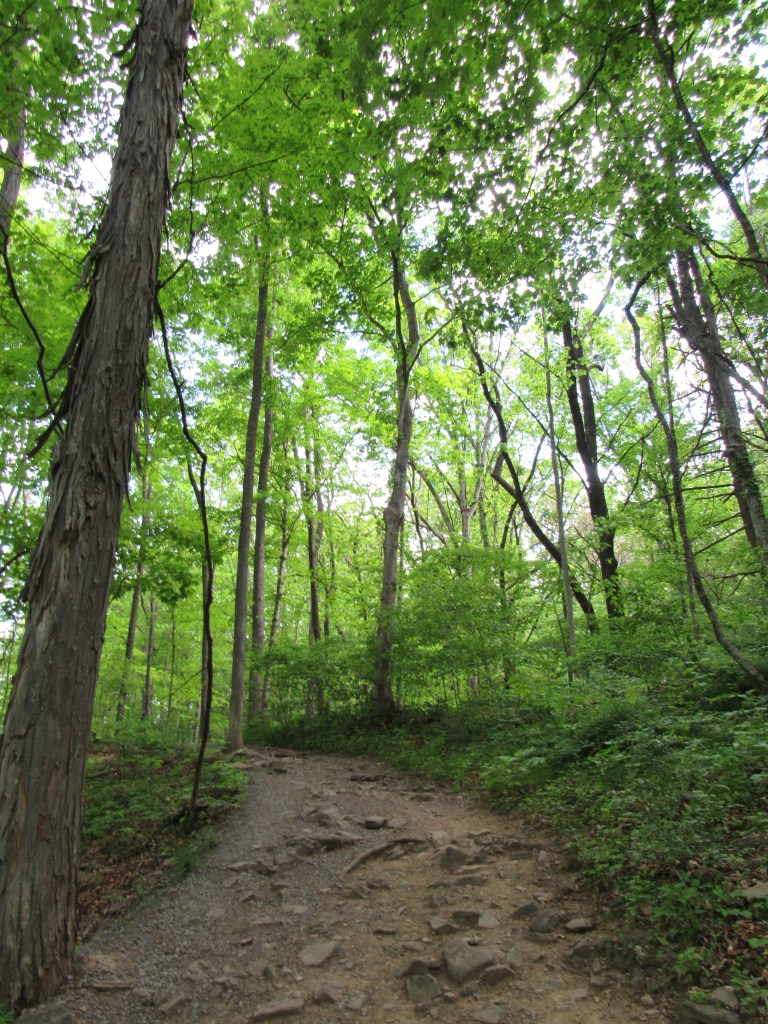
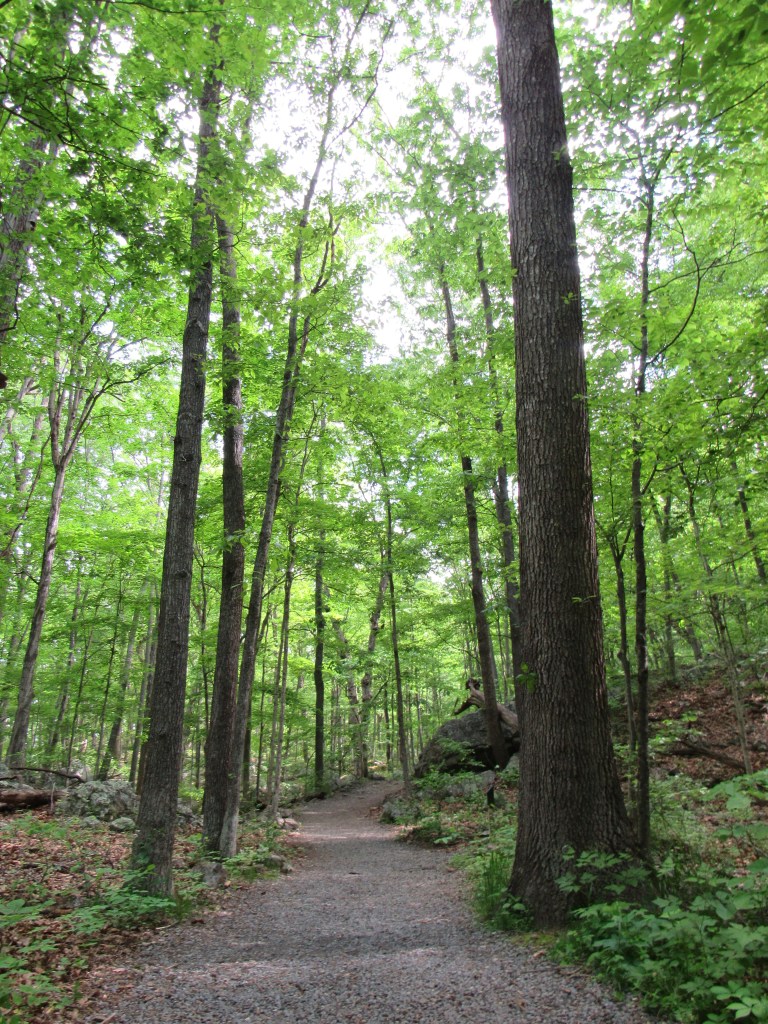
Seneca Rocks is more than just a scenic stop in West Virginia — it’s one of those rare places that makes you pause for a while and simply take it all in. Between the towering cliffs, deep history, winding mountain roads, and endless outdoor adventure, it’s easy to understand why people keep returning here year after year. Whether you come to hike, climb, camp, photograph the landscape, or just stand beneath the rocks in complete awe like I did, this place leaves an impression that sticks with you long after you leave. In a world that moves way too fast, Seneca Rocks feels wild, timeless, and untouched — the kind of place that reminds you there’s still plenty of wonder left to explore.
Address: WV-28, Seneca Rocks, WV 26884
Read my blog Wandering into Seneca Shadows if you’re looking for a campground close by.