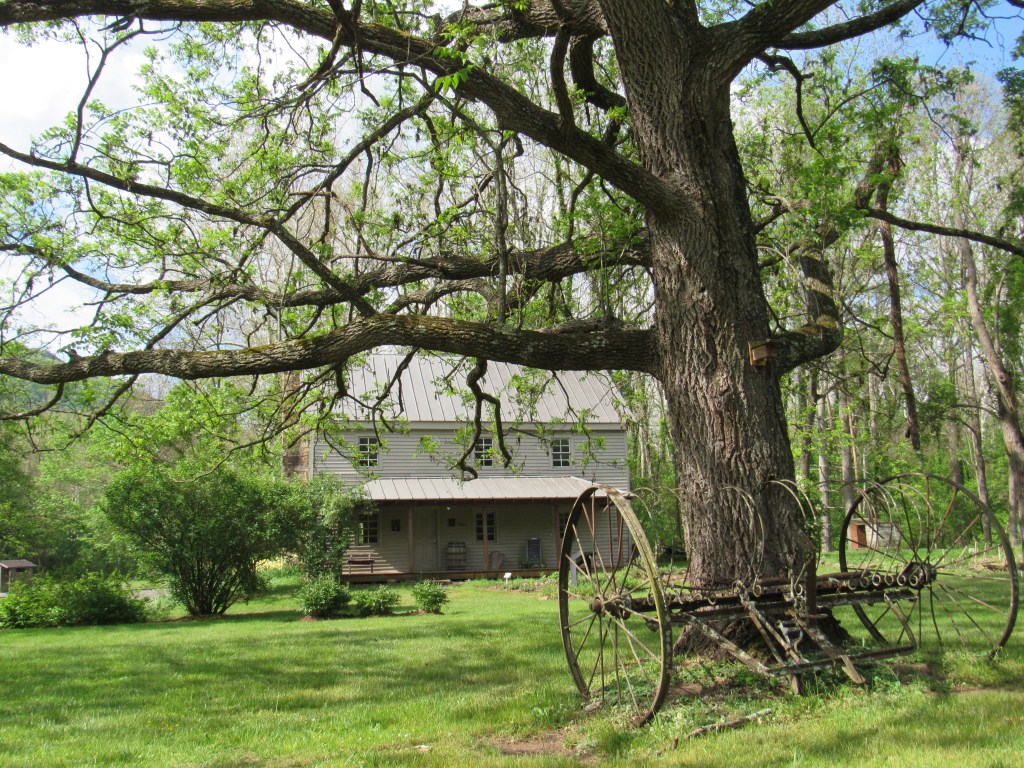
If you love stepping back into history, The Sites Homestead is absolutely worth a stop while exploring Seneca Rocks. Tucked into the landscape beneath the towering cliffs, this historic home was built in 1830 by a German family who settled in the area and carved out a life in what was then a remote stretch of wilderness. Walking the grounds, it’s easy to imagine what daily life would have looked like nearly two centuries ago—before paved roads, modern comforts, and the steady stream of visitors who come here today. The homestead offers a quiet glimpse into early Appalachian living, with its simple architecture and rugged setting telling a story of resilience, self-sufficiency, and connection to the land. It’s one of those places that adds even more depth to a visit to Seneca Rocks, blending natural beauty with the human history that shaped it.
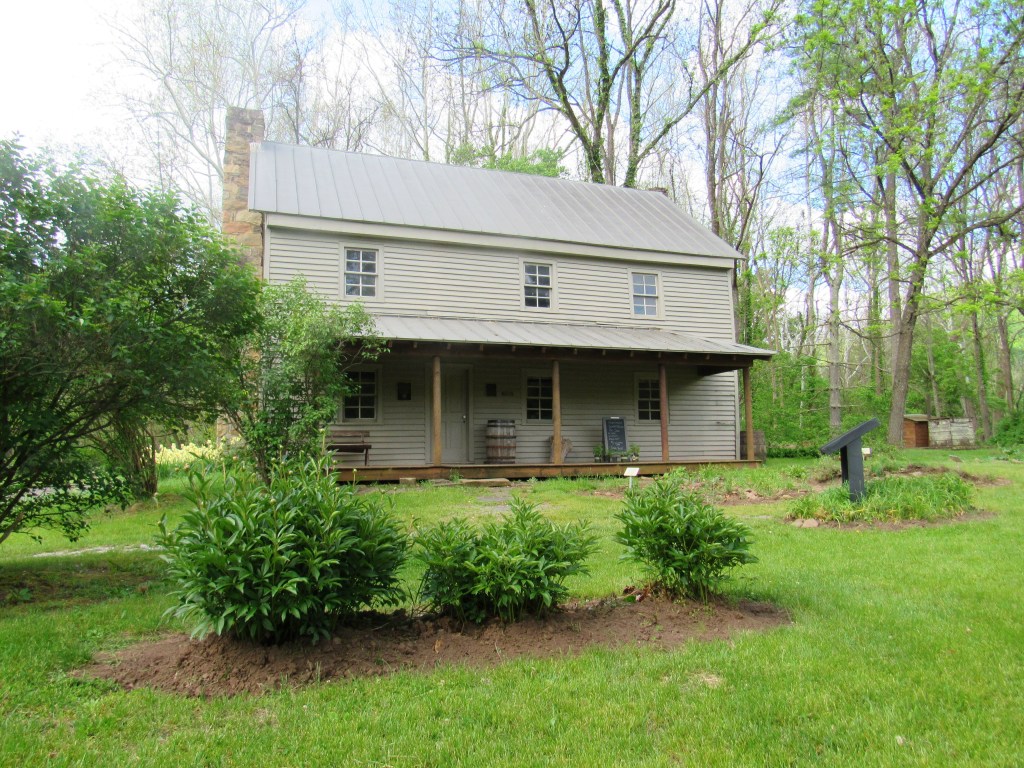
Seneca Rocks is located within what is now called Germany Valley, a name that comes from the wave of German settlers who arrived in 1761, drawn to the area by its fertile soil and affordable land. Among those early families were the Sites family, originally known as Seitz, who established their homestead beneath the towering cliffs of Seneca Rocks in 1839. Their first home was a simple “pen log” cabin—so named because it measured roughly one log in length and one log in depth—reflecting just how modest and practical early frontier living had to be. About thirty years later, the family expanded the original structure into the two-story farmhouse that still stands today. Standing at the site now, it’s easy to picture the challenges and resilience of early European-American settlers as they worked to build a life in this remote and rugged mountain valley.
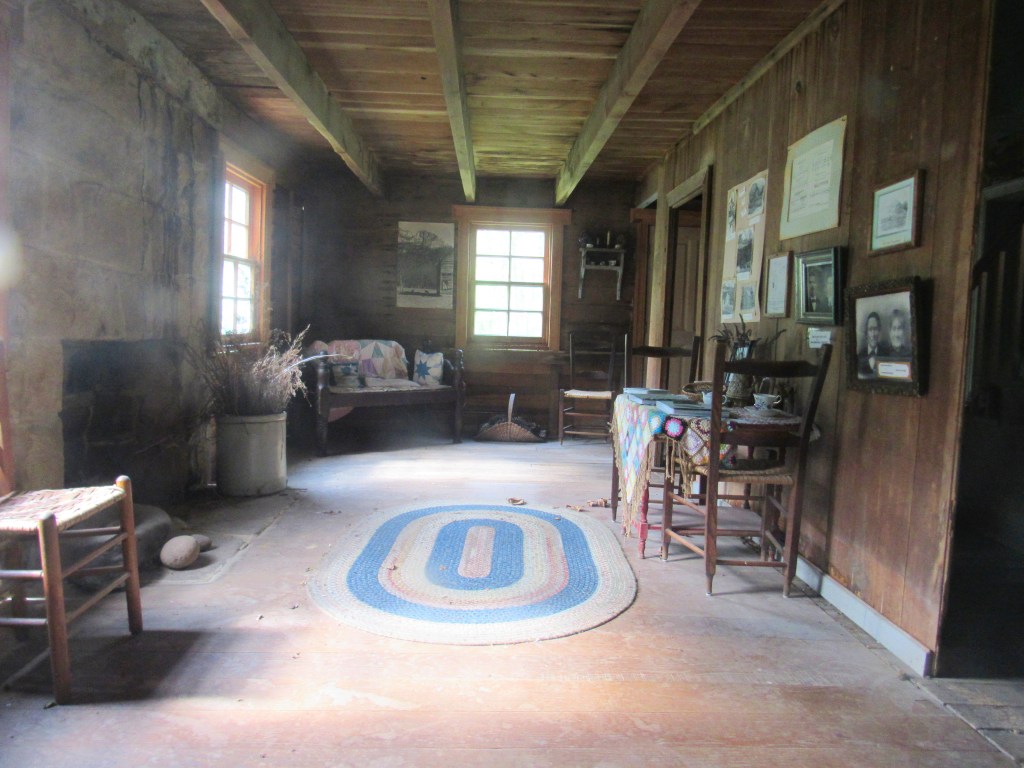
Originally built around 1830 by Jacob Sites, the homestead began as a simple one-room log cabin. In the late 1850s, his son William Sites expanded the structure into a two-story frame house, using locally sourced materials and the work of skilled craftsmen from the area. The finely crafted architectural details that remain today are characteristic of the period, reflecting the care and craftsmanship of early Appalachian building traditions.
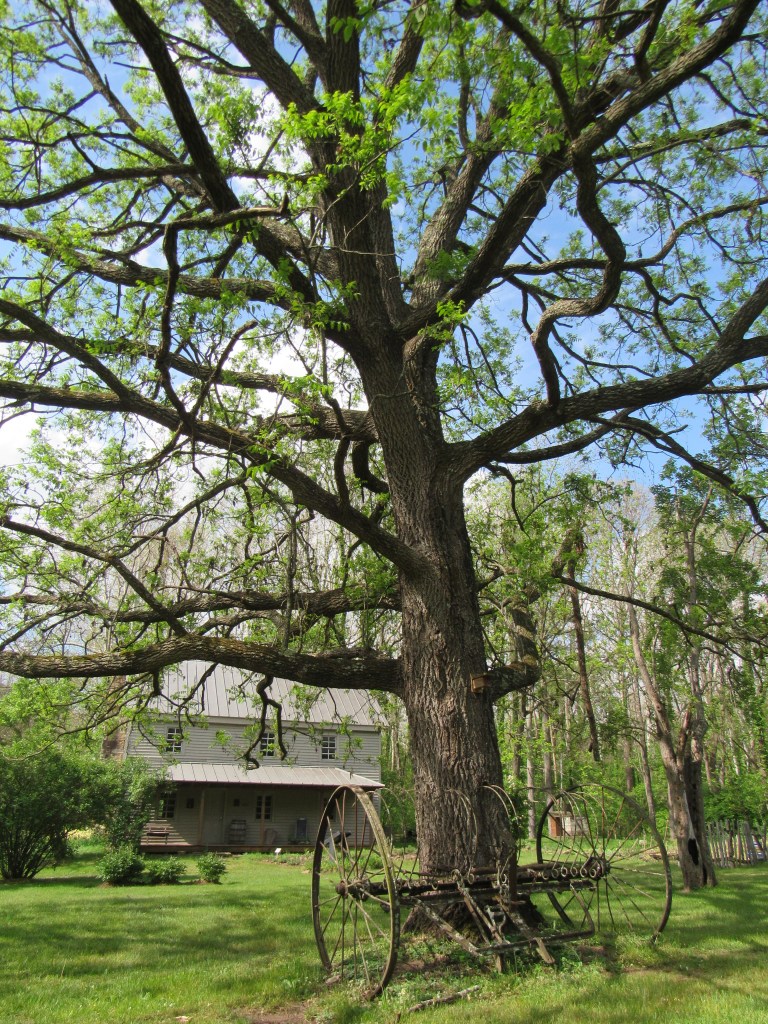
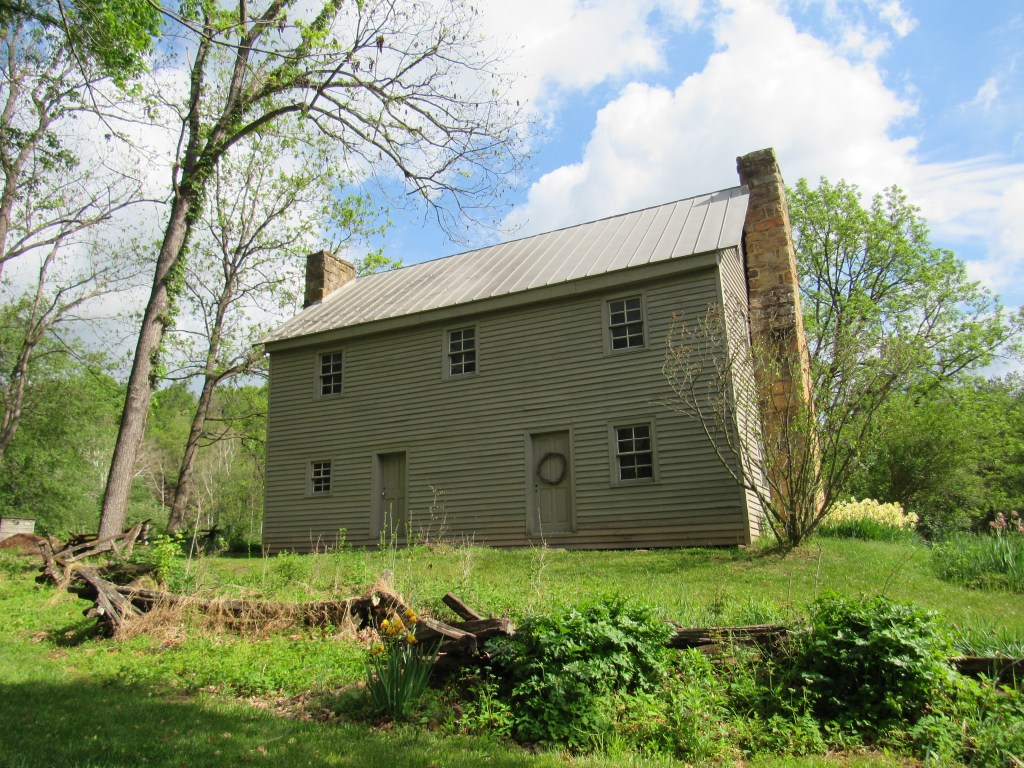
William Sites served in the Confederate Army during the Civil War, where he was captured in 1862 and later died at home shortly after his release. After his passing, the house remained in the hands of various descendants until 1947, with the interior being remodeled several times over the years to suit changing needs and generations. Following its time as a family residence, the structure was eventually repurposed as a hay barn. In 1969, the U.S. Forest Service acquired the property, preserving it as part of the historic landscape that remains today.
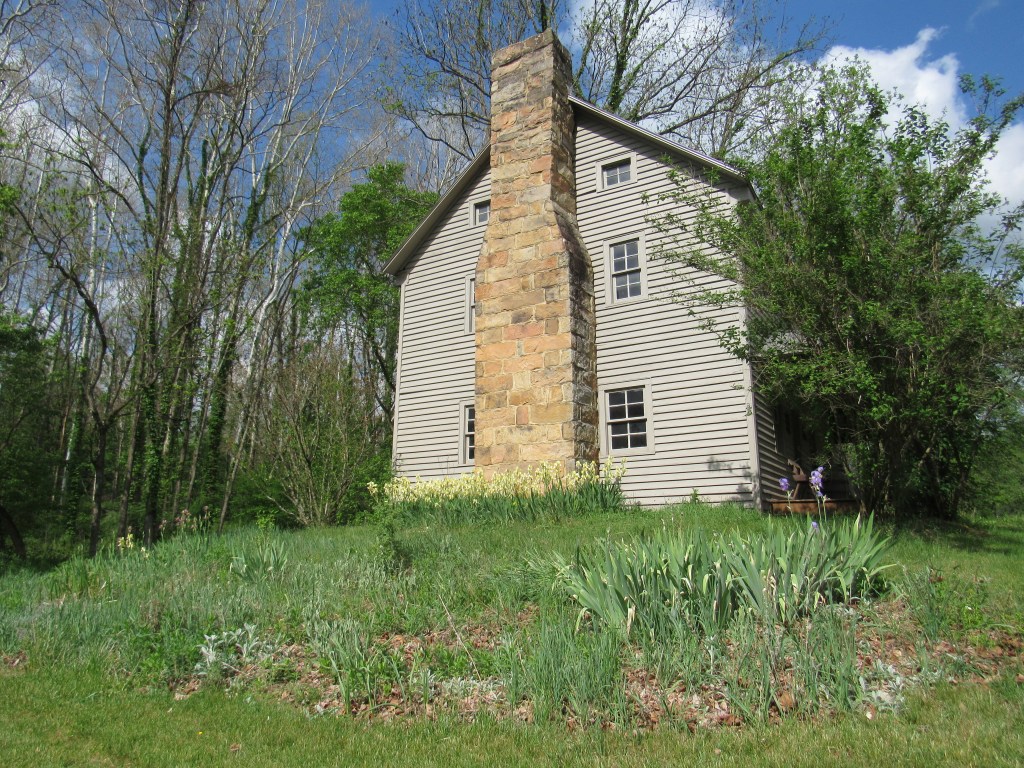
Beginning in 1989, a careful reconstruction effort was launched to replicate much of the homestead’s original architectural detail while also stabilizing the structure for preservation. The work was completed in May 1990, helping ensure the building could be experienced and appreciated for years to come. Today, the Sites Homestead offers a fascinating window into the past, highlighting the deep historical roots of the Seneca Rocks area. With its rustic character and enduring presence, the site invites visitors to step back in time and explore the stories held within its walls, making it a meaningful stop for anyone with an interest in history and early Appalachian life.
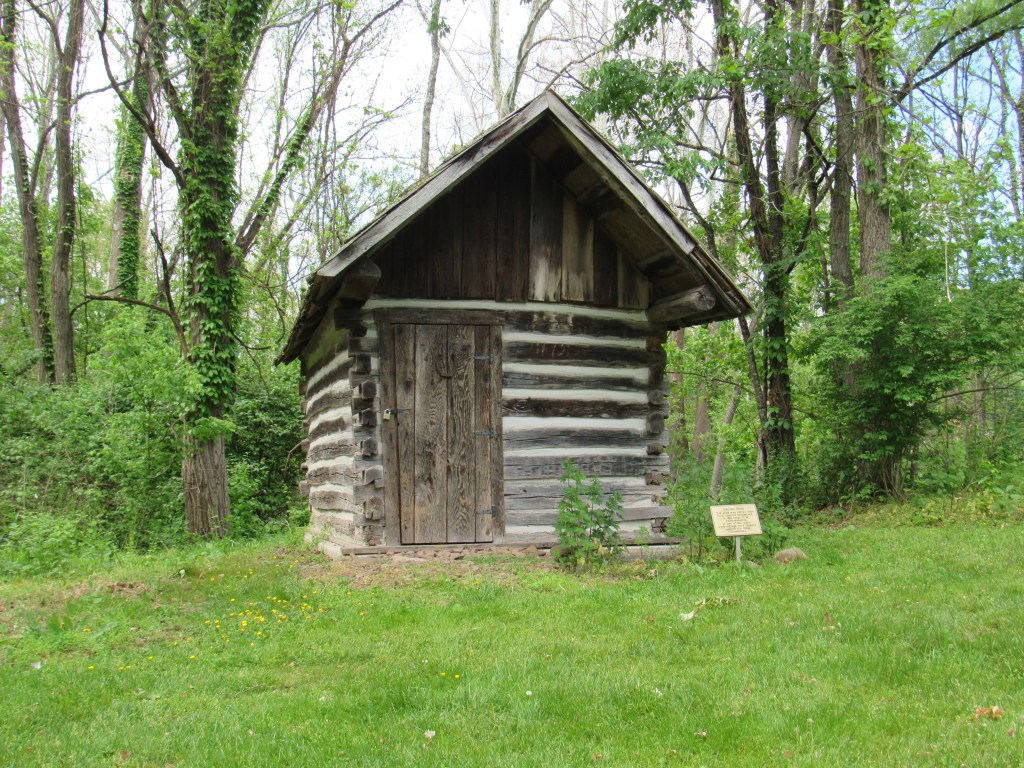
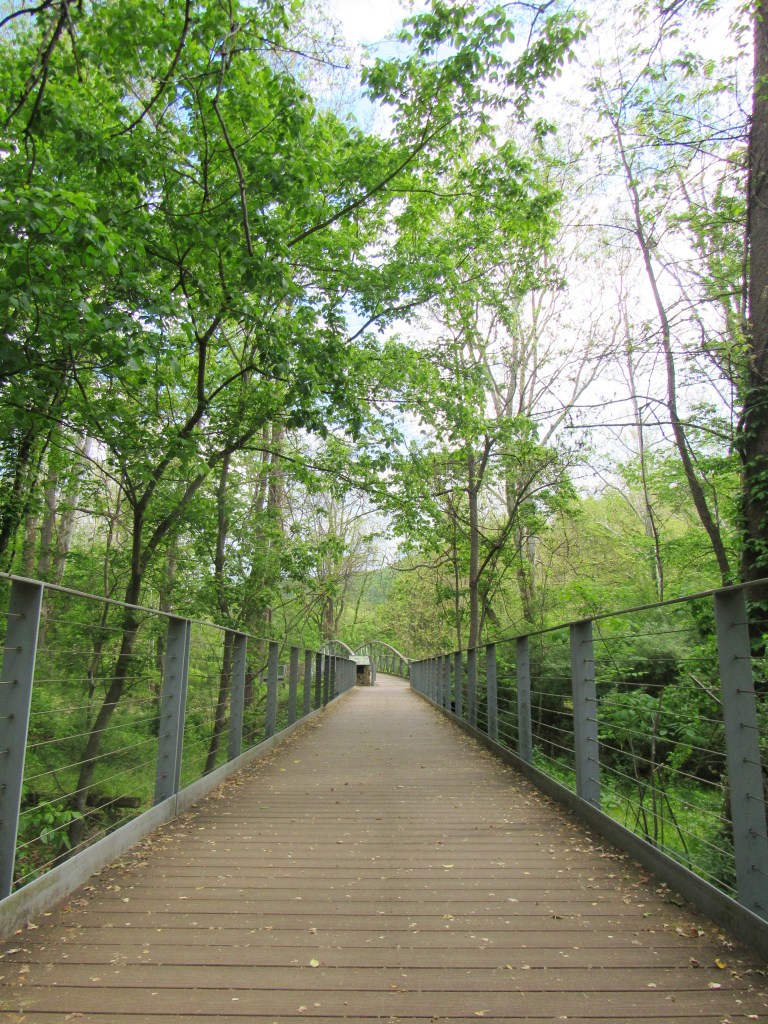
Just a short walk from the Seneca Rocks Discovery Center, across a scenic river and along a peaceful bridge and walkway, you’ll find the Sites Homestead waiting quietly in its historic setting. Beautifully restored and surrounded by thoughtfully maintained gardens, the home offers a glimpse into what life once looked like in this rugged mountain valley. An interpretive plaque explains that it is a classic Appalachian home built in the German Blockbau log style, adding even more depth to its story.
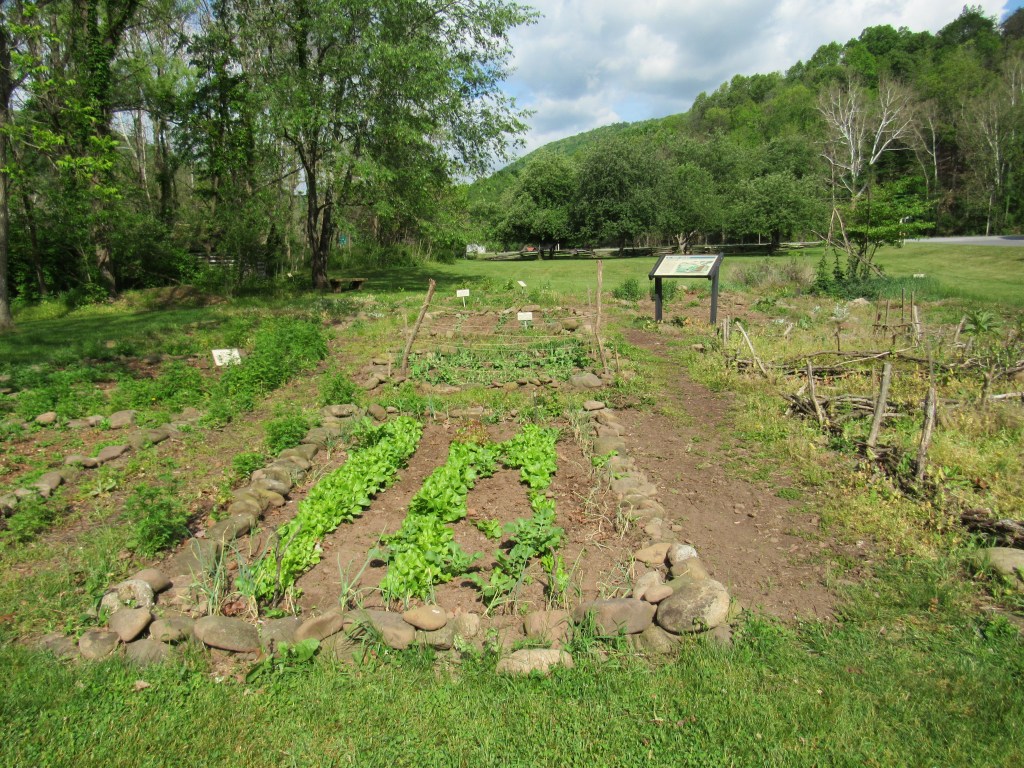
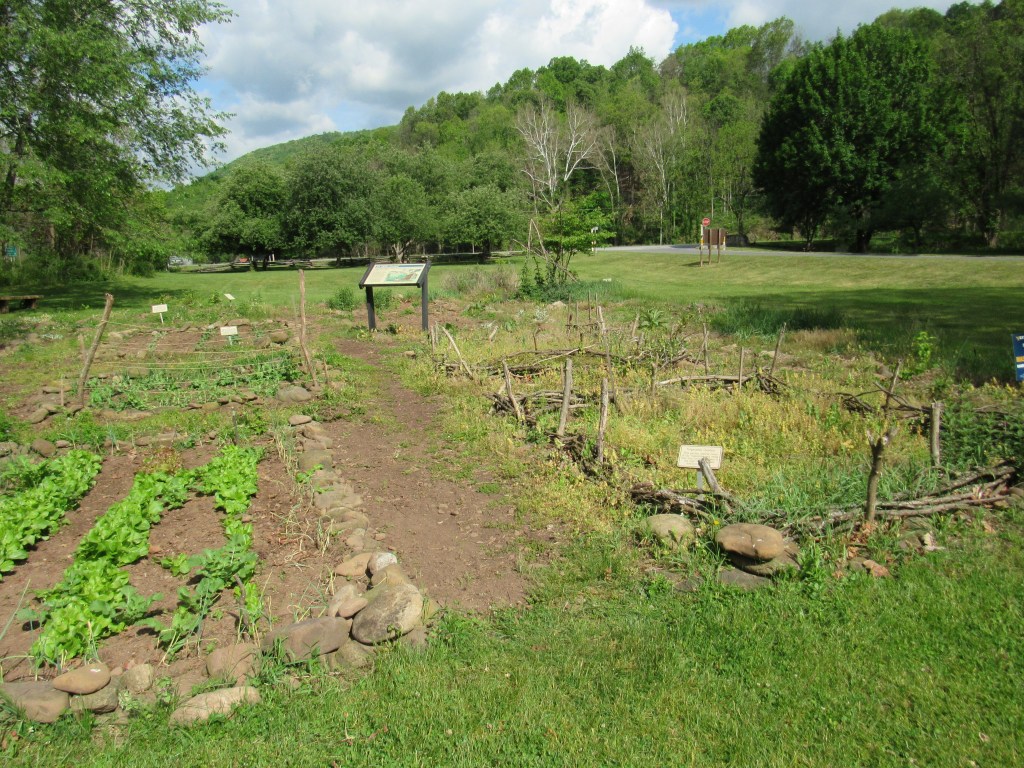
Today, the homestead is being brought back to life to reflect the era when early pioneers and settlers first carved out farms in the area. Herbs, flowers, and vegetables reminiscent of the mid-1800s grow abundantly around the property, softening the landscape and adding a vibrant touch to the historic home. Whether you’re drawn to history, gardening, or simply quiet places with a story to tell, the Sites Homestead is well worth a visit.