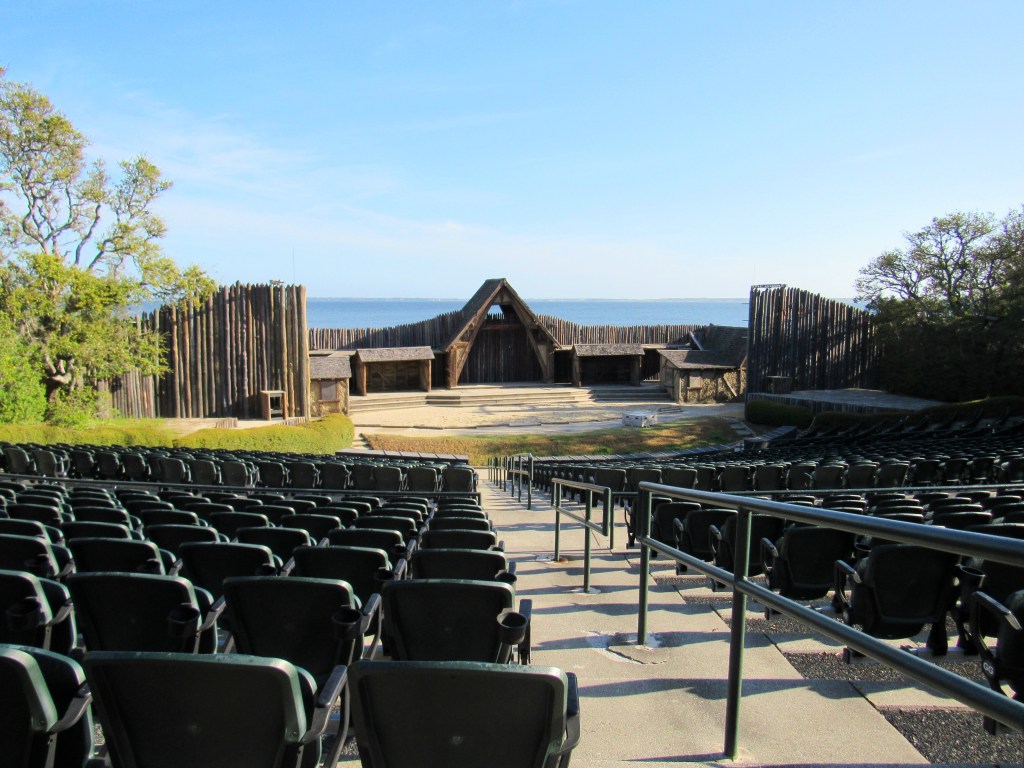
The air in Roanoke feels heavier than it should, like it’s holding onto something it refuses to give back. Maybe it’s the story of the Lost Colony—the 117 souls who vanished without a trace, leaving behind only a single, cryptic word carved into wood: CROATOAN. As I wandered the quiet paths and stood where history simply… stops, I couldn’t shake the feeling that the place isn’t empty at all. It’s layered, haunted not just by ghosts, but by unanswered questions. And that’s what pulls me in every time—the thrill of hunting history, of chasing stories that don’t neatly end, but instead linger just beneath the surface, waiting for someone to notice.
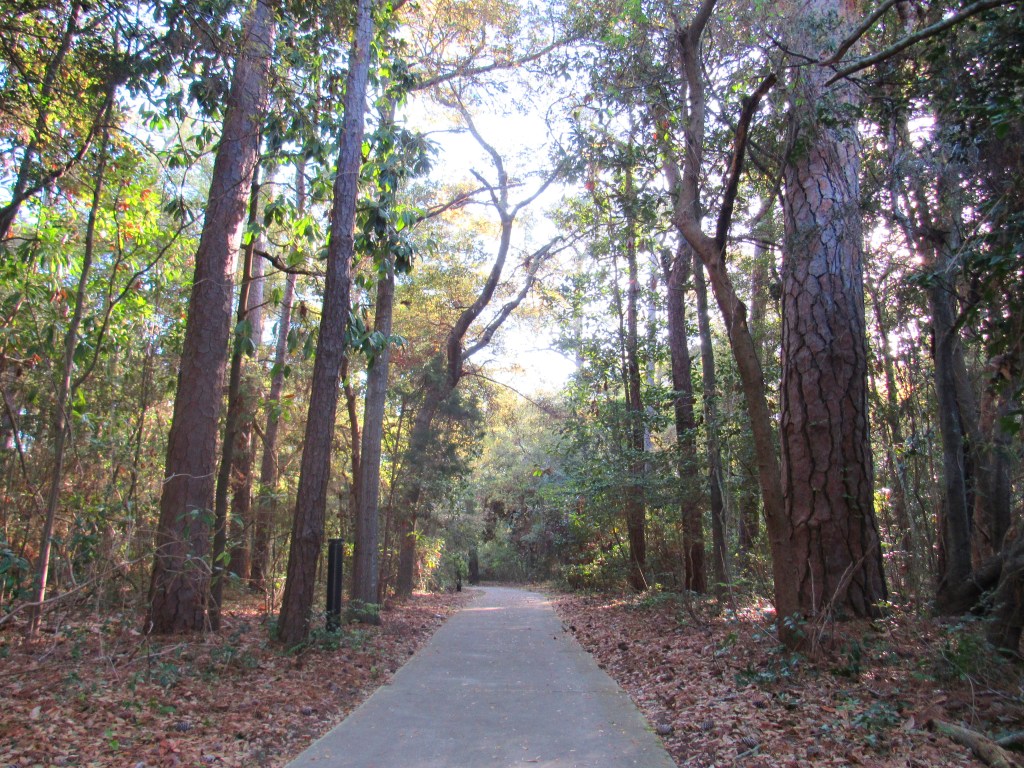
Long before the Pilgrims ever set foot at Plymouth Rock, 117 men, women, and children stepped onto the shores of Roanoke Island in July of 1587—tired, hopeful, and unknowingly walking straight into one of history’s greatest mysteries. This wasn’t just another voyage. It was an attempt to build something permanent in a land that still felt wild, unfamiliar… and perhaps unforgiving.
They had been sent by Sir Walter Raleigh, a carefully chosen group that included John White, his pregnant daughter Eleanor Dare, her husband Ananias, and Manteo—an Indigenous leader who had once traveled to England and returned as an ally. Together, they carried not just supplies, but the fragile idea of a future. They settled in, repairing the remains of an old fort (abandoned in 1585), trying to make something livable out of what had been left behind.
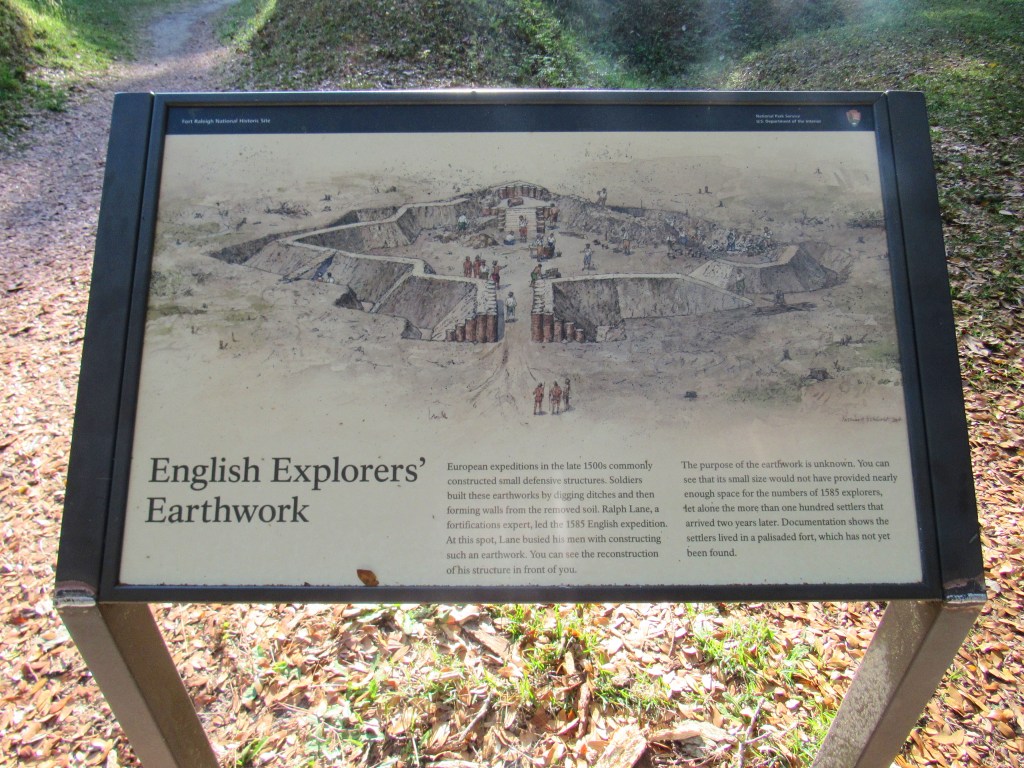
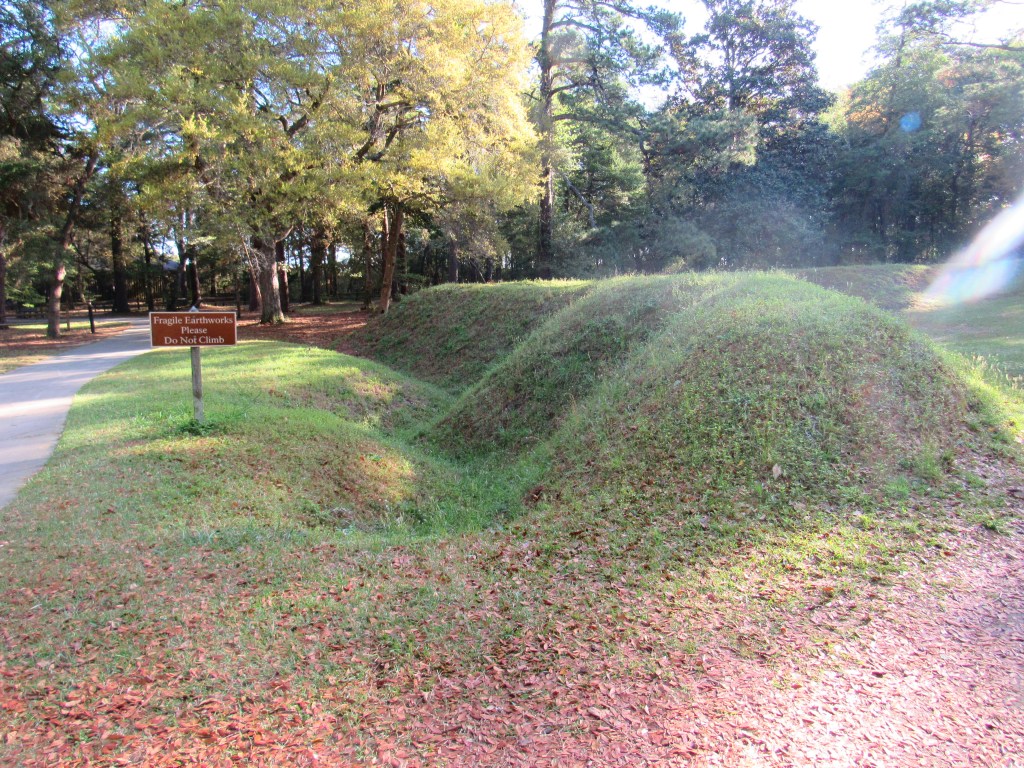
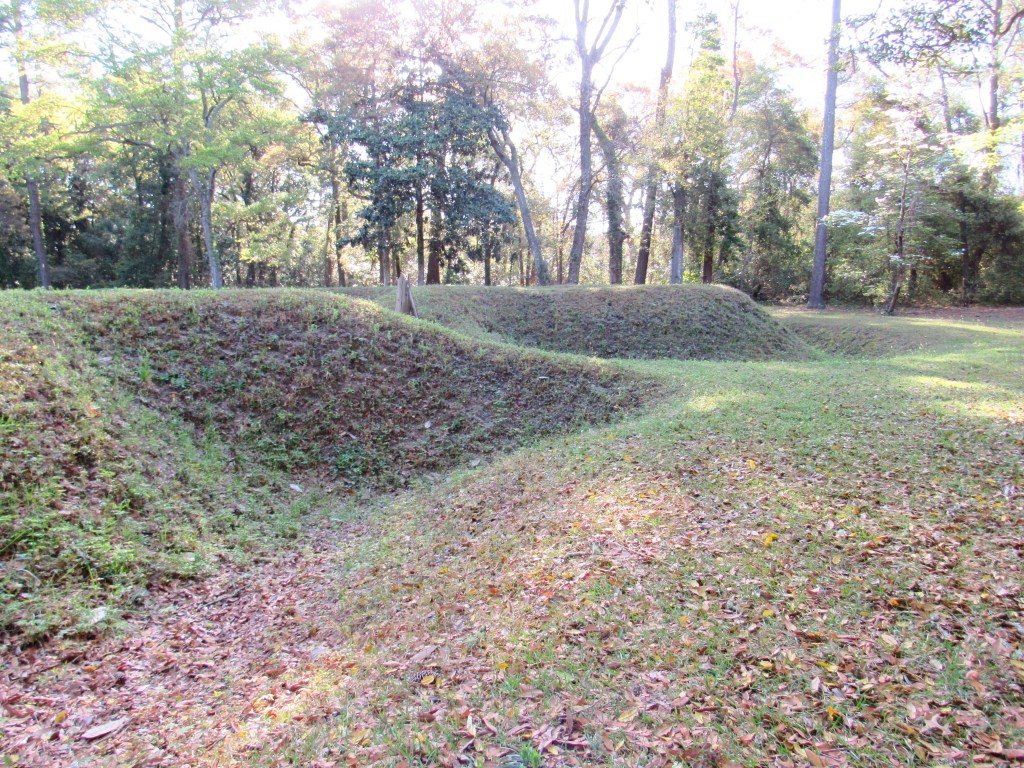
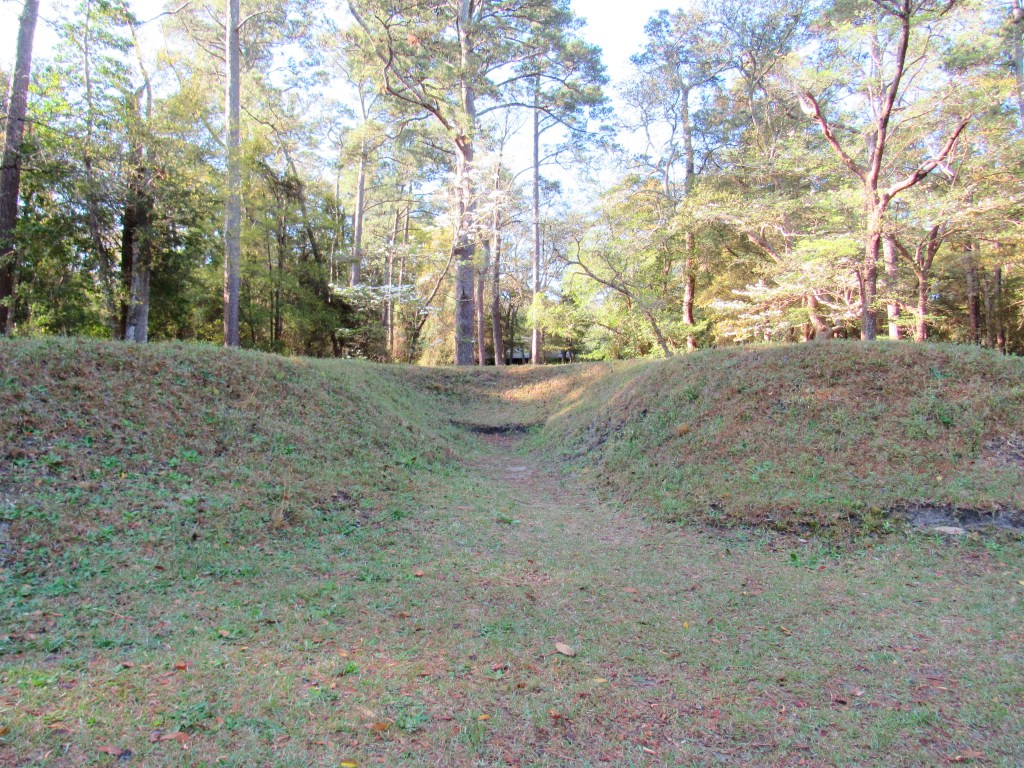
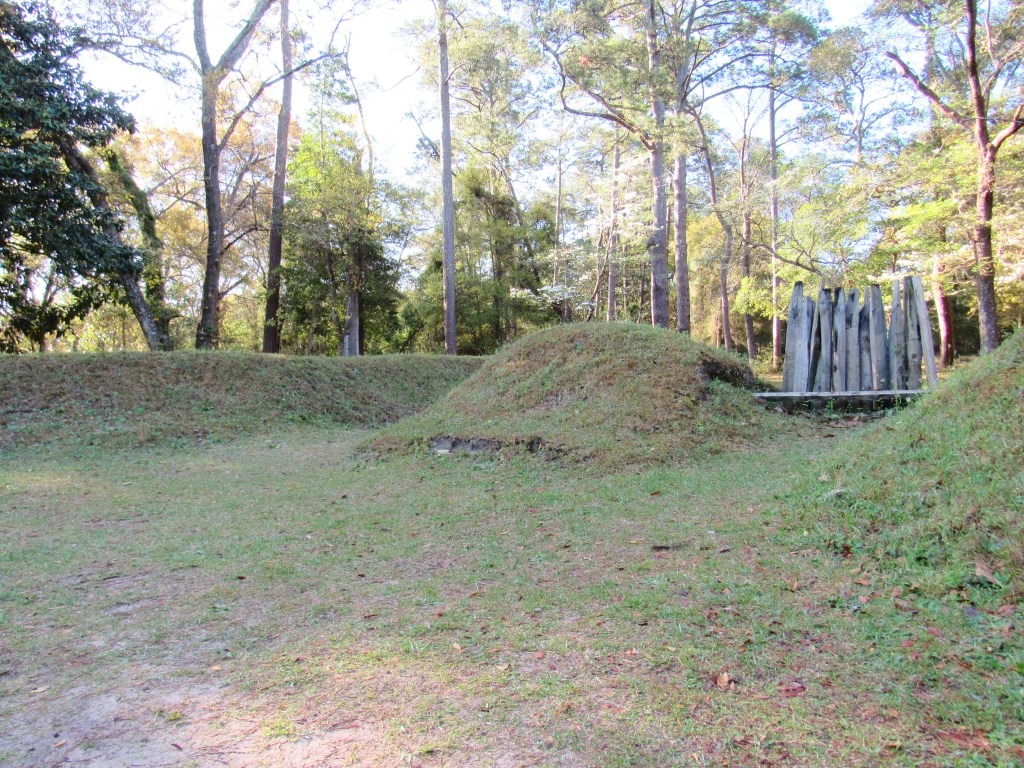
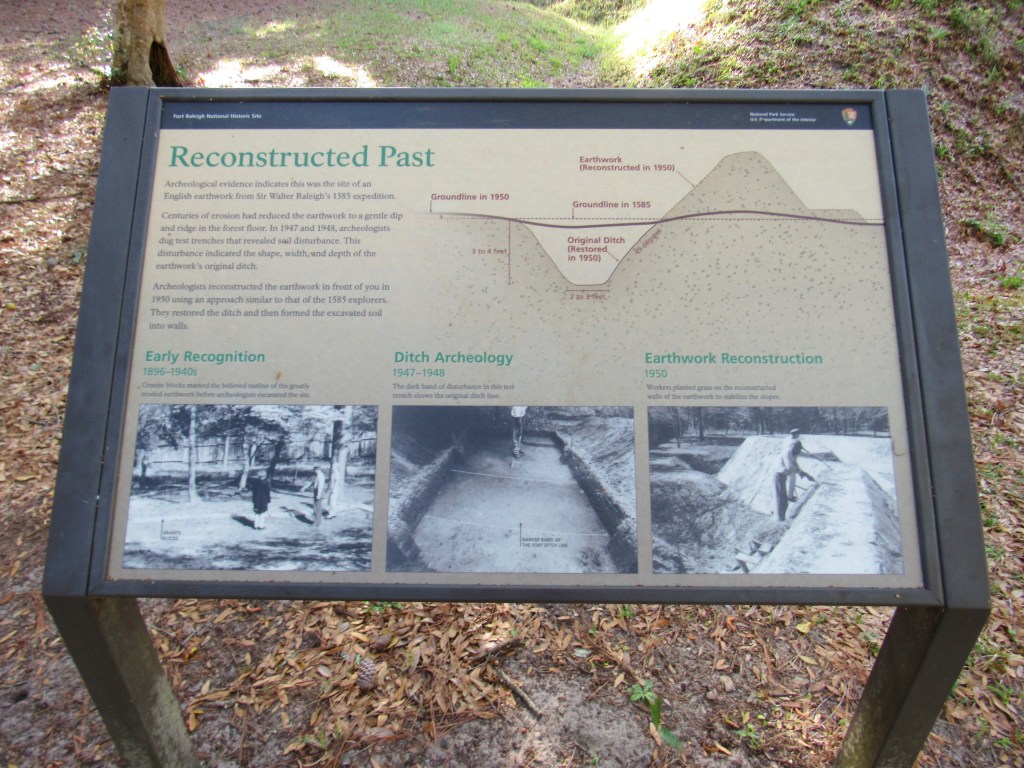
Then, on August 18, 1587, something remarkable happened—Eleanor gave birth to a baby girl, Virginia Dare, the first English child born on this soil. It should have been a moment of hope, a sign they were building something lasting. But just ten days later, John White sailed back to England for supplies, promising his family he would return soon. He didn’t know it then, but that goodbye would be the last.
Three years passed before he made it back. When he finally returned to Roanoke—on his granddaughter’s third birthday—he didn’t find a thriving settlement waiting for him. He found silence. The colony was abandoned, the structures dismantled, the land slowly reclaiming what had once been disturbed. There were no bodies. No signs of struggle. Just one haunting clue carved into the wood of a palisade: CROATOAN. Nearby, only three letters—CRO—cut into a tree, as if someone hadn’t finished… or didn’t have time.
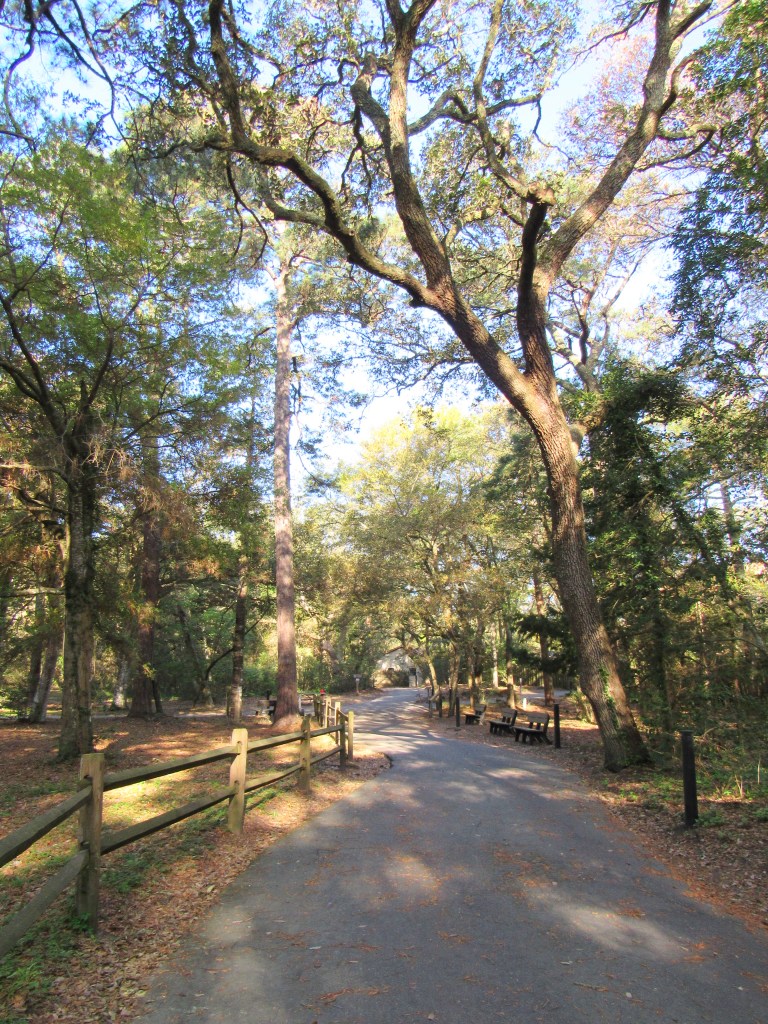
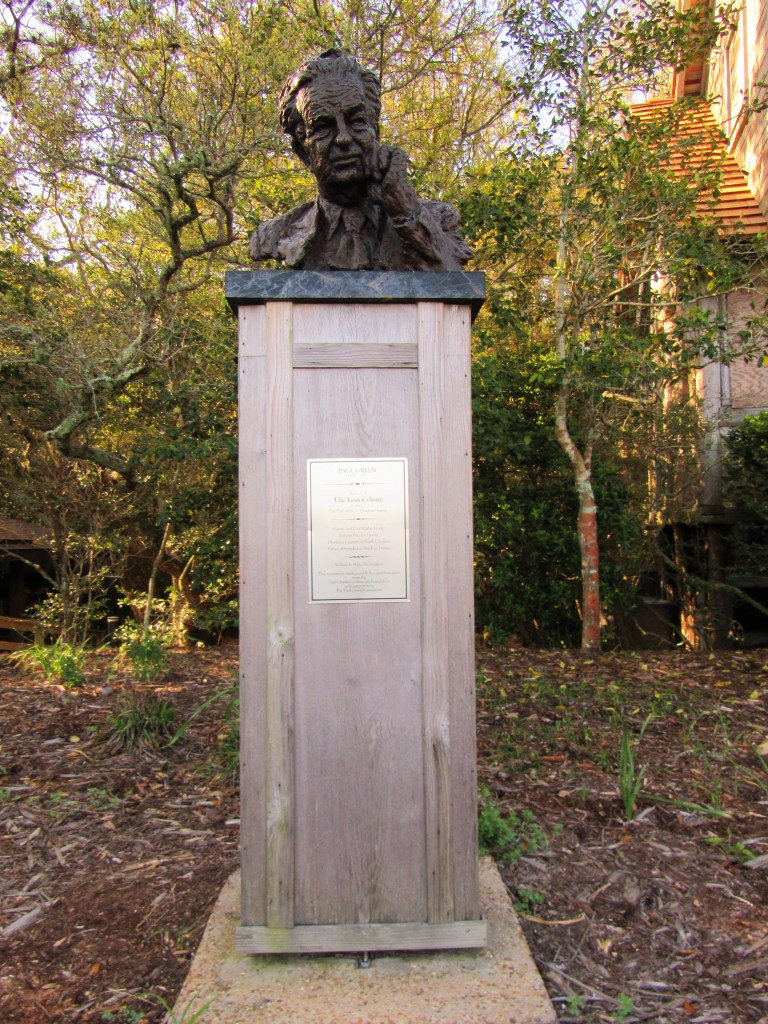
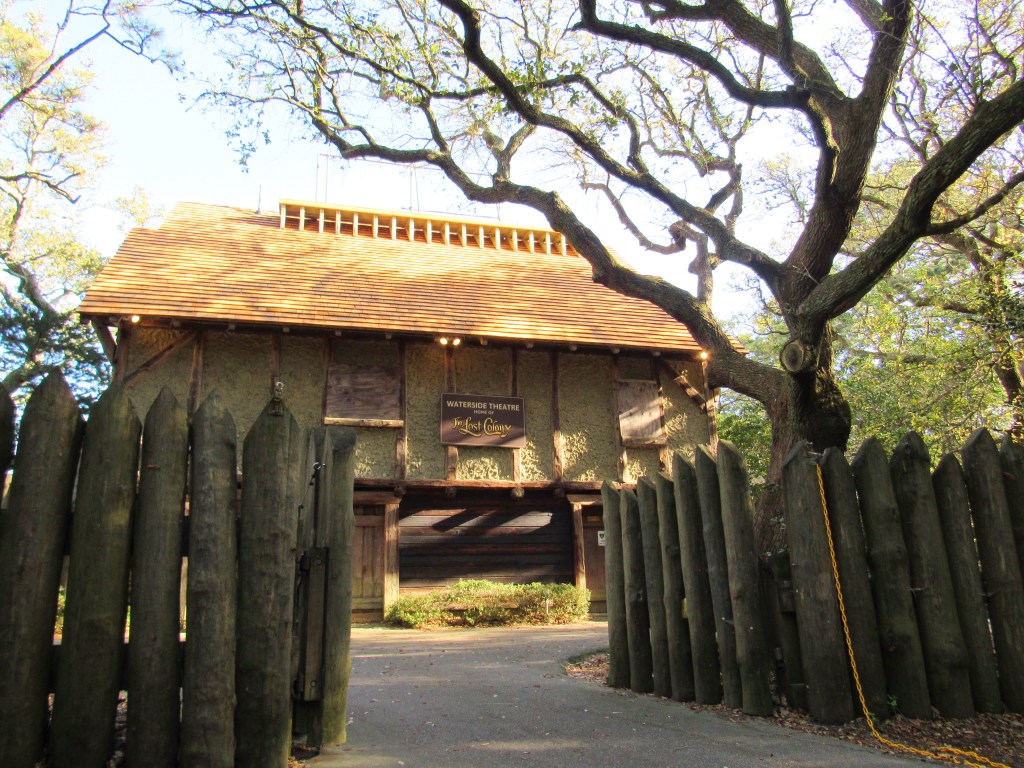
White believed it was a message, a direction—that his people had moved to Croatoan, the home of Manteo’s tribe. It was something to hold onto, a thread of hope in an otherwise empty place. But before he could follow it, a violent storm rose, tearing through his ships and forcing him back across the ocean.
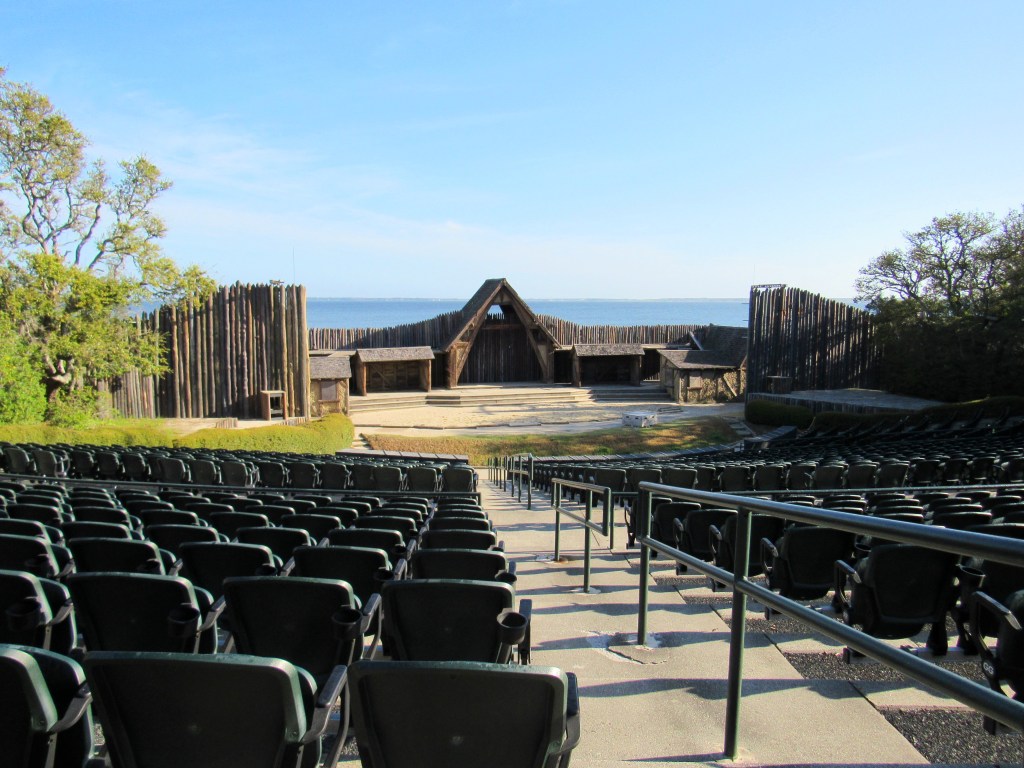
He tried to return. Again and again, he tried—but funding fell through, support disappeared, and eventually, so did the mission itself. Sir Walter Raleigh abandoned the effort, and John White died years later, never knowing what became of his daughter, his granddaughter, or the others who had vanished without a trace.
No remains. No records. Just a single word left behind.
And with that, the Lost Colony of Roanoke slipped out of history… and into legend.
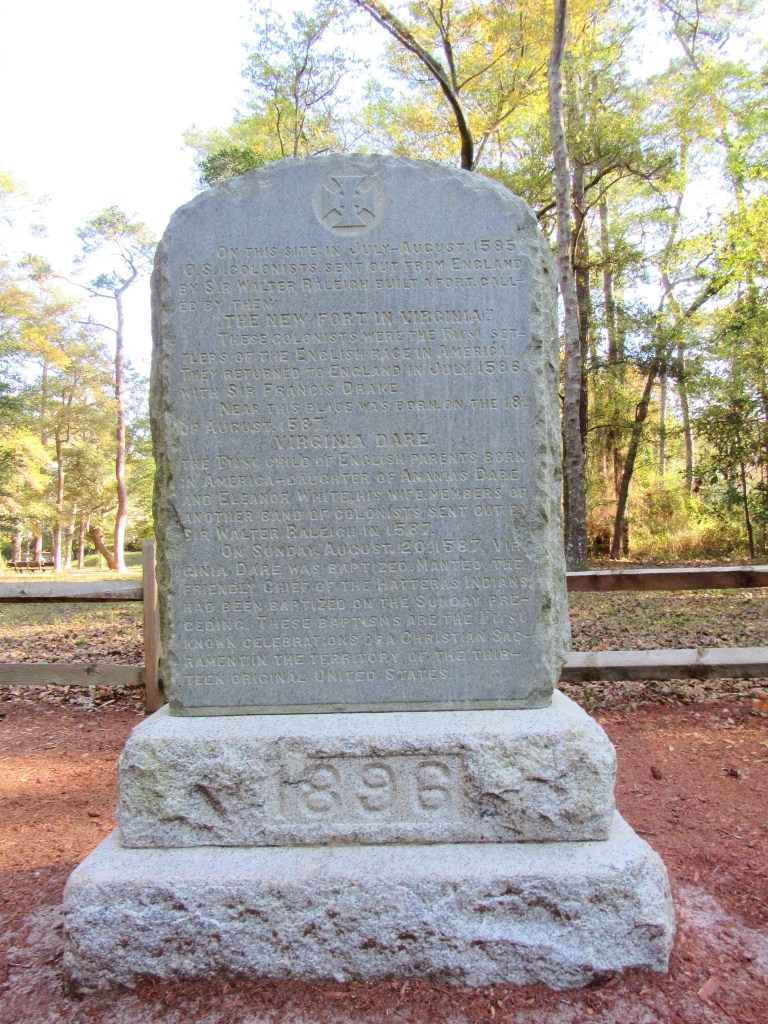
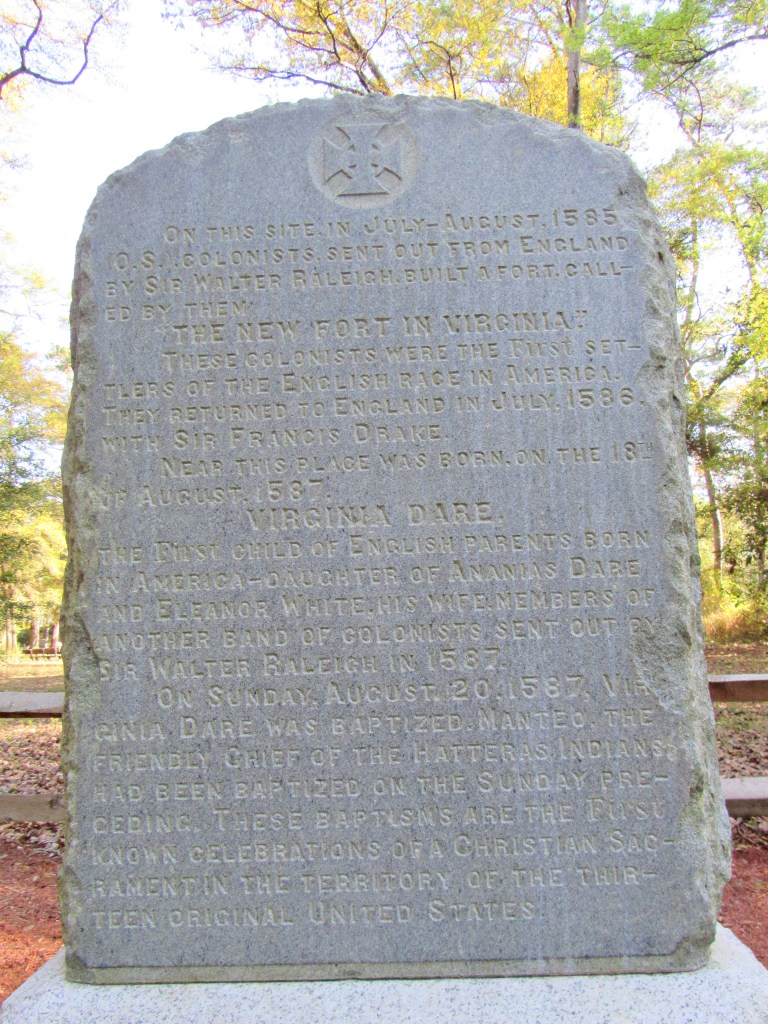
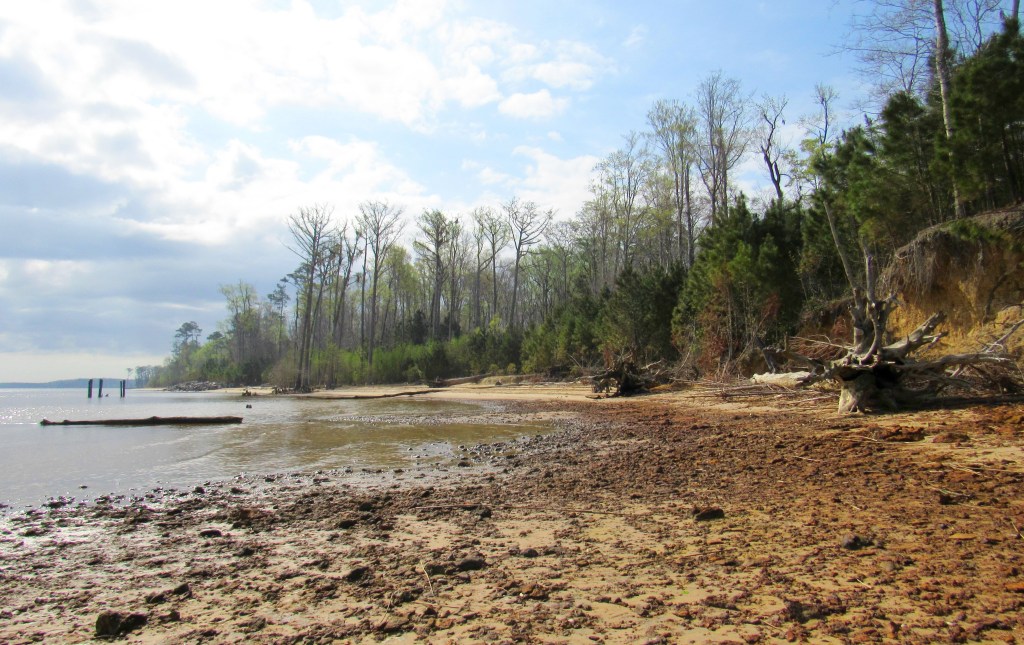
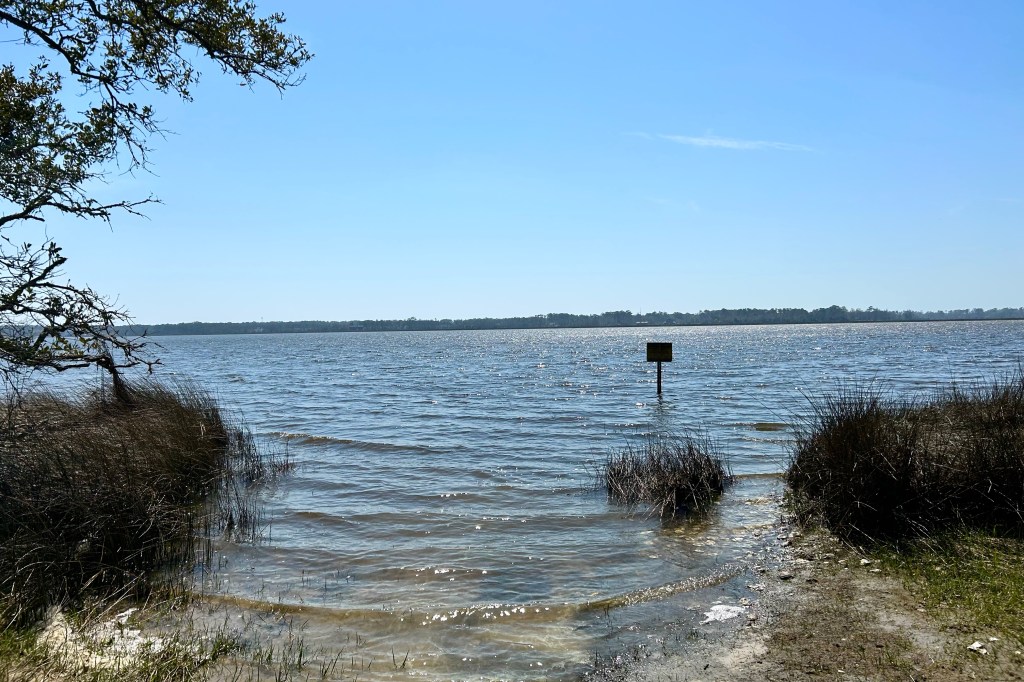
Standing there, with the wind moving through the trees and the quiet settling in a little too deeply, it’s easy to understand how this story has blurred over time—even down to its location. Despite the name, this mystery didn’t unfold in present-day Roanoke, Virginia, but along the remote stretches of the Outer Banks of North Carolina, where land and water seem to shift as easily as the stories themselves. Maybe that’s part of why it still lingers—why it refuses to be pinned down or fully understood. Because out there, where the edges of history feel thin, you can’t help but wonder… did they really disappear, or did they simply become part of something we were never meant to find?
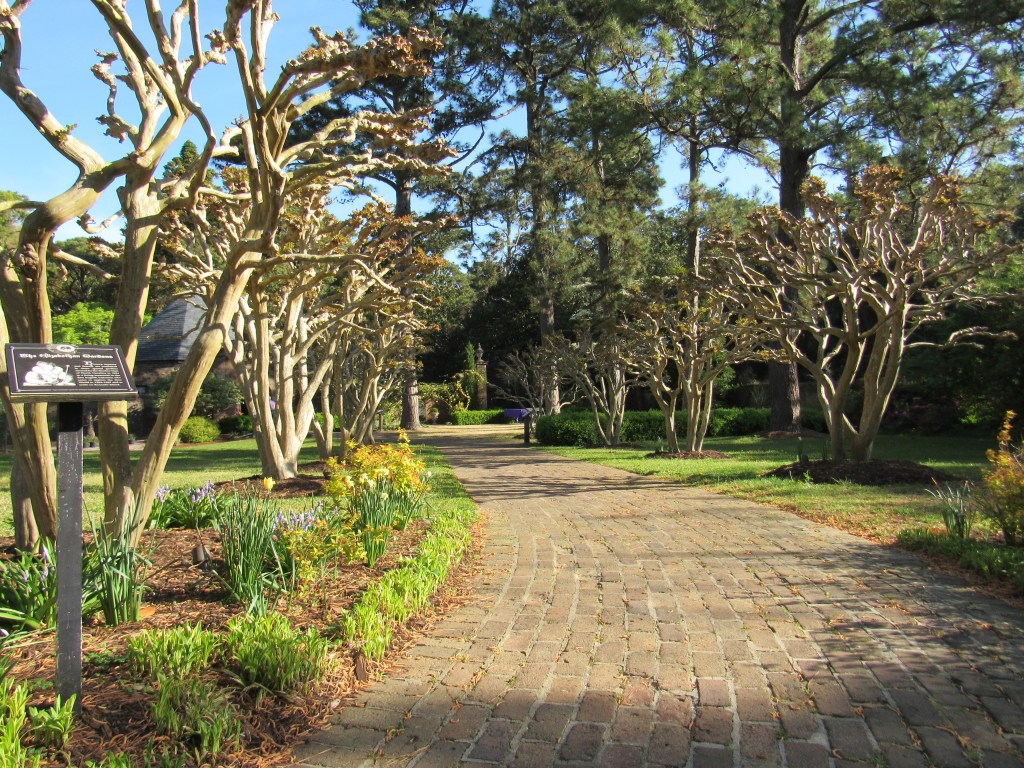
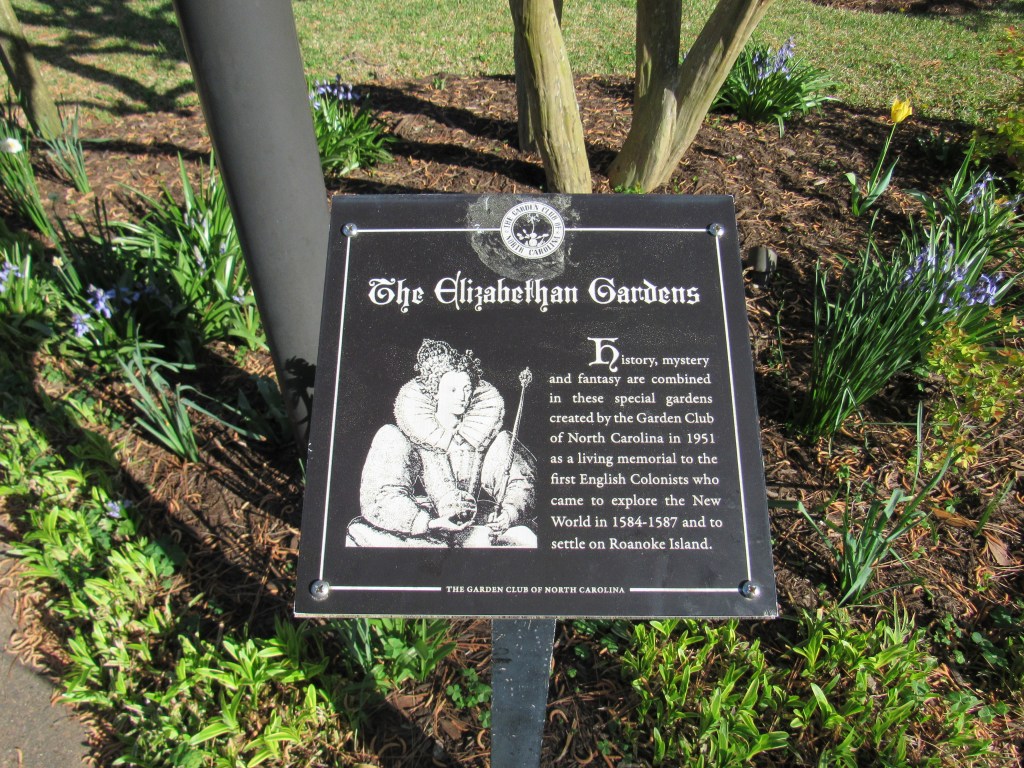
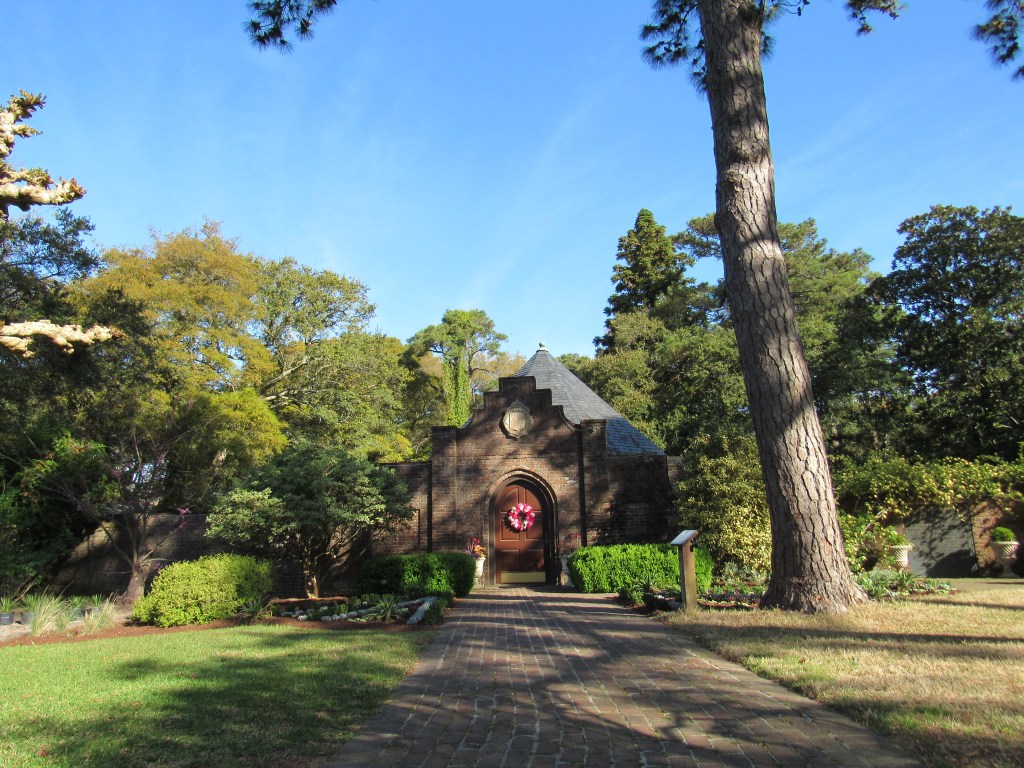
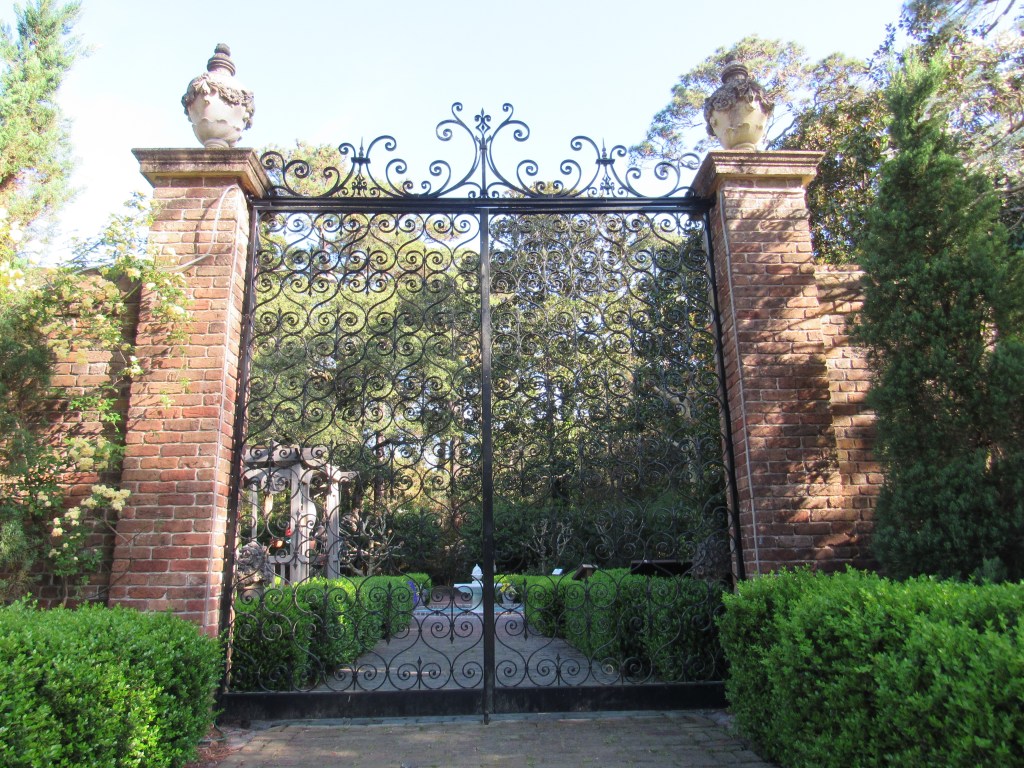
1500 Fort Raleigh Road, Manteo, NC 27954
 Wander Woman
Leave a comment