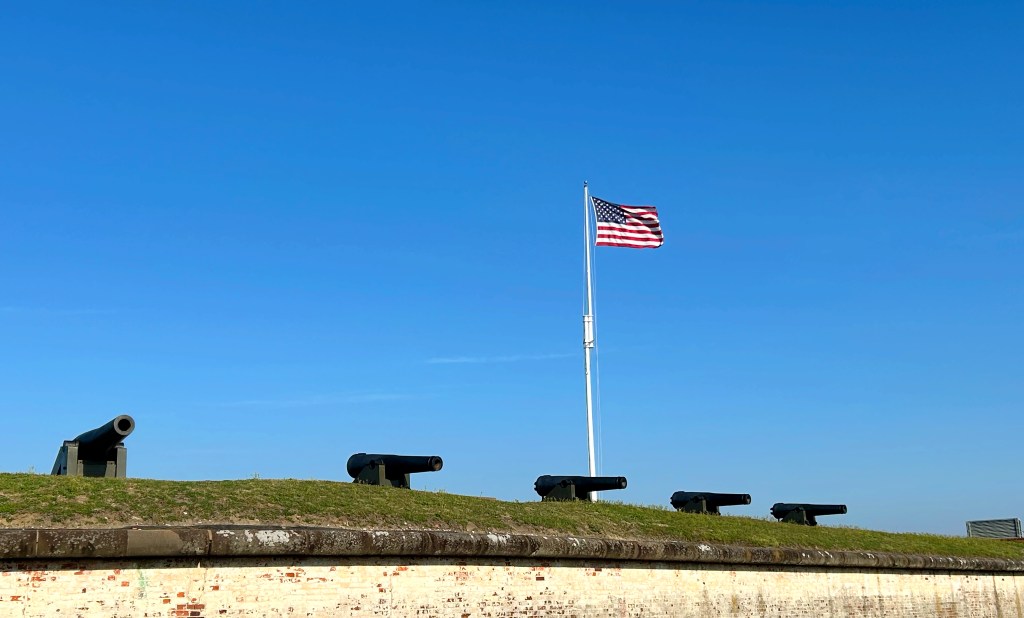
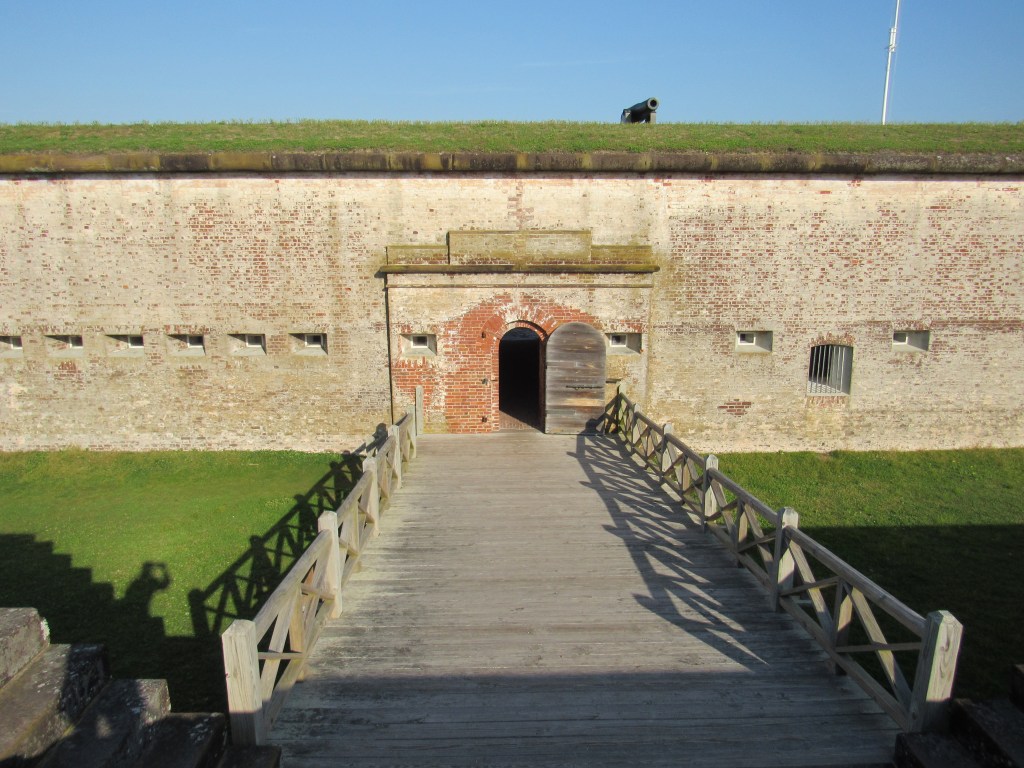
Rising from the windswept dunes of Bogue Banks, Fort Macon has watched over North Carolina’s coast for nearly two centuries, a quiet sentinel shaped by time and tide. Its cannons no longer roar, but within the towering brick walls linger the echoes of battles fought, storms endured, and stories that refuse to fade. Step inside, and you’ll find more than just a historic site—you’ll feel the weight of the past still breathing through every corridor.
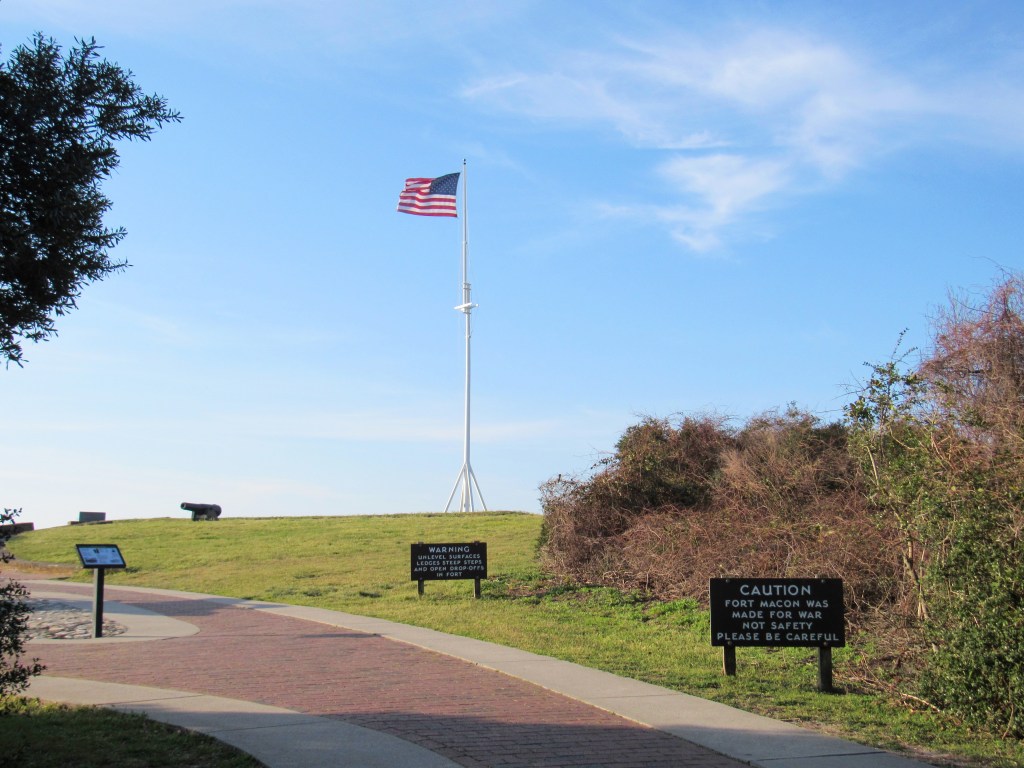
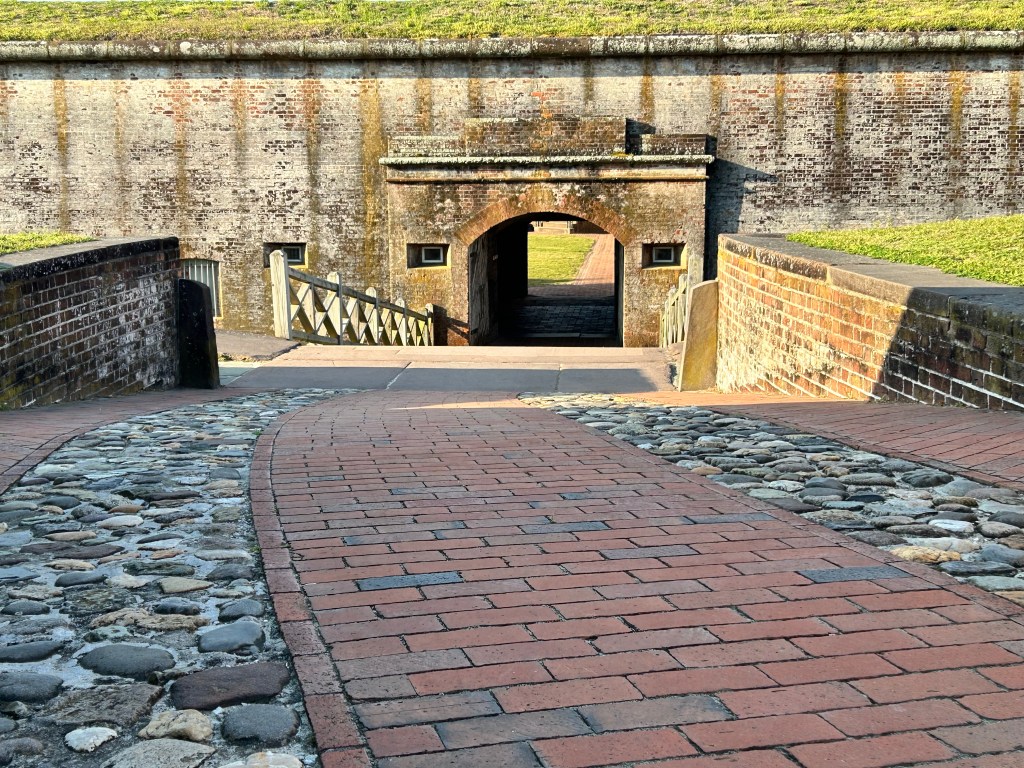
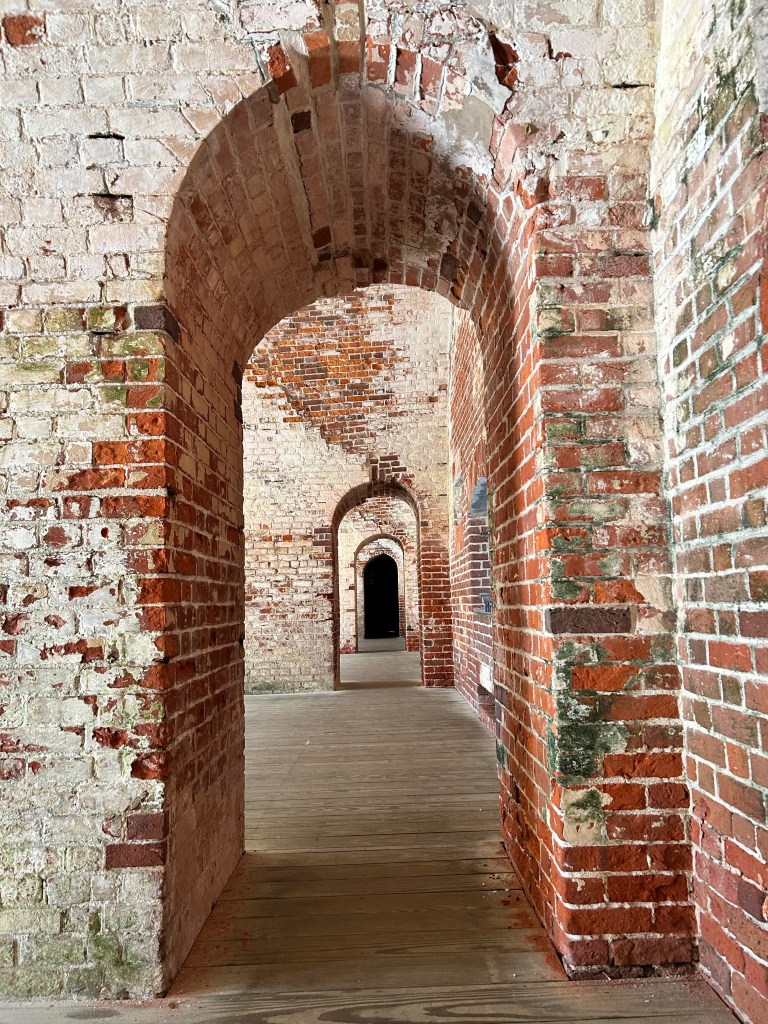
Wandering through the fort’s dark, tunneled rooms feels like stepping straight into another century. The narrow corridors swallow the daylight, leaving only cool shadows and the faint echo of your own footsteps bouncing off the aged brick. It’s easy to imagine soldiers moving quietly through these passageways, their voices low, their presence lingering long after they’ve gone. The air feels heavier here—thick with history—and around every corner, there’s a subtle, spine-tingling sense that you’re not entirely alone.
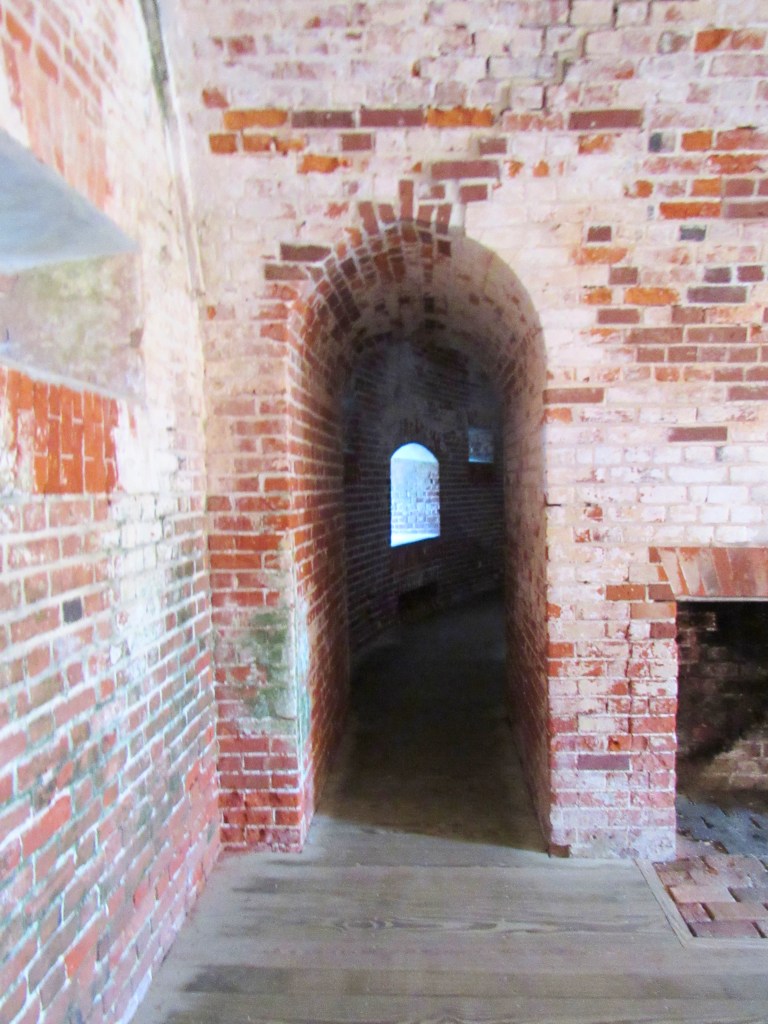
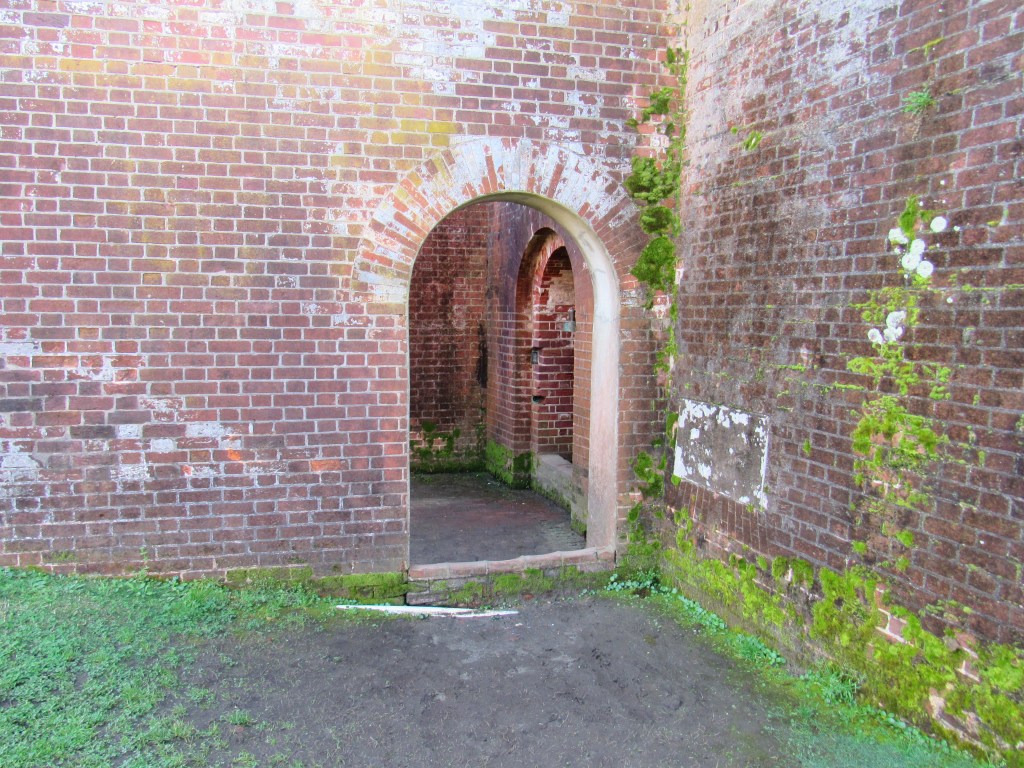
The need to defend North Carolina’s Crystal Coast dates back to the 1700s, when the inlet was a frequent target for pirates, the British, and even Spanish forces, all vying for control. The concern centered on foreign powers like Spain and Great Britain, both of which had attacked the port during the 18th century. Earlier efforts to build defensive structures had been attempted, but they were never fully completed or failed to provide lasting protection.
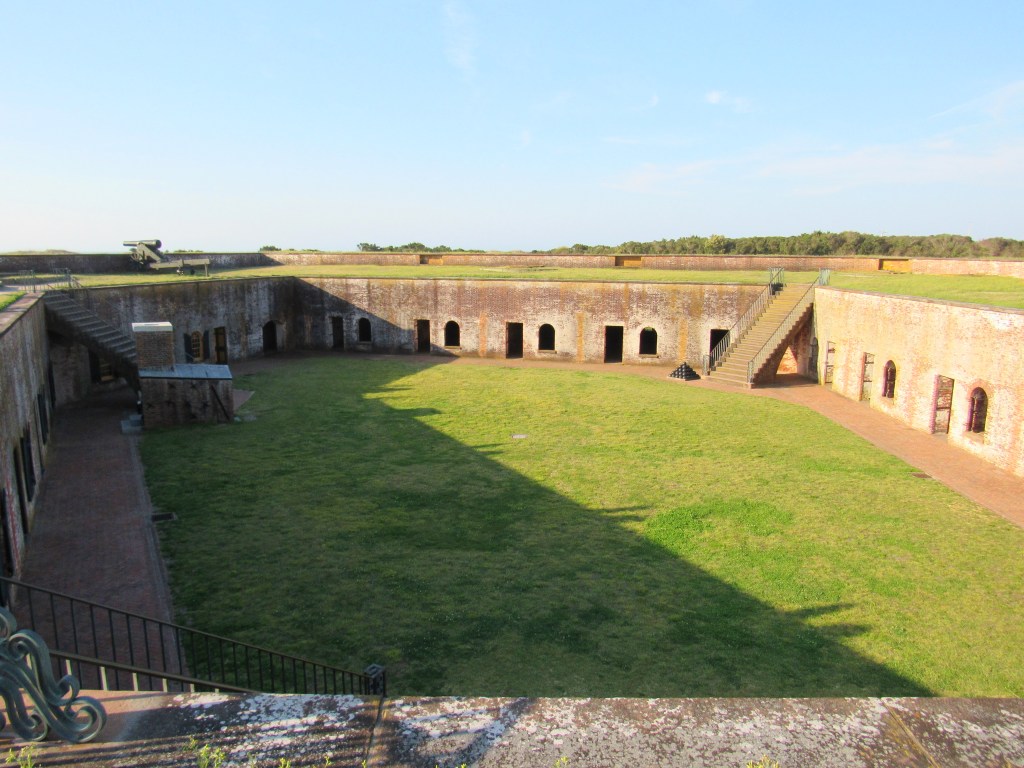
In the aftermath of the War of 1812, the United States set out to strengthen its coastal defenses by building a network of permanent forts to protect key harbors from foreign attack. As part of this effort, construction began in 1826 on a fort at the eastern tip of Bogue Banks, strategically positioned to watch over Old Topsail Inlet—now known as Beaufort Inlet—the gateway to Beaufort Harbor. Completed in 1834, the fort was named for Nathaniel Macon, a respected North Carolina statesman who served in both Congress and the U.S. Senate.
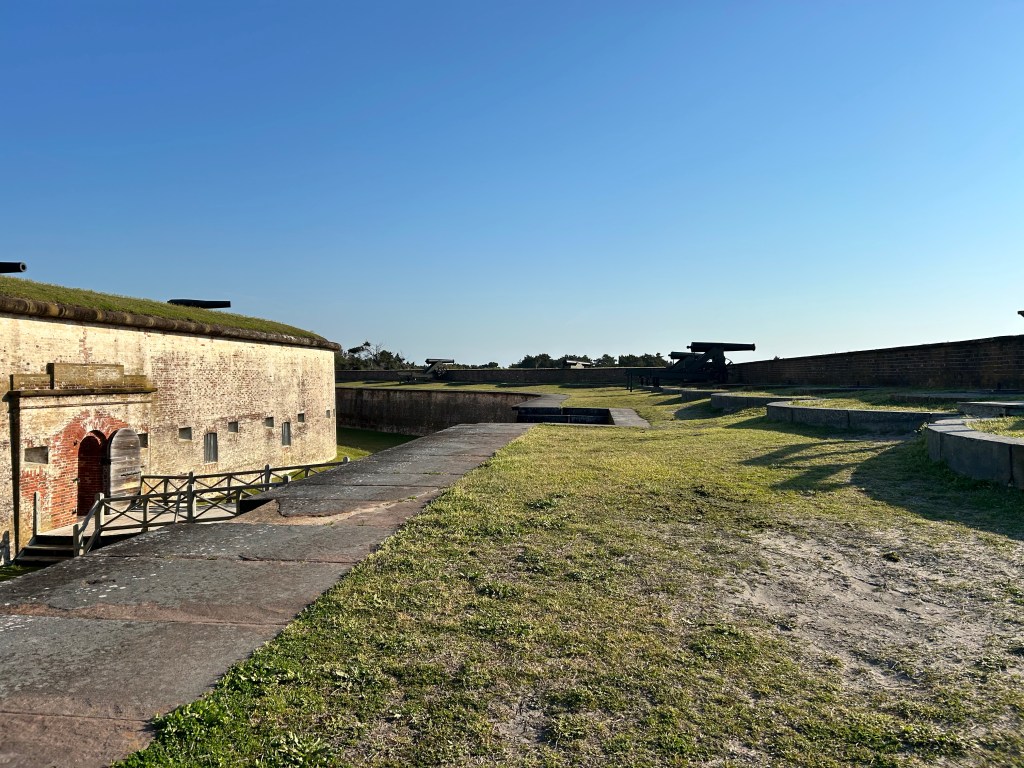
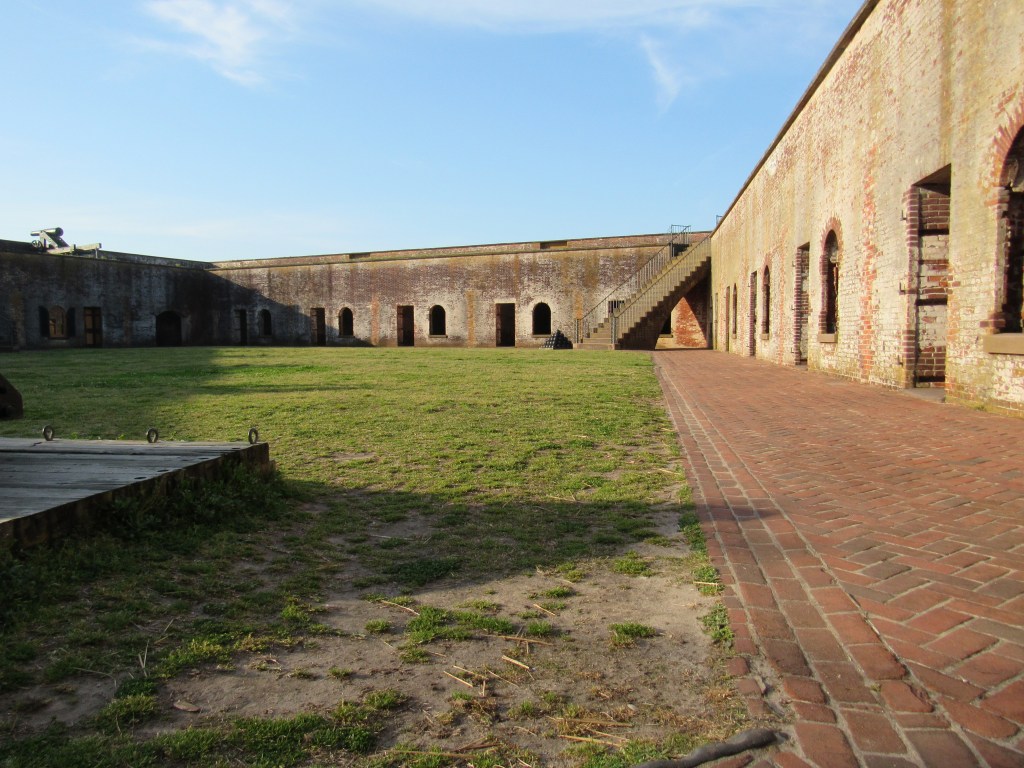
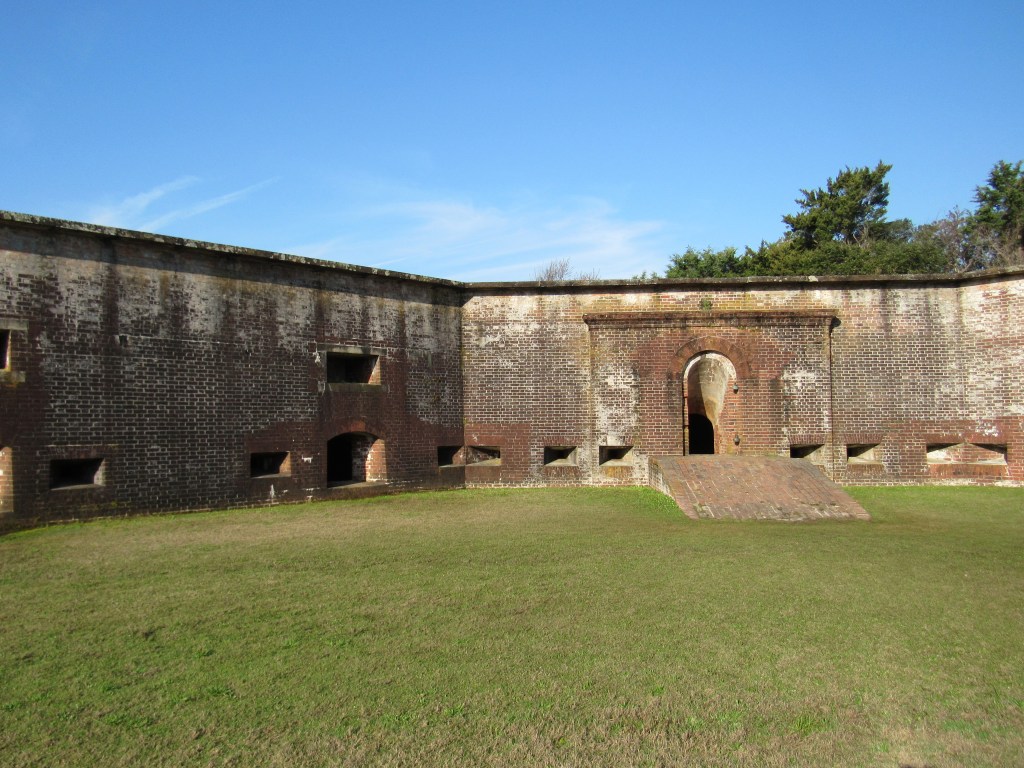
The fort’s first true test didn’t come from a foreign enemy, but from within, during the American Civil War. On April 14, 1861, at the outset of the Civil War, local militia from Morehead City and Beaufort—led by Captain Josiah Pender—took control of Fort Macon on behalf of the state without a fight. In the months that followed, North Carolina Confederate troops fortified and occupied the site, preparing for the inevitable Union assault.
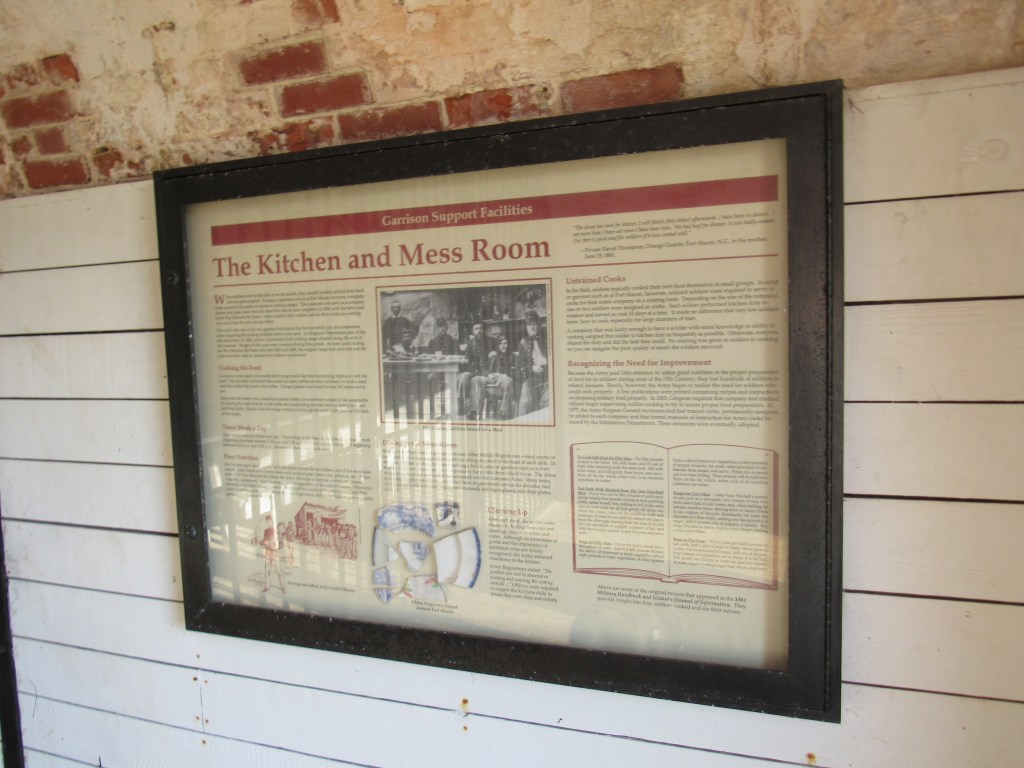
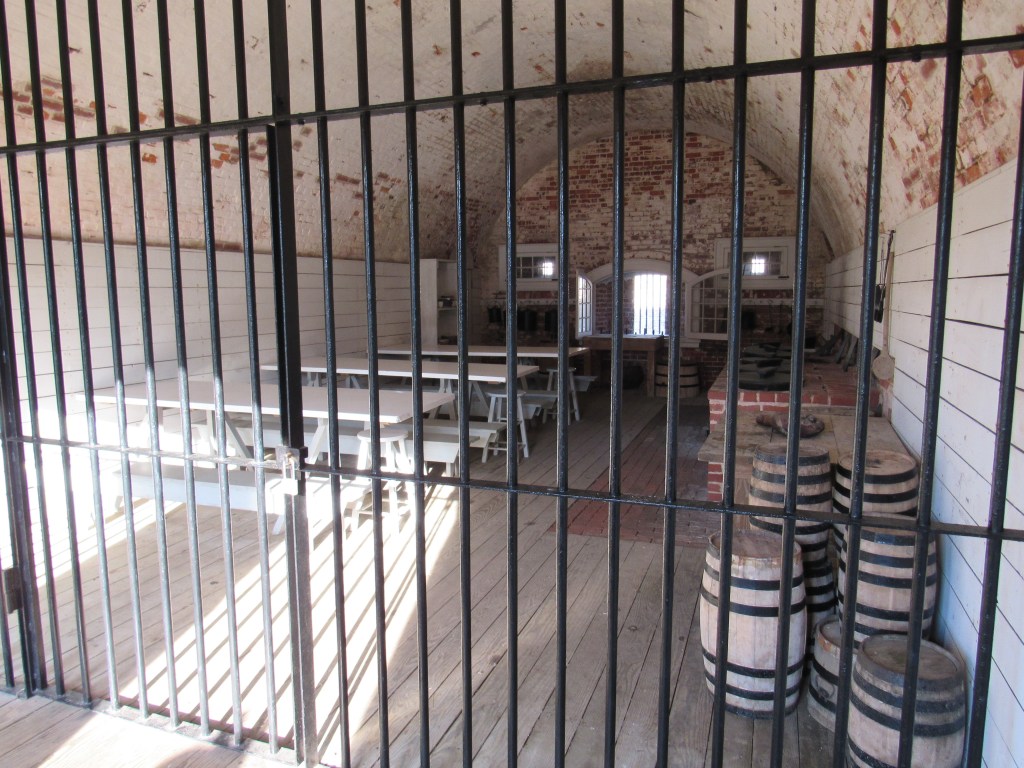
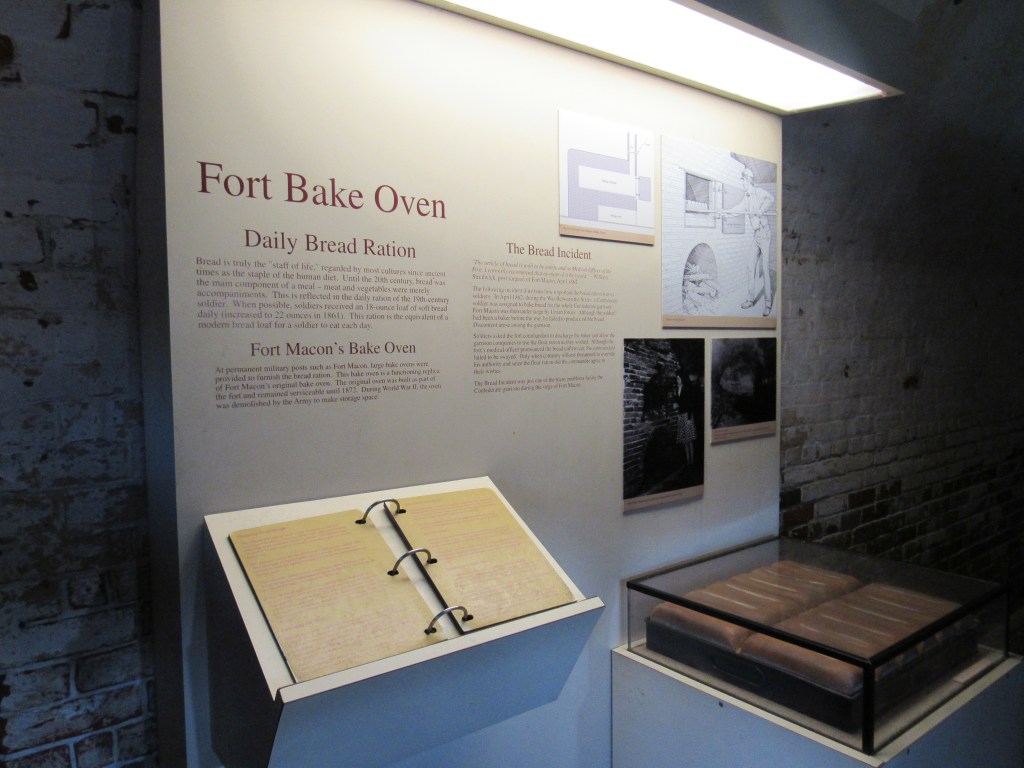
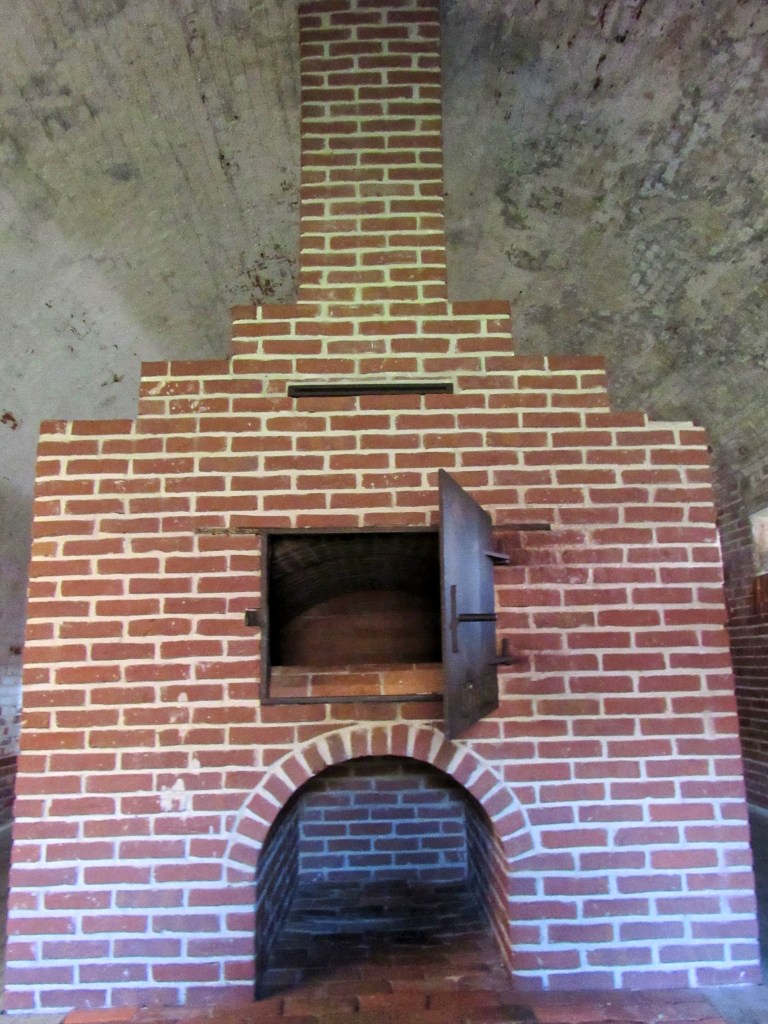
Confederate troops might have initially took control of Fort Macon, but Union forces laid siege and ultimately reclaimed it in a battle that unfolded from late March through April of 1862. By then, advances in military technology had outpaced the fort’s design, leaving it vulnerable—an issue that plagued many of the era’s coastal defenses.
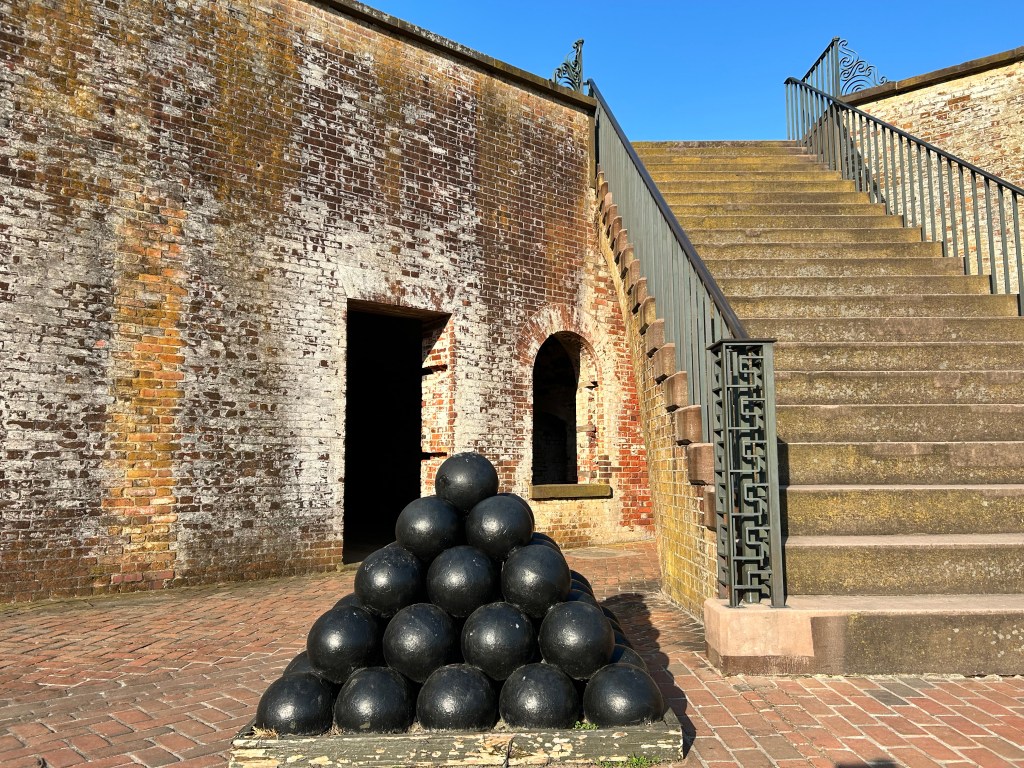
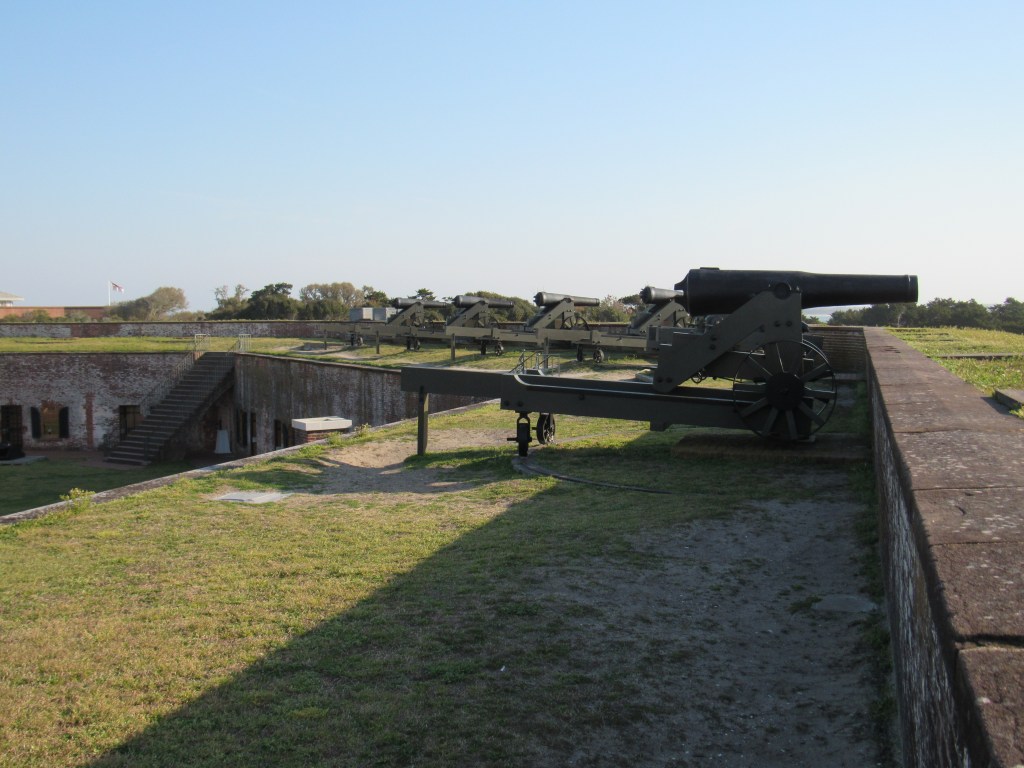
The Siege of Fort Macon was more than a single clash—it marked a pivotal moment in the fight for control of North Carolina’s coastline. It also revealed just how powerful modern artillery had become, influencing the design of military fortifications for years afterward. Built to endure, the fort still stands today, its brick and stone structure housing 26 vaulted rooms behind walls over a meter thick.
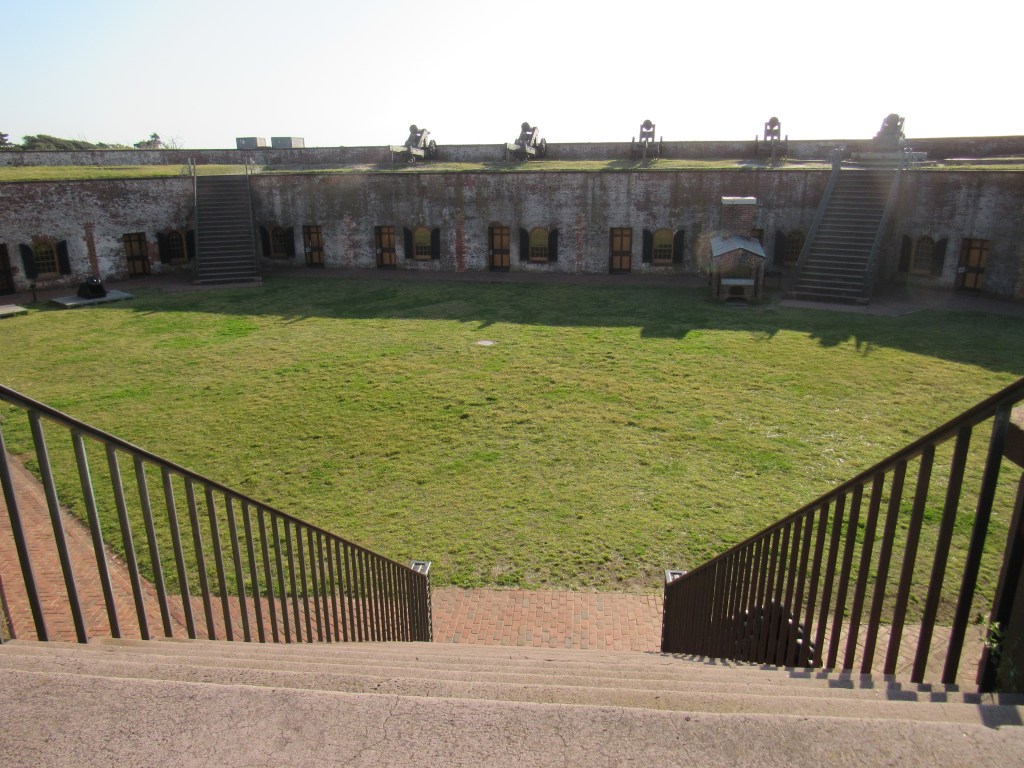
The fort served as a federal prison after the Civil War and was used as a station for the Third North Carolina Volunteers during the Spanish-American War in 1898.
By the late 1930s, Fort Macon had already spent more than a decade as a state park, welcoming visitors with restored casemates and scenic picnic areas. That changed after the attack on Pearl Harbor on December 7, 1941, when the U.S. military moved quickly to strengthen coastal defenses. Fort Macon was brought back into service, playing a role in guarding the shoreline during a time of heightened threat.
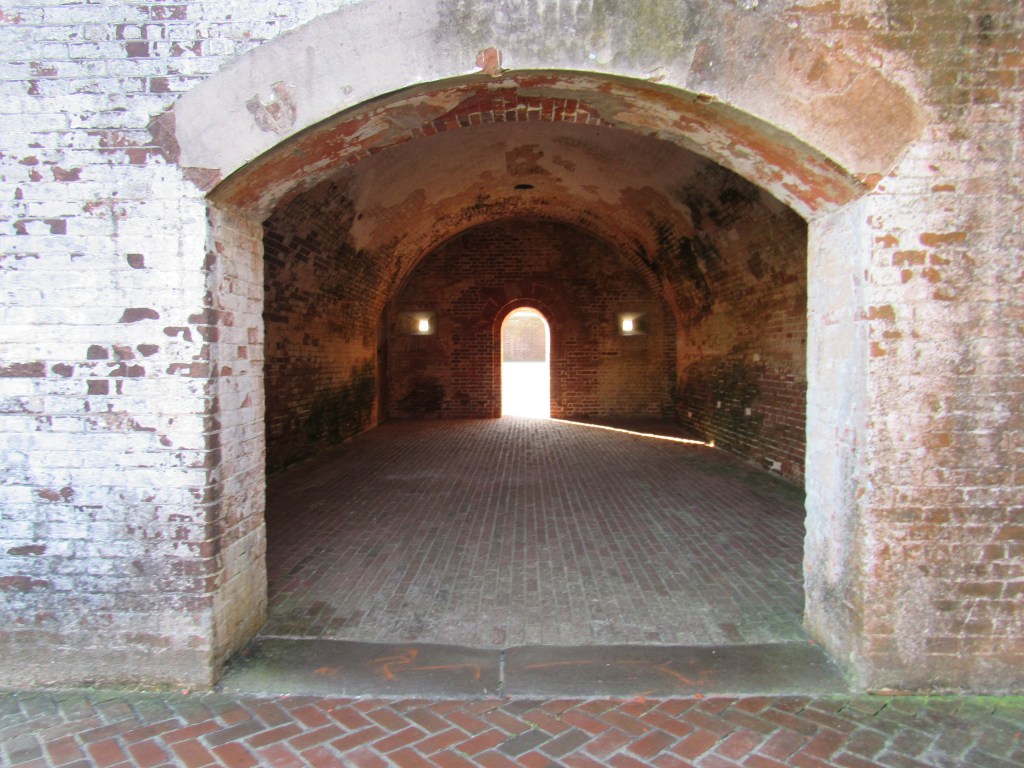
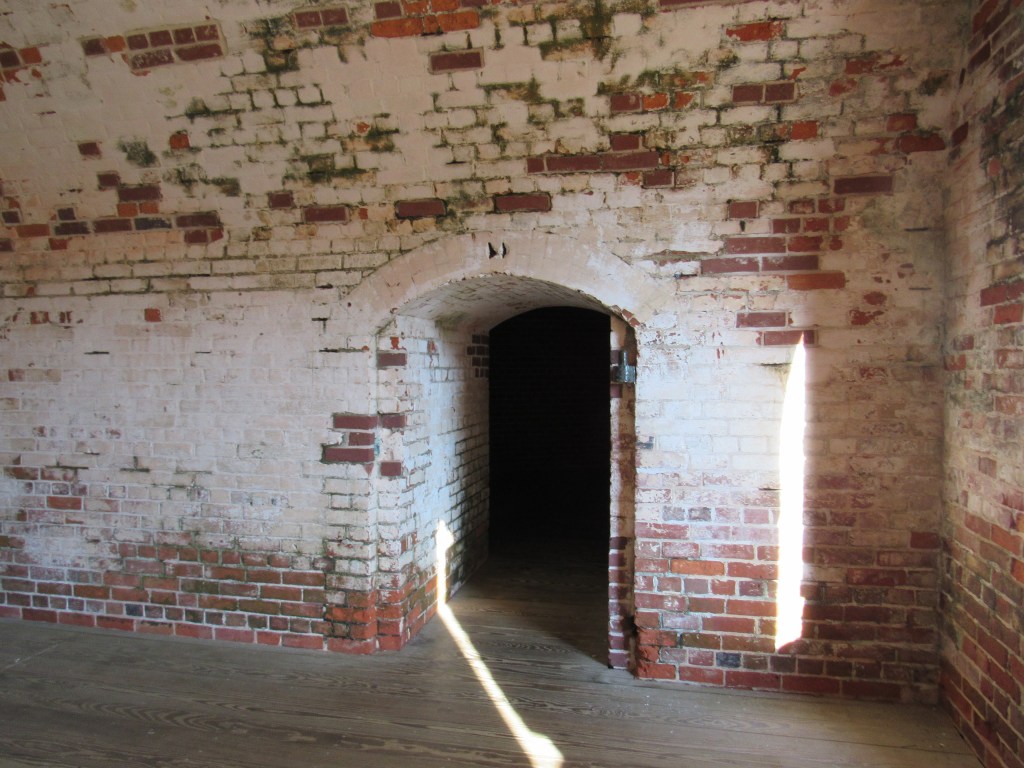
By 1944, the danger from German U-boats had largely subsided, and newer defense systems had taken over. The 244th Coast Artillery was reassigned, and the fort was officially decommissioned later that year. When World War II ended in 1945, Fort Macon returned to North Carolina’s state park system in 1946. Although the Army left behind traces of more modern military use, much of it was later removed as the fort was carefully restored to reflect its Civil War-era appearance.
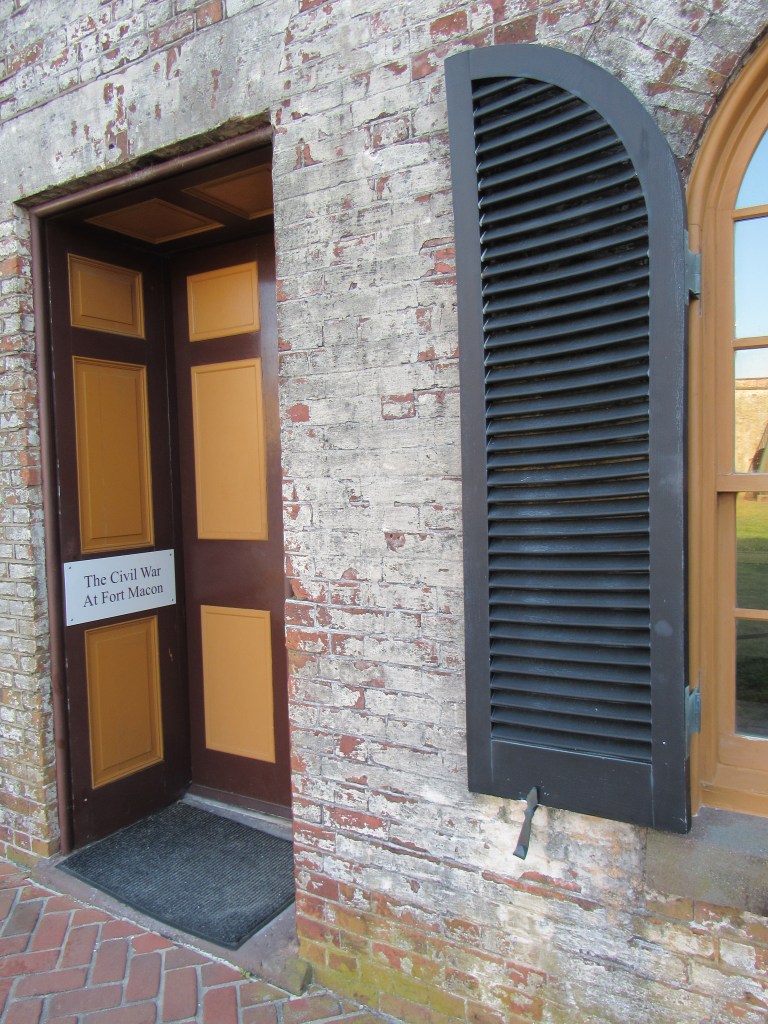
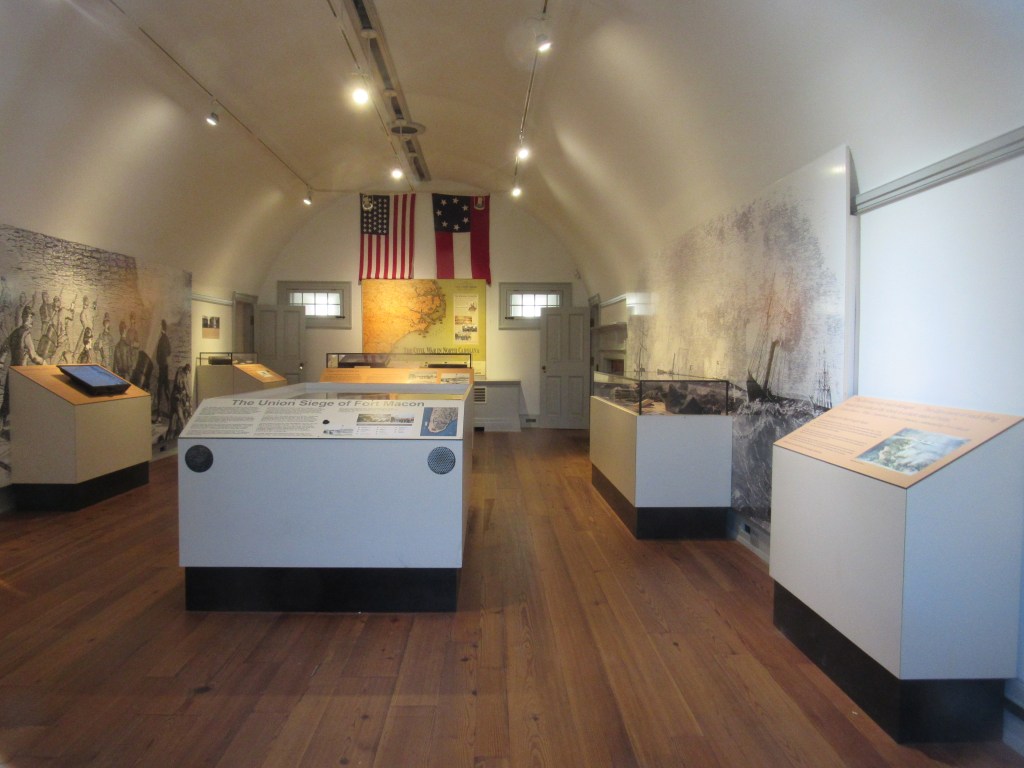
Fort Macon is famously haunted by Confederate soldiers, former prisoners, and shadowy figures, likely stemming from the brutal 1862 Union siege that killed several soldiers. When the fort was heavily besieged by Union forces in 1862, over 500 cannon shots hit the structure within 11 hours, causing significant damage and loss of life inside. The fort was also known for its harsh conditions, particularly during the war, when over a third of the 403 soldiers stationed there were sick.
Staff has reported hearing whispers, low voices, footsteps, and seeing ghosts in the fort’s dark corners and restored, humid, and narrow quarters. The haunted casemates of Fort Macon—dark, damp, and often claustrophobic—are at the heart of many ghostly stories.
Visitors frequently report hearing footsteps echoing through the corridors, low voices of soldiers, and doors slamming, especially in the restored quarters. Among the spirits said to linger is Ben Combs, a Confederate soldier mortally wounded by a mortar shell in 1862, who is believed to remain in the areas where the fighting was fiercest. Others have reported glimpses of phantom soldiers in gray uniforms, standing silently along the walls or watching the coastline, as if still keeping guard against a long-past Union attack.
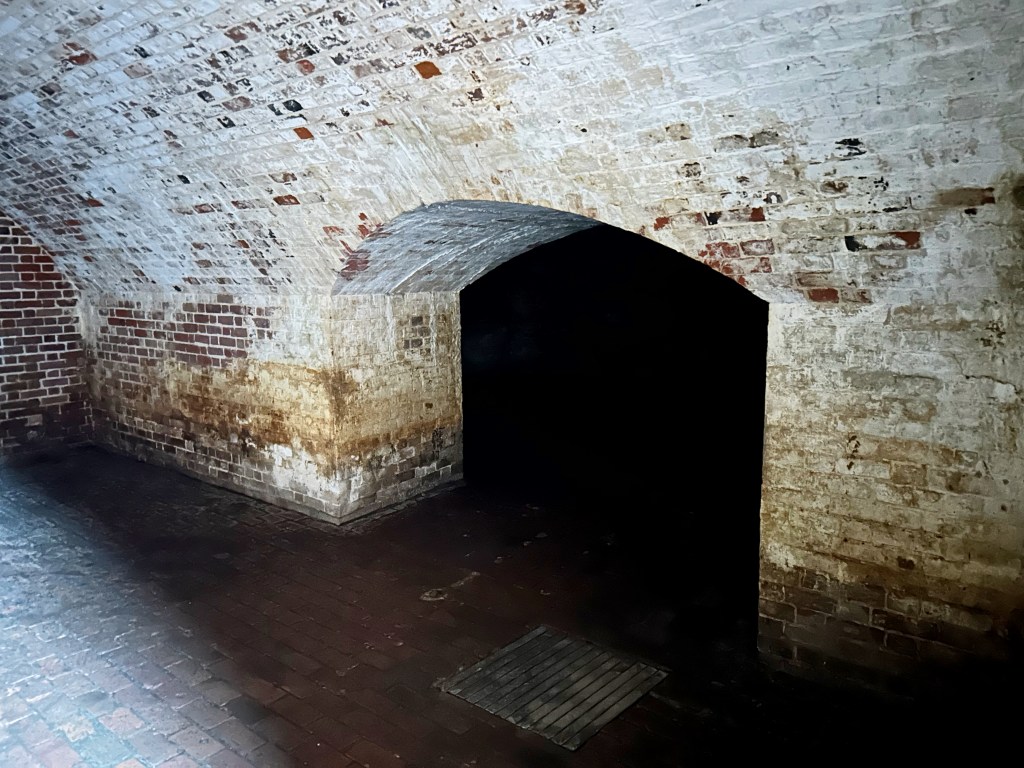
I know when I moved through the casemates it sent a chill straight to my bones. Shadows cling to the corners, and no matter how many times I glanced around, it felt as if unseen eyes were following me. There’s a constant, subtle tension in the silence—as if the past itself is still alive, quietly observing anyone who dares to wander these ancient halls.
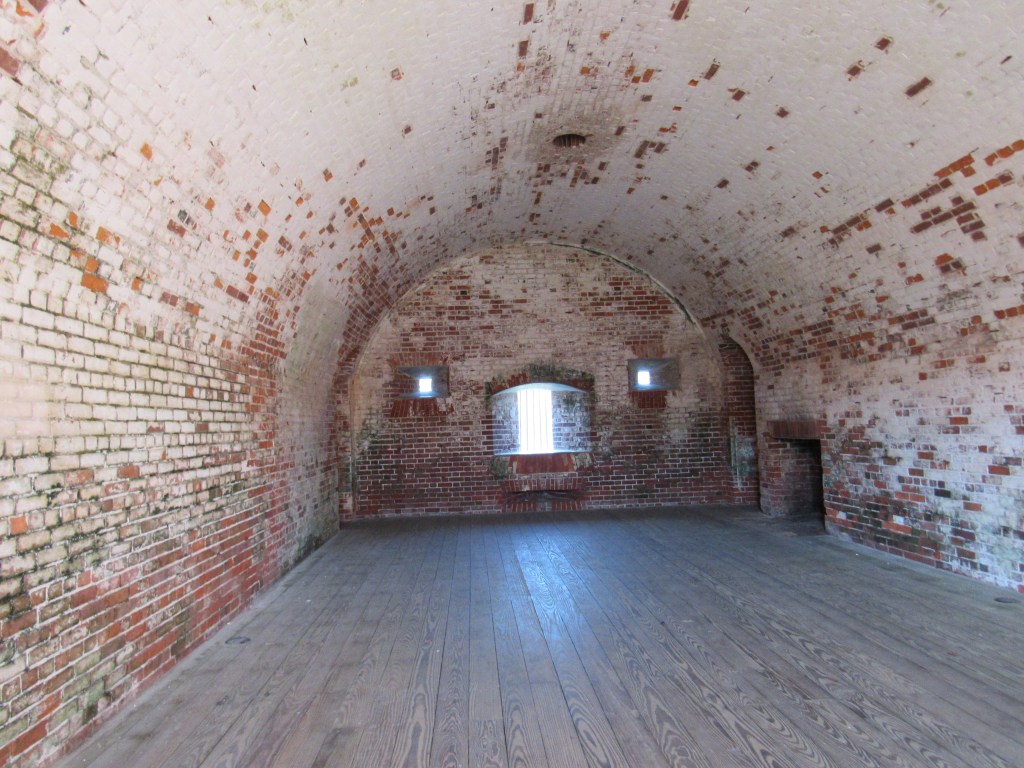
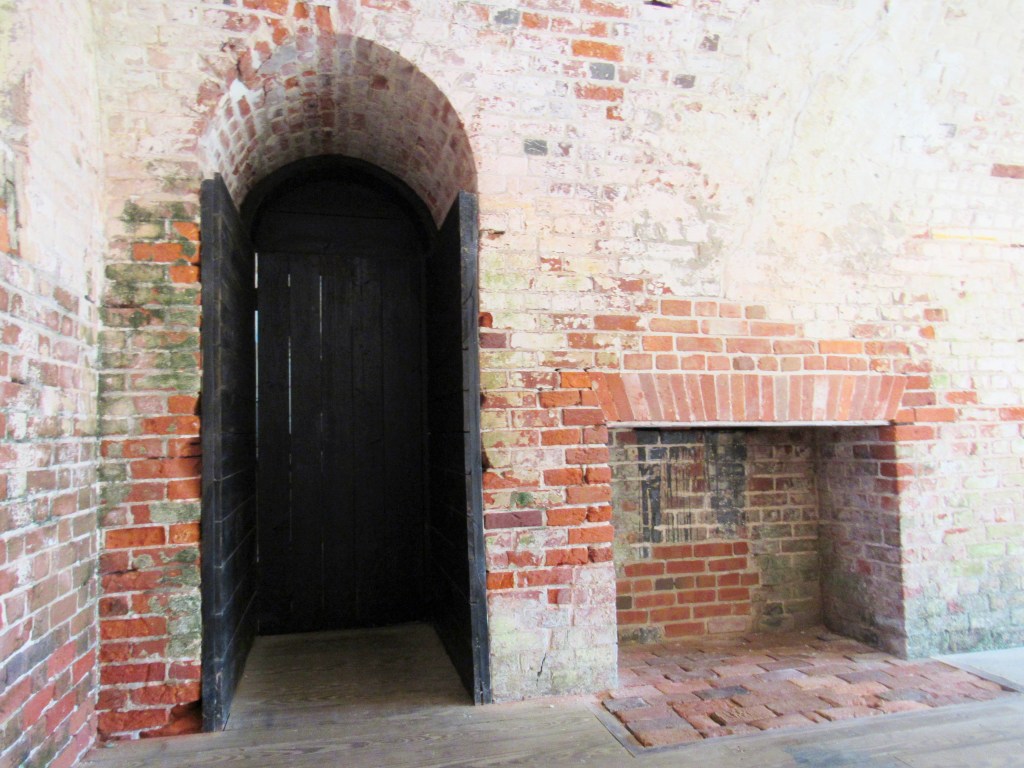
Today, Fort Macon State Park stands as both a window into the past and a sentinel over the present, drawing over a million visitors each year. Nearly 200 years old, the fort has weathered hurricanes, battles, and the passage of time, yet its brick walls still bear the silent scars of history—the pockmarks from Union cannon fire, the worn edges of gun emplacements that once fought against overwhelming odds. As you wander its shadowed corridors and haunted casemates, it’s easy to imagine the soldiers who once marched these halls, their whispers and footsteps lingering long after the battles ended. Blending history, nature, and quiet mystery, Fort Macon offers an experience that captivates both the curious traveler and the devoted history enthusiast, leaving a lingering sense that the past has never truly left these walls.
 Wander Woman
Leave a comment