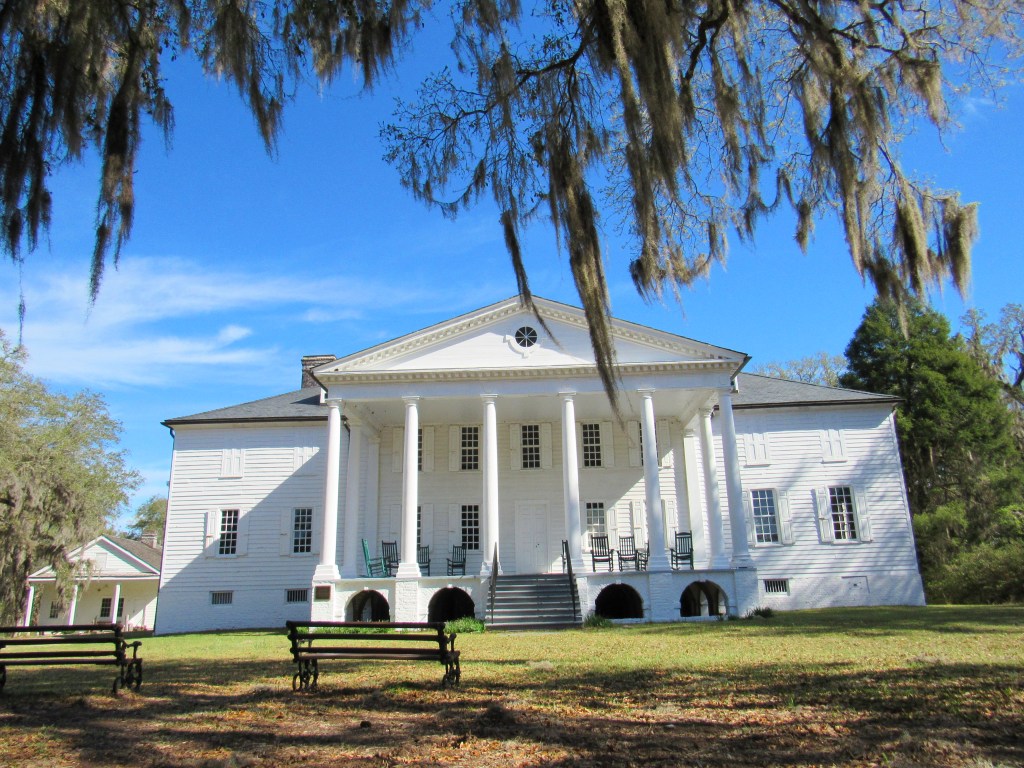
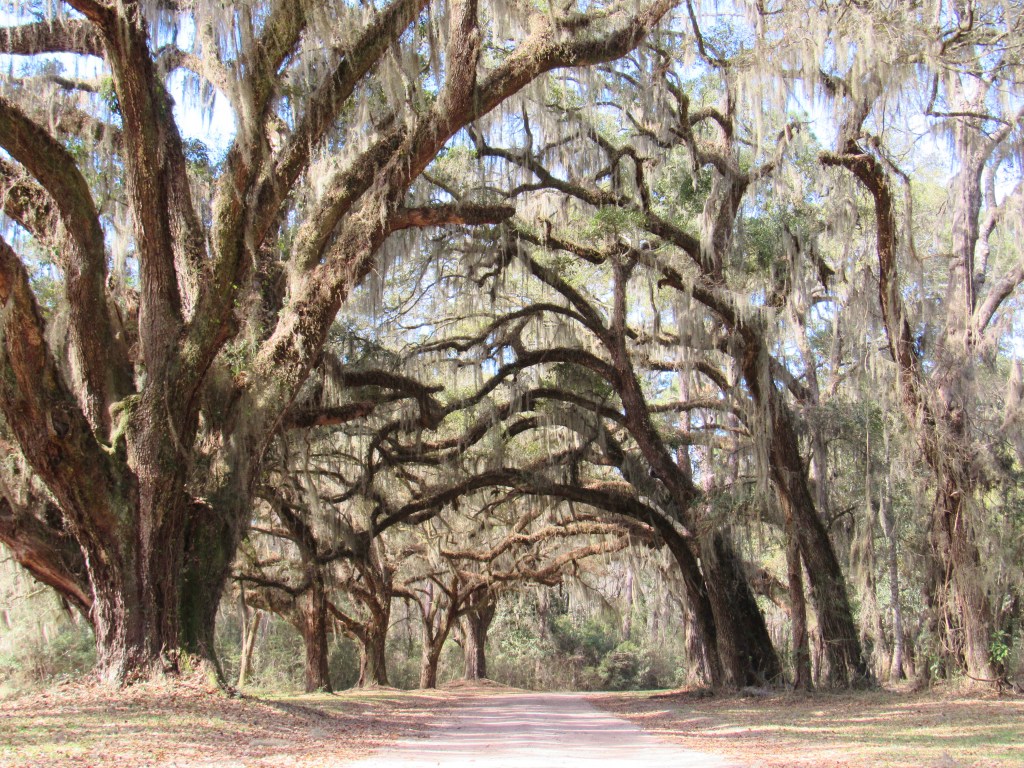
As a self-proclaimed history hunter, I’m always chasing the quiet echoes of the past—the places where stories linger long after the people are gone. That search led me down winding Lowcountry roads to Hampton Plantation State Historic Site, where time doesn’t just feel slowed… it feels preserved. Beneath towering live oaks and drifting Spanish moss, this antebellum plantation stands as both a breathtaking piece of history and a powerful reminder of the lives and stories woven into its grounds. From the moment I arrived, I could feel it—this wasn’t just another stop on the map, it was a place where the past still speaks.
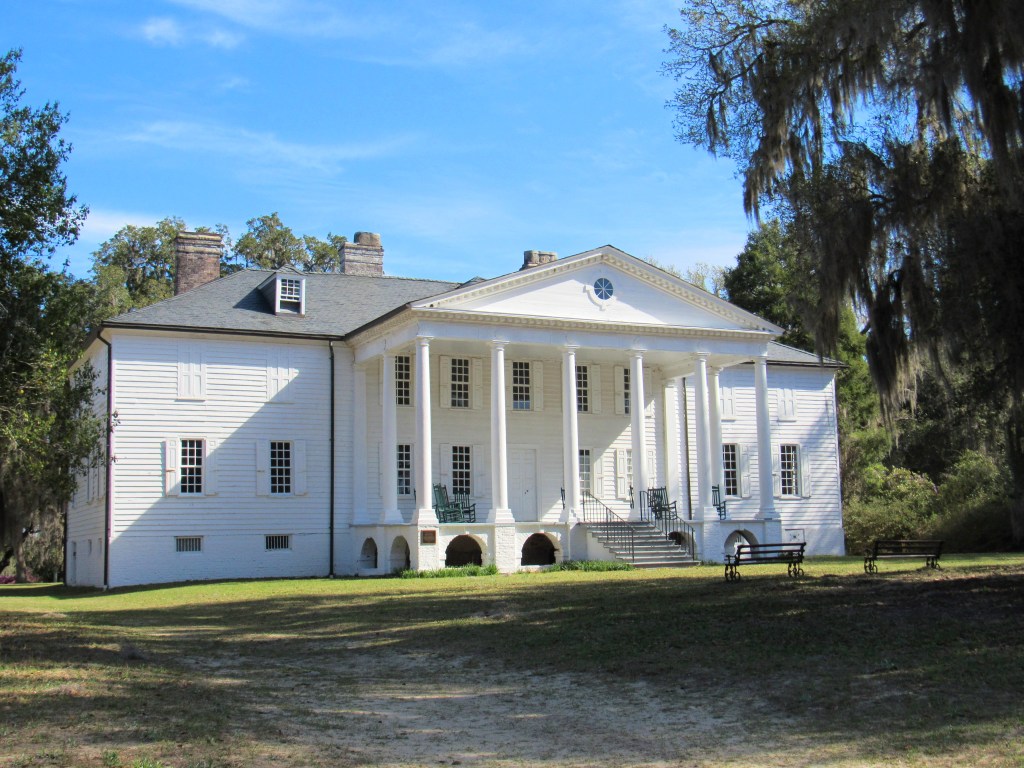
It’s incredible how a place that feels so tucked away can hold such a deep and powerful history. Hidden in the southern Santee Delta, Hampton Plantation preserves the quiet, lasting remnants of a colonial-era rice plantation. Today, it stands as an interpretive site, offering insight into the region’s history of rice cultivation and the enslaved people who sustained it—from the colonial period through the end of the Civil War.
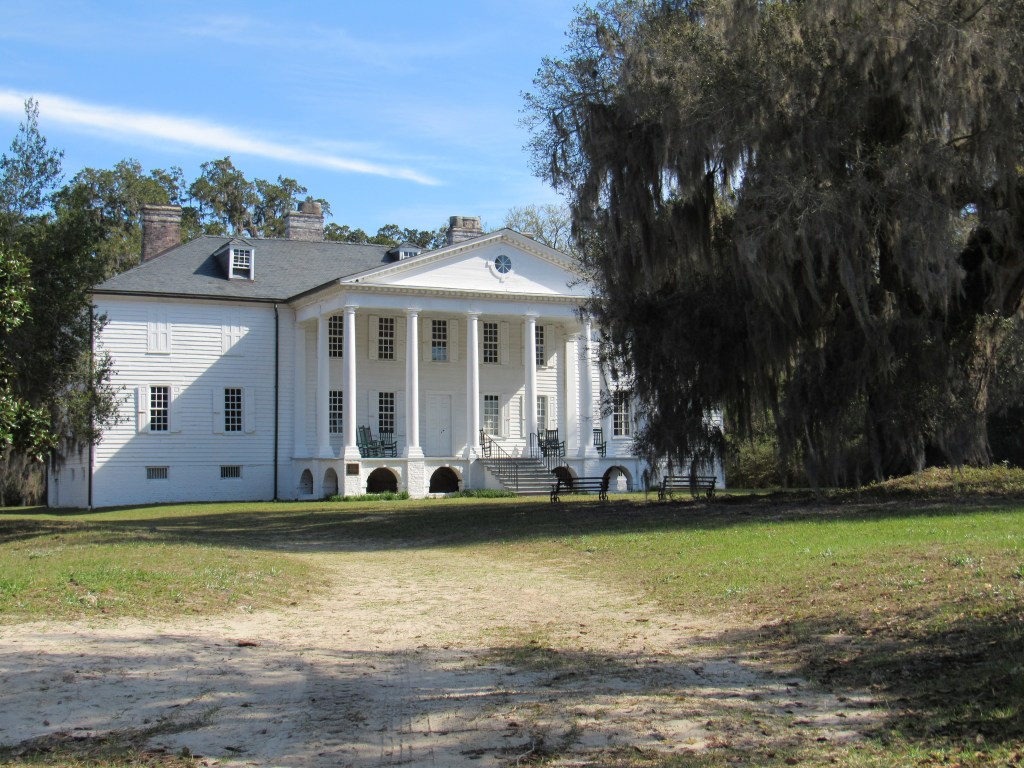
The plantation stands as one of the finest examples of Georgian plantation architecture in the state, and for many years before the Civil War, it operated as a thriving rice plantation. Remarkably, the property escaped significant damage during the war itself, but like many large agricultural estates across the South, it faced decline in the difficult years that followed as the region struggled to redefine itself.
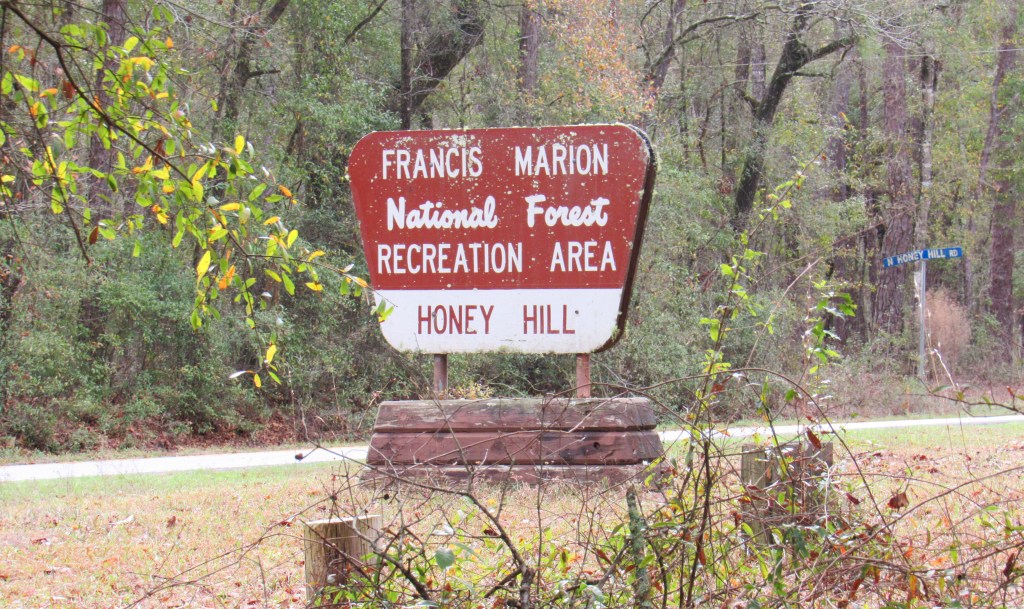
Long before that, during the American Revolution, the plantation’s rice fields offered cover to Francis Marion—the legendary “Swamp Fox”—as he evaded British troops, adding yet another layer of history to this already storied landscape.
The site is one of many plantation homes along the Carolina coast—striking in its beauty, yet layered with a complex and often troubling history. If you’ve spent any time in South Carolina, you’ve likely heard names like Thomas Pinckney and John Rutledge—politically prominent families who, along with the Horry family, once owned this property. Built between 1730 and 1750, the plantation stood at the center of both wealth and influence in early South Carolina.
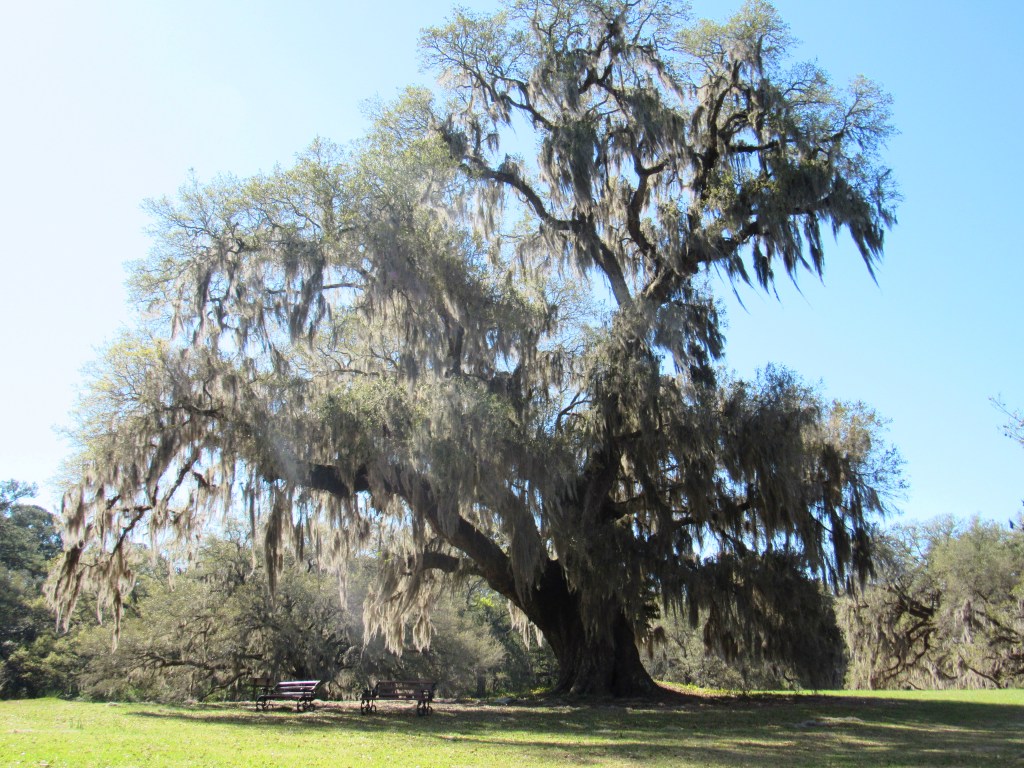
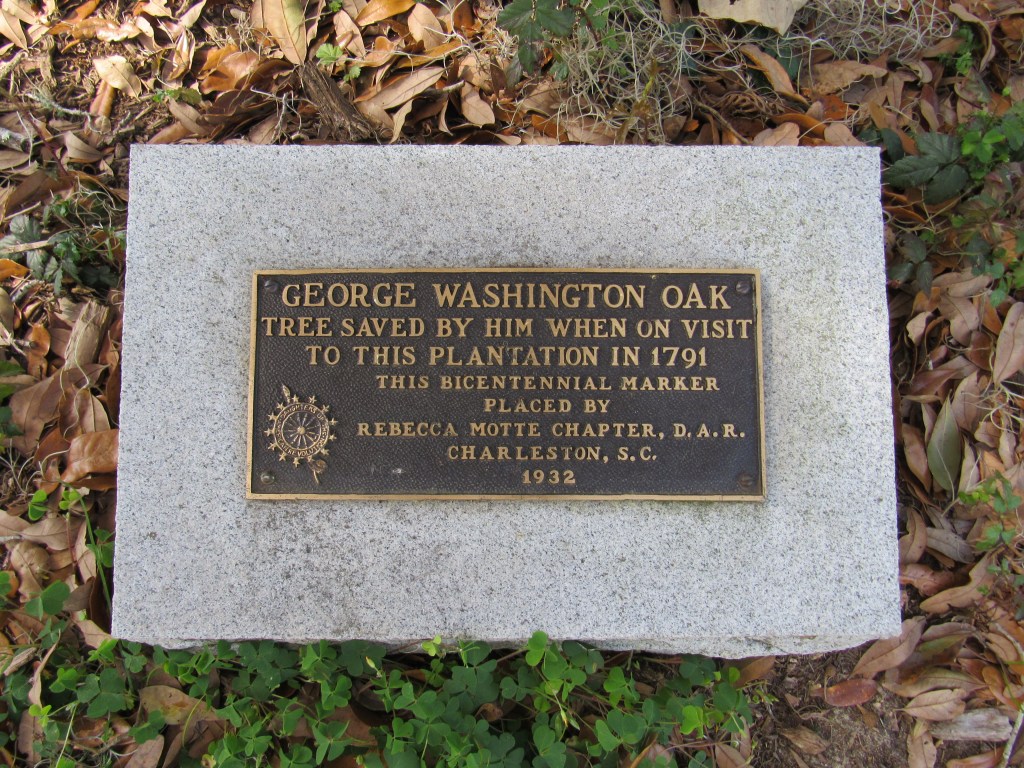
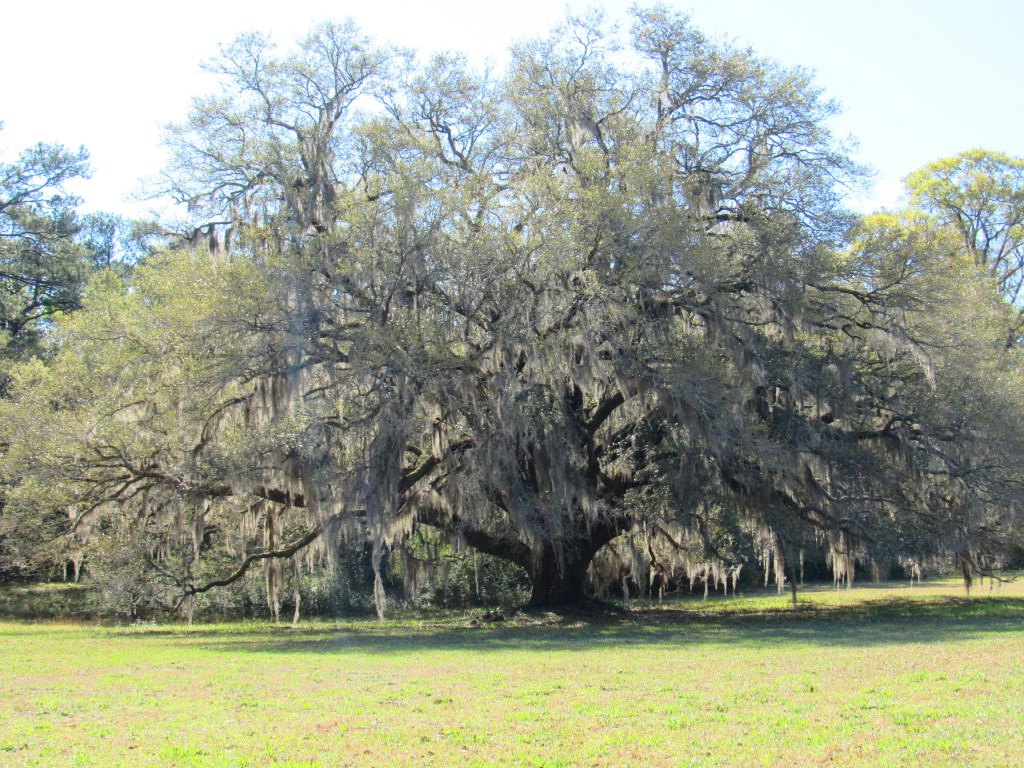
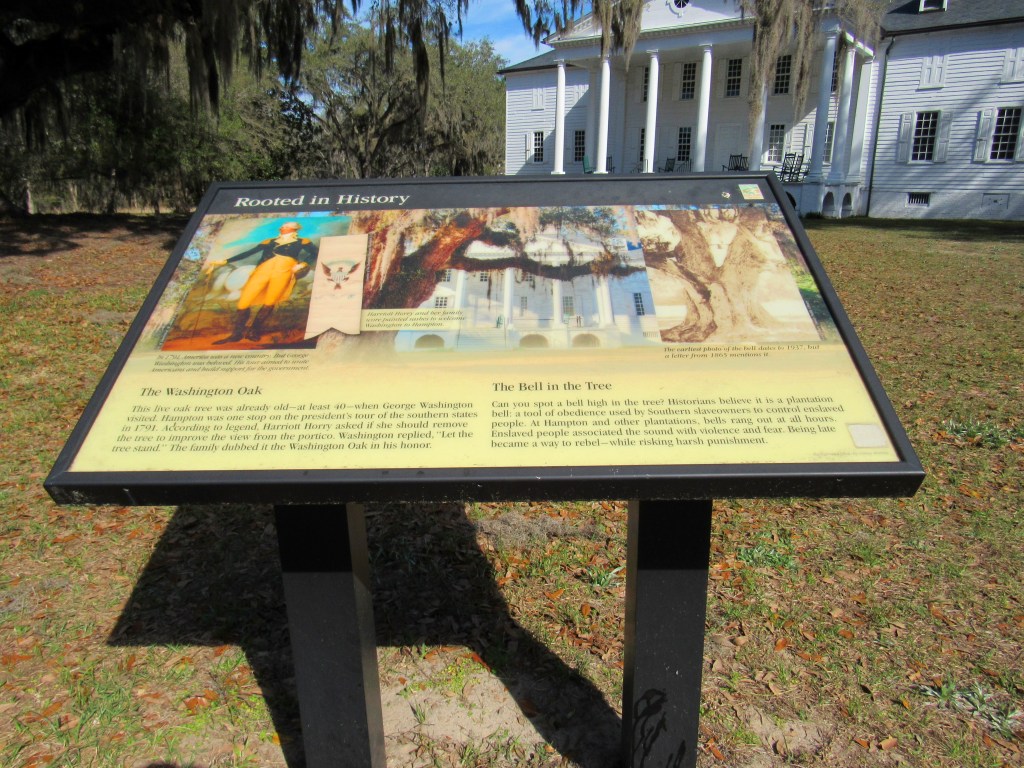
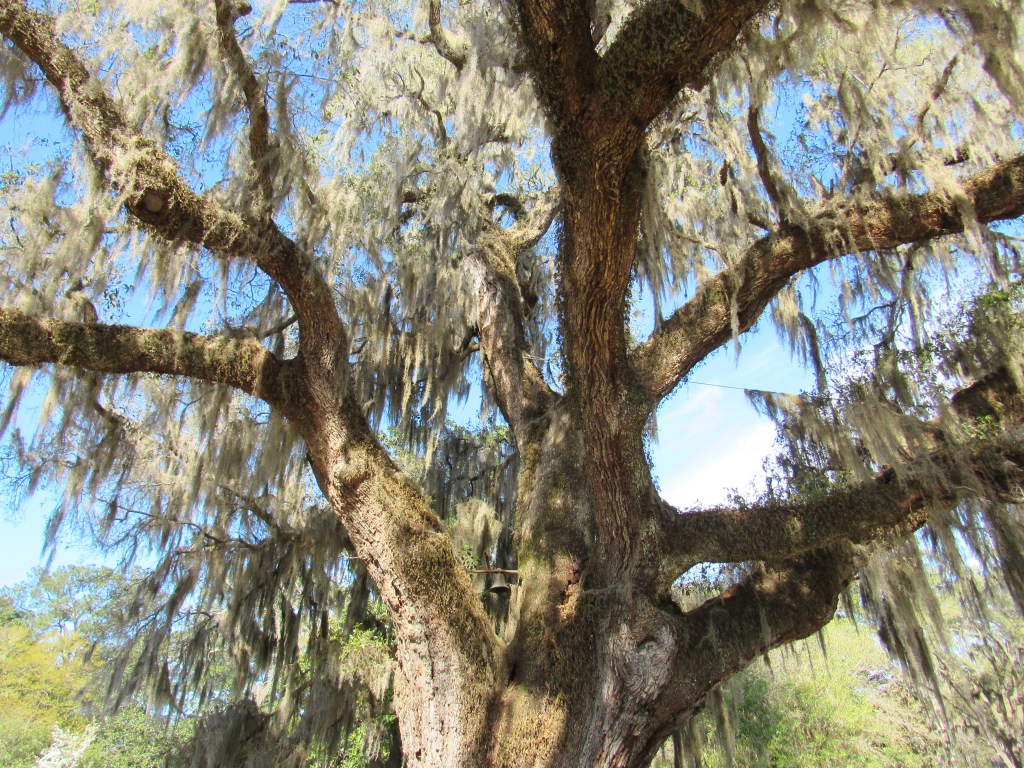
Because of those connections, George Washington visited the home during his Southern tour. As the story goes, during his stay, the plantation’s owner considered removing a large oak tree to improve the view. Washington instead encouraged him to leave it, and ever since, it has been known as “Washington’s Oak.” Today, that tree has grown into a massive, breathtaking presence—its sprawling branches stretching wide across the sky, a living witness to centuries of history.
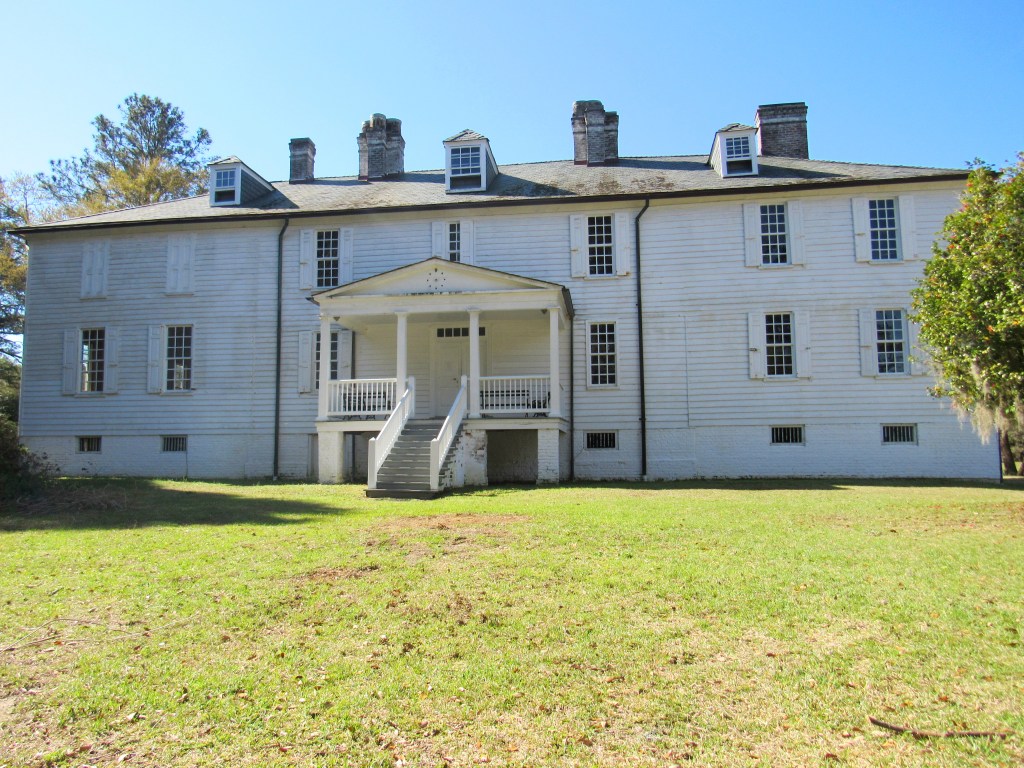
The house features its striking columned portico, added in preparation for George Washington’s visit—but interestingly, before that addition, this side was actually the back of the home. Plantation houses were typically oriented toward the waterways, which served as the primary route for travel and the way most guests arrived.
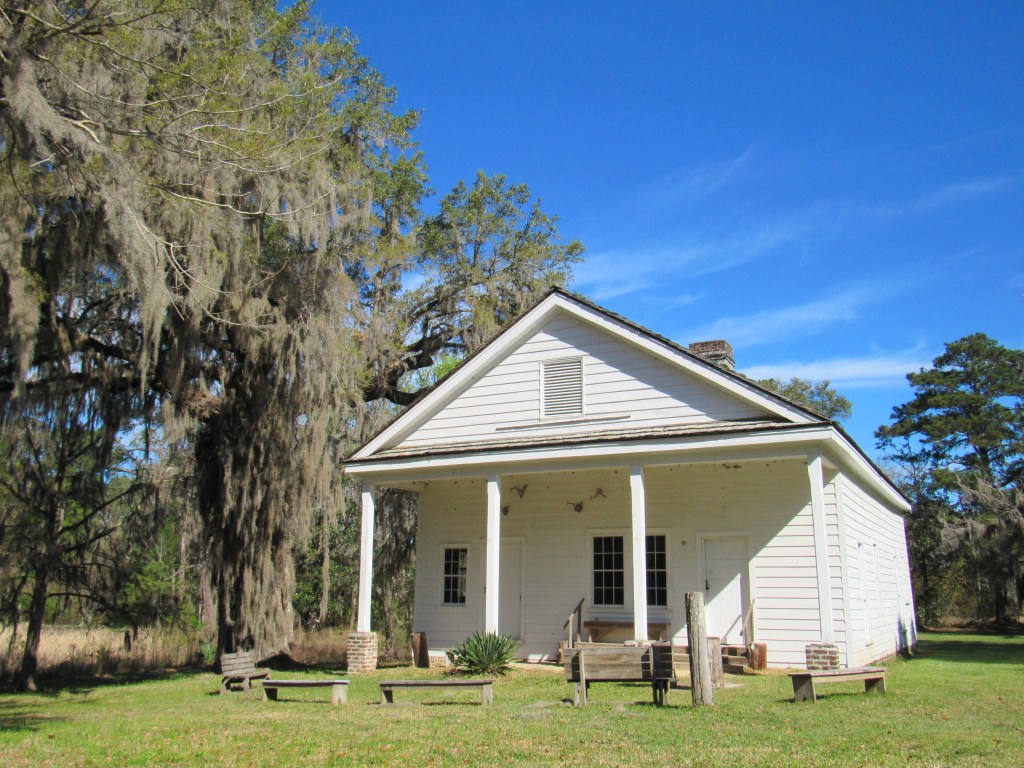
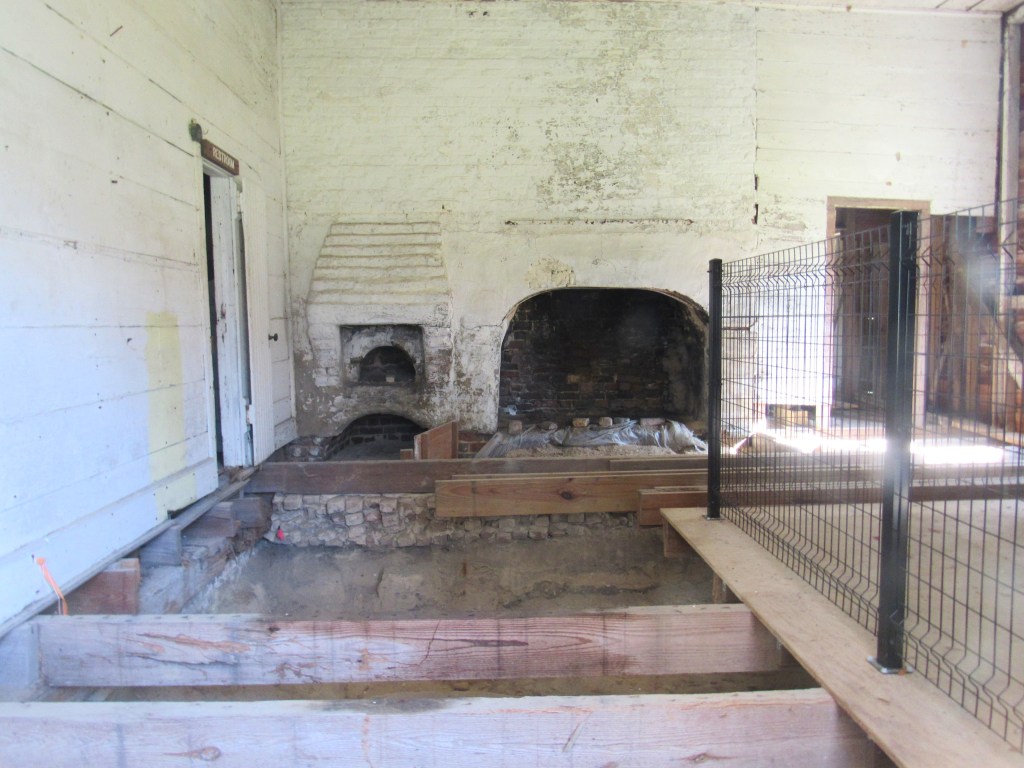
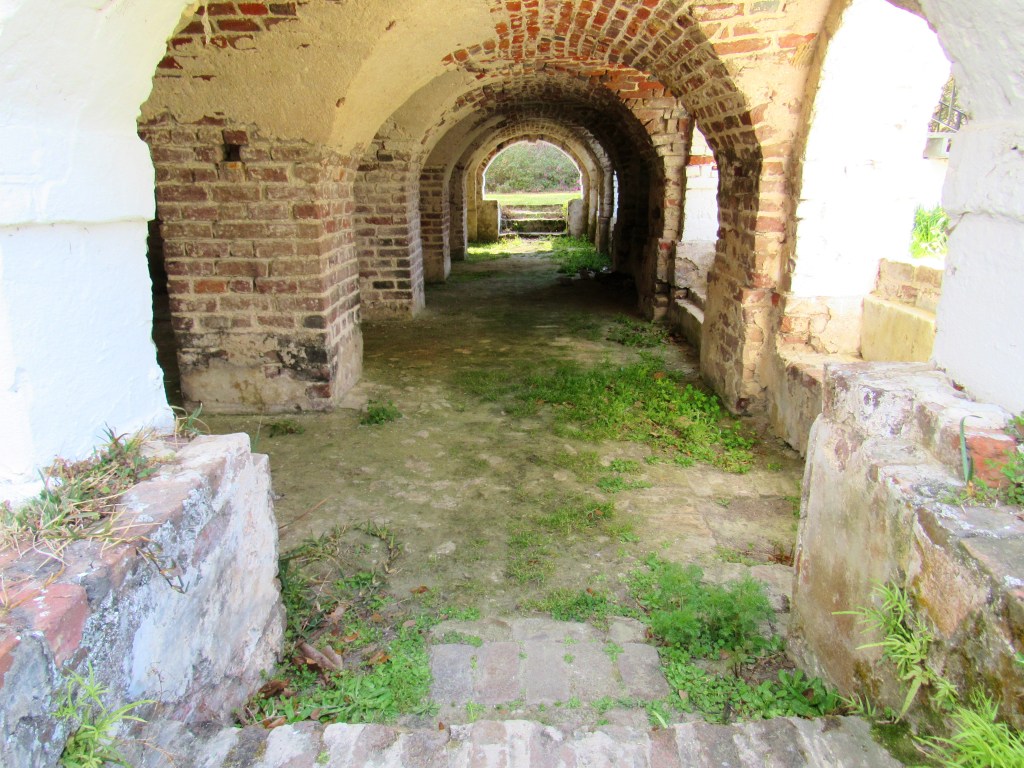
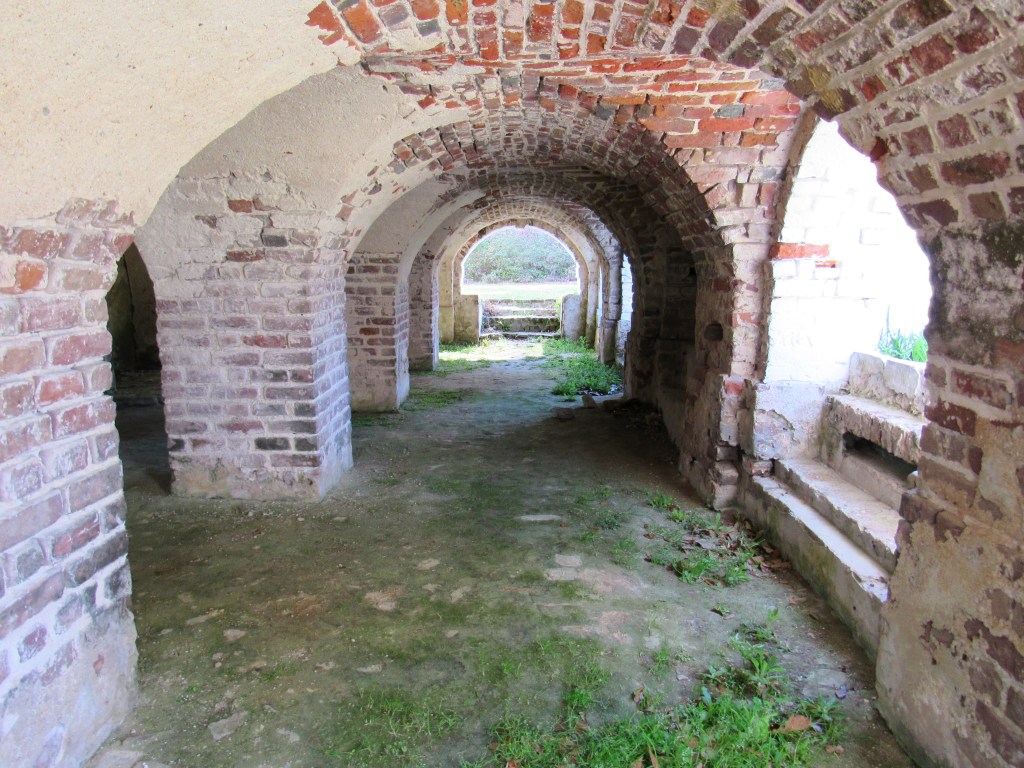
Just behind the main house stands a separate kitchen building, constructed in the mid-to-late 1800s. From there, enslaved individuals assigned to cooking prepared and carried three meals a day to the main house—an everyday routine that speaks to both the structure of plantation life and the labor that sustained it.
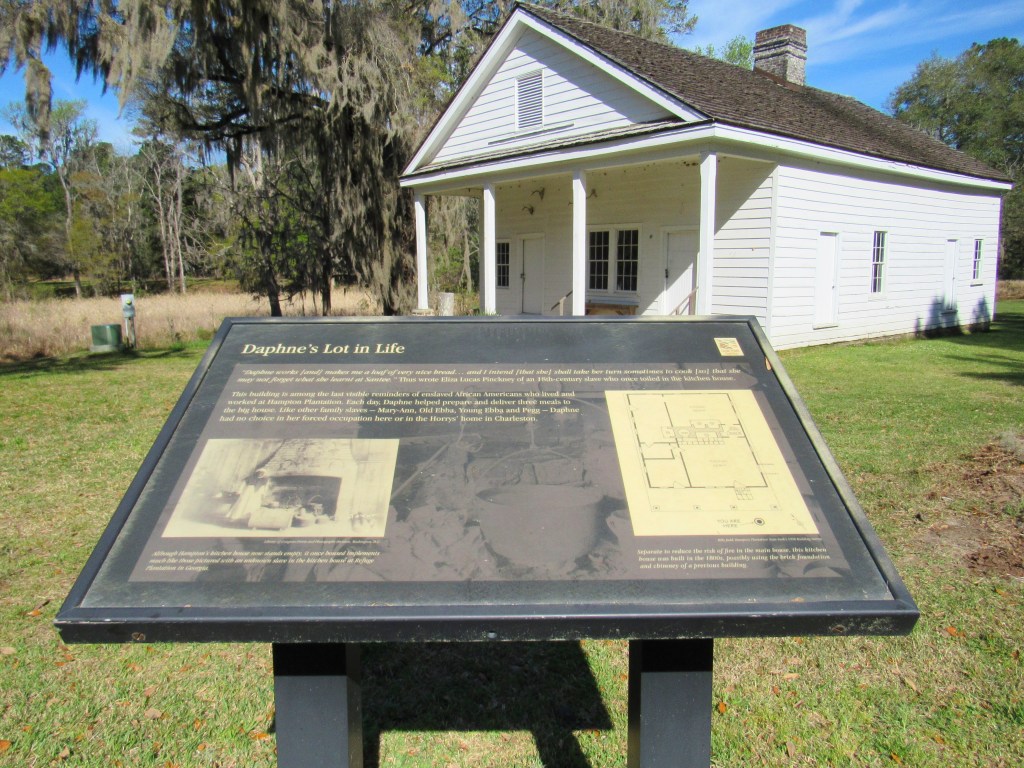
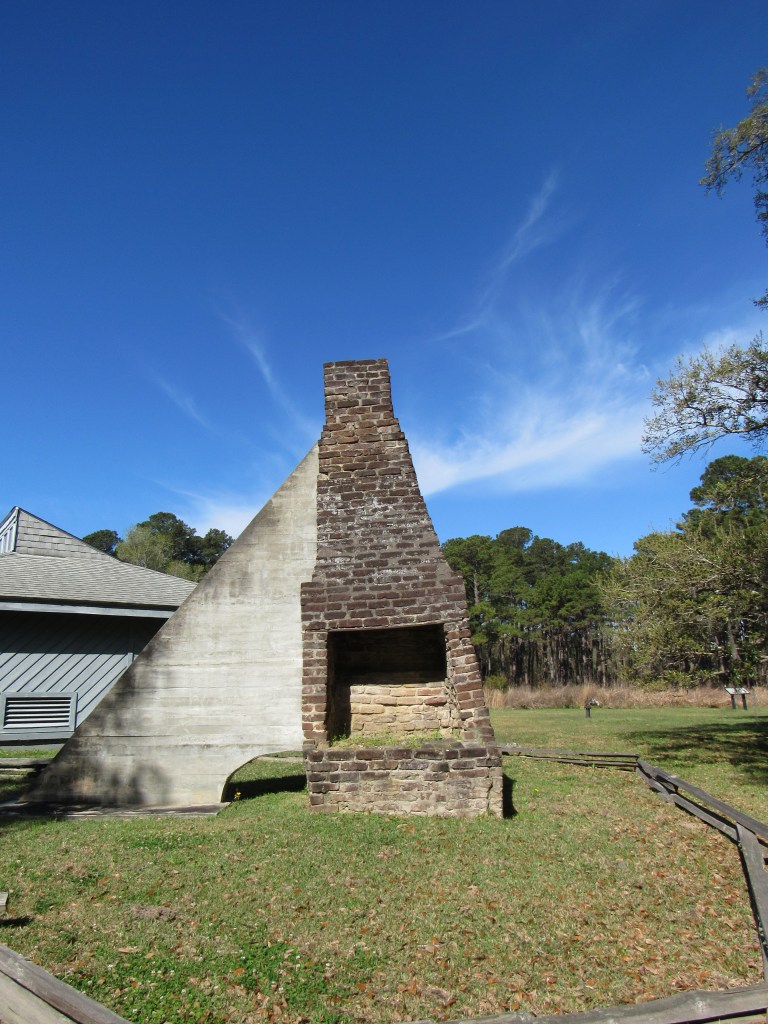
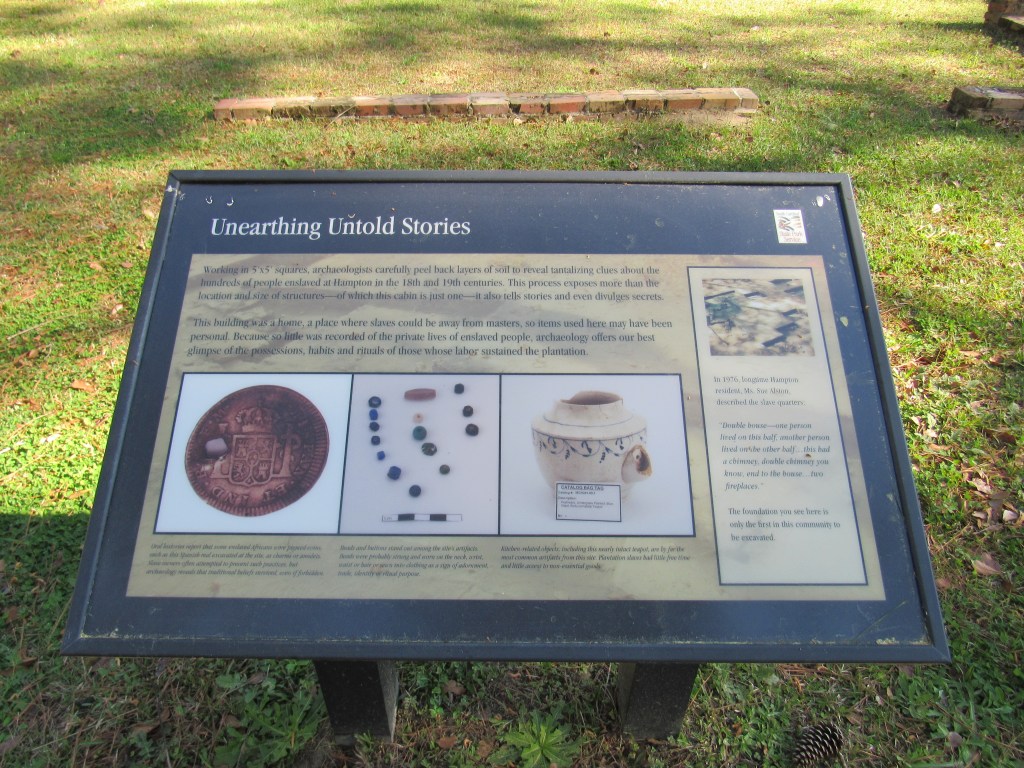
At the height of rice production at Hampton Plantation, approximately 340 enslaved people labored on the property. Even after rice was no longer a profitable crop in the Lowcountry, many remained, building lives on the same land. Today, all that remains of the tenant homes is a single chimney—once part of a house built by Prince and Sue Alston, descendants of those who had been enslaved there.
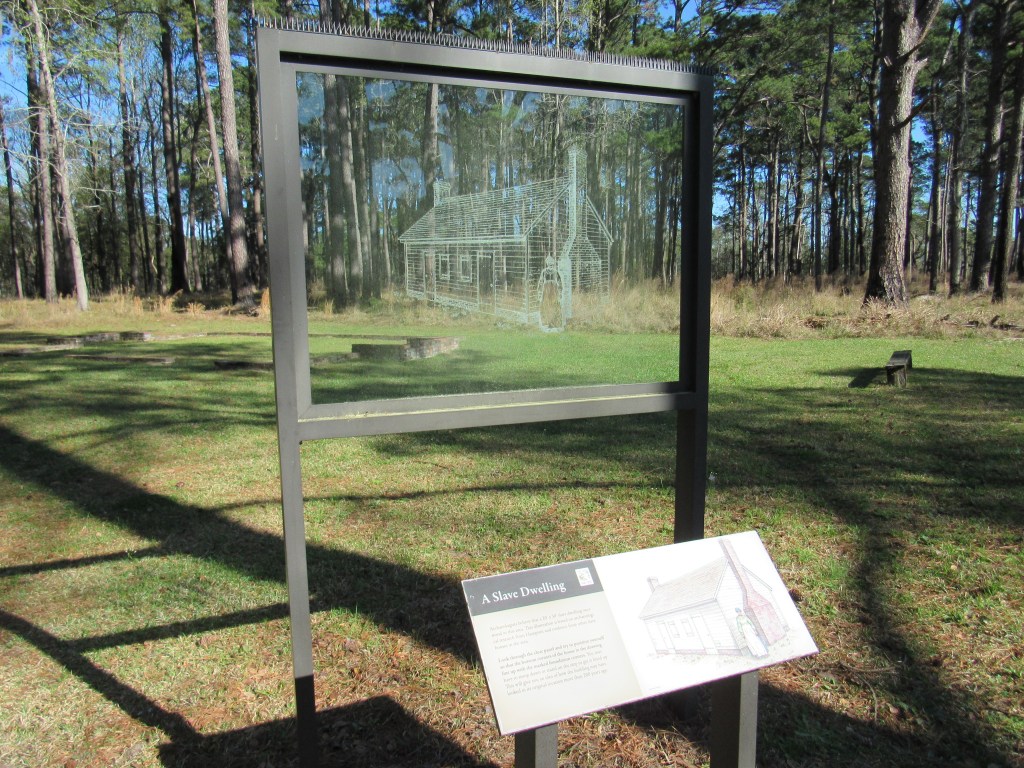
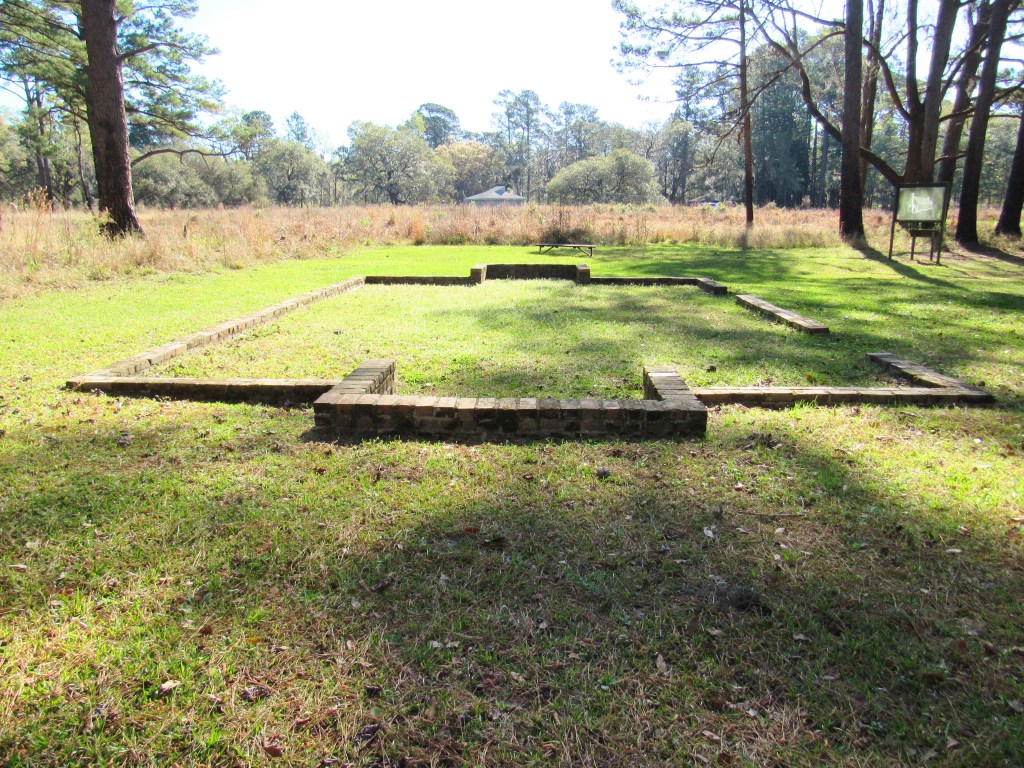
The 300-acre historic site also preserves one of the original impoundments and dikes, engineered by enslaved Africans for rice cultivation. Most of the crops, however, were grown on nearby Hampton Island, just across Wambaw Creek behind the property. At its peak, roughly 25 rice fields stretched across the landscape, reaching as far as the eye could see.
By the early 1900s, the house had come into the hands of the Rutledge family, where a young Archibald Rutledge spent his formative years. Drawn to storytelling from an early age, he developed a deep love for writing that would shape the course of his life. Rutledge went on to build a distinguished career as both a teacher and a poet, though even after leaving Hampton Plantation to pursue his work, he returned often—pulled back by the landscape and memories that inspired him.
Over time, he published more than 50 volumes of poetry, many rooted in his childhood experiences at the plantation. In 1934, his work and deep connection to the state earned him the honor of being named South Carolina’s first poet laureate, a recognition of both his literary talent and his vivid portrayal of the Lowcountry.
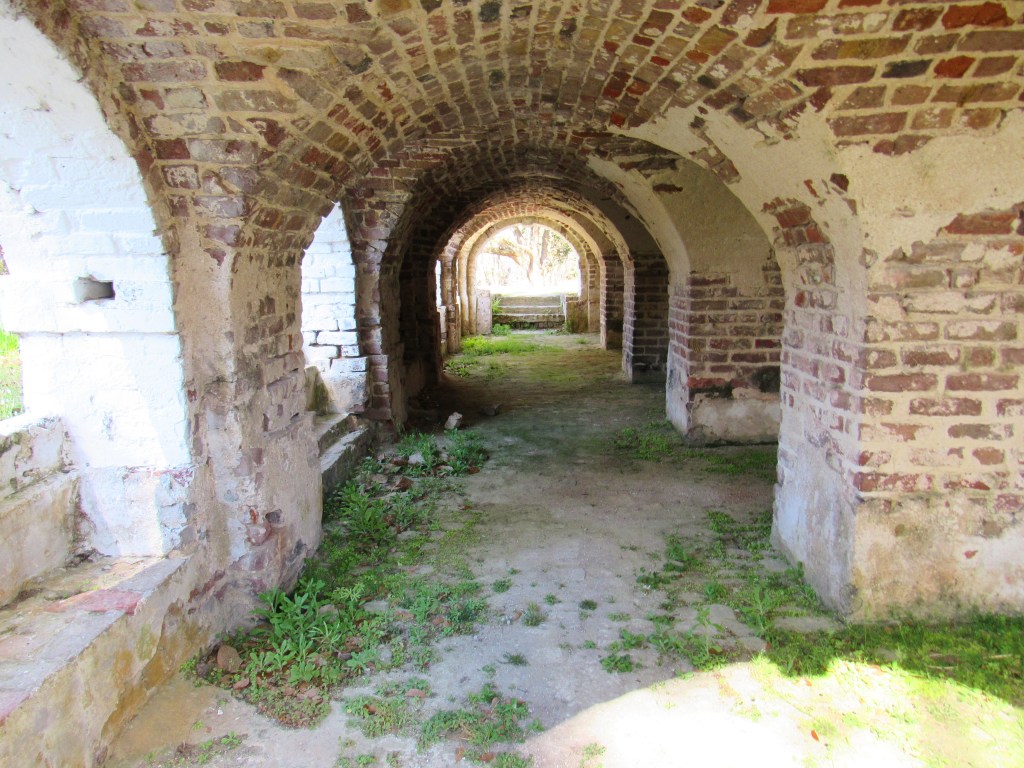
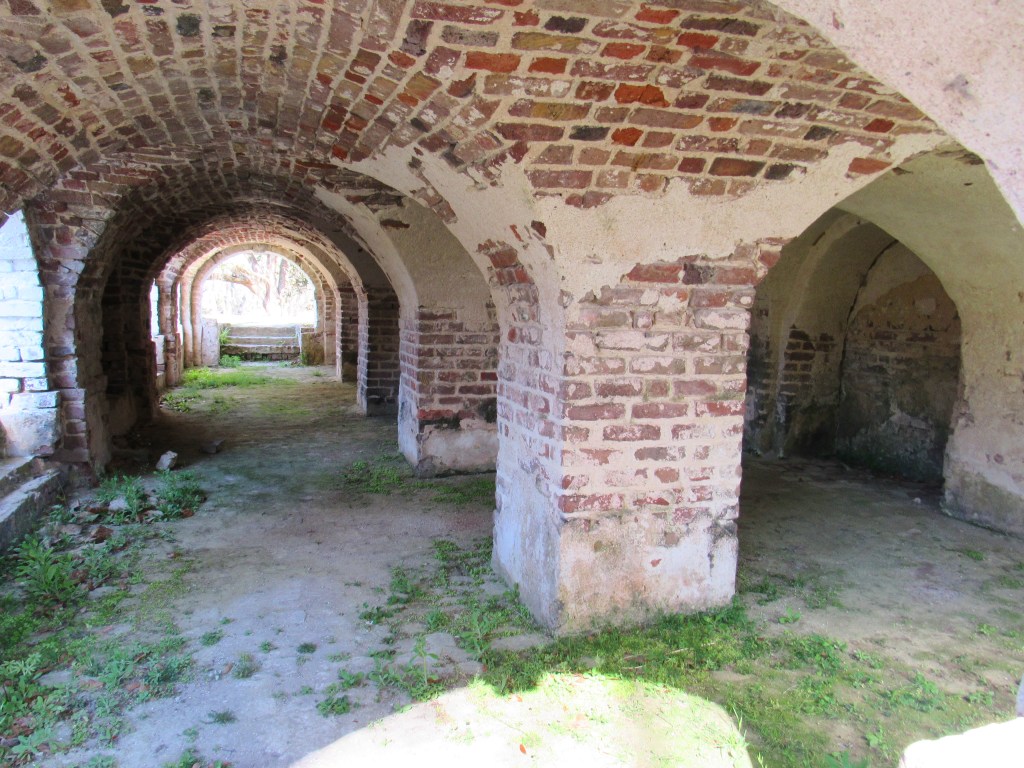
As I wandered the grounds, I found myself slowing down—drawn into the quiet details that make this place feel so layered with time. I paused at the Rutledge family cemetery, a solemn and reflective space, before making my way through the gardens planted in the mid-1930s by Archibald Rutledge. There’s something especially personal about these gardens; many of the magnolias, camellias, wild azaleas, dogwoods, and white lilies weren’t brought in from far away, but carefully gathered from the surrounding woods and replanted around the home.
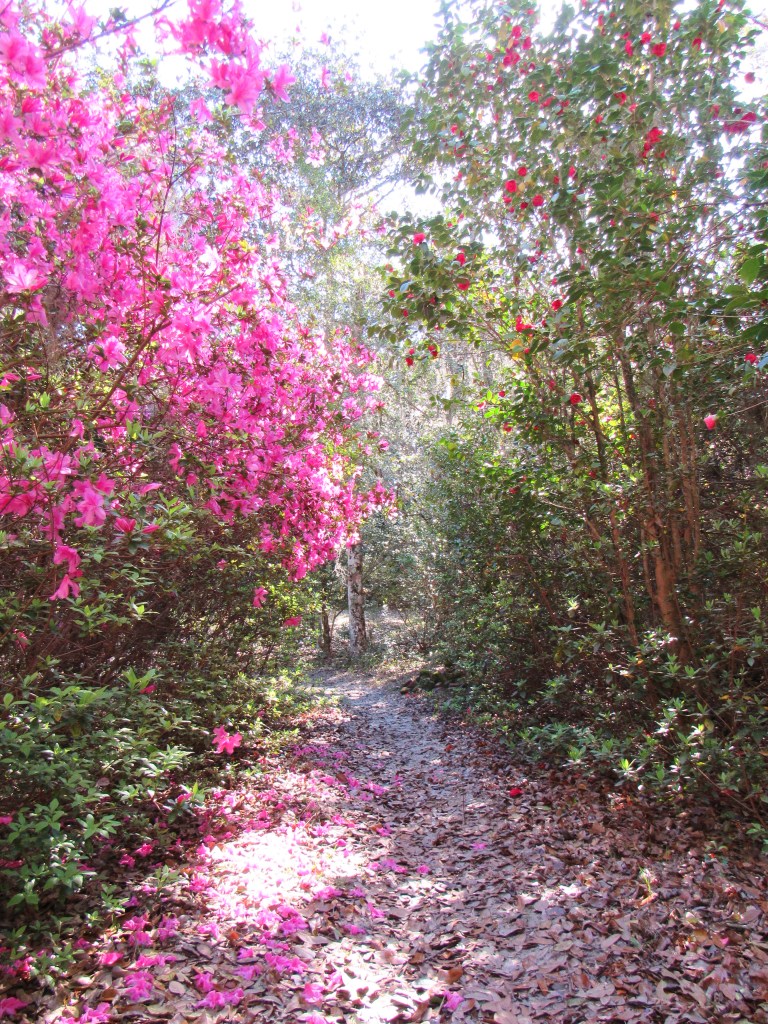
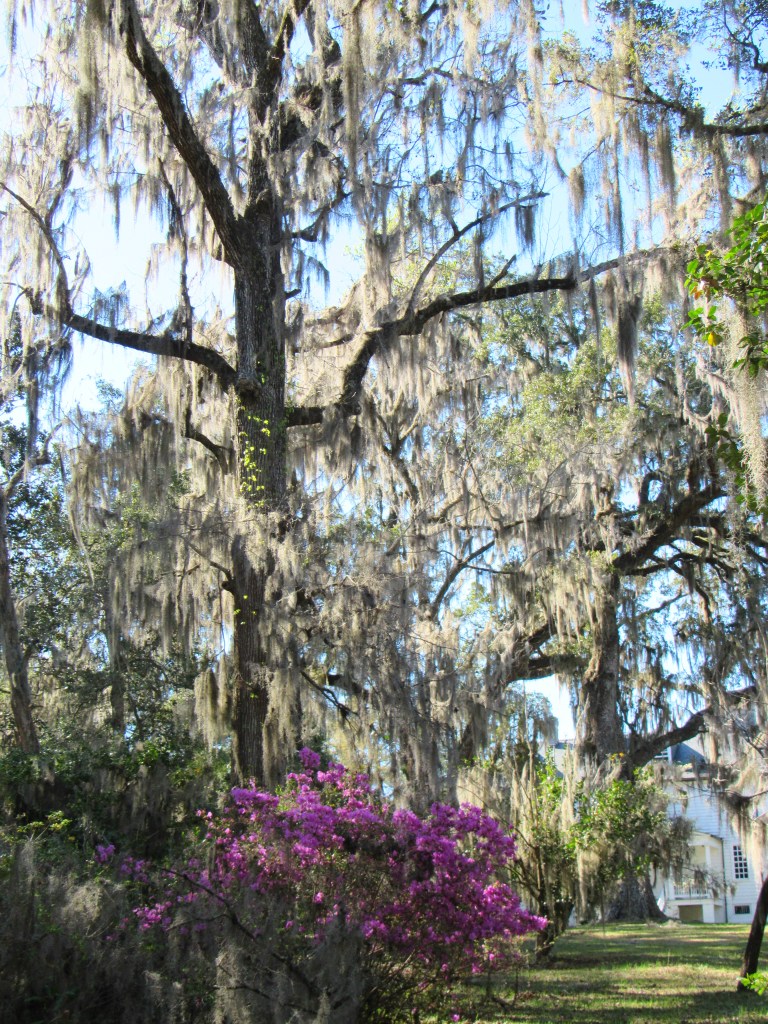
Walking through them now, it feels less like a formal garden and more like a natural extension of the land itself—soft, untamed, and deeply rooted in the Lowcountry. The air carries that familiar Southern stillness, broken only by the rustle of leaves and distant birds, making it easy to linger a little longer and take it all in.
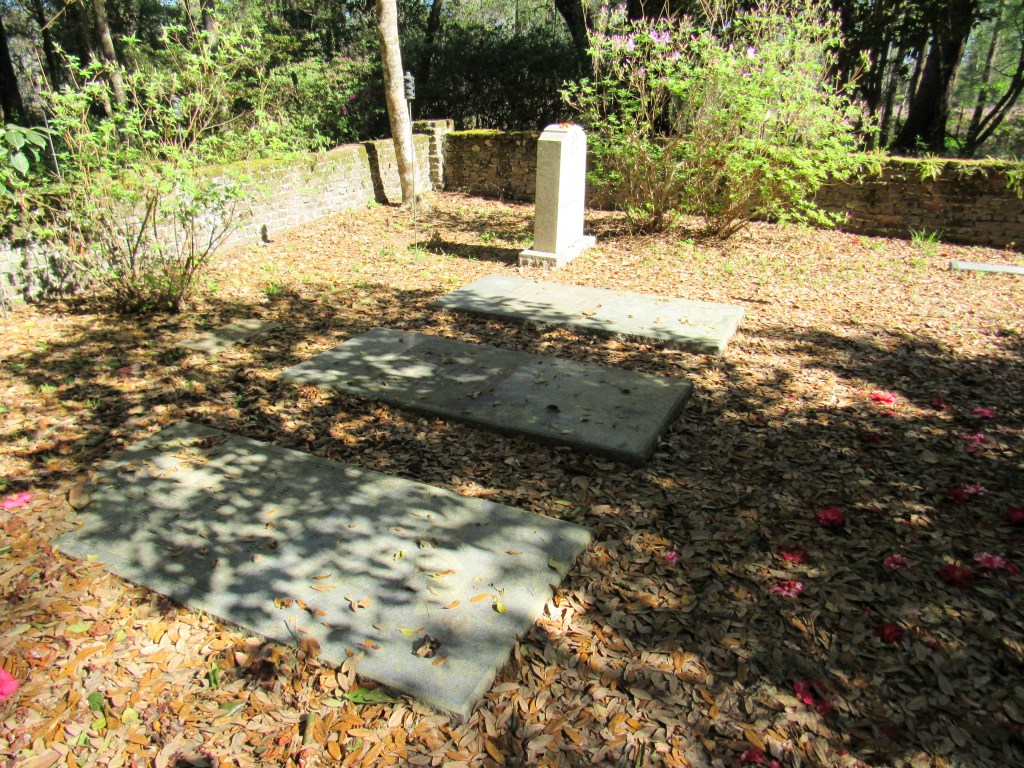
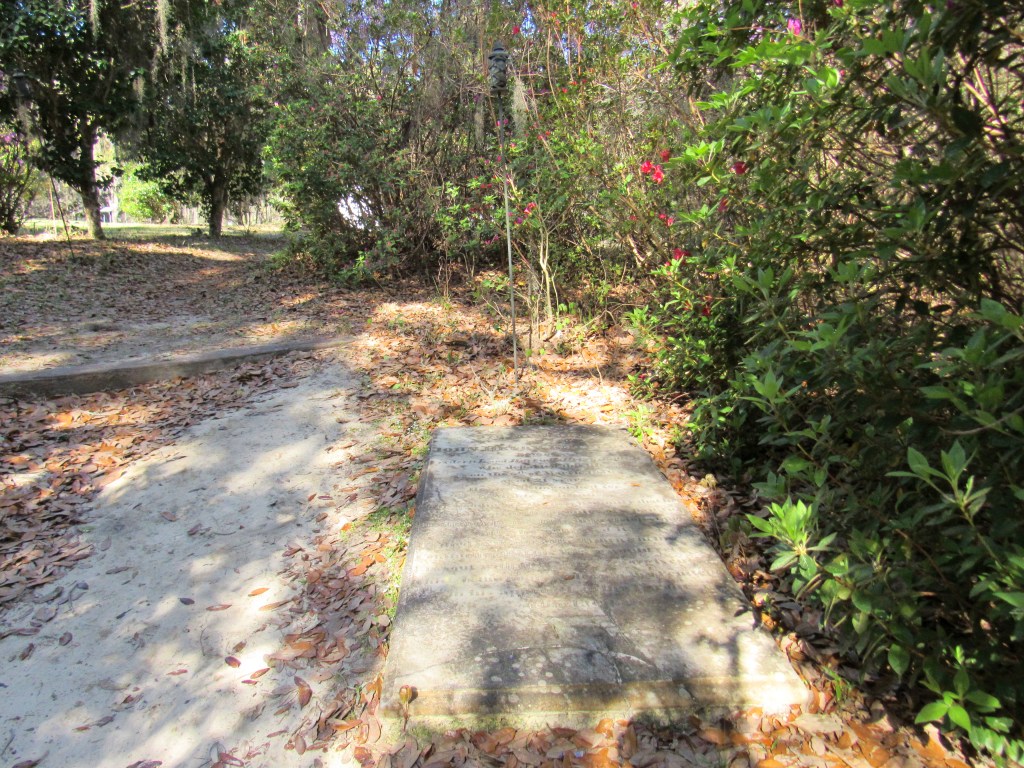
Hampton Plantation is said to be haunted, most famously by John Henry Rutledge. Heartbreakingly, his story begins with love denied—his family forbade his marriage, and in despair, he attempted to take his own life in an upstairs room of the mansion in 1830. He lingered for several days after the attempt, passing away on March 5 at just 21 years old. The back steps of the house is reportedly where they buried his body, but legend has it that his spirit never left the upstairs room.
Over the years, visitors and residents have reported strange occurrences that seem tied to John Henry. A rocking chair in his former bedroom was said to move on its own, and windows would mysteriously open or close without explanation. Remarkably, the chair reportedly continued to rock until it was finally removed from the house. John Henry’s tragic presence lingers in the stories and shadows of Hampton Plantation, a haunting reminder of love, loss, and a life cut far too short.
Most of the plantation’s land has returned to its natural state, with wooded areas and swamps reclaiming what was once cultivated. Yet the property also preserves the stories of the freed people who made their homes in the Santee Delta for generations after emancipation. Today, Hampton Plantation stands as a hidden gem of South Carolina history—one that I wholeheartedly recommend exploring.
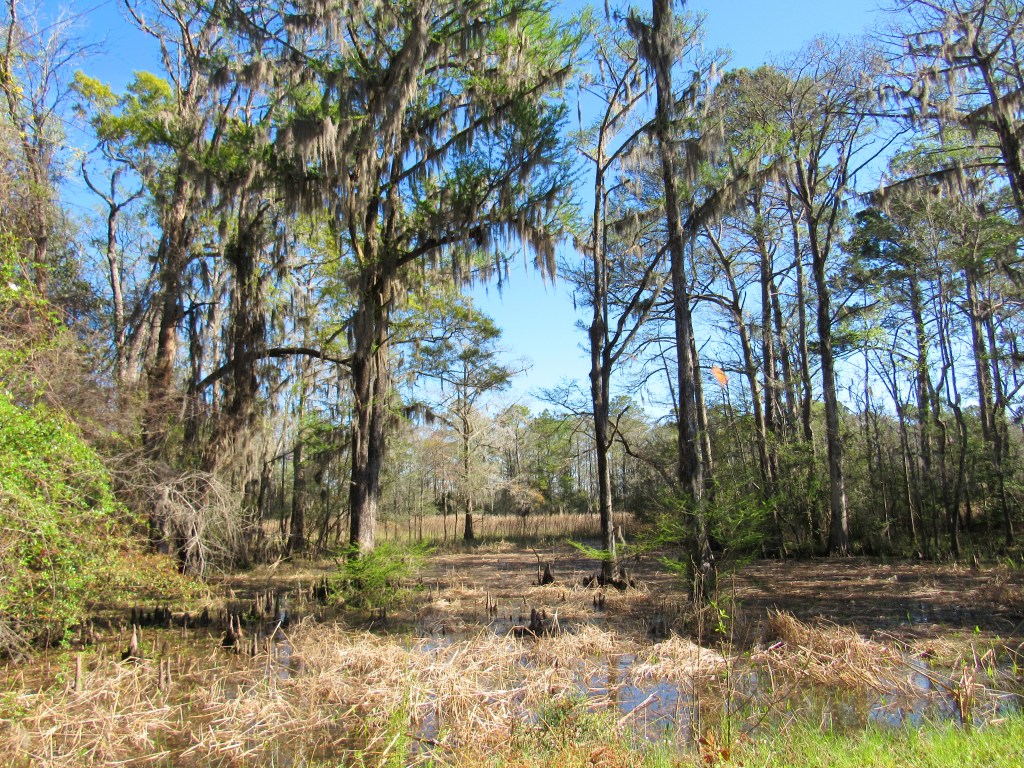
Just north of the charming fishing village of McClellanville, Hampton Plantation offers a rich blend of wildlife viewing, outdoor adventure, and local history. Whether you’re wandering the trails, exploring the historic grounds, or simply taking in the Lowcountry scenery, a visit to Hampton Plantation is an experience not to be missed—and should be at the top of your South Carolina itinerary.
Ranger-led tours of the house are offered every Friday through Tuesday, twice daily at noon and 2 PM. If your visit falls on one of these days, I highly recommend planning to join a tour—you’ll get a much deeper sense of the history and stories within the mansion. While the house tours do carry a small fee, exploring the grounds of Hampton Plantation State Historic Site is completely free!
You can pay for the tour at the park office or gift shop. Admission is $10 for adults (16+), $6 for seniors, $5 for children ages 6–15, and free for kids 5 and under.
Address: 1950 Rutledge Rd, McClellanville, SC 29458
 Wander Woman
Leave a comment