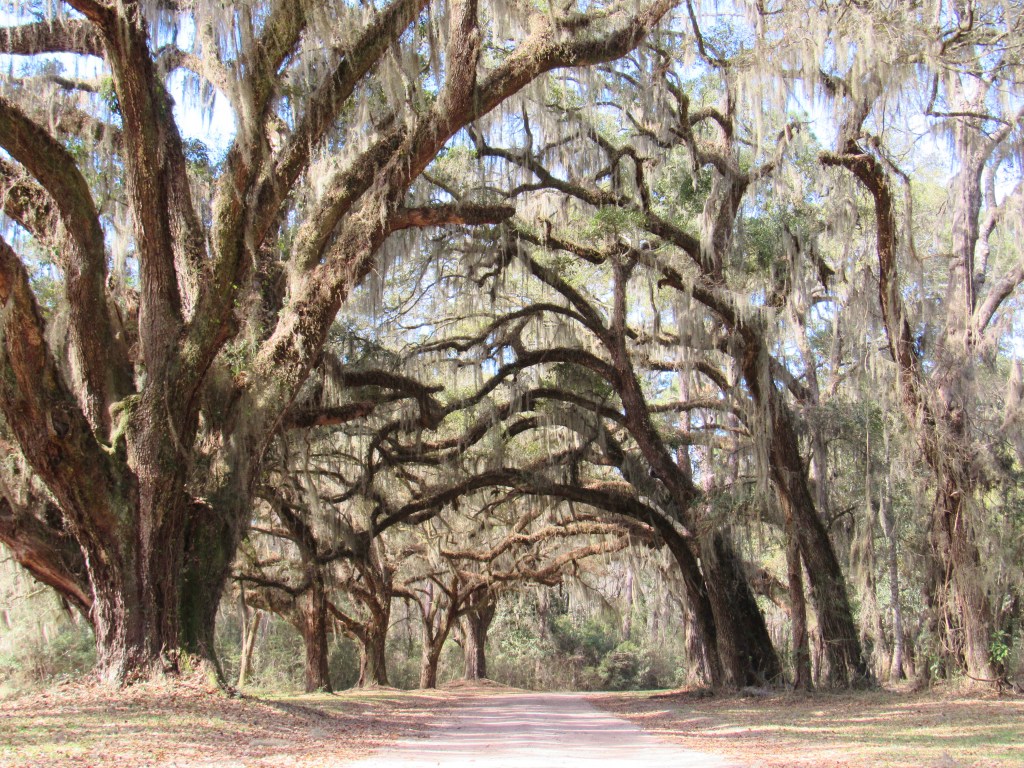
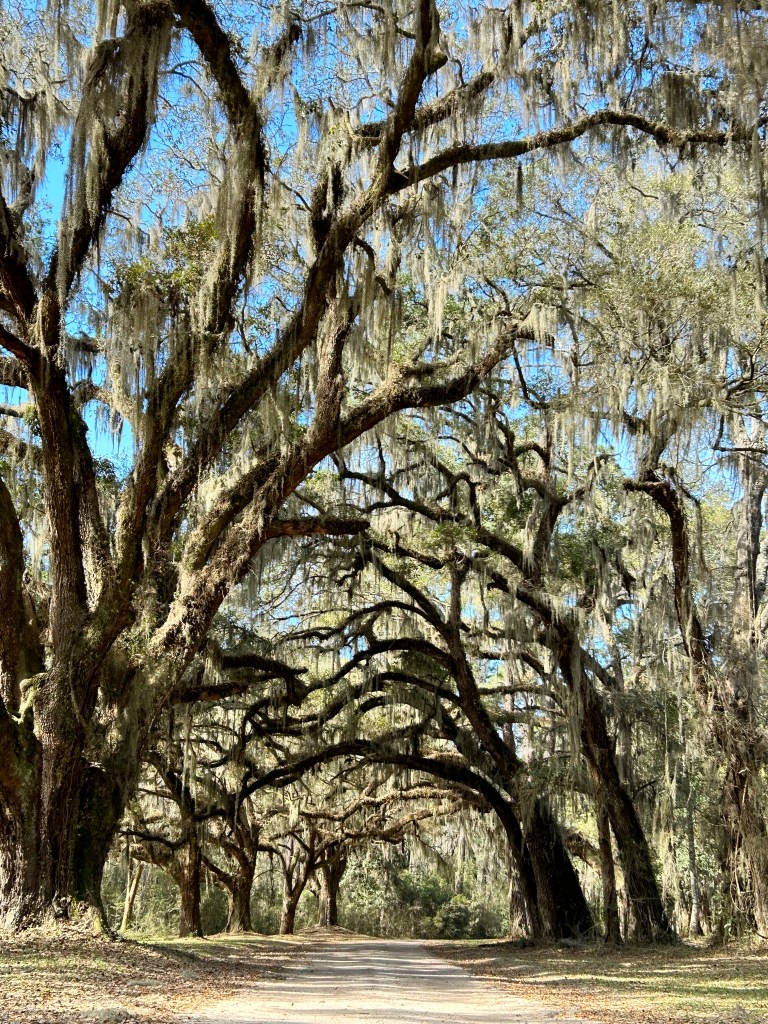
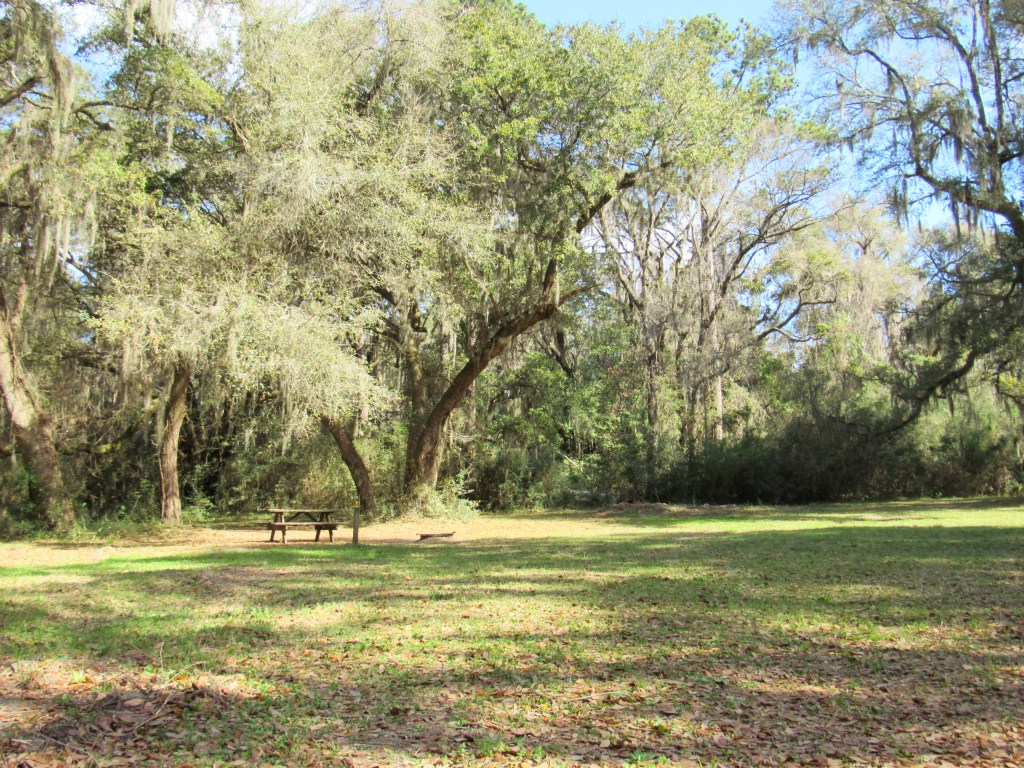
Hidden in the heart of South Carolina, the Santee Coastal Reserve is a world of contrasts—where serene beauty collides with wild, untamed danger. Towering oaks draped in silver moss sway gently in the breeze, sunlight dappling the forest floor, while hidden beneath the mirrored waters, monster alligators lie in wait. It’s a place that invites you to breathe deeply, slow down, and soak in the calm…all while keeping one wary eye on the shadows. Camping here isn’t just a getaway—it’s an adventure that whispers, respect nature, or face its wild side.
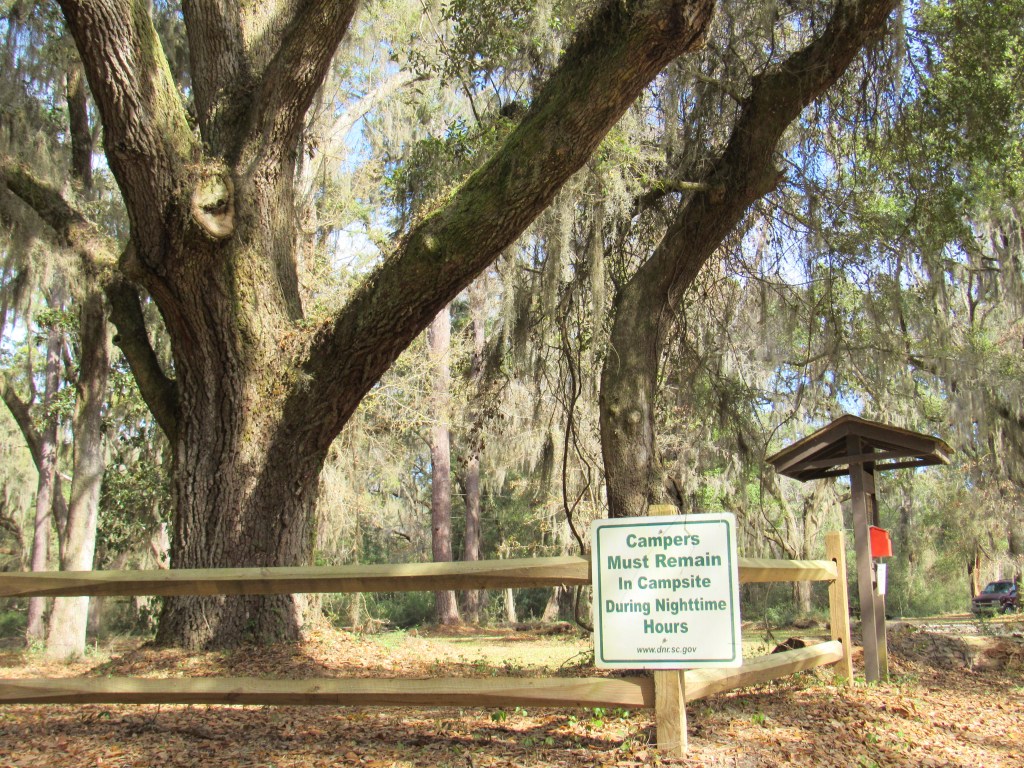
I still can’t wrap my head around the fact that this magical place offers free camping. To park my van beneath moss-draped oaks, and watch sunlight filter through ancient trees—all without spending a dime—is nothing short of mind-blowing. It feels like stumbling upon a secret the world doesn’t want you to know: a dreamy, untouched corner of nature that’s all yours to explore, for free.
The Santee Coastal Reserve, headquartered in the quiet town of McClellanville, was established in 1974 after the South Carolina Department of Natural Resources acquired 24,000 acres generously donated by The Nature Conservancy. Before becoming a protected natural haven, this land was owned by the Santee Gun Club, which dates back to 1898. Even earlier, the grounds were part of the historic Eldorado and Ormond Hall plantations, layered with a much deeper history—land once inhabited by the Sewee and Winyah peoples, whose presence shaped this coastal landscape long before it became what it is today.
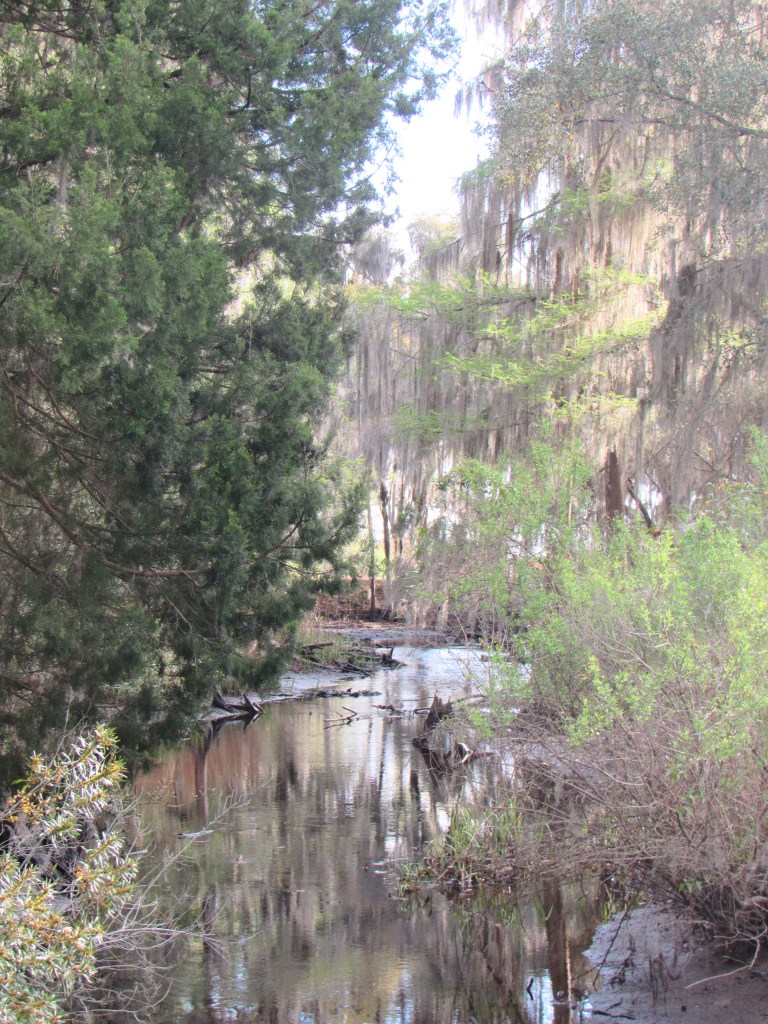
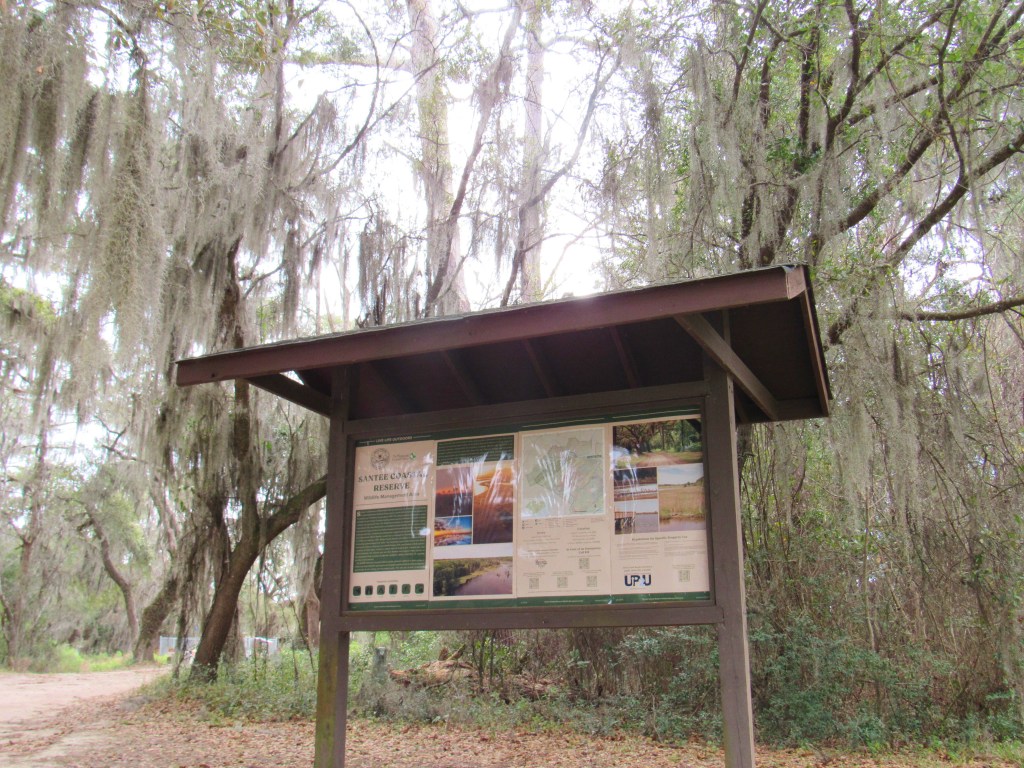
The Reserve offers a wide range of recreational opportunities for visitors looking to experience its natural beauty. From hunting and hiking to cycling and bird-watching, there’s no shortage of ways to explore this carefully managed preserve. While the area does close to the public during scheduled hunts, it remains open during daylight hours most of the year—and allows primitive overnight camping for those wanting to fully immerse themselves in its wild, peaceful landscape.
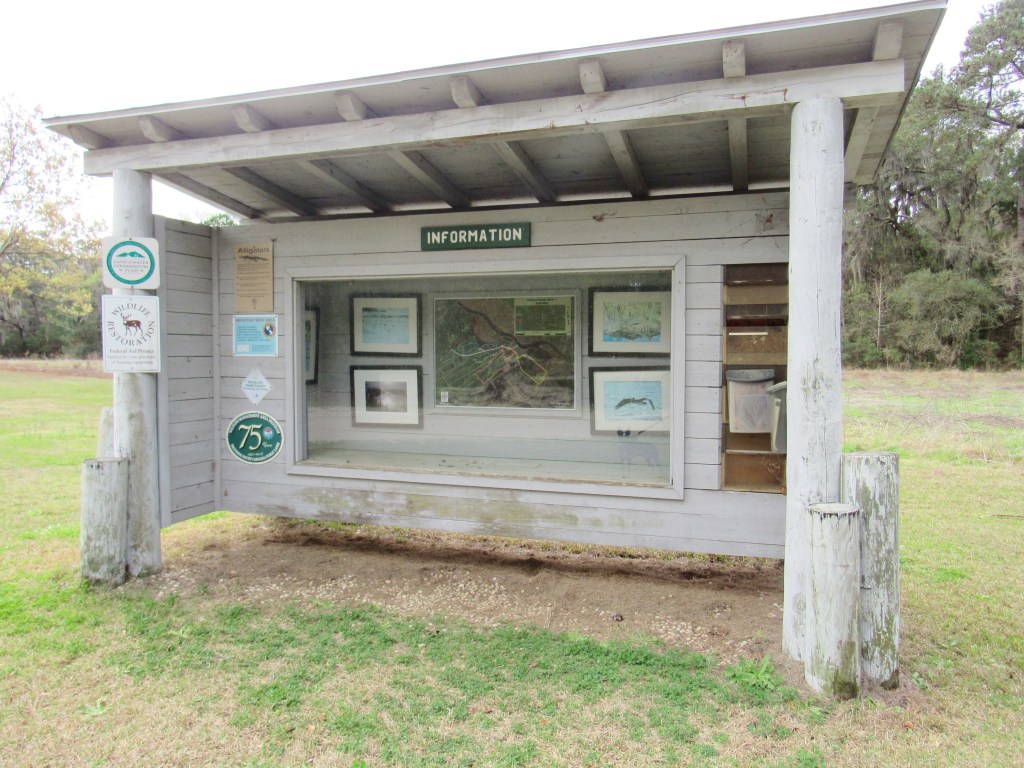
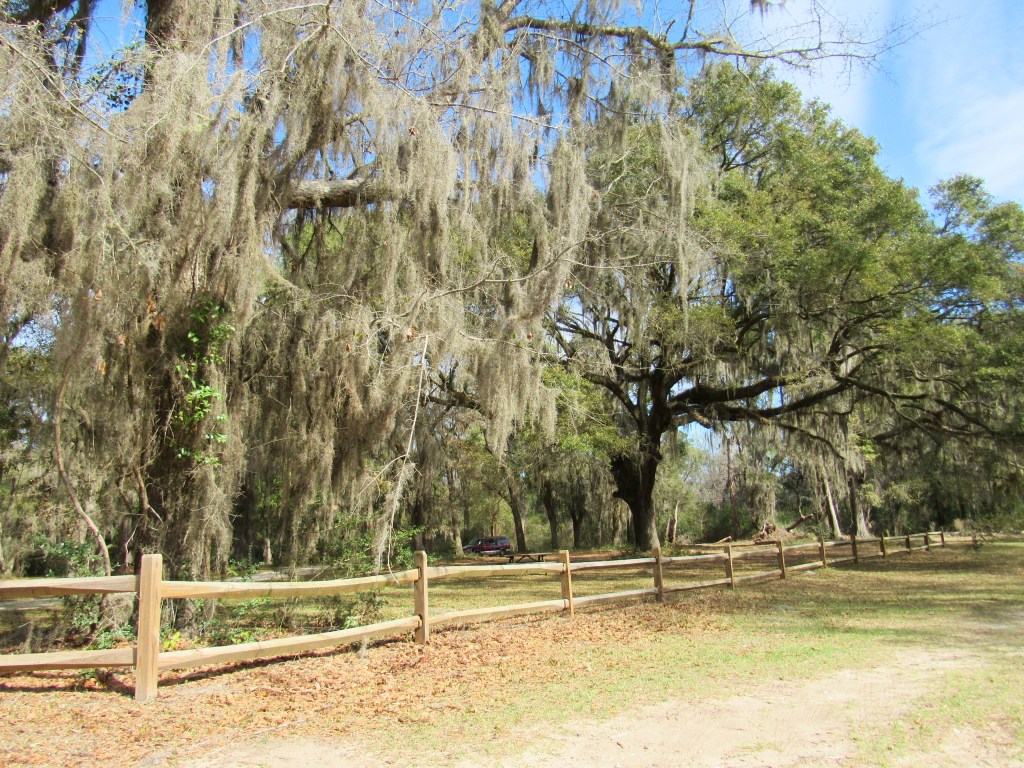
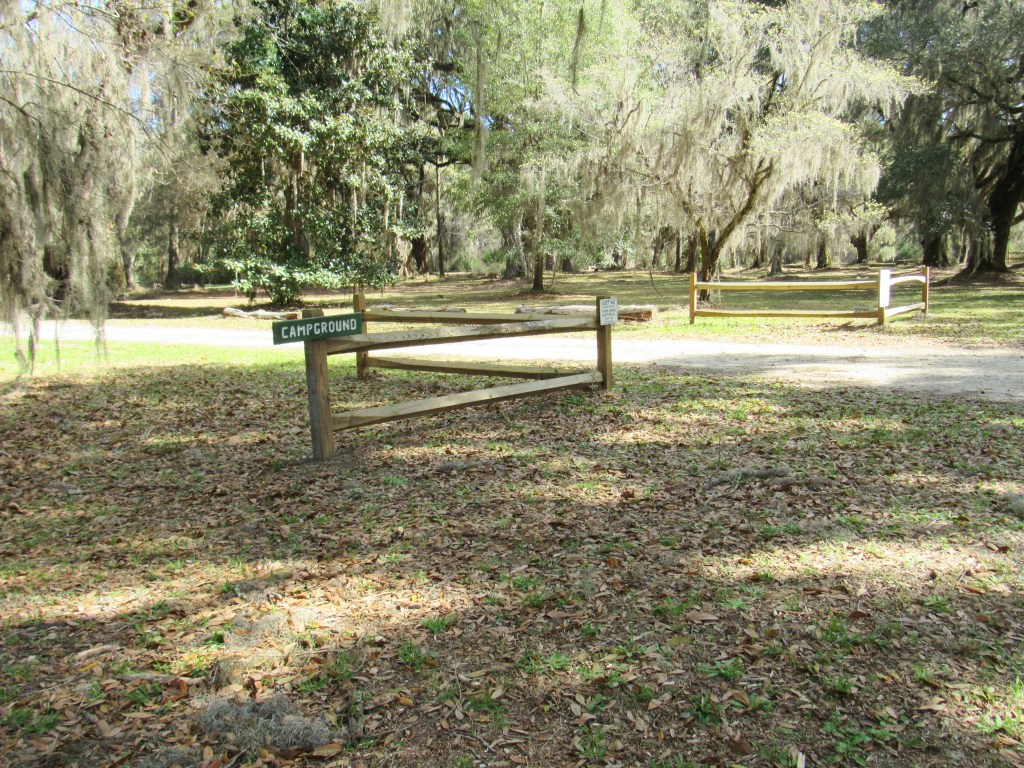
Camping at the Santee Coastal Reserve is first-come, first-served, with a maximum stay of four days. With only eight spacious sites available, I was a little worried about finding a spot arriving on a Friday morning—but to my surprise, there was just one other camper van when I pulled in. The drive to the campground from the main road is about 2.5 miles of long, bumpy road, but once you arrive, it’s more than worth it. My first night was incredibly peaceful, and the entire experience felt like a true escape—perfect for anyone looking to unwind and soak in the quiet beauty of the surrounding wetlands and wildlife.
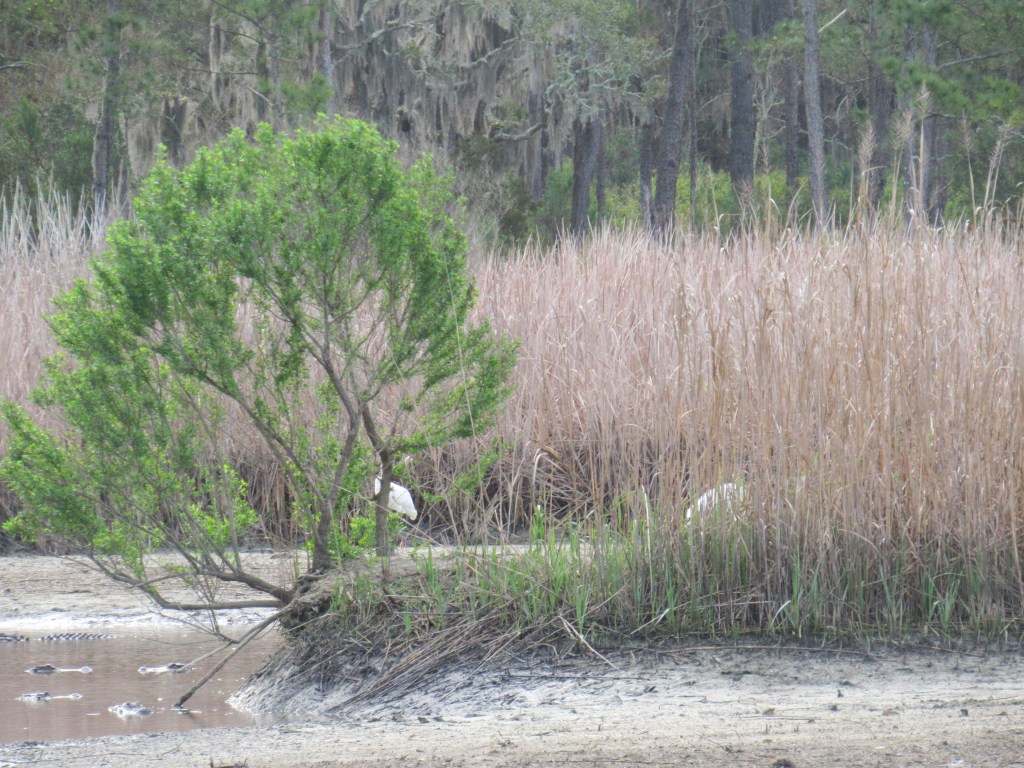
The next morning, Winston and I set out toward the fishing pier, but the walk quickly turned into something far more intense than expected. The trail is flanked by water on both sides, and before we knew it, we were face-to-face with a massive alligator. As I stood there frozen, watching it, a sudden, heavy splash sounded behind us—another gator slipping into the water. For a moment, I didn’t dare move. Winston, being the perfect bite-sized snack, suddenly felt very vulnerable. We wasted no time getting out of there. What surprised me most was the lack of any warning signs about gators along the trail.
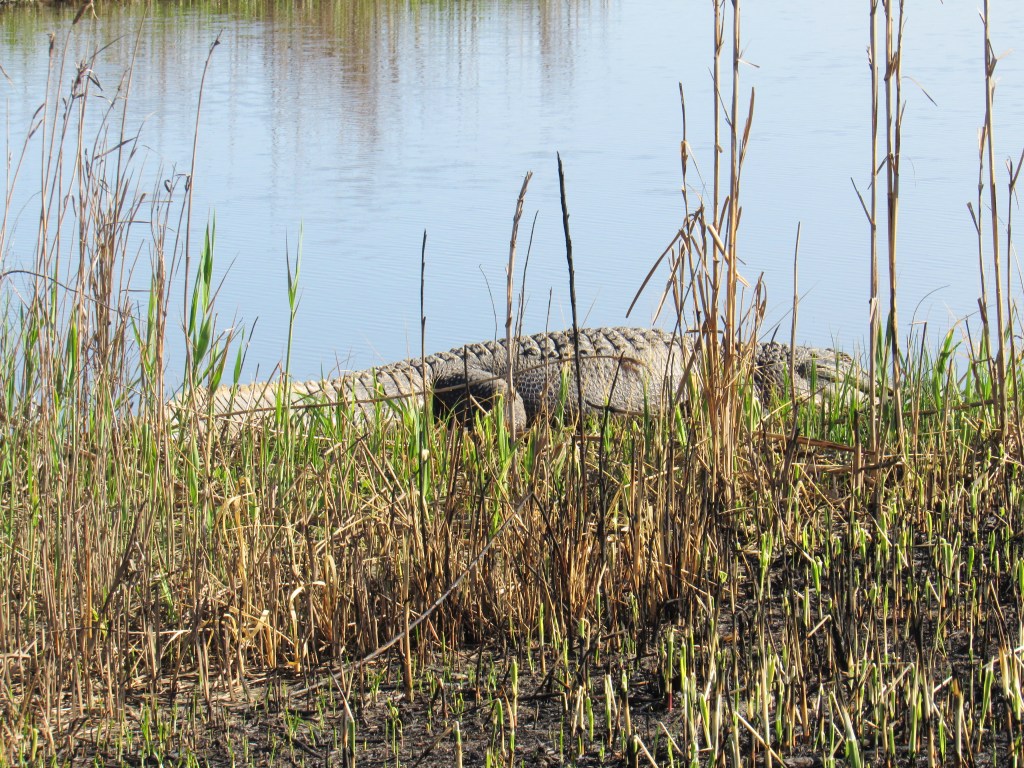
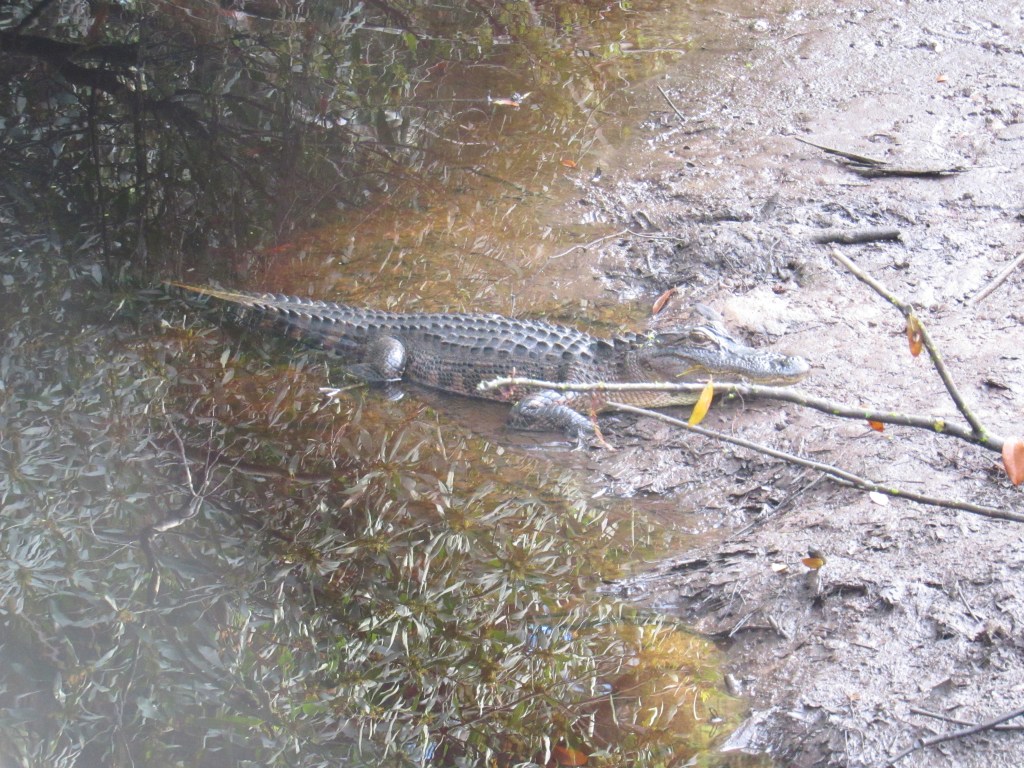
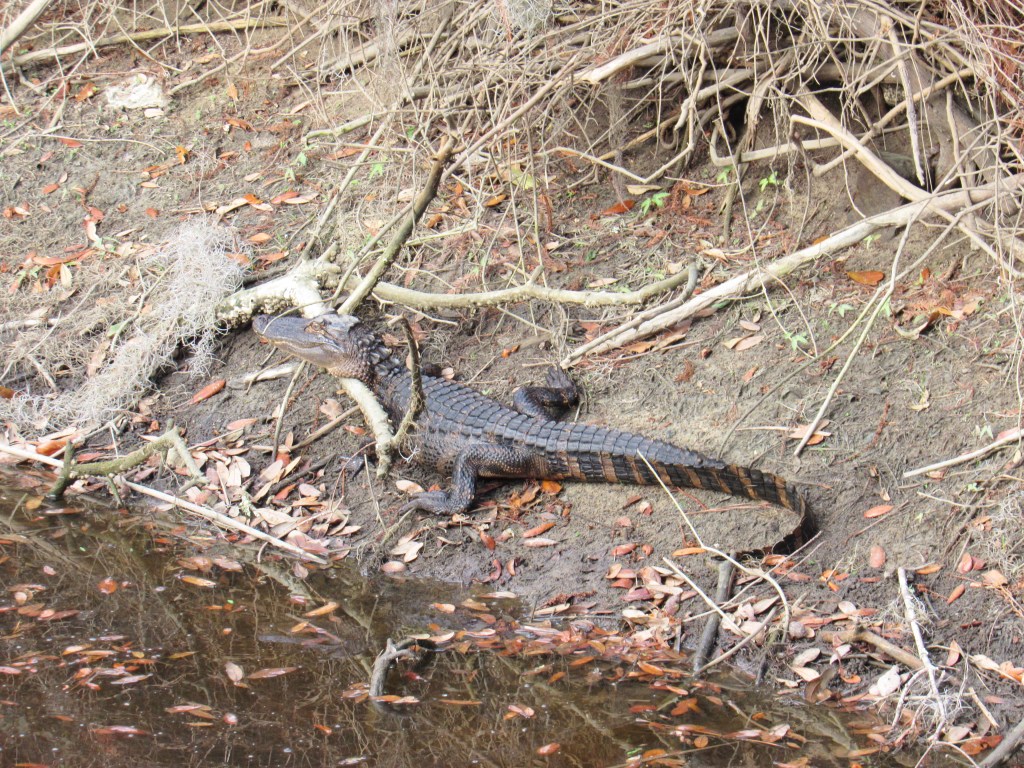
As if that wasn’t enough, the mosquitoes were relentless—even in March. Every time we tried to pause and take in the scenery, we were immediately swarmed, turning what should have been a peaceful walk into a quick, itchy retreat.
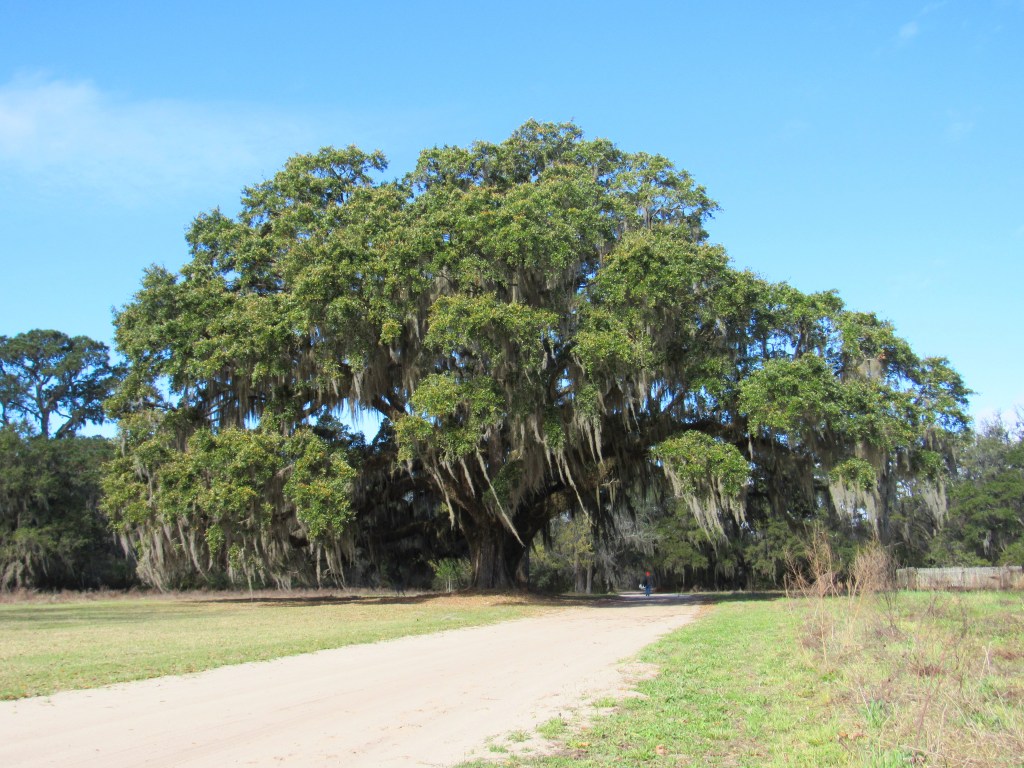
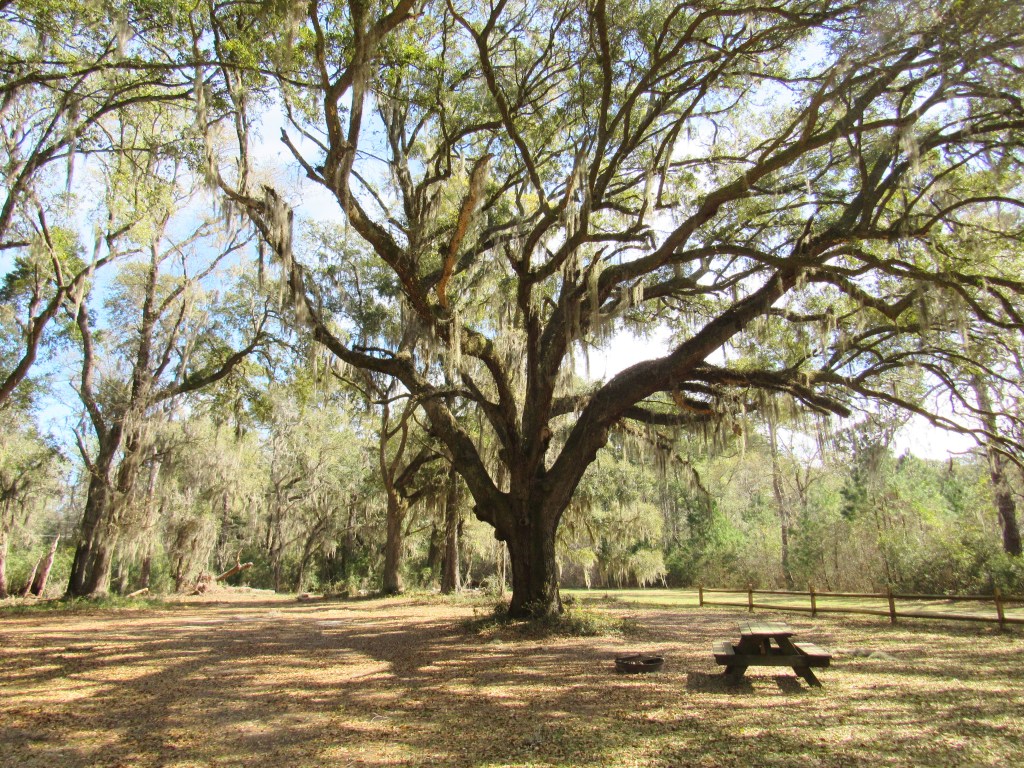
Despite the occasional adrenaline rush, the overall tranquility of the Santee Coastal Reserve is what truly stays with you. Towering and massive oak trees draped in Spanish moss create a dreamy, almost otherworldly backdrop, and the trails are a standout feature—offering easy, scenic walks through marshlands where alligators glide silently through the water, and a variety of birds fill the air with life. It’s the kind of place where beauty feels untouched and time slows down.
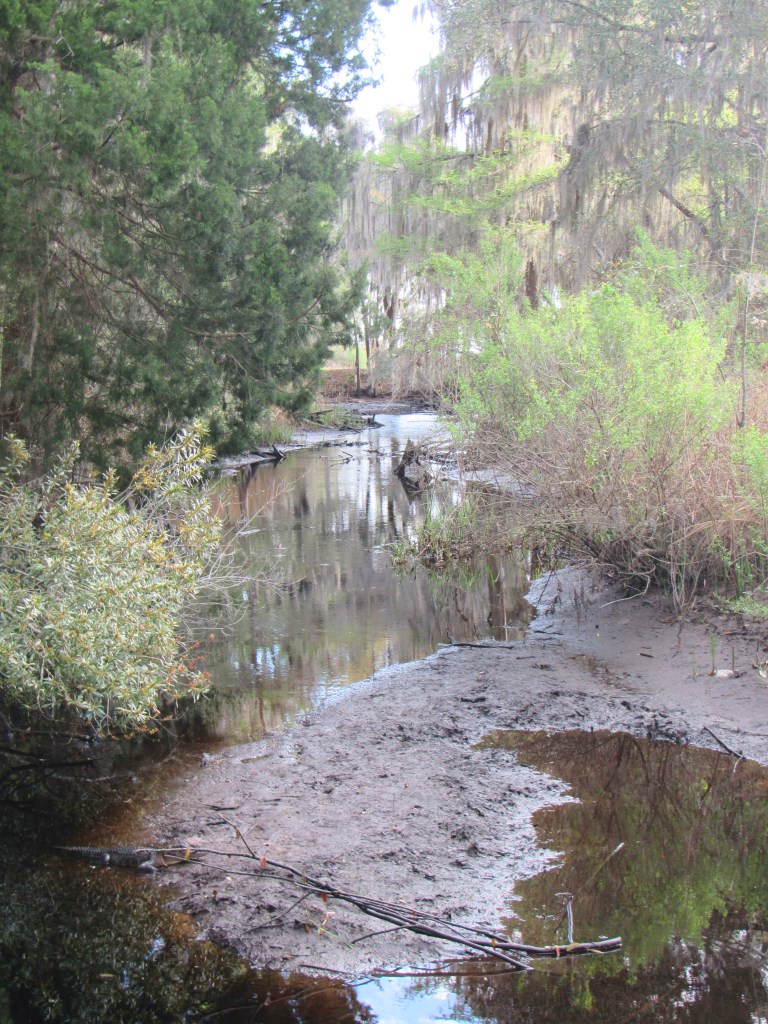
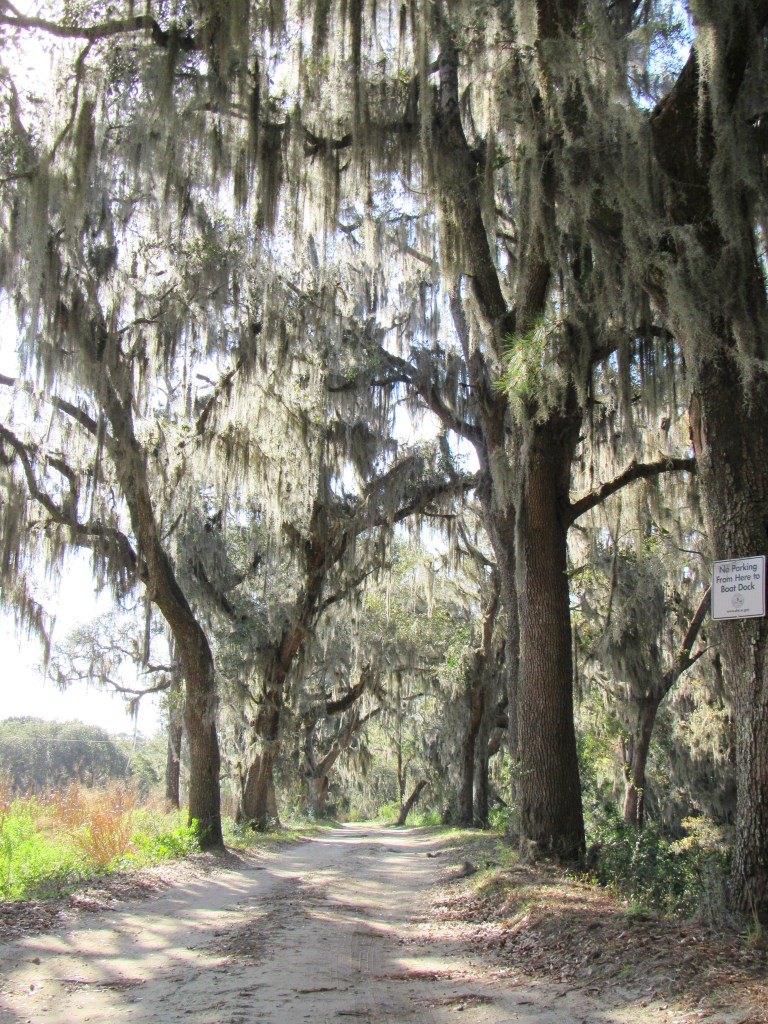
That said, coming prepared is key. While the campground is free and doesn’t require permits, it’s still a rugged, primitive experience. Bug spray is an absolute must, thanks to the relentless mosquito population—especially in the warmer months—and staying aware of your surroundings is just as important. This is nature in its rawest form: peaceful, breathtaking, and just wild enough to keep you on your toes.
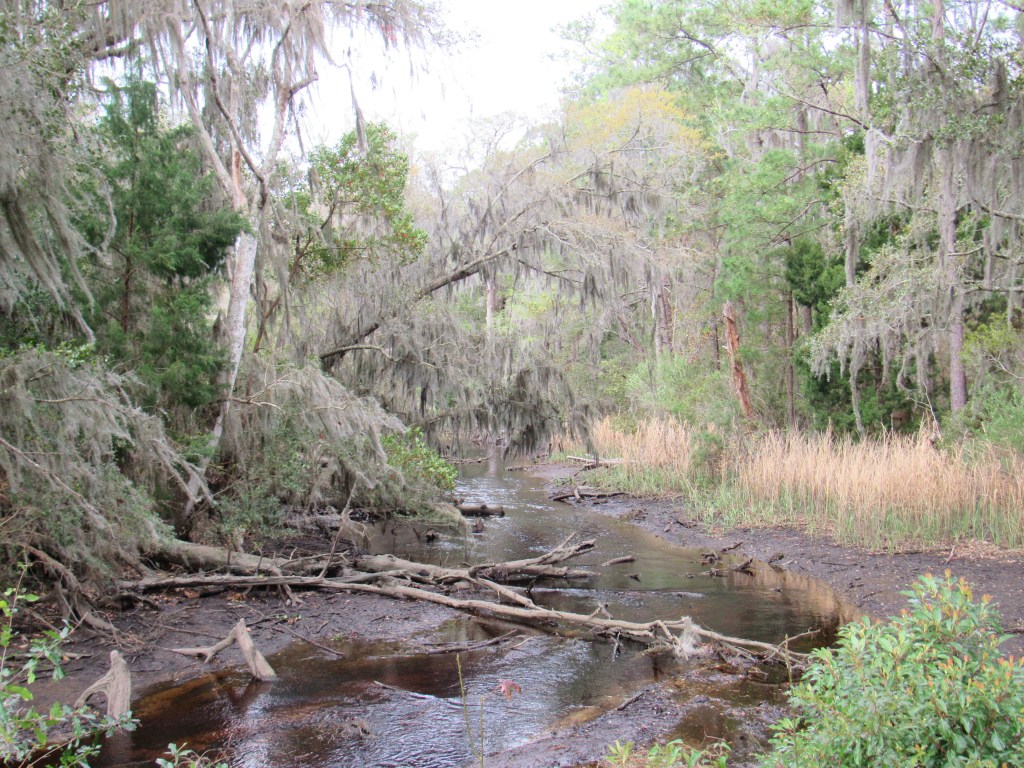
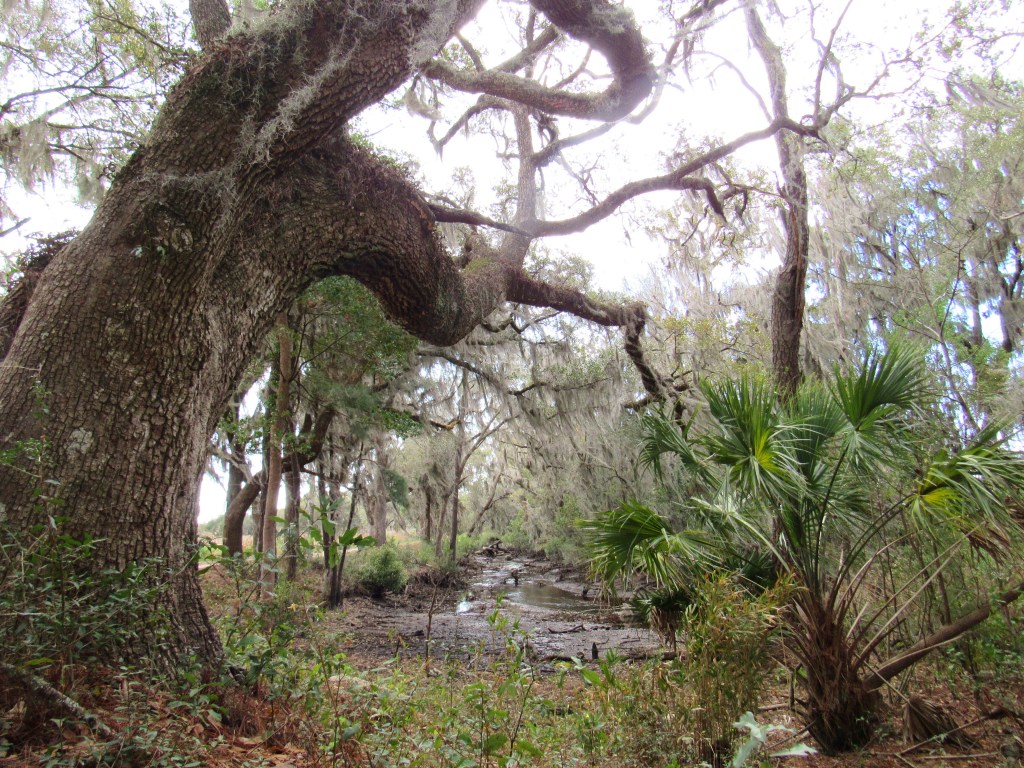
My final day at the Santee Coastal Reserve felt like the perfect, wild send-off. Rain settled in for the entire day and carried on through the night, leaving the campground quiet and nearly empty—just me and one other camper tucked into our own corners of the reserve. As temperatures dropped into the mid-30s, the wind picked up, rattling the van and sweeping through the moss-draped trees. And just when I thought the night couldn’t get any more eventful, some kind of tiny creatures decided to throw a full-blown party on my roof. Squirrels? Maybe… but don’t they sleep at night? Whatever they were, they kept things interesting. Even with the cold, the rain, and the unexpected rooftop guests, it felt like a true immersion into nature’s unpredictability—and honestly, I wouldn’t change a thing. This place left its mark on me, and it’s one I’d return to in a heartbeat.
Key Features and Information:
- Cost: FREE (no fees)
- Camping Type: Primitive/Rustic (no water, no electricity, no bathroom).
- Site Type: 8 large, dirt sites suited for tents, vans, RVs
- Amenities: picnic tables, fire rings.
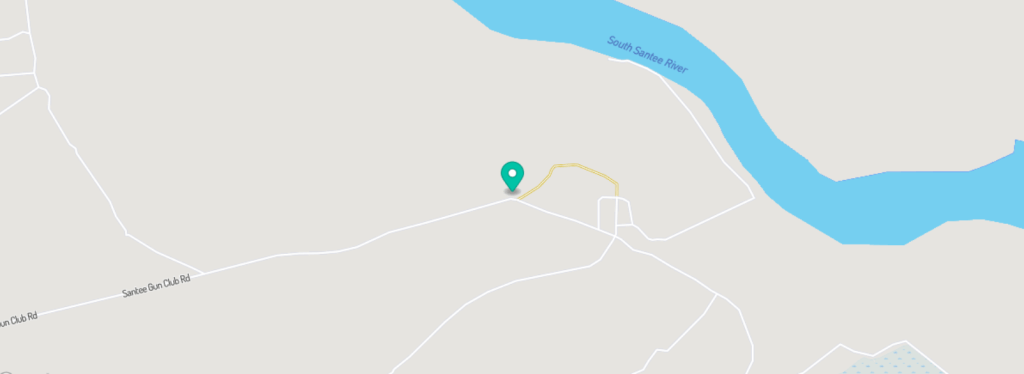
- Location: 220 Santee Gun Club Rd, McClellanville, SC 29458
- Friendly Filters: 2WD friendly, pet friendly, very dark at night
- Nearest Hospital: McLeod Health Clarendon in Manning, SC
 Wander Woman
Leave a comment