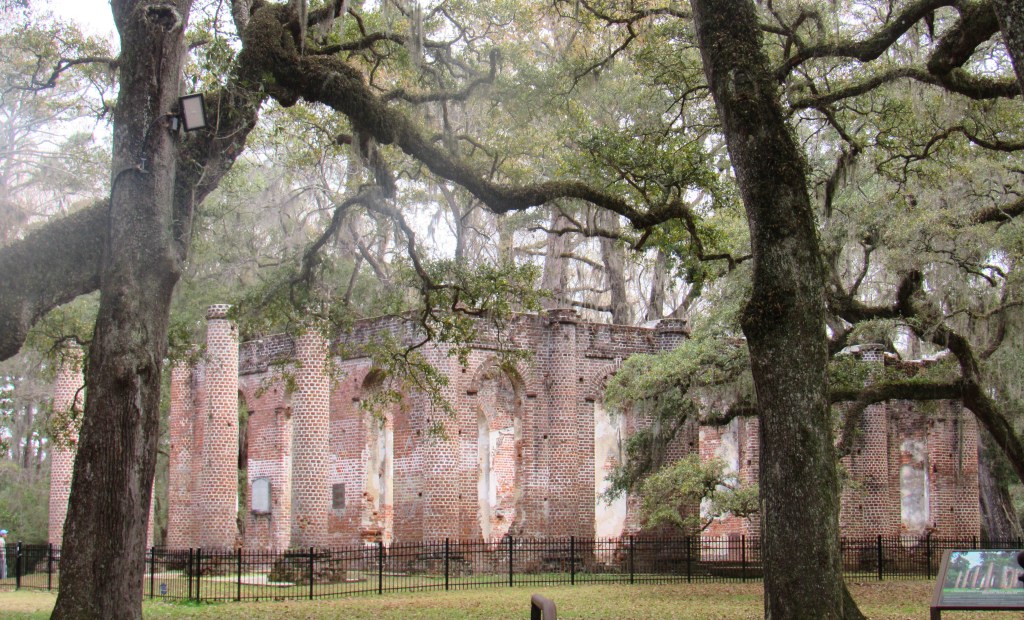
Hidden in the heart of the Beaufort Lowcountry in South Carolina lies a gem of history and architecture: the hauntingly beautiful Sheldon Church Ruins. Ruins are personal matters. Someday you may find yourself standing beneath the towering columns of what remains of this once-grand church in southeastern South Carolina and feel nothing at all. But for me, ruins have always carried weight. They whisper stories of time, loss, and resilience—of everything that once stood proudly before the world changed. Places like Sheldon Church aren’t just old stones left behind; they’re reminders that even in decay, there is a quiet kind of beauty waiting for those willing to slow down and see it.
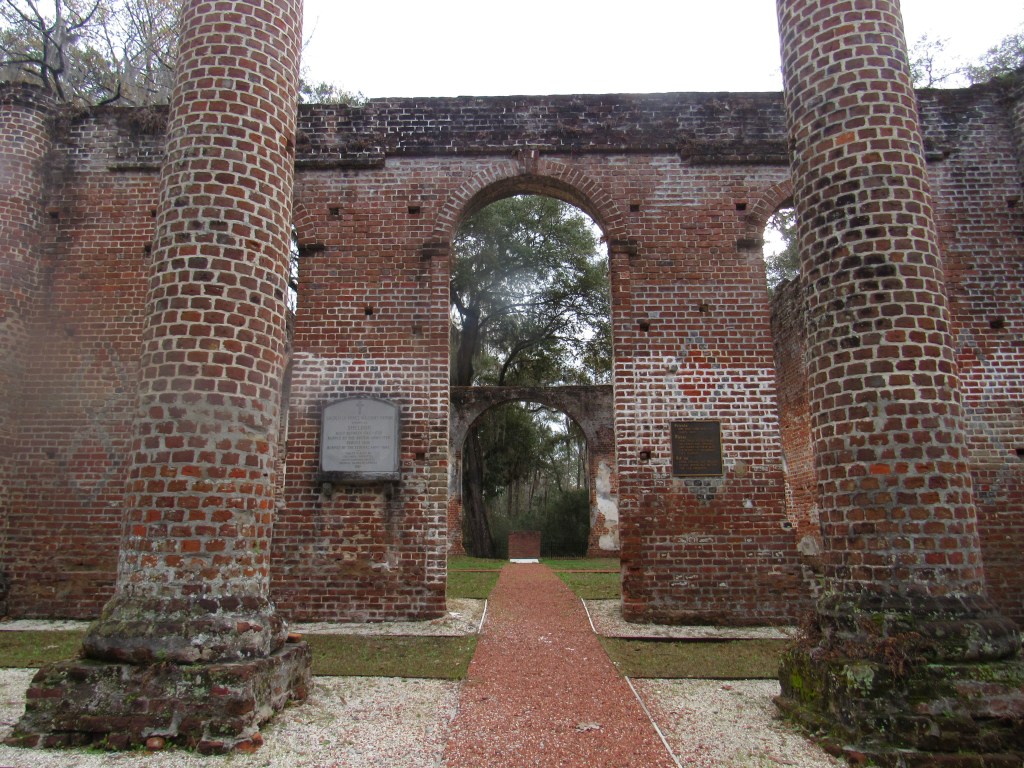
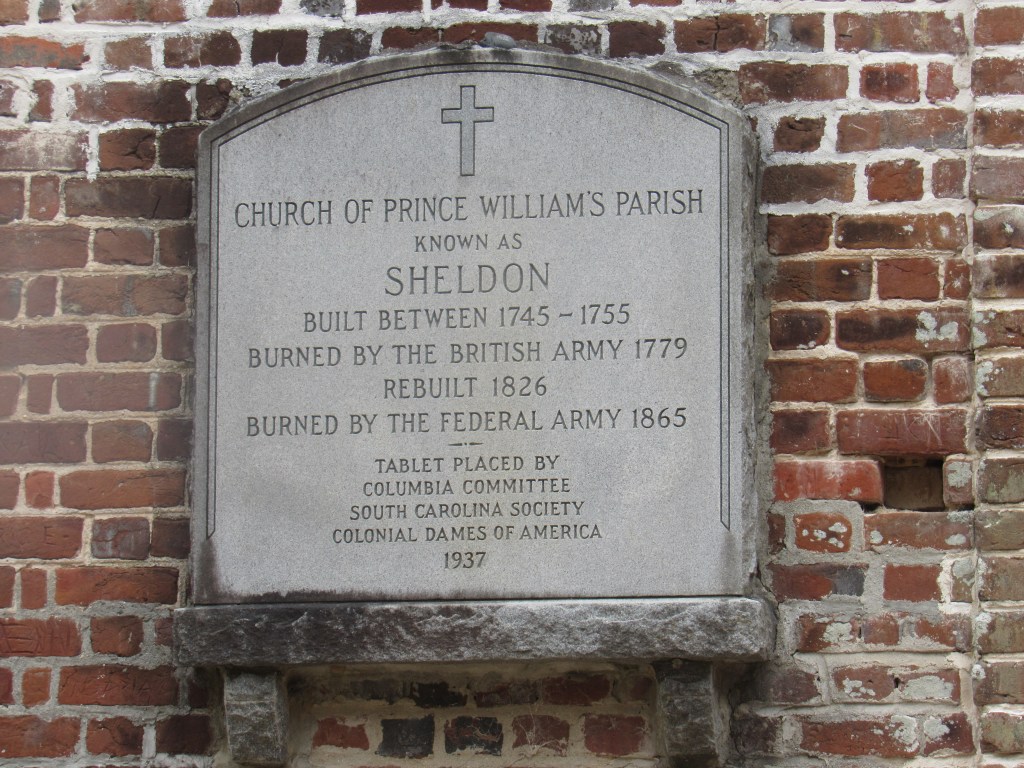
Consider this: what building in the entire United States may have been the first deliberate attempt to imitate a Greek temple? The answer is the remarkable Sheldon Church Ruins—originally known as Prince William Parish Church. Built around 1745, this historic structure carries a past as striking as its architecture. Even more remarkable is the history it has endured. Very few buildings in our country can claim to have survived being burned during both the American Revolutionary War and the American Civil War. Yet Sheldon Church is widely believed to be one of them, its towering ruins standing today as a powerful reminder of the centuries—and conflicts—it has weathered.
Today, the haunting ruins still hold a striking sense of classic simplicity. Beneath the sweeping canopy of moss-draped live oaks, the original three-and-a-half-foot-thick colonnaded walls—built in Flemish bond brickwork—still stand. The four portico columns, laid in an all-header bond pattern, remain as well, quietly showcasing the strength and craftsmanship of the builders who created them. Their solid construction has allowed the church to endure two devastating fires and more than two and a half centuries of time, leaving the hauntingly beautiful Sheldon Church Ruins standing as a testament to both history and resilience.
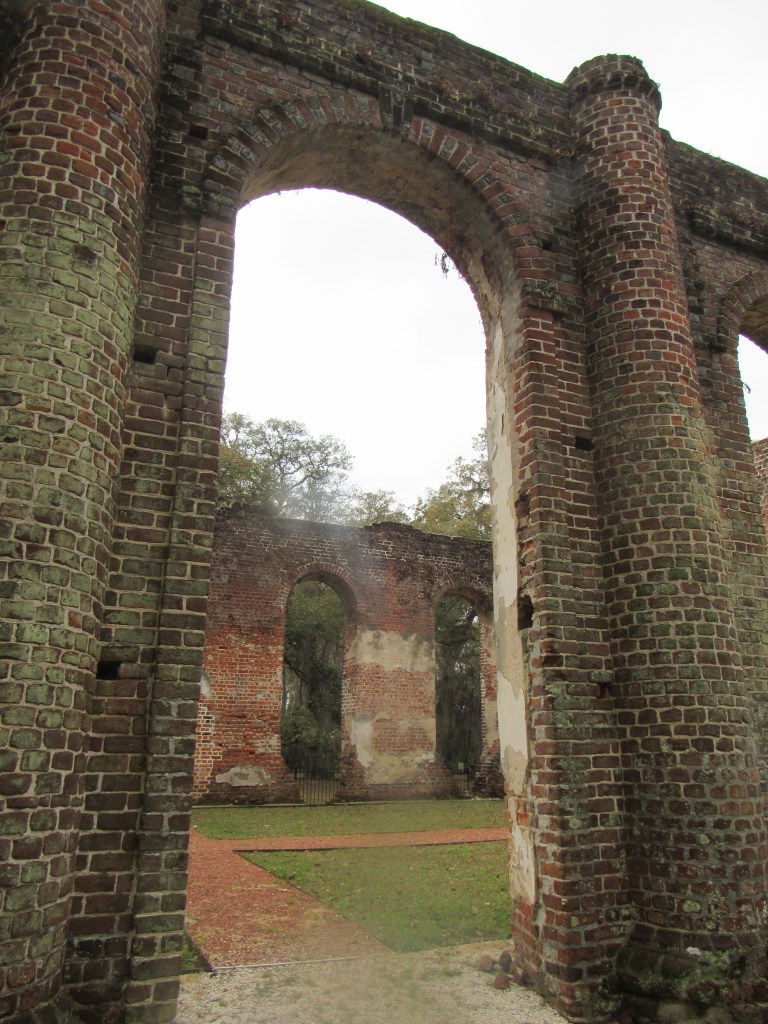
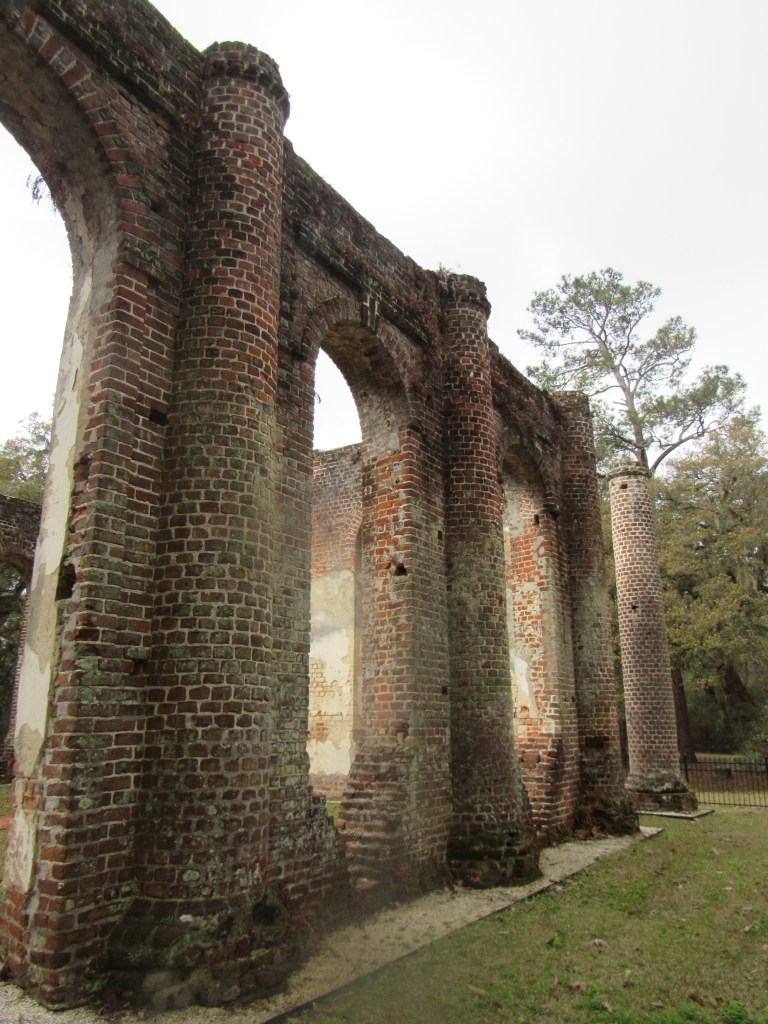
The following is from an article in the April 1969 Sandlapper Magazine by Charles E. Thomas, “The Picturesque Ruins Of Old Sheldon Church. The official South Carolina report on the ‘Destruction of Churches and Church Property,’ after the War Between the States, described Sheldon’s second burning: All that was combustible was consumed…, its massive walls survive the last as they did the former conflagration, Bishop Thomas wrote, exactly as it happened a hundred years before in 1779, when General Prevost, marching from Savannah into South Carolina burned the Church, so now in February 1865, General Sherman marching from Georgia into South Carolina, burned it a second time.”
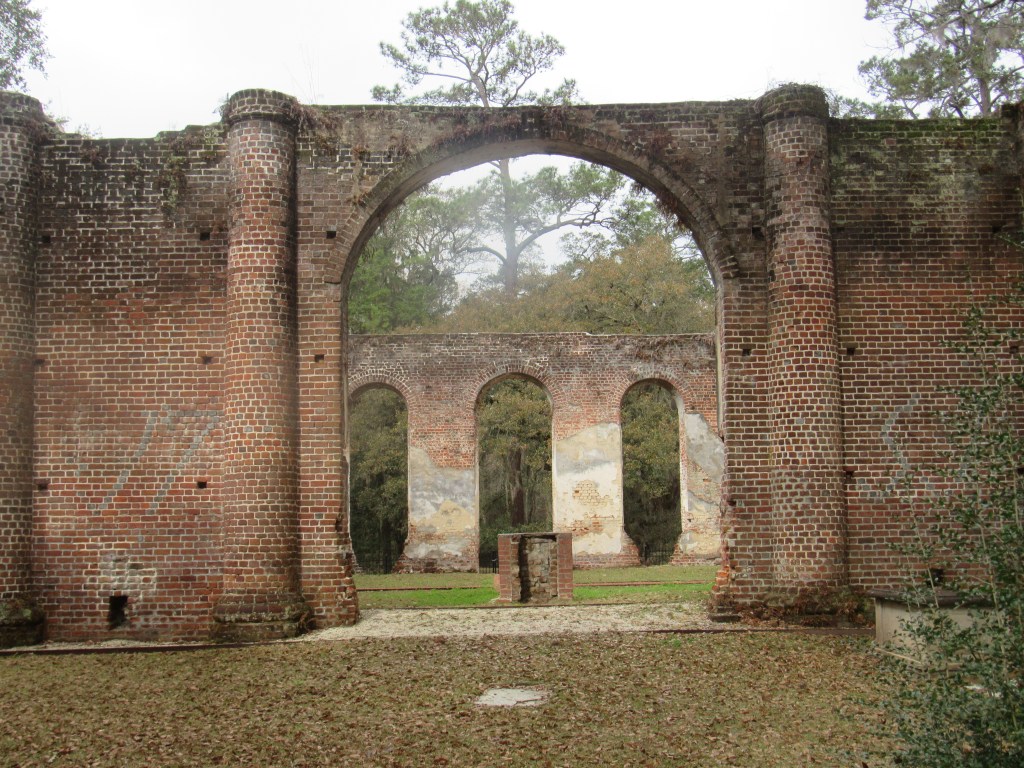
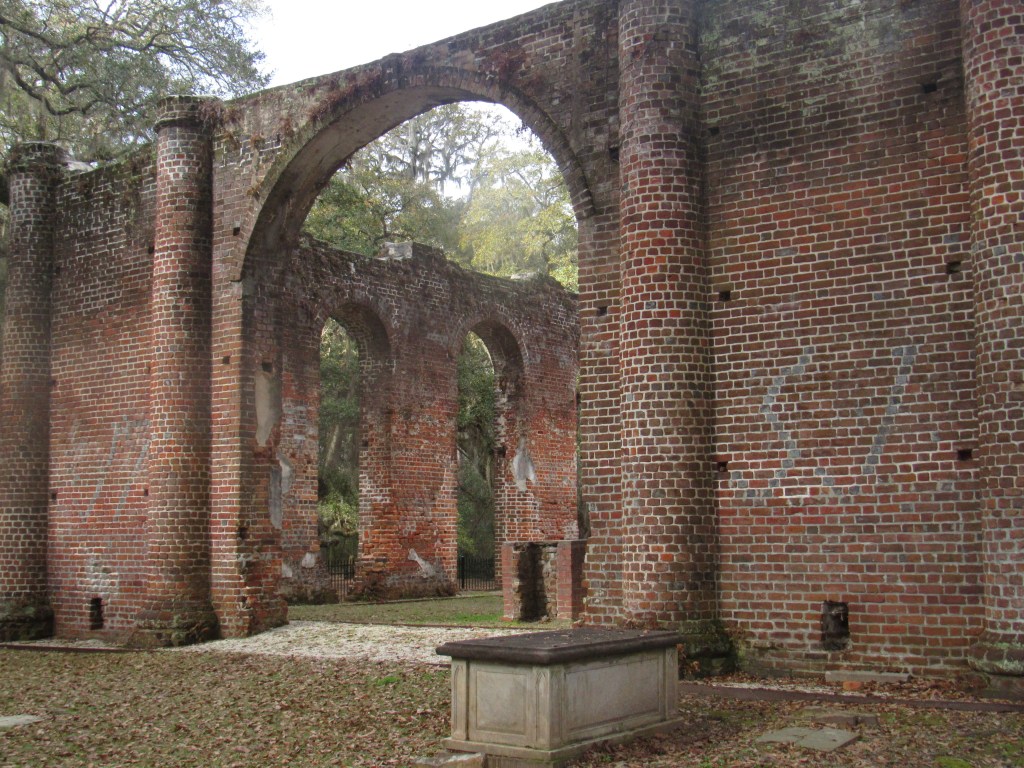
Graves are scattered quietly across the grounds, adding another layer of history to the peaceful setting. Within the ruins themselves rests Colonel William Bull, a man closely tied to the early development of the region. Bull played a key role in assisting General James Oglethorpe with the physical layout of Savannah. In 1733, he surveyed the land and designed the original grid pattern of streets and public squares—an iconic layout that Savannah is still famous for today.
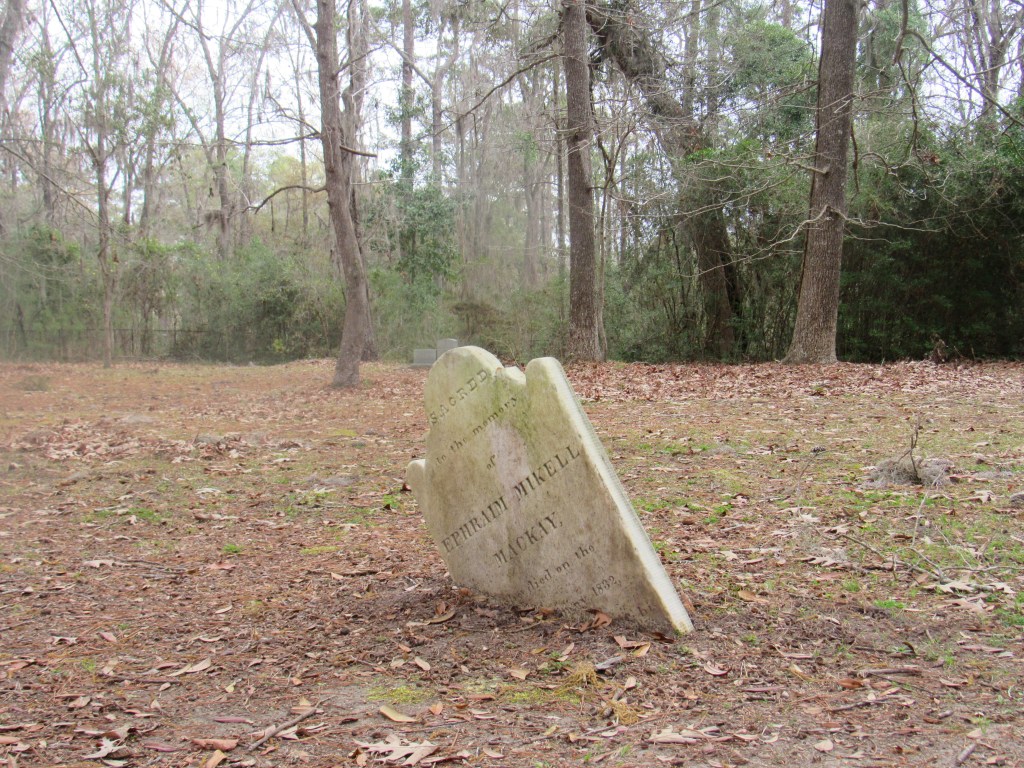
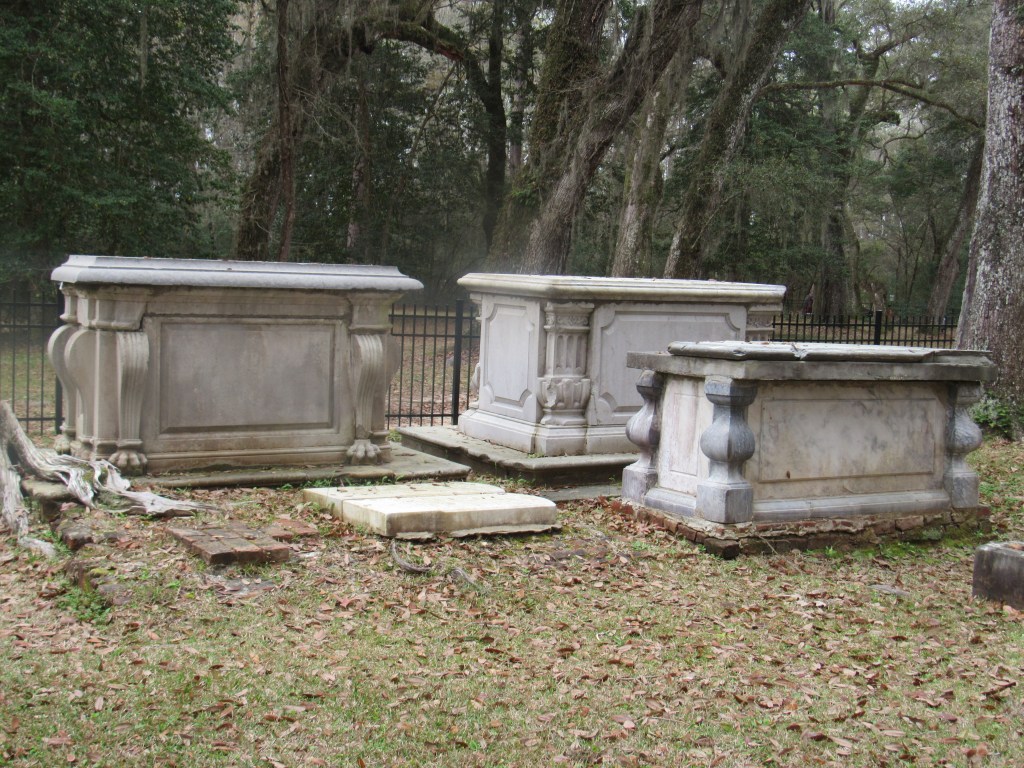
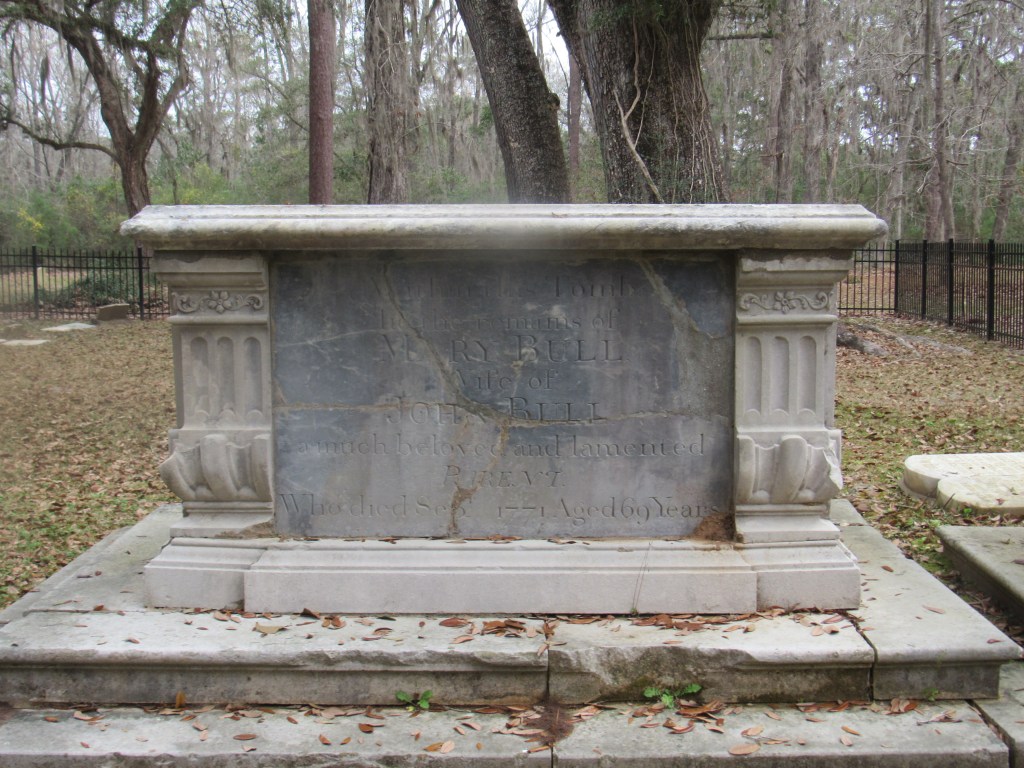
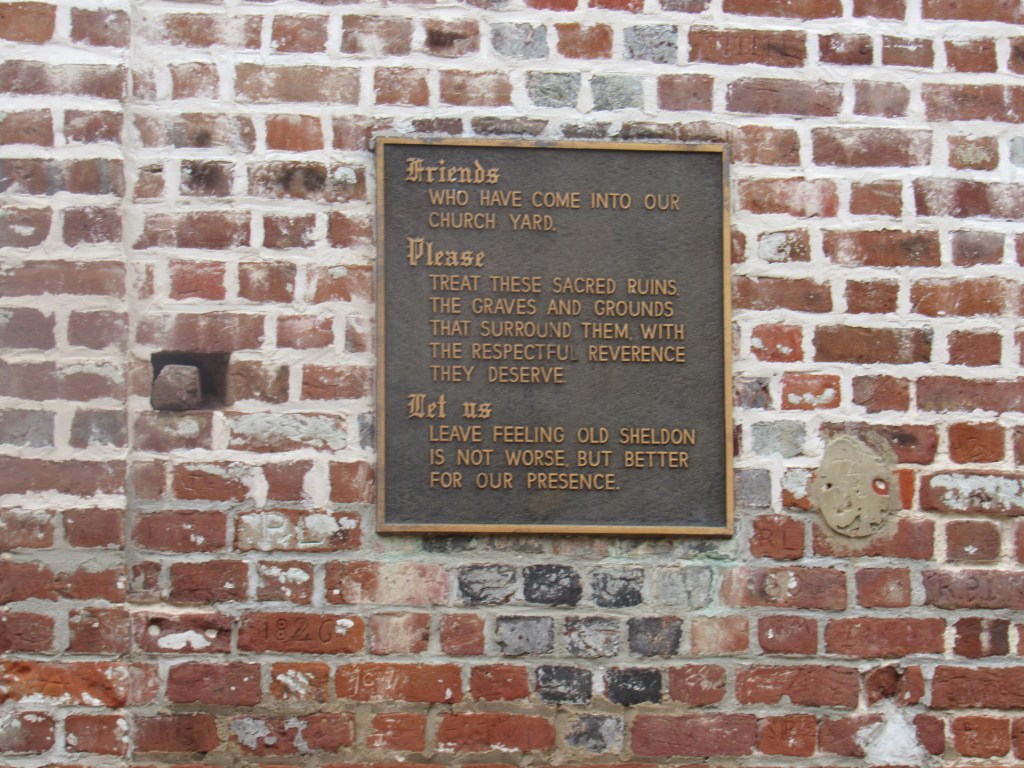
The ruins of the historic Sheldon Church have stood for well over a century—no small feat for a structure that has survived multiple fires and centuries of change. Though time and war have tried more than once to erase it, the church’s towering remains continue to stand as a quiet testament to the past. The site is currently owned and cared for by St. Helena’s Church, whose ongoing preservation efforts protect this remarkable piece of history. Every visit helps support that mission, ensuring that future generations will also have the chance to walk among these hauntingly beautiful ruins and experience the history they hold.
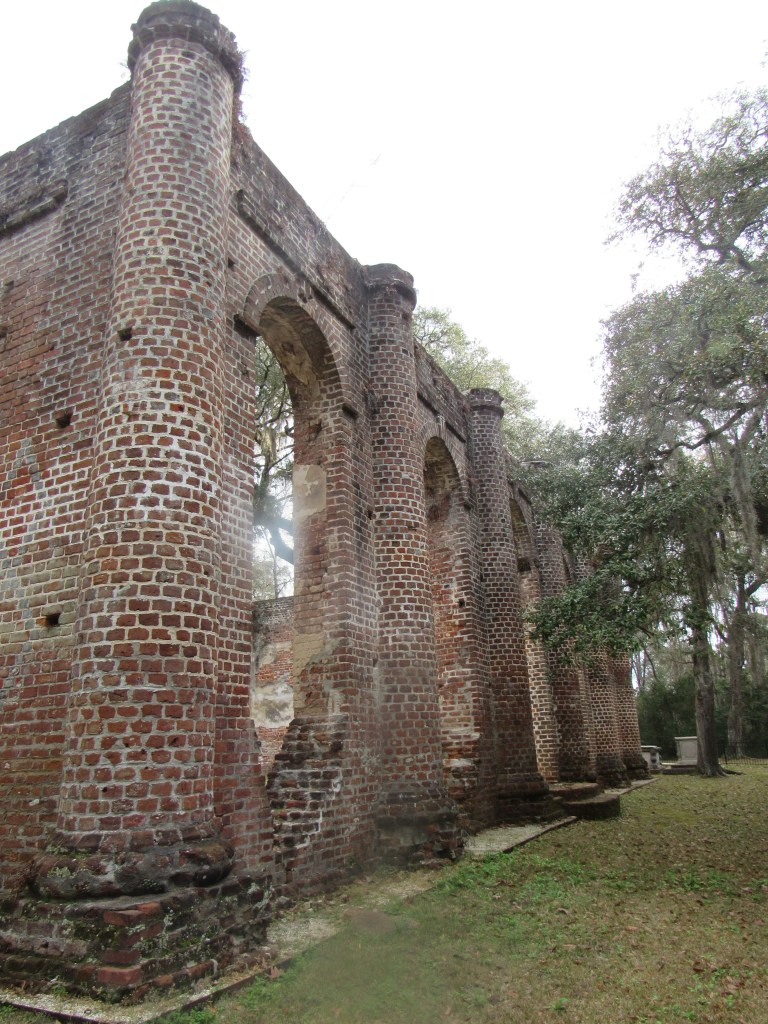
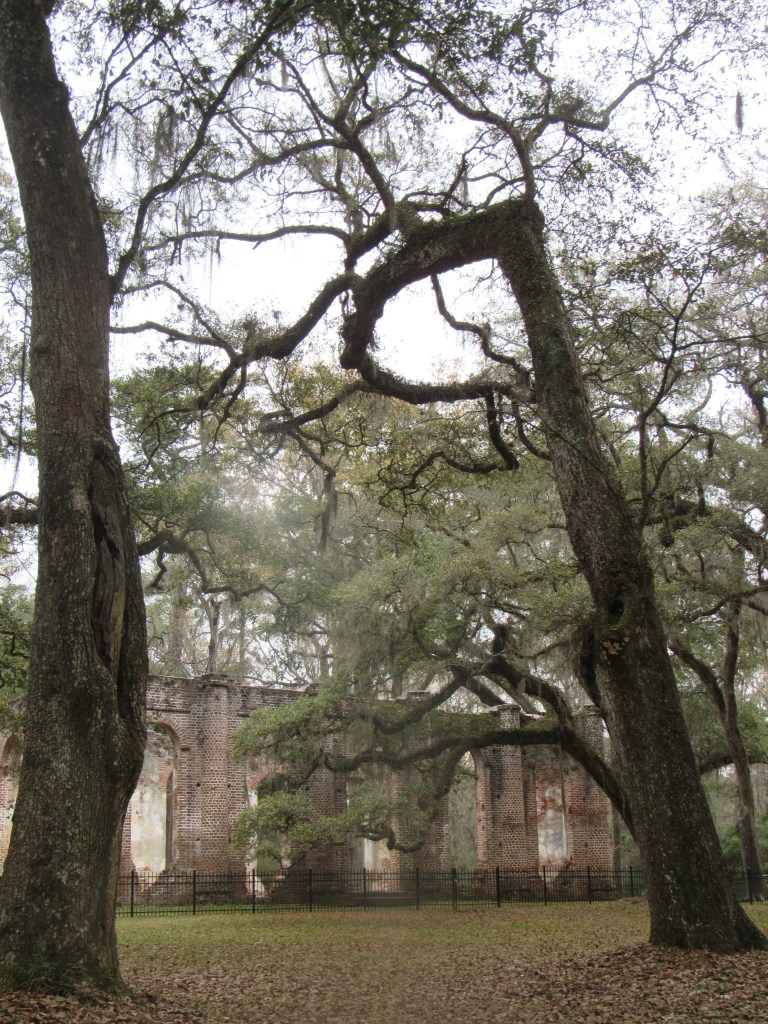
As your visit comes to an end, it’s hard not to pause for one last look at the towering remains of the Sheldon Church. Today, these ruins stand as a hauntingly beautiful reminder of the past. Visitors are drawn to the moss-draped oaks, the majestic columns reaching toward the sky, and the quiet, almost sacred stillness that surrounds the grounds. Walking here feels less like visiting a landmark and more like stepping back in time—into a place where history lingers in the air and every brick tells a story. It’s a peaceful opportunity to slow down, reflect, and take in the enduring beauty that makes South Carolina’s Lowcountry so unforgettable.
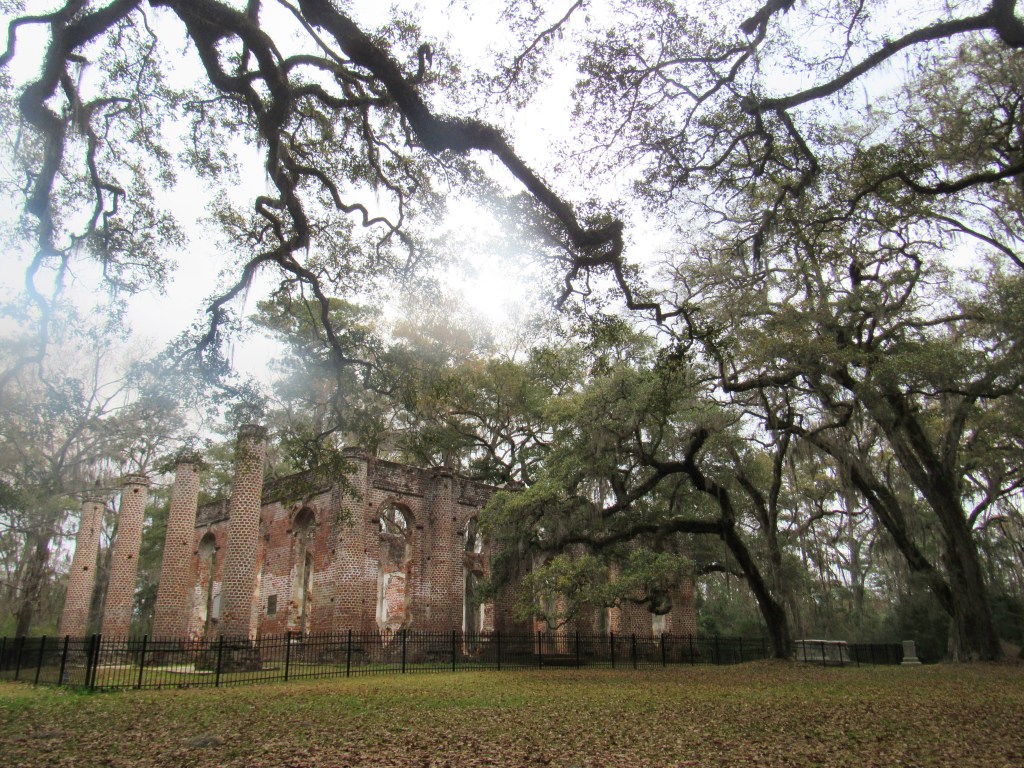
For those who wonder about the supernatural, the grounds of the Sheldon Church Ruins have long carried whispers of ghostly legends. One of the most well-known stories tells of a woman dressed in a simple brown dress—often described as having a Pilgrim-like appearance—seen standing quietly beside an infant’s grave. Visitors who pass near the child’s tombstone sometimes describe being overcome by an unexpected wave of sadness. According to local lore, the woman is believed to be Ann Bull Heyward, who is also buried in the churchyard. Over the years, others have reported strange happenings around the ruins—heavy footsteps echoing through the quiet grounds, unexplained flashes of light, and even sightings of a young girl in a white dress wandering the road outside the property. Some visitors have gone so far as to claim they felt unseen hands grab at them as they walked through the ruins. Whether these stories are true, imagination, or simply part of the mystery that surrounds such an old place, they only add to the haunting atmosphere that lingers among the towering columns and ancient graves.
Old Sheldon Church Rd, Yemassee, SC 29945


 Wander Woman
Leave a comment