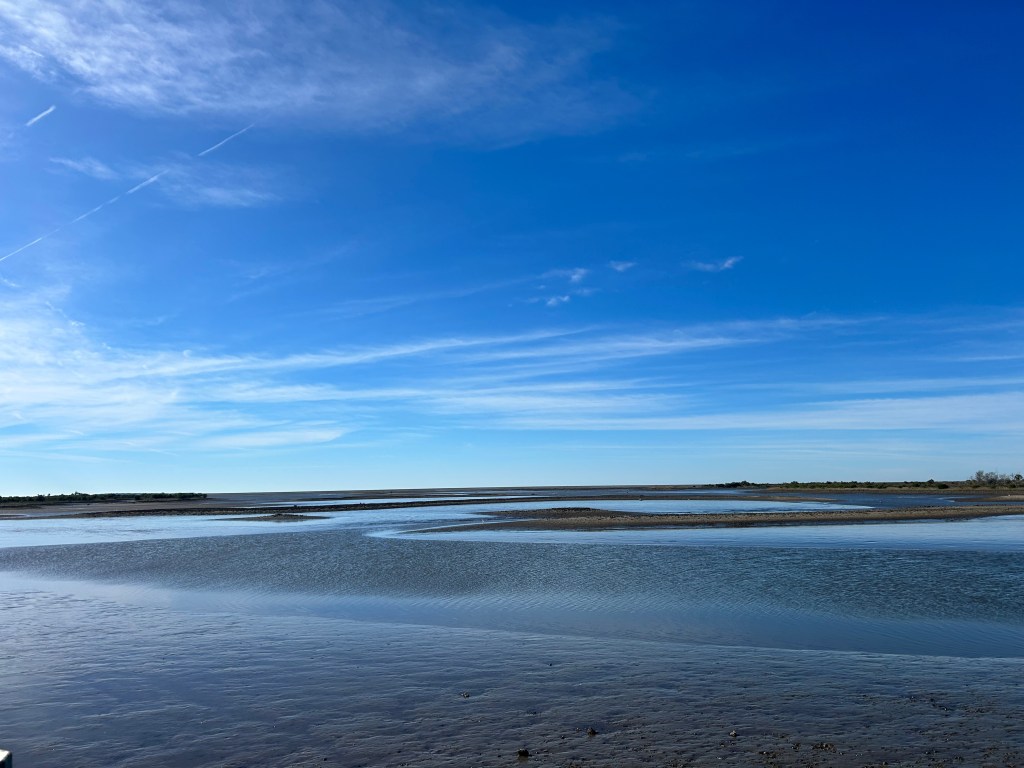
The road doesn’t just end at Shell Mound Campground—it exhales. Pavement gives way to ancient oaks draped in moss and crushed shells, cell service fades, and the noise of the world loosens its grip. This is the kind of place you don’t stumble upon by accident; you come here because you’re looking for quiet, for salt air that smells like old Florida, for nights where the loudest sound is the wind moving through the trees. Tucked along the edge of the Gulf near Cedar Key, Shell Mound feels less like a campground and more like a pause button—a reminder that sometimes the best destinations are the ones that ask nothing from you except to slow down.
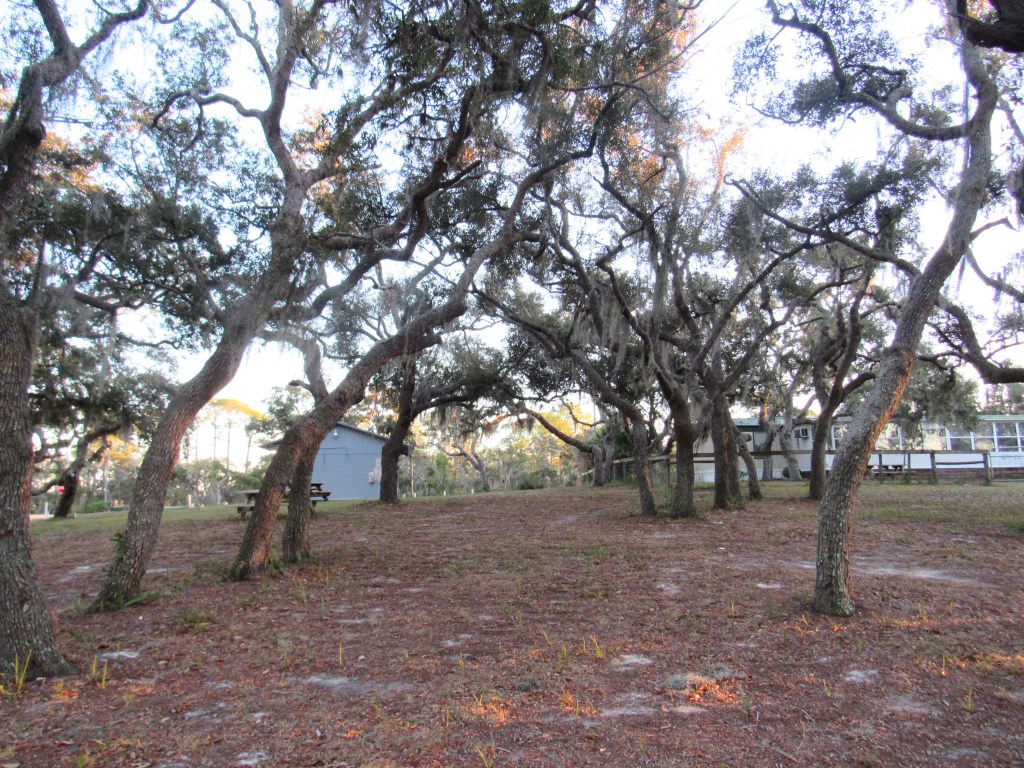
The Campground sits quietly within the Lower Suwannee and Cedar Keys National Wildlife Refuges, right where Levy County Road 326 finally meets the Gulf of Mexico. It’s an ideal destination for those craving remote camping and unhurried outdoor time. Near Cedar Key, Shell Mound offers a cozy, no-frills retreat with a relaxed, old-Florida feel—perfect for a spontaneous getaway.
The campground accommodates both tent and RV campers and provides essential amenities, including drinking water, electric hookups, and a dump station. Restrooms and showers are available on-site, and an on-site manager can assist with rentals. Reservations aren’t required or accepted. The campground operates on a cash-only basis, reinforcing the easygoing, unplugged nature of the place.
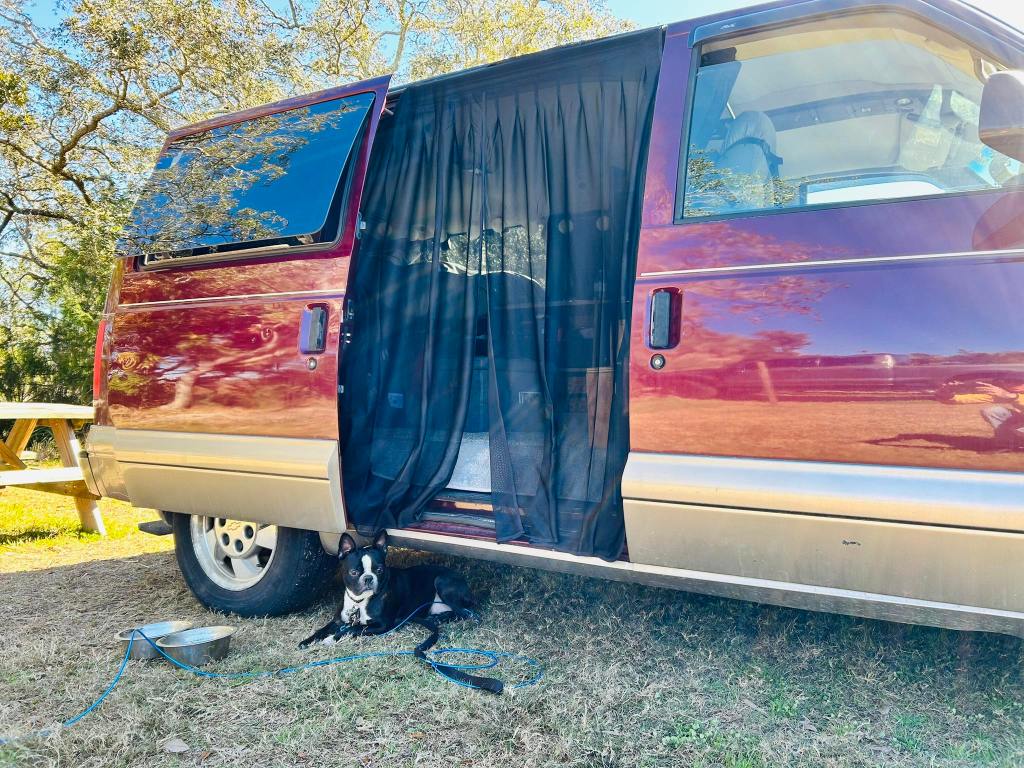
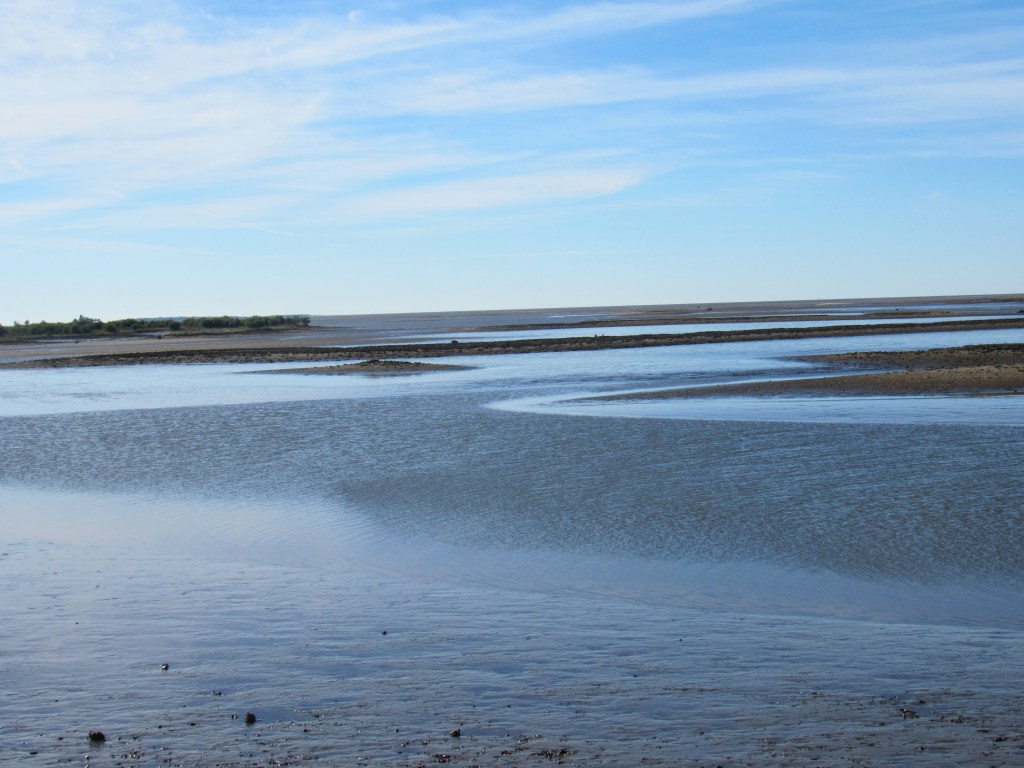
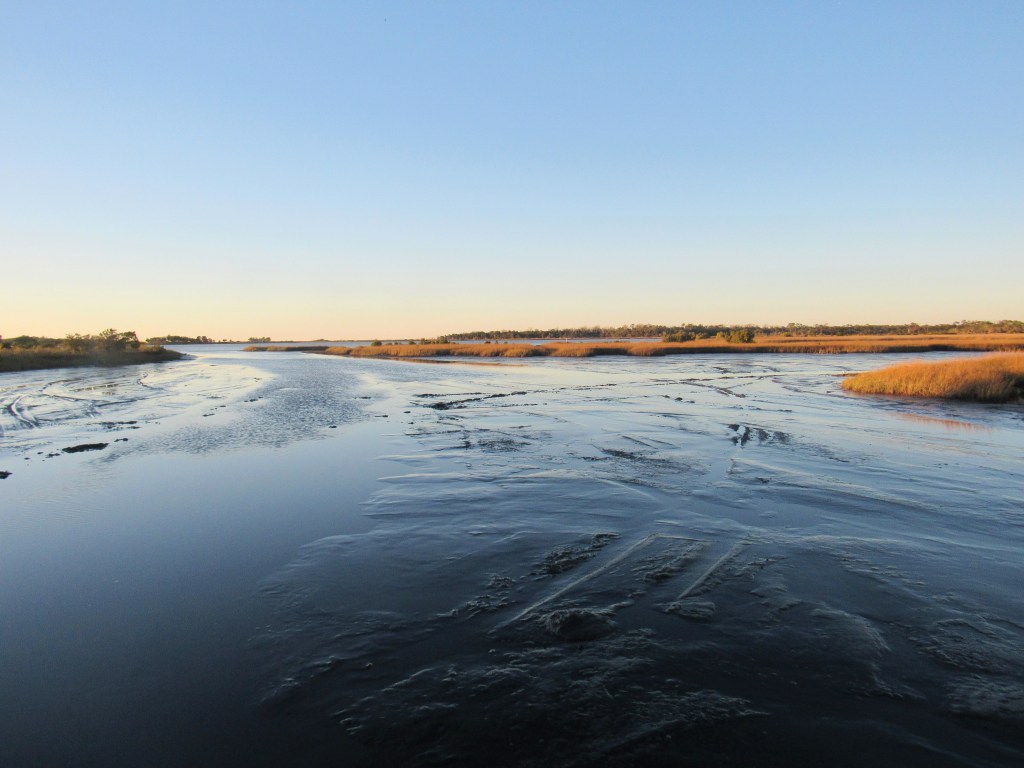
This was my first time camping at Shell Mound, and it didn’t take long to understand the appeal. Although the campground sits about 12 miles from downtown Cedar Key, the drive into town is easy—and once you’re back at camp, the views of the salt marsh and the Gulf of Mexico feel worlds away. Several of the campsites are right on the water, and I was lucky enough to snag one. Arriving on a Monday—on a holiday, no less—meant I caught the place in a rare, quiet moment, with most campers packing up and heading out shortly after I arrived.
Tucked inside the small campground is a public boat ramp, and it quickly became part of the daily rhythm of the place. From morning until around 3:00 p.m., fishermen came and went in their air boats, returning in the afternoon to clean their catch at the fish-cleaning station before heading home. When the station was quiet, shore birds and black vultures gathered nearby, squabbling for the highest perch atop the pole—an honor most often claimed by a stately egret. While many people might disagree, I find black vultures endlessly fascinating. They roosted in the tall trees behind my campsite, and more than once I caught the unmistakable feeling that I was being carefully observed.
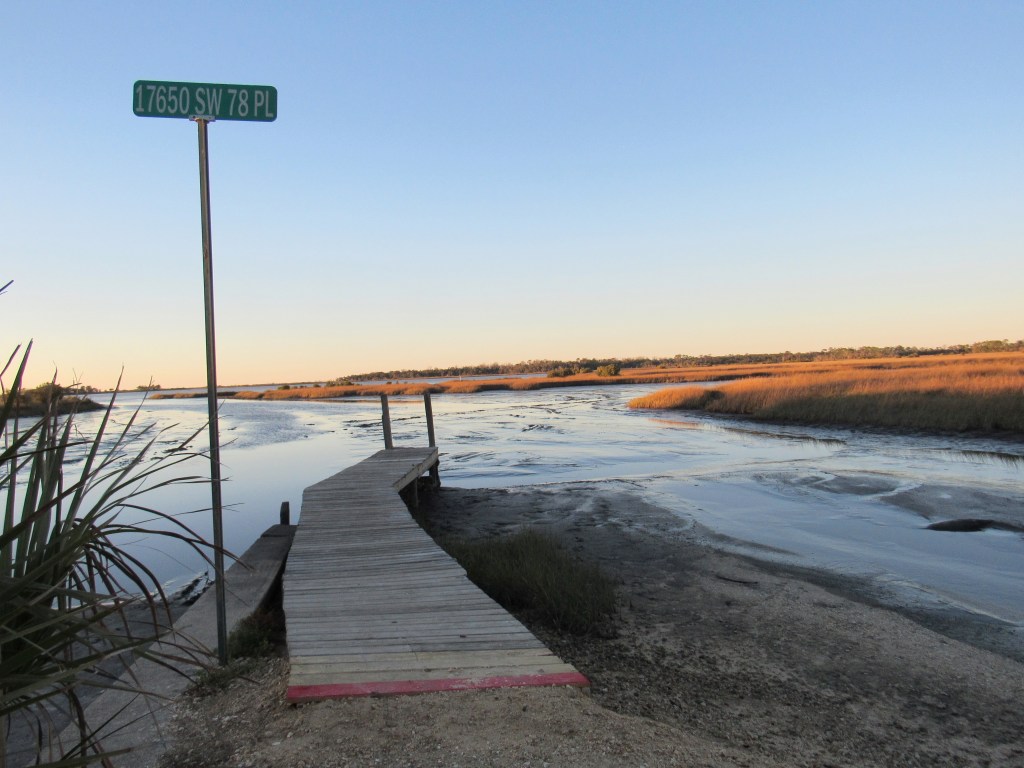
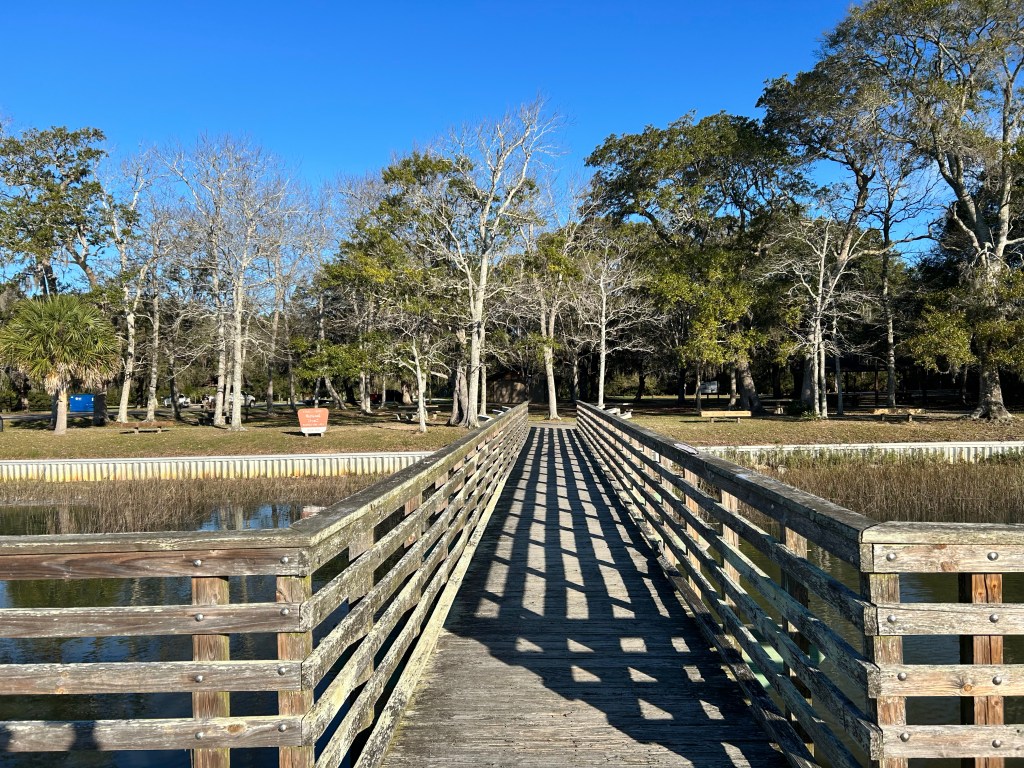
From the campground, a long, narrow sand spit stretches out into the marsh, inviting you to walk its length and feel completely immersed in the surrounding wetlands. Just down the road, through a shady hammock of oaks, there’s another launch ramp, along with a boardwalk that leads to a fishing and observation deck with sweeping views of Hog Island.
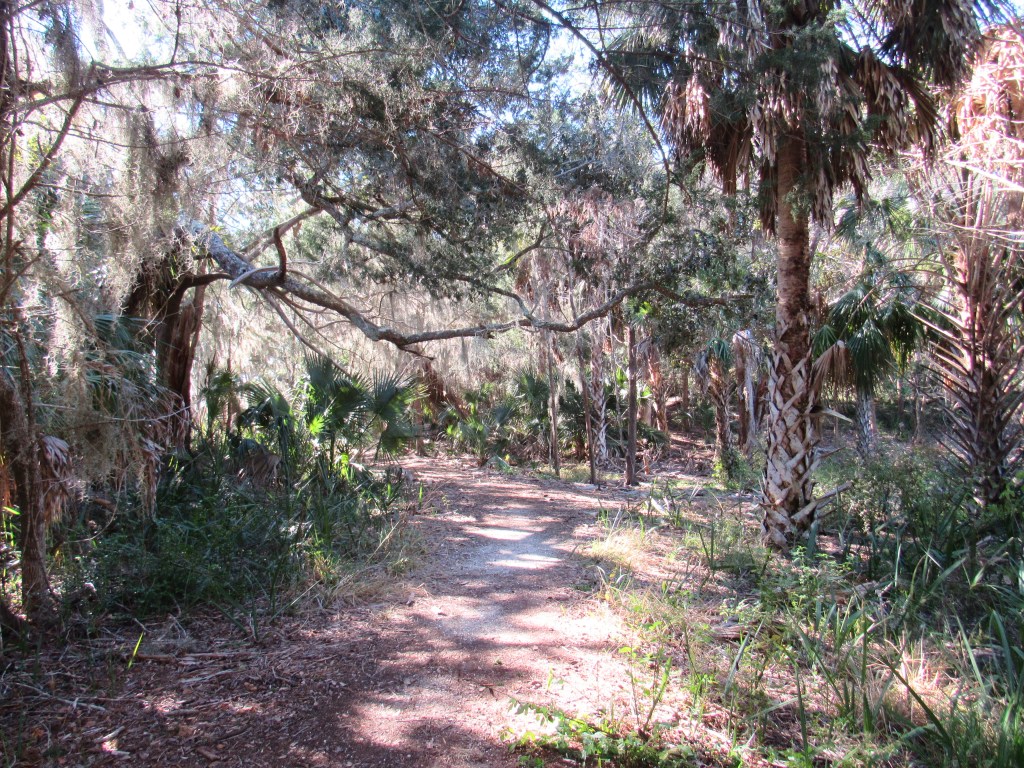
A short hiking trail runs from the entrance road to the observation deck area, where you’ll also find a couple of trailheads. I spent time hiking the Shell Mound trails, including the paths that lead to—and across—the ancient Calusa shell mound, an oyster midden left behind centuries ago. These trails are short, easy, and surprisingly fascinating, offering a quiet glimpse into the area’s deep history.
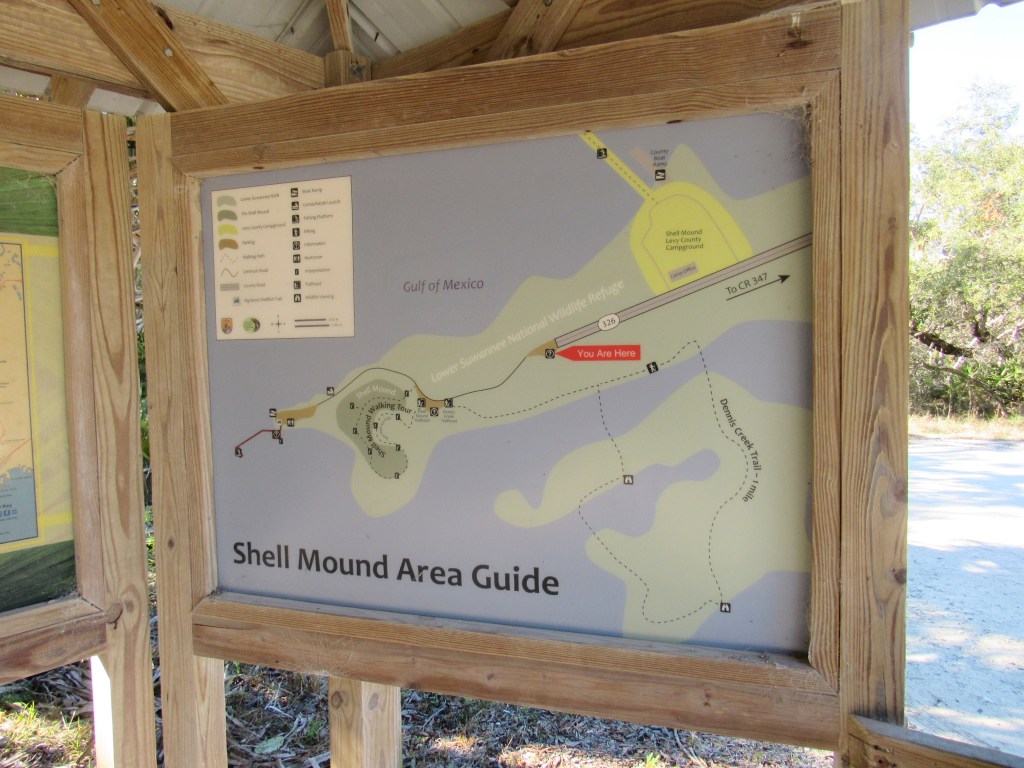
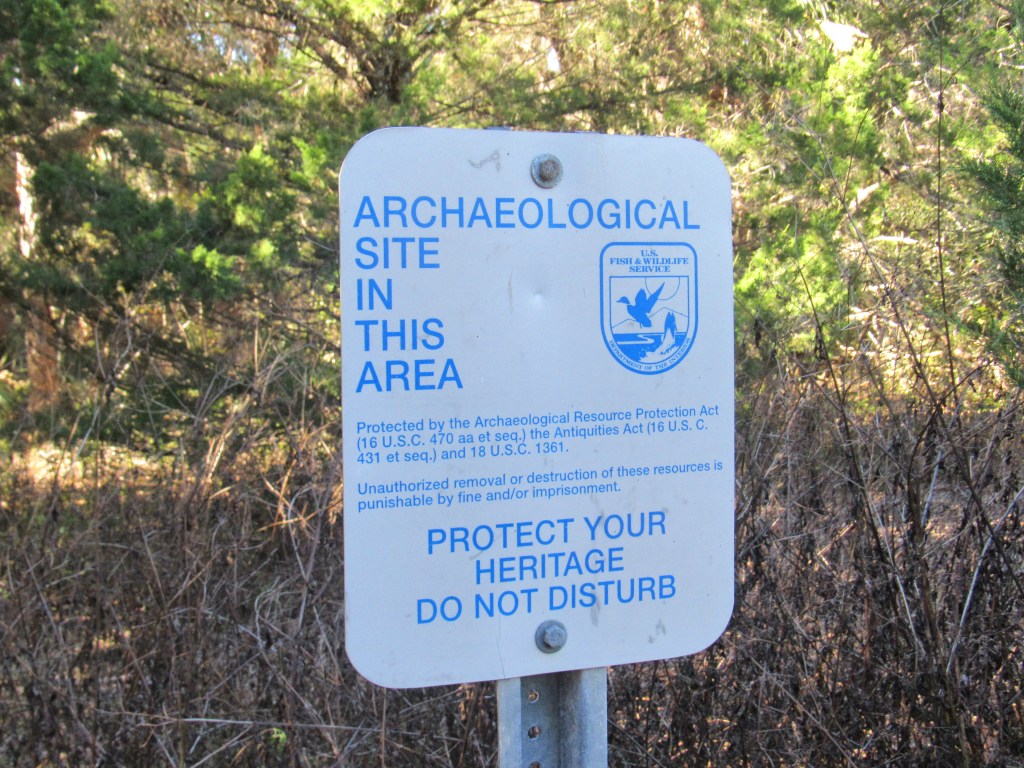
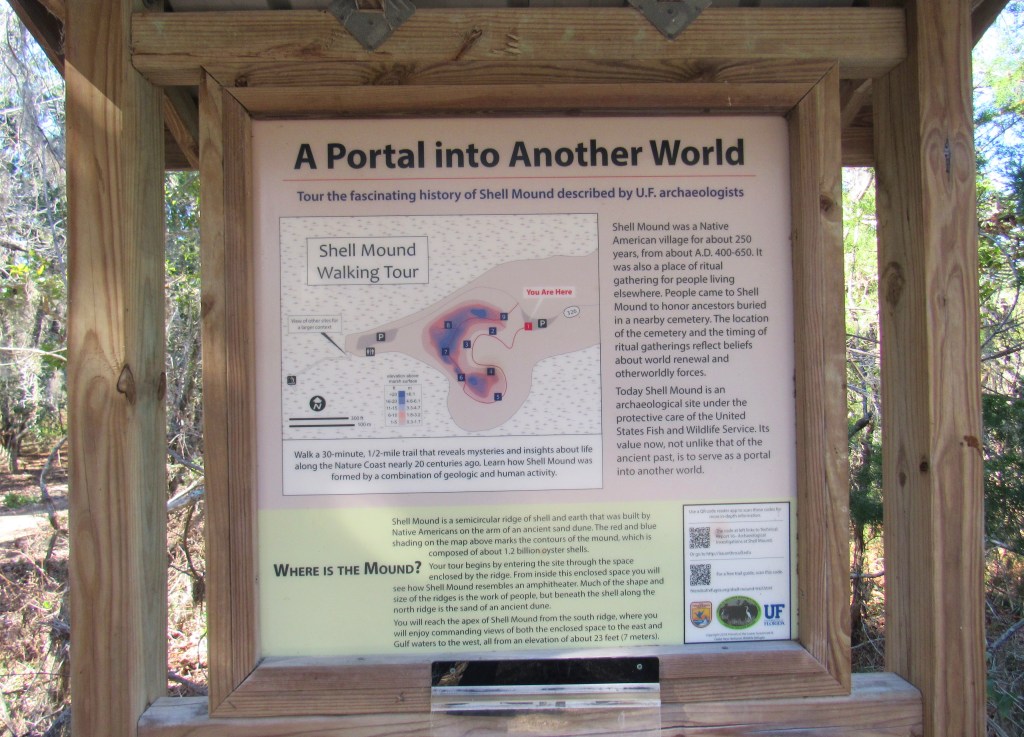
More than 2,000 years ago, the ancient Calusa people shaped this coastline by building massive shell mounds, including those found in the Cedar Key area. Using shell middens—discarded shells, bones, and pottery—they created ceremonial centers, homes, and even large fish-holding “watercourts,” reflecting a highly complex society deeply attuned to the coastal environment. While Mound Key is the most well-known Calusa capital, Cedar Key is home to its own significant site: Shell Mound (8LV42), a semicircular ridge believed to have been used for feasts and cultural gatherings and now accessible through the Lower Suwannee National Wildlife Refuge. These enduring structures offer a glimpse into a sophisticated, non-agricultural culture that thrived by carefully managing marine resources and transforming the landscape itself into a living, functional space.
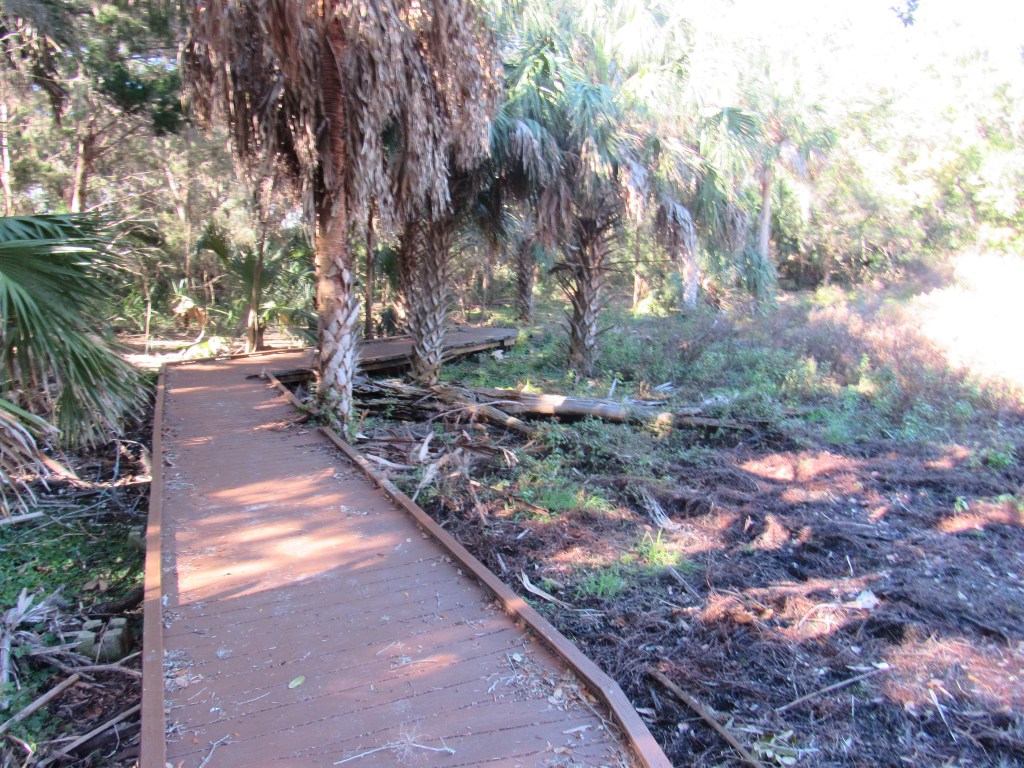
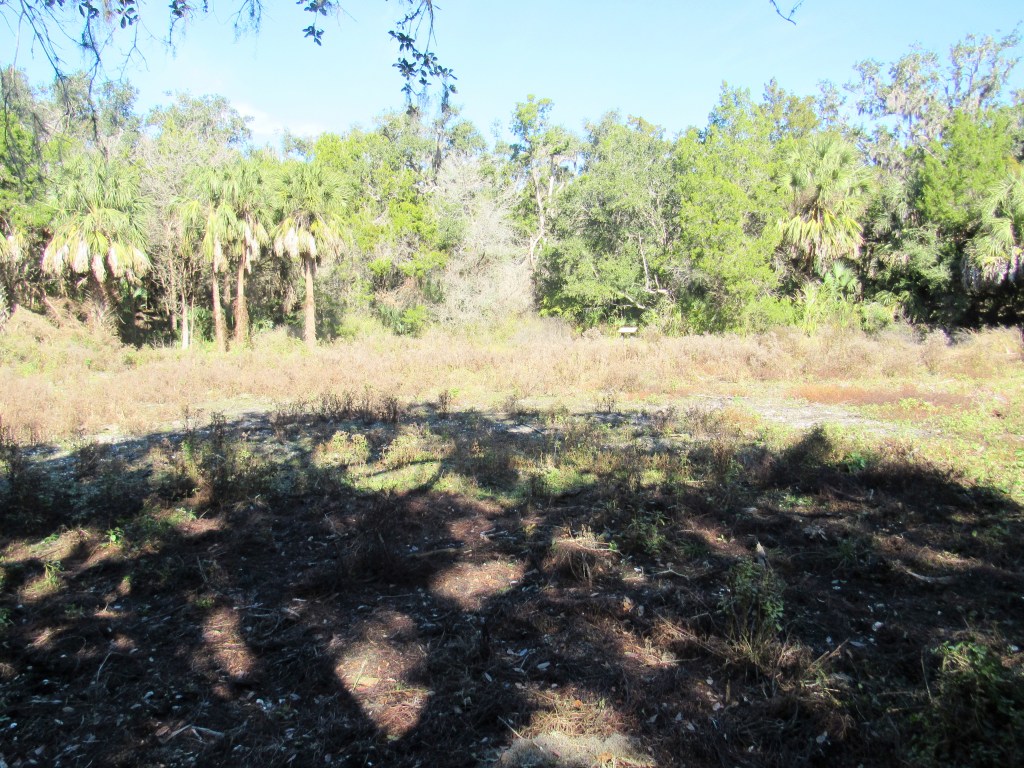
Protected within the Wildlife Refuge and safeguarded by antiquities laws, Shell Mound is a rare survivor of Florida’s past, largely untouched by the mining that destroyed so many similar sites. Because of this, the mound remains much as it was centuries ago, offering a tangible connection to an ancient history that has been erased elsewhere. Access to the mound is limited to foot traffic, with an easy half-mile round-trip trail featuring interpretive signs along the way. For those looking to stretch their hike a bit longer, the nearby Dennis Creek Trail offers a one-mile option through the surrounding landscape.
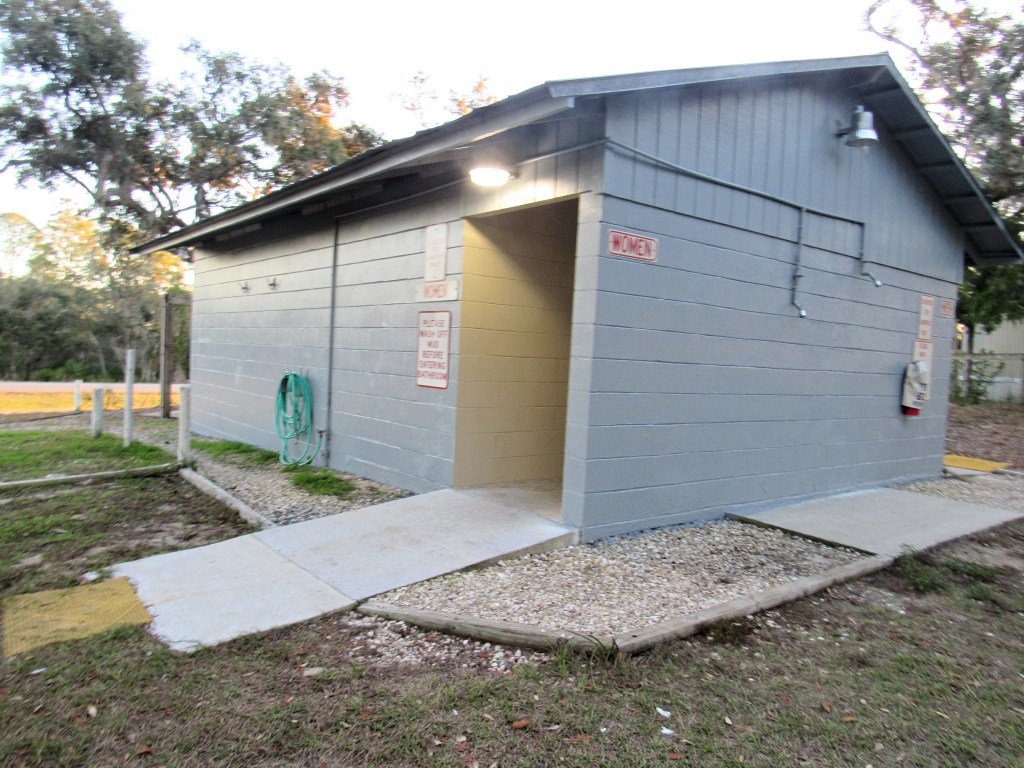
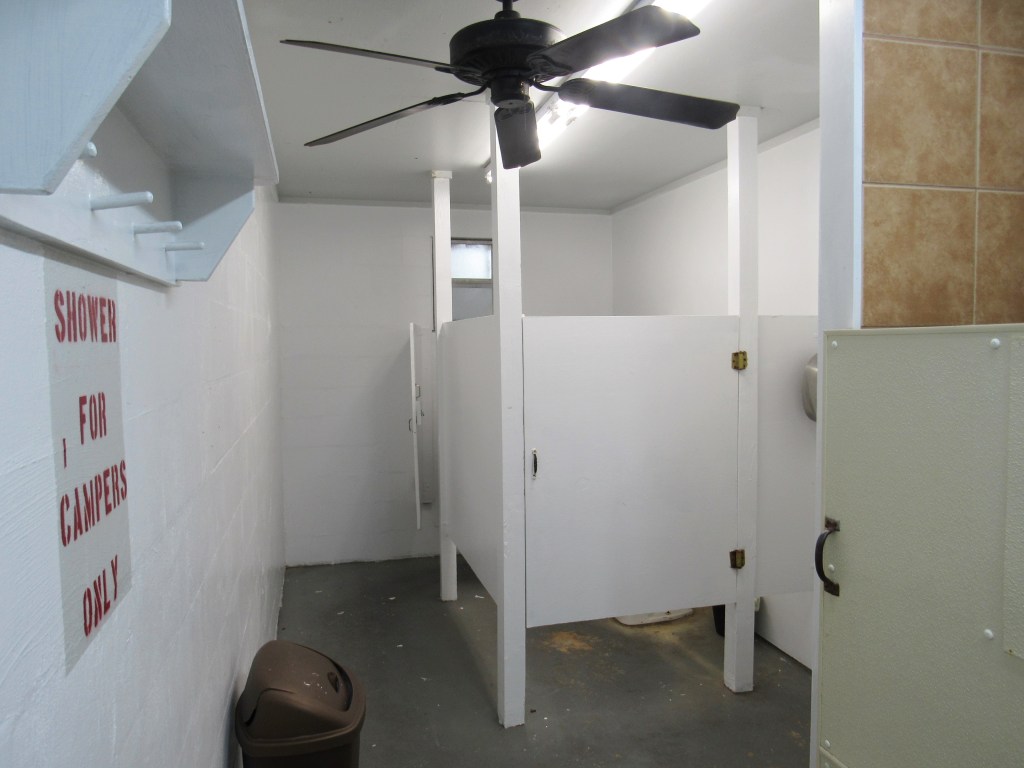
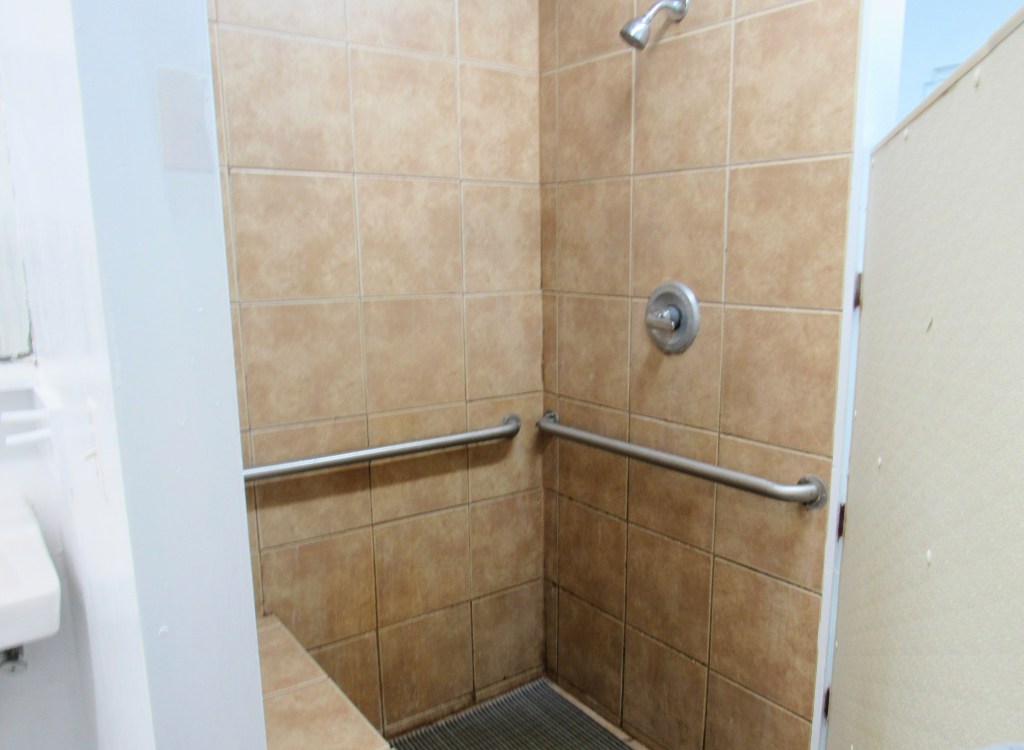
Overall, Shell Mound has a welcoming, easygoing vibe, with clean, well-maintained facilities. The bathrooms are surprisingly nice, complete with hot showers—a welcome luxury after a full day outdoors. Picnic tables and fire rings at each site make it simple to enjoy relaxed meals and unhurried evenings by the fire. As night settled in, I wandered through the campground, listening to the sounds of the dark as tree frogs sang in chorus, providing a steady, soothing soundtrack to the evening.
For outdoor lovers, the area offers excellent fishing, paired with stunning sunsets and a calm, unspoiled setting. During my stay, the weather leaned toward the cooler side, and I had no issues with bugs or pests—an added bonus.
Shell Mound Campground is just a short drive from Cedar Key, making it easy to pop into town for local dining and attractions. Whether you’re hoping to slow down and unwind or spend your days out on the water, Shell Mound has a quiet, welcoming charm that draws campers back year after year.
Pros:
- Affordable: Sites with electricity-only are just $20 per night. Prices vary depending on hookups—none, electric only, or water and electric. Military and retired military discounts are available. Additional fees may apply for extra vehicles, tents, or large groups.
- Beautiful Setting: Nestled within the Lower Suwannee and Cedar Keys refuges, the campground offers peaceful, scenic surroundings.
- Intimate Size: With only 22 sites, the campground feels cozy and manageable. Most sites are medium in size.
- Clean Bathrooms: While the facilities are older and the single shower lacks a separate changing area, the hot water is reliable—a welcome perk, especially for anglers returning from a long day.
- Quiet Atmosphere: Campers tend to be respectful and subdued, and parties are strongly discouraged.
- Family-Friendly: A shady playground makes it easy for kids to play.
- Helpful Staff: The on-site manager is friendly and accommodating.
Cons:
- Sloped Sites: Nearly all campsites have some incline, which may require leveling.
- Unpaved Pads: The lack of paved parking can be tricky for larger RVs, particularly in wet conditions.
- Limited for Large RVs: Class-A RVs or long trailers will find few suitable sites.
- Minimal Privacy: While most sites are reasonably sized, there’s little separation from neighbors.
- Air boat Noise: Daily air boat activity can be loud, especially near the boat ramp—a major drawback for some campers, though tolerable for others.
- Cash Only: Payments must be made in cash.
- No Reservations: Sites are first-come, first-served. While this can be inconvenient, some may appreciate the spontaneous, walk-in style of camping.
For a county-run campground, Shell Mound is impressively well-managed, and I will definitely be returning.
While Shell Mound Park & Campground doesn’t have a website, the campground is staffed daily, so you can easily reach someone by phone with any questions. Here’s the contact information and address:
Shell Mound County Park
17650 SW 78th Place
Cedar Key, FL 32625
Phone: 352-221-4466
 Wander Woman