
I hiked to the site of the last known village of the Susquehannock Indians, now part of the Native Lands York County Park. Nestled near Wrightsville, Pennsylvania, this area is where history and nature come together. The village site sits atop a hill behind the Zimmerman Center for Heritage (formerly the Dritt Mansion) at Long Level. Officially listed on the National Register of Historic Places as the Byrd Leibhart site, it has been recognized by the National Park Service as eligible for National Historic Landmark status—one of the highest honors for a historic site in the U.S. Though the area feels peaceful today, it was once the setting of significant conflict, including struggles for control between the Susquehannock and the Seneca.
For Native peoples, sacred sites and traditional cultural properties are vital to preserving their culture, community, and tribal sovereignty. These important places often exist within today’s national park landscapes. A strong sense of place helps all people connect with their history, identity, and relationship to the natural world. For tribal communities, land is more than just physical space—it is a core part of cultural identity. Many tribes trace their origins to a specific geographic location, such as a river, mountain, or valley. These places hold deep spiritual and historical meaning, shaping their worldview, customs, and traditions.
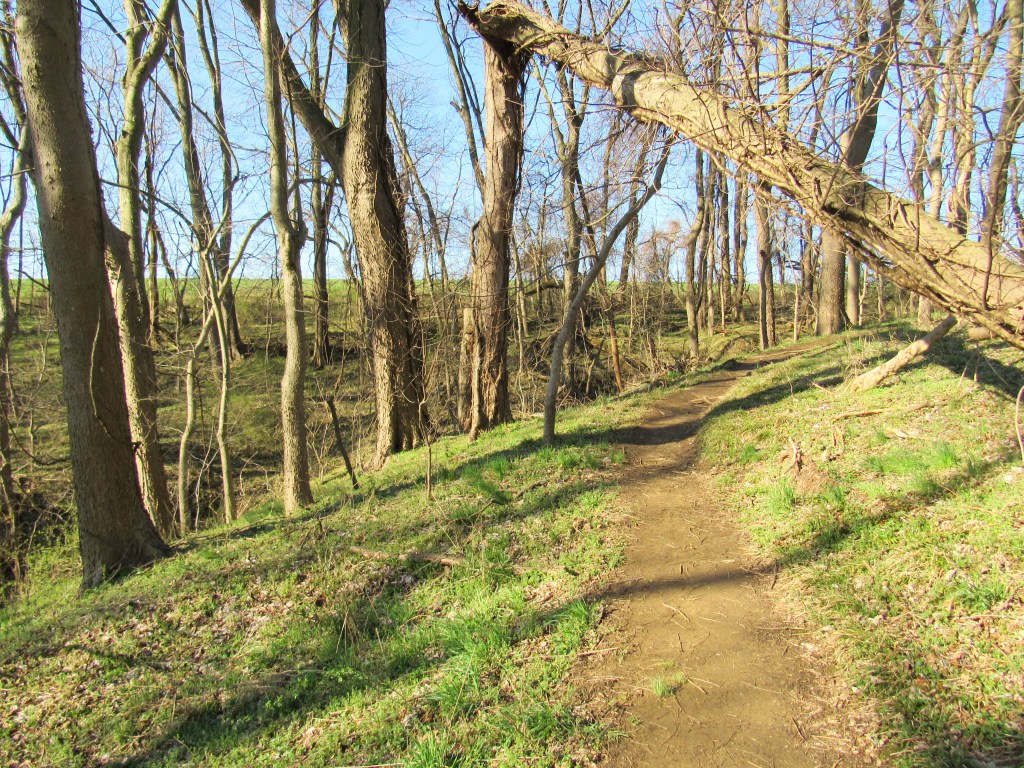
The Native Lands Heritage Trail is a peaceful, lightly traveled, 2-mile out-and-back trail that follows a section of the historic Mason-Dixon Line. Winding through woodlands and open meadows, the trail offers a self-guided journey into the past, complete with sweeping views of the Susquehanna River. The trail is part of a 187-acre property, with 160.5 acres designated as parkland. A 6-foot-wide mowed path runs north to south, providing access from three different trailheads. Along the way, hikers will encounter remnants of an 1800s farmstead, a family cemetery with graves dating back to 1824, and eventually reach Kline’s Run Park.
Visitors can access Native Lands County Park by parking at the Zimmerman Center for Heritage, where one of the trailheads is located. This historic riverfront home, dating back to the mid-18th century, was restored and renovated in the late 1990s by John and Kathryn Zimmerman. In 2007, the Zimmermans generously donated the property to Susquehanna Heritage. It was then opened to the public and dedicated as The John and Kathryn Zimmerman Center for Heritage, honoring their lasting impact on the region. The surrounding Native Lands Park was established in 2008 after York County purchased the land.
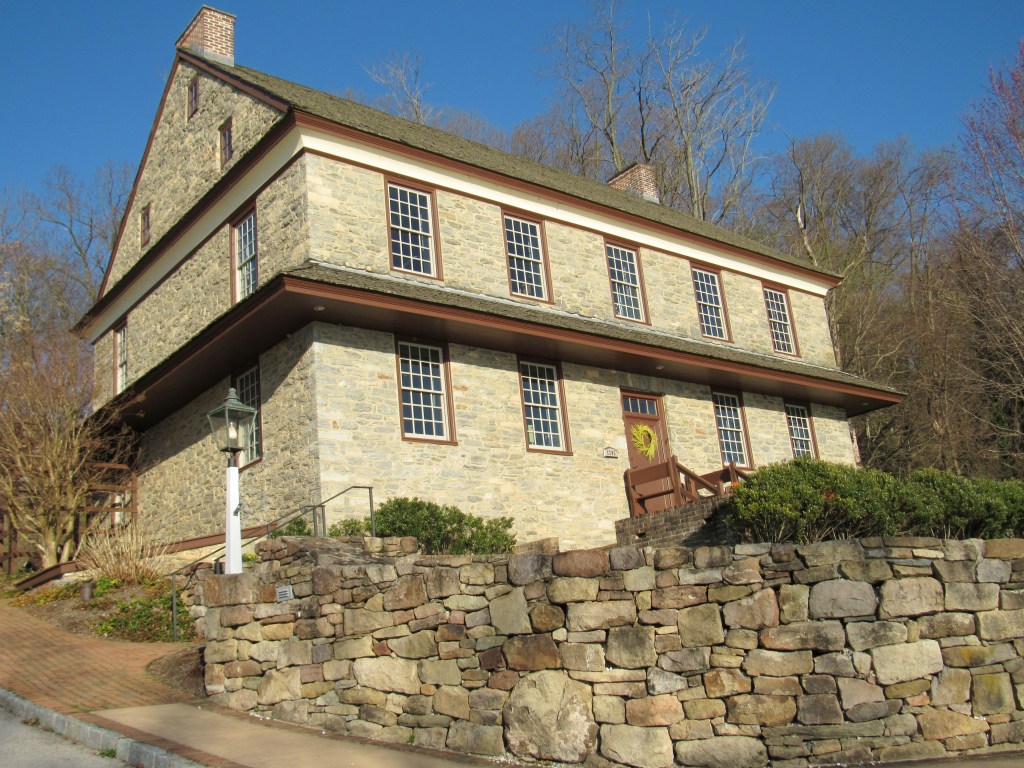
The center now serves as the headquarters of Susquehanna Heritage and is Pennsylvania’s official Visitor Contact and Passport Station for the Captain John Smith Chesapeake National Historic Trail, a unit of the National Park System. Here, visitors can get their National Park Passport stamped and explore exhibits featuring Susquehannock Indian artifacts, regional river art, and more before heading out on the trail.
The Zimmerman Center was once home to the Tritt family, who emigrated from Switzerland in 1739 and settled in the area around 1750 after living in Lancaster County. Johann (Jacob) Tritt, born in 1746, later adopted the name “Dritt” and married Elizabeth Boyer. When the Revolutionary War broke out, Jacob served as a captain in the local militia, endured two years as a British prisoner, and eventually became a Major General in Pennsylvania’s militia. He led a varied life as a farmer, miller, sawyer, wine merchant, and ferry operator, and he also laid out the original lots for the village of Washington Boro.
In 1783, Jacob purchased the stone house known as the “Dritt Mansion” along with the surrounding property, “Pleasant Garden.” The land had originally been settled in 1729 by Thomas Cresap of Maryland, who also ran a ferry at the site. Cresap was arrested and driven off the land in 1736 during the violent boundary dispute known as “Cresap’s War.” That conflict wasn’t officially resolved until 1784, with the establishment of the Mason-Dixon Line.
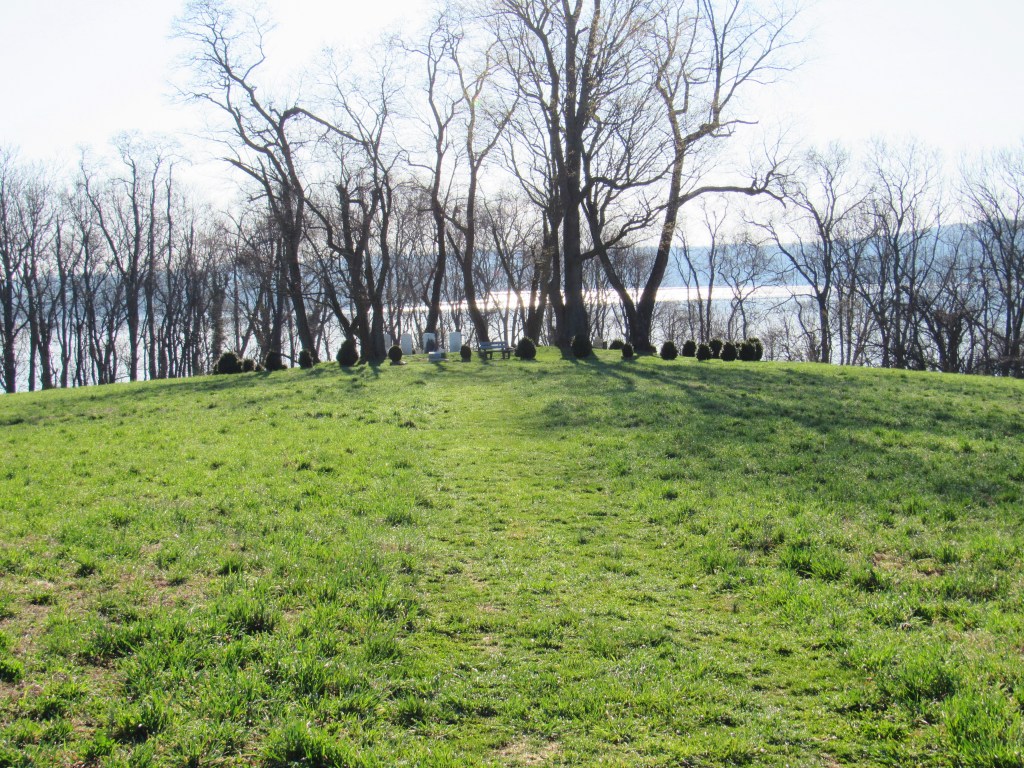
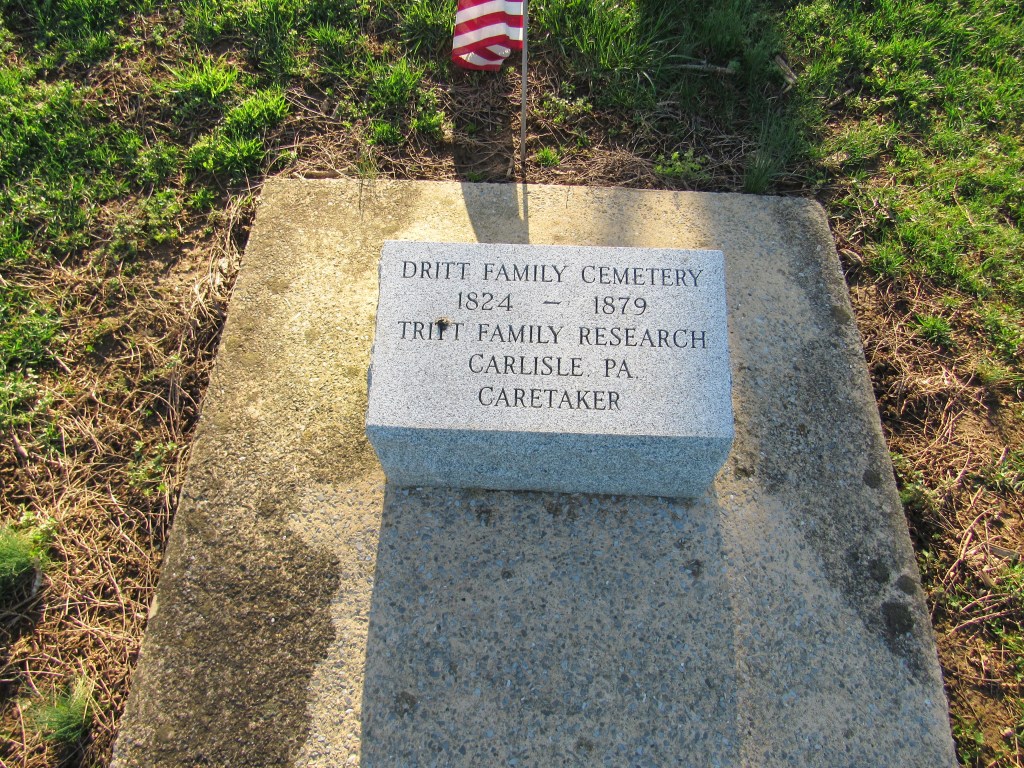
After Jacob drowned in the Susquehanna River in 1817, his daughter Margaret (Dritt) Bonham purchased the family home, which remained in the family until 1851. The Dritt Family Cemetery, located on a hill behind the mansion and overlooking the river, contains graves dating from 1824 to 1879. While Jacob Dritt himself is not buried there, his wife and several descendants are laid to rest in the cemetery.

In the sixteenth century and into the early years of European colonization, the Susquehannock were the most populous people living in what is now the Susquehanna Valley. Archaeological and historical evidence suggests they had inhabited these lands for thousands of years. Fiercely independent, the Susquehannock were not aligned with any confederacy throughout the 1600s. The Susquehannock people, also called the Conestoga by English settlers, were Iroquoian-speaking Native Americans who lived in areas adjacent to the Susquehanna River. The name Susquehannock is thought to have been an Algonquin word meaning the “people of the Muddy River.” These people were not Algonquian, so their original name for themselves remains unknown. “Susquehannock” was not a universally accepted name at the time. The neighboring Lenape referred to them as “Minquas,” meaning “treacherous”—a label reflecting the frequent raids the Susquehannock conducted against the Lenape during the 17th century.
The Susquehannock were made up of as many as 20 smaller tribes, living in fortified villages along the Susquehanna River. They were often described as noble, bold, warlike, and expansionist. Long before the arrival of Europeans, they maintained a fierce rivalry with the Iroquois Confederacy and are also believed to have clashed with the Mahican people of the central Hudson Valley.
Their first European contact was in 1608 when Captain John Smith, from Jamestown, Virginia, was exploring the northern end of Chesapeake Bay. The initial encounter was cordial, but Smith remained cautious, having heard of the Susquehannock’s fierce reputation. He was particularly struck by their stature, deep voices, and the wide array of weapons they carried. Smith described them as giants—taller than most Europeans, with some standing around six feet or more, tall enough to leave a strong impression on him and his companions.
The Susquehannocks lived in large, longhouses measuring roughly 20 by 90 feet. These were built by driving two rows of parallel poles into the ground and bending them inward to create a roof. Each longhouse could shelter about five families, and around ten houses could fit comfortably on an acre of land. These clusters of homes were enclosed by tightly spaced poles driven into the ground, forming a sturdy palisade to protect against enemies.
The Susquehannocks typically stayed in one location for about 15 to 25 years before moving on. Over time, the soil would become depleted from farming, and nearby trees used for fuel would grow scarce as they were harvested. Additionally, the longhouses themselves would start to wear out and reach the end of their useful life.
Around 1665, after residing at several locations along the eastern Susquehanna, a group of roughly 1,200 Susquehannocks left their fort—known as the Strickler site—near Washington Boro, where they had lived for about two decades. They then moved across the river to what is now called the Upper (Oscar) Leibhart site, where they built longhouses within a palisade atop a hill. By this time, the Native population in the region had been declining due to disease and conflicts with other tribes over control of the fur trade with Europeans. It’s estimated that fewer than 1,000 people remained at this site when they were eventually driven out by the Seneca around 1675.
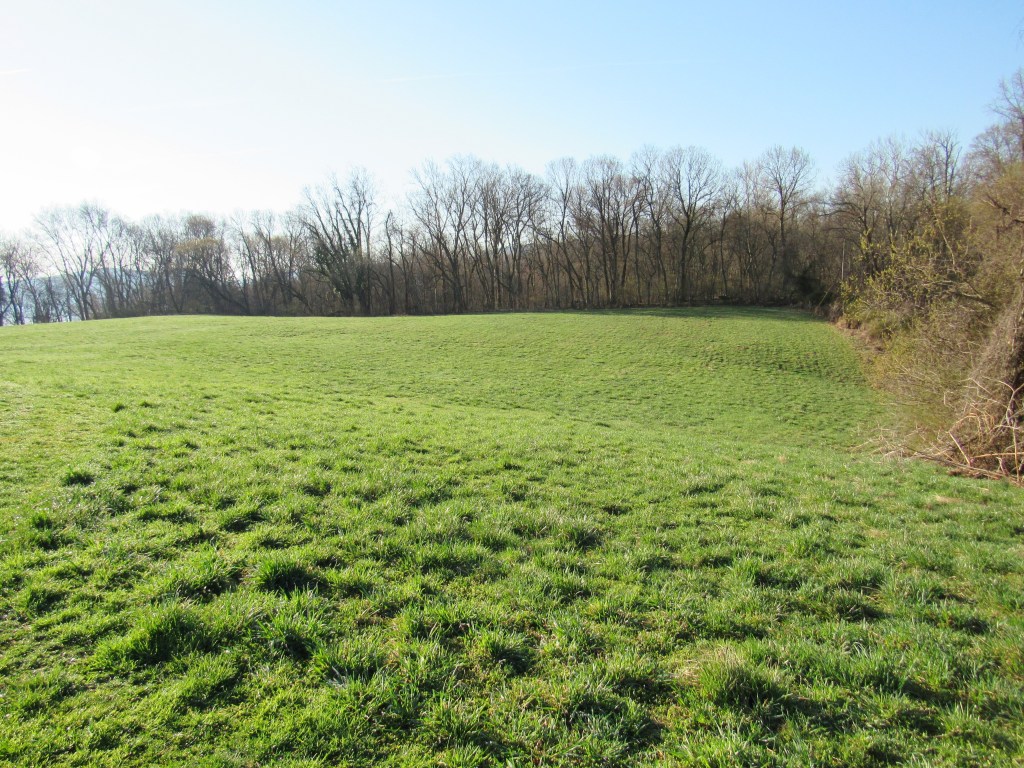
By late 1676, many Susquehannocks returned to the Long Level area and built a new fort just south of their previous settlement, now known as the Lower or Byrd Leibhart site. Like before, this was a palisaded village of longhouses, which at its peak was home to as many as 900 people. It is believed that around 1680, the Seneca drove the last of the Susquehannock southward into Maryland, leading to the abandonment of the site.
This site illustrates the profound changes Native life underwent in the mere seventy years following European contact. In that short span, the Indigenous peoples of the region shifted from self-sufficient communities to being deeply entangled in the affairs of the new settlers. Several years after being displaced, they returned to their ancestral lands in what is now Lancaster County, where they came to be known as the Conestoga Indians.
By 1700, the Susquehannock population had dwindled to just 300 individuals, and their numbers continued to decline rapidly. In 1763, the final blow came when the remaining 20 Susquehannock were brutally massacred by the Paxton Boys in Lancaster. Yet, their legacy lives on—known descendants still exist today among the Iroquois and Lenape peoples.
In 1731, fifty years after the Susquehannock had left the area, a Marylander named Stephen Onion was granted a patent for 600 acres surrounding the site. He named it “Canhodah,” using the Iroquois word for “town.” Over the next two hundred years, the land evolved into a classic Pennsylvania farmstead.
From the 1930s to the 1960s, the Leibhart family cultivated much of the land that now makes up the park, growing apples, corn, cantaloupes, berries, asparagus, and hay. Traces of their once-thriving farm—orchards, fields, and the remains of various buildings—can still be found tucked into the landscape today.
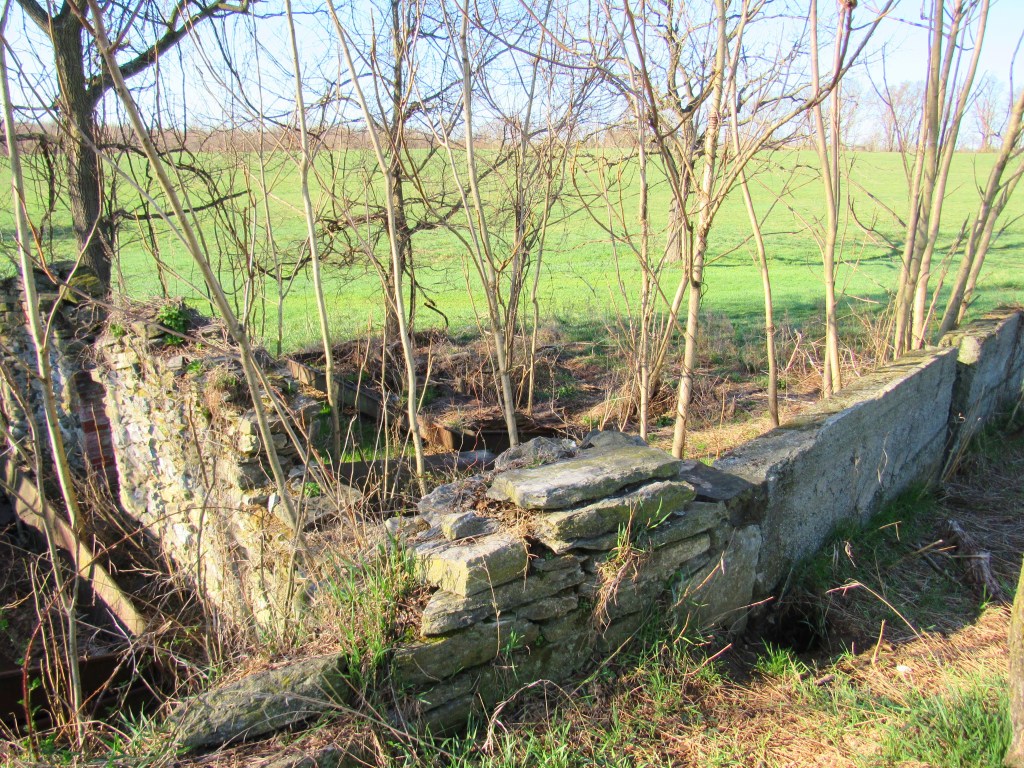
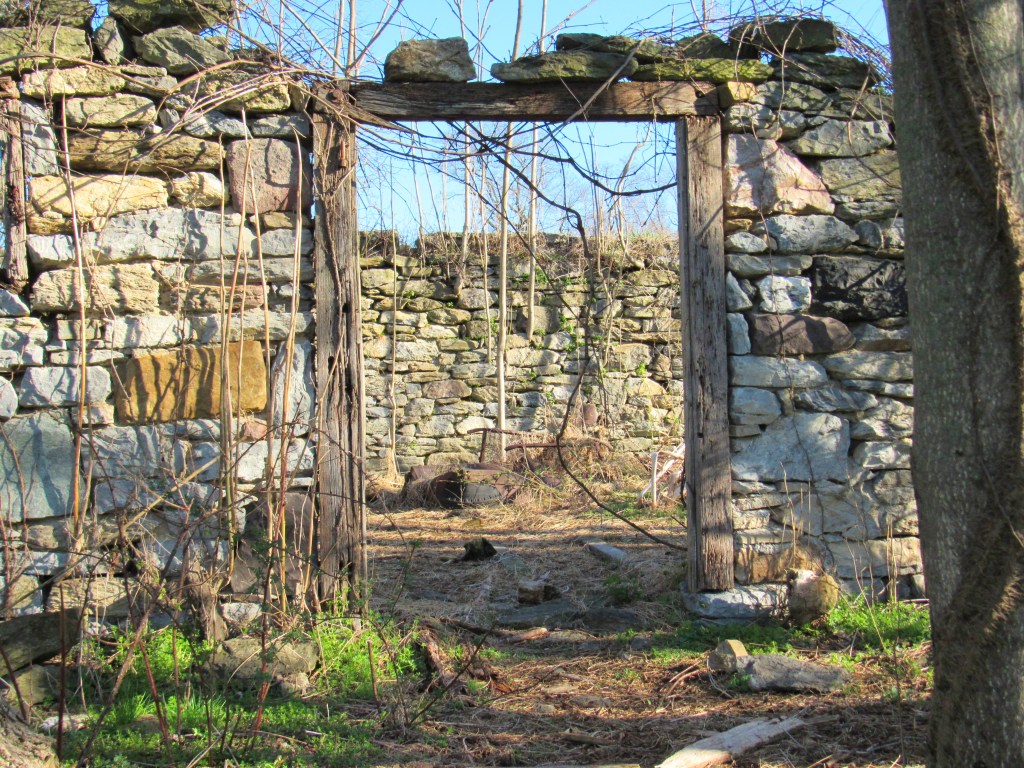
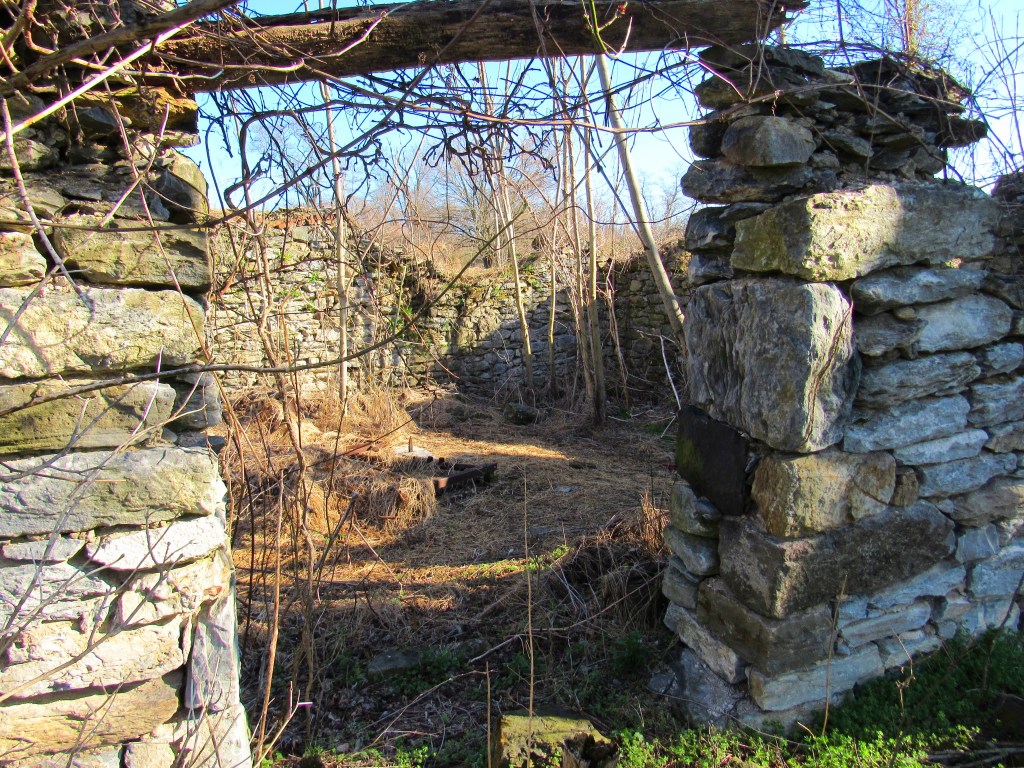
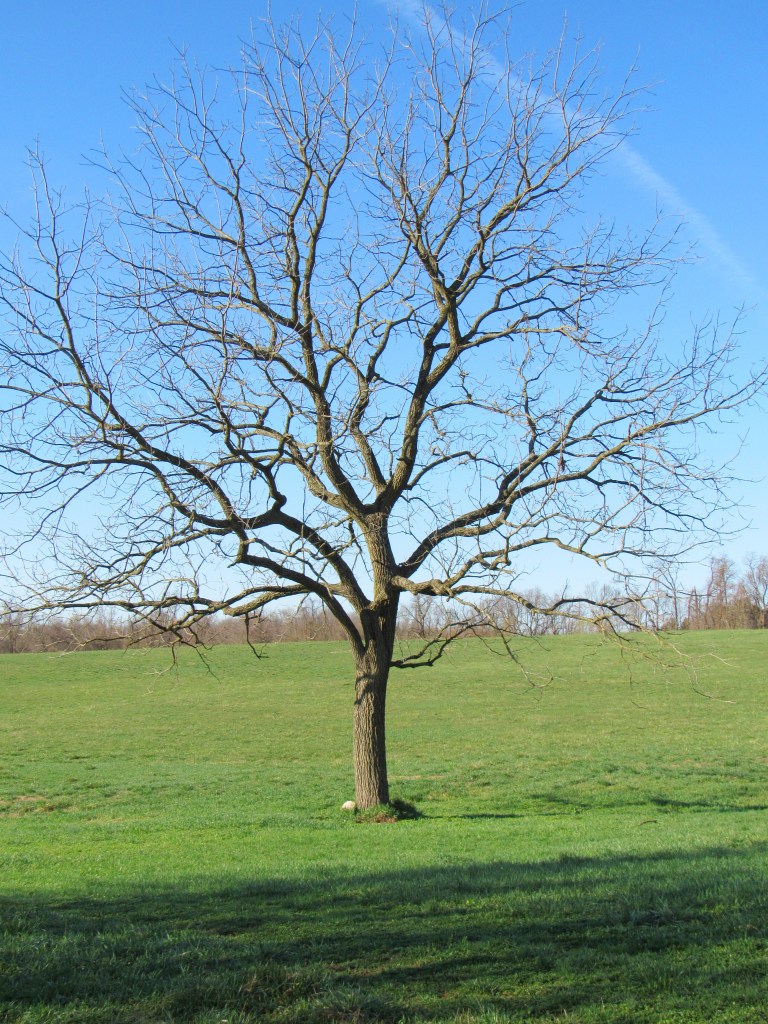
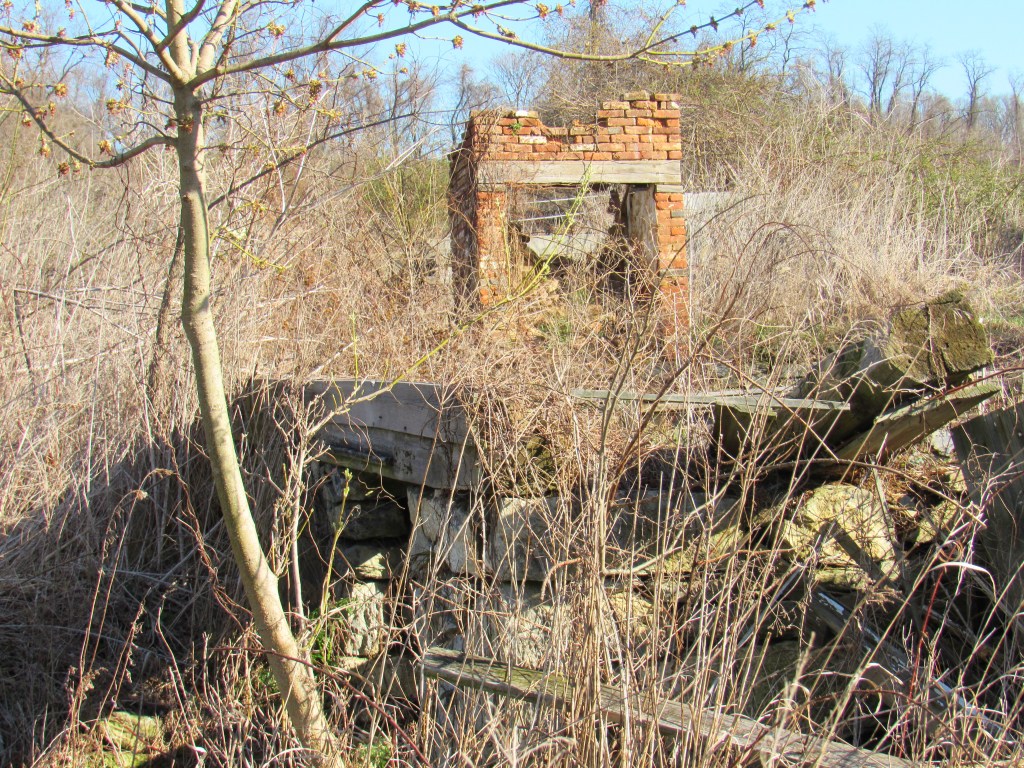
The remnants of the 1800s-era farmstead lie just beyond the fence line to the southwest, serving as the most prominent reminder of the land’s deep agricultural roots. A nearby spring—an enduring source of life—has drawn people to this spot for centuries. The farming legacy of this land likely stretches back over 500 years, beginning with the Susquehannock and the Shenks Ferry people before them. Even today, patches of pawpaw trees—native and once cultivated for their fruit—continue to grow here.

The grounds of the Zimmerman Center are open daily from dawn to dusk. The house and galleries welcome visitors from 10 a.m. to 4 p.m., Tuesday through Sunday. On weekends, guided tours of the historic home are available throughout the day.
Open Year-Round
Tuesday through Sunday
10 a.m. to 4 p.m.
(Closed on major holidays)
1706 Long Level Rd, Wrightsville, PA 17368

 Wander Woman