
It’s been a little while since I’ve shared a new hiking blog. After being diagnosed with a chronic illness that causes widespread pain, getting out on the trails hasn’t been as easy as it used to be. Over time, I’ve been learning to navigate my new physical limits—figuring out what my body can handle and what it still needs to work toward.
Lately, I’ve been searching for a trail that’s gentle enough to support my healing, but still offers a chance to rebuild strength. Lake Grubb Nature Park was just what I needed. The 1.3-mile loop wraps around the lake with a few mild inclines, but nothing too demanding. It’s the kind of trail that helps me reconnect with the outdoors without pushing too hard.
I know it’ll take time, effort, and patience to regain the strength I once had—but this is a good place to start.
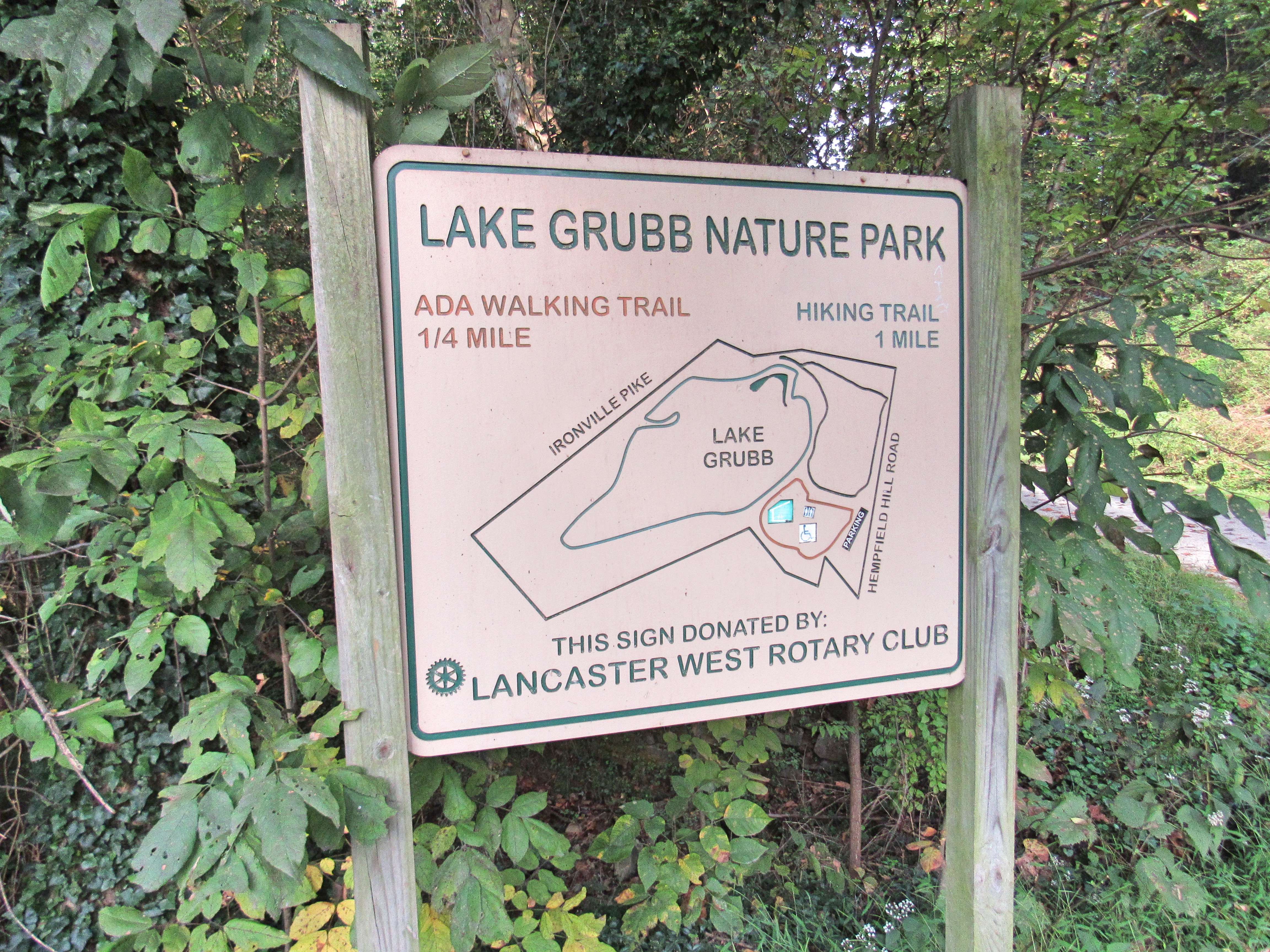
I chose Lake Grubb not only for its nature, but because it has a bit of history as well. Nestled in West Hempfield Township between Ironville Pike and Hempfield Hill Road is Lake Grubb Nature Park. At one time a thriving iron ore mill (hence the nearby village of Ironville), which eventually struck water and filled to form Lake Grubb.
The Grubb Family Iron Dynasty was a succession of iron manufacturing enterprises owned and operated by Grubb family members for more than 165 years. Collectively, they were Pennsylvania’s leading iron manufacturer between 1840 and 1870.
The area historically known as Chestnut Hill was once owned by the descendants of Peter Grubb, the founder of the still-standing Cornwall Furnace in Lebanon County, established in 1742. In 1851, the Chestnut Hill Iron Ore Company was incorporated and operated here until 1907. During its peak, thousands of tons of iron ore were extracted from this site and transported to nearby anthracite furnaces, primarily located along the Susquehanna River between Marietta and Columbia, Pennsylvania. Over time, the discovery of higher-grade ore in other regions and the development of more efficient technologies led to the gradual closure of this and many other Pennsylvania mining sites.
The several ore properties at Chestnut Hill, which adjoin each other, were, when taken as a whole, one of the largest hematite ore deposits in Pennsylvania. Iron ore was first discovered on the Greider Farm by engineer Simeon Guilford sometime between 1825 and 1832. For many years afterward, the mines on this land served as the primary source of ore for the furnaces in and around Columbia and Chickies.
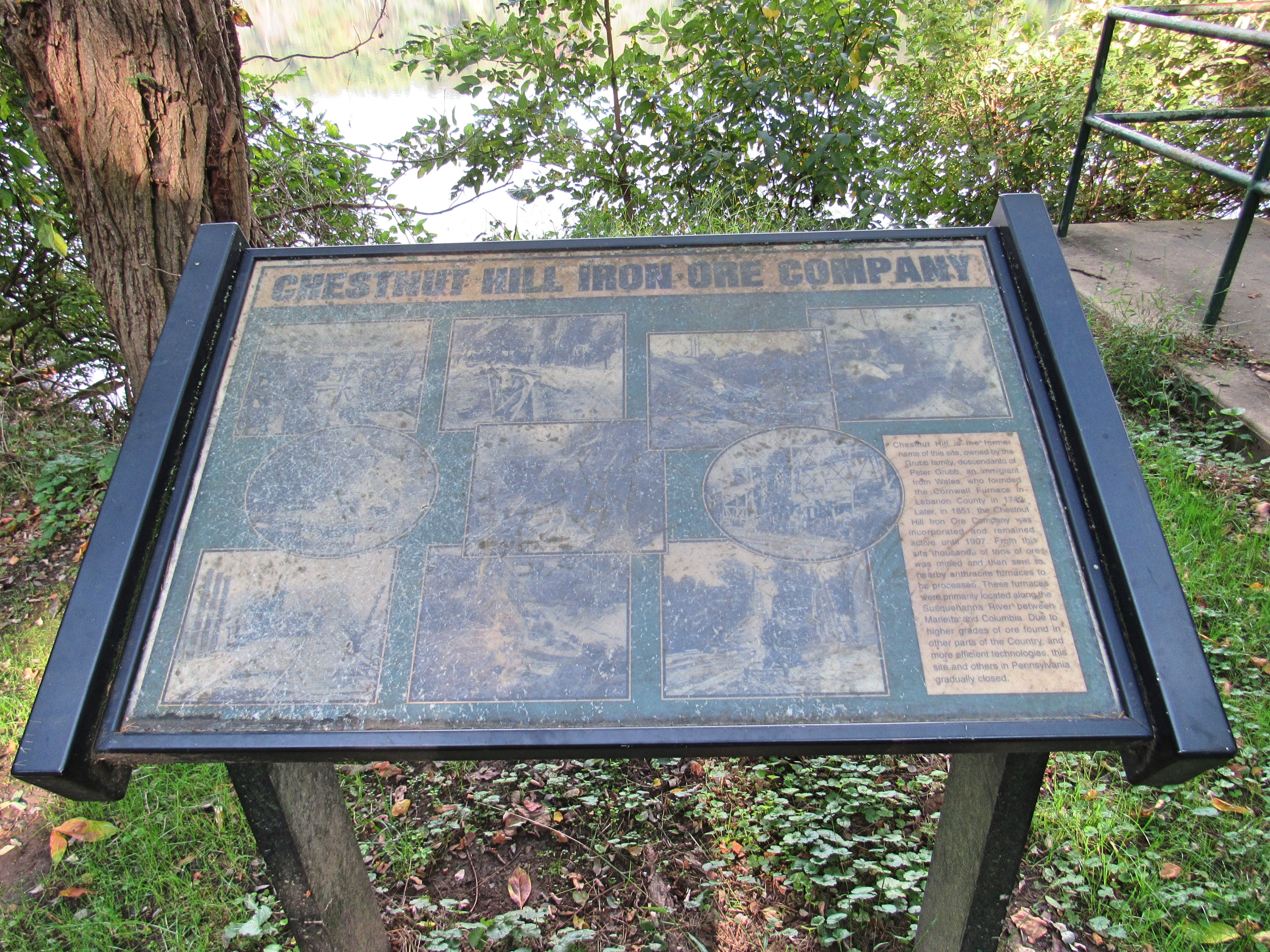
Grubb’s heirs sold most of the original properties between 1786 and 1803 to Robert Coleman, who became Pennsylvania’s first millionaire and whose operations were continued through the 19th century by his heirs
Mountville Borough relied on the lake as its primary water source until around the year 2000. After the borough stopped drawing water, the lake’s water level gradually rose. With ownership of the land retained by the borough, and in partnership with West Hempfield Township, state funding and grants were secured to transform the area into a public park. Lake Grubb Nature Park officially opened in July 2003.
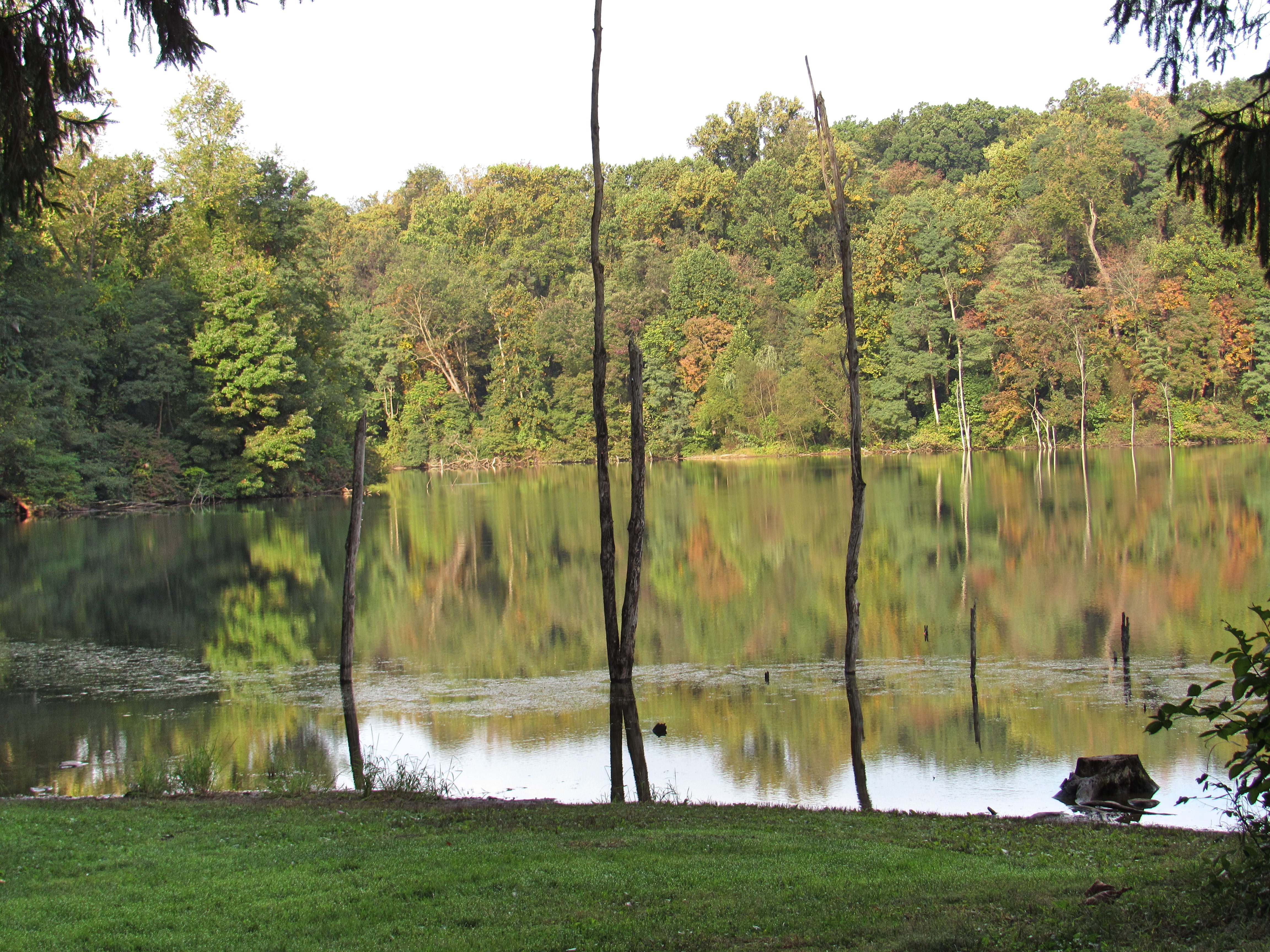
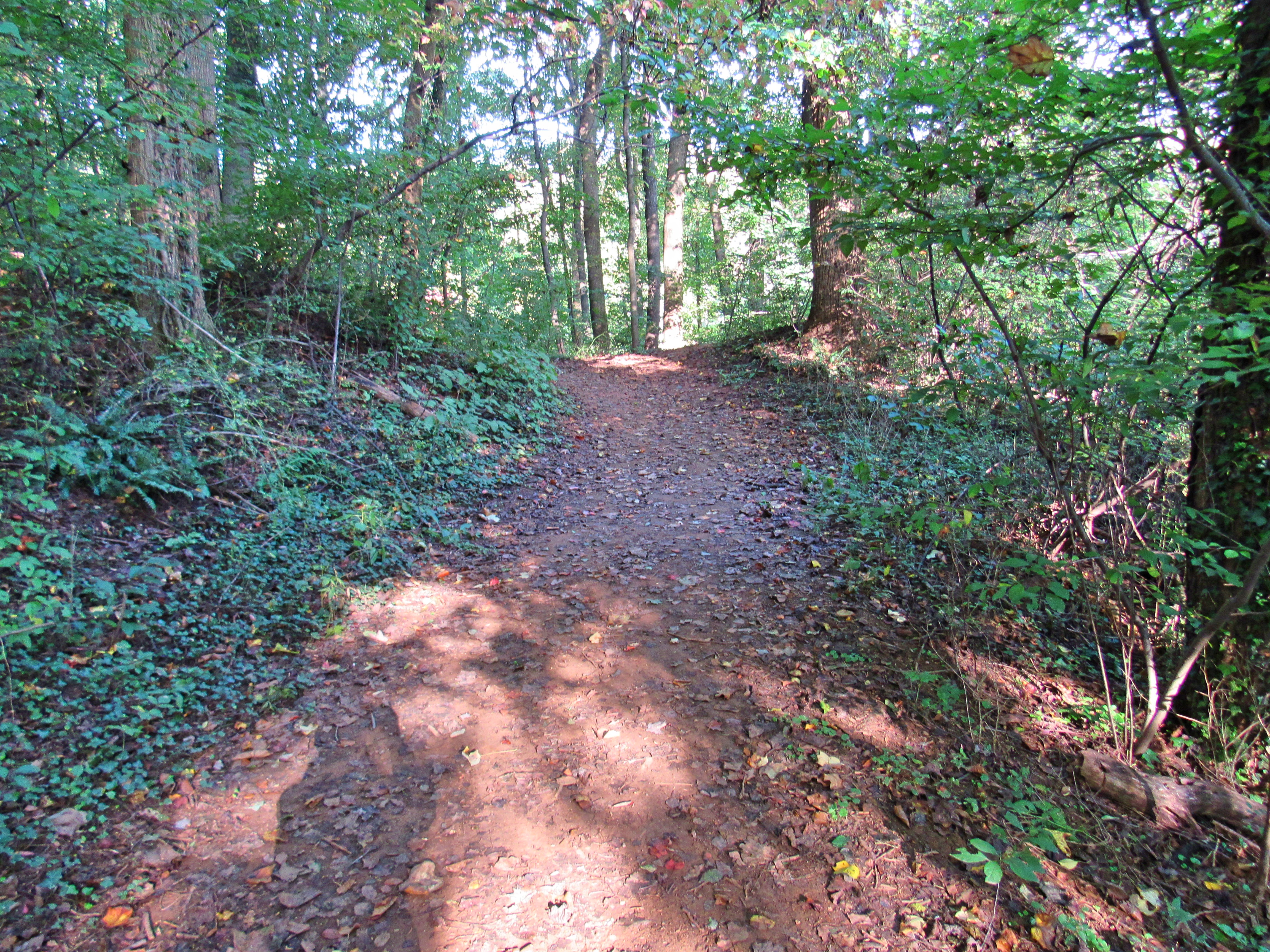
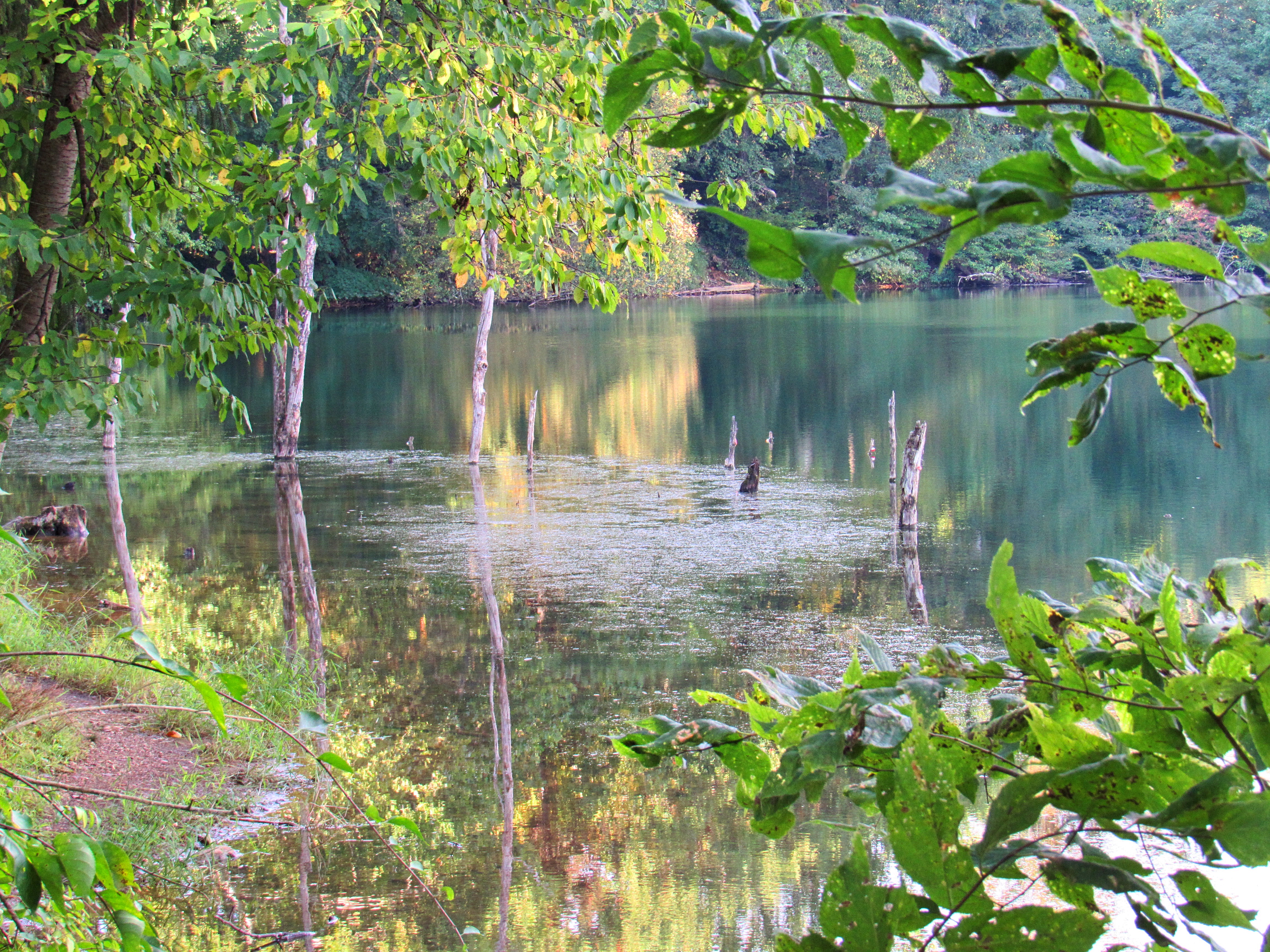
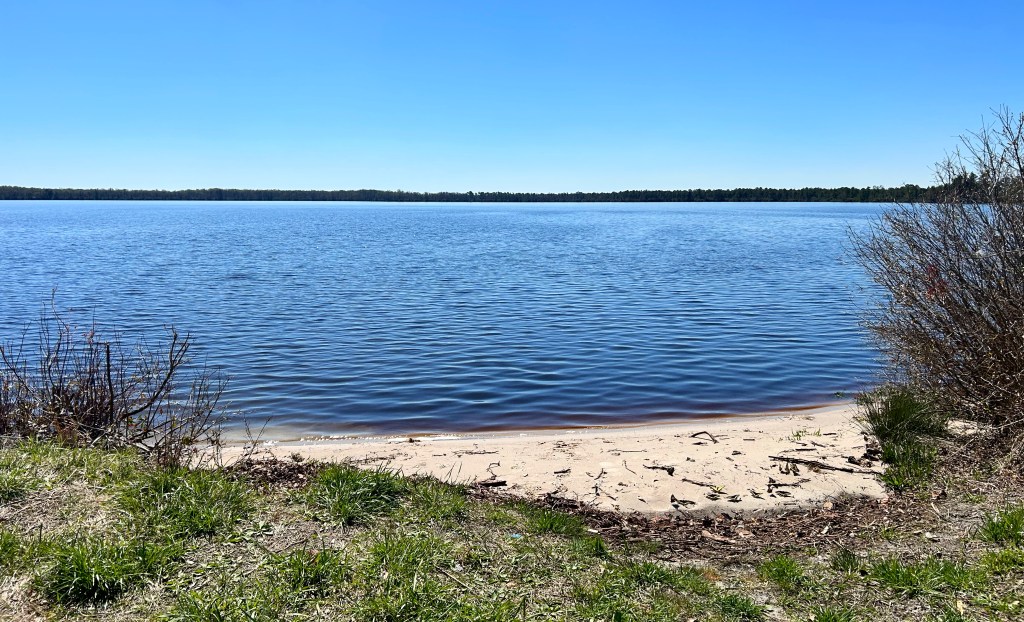
Today, a one-mile trail winds through rolling hills as it circles the 13-acre lake, flanked on both sides by dense trees that lend the area a lush, jungle-like atmosphere. The path is primarily dirt, with occasional stretches of gravel, but the soft earth can become slick and muddy—especially after rain. Because of the thick overhead canopy, sunlight rarely reaches the trail, meaning wet areas can take days to fully dry. Along the way, several clearings offer scenic views of the lake and its surroundings. Many of these spots are outfitted with benches, inviting hikers to pause, rest, and take in the peaceful scenery.
Two pavilions with electrical outlets can comfortably hold 100 people for events. Bathrooms are also available, making the park family friendly and comfortable for daylong fishing trips. Pets are not permitted in the park.
For more information on Lake Grubb, visit www.twp.west-hempfield.pa.us and go to “Parks and Recreation,” or call 285-5554.
 Wander Woman