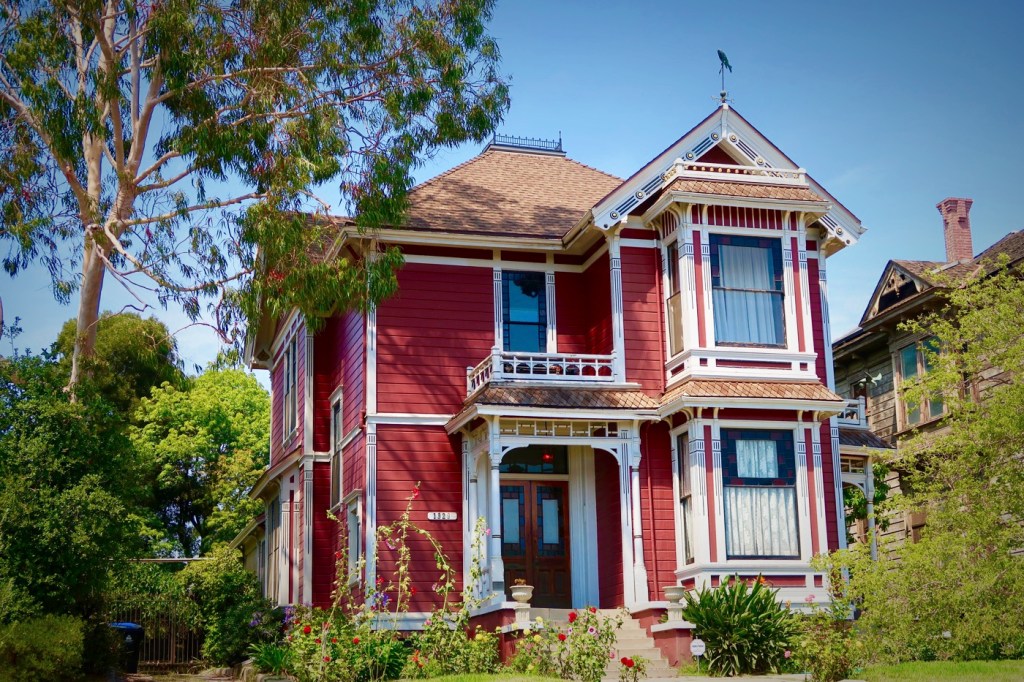
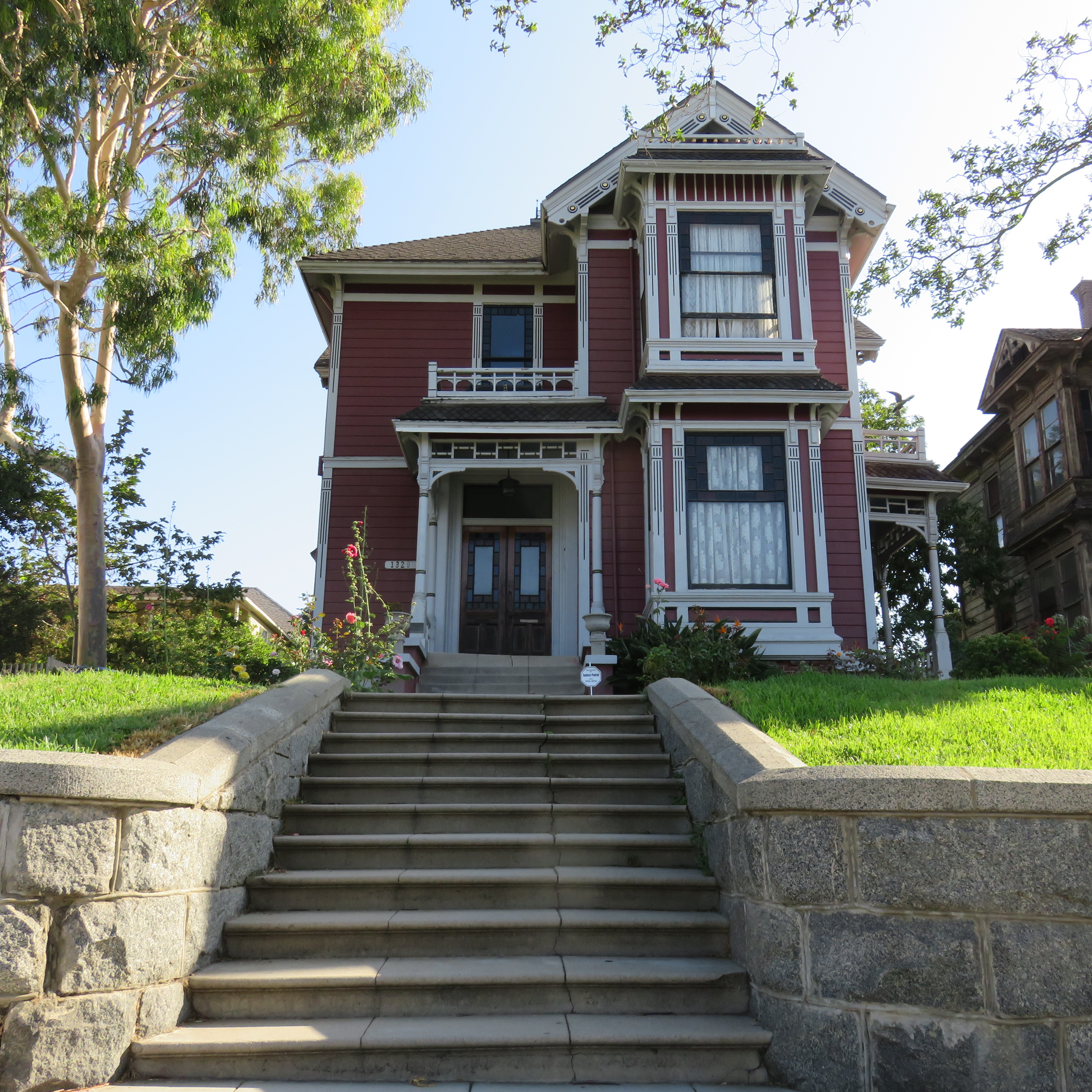
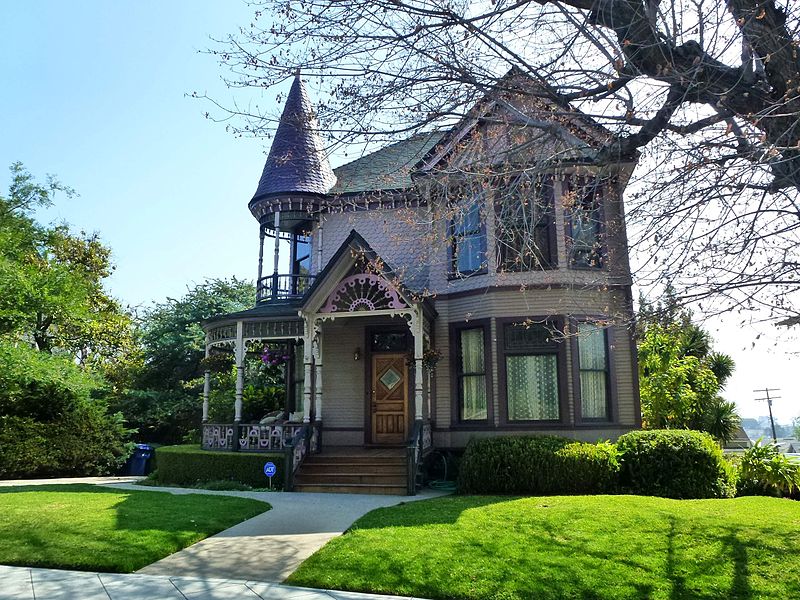
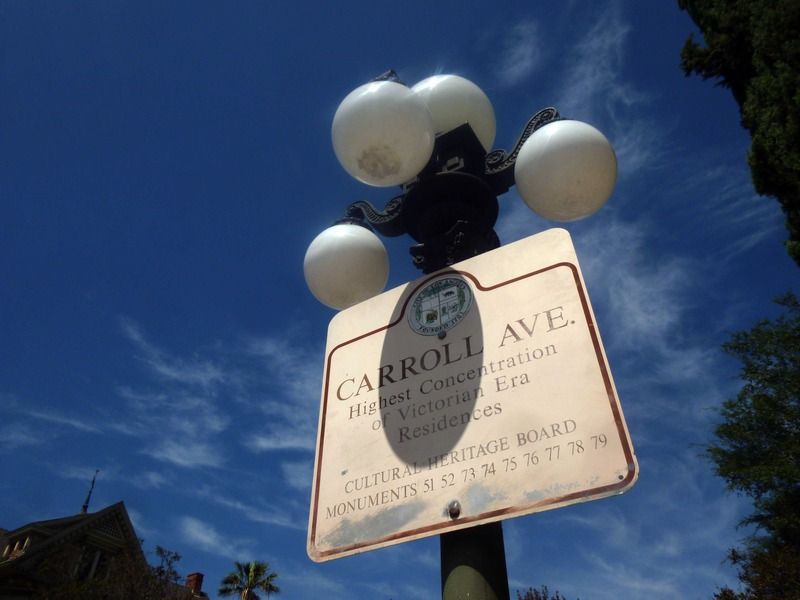
Carroll Avenue is one of Los Angeles’ most celebrated destinations for historic homes, showcasing Victorian architecture at its finest. Nestled in Angelino Heights—one of the city’s oldest neighborhoods—this charming street is lined with a dozen or so grand Victorian houses that together create one of the most picturesque scenes in L.A. With their wooden turrets and shaded facades, these homes seem frozen in time, offering a glimpse into a bygone era between the post-Spanish period and the dawn of Hollywood—a hidden chapter of Los Angeles history waiting to be discovered.
In 1866, William W. Stilson and Everett E. Hall claimed ownership of a parcel of land known as “Angelino Heights.” The hill’s elevated position appealed to homebuilders seeking both scenic views and the tranquility of suburban life.
Construction began in 1887, the same year many elegant Victorian-style homes appeared along the hilly streets. Most were owned by successful businessmen who had moved West during the late 19th-century real estate boom and the great wave of westward migration.

Angelino Heights is best known for its impressive collection of Victorian architecture, with many homes built during the peak of the style’s popularity in the 1880s. Some of these houses were originally constructed on different lots and later relocated into the neighborhood, which explains the presence of a few homes that predate the subdivision of the area in 1886.
Between roughly 1900 and 1915, Angelino Heights experienced a second wave of development, marked by a shift toward the more understated Craftsman style that was popular at the time. Around this period, Los Angeles was becoming the epicenter of the burgeoning film industry, and nearby studios took full advantage of the Heights’ steep, winding streets—like Kensington Road—for their silent movie productions. If you watch the chase scenes in the Keystone Cops series, you might even spot Angelino Heights in the background.
The neighborhood also attracted many stars of the silent era, including Mary Pickford and Gloria Swanson, who made Angelino Heights their home. Filming in the area has remained a popular choice ever since; numerous houses have appeared in films, commercials, music videos, and TV shows. Walking along the historic sidewalks of Carroll Avenue often feels like stepping onto a movie set—where history and Hollywood converge.
Only $500 for a lot in 1902!

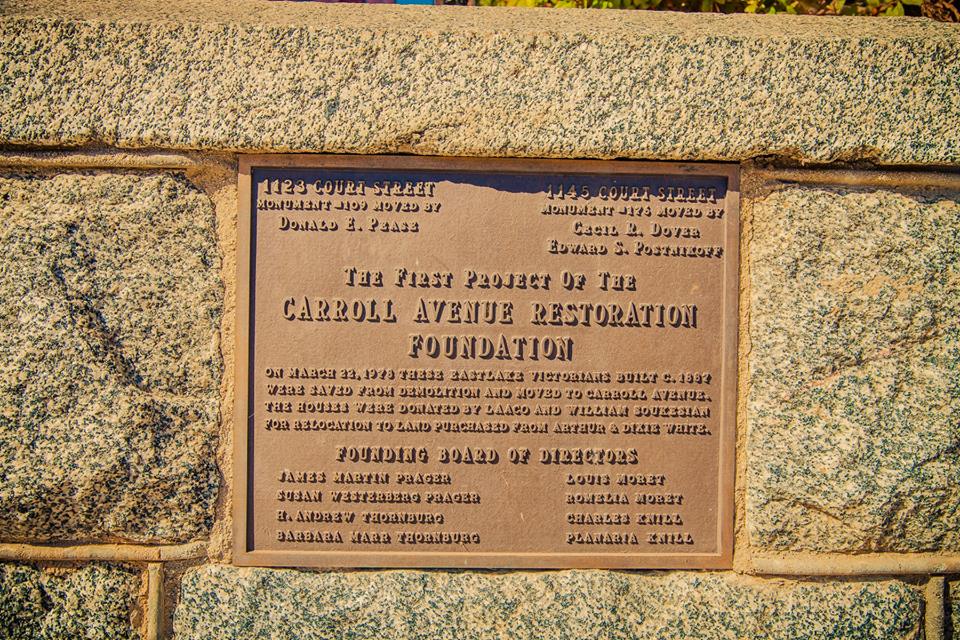
Angelino Heights became Los Angeles’ first neighborhood to be designated a Historic Preservation Overlay Zone (HPOZ) on August 10, 1983. This designation recognizes that a group of buildings in the area share a common historical or architectural significance. Together, they represent a cohesive architectural heritage worthy of preservation and restoration.
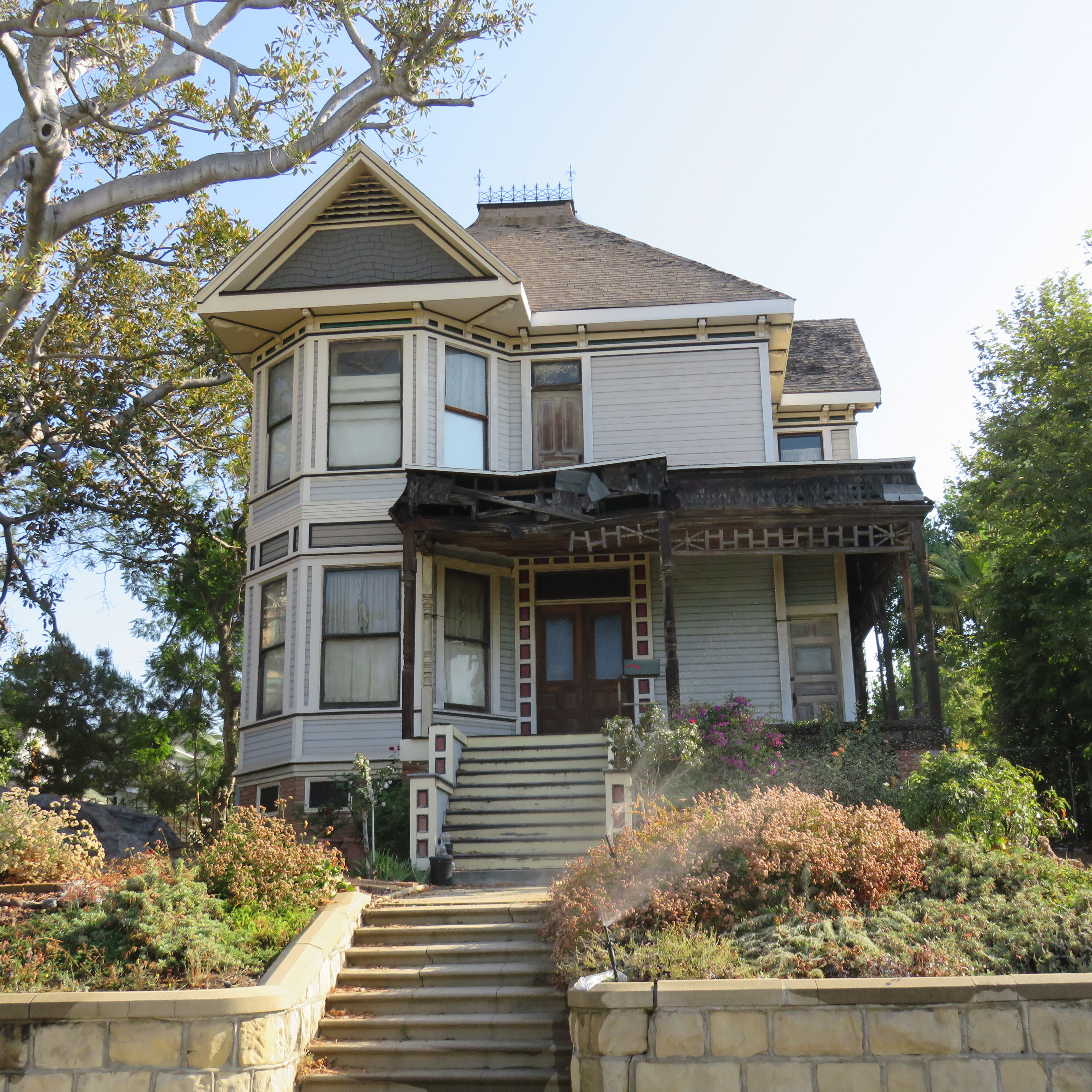
Seen from another view the house is next to a Moreton Fig tree, which, like the homes it shares the street with, is also protected as a landmark and cannot be destroyed.
Today, Angelino Heights remains dedicated to preserving its historic architecture while its residents collaborate to shape and strengthen the community’s identity as a vibrant neighborhood.
If you’re in the area be sure to stop and take a stroll down Carroll Avenue and enjoy these magnificent and rare gems.

 Wander Woman