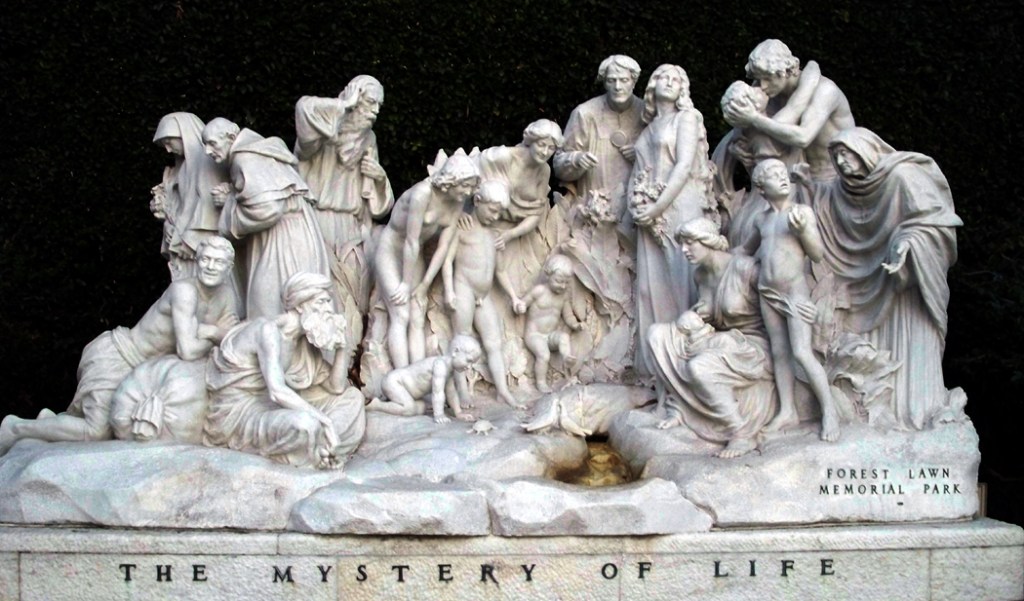
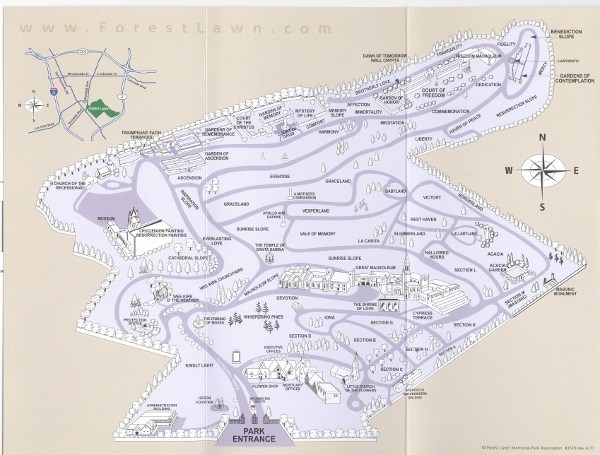
There’s plenty of hiking trails around Los Angeles, but sometimes it’s nice to take a break from the wilderness and hike places such as Forest Lawn Memorial Park in Glendale, California. It’s a fascinating and often overlooked spot, rarely explored by most visitors. The sheer volume of art on display is impressive—from full-scale replicas of Michelangelo’s sculptures to dozens of stunning stained glass windows, including two accompanied by elaborate multimedia presentations. The collection also features a mosaic depicting the signing of the Declaration of Independence and a towering bronze statue of George Washington.
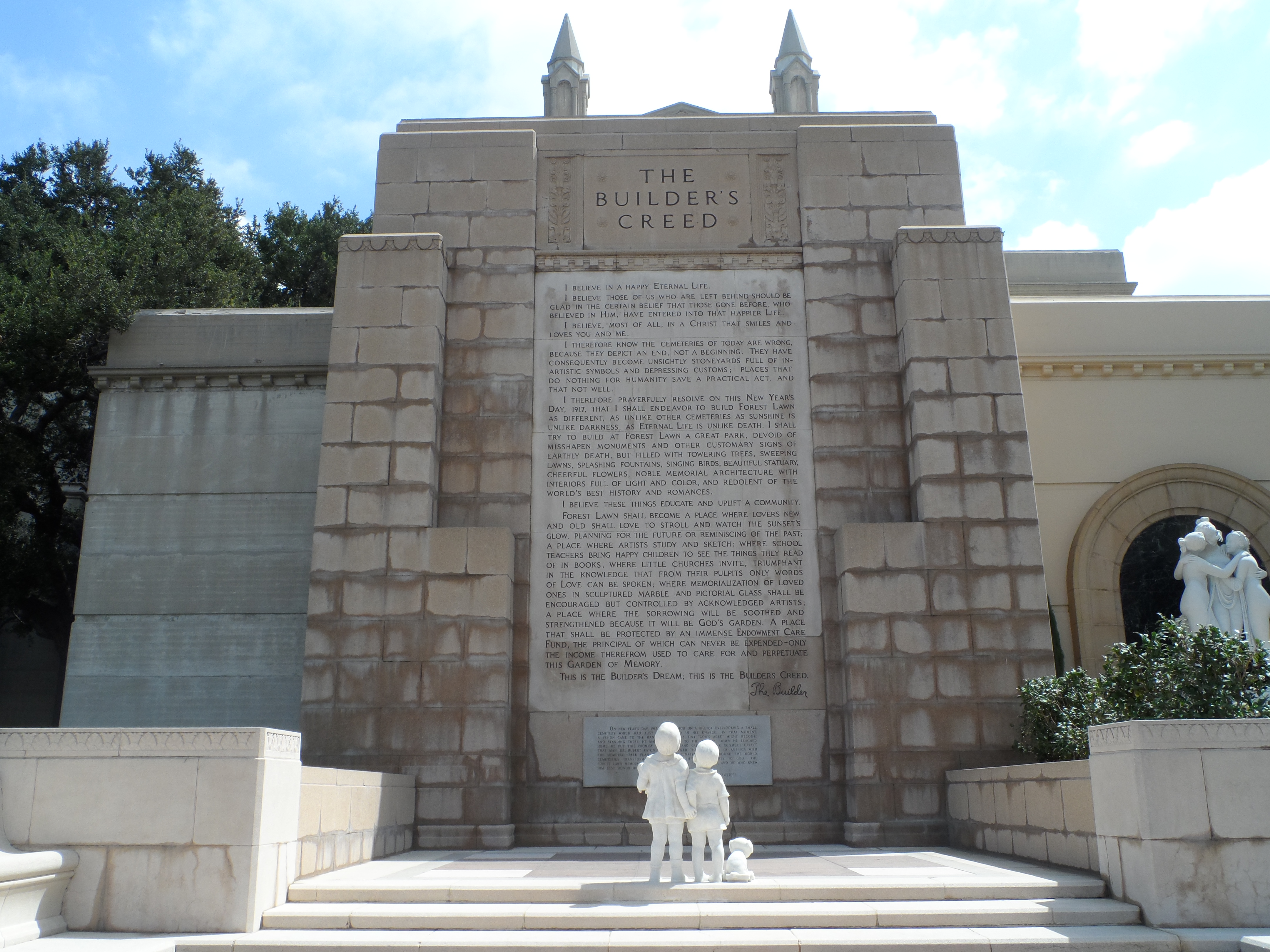
Originally established in the early 1900s, it quickly emerged as one of the most forward-thinking cemeteries of its time—redefining the business and cultural approach to burial grounds across America. In 1916, fate introduced Hubert Eaton as its president. His visionary ideals, captured in the now-famous Builder’s Creed, transformed the cemetery from a place of sorrow and decay into a serene “garden” of peace and remembrance—a philosophy that Forest Lawn continues to uphold to this day.
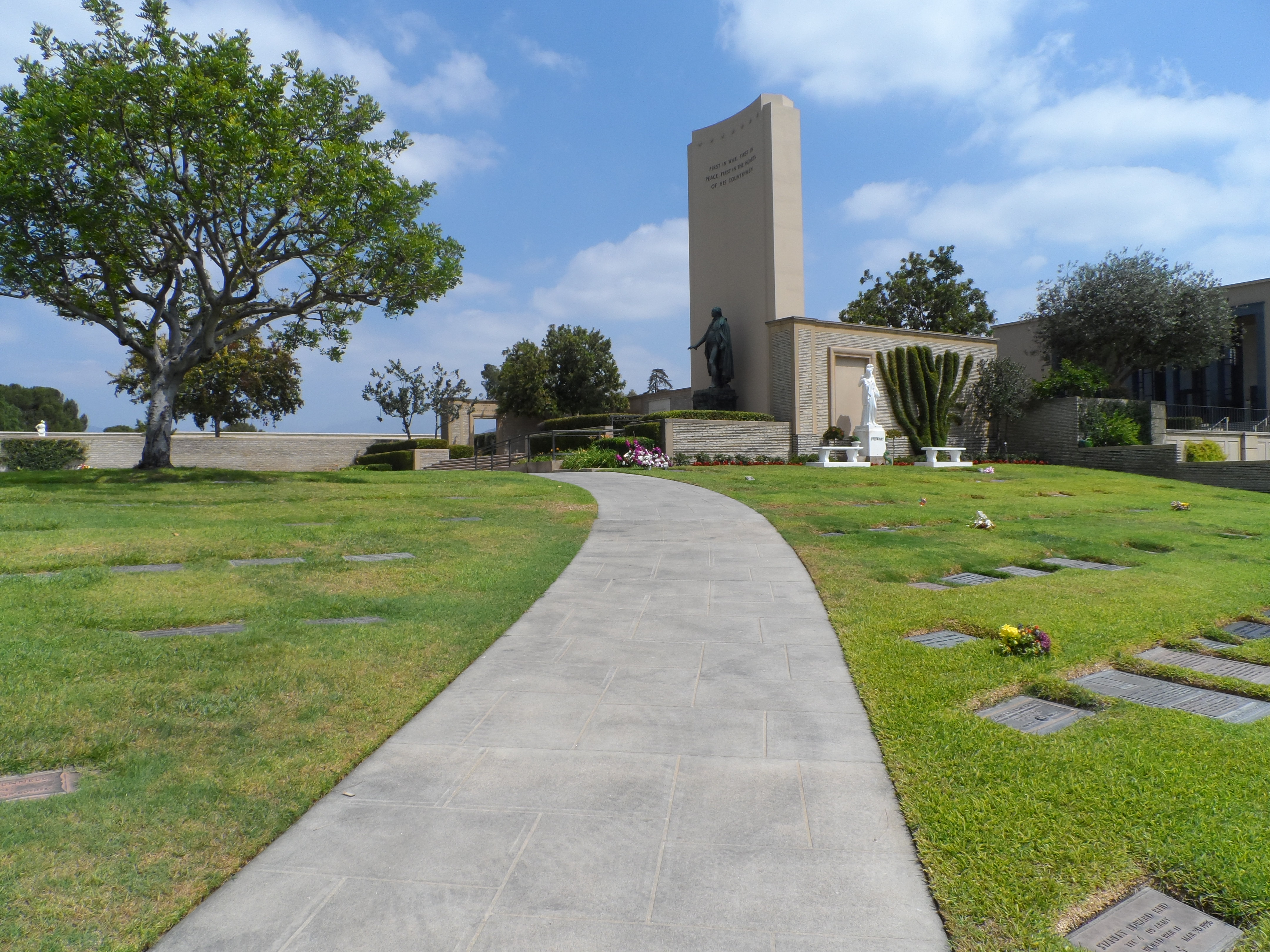
Forest Lawn was the first cemetery to remove traditional tombstones and grave markers in favor of a more natural, park-like landscape. It also pioneered the use of art that celebrates life, moving away from the somber sculptures typically found in cemeteries and instead embracing works that inspire hope and beauty.
One of the most intriguing aspects of Forest Lawn is grave hunting. While exploring the vast collection of art could easily take more than a day, the cemetery’s primary purpose remains as the final resting place for over 250,000 individuals—including more celebrities than any other cemetery in the world. Among those memorialized here are Walt Disney, Jimmy Stewart, Michael Jackson, Elizabeth Taylor, Humphrey Bogart, Mary Pickford, Clark Gable, and George Burns.
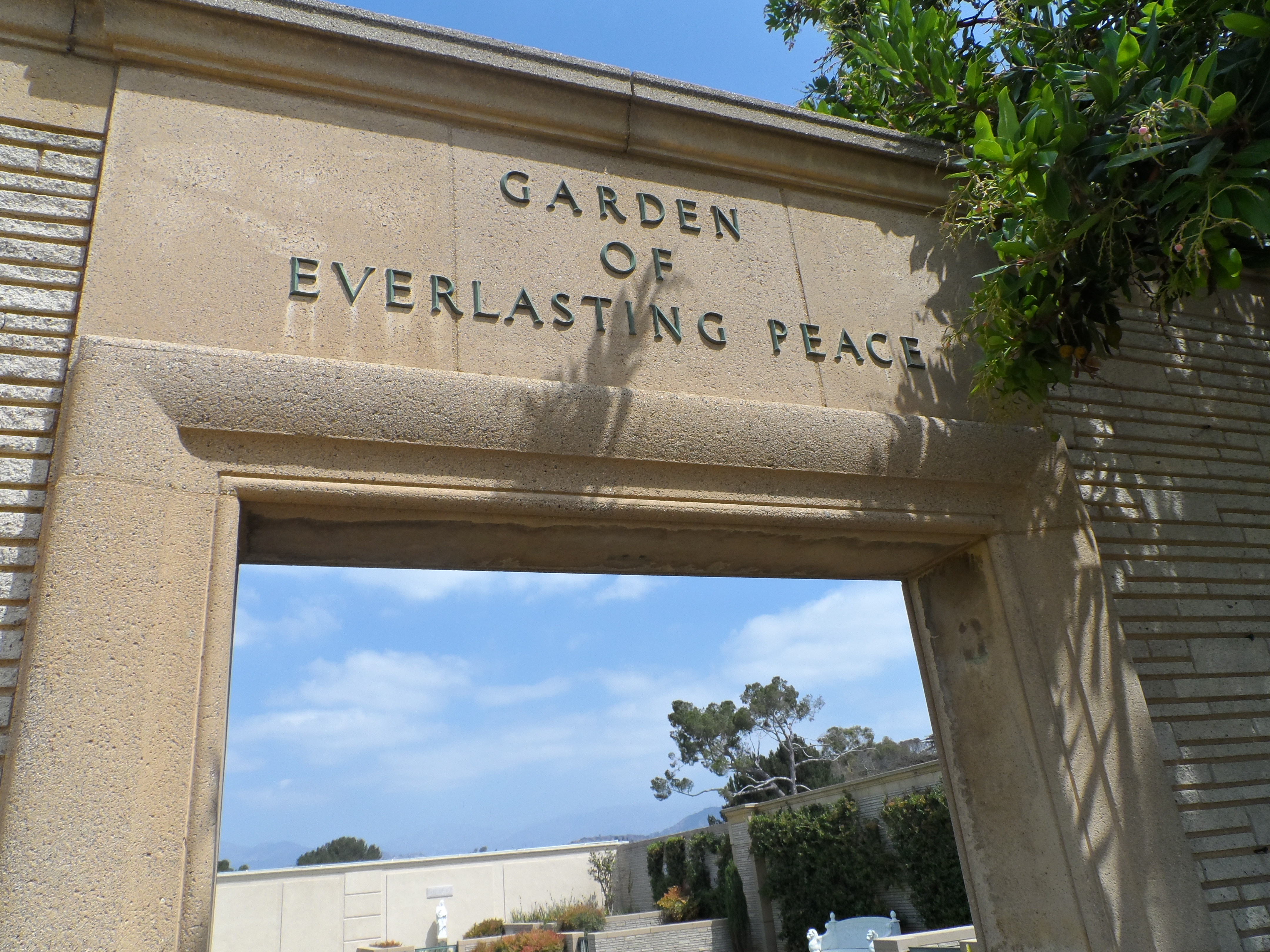
Some graves, like those of Walt Disney and George Burns, aren’t entirely off-limits—it often just depends on whether a gate is open or if you’re willing to step over a simple chain. Others, like Elizabeth Taylor and Humphrey Bogart, are more securely tucked away behind massive metal doors marked as accessible only by a “golden key” (yes, that’s actually written on the door). As for Michael Jackson, his tomb is both secluded and secretive—its exact location within the cemetery is intentionally undisclosed to the public.
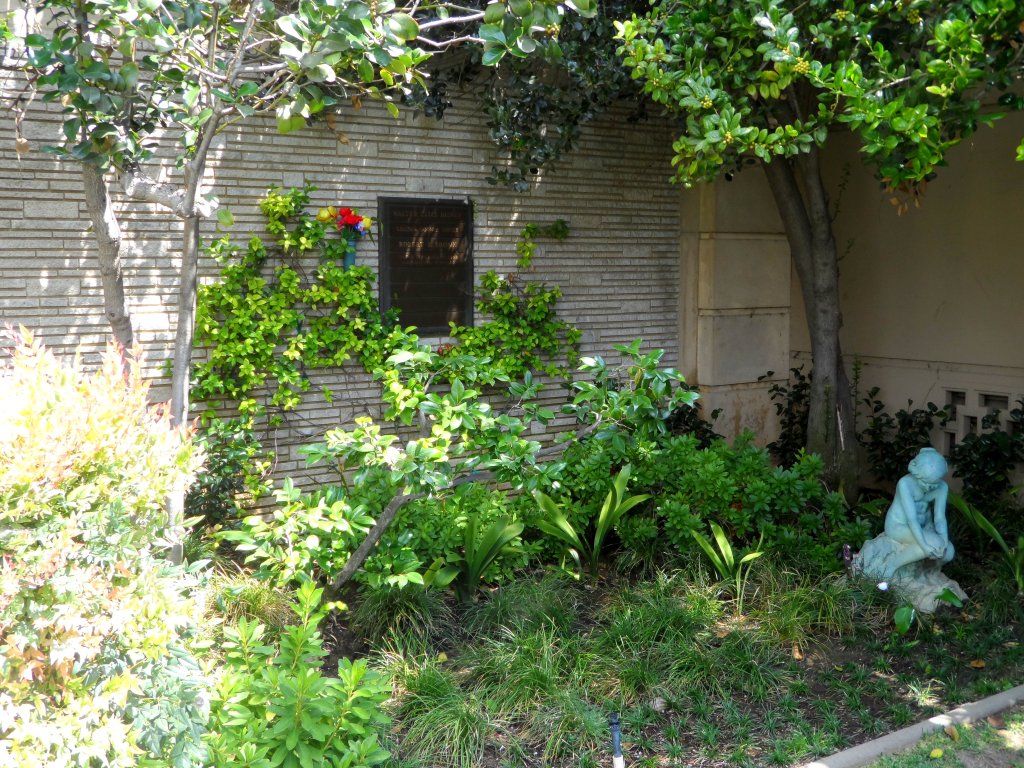

Don’t expect the Forest Lawn staff to provide any details on grave locations. They don’t exactly smile upon visitors who are searching for their favorite stars’ graves or crypts, so it’s up to you to find them.


TIP: By policy, the Forest Lawn staff is not allowed to disclose the location of any of their patrons – especially the more famous ones. Please do not ask or expect them to tell you where a grave site is. If you are looking to visit specific memorials, you should do your research before your visit.
If you’re planning to explore everything Forest Lawn has to offer, I recommend starting with the Hall of the Crucifixion and Resurrection—built in the 1940s and dedicated in 1951—and the Forest Lawn Museum, which opened in 1952. Set aside at least an hour for this part of your visit, as several exhibits deserve a minimum of 25 minutes each to fully appreciate.
Eaton’s vision is permanently etched in stone at the entrance to Forest Lawn’s Grand Mausoleum—a powerful reminder of his philosophy. If you’re short on time, the Grand Mausoleum makes an ideal second stop. Inside, you’ll find direct cast replicas of many of Michelangelo’s most celebrated works, including pieces from the Medici Chapel and the iconic La Pietà.
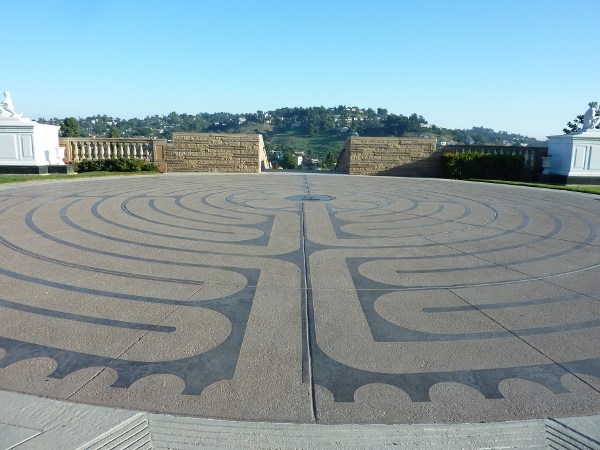
At the highest point of Forest Lawn, just beyond the Court of Freedom, you’ll come across a replica of the famous labyrinth from Chartres Cathedral in France. This intricate, circular path is designed for “walking meditation,” inviting visitors to follow its winding course as a form of quiet reflection and spiritual focus.
After leaving Forest Lawn I was on my way to visit Marilyn Monroe’s resting place. If you’re looking for a smaller laid back cemetery trip, Pierce Brothers Westwood Memorial Park is a good choice. The staff is much friendlier and open to answer questions, even though it’s very easy to navigate on your own.


Pierce Brothers Westwood Memorial Park and Mortuary was originally established in 1905 by the state of California under the name Sunset Cemetery, though burials on the site date back to the 1880s. As the surrounding area began to develop—and with UCLA set to open nearby—the cemetery was renamed Westwood Memorial Park in 1926, reflecting its place in the growing city.
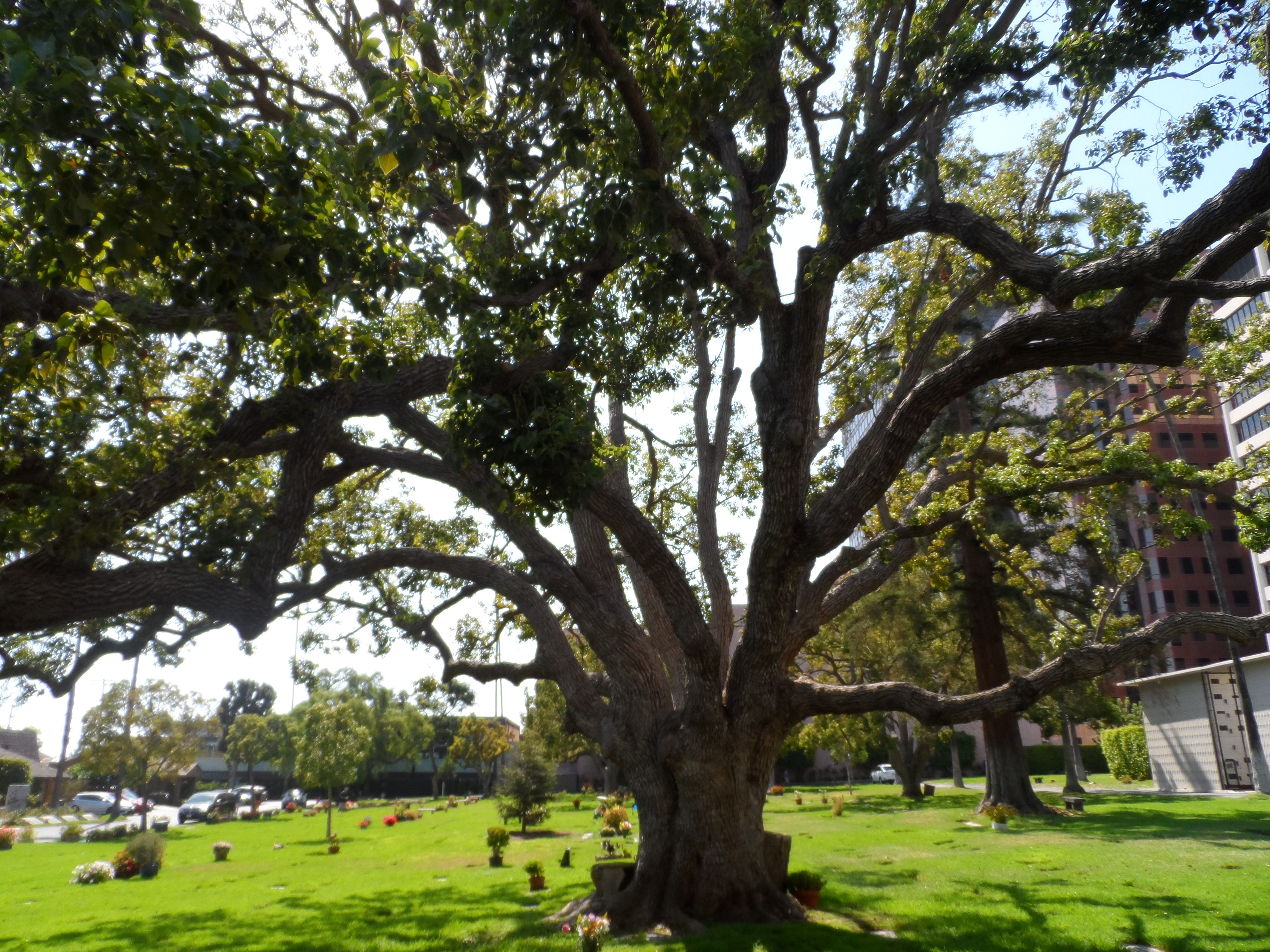
Today, Pierce Brothers Westwood Village Memorial Park is completely hidden behind surrounding high-rises, making it virtually invisible from the street. The only entrance is on the west side, off Glendon Avenue. Keep an eye out for a small sign at eye level on one of the buildings as you head toward Wilshire Boulevard. The entrance resembles a parking lot driveway, but veer right at the first opportunity and you’ll find street parking along the road that circles the burial lawn.
In November 2002, the Cultural Heritage Commission of Los Angeles designated Pierce Brothers Westwood Memorial Park as Historical-Cultural Monument No. 731. What began as a simple country graveyard amidst grasslands, scattered homes, and dirt roads has since transformed into a beautiful, tranquil cemetery nestled in the heart of Westwood’s bustling business district. Today, it serves as a peaceful oasis where families can honor traditions with ground burials or opt for a crypt in the recently added Sanctuary of Prayer Mausoleum.

According to Forever L.A.: A Field Guide to Los Angeles Area Cemeteries and Their Residents, the second most-visited grave in Westwood belongs to Natalie Wood. The acclaimed actress—known for her roles in West Side Story and Rebel Without a Cause—tragically drowned in her nightgown after a night of partying on a yacht with her husband Robert Wagner and co-star Christopher Walken.
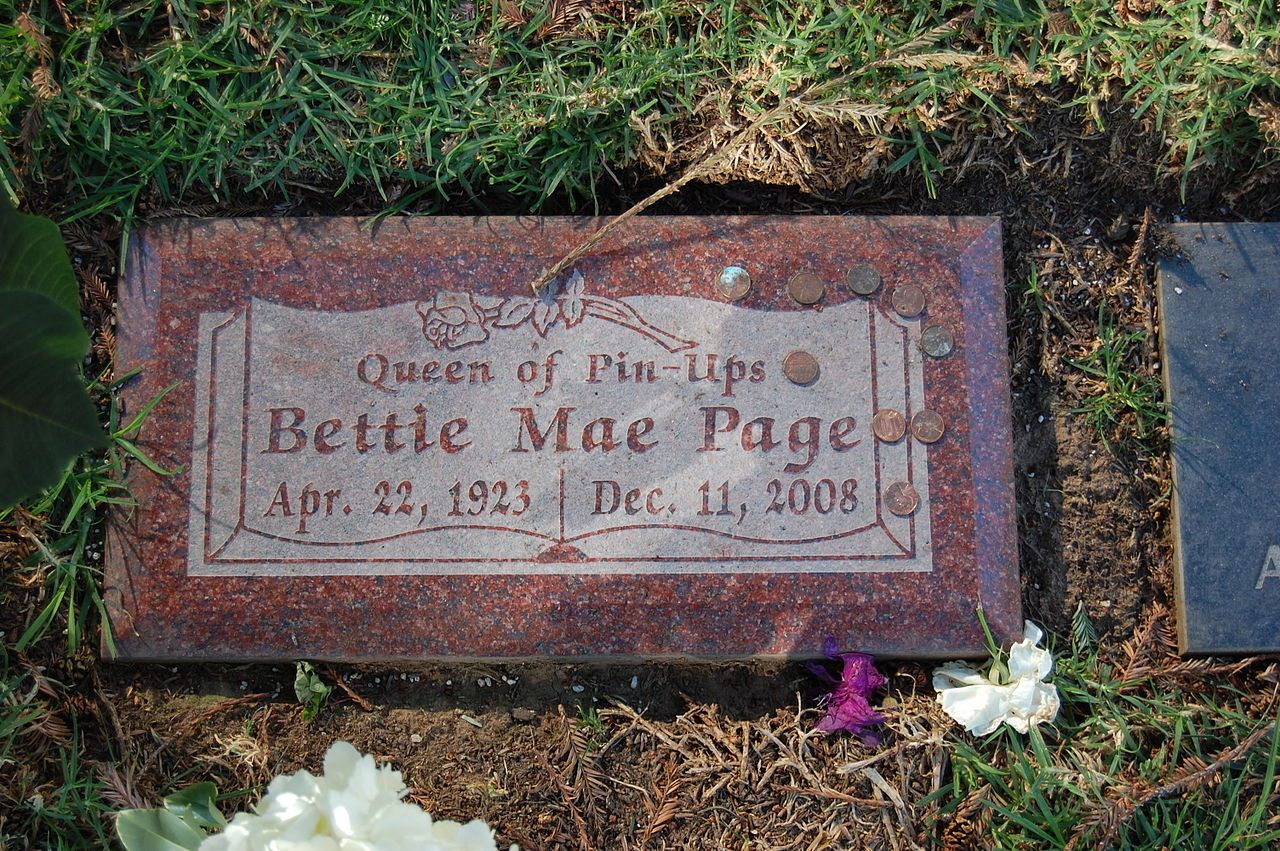
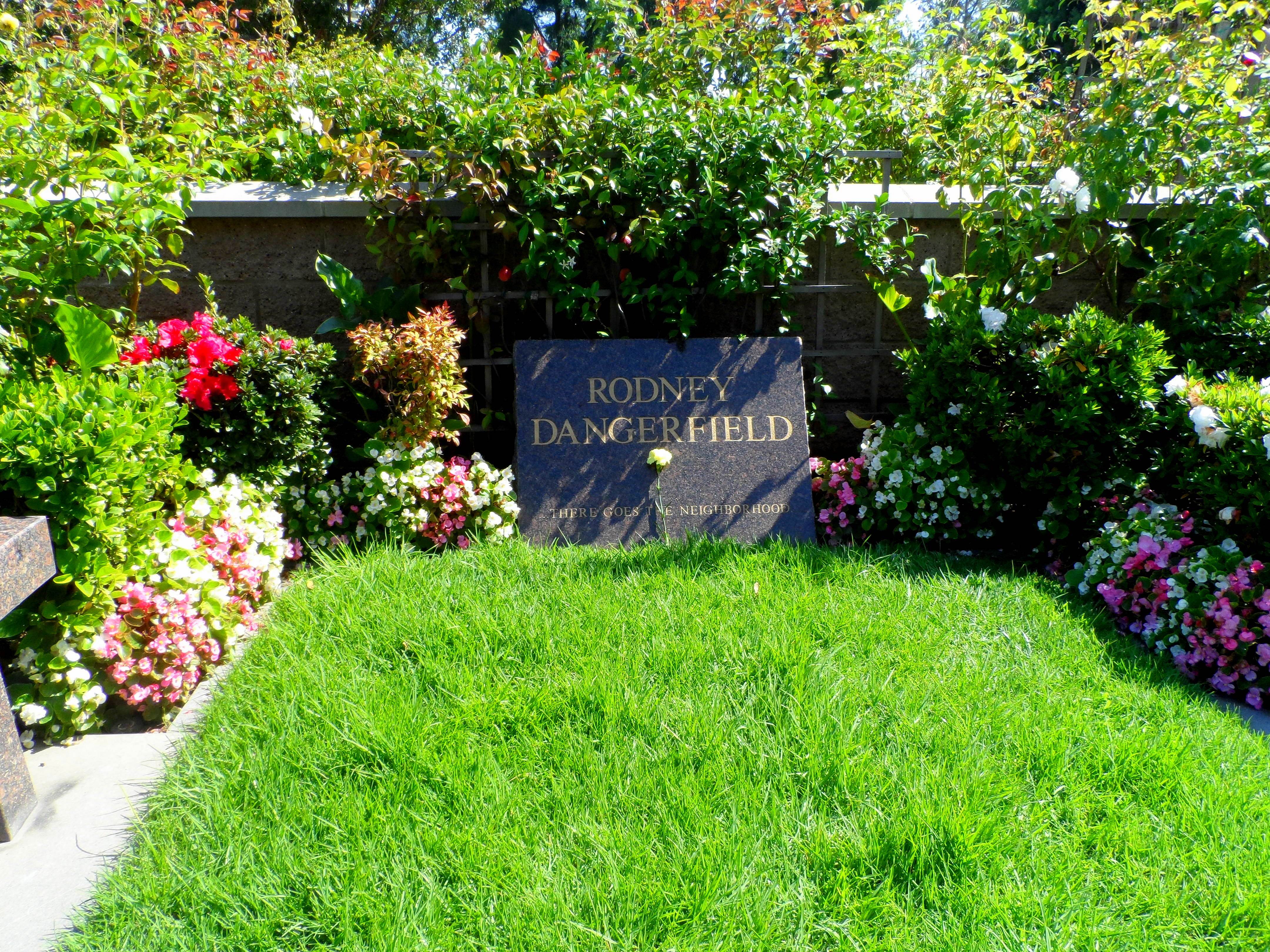
Also resting at Westwood Memorial Park are Rodney Dangerfield, whose headstone humorously reads, “There goes the neighborhood,” Rat Pack crooner Dean Martin, and Bob Crane—best known for Hogan’s Heroes and the mysterious circumstances surrounding his death. Carroll O’Connor, famous for playing Archie Bunker before becoming a TV police chief, is buried here as well. Don Knotts, who transitioned from The Andy Griffith Show to Disney films and later became the nosy landlord on Three’s Company, and original Charlie’s Angel Farrah Fawcett also call this cemetery home. Some stars rest here with little fanfare—“Queen of the Pin-Ups” Bettie Page, for example, has a very modest marker.

Joe DiMaggio selected this quiet, secluded cemetery as Marilyn Monroe’s final resting place. Over time, the marble front of her mausoleum niche has been stained pink from countless lipstick kisses left by devoted fans.


In addition to its many movie stars, Westwood is also the final resting place for several notable writers. Truman Capote, author of In Cold Blood, has his ashes in a niche facing the cemetery entrance. Robert Bloch, who penned Psycho, rests in the Room of Prayer columbarium just beyond Marilyn Monroe’s niche. Screenwriter Billy Wilder, known for Sunset Boulevard and Some Like It Hot, is memorialized with a headstone that reads, “I’m a writer, but then nobody’s perfect.” Nearby lies Ray Bradbury, remembered for his iconic work Fahrenheit 451.
Here’s a map of stars resting in Pierce Brothers Westwood Memorial Park if you decide to visit. The Memorial Garden is located at 1218 Glendon Ave, Los Angeles, CA 90024. Hours are Monday thru Sunday are 8-5.

 Wander Woman