Unlike most lighthouses along the California coast, Point Fermin Lighthouse doesn’t stand alone as a solitary tower. Instead, its beacon is integrated into a charming Victorian-style house. Point Fermin is one of only six lighthouses ever constructed with this unique design—and one of just three that still stand today, alongside East Brother in San Francisco Bay and Hereford Light in New Jersey.

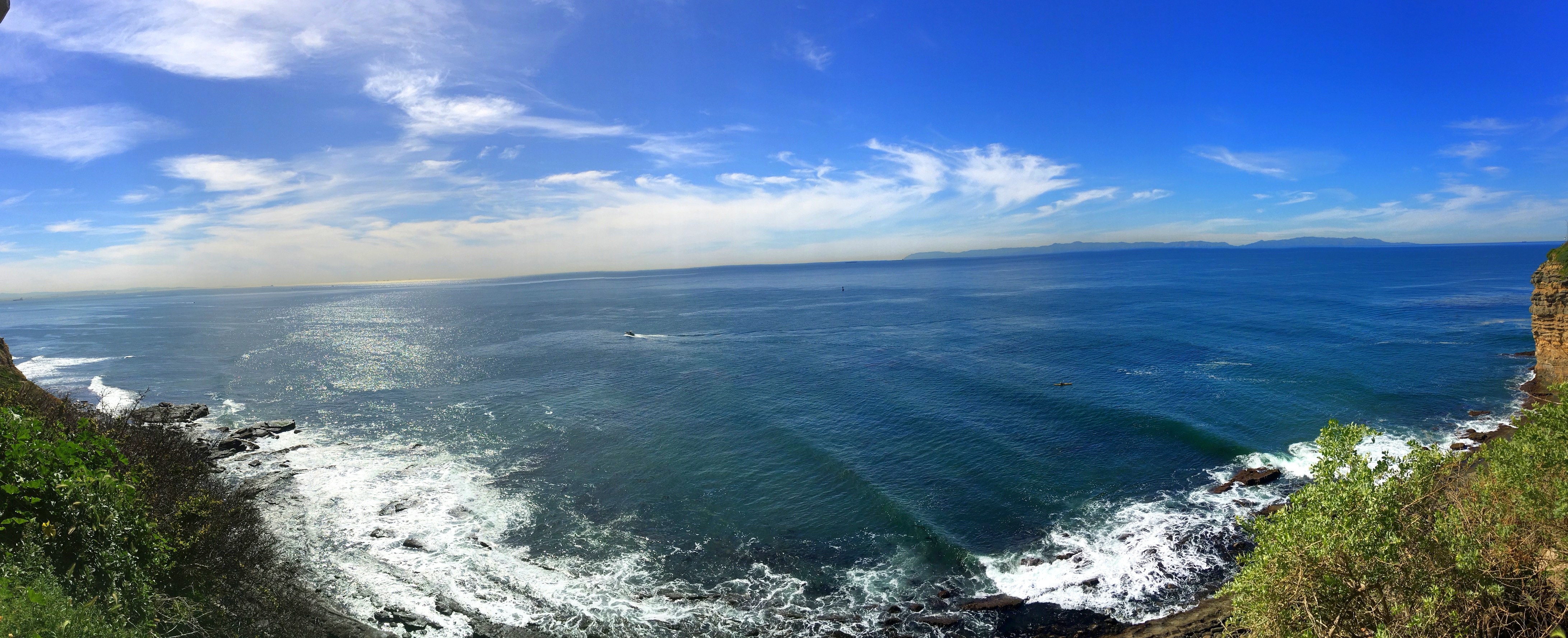
Point Fermin Lighthouse was the first lighthouse constructed in San Pedro Bay. It was named by British explorer George Vancouver in honor of Father Fermin de Lasuen, the father-president of the California missions at the time of Vancouver’s visit in 1792. The lighthouse site offers sweeping views overlooking what is now the bustling Port of San Pedro.
Built in 1874, Point Fermin Lighthouse was the first navigational beacon guiding ships into San Pedro Bay. In 1854, Phineas Banning, backed by local businessmen, petitioned the federal government and the U.S. Lighthouse Board to establish a lighthouse at the point. Although the Lighthouse Board approved the plan, funding issues and land disputes delayed construction for two decades.
The lighthouse was operated by federal employees under the Treasury Department and overseen by the U.S. Lighthouse Board. These workers, known as Lighthouse Keepers, were responsible for keeping the beacon burning, maintaining the lighthouse lens, and ensuring the overall upkeep of the building. Interestingly, Point Fermin’s first keepers were women—Mary and Ella Smith—who came from a lighthouse family. Their brother Victor, a customs officer in Washington Territory, likely helped secure their appointments. Why they chose the remote and barren Point Fermin remains a mystery, but they served diligently and seemed to thrive in their roles for nearly eight years.
Following the bombing of Pearl Harbor, the lighthouse was blacked out for the duration of World War II. During this period, it served the U.S. Navy as a lookout tower and signaling station for incoming ships. After the war, Point Fermin never resumed its role as an active lighthouse.

Unlike the nearby Point Vicente Lighthouse, said to be haunted by a woman yearning for her lost husband, Point Fermin seems to be haunted by the opposite—a lonely male lighthouse keeper who carried the torch, both literally and figuratively, for his deceased wife. When he passed away in October 1925, just months after his wife’s death, local newspapers reported that he died of a broken heart. Two months later, the lighthouse was decommissioned and the grounds were converted into a public park. He was not only the last man to hold the post but, according to legend, never truly left—still seen and heard tending to his duties, walking the grounds and the lens house to this day.
Interestingly, the ghostly keeper may not be the only presence filled with loneliness, sorrow, and regret. The nearby cliff is infamous locally as a favored spot for suicides, with countless stories of ghostly figures seen wandering along the edge or among the rocks below.

Over the past twenty years, several individuals have tragically fallen to their deaths along the cliffs, their bodies found battered on the jagged rocks below. Some have miraculously survived such falls. Among these incidents, some were linked to gang violence, while others remain unexplained and mysterious.
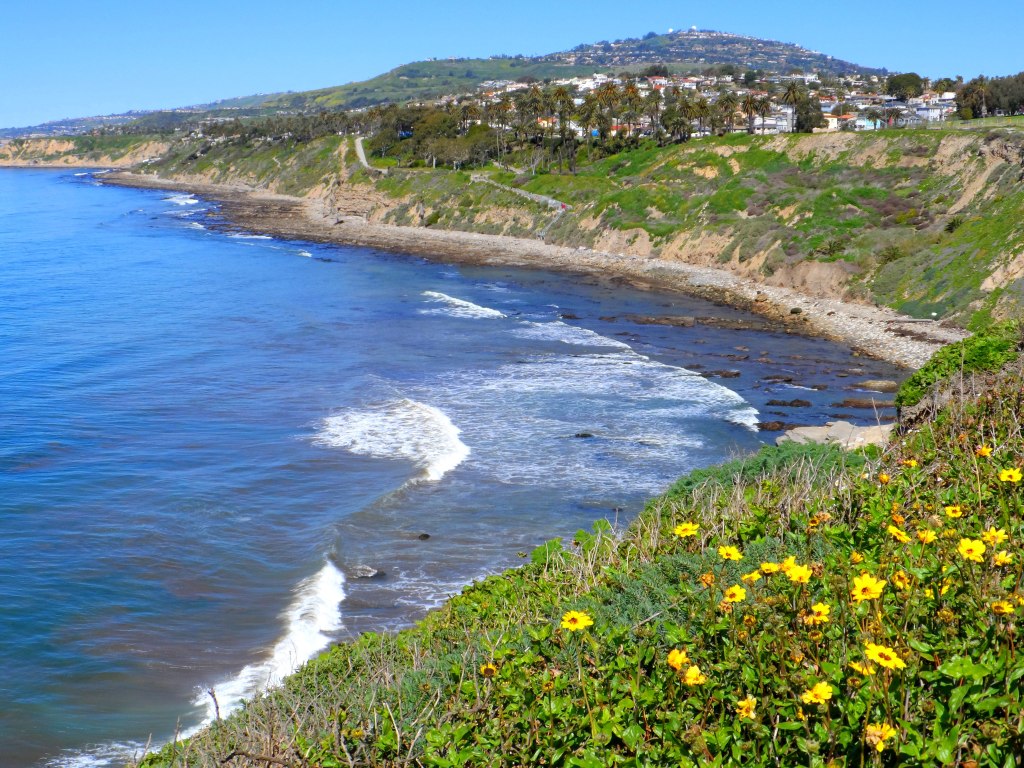
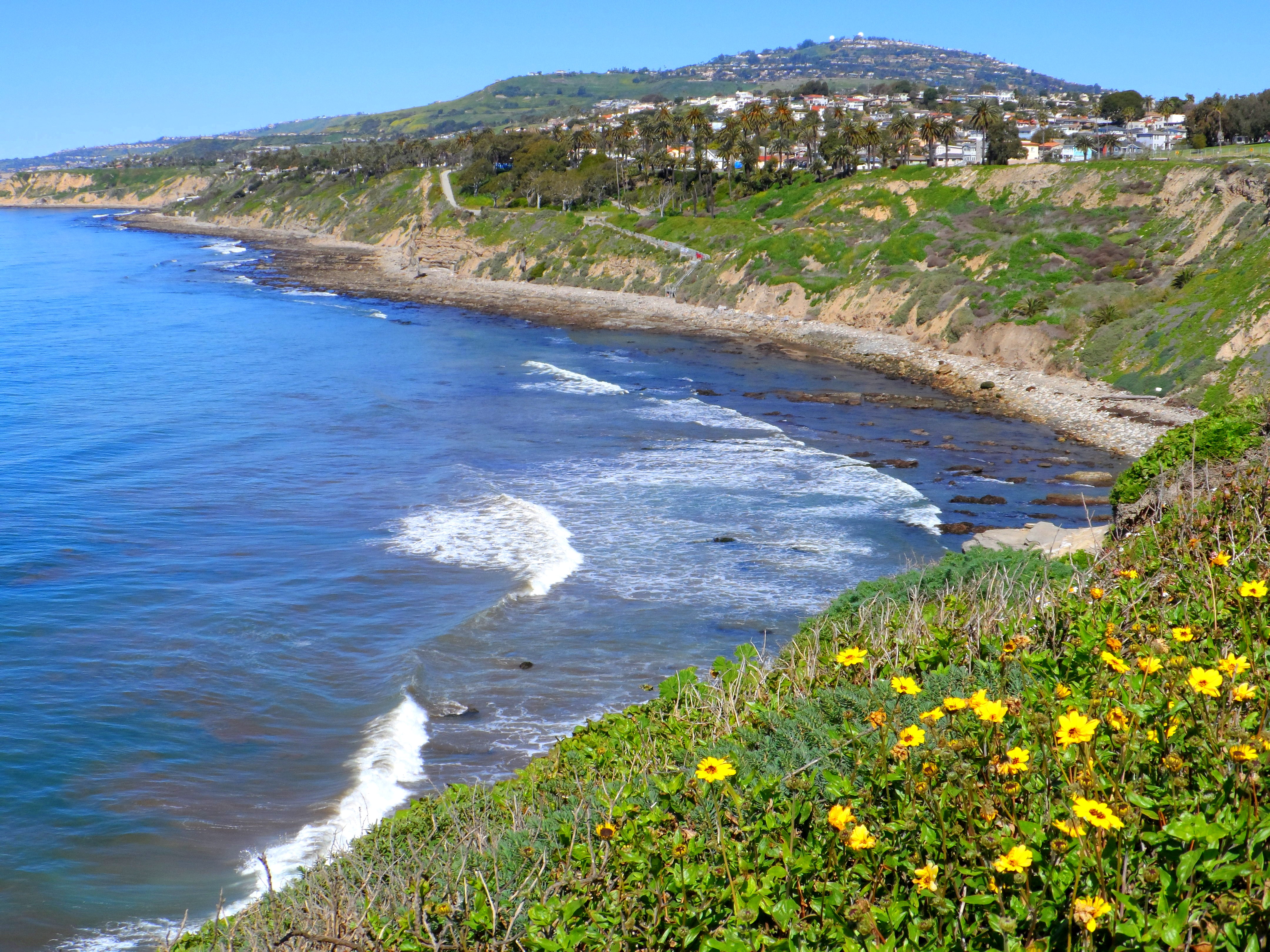
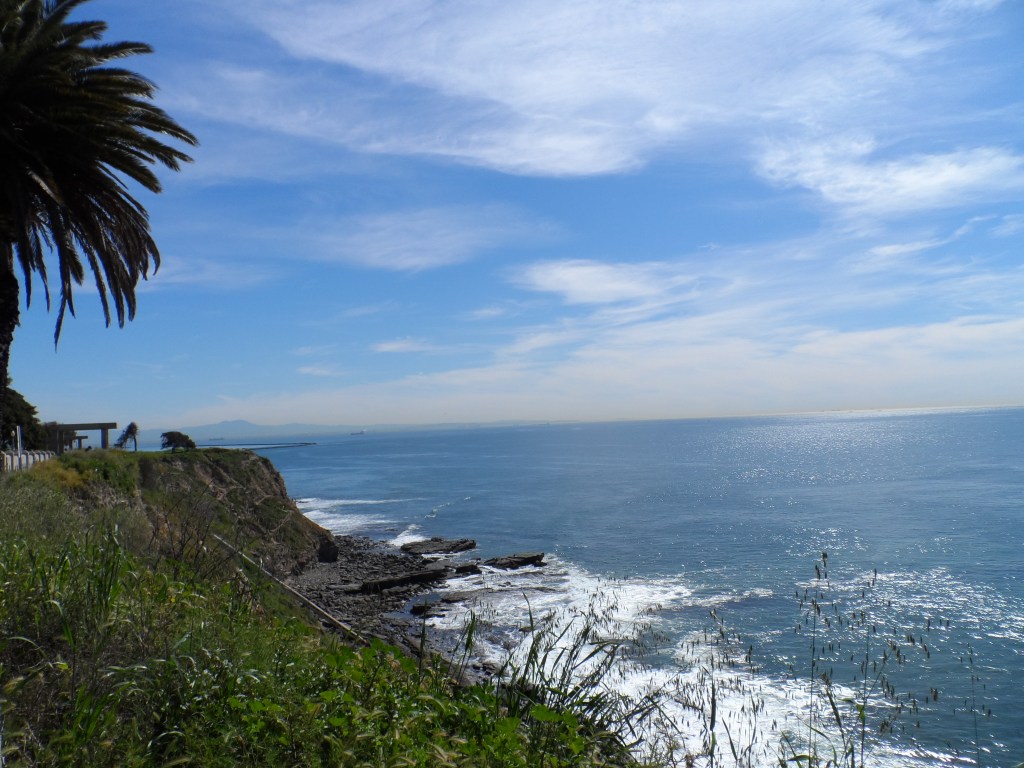
For as long as locals can remember, the rugged beauty of the Point Fermin cliffs has attracted photographers, model plane enthusiasts, and wedding planners alike. Its breathtaking vistas are renowned around the world.
(Point Fermin Park was also the site of the great UFO attack of 1942, but that’s another story for another time…)
If you’re already in the area be sure to visit the Point Vicente Lighthouse 8 miles up the road. The views alone are worth the drive!


 Wander Woman