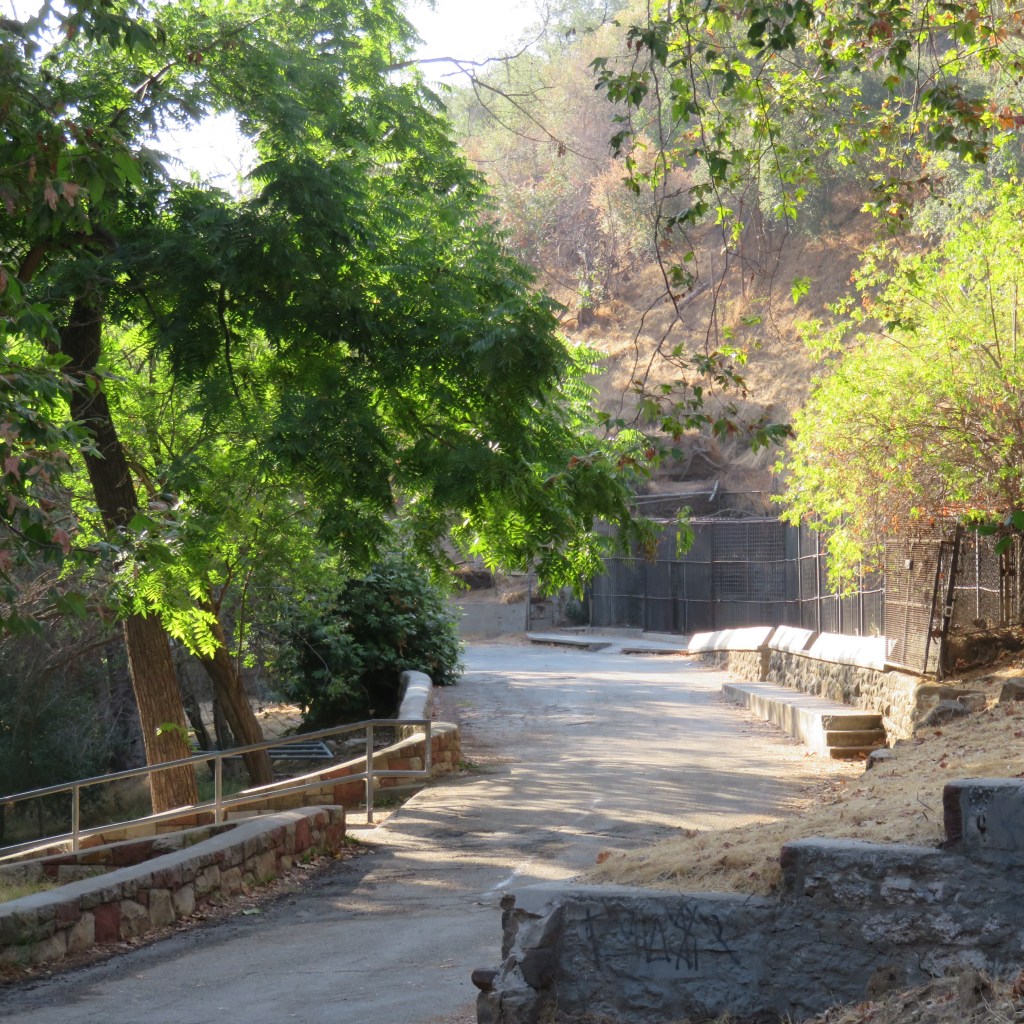
The Griffith Park Zoo first opened in 1912, amusingly situated on the former site of Griffith J. Griffith’s ostrich farm. It started with just 15 animals, but due to limited funding, the zoo opened without proper cages—only simple stockades were used to contain the animals, which proved insufficient for some of the species housed there.
The zoo’s history was reportedly troubled and marked by ongoing struggles. In 1916, for instance, it was said to be leaking sewage into the L.A. River. Later, during World War I, a meat shortage made feeding the animals difficult, forcing the zoo to substitute horse meat for beef. This unfortunate change led to the deaths of many carnivores, especially the big cats. Fortunately, admission was free, which helped keep visitors coming despite the challenges.
By May 1958, public frustration with the deteriorating conditions at Griffith Park Zoo reached a tipping point, prompting voters to approve the creation of a brand-new zoo. An $8 million bond was passed to fund construction, and by November 1966, the new Los Angeles Zoo opened just a few miles north. All the animals were moved to the new facility, bringing the Griffith Park Zoo’s era to an end. The old cages, caves, and other enclosures were left abandoned, slowly fading into the landscape of Griffith Park.

The remnants cling to the hillside of a sunlit canyon, located about two miles down Crystal Springs Road from the present-day Los Angeles Zoo and Botanical Gardens. Carved into the hillside are abandoned animal “habitats” or “grottoes” that resemble the low-budget sets from a high school production of Camelot.
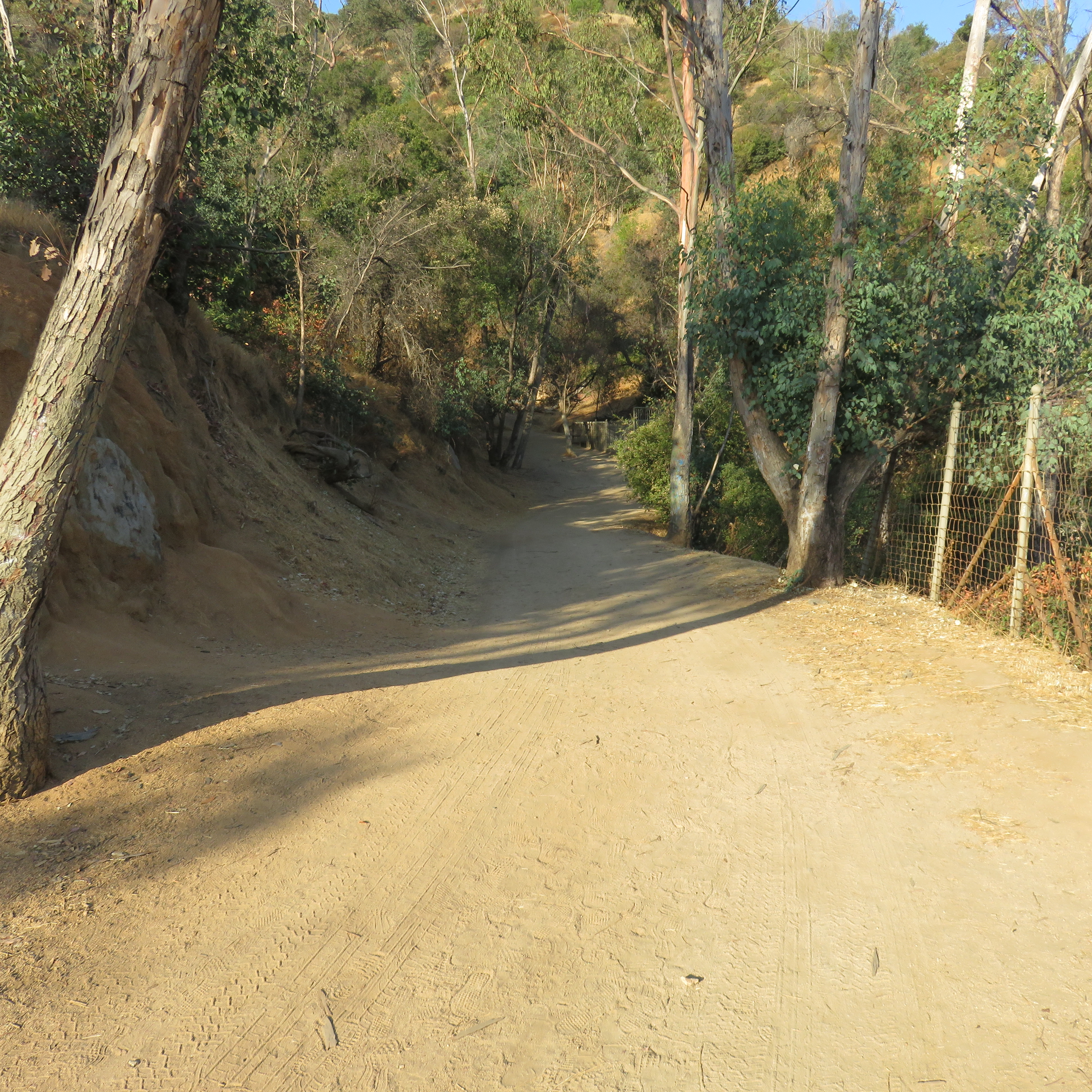

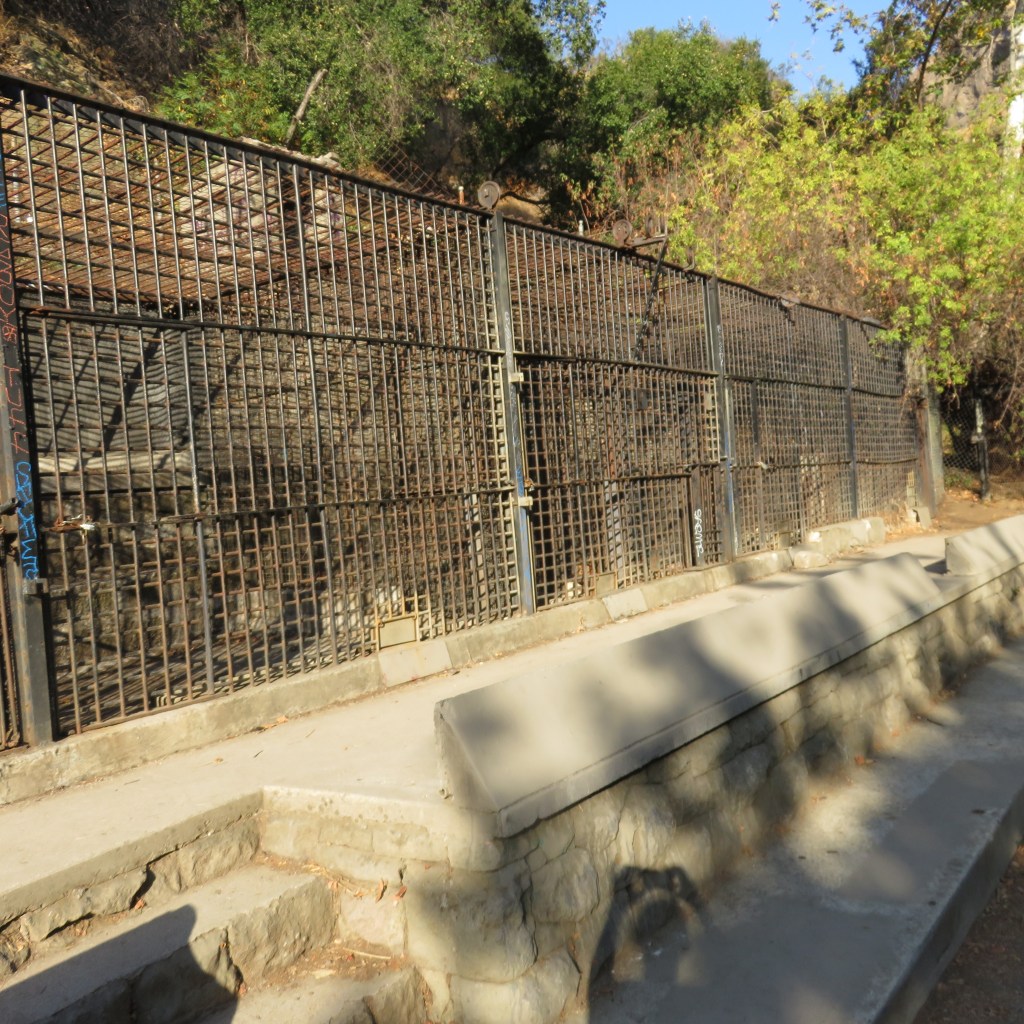
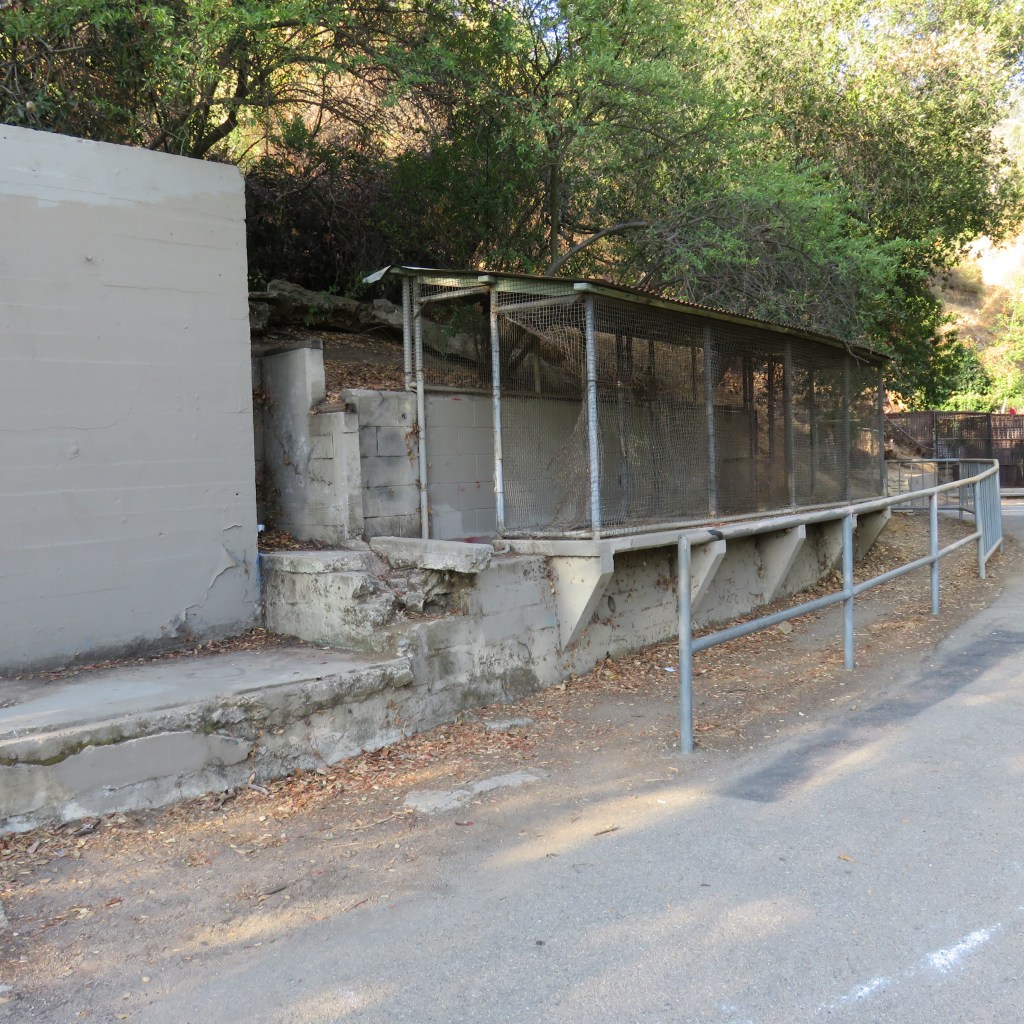

As I followed the Old Zoo Trail winding higher up the canyon slope, I came across ominous squat cages and the weathered—and sometimes creatively vandalized—backsides of the grottos, where holes had been cut in the protective fences, allowing curious explorers to slip through.
Further along the shaded trail stood an abandoned building connected to a simple, makeshift display cage. Just across the path from this large enclosure were small, low-to-the-ground cages that resembled medieval jail cells fit for children.

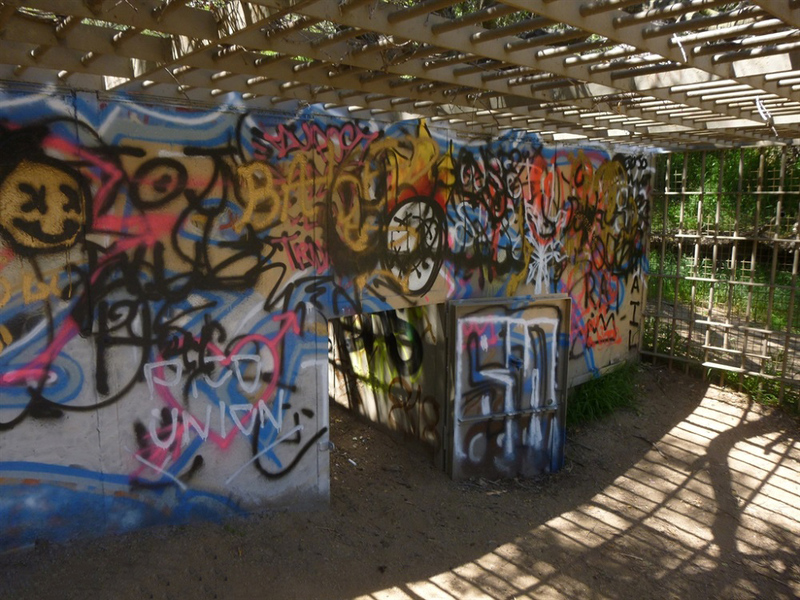
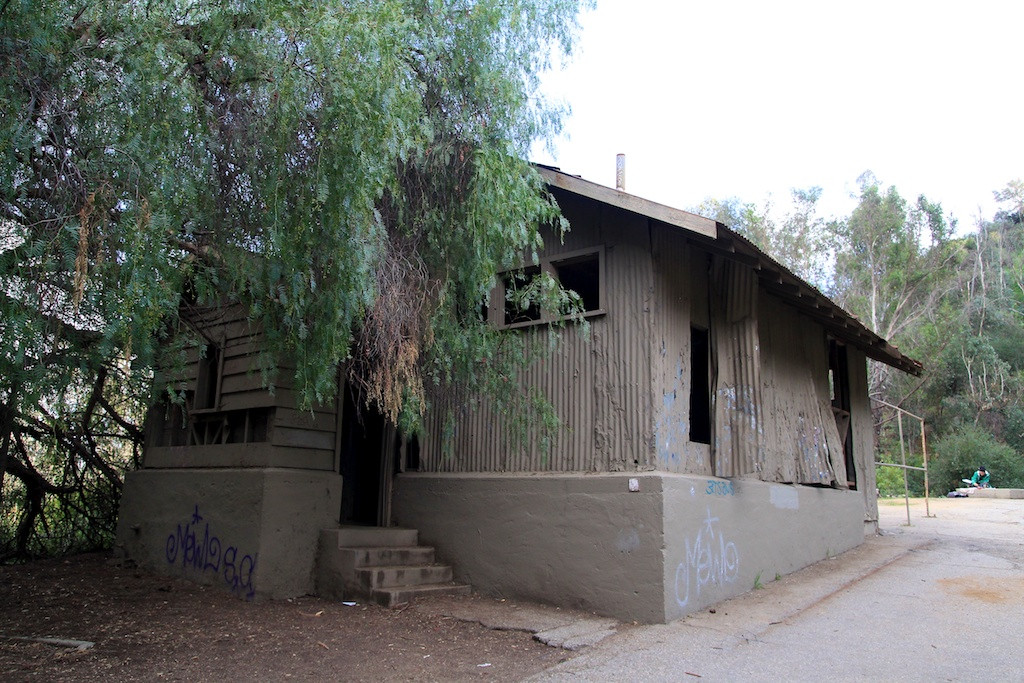


Some of the old zoo structures might look familiar if you’ve seen the Ghost Adventures episode that aired as Season 11, Episode 8. The team visited Griffith Park to investigate two reportedly haunted locations: the old merry-go-round—where witnesses have seen the ghost of a young boy—and the abandoned Griffith Park Zoo, said to be haunted by a female spirit.
The most famous legend tied to Griffith Park—and the one behind many reported ghost sightings—is the 1863 curse said to have been placed on the land by Doña Petronilla. At just seventeen years old, Petronilla was outraged to discover that her uncle, the wealthy landowner Don Antonio Feliz, had not left her the property in his will. In a fit of fury, she reportedly proclaimed that the land would be cursed: “The cattle and fields will become diseased and die, and no one will ever profit from this land.” She also issued a chilling warning to the new owner and his associate, declaring that “one shall die an untimely death and the other in blood and violence.”
The ghost of Doña Petronilla is the most frequently reported spirit in Griffith Park. Witnesses describe her as a young woman in a flowing white dress, occasionally seen riding a white horse. She is said to appear most often around midnight, especially during dark, rainy nights, gazing out from the windows of the historic Paco Feliz Adobe. This adobe, the oldest standing structure in the park, now serves as the Crystal Springs Ranger Headquarters.
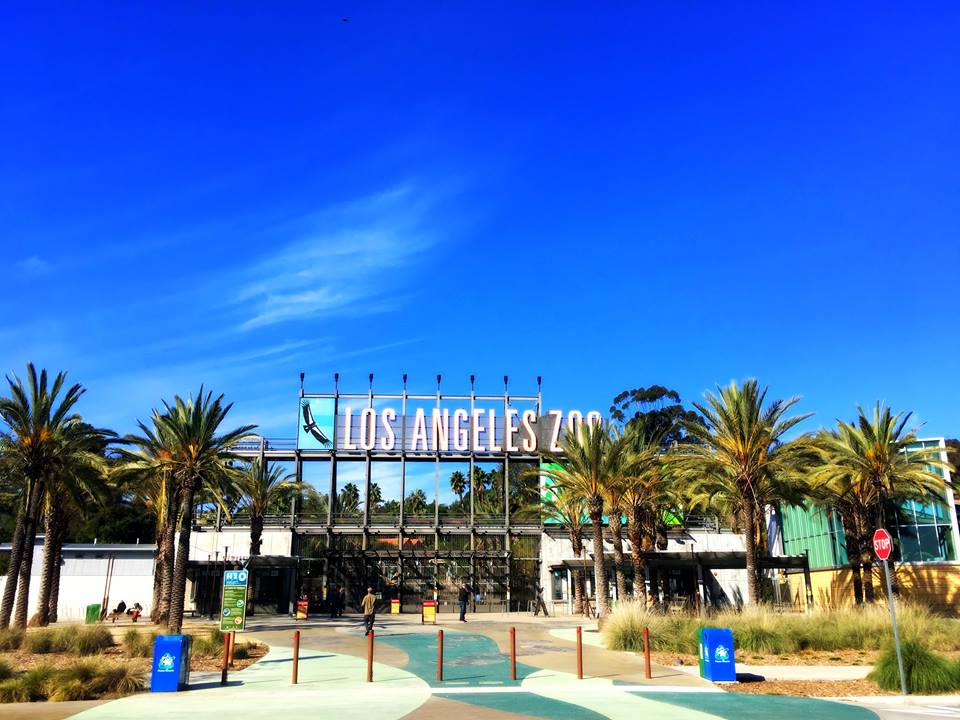
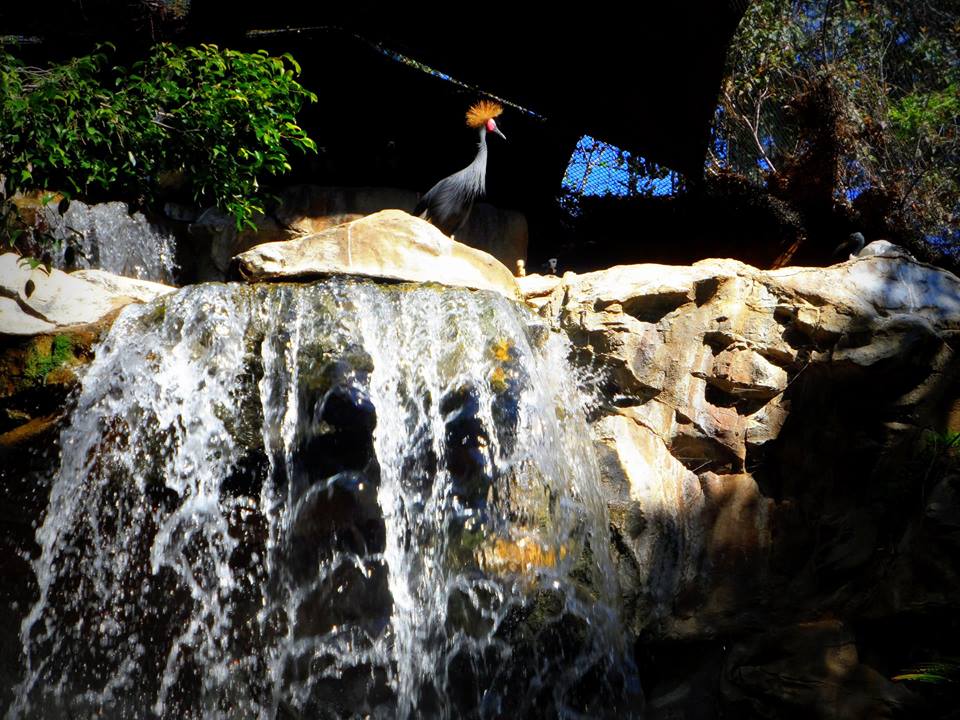
The new Los Angeles Zoo & Botanical Gardens is one of the city’s most popular destinations, drawing nearly two million visitors each year, and for good reason. Home to over 1,400 animals across approximately 270 species—including many that are rare or endangered—the L.A. Zoo offers something for every animal lover. Whether you’re drawn to meerkats, mandrills, hippos, or kangaroos, chances are you’ll find your favorites here. Cool, overcast days tend to offer the best wildlife viewing, but even during hot summer afternoons, there’s plenty to explore. The zoo is open daily from 10 a.m. to 5 p.m., year-round, except on Christmas Day.

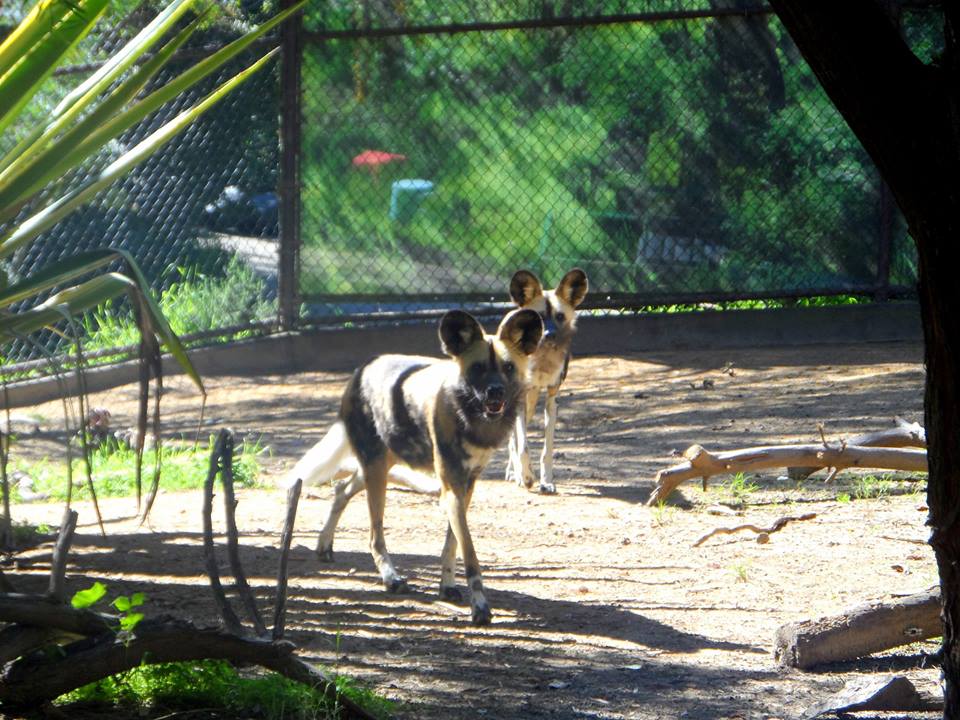

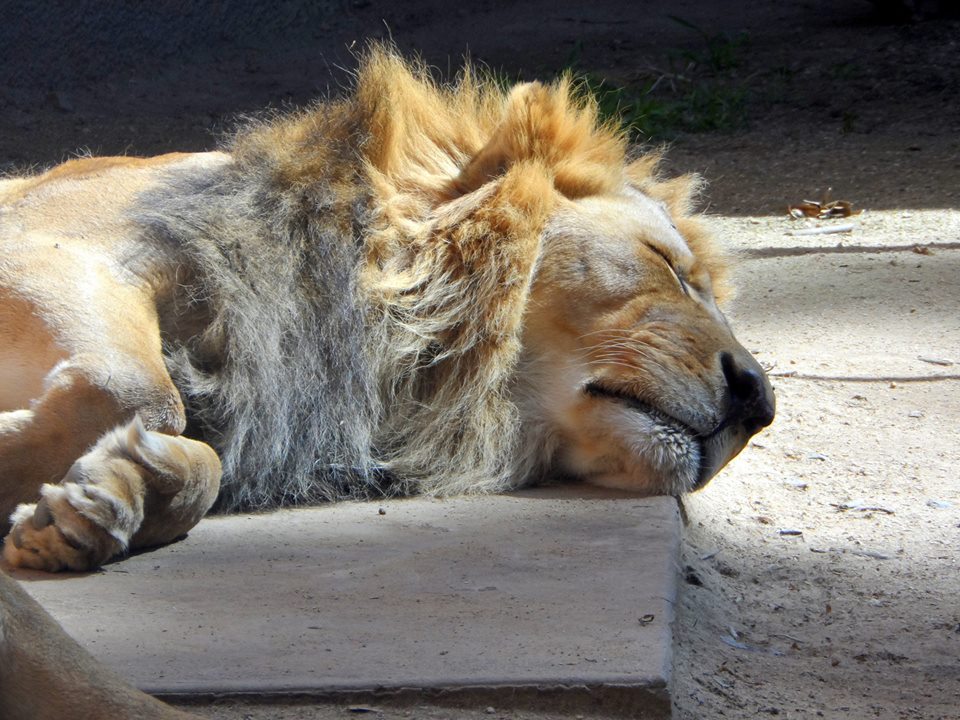
The Los Angeles Zoo covers 113 acres, so be prepared for plenty of walking—comfortable shoes are highly recommended. General admission is $21 for adults (ages 13–61) and $16 for children (ages 2–12), while kids under 2 get in free. If you’re hoping to catch a glimpse of the big cats, plan your visit for after 11 a.m., as they aren’t let out until later in the morning. For $21, it’s a great way to spend half your day. Use the rest of your visit to check out the nearby merry-go-round or explore the eerie remains of the old, abandoned L.A. Zoo.
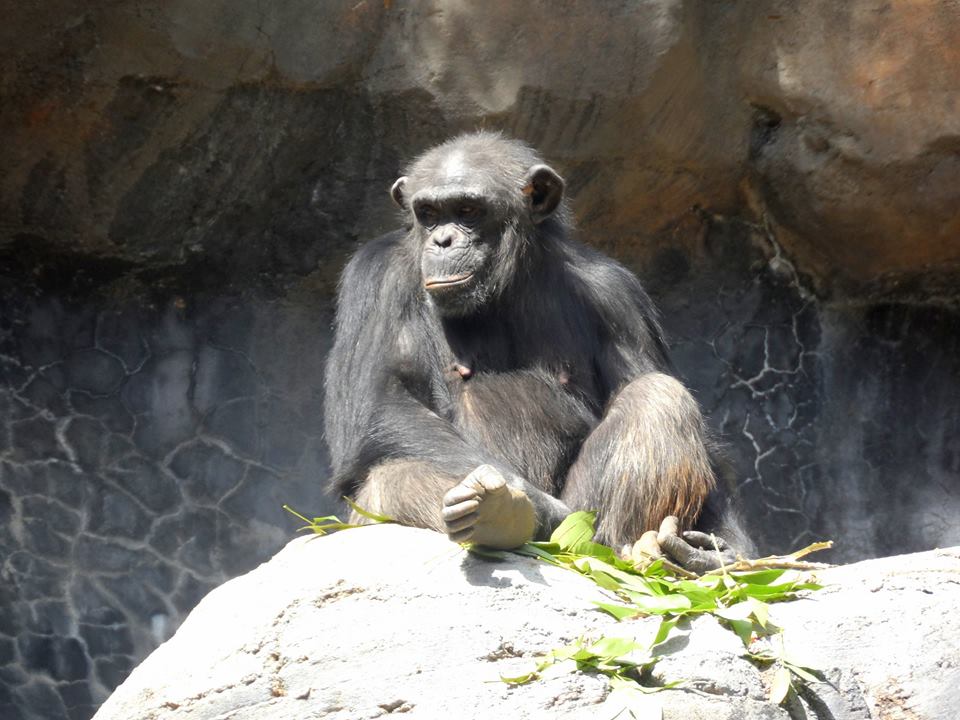
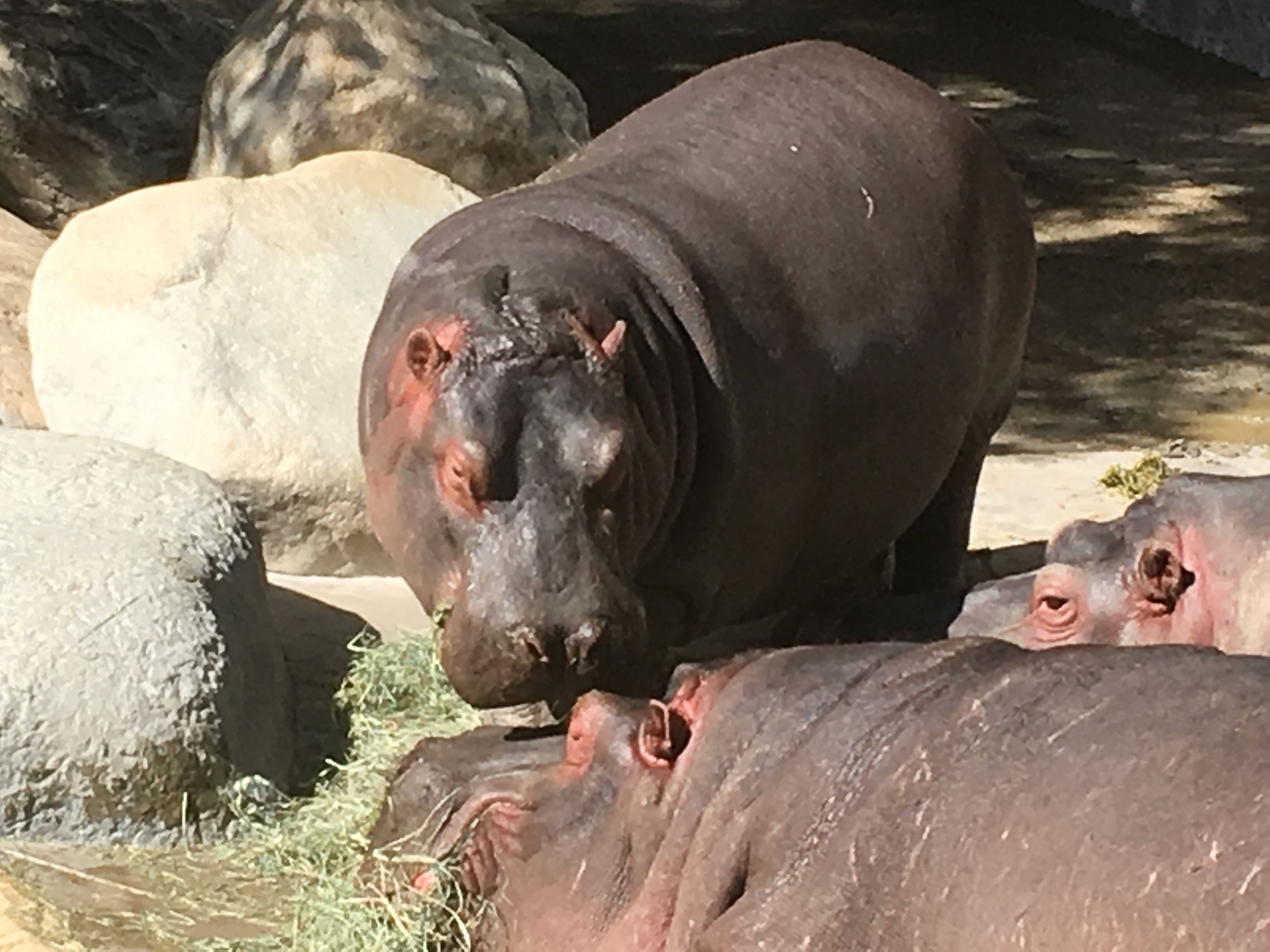
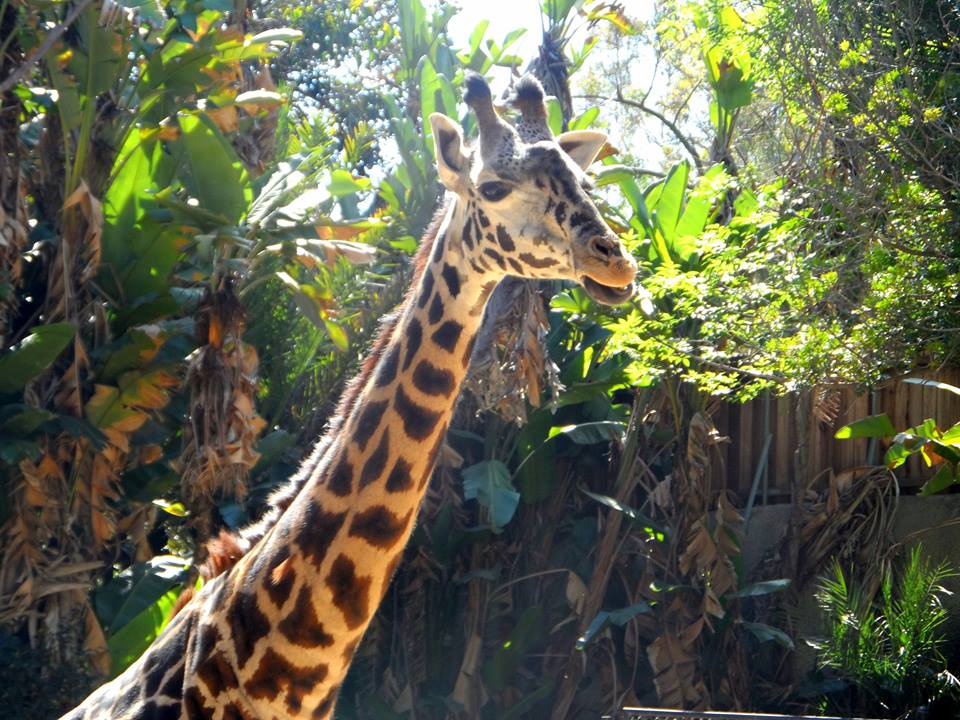

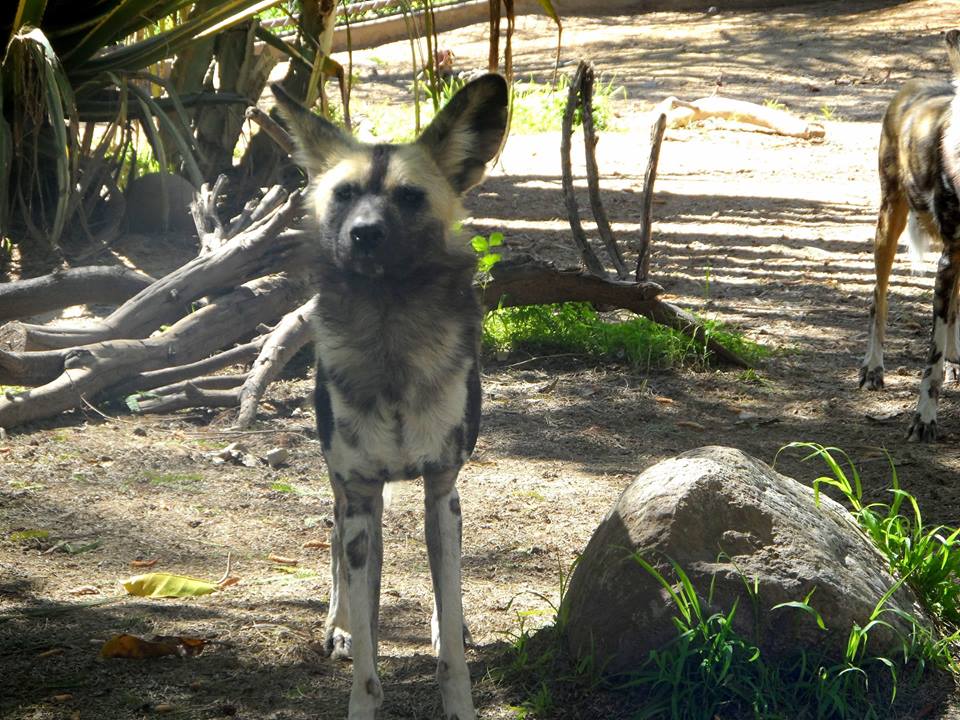


To reach the zoo, take Interstate 5 and exit onto Crystal Springs Drive, then continue to Griffith Park Drive. I parked in the Spring Canyon area, just to the left before Griffith Park Drive curves north. Southwest of this small lot, you’ll find a spacious picnic area, and just beyond that lies the Old L.A. Zoo. You’ll see the former cave enclosures directly ahead, with additional cages, old buildings, and remnants of former zoo facilities perched above them. If you follow the path to the right of the cave enclosures, it winds past several actual cages—some of which remain open for exploration.
Check out photos of all the animals and the rest of the park:
 Wander Woman