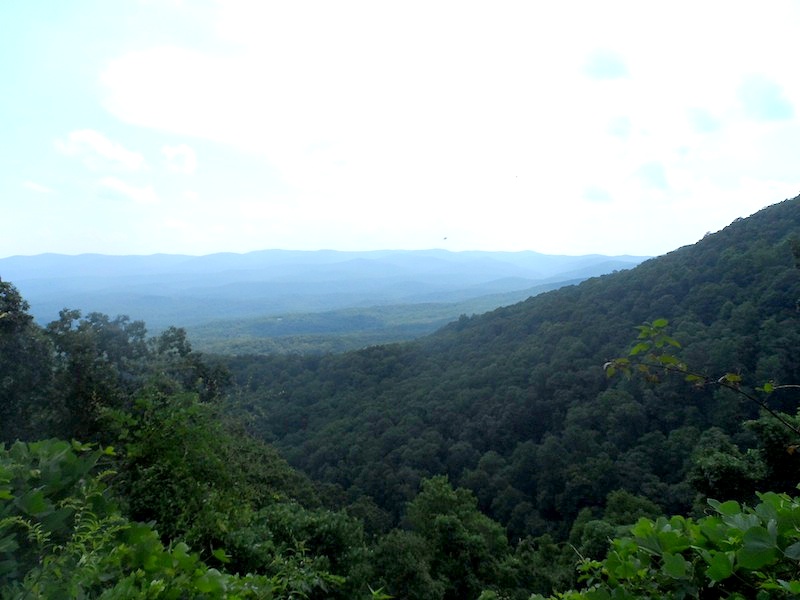
Hiking is one of those rare activities with endless possibilities—countless mountains to climb, waterfalls to discover, and breathtaking views to enjoy.
Nature provides an experience that being indoors just can’t match. Walking among the trees and following winding trails, your focus narrows to the path ahead. You start to notice the intricate shapes of broken branches, the way a blade of grass sways in the breeze, and how clouds drift into ever-changing shapes and patterns.
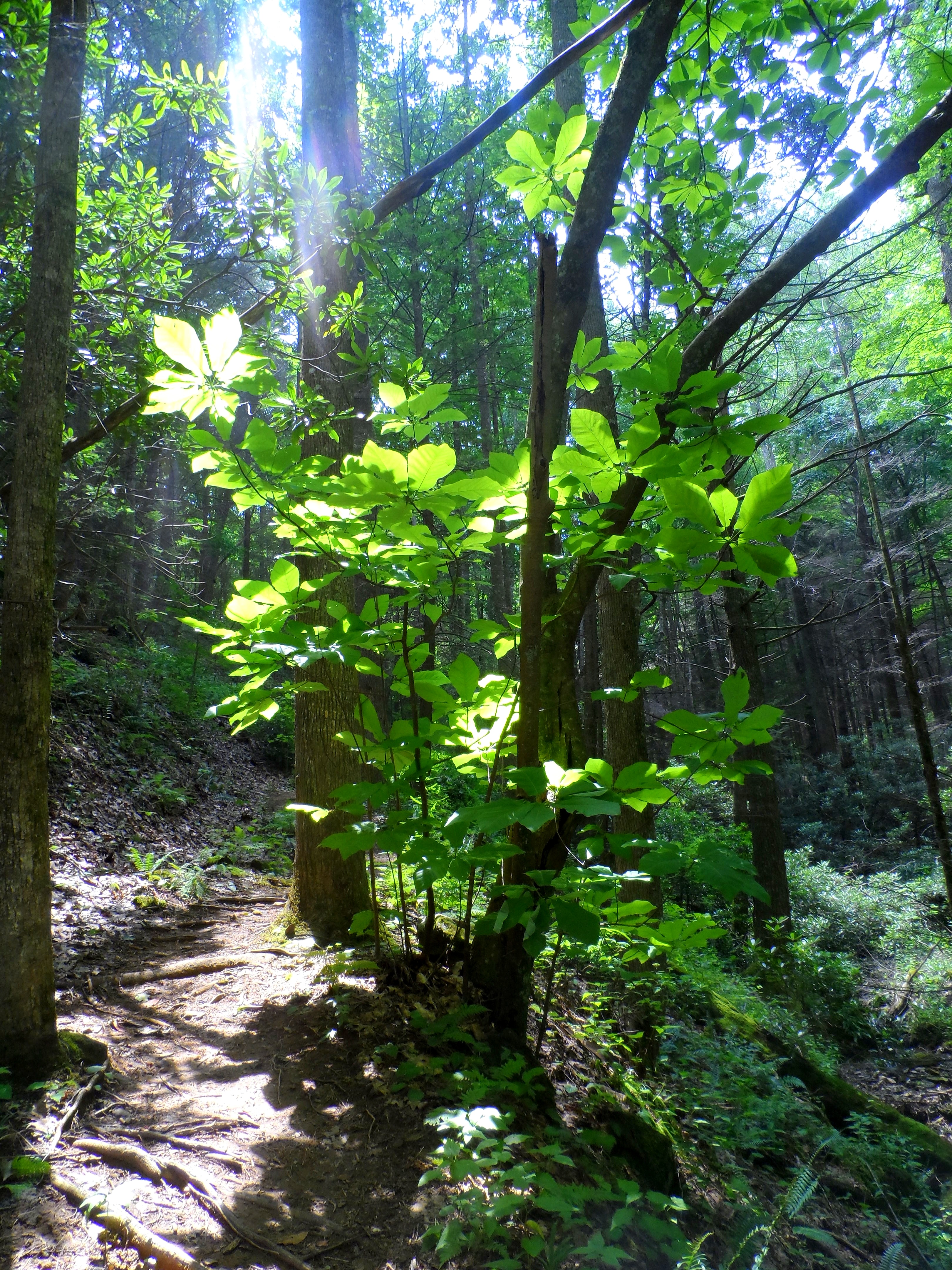
Some of us crave the chance to experience the world alone. Whether it’s occasional solitude or a regular need, hiking often offers the perfect escape. But with that adventure comes a serious sense of responsibility.
What happens if you get lost? Are you knowledgeable enough to know what to eat if your food runs out? How do you get down the mountain if you’ve hurt yourself?
The biggest obstacle to the call of the outdoors is often fear of the unknown, but with the right preparation and safety measures, even a warning sign won’t rattle you.
I’m often told that I’m crazy for hiking alone. They ask, “Aren’t you afraid to go hiking by yourself?”
The answer is both simple and complex.
I hike alone to embrace the peace and quiet of the journey. Fear doesn’t enter the equation. Being immersed in nature gives me the space to reflect and plan my next steps. Solo hiking deepens my connection with myself and the natural world in a way no other place can. It’s my personal reward for staying true to myself and resisting the relentless pressure to conform to the world’s expectations.

There have been mornings when I rise long before dawn, cruise down nearly empty freeways, branch off onto winding highways, then veer onto dusty dirt roads—driving miles until I find myself the only car parked at a secluded trailhead.
Often, within the first few miles, my mind untangles whatever’s been weighing on me, and then the rest of the hike becomes a peaceful, almost meditative experience. For many, this is the greatest reward of hiking solo. There’s nothing quite like being alone in nature to face your inner struggles and reflect on your life. It’s not for everyone, but if it’s something you need, hiking alone can work wonders for your sense of self.
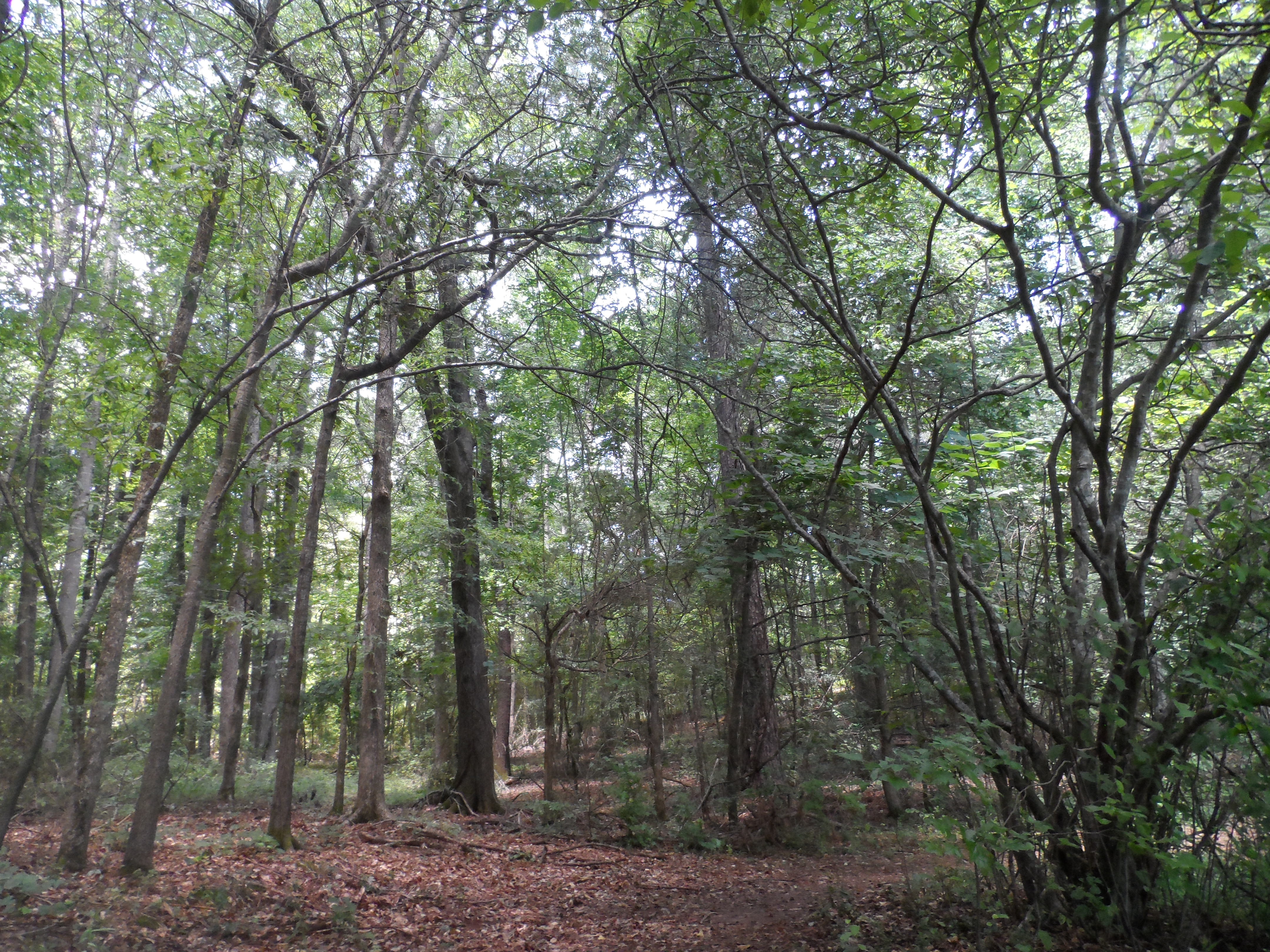
Some might view it as introverted or anti-social, but for me, it’s truly empowering to embrace the beauty and wonder of relying on my own willpower—navigating unfamiliar places, learning as I go, and facing new paths without fear. It’s a way of fully experiencing life in the wilderness on my own terms.
By the time I set out on a solo hike, fear usually takes a backseat. The thrill of the adventure and confidence in my skills outweigh any lingering doubts. Still, there are moments on certain trails when I have to confront my fears—often triggered by dark caves, murky water, or shadowy tunnels.
I really don’t like heights, so climbing out to the edge of Point Dume, in Malibu, California, was not easy for me.
Did I hesitate?
Yes.
Did I climb ridiculously slowly?
Yes?
Did I finally reach the end?
Yes.
I’ll admit, the view was breathtaking. But what made it even more majestic and meaningful was that I had to confront a fear to reach it. If I hadn’t made that solo hike, I don’t think I would have fully appreciated that moment.
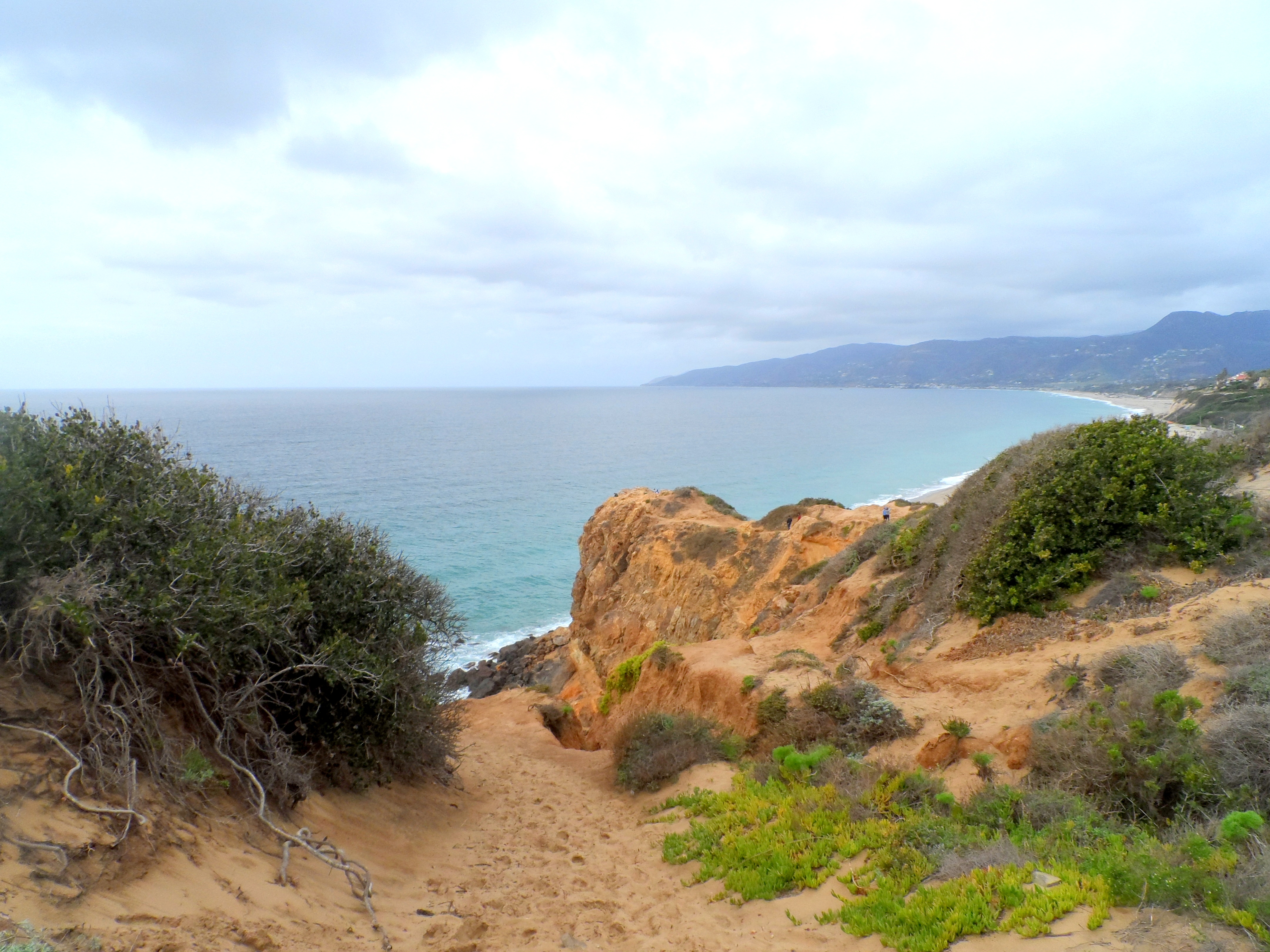
It’s incredible how these vast spaces can make you feel so small and insignificant next to the immense beauty that surrounds you. There’s something deeply refreshing about experiencing that sense of oneness with the wild world enveloping you. Standing there, fully exposed to the elements, you somehow find a profound peace—and even serenity.
Many people hesitate to hike alone because they worry about getting injured, losing their way, or encountering wildlife. While these risks do exist, they are quite unlikely—especially when you take the time to prepare properly beforehand.
Naturally, spending time in nature means you might come across wildlife, which can be both exciting and risky. Knowing how to prevent or handle an encounter varies depending on the type of animal you face.
Fear of wild animals shouldn’t stop you from exploring new trails. Most hikers can enjoy nature safely without worrying about anything more dangerous than a pesky mosquito.

Encounters with wildlife are almost guaranteed while hiking—whether it’s a flock of birds soaring overhead or squirrels rustling through the trees. However, there are also larger, more dangerous predators to be aware of and cautious around. Although attacks are rare, they can still occur, often for reasons such as:
- Not making enough noise.
- Approaching or surprising an animal at close proximity, especially bears.
- Getting close to an animal carcass or another food source.
- Venturing off a trail or at dusk or night.
- Startling a female bear or lion with cubs.
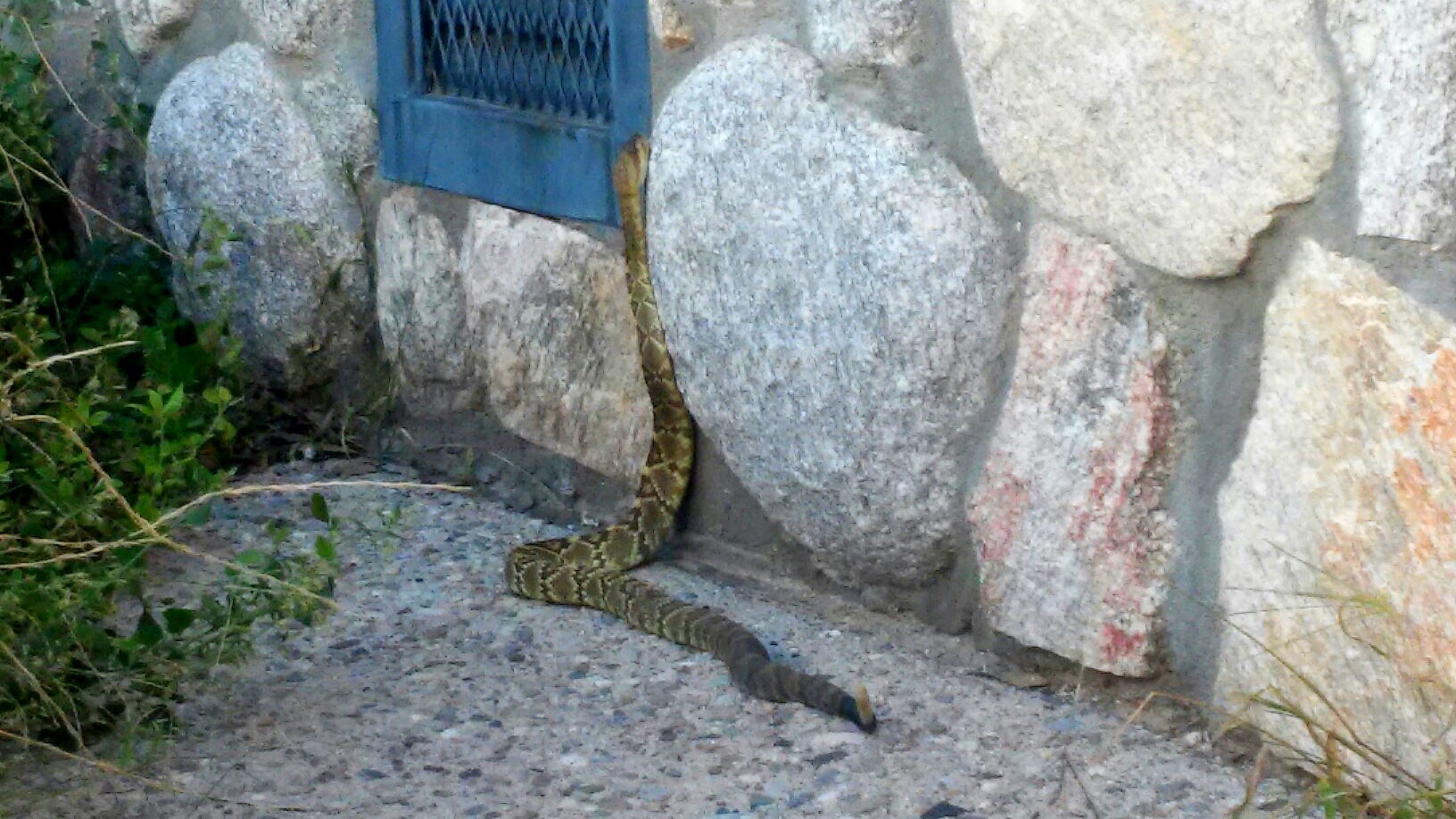
Always remember that when you’re hiking in the great outdoors, you’re entering the home of bears, rattlesnakes, mountain lions, and a wide variety of other wildlife. Respecting their territory is key.


ALWAYS Keep A Watchful Eye: Stay alert and attentive to your surroundings at all times. Keep an eye out for signs of large animals—tracks, droppings, overturned rocks, scratch marks on trees, or torn logs. Periodically scan the trail ahead. Rattlesnakes can often be heard from a distance; if you hear one, wait patiently for it to move on before continuing your hike.
Avoid wearing headphones, especially on remote trails—I see this all too often. Instead, stay fully tuned into your surroundings so you can hear any approaching wildlife. When I hike solo, I focus on every tree, rock, turn, and fork in the path, soaking in and mentally capturing the entire experience.
Benefits of Solo Hiking:
Own Pace – A group’s pace is limited by its slowest member, meaning everyone is either rushing or lagging behind their ideal speed. When hiking solo, you set your own pace and can adjust it freely whenever you choose.
Challenge – Push yourself to hike faster, farther, or longer hours than you’re used to. Build up to more difficult trails, uncomfortable weather, and rough environments.
Meet your Fears – Many of our fears are rooted more in perception than reality. Whether it’s fear of wild animals, heights, darkness, storms, solitude, or something else, hiking alone can be a powerful way to face and conquer those fears.
Responsibility – When the solo hiker finishes, they can proudly say, “I did it myself.” The entire success of the adventure—and the pride that comes with it—belongs solely to them. Along the way, the responsibility for minimizing impact, caring for the trail, staying safe, and being self-reliant rests entirely on their shoulders.
Since my current location is the southwest, I’ve listed a few tips for wildlife found in the area.

If You See a Mountain Lion
- Stop – don’t run, and stay calm.
- Talk loudly and firmly to the lion in a low voice.
- Face the lion, but avoid direct eye contact as this may be interpreted as a challenge.
- Back away slowly if you can do so safely.
- Make yourself look large – raise your arms or hold a jacket or backpack above your head.
- Pick up your dog (if it’s small enough) so it does not run.
- If the lion behaves aggressively, throw stones, branches, or your belongings at him.
If You Are Attacked by a Mountain Lion
- Don’t run – fight back.
- Use what ever is available to you – your backpack, jacket, sticks, tools, keys, knife, or even your bare hands.
- Protect your head and neck.

If You Meet a Coyote
- Coyotes typically hunt alone or in pairs, so keep an eye on your surroundings.
- Calmly, but slowly back away and maintain eye contact. Don’t turn your back.
- Don’t run.
- Raise your arms or hold a jacket or backpack over your head to make yourself look bigger.
If You Are Attacked by a Coyote
- If the coyote shows signs of an impending attack act aggressively – yell loudly, and throw rocks, sticks or your belongings at it.
- Throw dirt, gravel, sand – anything you can find – in its eyes.
If You Meet a Rattlesnake
Back off and don’t challenge the snake. Give it space. Some rattlers won’t make their characteristic “rattle” sound, which means you could be standing right next to one and not even know it.
– Wear boots and long pants when hiking to help block rattlesnake venom.
– Stay on trails when hiking, away from underbrush and tall weeds.
– Always look for concealed snakes before picking up rocks, sticks or firewood.
Rattlesnake bites can cause intense pain and swelling at the bite site, heavy bleeding, nausea, and swelling of the mouth and throat that can make breathing difficult. In severe cases, victims may experience lightheadedness, excessive drooling, and, though rare, collapse or shock.
Do not apply ice, do not use a tourniquet or constricting band, do not try to suck out the venom, and do not use any device to cut or slice the bite site.
Do you hike alone, or do you prefer to hike in a group?



2 responses to “Solo Hiking Without Fear: Building Confidence One Step at a Time”
Wow, beautiful!
LikeLike
Great post! Another benefit of going solo is being able to go wherever you want without having to comprise with anyone else 🙂
LikeLiked by 1 person