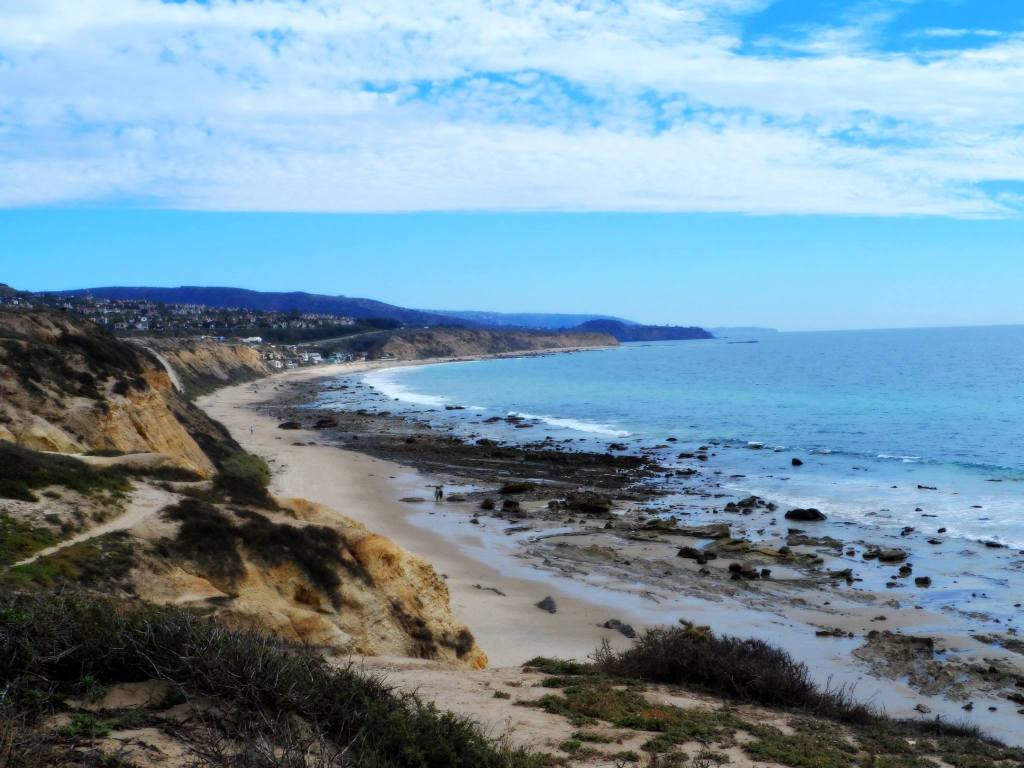
Orange County might not have a reputation for hiking, mountain biking, or outdoor adventures—but those with a free spirit know better. After two years of exploring, I’ve never once been disappointed by the incredible opportunities this area has to offer.
The history of Crystal Cove is as enchanting and almost otherworldly as the place itself. Archaeological discoveries reveal that Native Americans have been camping by the small natural cove near Los Trancos Creek for over 4,000 years, spending their summers feasting on mussels, crabs, and sardines.
Nestled along the bustling Pacific Coast Highway between Corona del Mar and Laguna Beach, Crystal Cove stands as one of Orange County’s largest remaining stretches of open space and untouched coastline. It’s no surprise that artists were among the first modern visitors drawn to this stunning, picturesque spot.


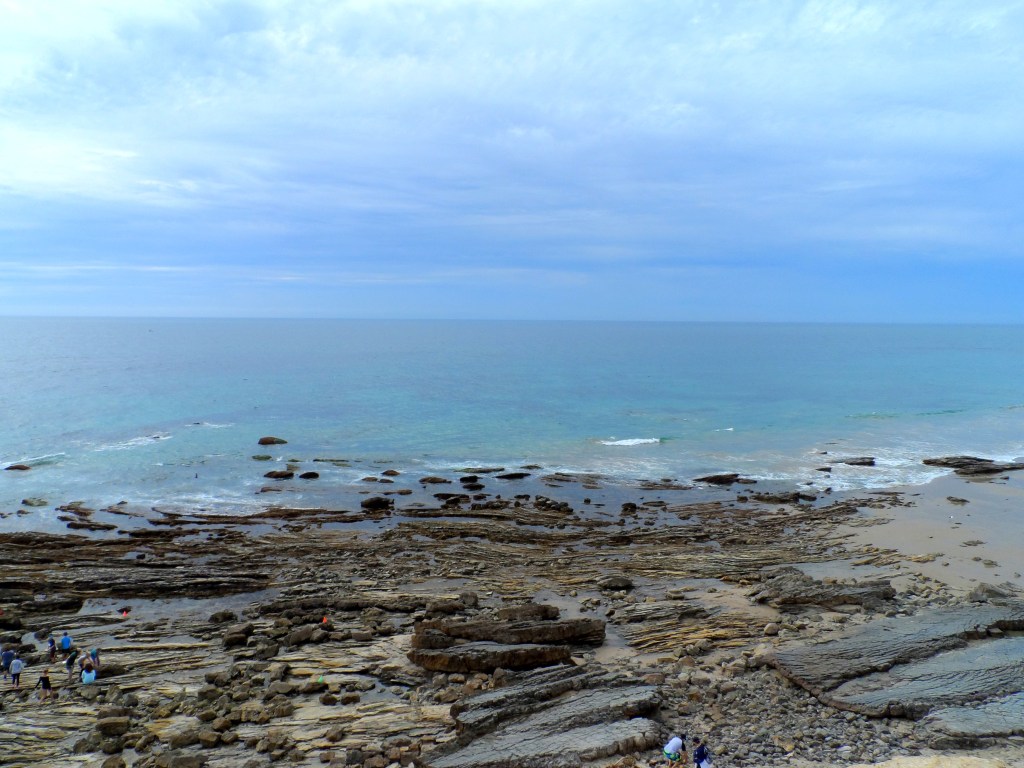
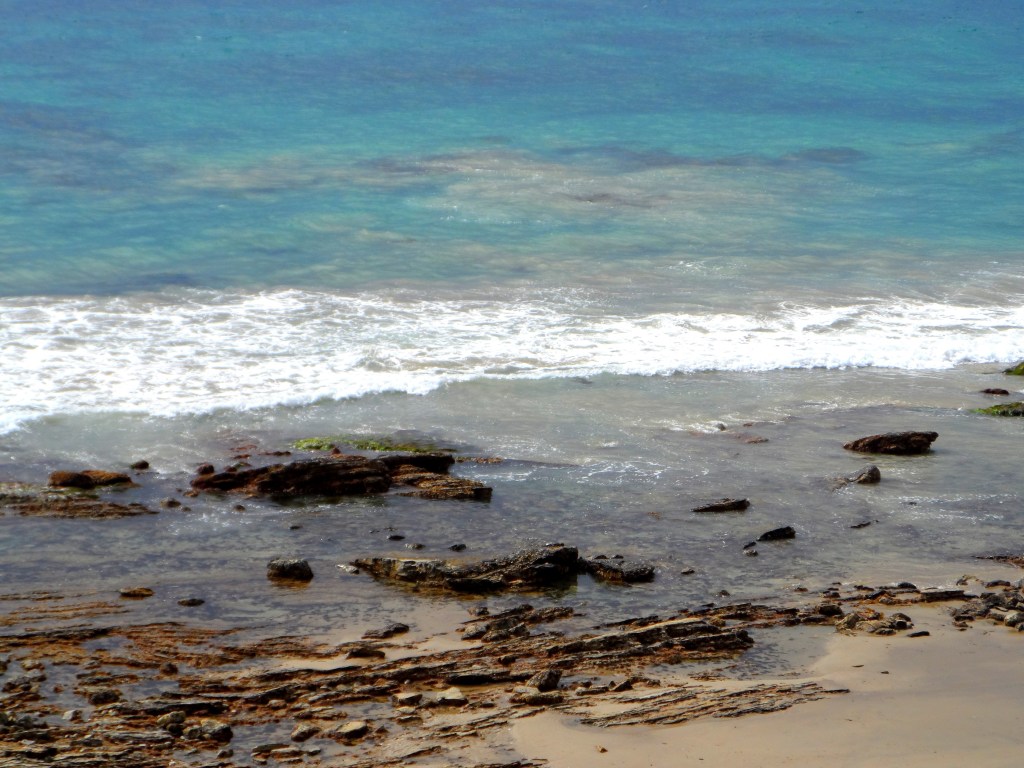
Established in 1979 but rooted in a history dating back to the 1920s, Crystal Cove boasts three miles of stunning beaches and vibrant tide pools, 400 acres of open bluffs, and 2,400 acres of canyons teeming with California wildlife. It also includes a 1,400-acre marine conservation area featuring a unique underwater park, while its sandy Los Trancos shore is home to the nationally registered Historic District Beach Cottages.
James Irvine first acquired the land in the 1870s from the original ranchers who owned much of Southern California. It was his son, James Irvine II, who fell in love with the Crystal Cove area and welcomed family, friends, and employees to build the iconic bungalows there.
In 1927, Elizabeth Wood named the area “Crystal Cove” simply because the name felt perfect for such a beautiful place. The site was a cherished retreat for owners James Irvine II and James Irvine III, who often spent time enjoying the serene beach setting.
In the early 20th century, filmmakers captivated by the rugged landscape chose Crystal Cove as the backdrop for some of the era’s most memorable scenes, including parts of the 1950 silent classic Treasure Island, as well as Sea Wolf, Stormswept, and Sadie Thompson.
Tucked away in a private cove between Newport and Laguna Beach, Crystal Cove offers filmmakers the perfect setting to create a fantasy world. Movie studios use the area to stand in for tropical locales like Hawaii and Polynesia, planting palm trees that still thrive today and constructing grass shacks as part of their sets.
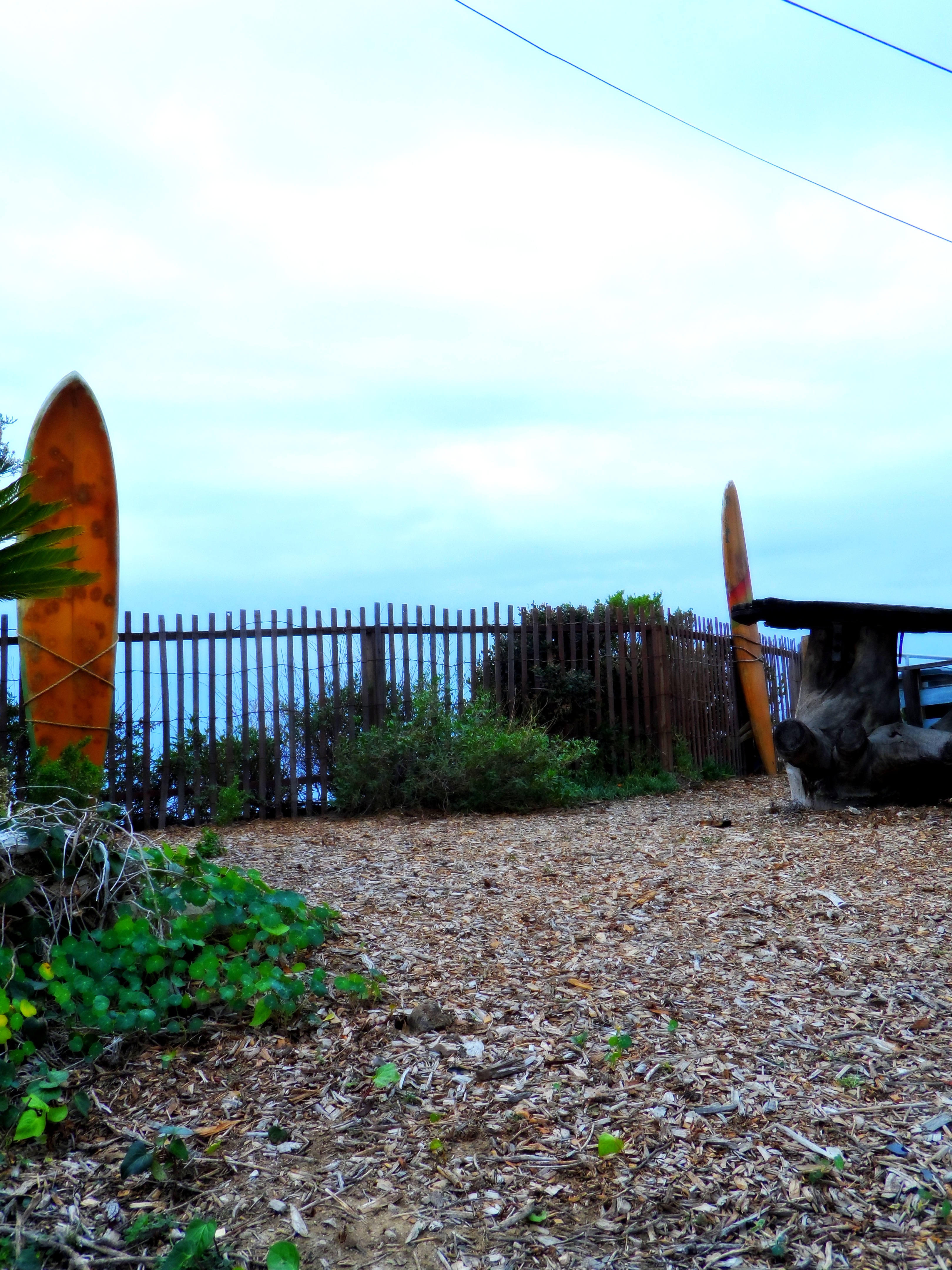
Film crews would often leave their sets behind, and soon families began making them their homes. It was a wild time—movie companies partying on the beach after dark, while rum-runners anchored offshore in black-painted boats, loading boxes of illegal liquor into waiting cars at the cove.
By the late 1920s, a lively tent city stretched along the beach during the summer months. Although neither the cottages nor the tents had official claims to the land, the same families returned year after year, staking their spots. In the ’30s, more tents sprang up around them, gradually giving rise to a close-knit community.
The Crystal Cove Historic District, spanning 12.3 acres, is the last remaining original beach community in Southern California. Beyond the charming bungalows, visitors can enjoy towering cliffs, scenic walking trails with breathtaking ocean views, stunning sunsets over the water, and the beloved Beachcomber Café.
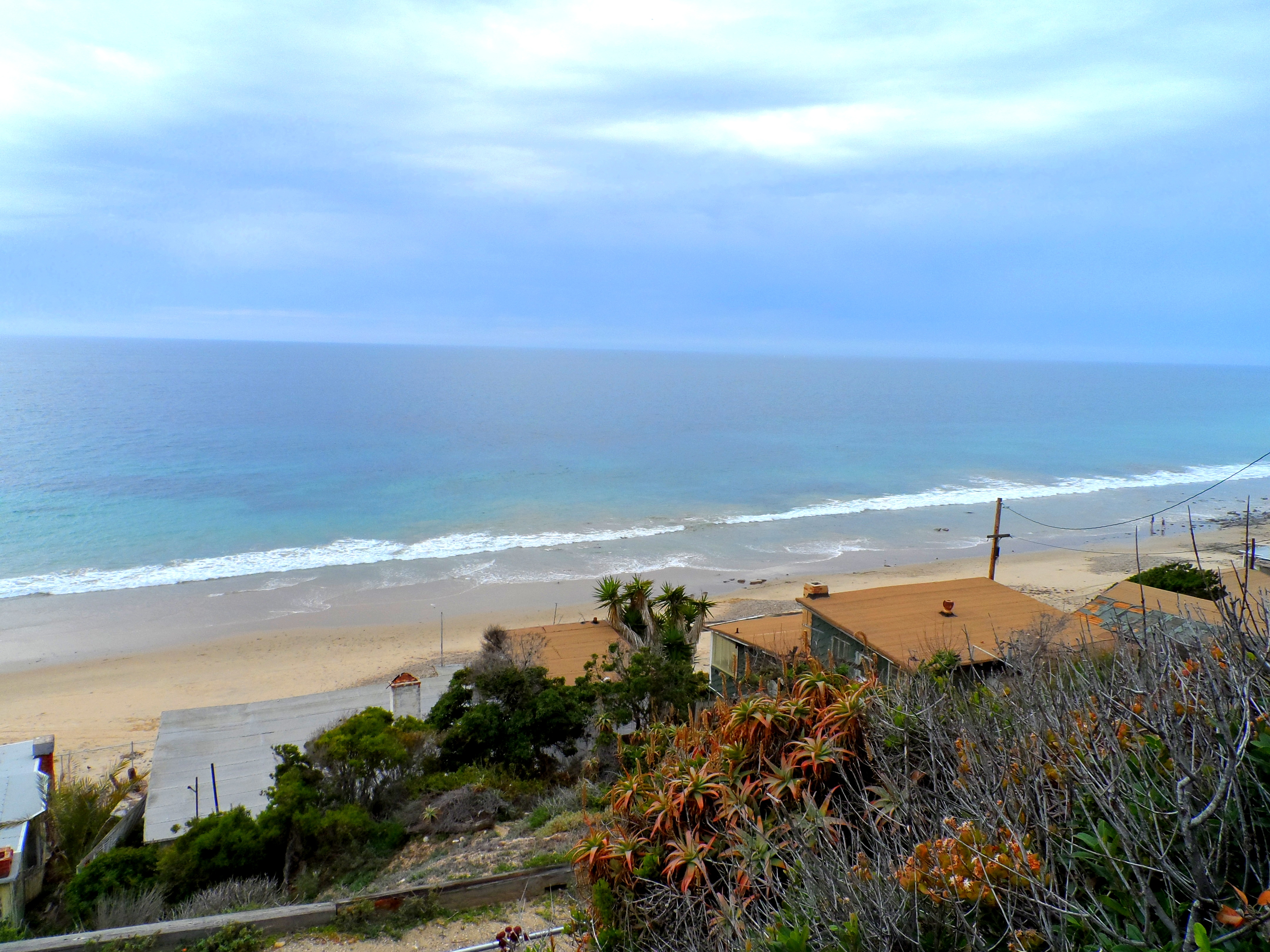
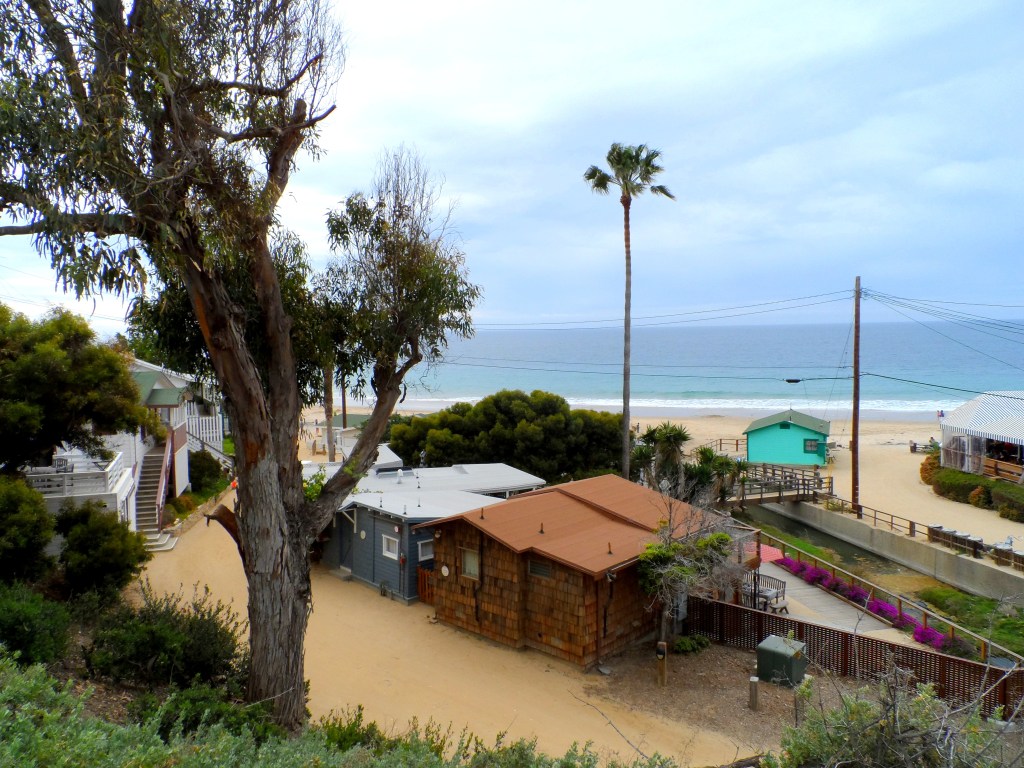
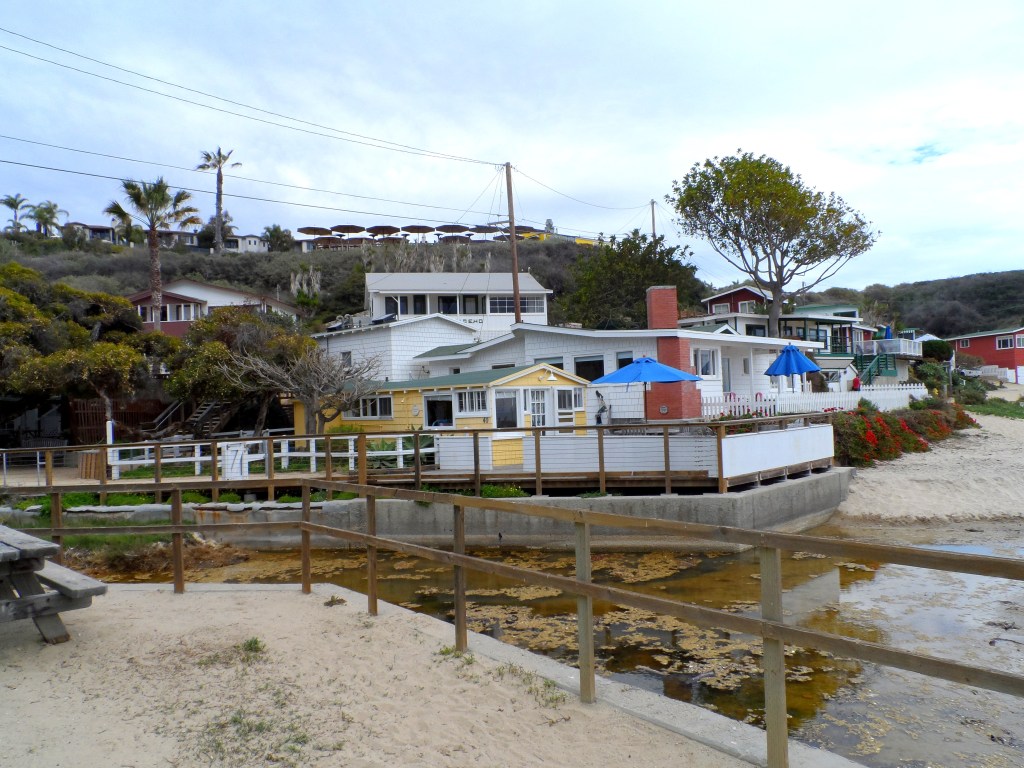
The Historic District is an enclave of 46 vintage rustic coastal cottages nestled around the mouth of Los Trancos Creek.
At first, the state planned to develop an upscale resort on the site, with rooms priced between $350 and $700 per night. However, public outcry halted those plans, and thanks to the efforts of activists led by Laura Davick, the cottages were saved and restored. Crystal Cove was ultimately designated a state historic park.

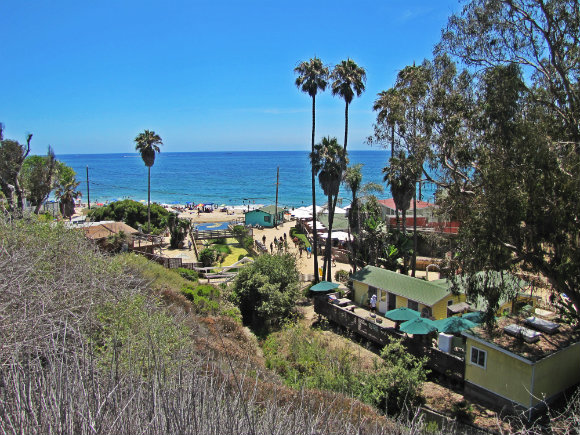
The remaining bungalows were carefully renovated and restored thanks to the efforts of the Crystal Cove Alliance, aiming to preserve this important piece of California history and prevent a large resort development. When the beach cottages were acquired by State Parks, the area was designated as protected parkland. Today, about three dozen cottages have been restored and are available for vacation rentals. You can find the rental list and information here.

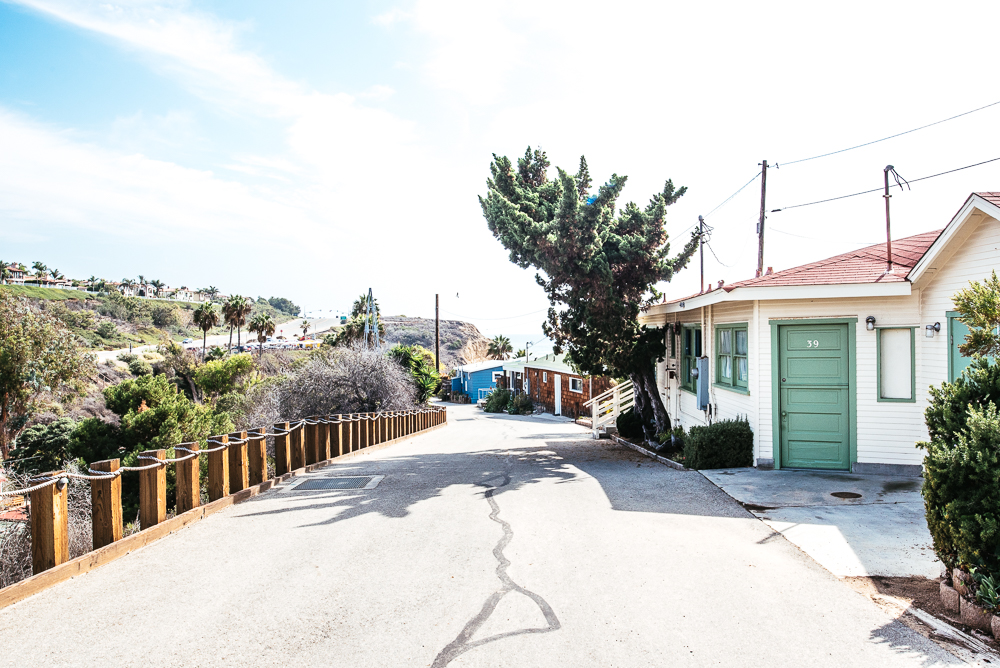


This isn’t some designer’s vision of what a California beach home should be—it’s the real deal. Funky, weathered, and pieced together by genuine beach dwellers who kept brushes by the door to sweep the sand off their feet before stepping inside.
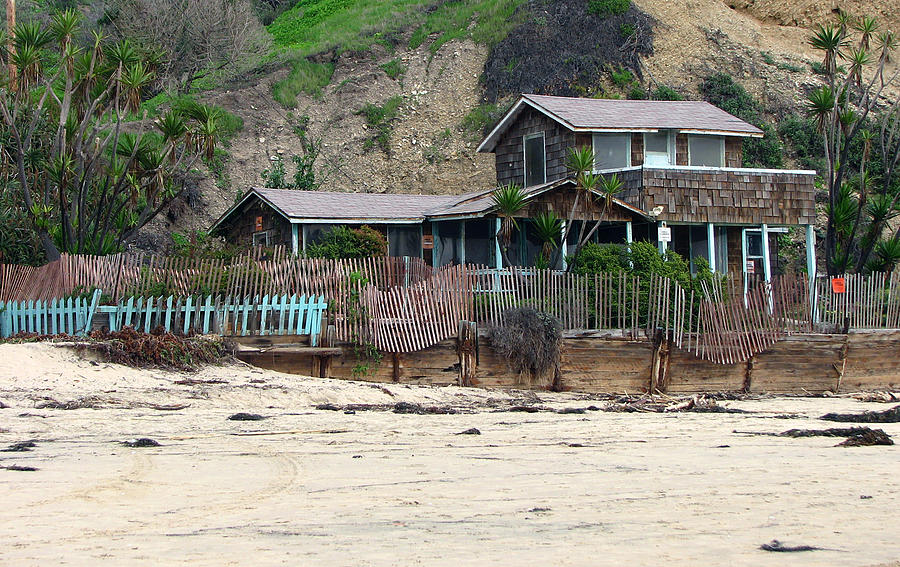
Be sure to visit Cottage #13—it was definitely one of my favorites. Located at the far south end of Crystal Cove, this cottage started as a humble 10-by-12-foot room built by six couples who first came to the cove as campers in the late 1920s. With a small porch, wooden floors, and walls only four feet high, the structure was finished with screened upper walls and a canvas roof.
In the 1930s, after a storm damaged the shack, the two remaining couples—the Parkers and the Lees—relocated the cottage against the bluff’s side. They repaired the porch and added a kitchen in the back along with a bedroom on each side.
The cottage played a starring role in the 1988 Bette Midler film, “Beaches,” which showcased a dramatic view of Crystal Cove from the front porch.
Today, Cottage #13 honors Crystal Cove’s cinematic heritage. As part of Phase II restoration efforts within the Historic District—and the Crystal Cove Alliance’s dedication to preserving the park’s authenticity—the cottage was thoughtfully converted into a media center highlighting Crystal Cove’s rich film history.

The Historic District beach area, rustic Beach Cottages, Beachcomber Cafe, Bootlegger Bar, and the Ruby’s Shake Shack are all most easily accessible by means of the underground tunnel to the beach, or by the shuttle through the Los Trancos entrance located on the inland side of Pacific Coast Highway.
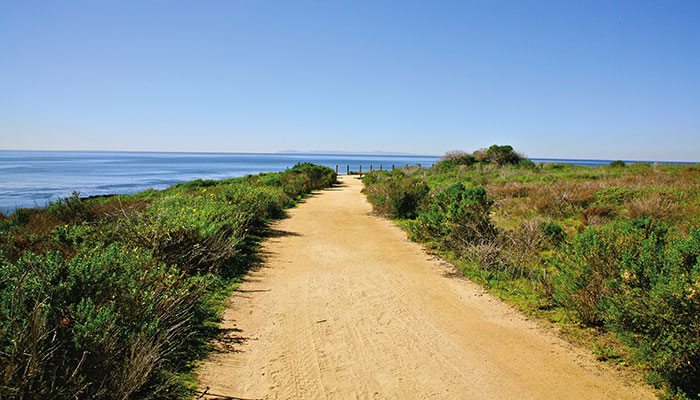
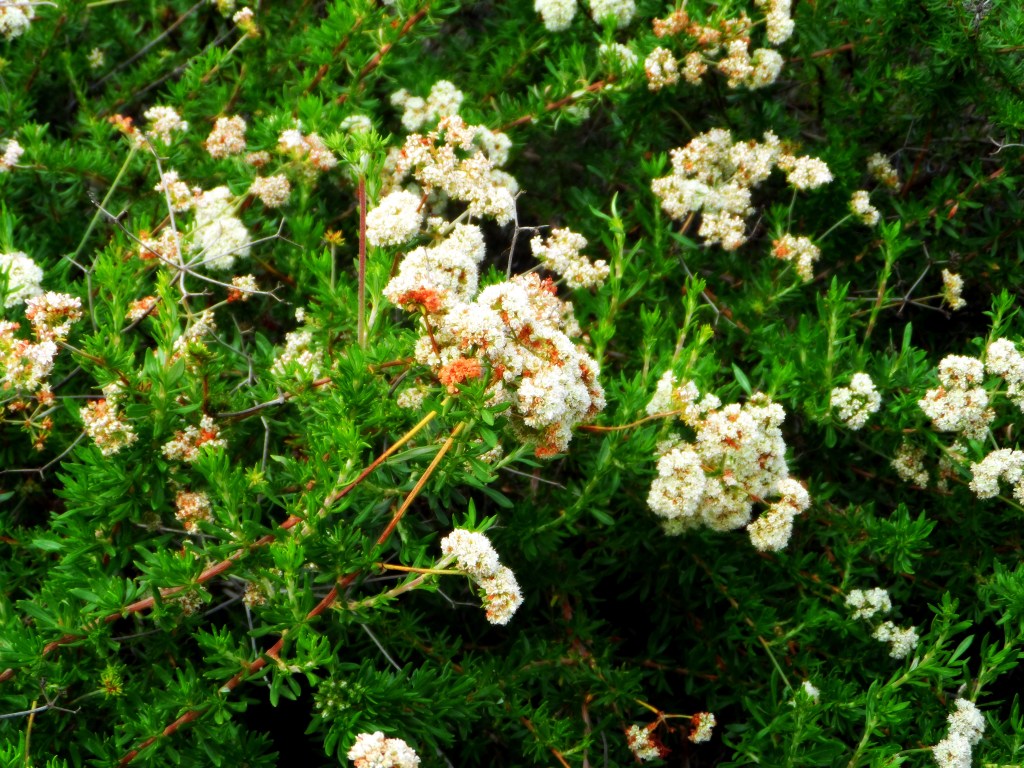
Hiking is the main attraction at Crystal Cove. A network of well-marked trails weaves throughout the park, offering access to nearly every canyon. With its Mediterranean climate, the area supports a rich variety of plants and animals, making it one of Southern California’s top spots for wildlife viewing.
There are too many trails to cover here, so I recommend picking up a map at the park. Aim to explore at least one trail that climbs a ridgeline and another that winds through the canyons. Keep in mind that the trails are shared with mountain bikers and the occasional horseback rider, so stay alert.
Camping in the backcountry of Crystal Cove State Park offers a true primitive experience surrounded by nature—yet with the soothing sound of ocean waves carried on the breeze. All 32 campsites, each accommodating up to four people and spread across three campgrounds, are accessible only by a three- to four-mile hike. If you plan on camping out for a few days I suggest getting yourself one of these nifty Holleyweb lightweight camping mats. It’ll feel like you’re in a bed, while listening to the waves.
No water or trashcans are available for use at these campsites and no open-flame fires are permitted. A permit is required to camp in the backcountry.
Note: No dogs are allowed anywhere in the campgrounds or on any backcountry hikes, for nature and wildlife preservation reasons.
The stretch between Little Treasure Cove and Treasure Cove is perfect for wandering down to the tide pools and watching the vibrant marine life. Treasure Cove is ideal for swimmers, while Pelican Point attracts scuba and skin divers, surfers, and tide pool explorers alike.
Crystal Cove feels like a world apart from the hustle of Orange County. The park offers endless opportunities for adventure—whether you’re exploring the backcountry, enjoying activities in the cool Pacific waters, or simply relaxing on the beach with friends and family under the Southern California sun.

 Wander Woman
One response to “Crystal Cove’s Rich Heritage: Nature, History, and Preservation”
[…] Crystal Cove State Park […]
LikeLike