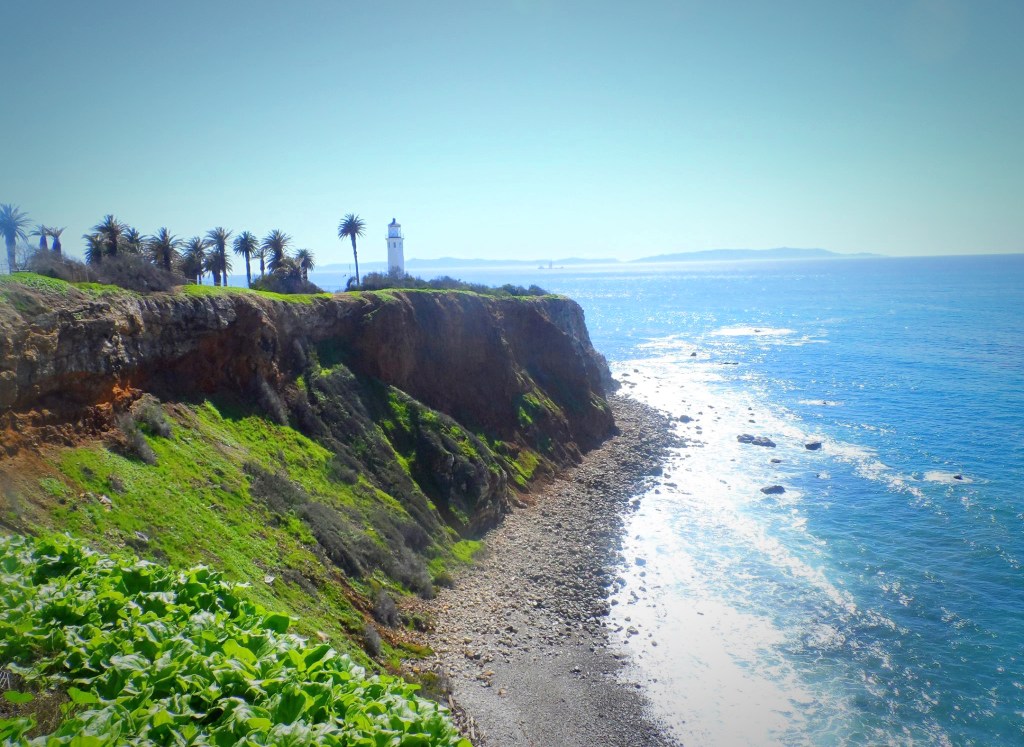
Perched on the edge of a steep cliff since 1926, the Point Vicente Lighthouse is a timeless landmark that still shines brightly every night. This historic beacon has long been one of the area’s treasured gems. For those on land, it’s a stunning sight that draws tourists, photographers, and artists alike. For sailors, it serves as a vital navigational guide, marking the northern entrance to the Catalina Channel along the Pacific coast.
In 1790, Captain George Vancouver named the point during his exploration of the Pacific coast for England aboard his 90-foot sloop, Discovery. He chose the name to honor his close friend, Friar Vicente of Mission Buenaventura. In a similar fashion, he also named nearby Point Fermin.
During World War II, Fort MacArthur’s heavy gun emplacements guarded the peninsula. At that time, the powerful 1000-watt lighthouse bulb was swapped out for a small 25-watt one, and blackout curtains were hung in every window. The Coast Artillerymen didn’t want the light to make navigation easier for the enemy.
After the war, the lighthouse’s constantly rotating beam became a glaring nuisance for local residents and a hazard for drivers on Palos Verdes Drive. To stop the beacon’s flash from lighting up nearby bedrooms, keepers painted the inside of the windows facing the land with a layer of white paint. It was then that the legend of the “Lady of the Light” was born—through the softened glow of the painted windows, some claimed to see the silhouette of a tall, serene woman in a flowing gown, slowly pacing the tower’s walkway.


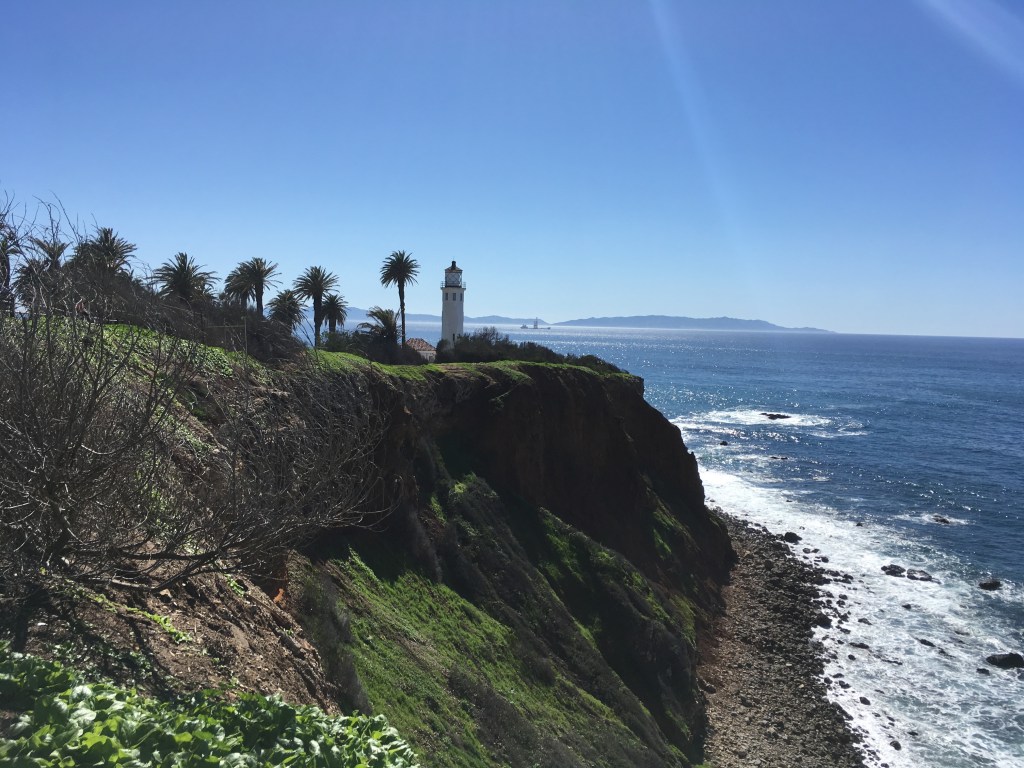
Today, the Point Vicente Lighthouse continues to shine its beacon across the Catalina Channel, guided by electronic sensors and automated controls that have replaced the lighthouse keeper and now trigger the foghorn. Far from being abandoned, the on-site housing serves as a home for Coast Guard personnel assigned to nearby ships, stations, and offices. The former radio center is now staffed by volunteer civilian members of the Coast Guard Auxiliary, who not only oversee the lighthouse but also monitor distress calls from boaters in the Catalina Channel. Additionally, the radio center tracks Auxiliary aircraft patrolling the offshore waters on weekends.
As for the “Lady of the Light,” many stories have emerged over the years about her identity. Some say she’s the ghost of the first lighthouse keeper’s wife, who tragically fell from the cliff on a foggy night. Others believe she waits eternally for a lover lost at sea, while some think she’s the spirit of a heartbroken woman who jumped from the cliffs after being abandoned by her fiancé. Rational explanations suggest the phantom is simply reflections from the massive lens, but that hasn’t stopped romantics from joining the Lady in her haunting vigil.
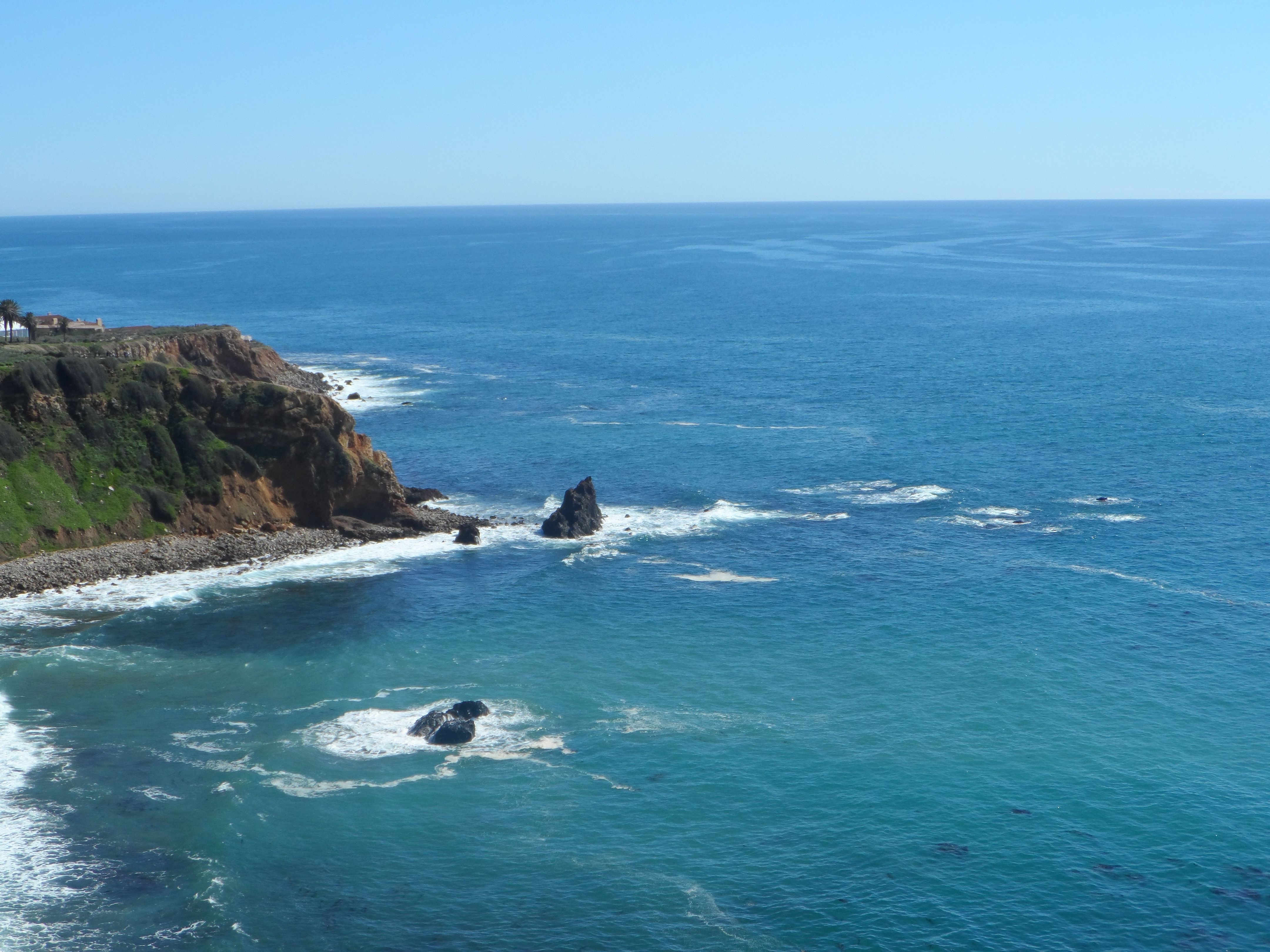
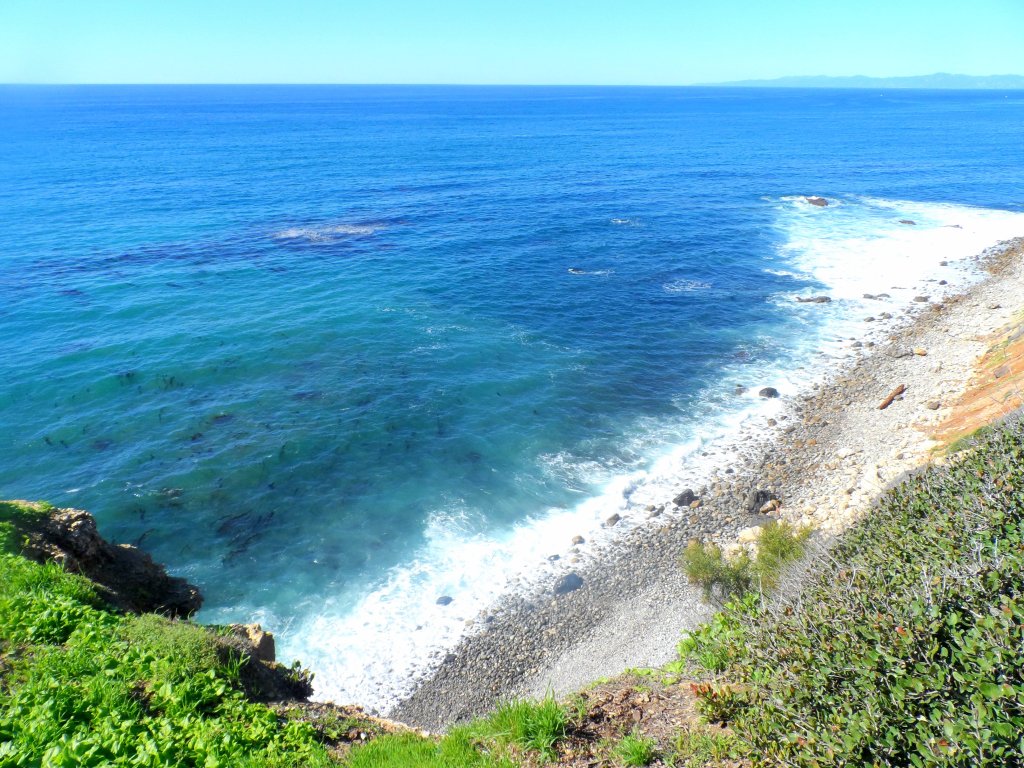
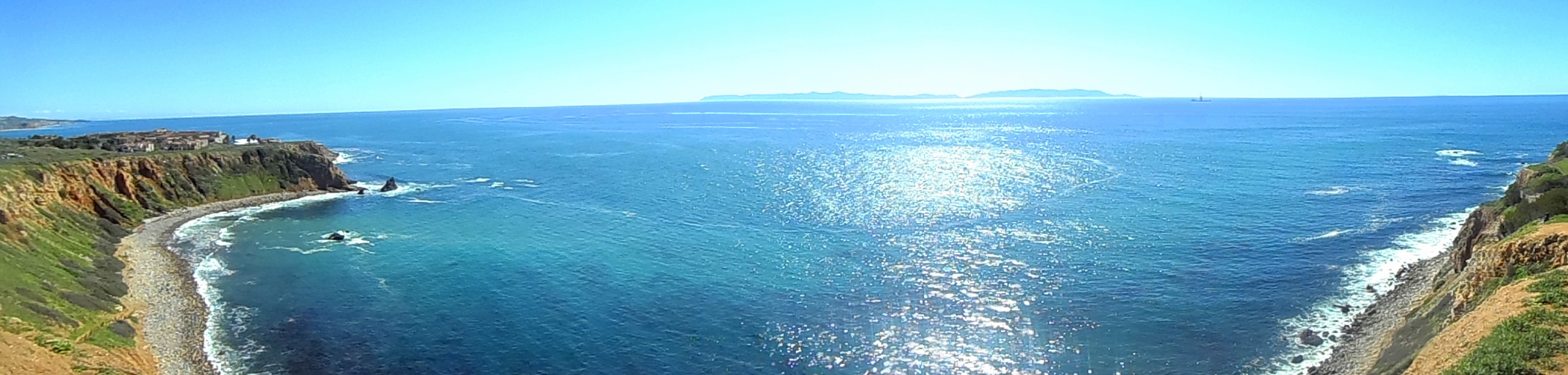
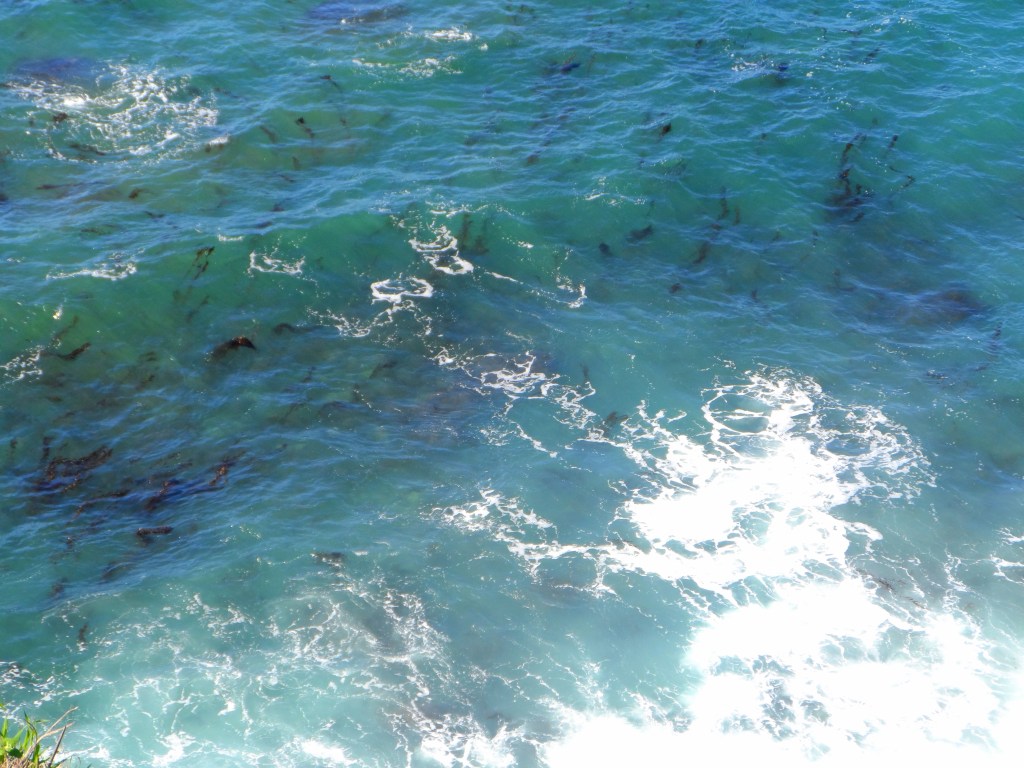
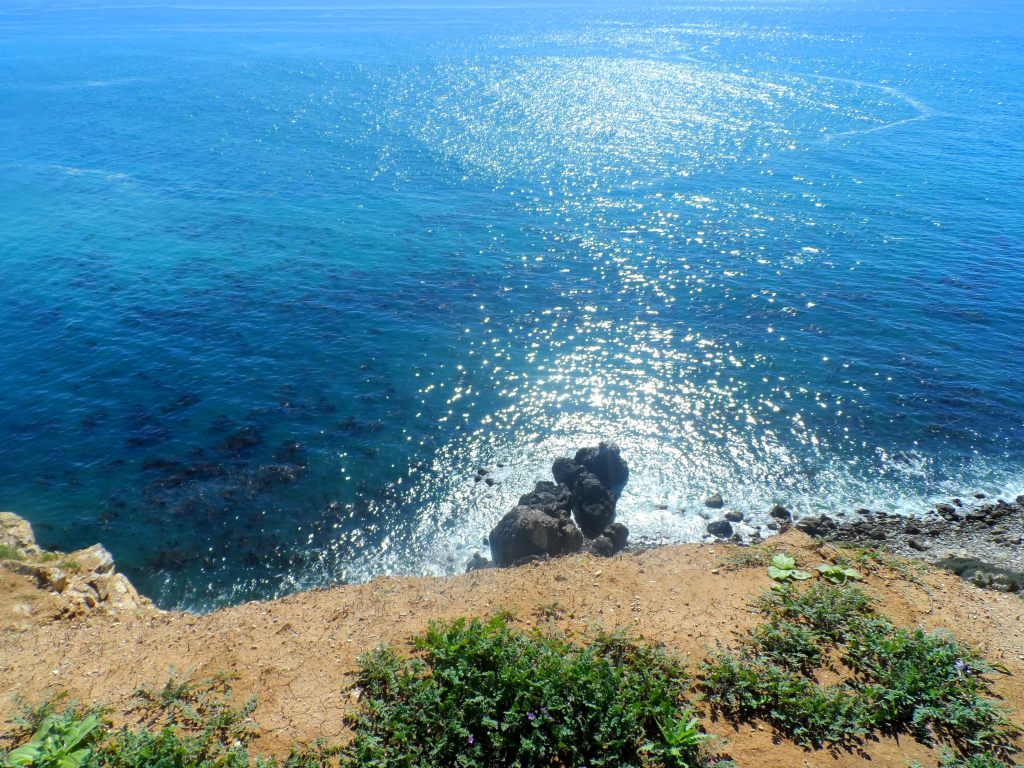
It’s impossible not to be captivated by the stunning views from Point Vicente Lighthouse and the Palos Verdes Peninsula. From the bluff’s edge, Catalina Island emerges softly through the haze, while the shimmering ocean stretches endlessly, crashing against the towering cliffs below. The short trails winding from the interpretive center to the point’s tip provide a nonstop panorama of breathtaking scenery.

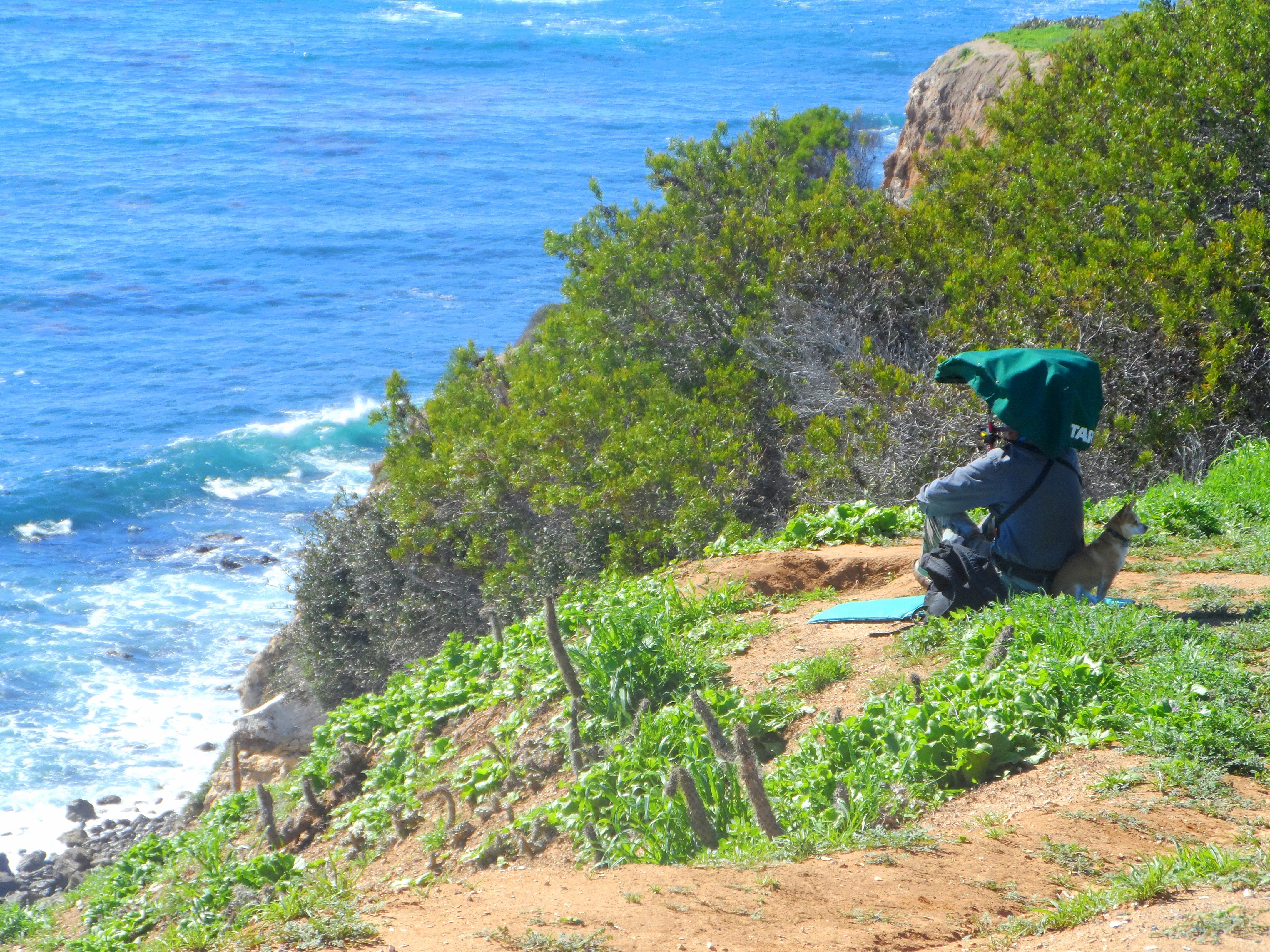
Often called the “ground zero” for whale watching, Point Vicente’s cliffs attract many enthusiasts who set up their binoculars and tripods, hoping to catch sight of gray whale pods. This spot is where observers from the L.A. Chapter of the American Cetacean Society track and record the official whale counts. Each year, whales are appearing earlier and earlier—a trend believed to be linked to global warming. While the traditional whale-watching season runs from mid-December to mid-April, sightings now often start as early as late October.

The Point Vicente Lighthouse is located at 31550 Palos Verdes Drive, West in Rancho Palos Verdes, California, about a quarter mile south of the southern end of Hawthorne Blvd.
 Wander Woman