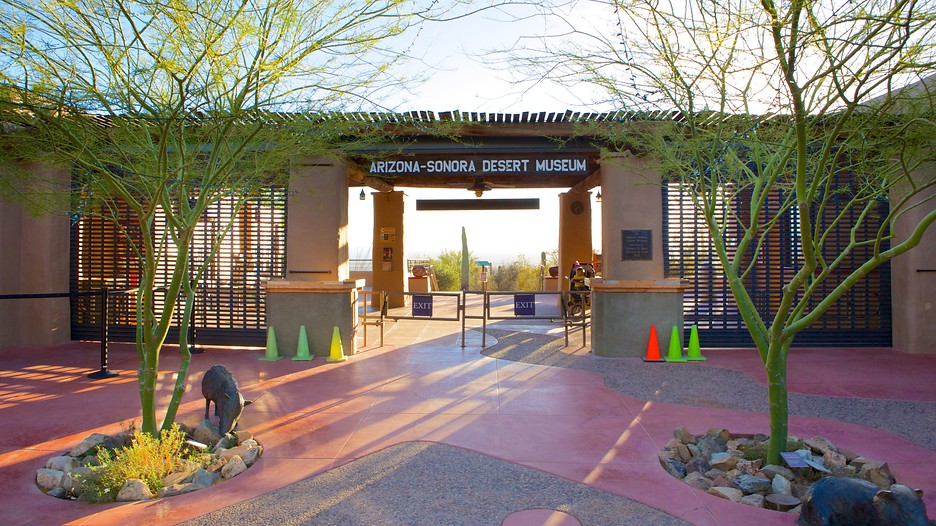
I was eager to know more about desert habitat, after a hike I attempted in Tucson. (Read about that hike here.) There are a few essential things you should know before hiking in the desert—especially if you’re unfamiliar with the terrain and climate. Coming from the East Coast, I quickly learned that hiking out West is an entirely different experience. After one particularly rough outing, I set out to better understand the desert environment—and that’s when I discovered the Arizona Sonora Desert Museum.

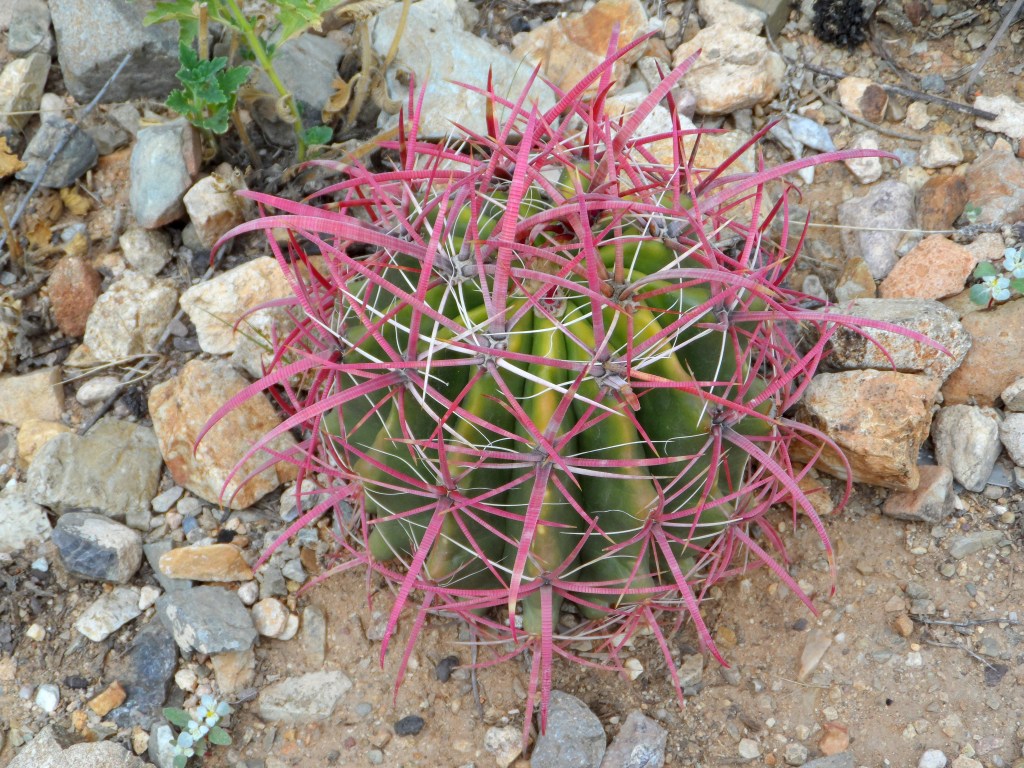
At the museum, I finally learned the names of the cacti I had been seeing everywhere—different varieties of prickly pear, agave, cholla, barrel cactus, and ocotillo, among others. I also became more familiar with the desert’s shrubs and small trees, like Palo Verde and Mesquite. Beyond the plant life, I gained a deeper understanding of the desert ecosystem—from venomous snakes and scorpions to elusive cougars and coyotes. The Arizona-Sonora Desert Museum is easily one of the most memorable places I visited in Arizona, and the scenic drive to get there is unforgettable. Don’t forget your camera—you’ll want it.
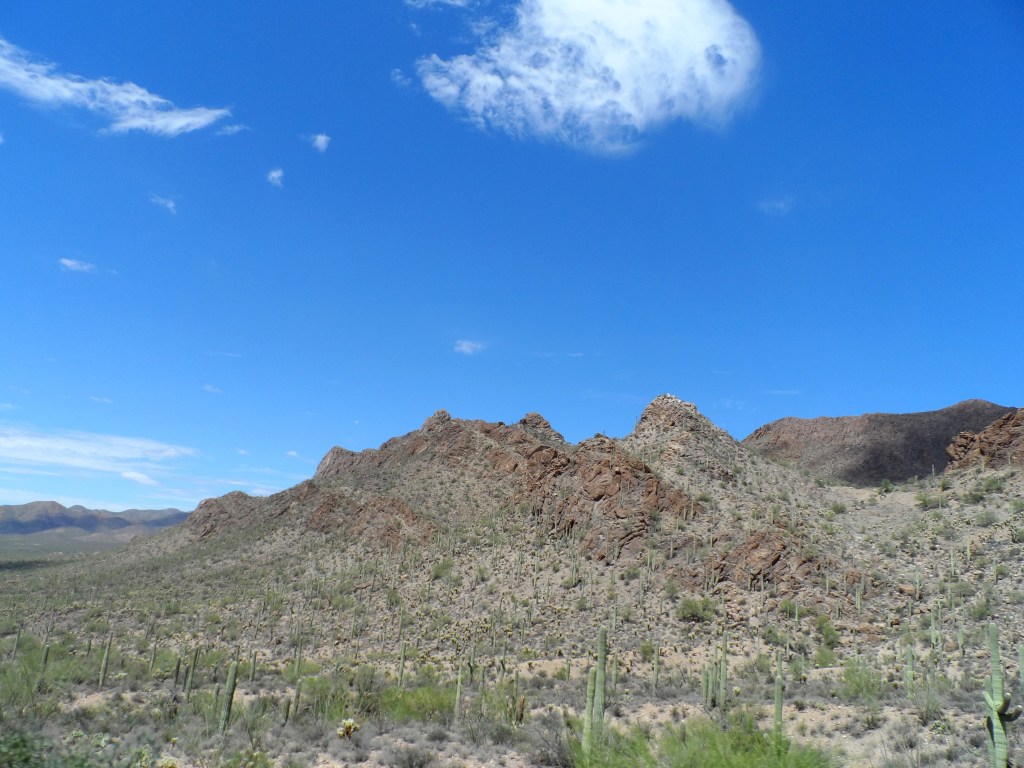
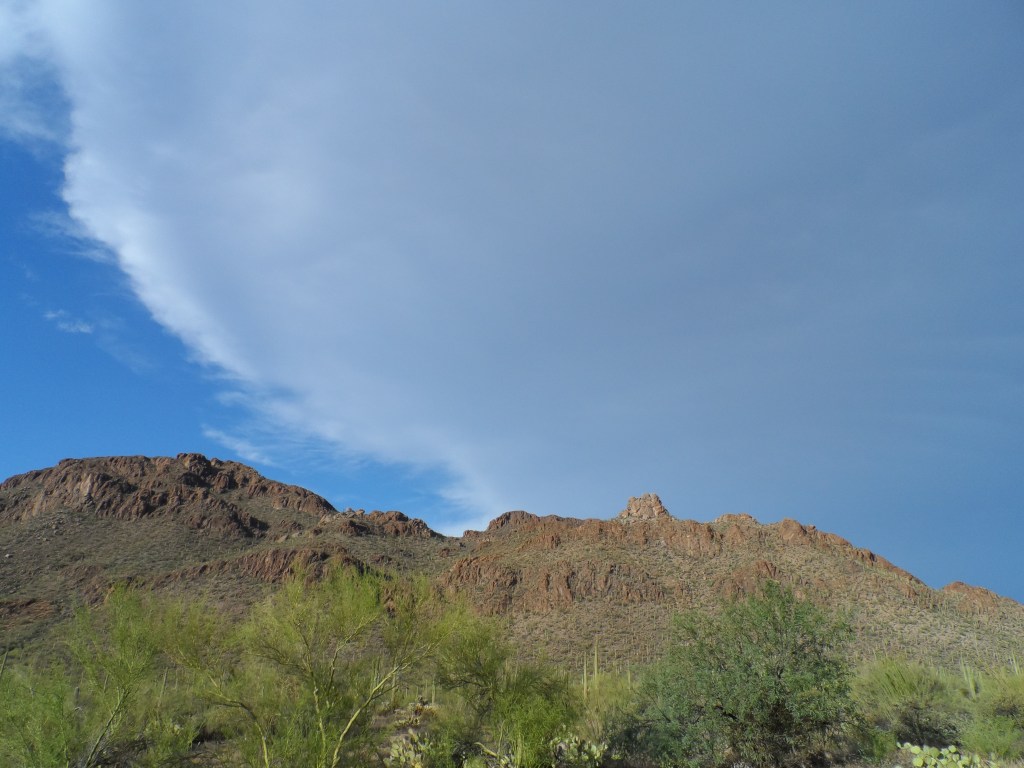
The Arizona-Sonora Desert Museum is a world-renowned, privately operated zoo and natural history museum. It features immersive exhibits showcasing over 300 animal species and more than 1,200 varieties of desert plants. Visitors can explore two miles of scenic walking paths that wind through stunning desert landscapes, offering an up-close experience of the Sonoran Desert’s unique beauty.
Established in 1952, the Arizona-Sonora Desert Museum has earned global acclaim for its innovative approach to showcasing native plants and animals in immersive, ecological settings. Consistently ranked among the top ten zoological parks in the world, the museum stands out for its unique focus on the complete natural history of a single region—the Sonoran Desert. Despite its relatively modest size and collections compared to larger institutions, the museum excels as a dynamic blend of botanical garden, zoo, and natural history museum. Far from a traditional museum, it offers an unforgettable experience that makes the desert environment both accessible and deeply meaningful.

Thanks to its unique bi-seasonal rainfall, the Sonoran Desert is often called the “lushest desert on Earth.” The Arizona-Sonora Desert Museum’s gardens reflect this richness, showcasing a wide range of biotic communities native to the region. On the museum grounds, you’ll find over 1,200 plant species and more than 56,000 individual specimens, alongside 300 animal species. As a nonprofit organization, the museum is dedicated to interpreting and preserving the natural history of the Sonoran Desert. Open daily year-round, it welcomes nearly 400,000 visitors annually—including many from around the world.
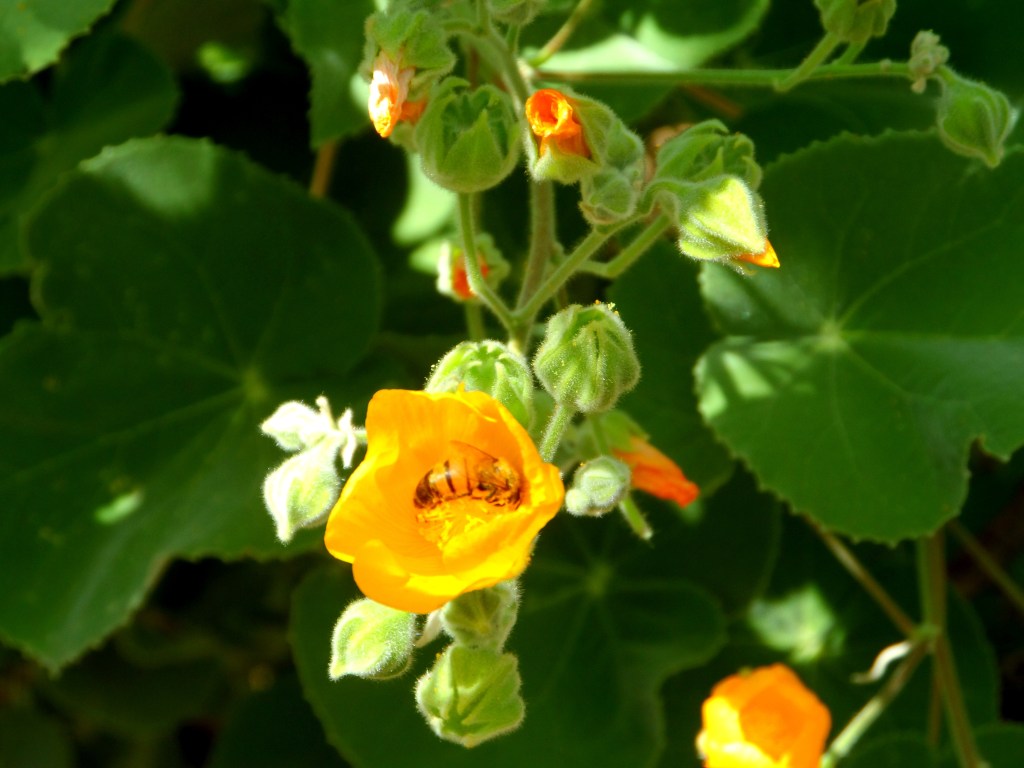


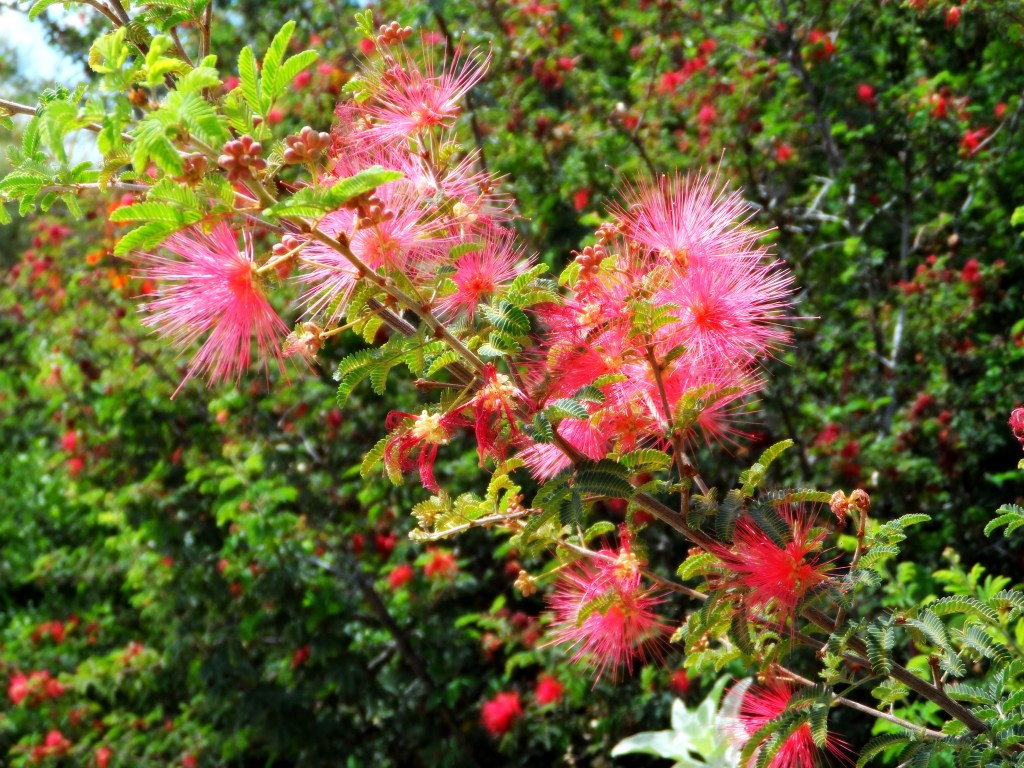
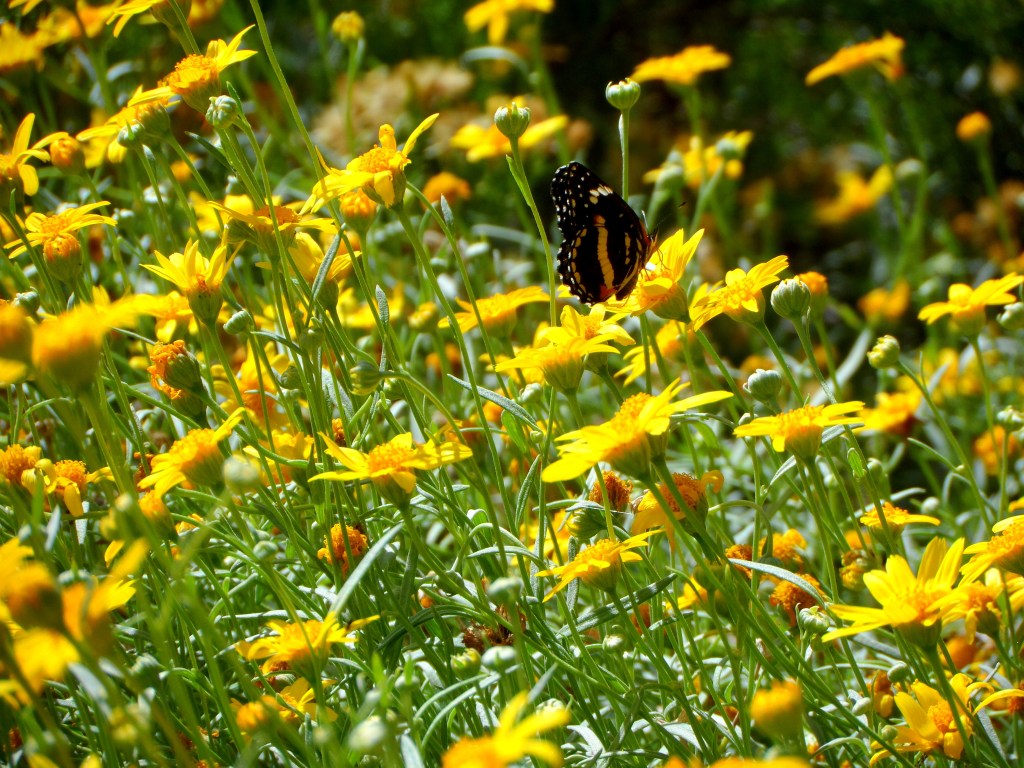
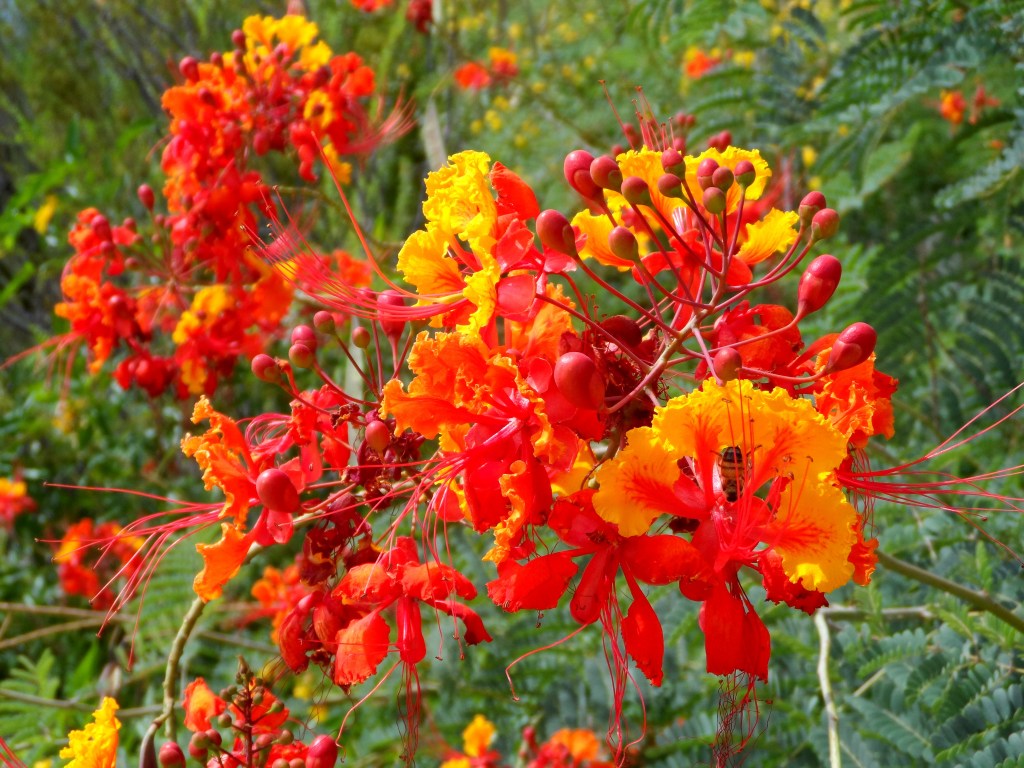
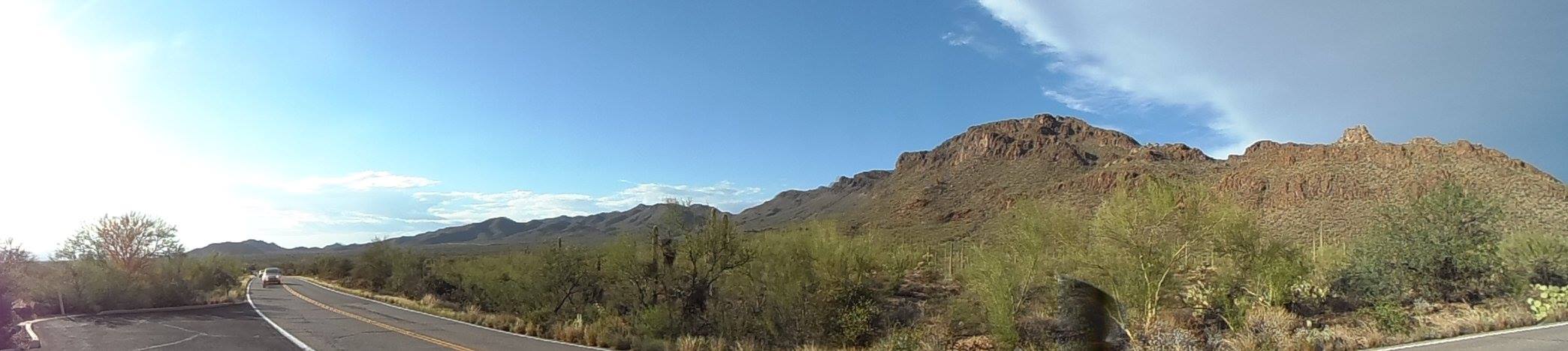
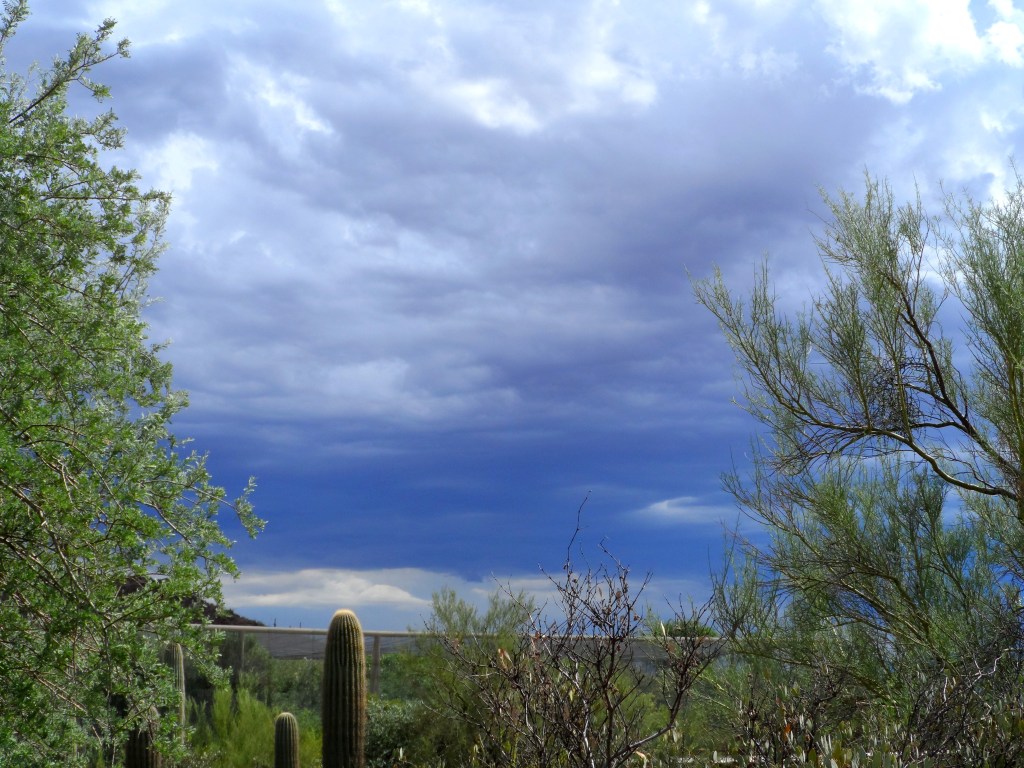
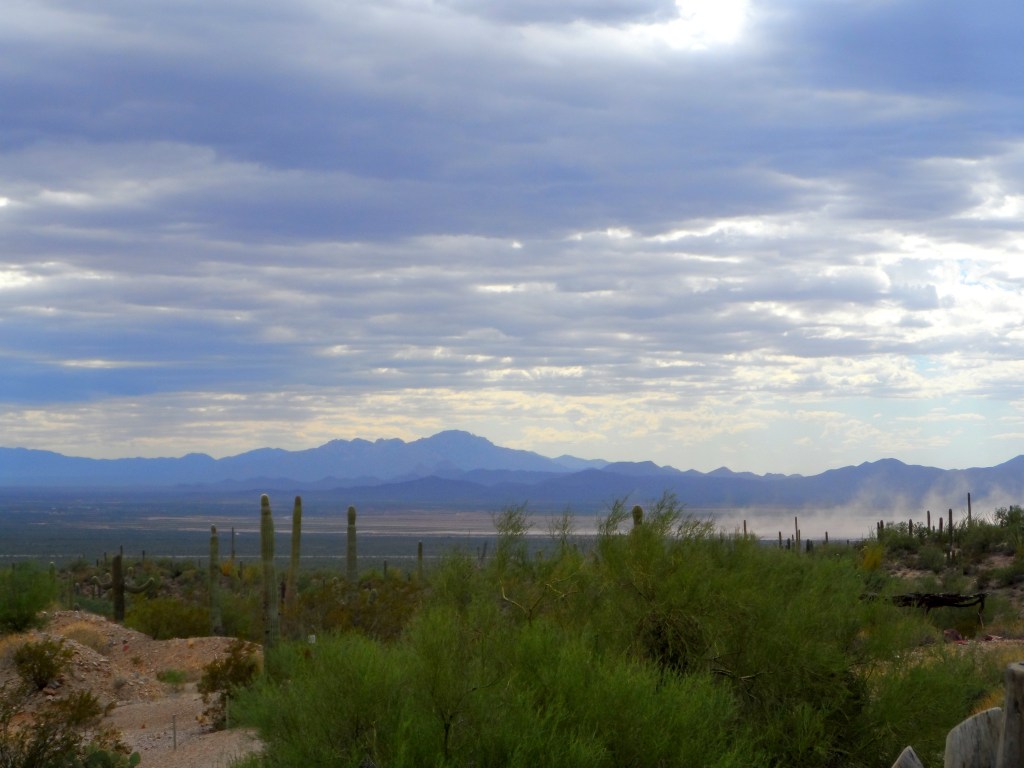
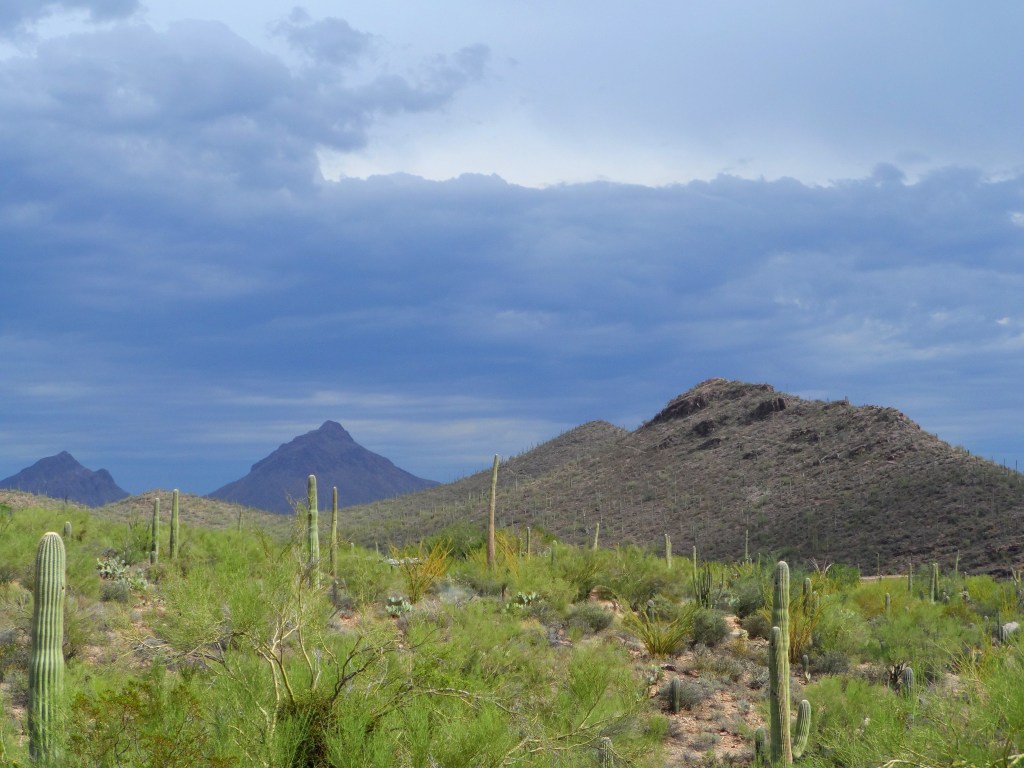
The museum is nestled in the foothills of the Tucson Mountains, located on Kinney Road just south of the western district of Saguaro National Park and near the trailhead for Gould Mine. The landscape is densely populated with native cacti and desert vegetation. Spanning 98 acres, the grounds offer a half-mile unpaved trail where visitors can observe dozens of plant species growing naturally in the wild. The museum’s curated exhibits and collections are thoughtfully arranged along a paved, one-mile loop for easy exploration.
Between 1953 and 1985, the museum was regularly featured on a local television program called Desert Trails. The show had a casual, engaging format, often showcasing live animals and guest experts while highlighting both the natural history of the Sonoran Desert and events at the museum. In 1991, the museum helped launch a national television series titled Desert Speaks, created in partnership with KUAT, the local PBS affiliate, and The Nature Conservancy of Arizona. The series aired in 200 markets across the country and ran for an impressive 19 seasons.
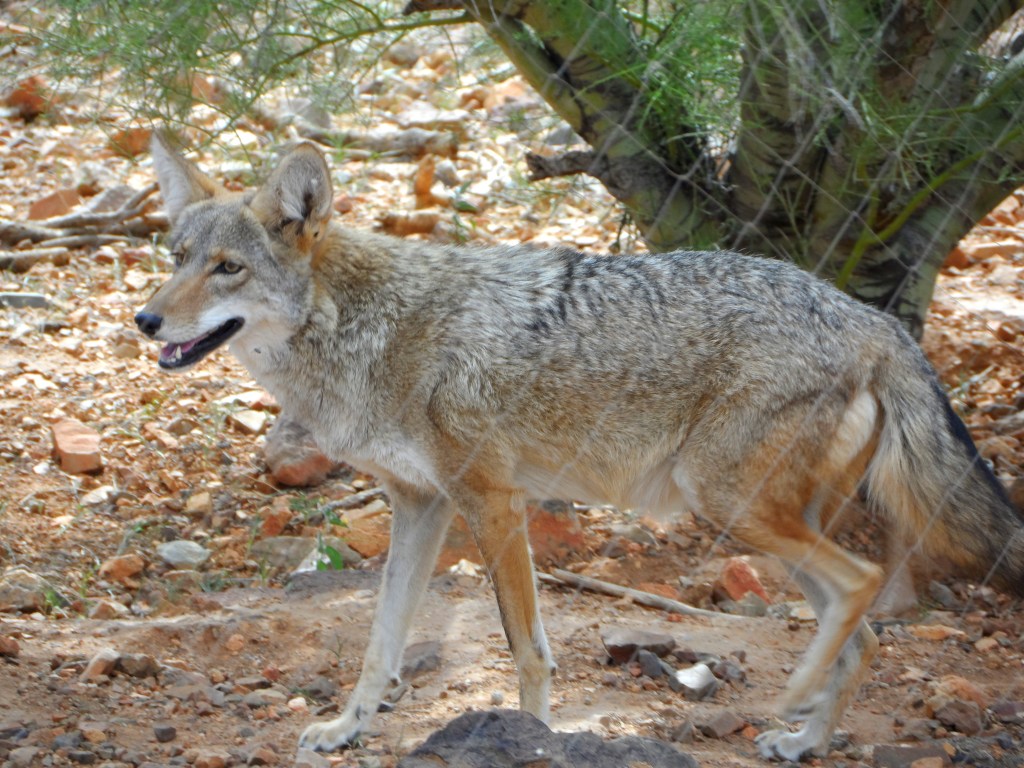
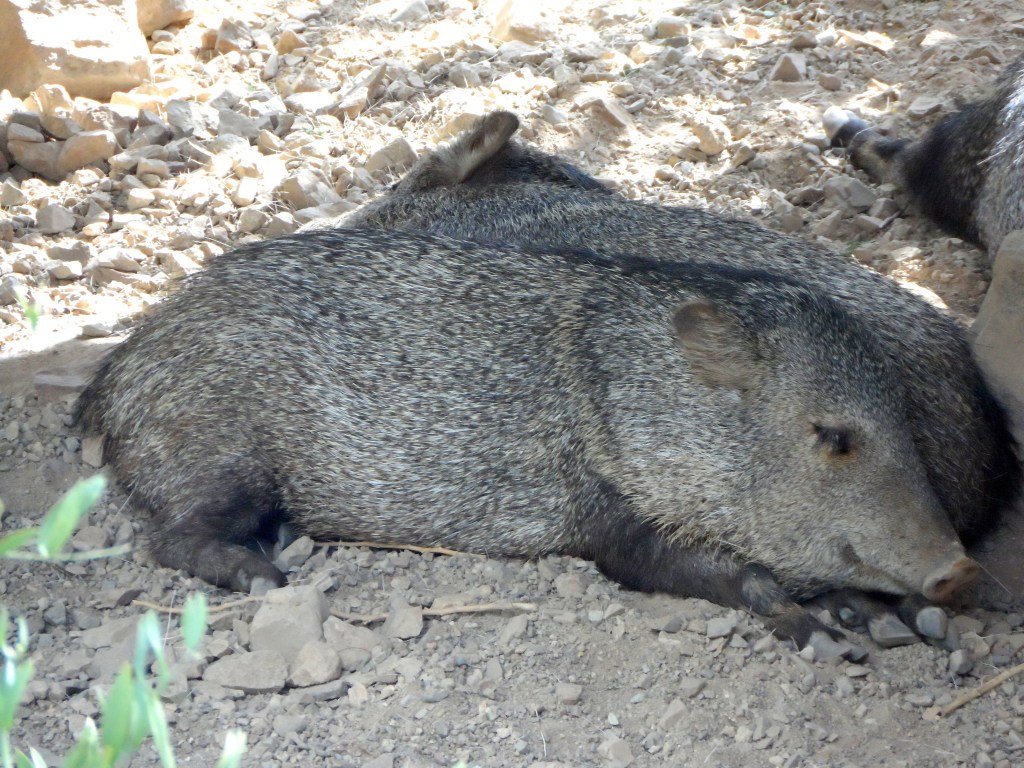
My favorite parts of the Desert Museum were the Desert Loop Trail, the Life on the Rocks exhibit, and the immersive underground experience. The Desert Loop Trail is a half-mile unpaved path that winds through pristine desert landscape. Along the way, you’ll encounter spacious enclosures—cleverly designed using Invisinet®, a nearly invisible mesh created by the museum’s Director of Design, Ken Stockton—that house native wildlife like javelinas, coyotes, and lizards, offering an up-close glimpse of these desert dwellers in a natural setting.
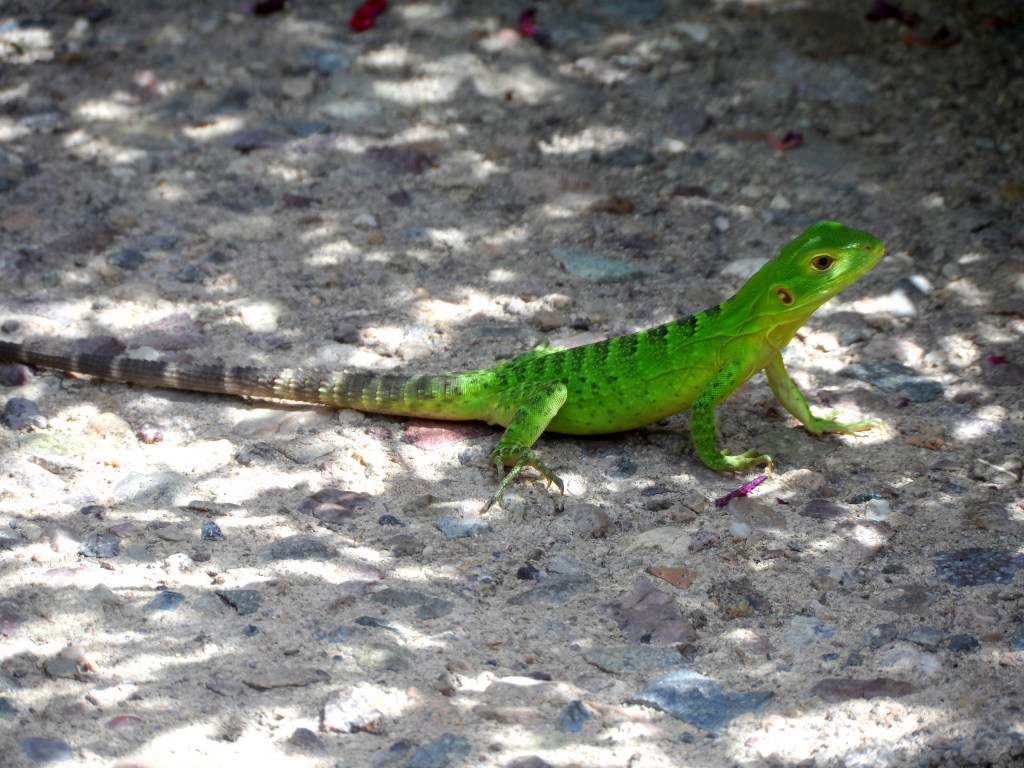
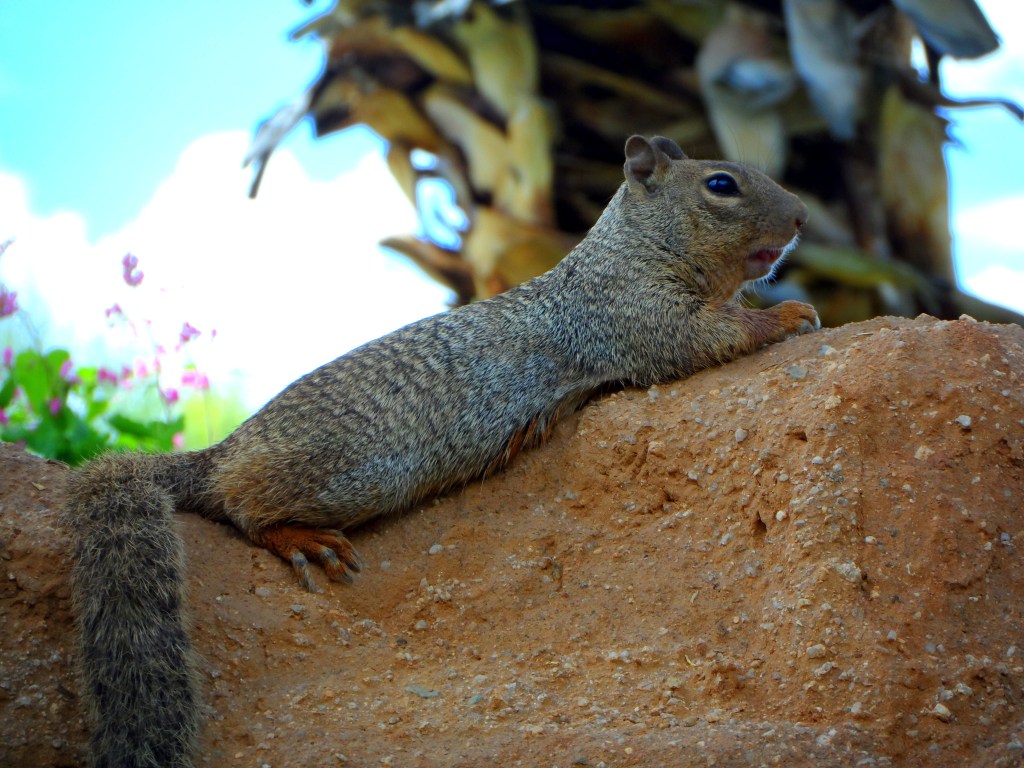
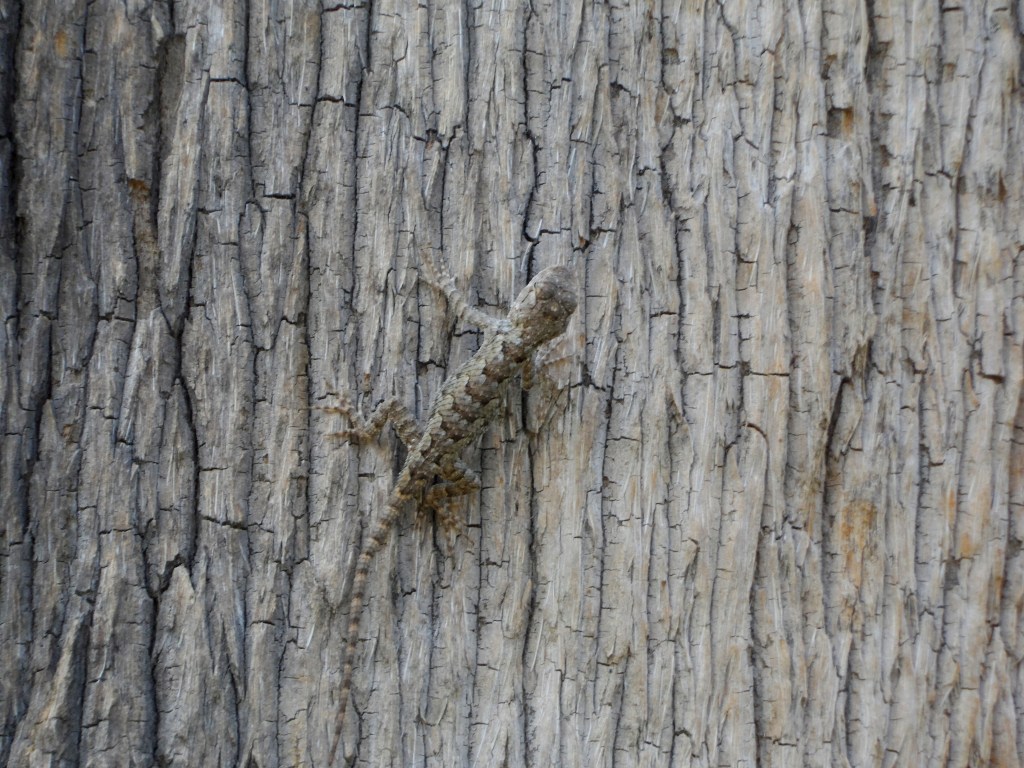

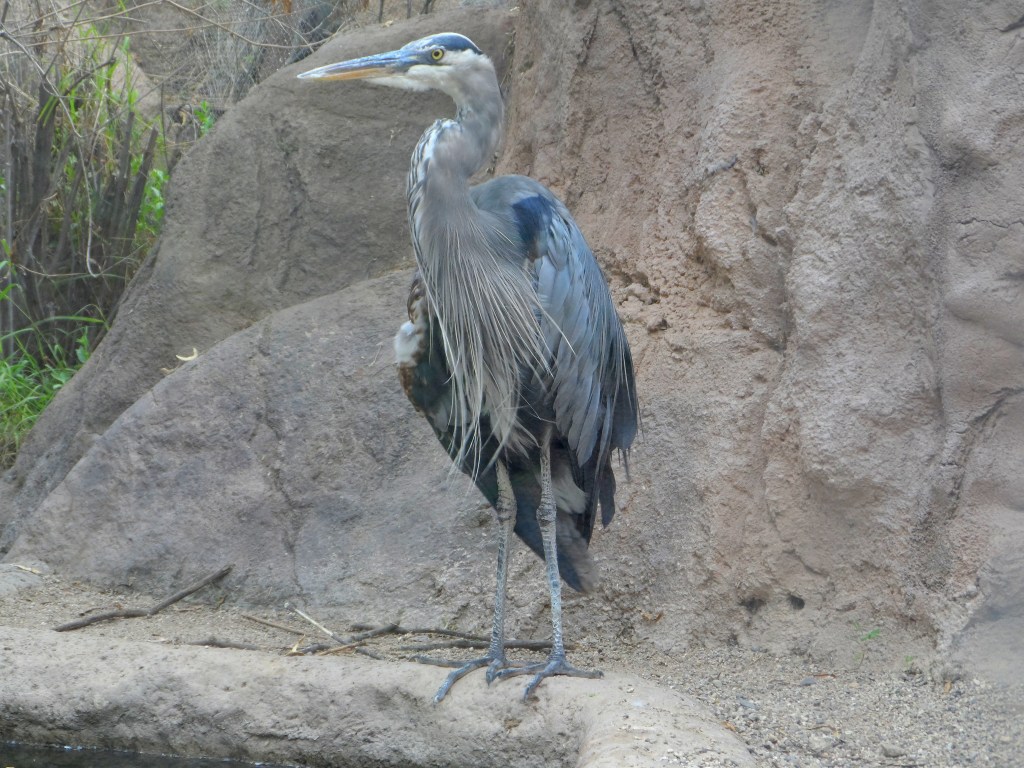
The fiber fencing along the trail is crafted to be nearly invisible, creating the illusion of an open, natural habitat. Made from fine stainless steel mesh, the barrier allows visitors to feel as though they’re observing animals in the wild, rather than in an enclosure. As you walk the trail, you’ll also find labeled agaves and native legume trees, offering a deeper look at the desert’s unique plant life.

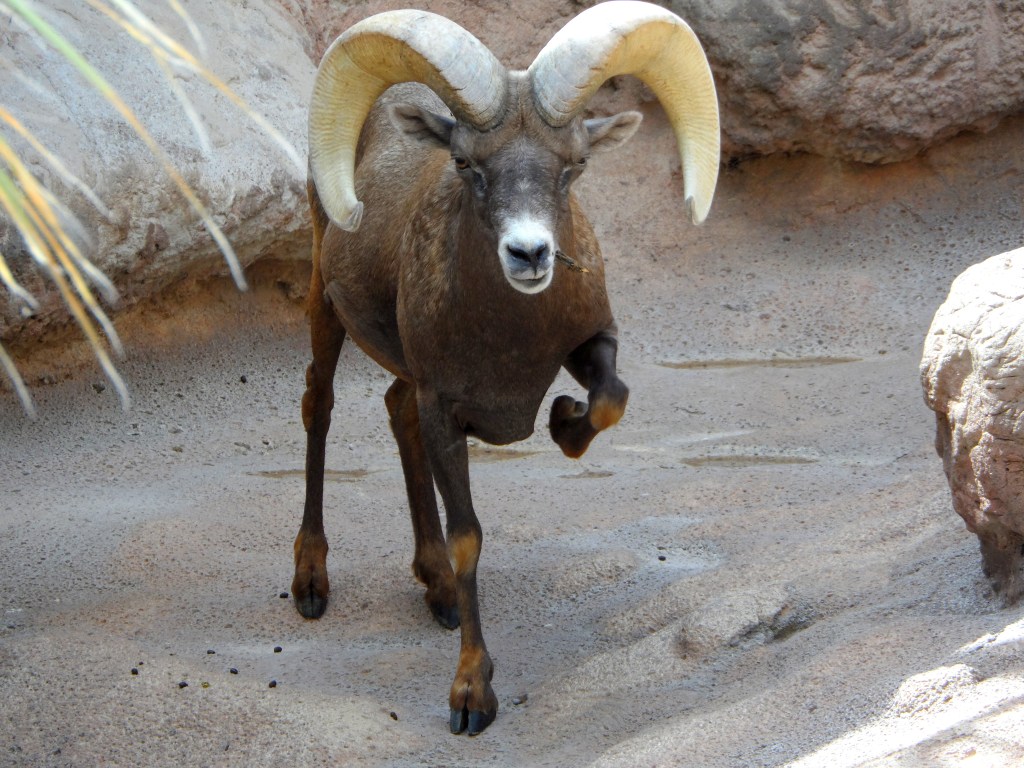

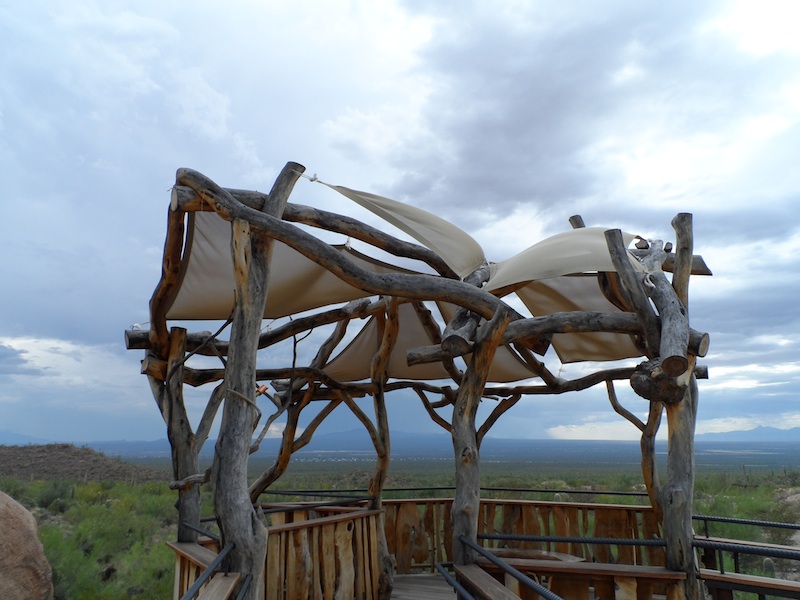

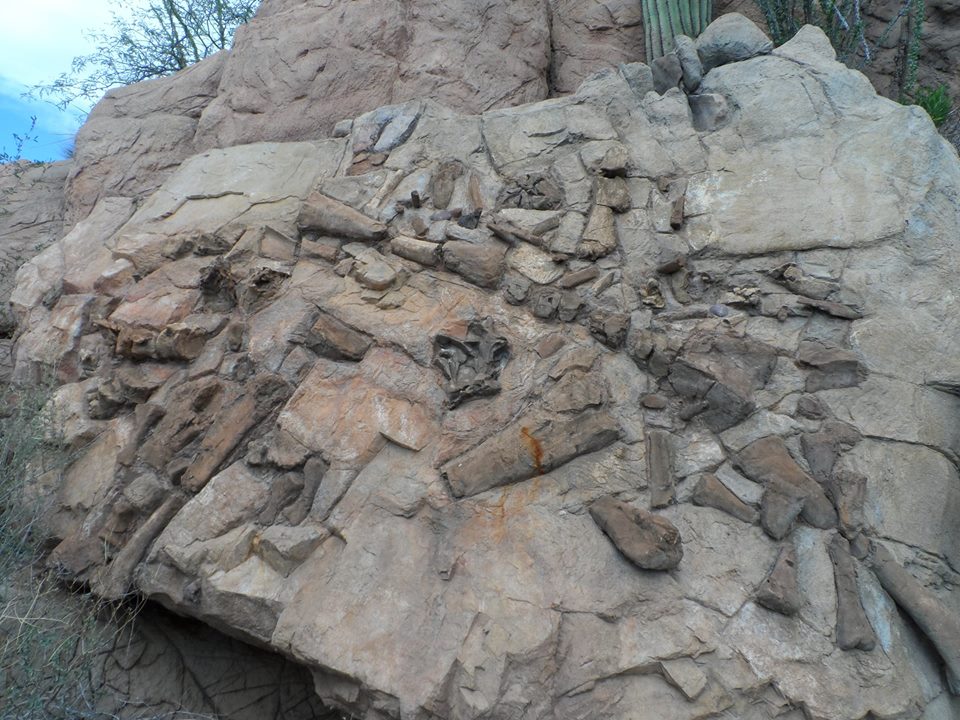
Life on the Rocks is a multi-species exhibit highlighting the habitat and wildlife commonly found on the region’s rocky slopes. Some enclosures feature mesh tops with natural soil and vegetation, while others have glass-fronted crevices or cutaway burrows designed to mimic soil banks. The homes of individual species are nestled within the rocks—many with underground burrows that visitors can explore and view up close.
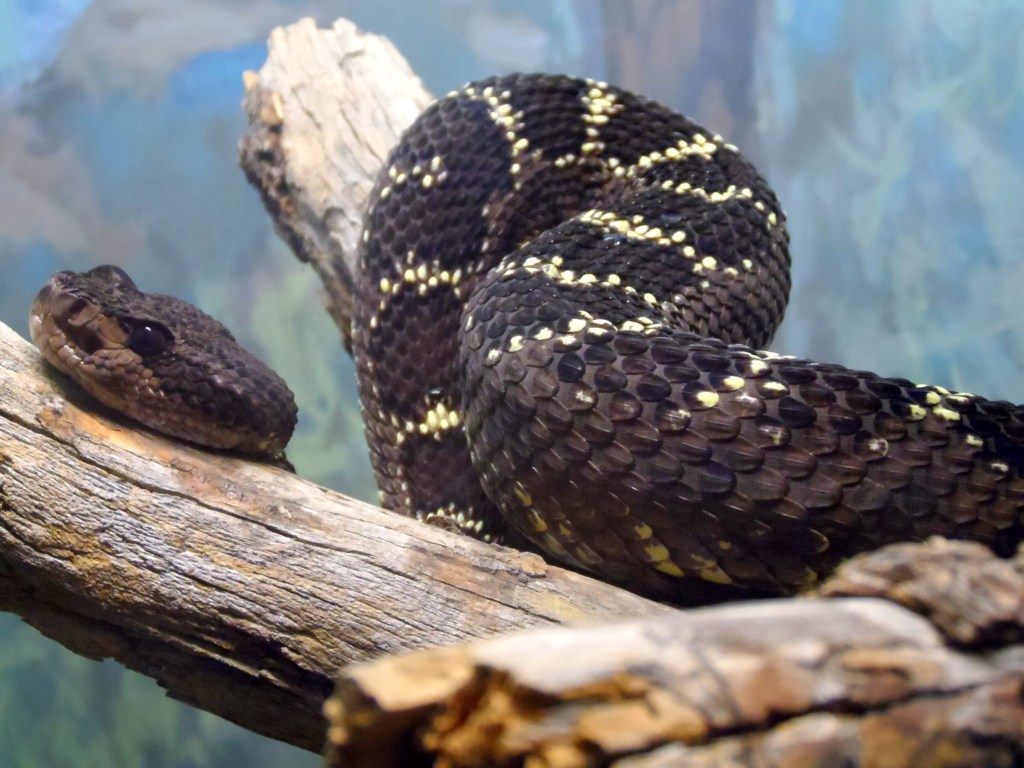
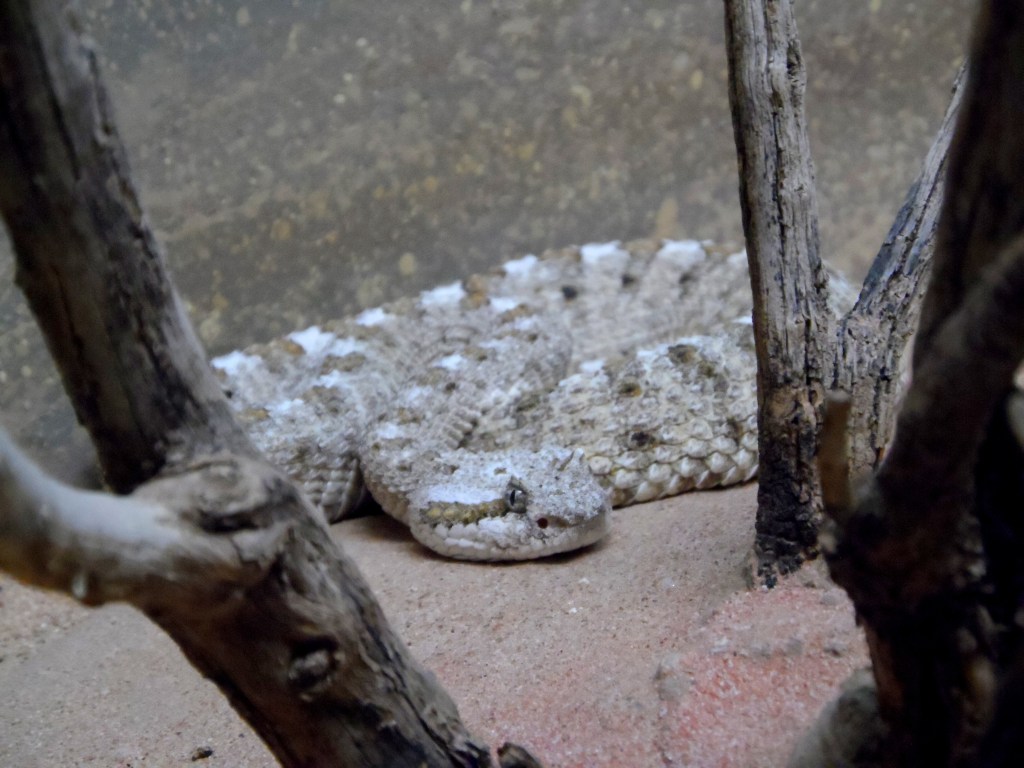
The Life Underground exhibit showcases creatures that live beneath the surface. Visitors enter a tunnel and descend into a dimly lit underground corridor, where animals like the kit fox, kangaroo rat, and ringtail are featured. This exhibit reveals where these desert dwellers retreat when the heat rises.

My visit was incredibly informative and gave me valuable insights that will definitely help during future hikes and desert explorations. I highly recommend this museum to anyone visiting the area, especially families with children. I’ve never seen so many fascinating things gathered in one place, and the winding drive through the mountains to get there is an unforgettable experience.







 Wander Woman