Where the Old West left its blood on the streets.
The afternoon of October 26, 1881, began like any other in Tombstone, Arizona Territory. Horses stood tethered along dusty streets. Men drifted between saloons, gambling halls, and storefronts. Somewhere behind those weathered buildings, a confrontation that had been building for months was about to turn deadly.
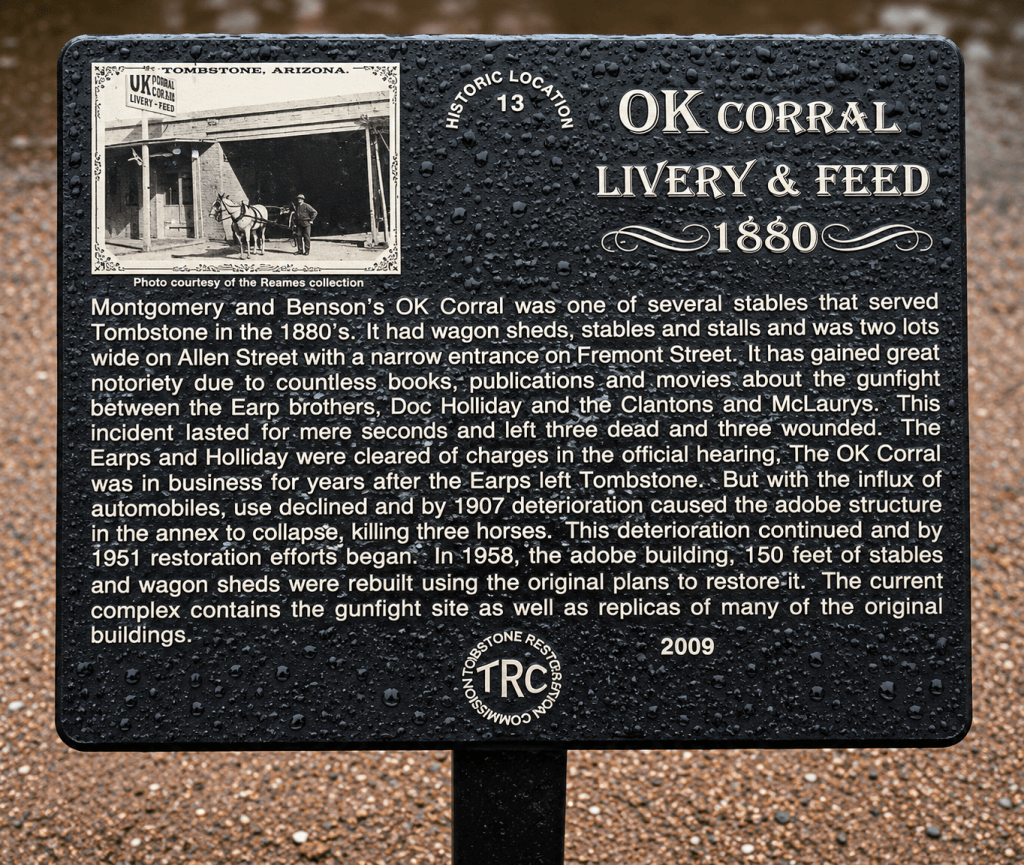
Four-armed men walked down Fremont Street toward a vacant lot near the O.K. Corral. Virgil Earp, Tombstone’s town marshal, led the way. Beside him were his brothers Wyatt and Morgan, along with a former dentist turned gambler and gunfighter named Doc Holliday.
Waiting near the corral were members of a rival faction known as the Cowboys. There had been threats, accusations, and bitter confrontations between the two groups. Cattle theft, stagecoach robberies, political rivalries, and questions of who truly controlled the law had pushed tensions toward a breaking point. Now, on a dusty stretch of Arizona ground, the arguments were about to end in gunfire.
Accounts disagree about exactly who reached for a weapon first. Some witnesses claimed the Cowboys were ordered to surrender their guns. Others insisted the Earps and Holliday had arrived looking for a fight. Whatever happened in those final seconds, the result was devastating. Gunshots exploded between the buildings. Billy Clanton and the McLaury brothers, Tom and Frank, fought desperately as bullets tore through the narrow space. Horses panicked. Men stumbled and smoke filled the air.
Doc Holliday fired his shotgun. Wyatt Earp exchanged shots with Frank McLaury. Virgil and Morgan were wounded as the gunfire continued, and then, almost as suddenly as it had begun, the shooting stopped. The entire confrontation lasted approximately thirty seconds.
Three men lay mortally wounded. Virgil and Morgan Earp had been shot, and Doc Holliday had suffered a minor wound. Wyatt Earp emerged without a scratch. Billy Clanton, Tom McLaury, and Frank McLaury would never leave Tombstone alive. The gunfight would become one of the most famous moments in American frontier history, but standing in Tombstone today, surrounded by the buildings and streets that survived, I found myself thinking about something beyond those thirty seconds.
How had this remote mining settlement become a place where disputes were settled with bullets? And how much blood had been spilled before the Earps ever walked down Fremont Street?
A Town Born from a Warning
Tombstone’s story began with a warning that sounded almost like a prophecy. In 1877, a prospector named Ed Schieffelin ventured into the rugged mountains of southeastern Arizona, searching for silver. The region was dangerous. Apache resistance to American expansion continued, and prospectors traveling through the surrounding wilderness faced serious risks. According to local tradition, soldiers warned Schieffelin that the only thing he would find out there was his own tombstone. Instead, he discovered silver. The name stuck.
What began as a mining claim soon became one of the richest silver-producing districts in the American West. Prospectors, businessmen, gamblers, miners, and opportunists poured into the settlement, hoping to make their fortunes. Within a few years, Tombstone had transformed from a remote mining camp into a bustling frontier town. Hotels opened. Restaurants and theaters appeared. Newspapers began printing. Fine clothing, expensive furnishings, and other luxuries arrived alongside the mining wealth, but prosperity had a darker companion.
Saloons filled with men carrying revolvers. Gambling tables attracted fortunes and desperation in equal measure. Prostitutes worked in the town’s entertainment establishments, while thieves and outlaws took advantage of the money flowing through the territory. Tombstone was not simply a town without laws. It was a place where competing authorities, personal grudges, and powerful interests made enforcing those laws increasingly dangerous, and the more valuable the silver became, the more people arrived determined to claim their share. Some would never leave.
The Men Who Wore the Badges
By 1881, Tombstone was caught in a bitter struggle between two factions. On one side stood the Earps, whose positions in law enforcement brought them into frequent conflict with local ranchers and outlaws. On the other were men associated with the Cowboys, a loose network that included cattle rustlers and suspected stagecoach robbers, though not everyone labeled a Cowboy was necessarily a criminal.
The feud was more complicated than the familiar story of good lawmen facing bad outlaws. Personal rivalries, business interests, political divisions, and accusations of corruption blurred the distinction between the two sides. Virgil Earp held the authority of town marshal and deputy U.S. marshal. Wyatt Earp had served in law enforcement and was deeply involved in the conflict. Morgan Earp supported his brothers, while Doc Holliday, a gambler with a dangerous reputation, remained one of Wyatt’s closest allies. Cochise County Sheriff Johnny Behan stood on the opposing side of the political divide and had connections with several of the Cowboys.
The two factions distrusted one another, and neither was willing to back down. Threats had been exchanged long before the gunfight. By October 26, the situation had become impossible to ignore. The confrontation near the O.K. Corral was not an isolated burst of frontier violence. It was the culmination of a feud that had been growing in the streets, saloons, and political offices of Tombstone, and the deaths of three Cowboys would not bring it to an end.
The Gunfight Was Only the Beginning
The Earps and Doc Holliday survived the shooting, but the controversy that followed threatened to destroy them. Were they lawmen carrying out their duty, or had they murdered men who were attempting to surrender? The question divided Tombstone. Murder charges were brought against Wyatt, Virgil, Morgan, and Holliday, and during a lengthy preliminary hearing, witnesses offered conflicting accounts of what had happened. The proceedings ended without the defendants being sent to trial, but the decision did little to settle the anger. For the families and friends of the dead Cowboys, the matter was far from over.
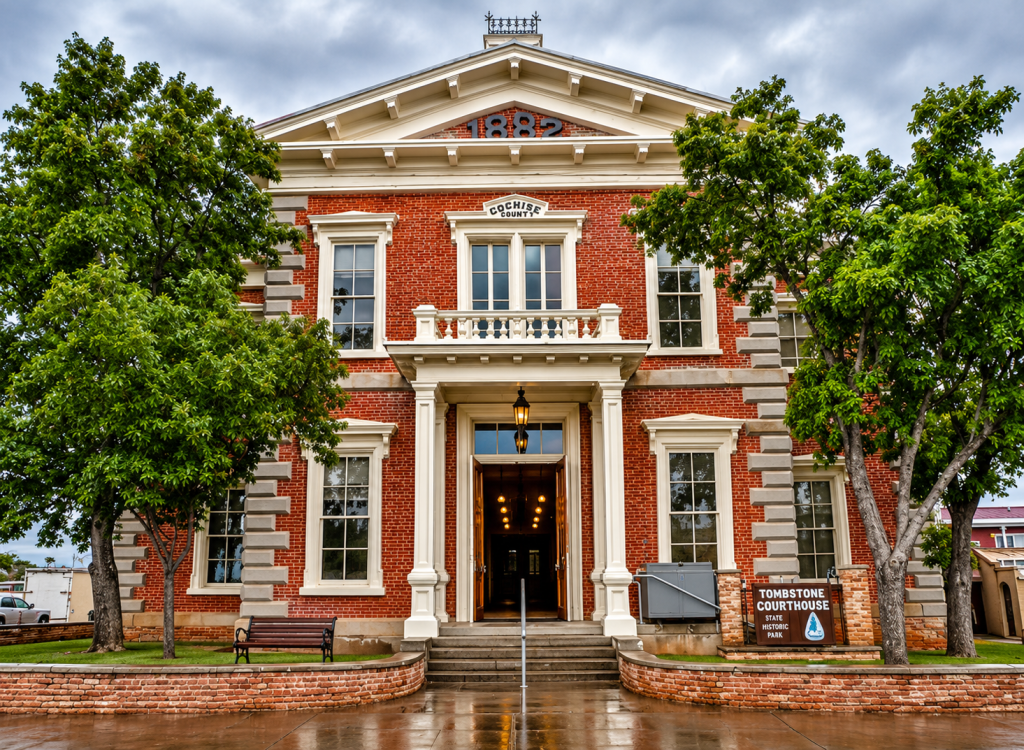
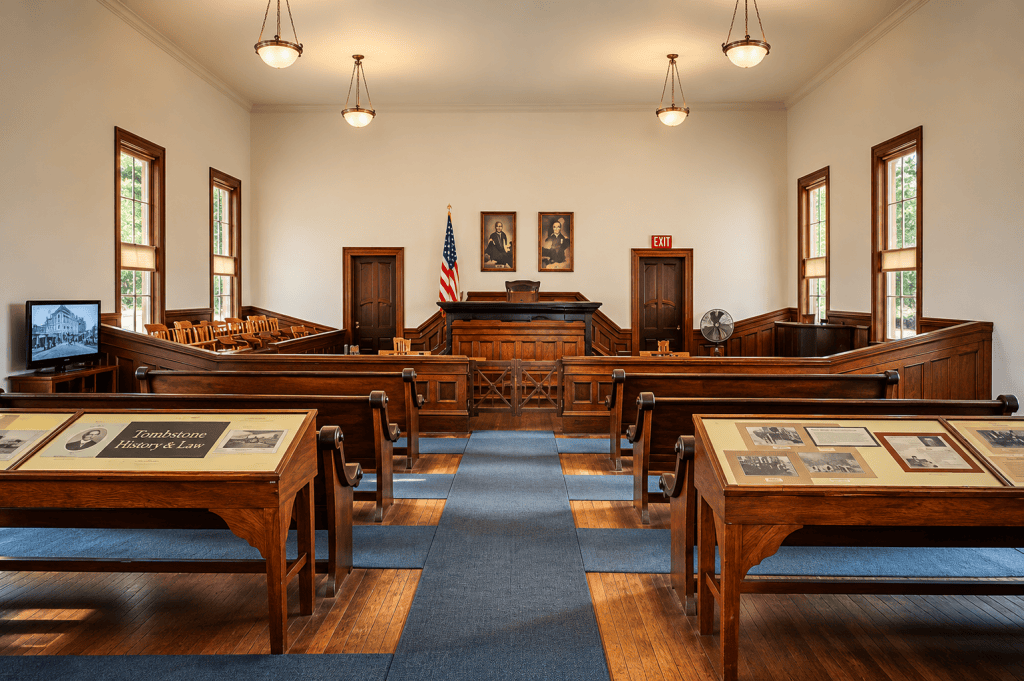
Less than two months after the gunfight, Virgil Earp was ambushed while walking through Tombstone at night. Hidden gunmen opened fire with shotguns, severely injuring his left arm. He survived, but the damage left him permanently disabled. Then, on March 18, 1882, violence struck the Earp family again. Morgan Earp was playing billiards at Campbell and Hatch’s establishment when shots were fired through a window from outside. One bullet struck Morgan in the back. He collapsed, mortally wounded.
Wyatt was nearby when his younger brother was shot. Morgan died that night and the murder changed everything. Wyatt had already watched one brother suffer a devastating injury. Now another was dead, and he believed the men responsible would escape punishment. What followed became known as the Earp Vendetta Ride.
Wyatt and a small group of armed companions pursued men they suspected of involvement in the attacks. Frank Stilwell was killed near the Tucson railroad station, and other men died during the pursuit through southeastern Arizona. Whether every man killed was responsible for the attacks remains disputed.
Wyatt eventually left Arizona Territory, but the bloodshed had already secured his place in Western legend. The famous thirty-second gunfight had become something much larger: a cycle of violence that reached beyond the streets of Tombstone.
Behind the Doors of the Crystal Palace
Walking through Tombstone today, it is easy to become distracted by the wooden storefronts, old-fashioned signs, and reminders of the frontier, but the buildings are more interesting when you consider the people who once passed through their doors. The Crystal Palace Saloon is one of those places.
The historic saloon occupies a site closely associated with Tombstone’s boom years. The original establishment, known as the Golden Eagle Brewery, opened in 1879 before later becoming the Crystal Palace. The building’s history is connected to some of Tombstone’s most recognizable figures, including Virgil Earp and Sheriff Johnny Behan, who maintained offices in the area.
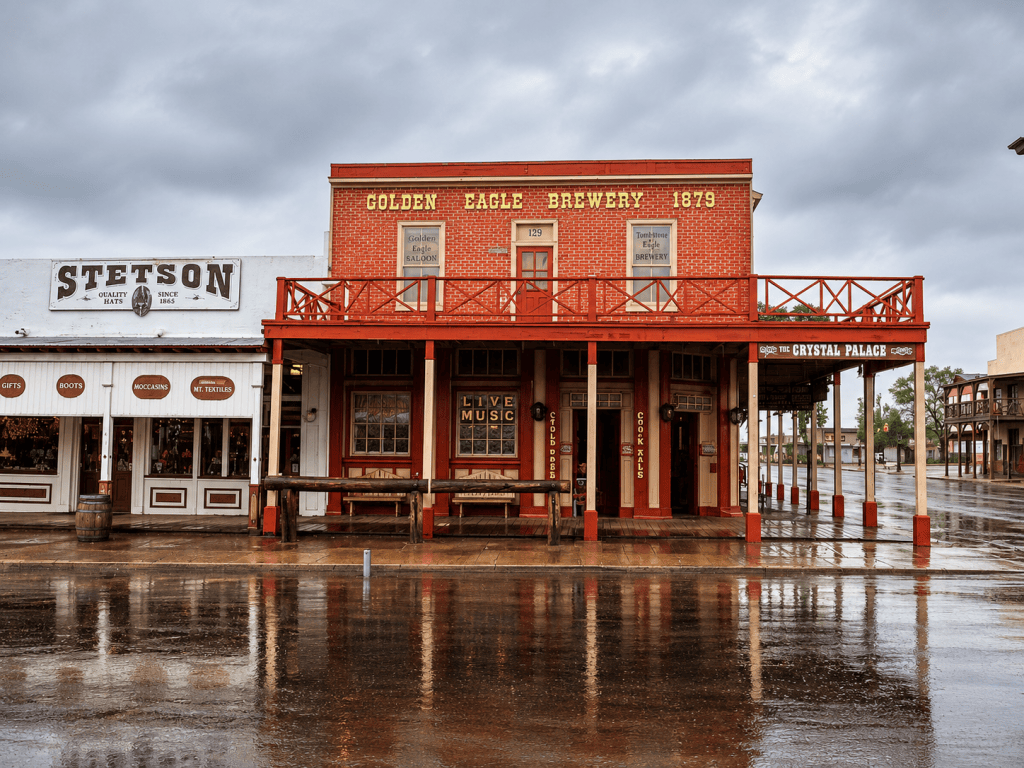
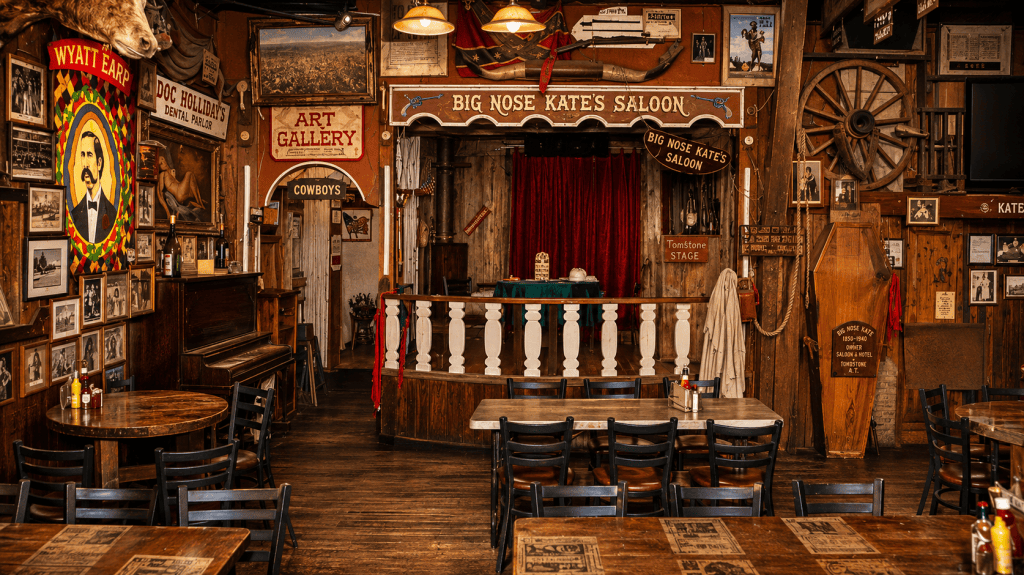
I tried to imagine what those rooms must have been like when the feud was still unfolding. Men discussing politics over drinks. Rumors moving from one table to another. Conversations stopping whenever someone with a dangerous reputation walked through the door. In a town where nearly everyone seemed to know everyone else’s business, a saloon was more than somewhere to drink. It was a place where alliances formed, information traveled, and arguments could quickly become deadly. The restored saloon still offers visitors a glimpse into that atmosphere, even if the modern surroundings are far more welcoming than the town’s violent reputation suggests.
The Bird Cage Theatre: Tombstone After Dark
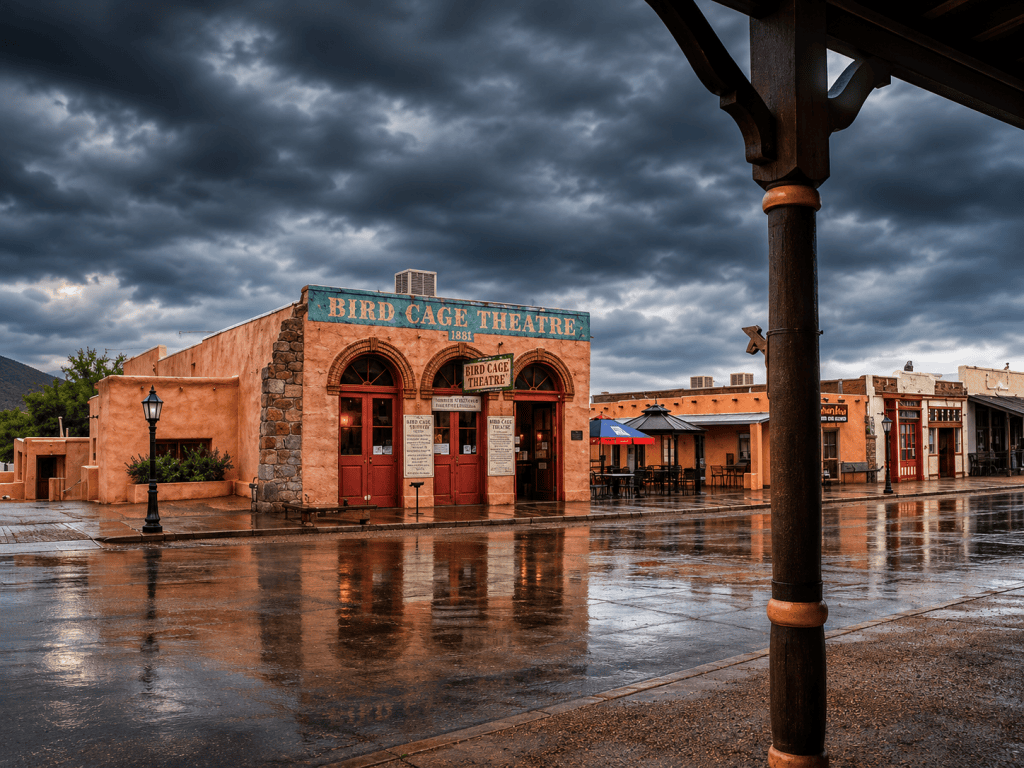
If the Crystal Palace represented Tombstone’s public life, the Bird Cage Theatre revealed what happened after the respectable businesses closed their doors. Opened in 1881, the Bird Cage became one of the most notorious entertainment establishments in the Arizona Territory. It operated as a theater, saloon, gambling house, and center of prostitution.
Night after night, miners, gamblers, businessmen, and travelers gathered beneath its roof, seeking entertainment and distraction from the harsh realities of frontier life. Alcohol flowed. Money changed hands and performers took the stage while gamblers risked their earnings at the tables.
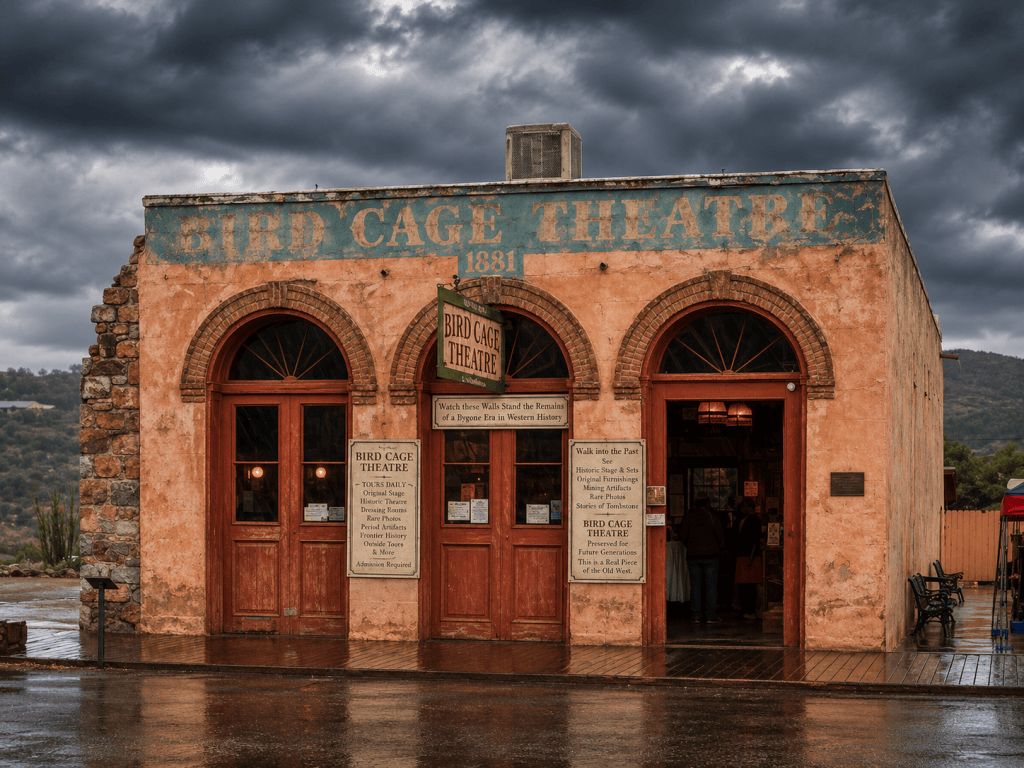
The Bird Cage developed a reputation for violence and vice, and stories of shootings, fights, and scandal became inseparable from its history. Its name came from the small balcony boxes overlooking the stage, where patrons could watch the performances from behind decorative railings. The theater’s reputation eventually became almost as famous as the gunfight itself.
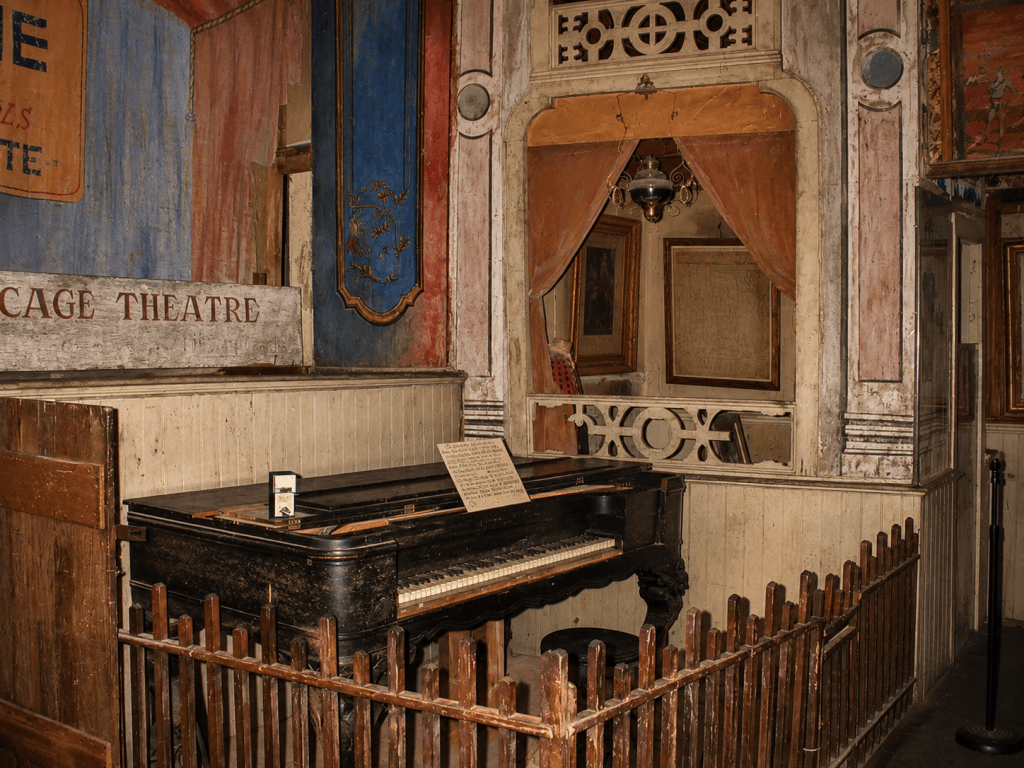
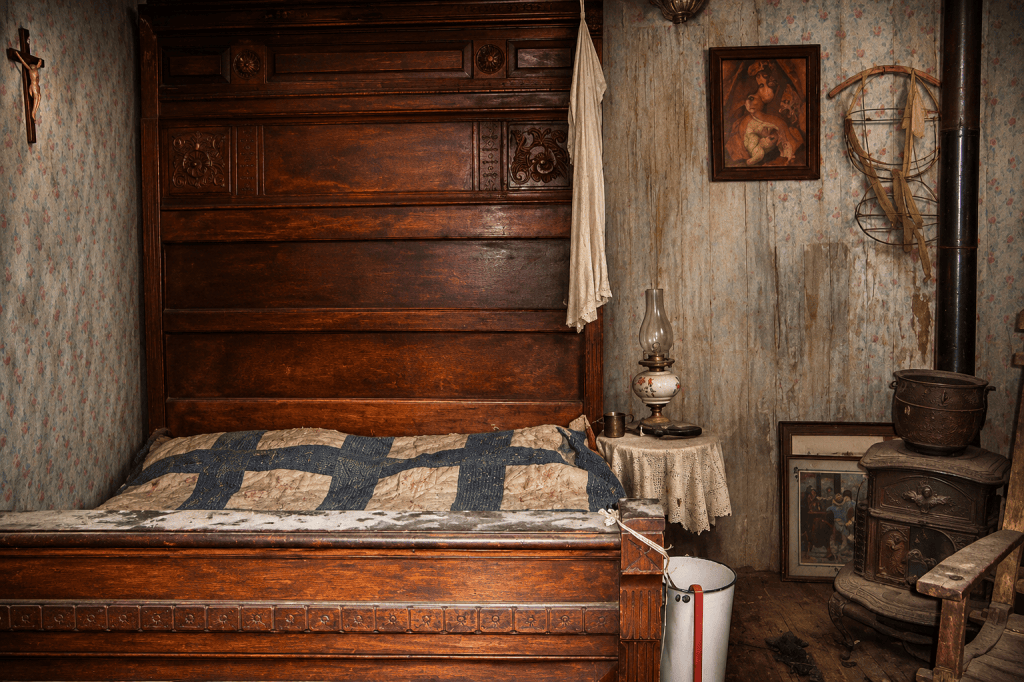
One of its most enduring legends concerns the basement poker room. According to local tradition, a high-stakes poker game continued there for eight years, five months, and three days, with players rotating in and out while the game itself supposedly never stopped. The story has become part of Tombstone folklore, although the extraordinary claim is difficult to verify. Still, the old poker room captures something about the town’s character.
I could imagine the smoky air, the scrape of chairs against the floor, and the nervous silence of men studying their cards while fortunes disappeared across the table. Outside, silver miners risked their lives underground. Inside, gamblers risked everything they had earned. Different games, perhaps, but the same dangerous appetite for fortune.
Wyatt Earp’s House: Behind the Legend of Tombstone
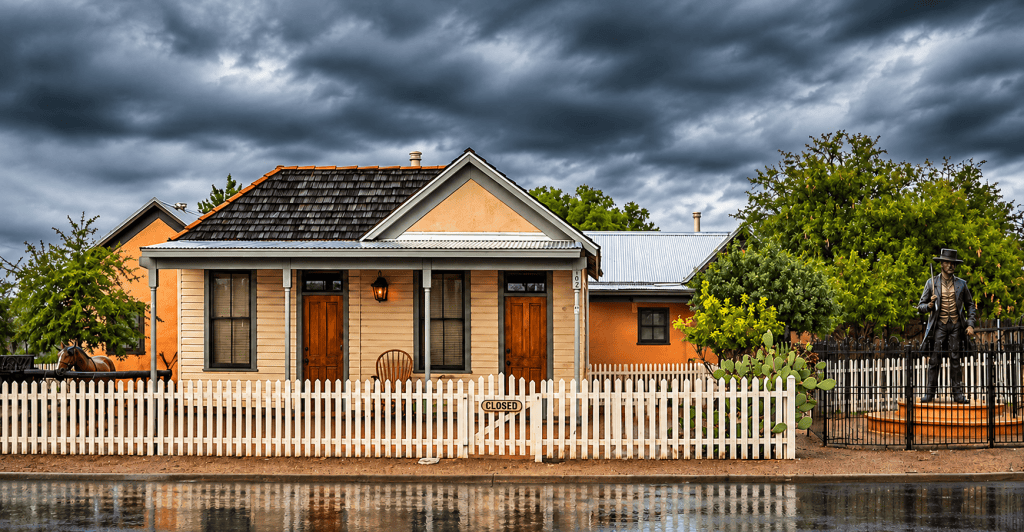
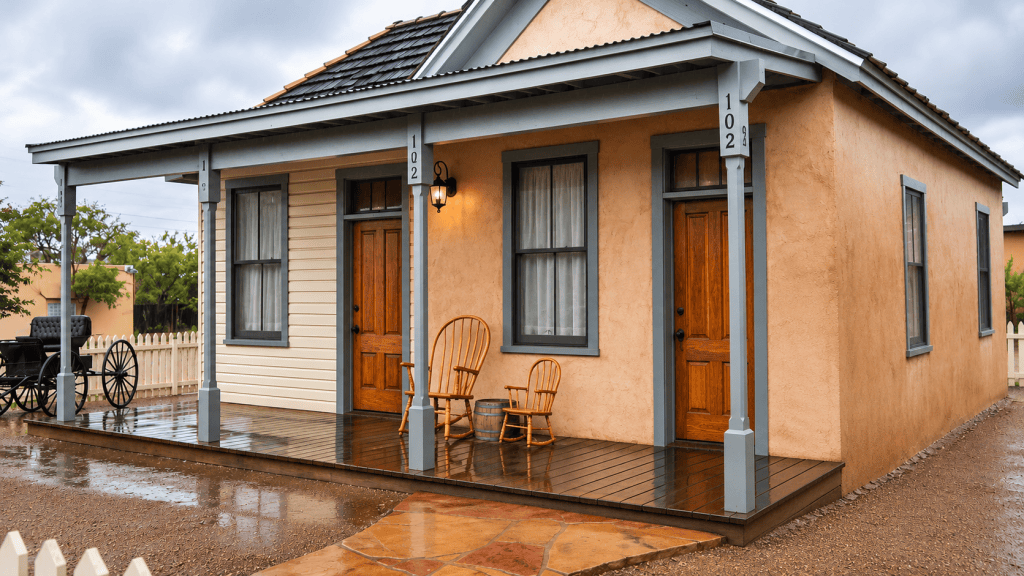
Not far from the streets where Tombstone’s most notorious gunfight unfolded stands a modest adobe house associated with one of the most recognizable names in Old West history: Wyatt Earp. Located on Fremont Street near First Street, the building known as the Wyatt Earp House and Gallery offers a quieter connection to the legendary lawman. While most visitors come to Tombstone for the O.K. Corral, its gunfights, and its saloons, this small historic property offers a glimpse of the town beyond the violence that made it famous.
Wyatt Earp arrived in Tombstone in 1879, drawn to the opportunities of a booming silver-mining town. Alongside his brothers Virgil and Morgan, he became entangled in the growing tensions between local lawmen and a loosely associated group of cattle rustlers and outlaws known as the Cowboys. Those tensions culminated in the infamous gunfight of October 26, 1881.
The house on Fremont Street has long been associated with Wyatt and his companion, Mattie Blaylock, although historians have questioned whether the surviving building was actually their residence. The precise location of Earp’s home remains a subject of historical debate. The property was later restored and opened as the Wyatt Earp House and Gallery, displaying Western and Southwestern artwork. Its restoration was intended to preserve a piece of Tombstone’s historic character and give visitors another way to connect with the town’s nineteenth-century past.
What makes the house interesting isn’t simply its association with a famous gunfighter. It’s the reminder that behind Tombstone’s legends were ordinary homes, personal relationships, and daily lives unfolding in the shadow of an increasingly violent frontier town.
The gunfight lasted less than a minute. Its consequences followed Wyatt Earp for the rest of his life. More than a century later, even a small adobe house can raise questions about the man behind the legend, and how much of the Old West’s history has been shaped by the stories told afterward.
Historical note: Although the property has been promoted as Wyatt Earp’s former home and museum, its connection to his actual residence is disputed. Sources also describe it as an art gallery, with reports that it closed after 2013.
The Grand Hotel & the Night Before the Gunfight
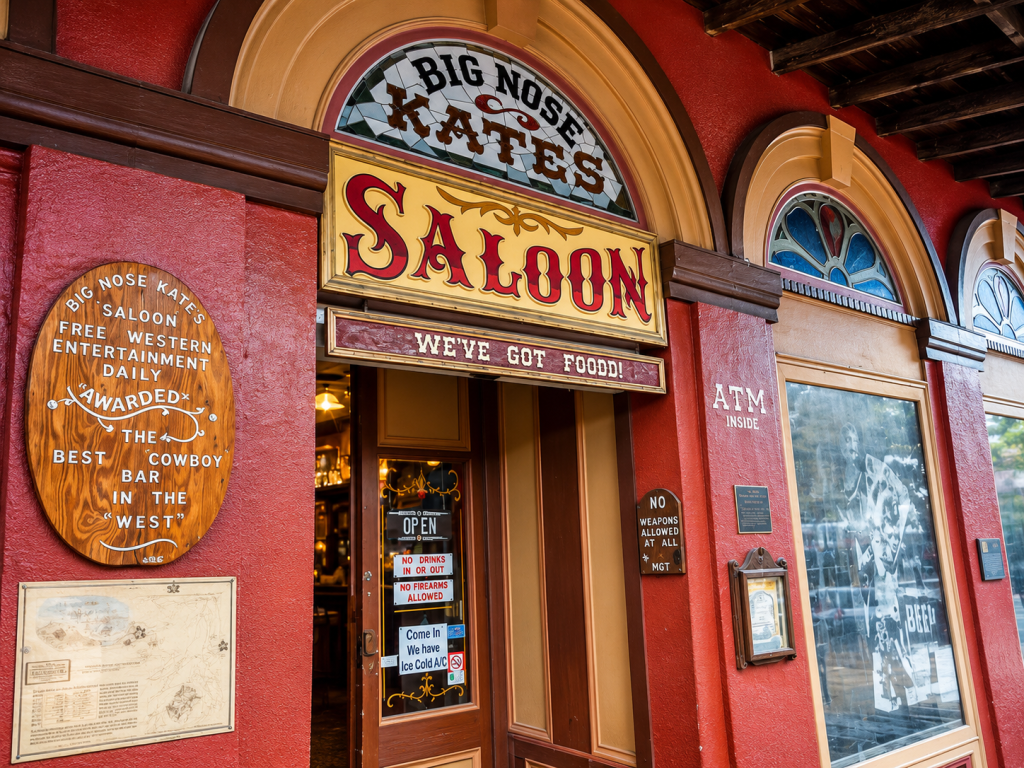
Another place that caught my attention was the building associated with Big Nose Kate’s Saloon. The saloon takes its name from Mary Katherine Horony, better known as Big Nose Kate, a frontier woman remembered for her relationship with Doc Holliday. Kate’s life became entangled with the legends of Tombstone, although stories about her have often been embellished over time.
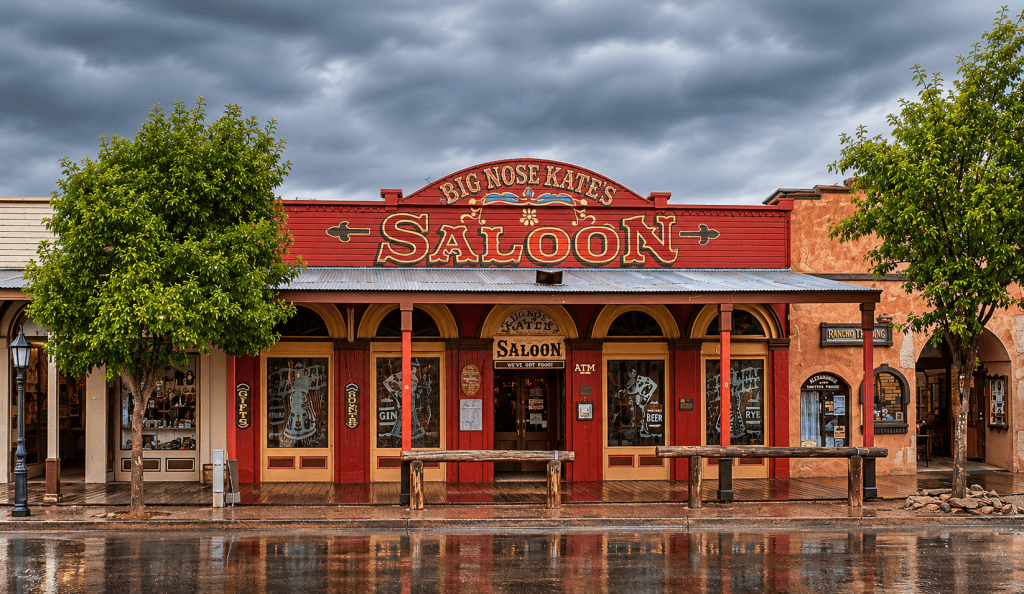
The building itself has a fascinating past. It originally housed the Grand Hotel, which opened in 1881 and was considered one of Tombstone’s finer establishments. This was not the rough, bare-bones lodging one might expect in a frontier mining town. The hotel offered elegant furnishings and accommodations intended to attract travelers with money to spend. Its guests included some of Tombstone’s most prominent and notorious figures. According to local accounts, Ike Clanton and the McLaury brothers stayed at the Grand Hotel the night before the gunfight.
I found that detail unsettling. Imagine checking into a comfortable hotel, unaware that the following afternoon would become one of the most infamous events in Western history. A final evening spent talking, drinking, or planning for the next day, and then, by sunset, two of those men would be dead, and the third would be at the center of a controversy that would endure for generations.
That is what makes places like the old Grand Hotel so fascinating to me. The building is more than a surviving piece of frontier architecture. It is connected to the ordinary hours that came immediately before an extraordinary tragedy.
The Dead Don’t Tell the Whole Story
Tombstone has spent more than a century building its identity around the gunfight near the O.K. Corral, and understandably so. Few events in Western history have been retold as often, but the real Tombstone was far more complicated than the familiar image of two groups of gunfighters facing one another across a dusty street.
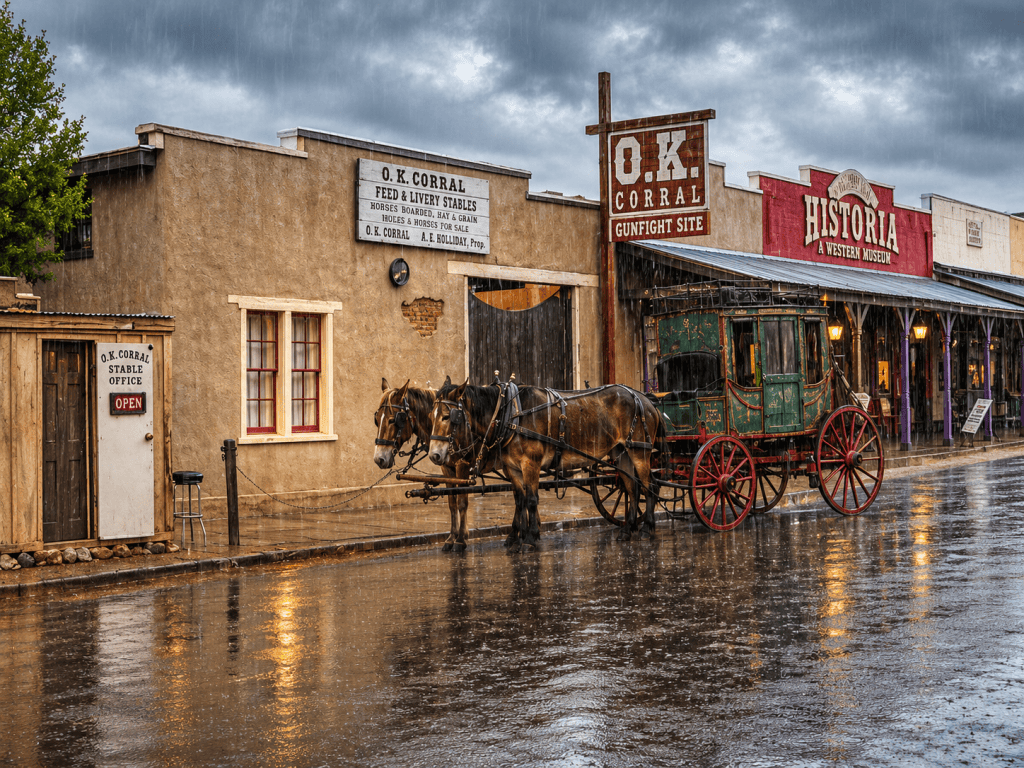
It was a mining town built on extraordinary wealth and dangerous ambition. It attracted people hoping to change their lives, and others willing to exploit anyone standing between them and a fortune. It was also a place of genuine culture, enterprise, and community, where families tried to build ordinary lives amid the uncertainty. Behind the legends were real people.
Men who died in the streets. Families who buried their loved ones. Women whose lives were overshadowed by the reputations of the men around them and miners who spent their days beneath the ground, facing dangers that rarely found their way into the history books. Not every tragedy involved a gunfighter, and not every victim became a legend. That is the part of Tombstone’s history I find most compelling.
Gunfighter Hall of Fame: Relics of the Wild West
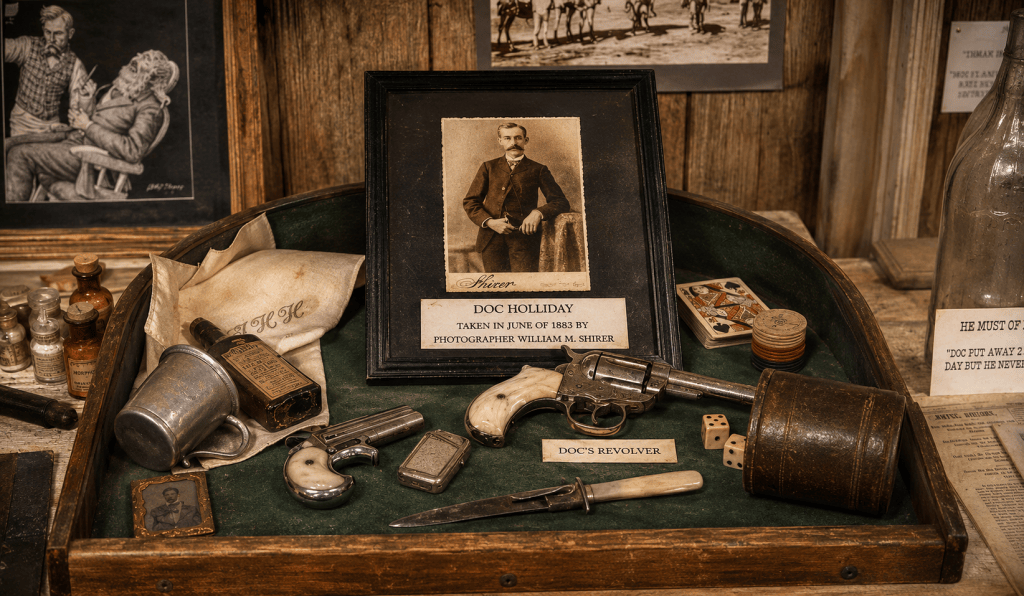
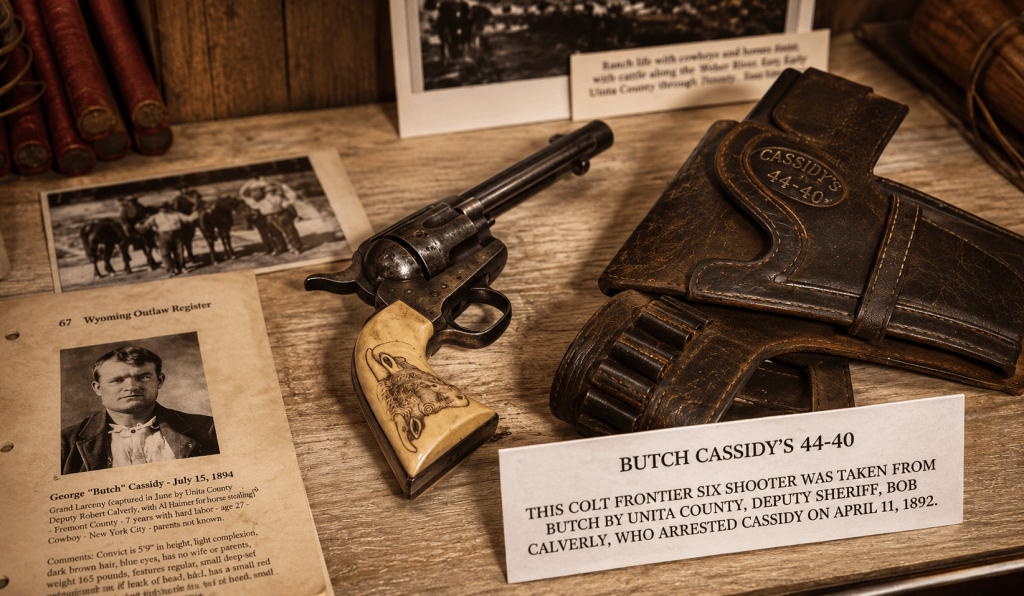
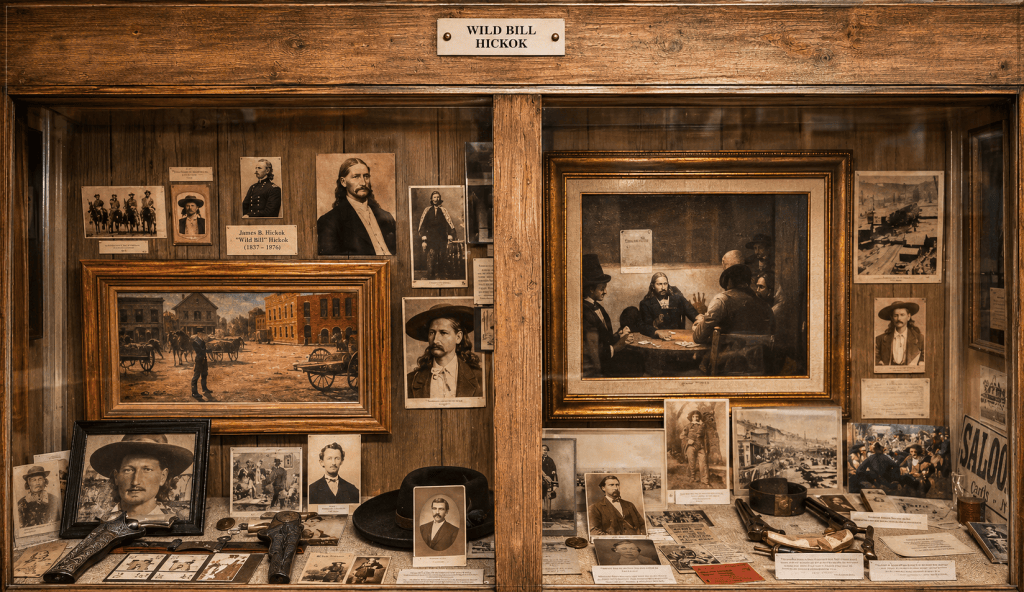
Tucked away in Tombstone, the Gunfighter Hall of Fame Museum holds a fascinating collection of artifacts, photographs, firearms, and memorabilia connected to some of the most notorious figures of the American frontier. Among the exhibits are displays devoted to Doc Holliday, the gambler, dentist, and gunfighter who stood beside Wyatt Earp at the O.K. Corral; Butch Cassidy, the infamous outlaw who led the Wild Bunch; and Wild Bill Hickok, the legendary lawman and gambler whose life ended at a poker table in Deadwood, South Dakota, in 1876.
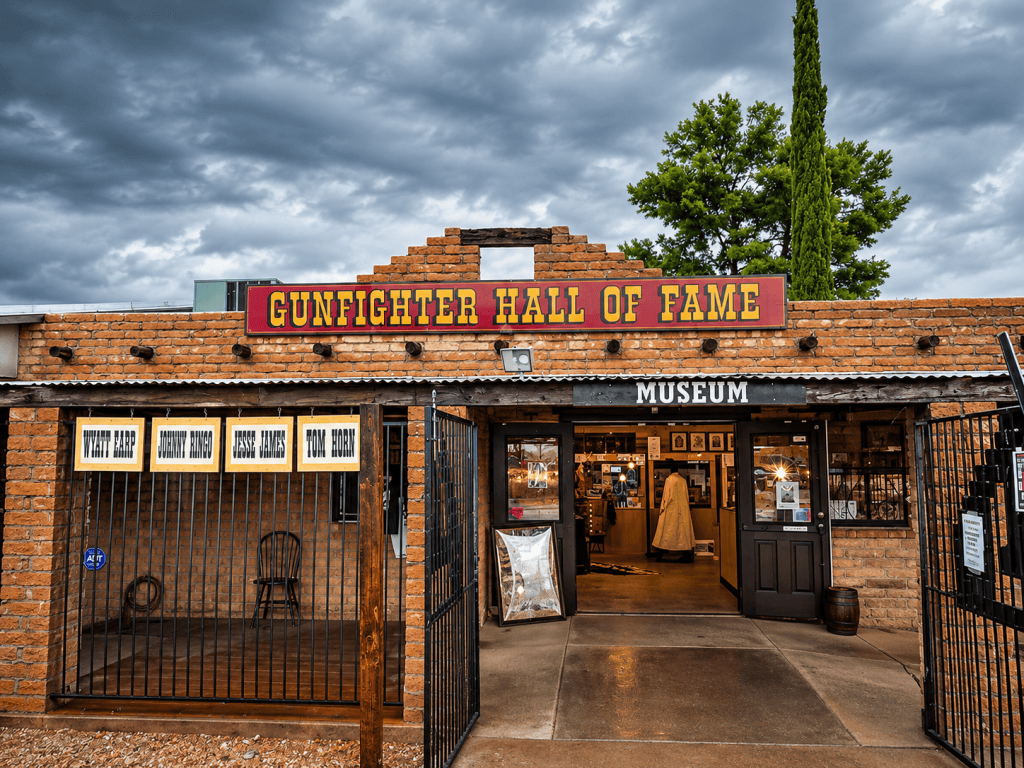
Inside the museum, antique revolvers, historical photographs, personal memorabilia, and documents offer a glimpse into an era when the line between lawman and outlaw was often blurred. Some displays feature artifacts attributed to famous gunfighters, while others preserve the stories and images that helped turn these men into legends.
For anyone fascinated by the darker chapters of Western history, the museum offers something beyond Tombstone’s staged gunfights: a closer look at the real people whose violent lives helped shape the mythology of the American West.
Walking Through the Town Too Tough to Die
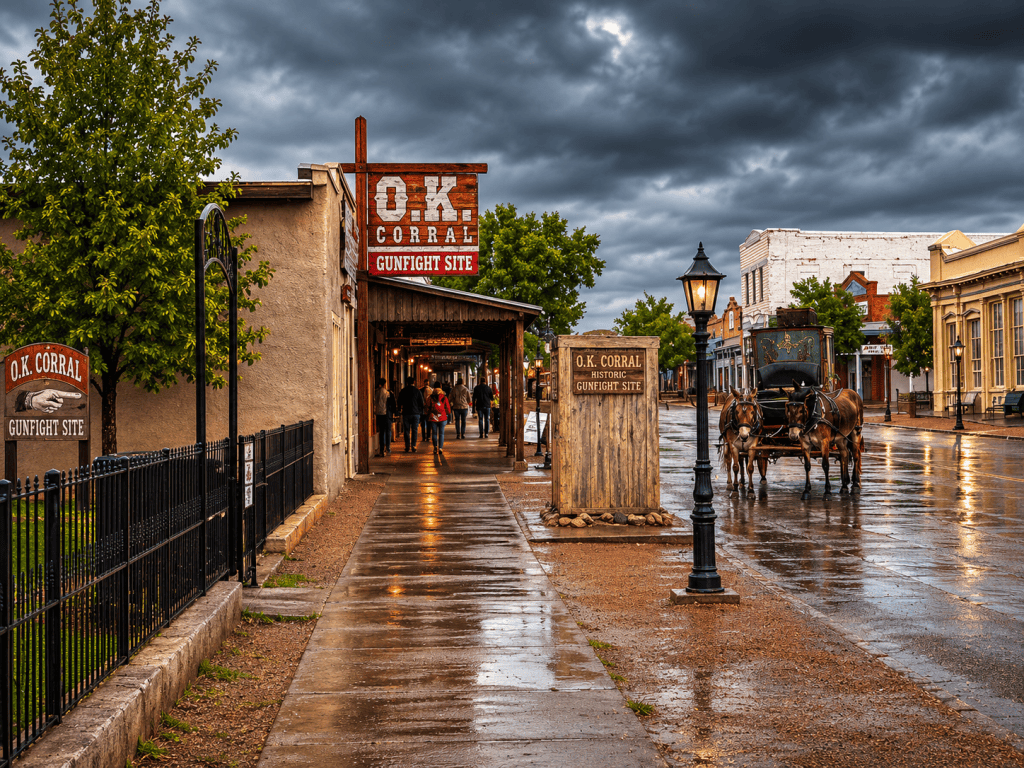
Today, Tombstone is one of the best-known surviving historic towns of the American West. Its streets are lined with preserved and reconstructed buildings, museums, saloons, and reminders of the silver boom that transformed the surrounding desert. Visitors can explore the O.K. Corral, step inside historic establishments, and learn about the people whose lives became intertwined with the town’s violent reputation, but for me, the experience was about more than visiting the places made famous by Western movies.
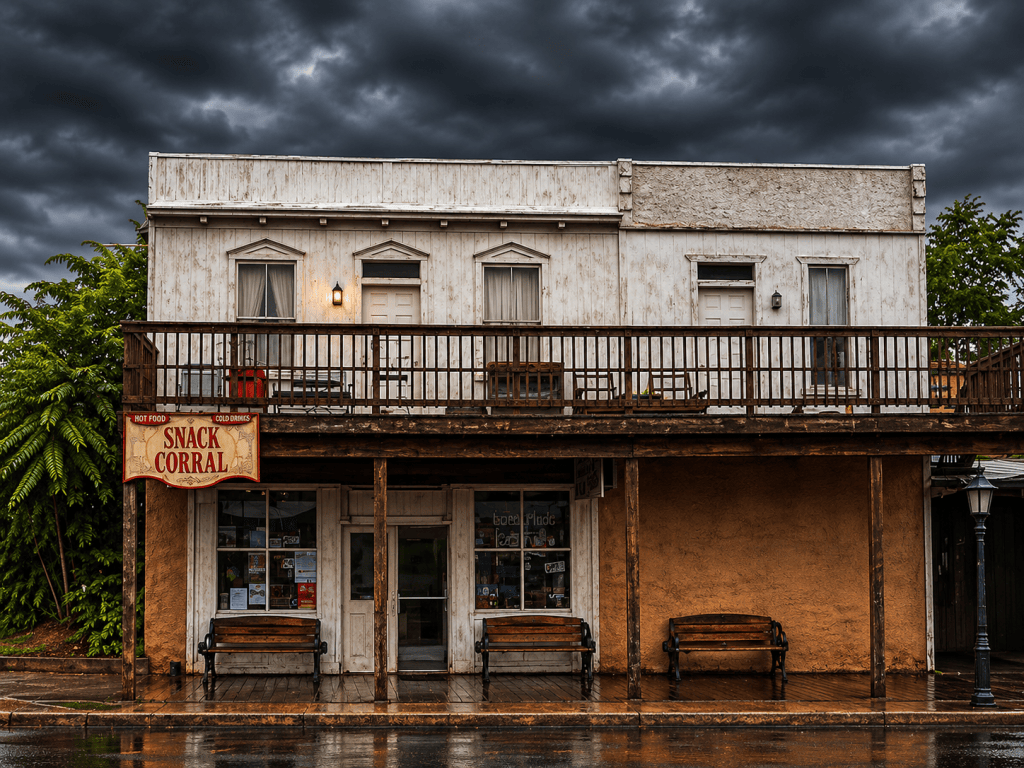
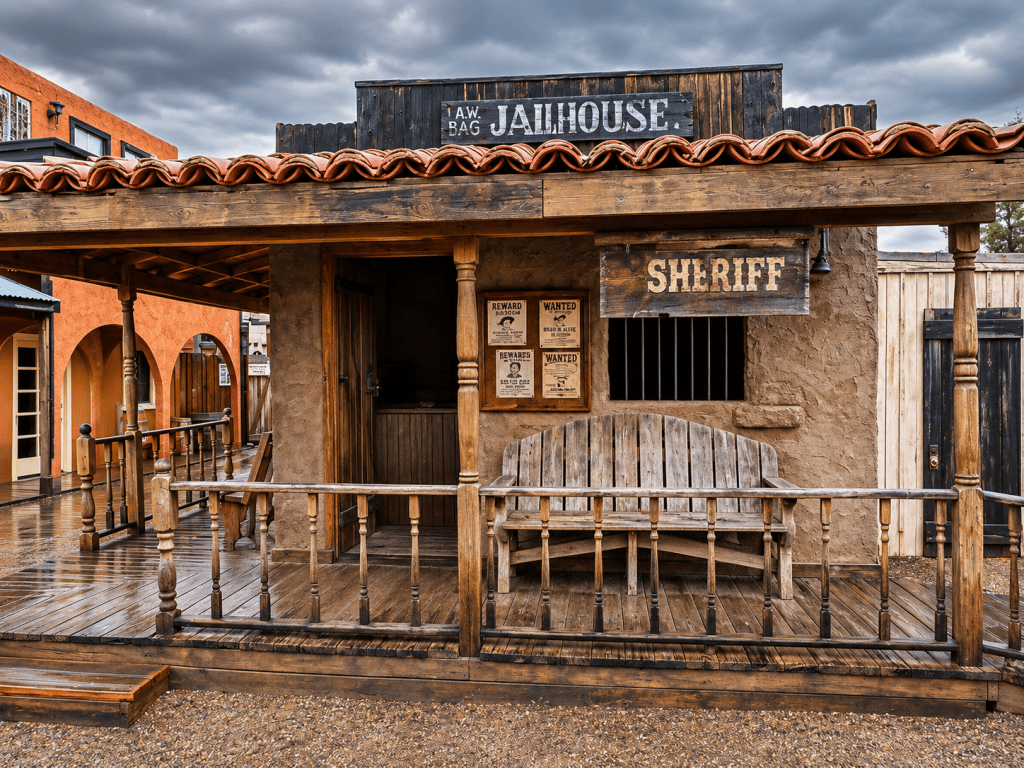
I wanted to stand where those events happened. To see the buildings and streets for myself. To imagine the town before it became a tourist destination, when the outcome of a confrontation could determine whether someone lived to see another sunrise. There is something strange about walking through a place where history has become entertainment. The gunfight is reenacted. The saloons welcome visitors and the names of men once feared throughout the territory appear on signs and souvenirs. Yet beneath the spectacle is a history of betrayal, murder, revenge, and lives cut short. Tombstone’s famous nickname is The Town Too Tough to Die. Perhaps that is fitting.
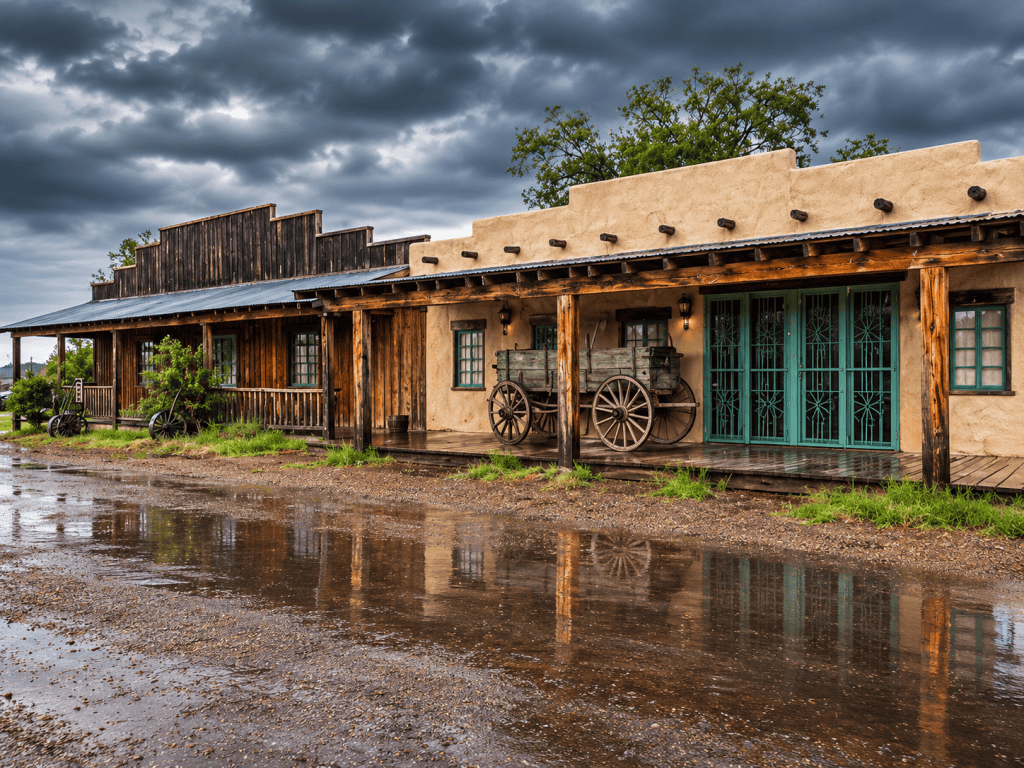
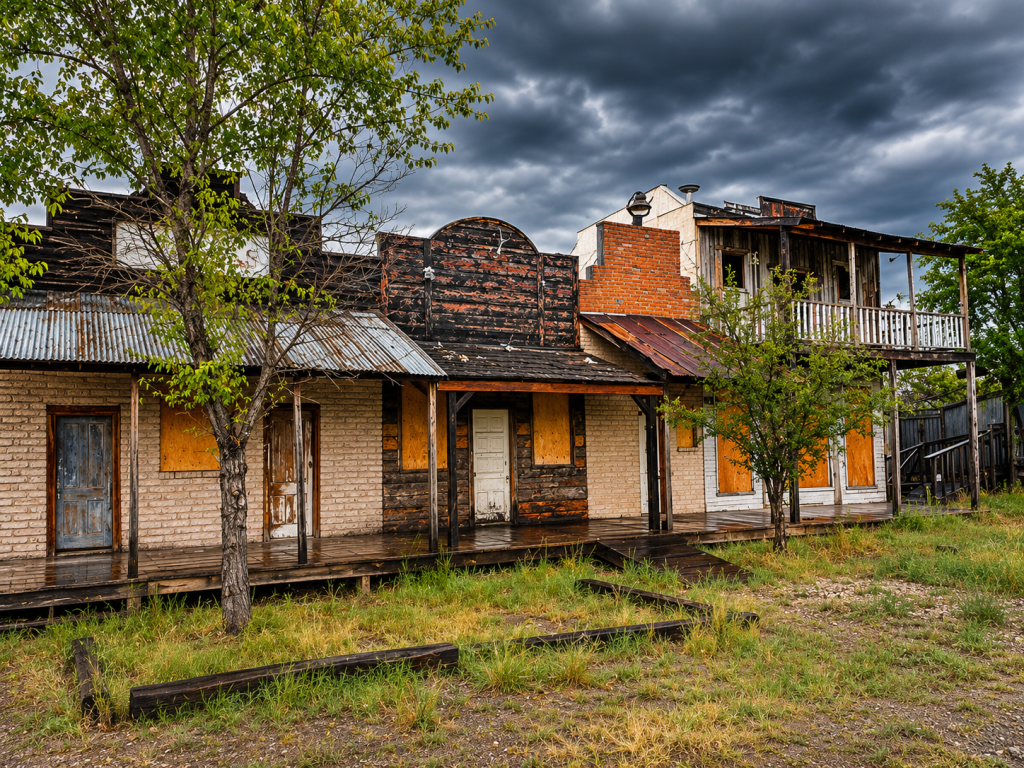
The silver boom faded. The violence eventually subsided. The frontier moved on, but the stories survived, and as I walked through Tombstone, I couldn’t help thinking that the most haunting part of its history wasn’t the sound of thirty seconds of gunfire. It was everything that happened before the first shot—and everything that followed after the smoke cleared.