
The “Dripping Cave” earns its name from the way the sedimentary rock appears to melt and drip from the ceiling. It’s also famously called “Robber’s Cave,” a nod to its notorious past as a hideout for outlaws in the 1800s. These bandits used the cave as a base of operations to ambush stagecoaches traveling between Los Angeles and San Diego. Today, it stands as the largest natural rock shelter in the park and a fascinating historical landmark.
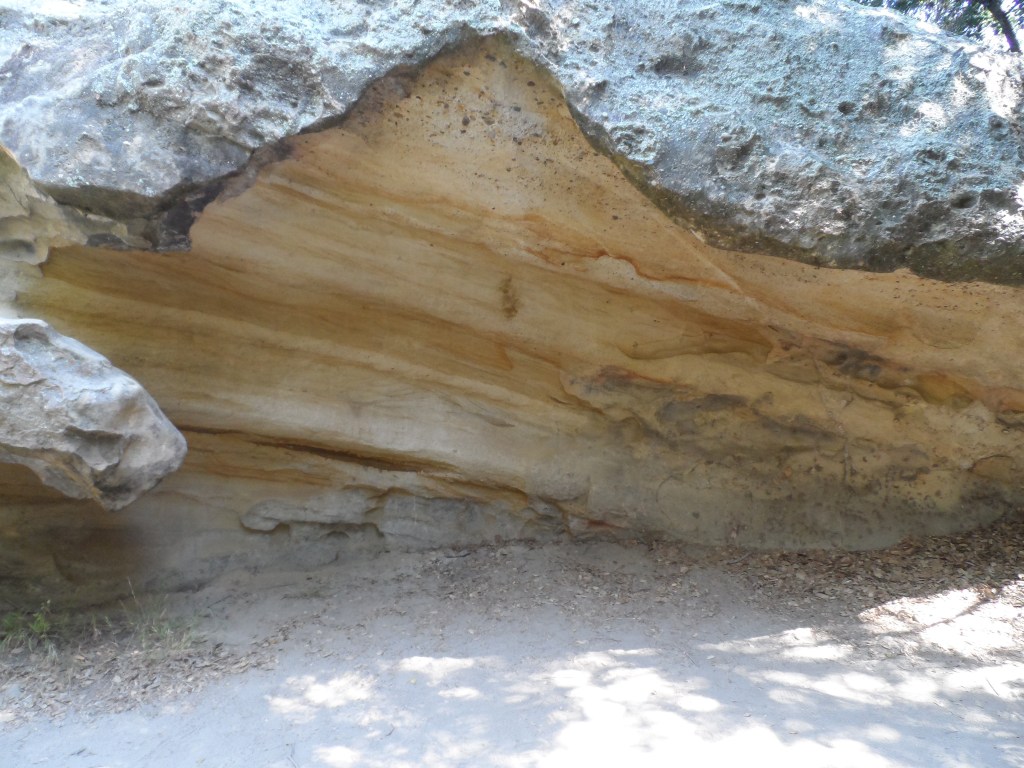
The advent of the I-5 highway rendered stagecoach robberies a thing of the past—though chances are, the outlaws who once hid here were long gone before cars ever hit the road. Long before that, the Dripping Cave served as a natural shelter for Native American hunter-gatherers, offering refuge from harsh weather as they tracked game through the area.
Later, the notorious Juan Flores gang is said to have used the cave as a hideout. You can still spot the round holes they carved into the rock to store their gear, along with the blackened stains left behind by old campfires. Today, the cave takes its name from the rainwater that slowly drips from the sandstone overhang above. Whether you call it the Dripping Cave or Robber’s Cave, this hidden gem in Aliso and Wood Canyons Wilderness Park, nestled in South Orange County, is well worth exploring.
Originally seen by Europeans during the Portolá expedition, the land later became part of the 1842 Rancho Niguel Mexican land grant and was used primarily for sheep and cattle ranching. Over the years, ownership changed hands several times, and by the 1960s, portions of the ranch were sold and developed into the communities of Leisure World, Laguna Hills, Laguna Niguel, and Aliso Viejo. In 1979, the Mission Viejo Company acquired the land and eventually opened it to the public in 1990, transforming it into a recreational haven for hikers, equestrians, and mountain bikers.
The natural features of the park are deeply intertwined with human history. Aliso Creek once served as the dividing line between two Native American tribes: the Acjachemen (affiliated with the Juaneño Mission) and the Tongva (associated with the Gabrieleño Mission). Thanks to abundant wildlife, consistent water sources, proximity to the ocean, rich acorn harvests, and natural cave shelters, both tribes thrived in this region.
Several trails in the park honor the Acjachemen heritage with native names like Aswut (golden eagle), Toovet (brush rabbit), Alwut (crow), and Hunwut (black bear). The Acjachemen were semi-nomadic hunter-gatherers who lived in small, interrelated family groups. Their seasonal migration between the coast and the Santa Ana Mountains allowed them to follow food and water sources year-round, sustaining a stable and resourceful way of life.
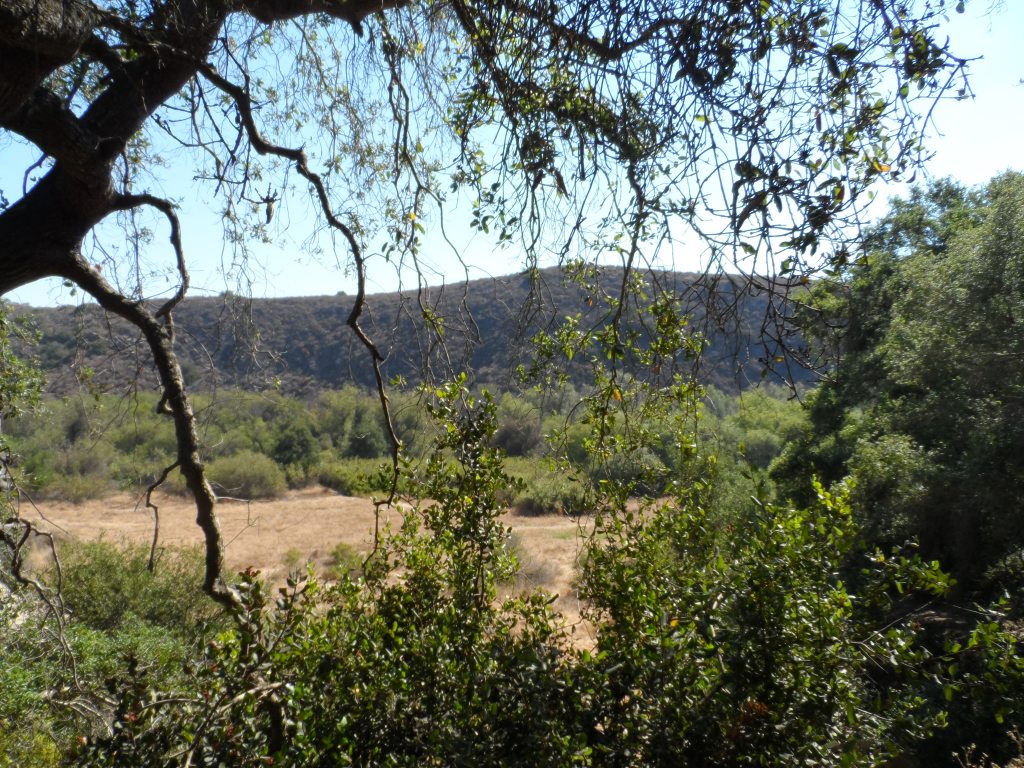
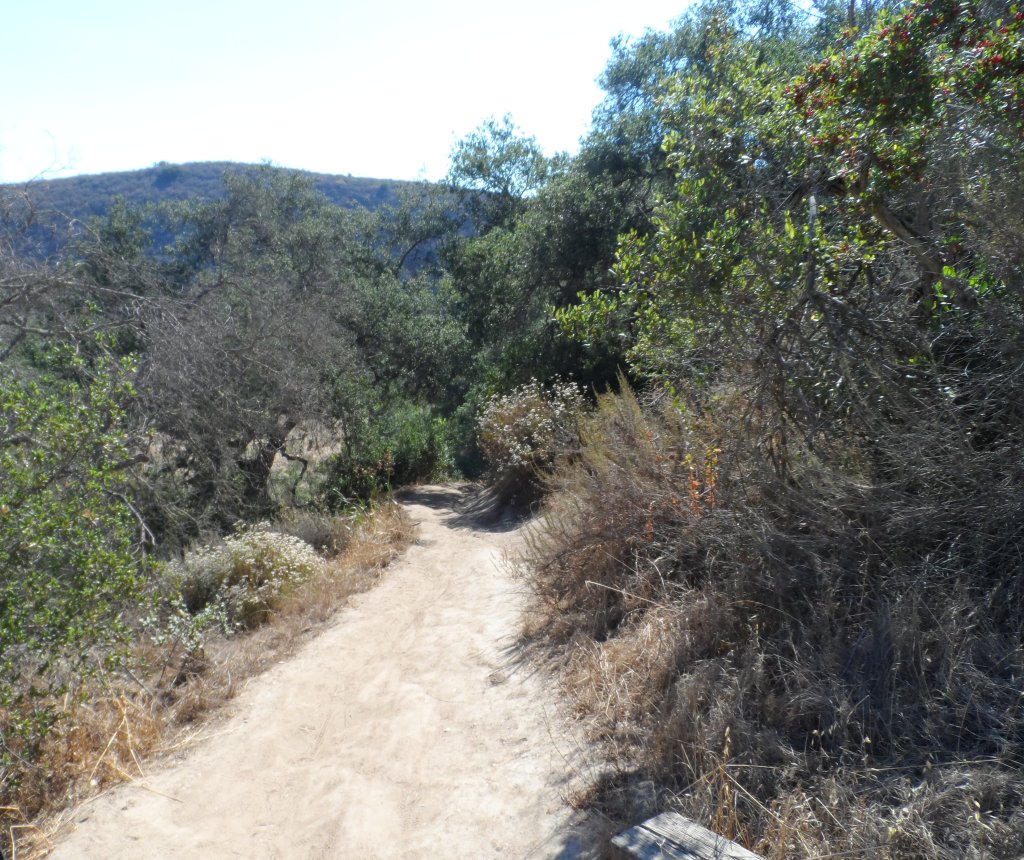

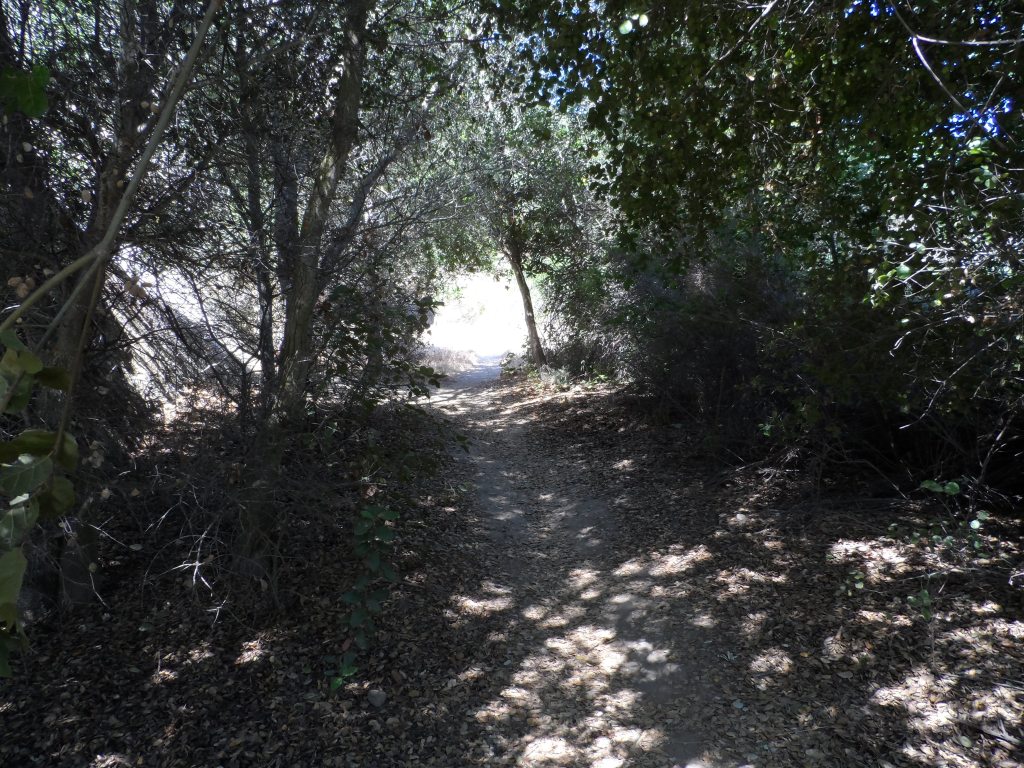
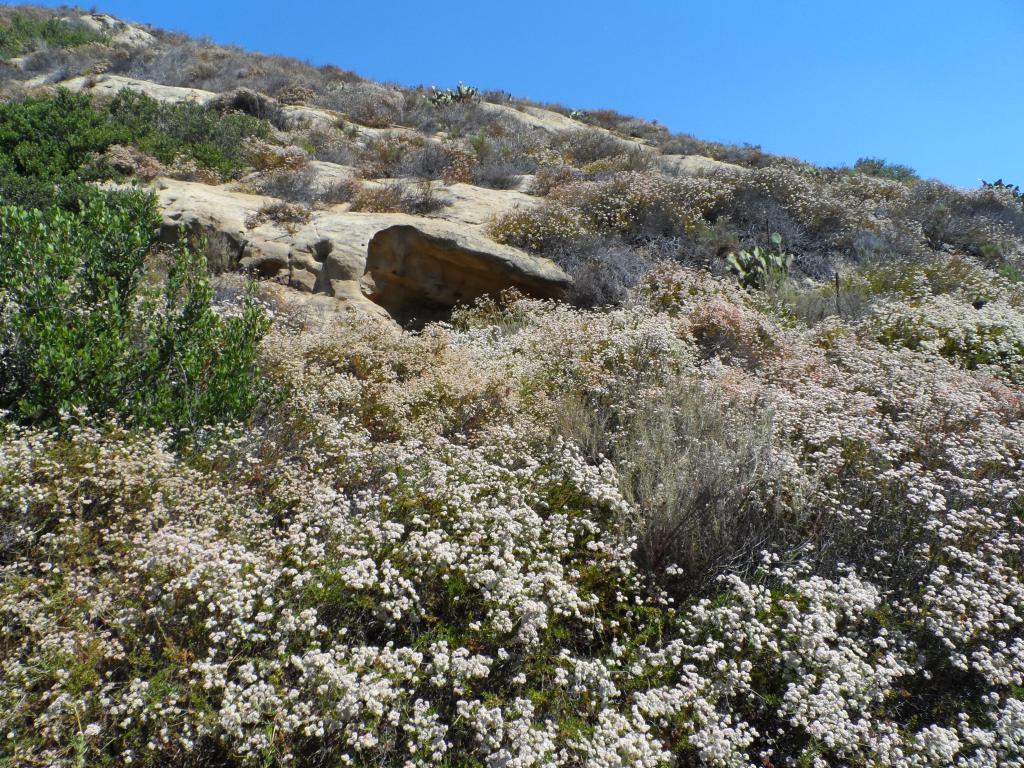
Aliso and Wood Canyons Wilderness Park spans approximately 4,200 acres and offers more than 30 miles of trails to explore. The main trail is mostly flat, making it ideal for an easy, leisurely hike suitable for all skill levels. For those looking for more of a challenge, the park also features several trails with steep elevation gains and more rugged terrain, offering a rewarding experience for seasoned hikers. With a variety of routes to choose from, there’s something for everyone in this scenic wilderness area.
This could easily be an all day adventure, because of the variety of trails available, you can make your hike as easy or as strenuous as you would like.
The Coyote Run Trail winds through picturesque oak groves and open grassy meadows, offering one of the most scenic and untouched stretches in the park. It’s a peaceful escape where signs of human development fade away. As you reach the junction with Woods Canyon Trail, the landscape shifts into a lush, shaded corridor of oaks and sycamores, following the path of a year-round creek—a tranquil spot that feels worlds away.
The least-traveled path to the Dripping Cave is via the Meadows Trail, though most hikers typically start from Moulton Meadows Park and head north on the Aswut Trail—a paved bike-friendly route. We ended up hiking it in reverse, simply because it was the quickest way back to the car. After leaving the Dripping Cave, we followed a long, flat stretch along a service road at the base of the Meadows Trail. But the Meadows Trail doesn’t stay flat for long—it quickly begins a steep ascent, climbing more than 700 feet in just one mile. It’s a challenging trek, but the effort is well rewarded with sweeping views of the ocean and Santa Ana Mountains. Along the way, take a moment to appreciate the fascinating sandstone formations carved into the canyon walls.
On a warm summer day, the climb can be long and demanding—be sure to bring plenty of water, as there are no sources along this portion of the trail. Once you reach the top, you’ll find an information board and a few benches where you can catch your breath. From here, the steep Meadows Trail connects with the Aswut Trail. As you continue, you’ll be treated to expansive views, including a distant glimpse of Crystal Cove State Park.

One caution when hiking here is there are a lot of mountain bikers who use the park, so be on the lookout while you are on the trails. There are also signs posted warning about the possibility of mountain lions in the Aliso and Wood Canyons Wilderness Park, however I seriously doubt there are any because the South Coast Wilderness is not big enough to support a mountain lion population for any extended period of time.
Aliso and Wood Canyons Regional Park in Aliso Viejo offers a diverse natural escape just a short drive from most of Orange County and northern San Diego County. With riparian woodlands, open meadows, rolling hills, sandstone caves, and panoramic views of the Santa Ana Mountains and Laguna Canyon, the park is a scenic gem. The 11-mile loop trail provides a full-day adventure, highlighting the stunning variety and natural beauty of the canyon landscape.

 Wander Woman