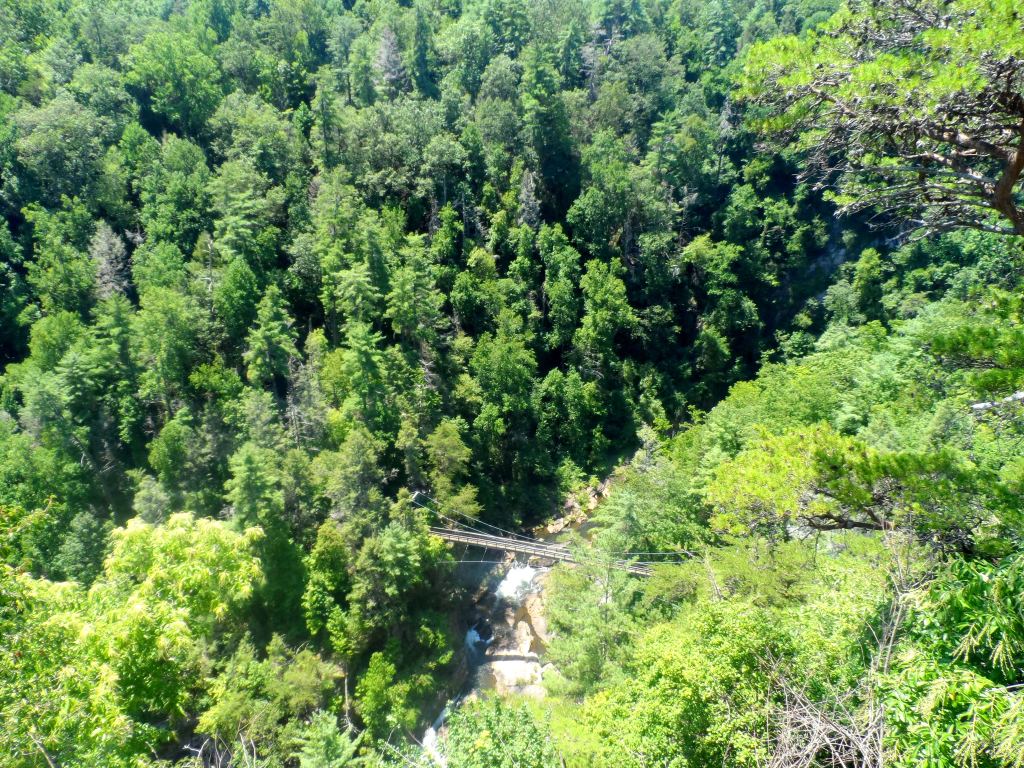
If you’re exploring North Georgia, a visit to Tallulah Gorge is a must. This dramatic geological wonder is the crown jewel of its namesake state park, nestled in the Appalachian Mountains. Though it draws around 300,000 visitors annually, fewer than 10% of Americans have experienced its awe-inspiring vistas firsthand. Stretching two miles long and plunging nearly 1,000 feet deep, the gorge was carved by the relentless force of the Tallulah River. That same river fuels the park’s most spectacular feature—Tallulah Falls—a breathtaking series of six cascading waterfalls that tumble 500 feet within a single mile, straddling the Georgia-South Carolina border.
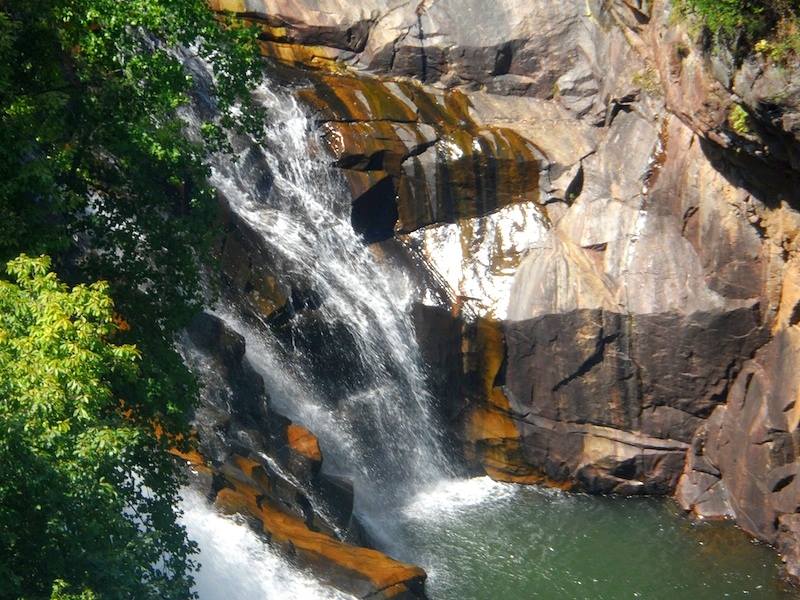
Tallulah Gorge State Park is a remarkable collaboration between the Georgia Department of Natural Resources and Georgia Power, created to protect one of the deepest canyons in the eastern United States. Believed to be among the oldest geological formations in North America, the gorge has been slowly carved by nature over thousands of years.
Though often believed to be of Cherokee origin, the name “Tallulah” is somewhat disputed. While it resembles a Cherokee word meaning “The Terrible,” the Cherokee actually referred to the gorge as “Ugunyi.” Sometime before the Civil War, white settlers began using the name “Tallulah,” and it eventually became the name we know today.
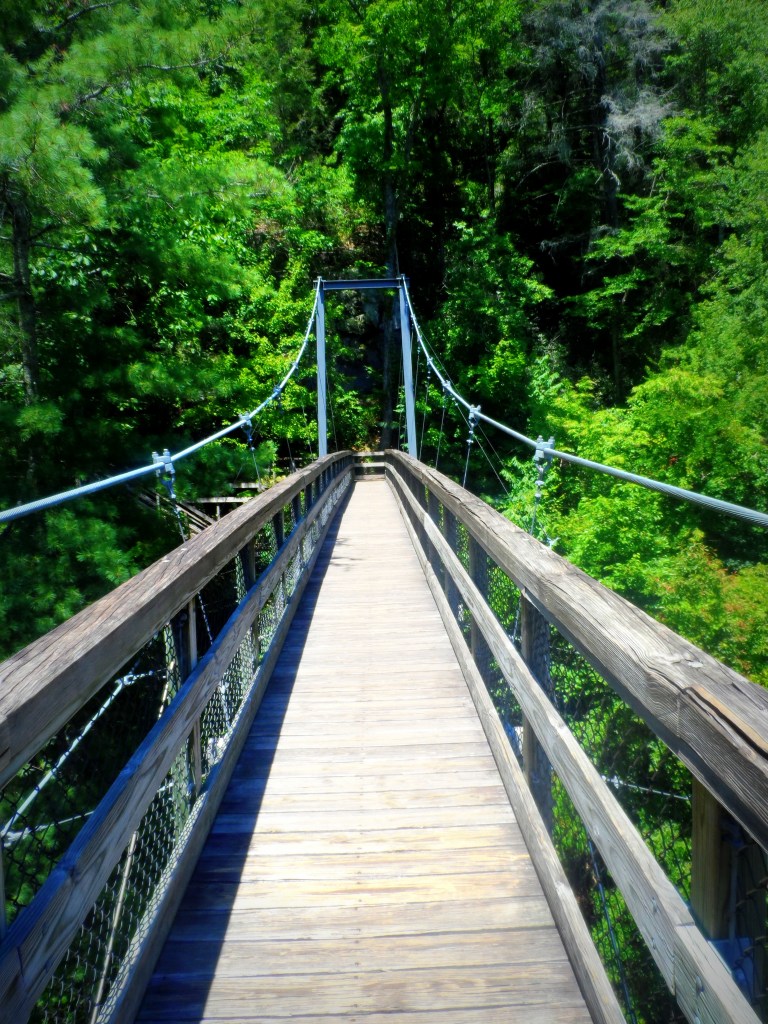
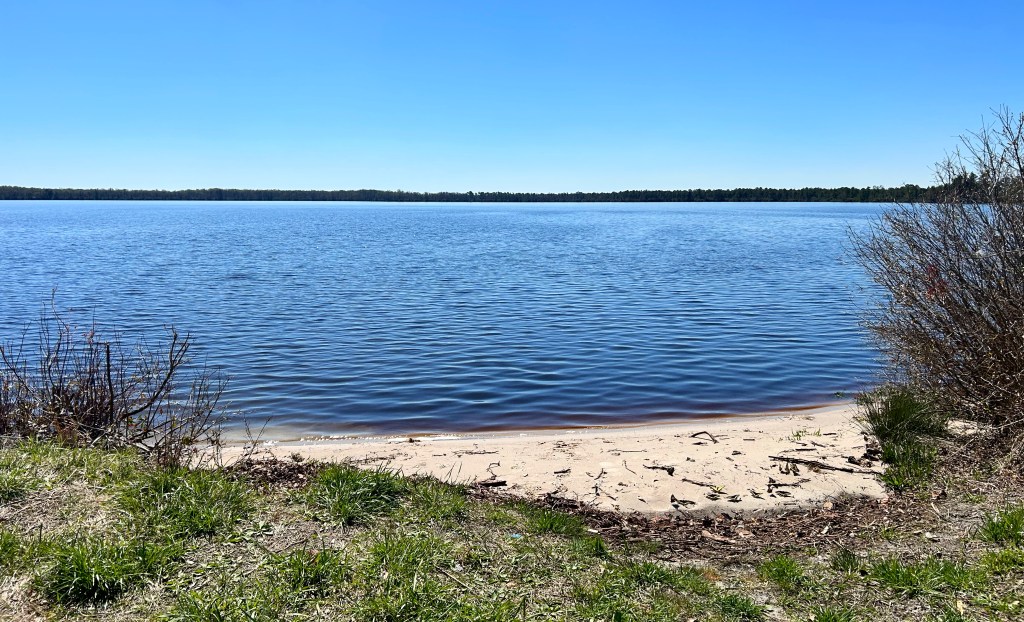
Since its establishment in 1992, Tallulah Gorge State Park has grown into one of Georgia’s most visited outdoor destinations. The park offers a variety of amenities, including scenic overlooks, picnic spots, campgrounds, and an extensive network of trails. Visitors can descend a series of stairs into the gorge or cross a dramatic suspension bridge that spans 80 feet above the canyon floor. The park is also home to Tallulah Lake—a 63-acre reservoir complete with a white sand beach and public bathhouse, perfect for a refreshing swim or relaxing day by the water.
In 1996, the Jane Hurt Yarn Interpretive Center was opened to the public in Tallulah Gorge State Park. The 15,000 sq. ft. Interpretive Center features exhibits, that explain the history of Tallulah Gorge, and the region’s natural ecology.

During your visit to the park, make the Tallulah Gorge Interpretive Center your first stop. In addition to offering general information and a well-stocked gift shop, it’s where you can pick up your free permit to access the gorge floor. Tallulah Gorge State Park takes conservation seriously, and a strict permitting system is in place to protect its natural beauty. While most areas are open for self-guided hikes along marked trails, a permit is required for access to the gorge floor and more challenging routes—especially for those interested in rock climbing or rappelling. Permits are limited to just 100 per day, so be sure to arrive early to secure yours before they’re gone.
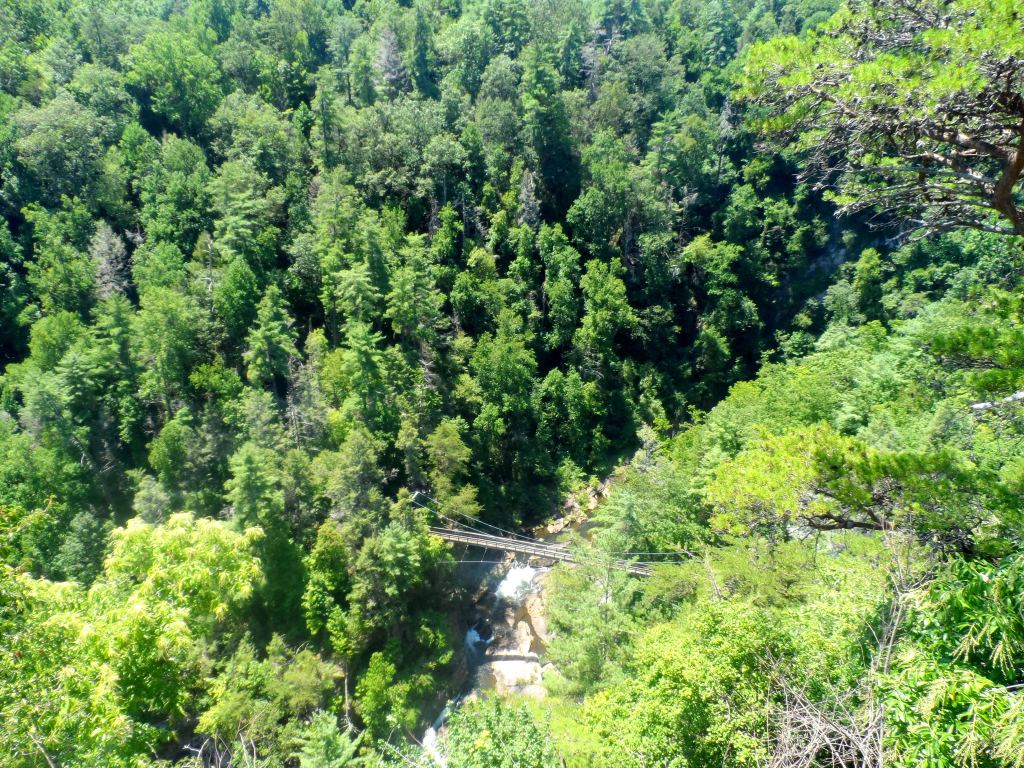
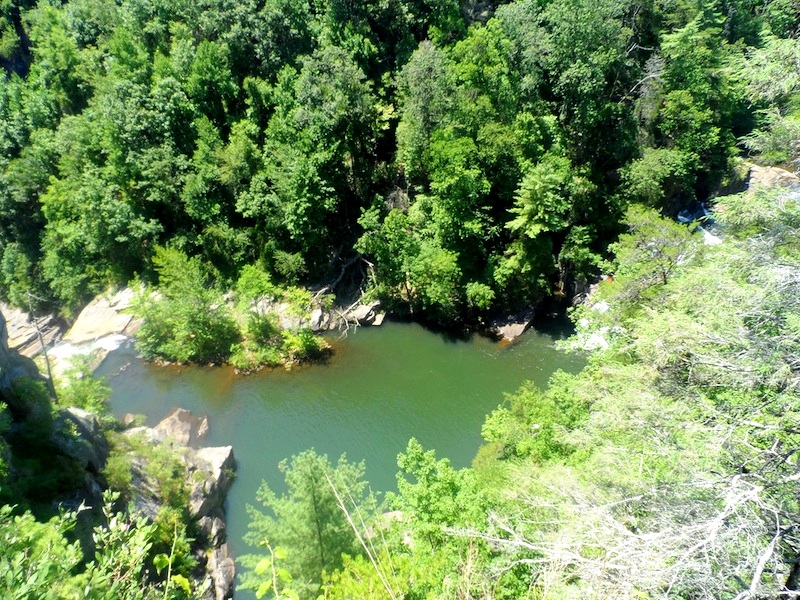
If you’re unable to explore the gorge floor—or if it only whets your appetite for more adventure—the Hurricane Falls Loop Trail is a must. This challenging route begins at the Interpretive Center with a comfortable, rubber-paved path before plunging into the dramatic elevation changes of the North Rim Trail. The trail leads to a suspension bridge that spans the river, offering jaw-dropping views of the gorge 80 feet below. For those seeking more scenic vistas, the rim trails guide visitors to a series of stunning overlooks. Be warned: every trail into and out of Tallulah Gorge is considered very strenuous. If the hike doesn’t leave you breathless, the views from the bridge certainly will.
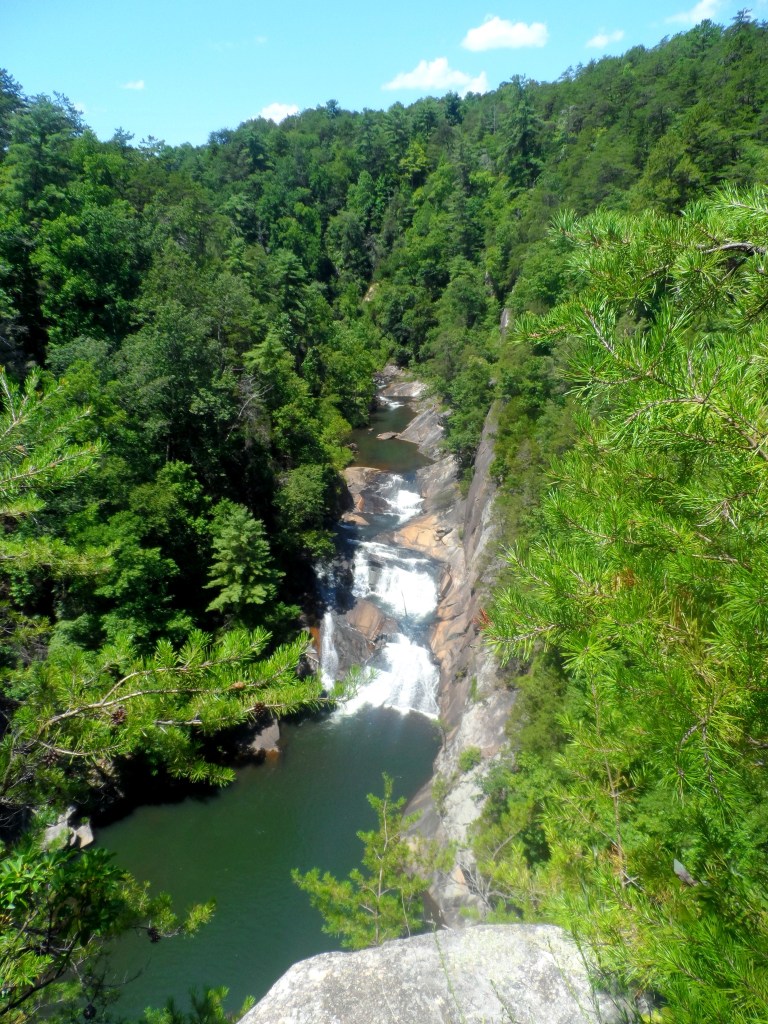



Twice men have ventured across the tear in the fabric of Mother Earth, both times successfully. Professor Leon made it across on July 24, 1886 and Karl Wallenda repeated the feat 84 years less one week later (July 18, 1970).

Wallenda arrived in the northeast Georgia mountains flanked by a pair of security guards dressed as clowns—complete with red noses and face paint—but he was known for his love of mingling with the townspeople of Tallulah Falls and the thousands who gathered to witness the daring event. During his high-wire walk across the 1,200-foot span above a 750-foot-deep gorge, the 65-year-old performer stunned the crowd by executing two headstands mid-wire. The entire feat lasted just 19 minutes. Tragically, less than eight years after his breathtaking 1970 performance, Wallenda fell to his death during another stunt.
In February, after completing a 100-foot-high tightrope walk inside the Georgia Dome, Karl Wallenda’s great-grandson, Nik Wallenda, announced plans to recreate his legendary ancestor’s Tallulah Falls stunt in exact detail for its 45th anniversary. He even intended to superimpose footage of Karl—captured by the BBC during the original 1970 performance—onto a live broadcast of his own walk, blending past and present in a powerful tribute.
However, inexperienced hikers frequently fare worse. In one particularly bad year six fell to their death, or drowned in separate incidents.



Tallulah Falls doesn’t have any food stores, restaurants, or gas stations, so plan accordingly. For dining, lodging, and supplies, the nearest options are about 10 miles north in Clayton. Just outside Clayton along Highway 441, visitors will find a variety of down-home North Georgia eateries, including Granny’s Kuntry Kitchen, Henry’s, Tomlin’s Bar-B-Q Stand, and the iconic Dillard House.
Tallulah Falls is conveniently located on Highway 441 an hour and a half northeast of Atlanta. Take I-985 north, which will feed into 365 north, Highway 23, and Highway 441. Tallulah Falls is 12 miles north of Clarkesville and 12 miles south of Clayton.
The park’s phone number is (706) 754-7970.
 Wander Woman