Charleston, South Carolina had long been on my travel wish list. I’d heard so much about its charm—its moss-draped oaks, and that unmistakable Lowcountry ambiance. Though I only had two days to explore, I managed to pack in a surprising number of memorable mini adventures.
Just 20 minutes from Zero George Street, Boone Hall Plantation stands as one of America’s oldest continuously operating plantations. Situated in Mount Pleasant, a suburb of Charleston, it has welcomed visitors for over 50 years, yet its rich history stretches back more than three centuries. Originally granted to Major John Boone, Boone Hall was established in 1681.

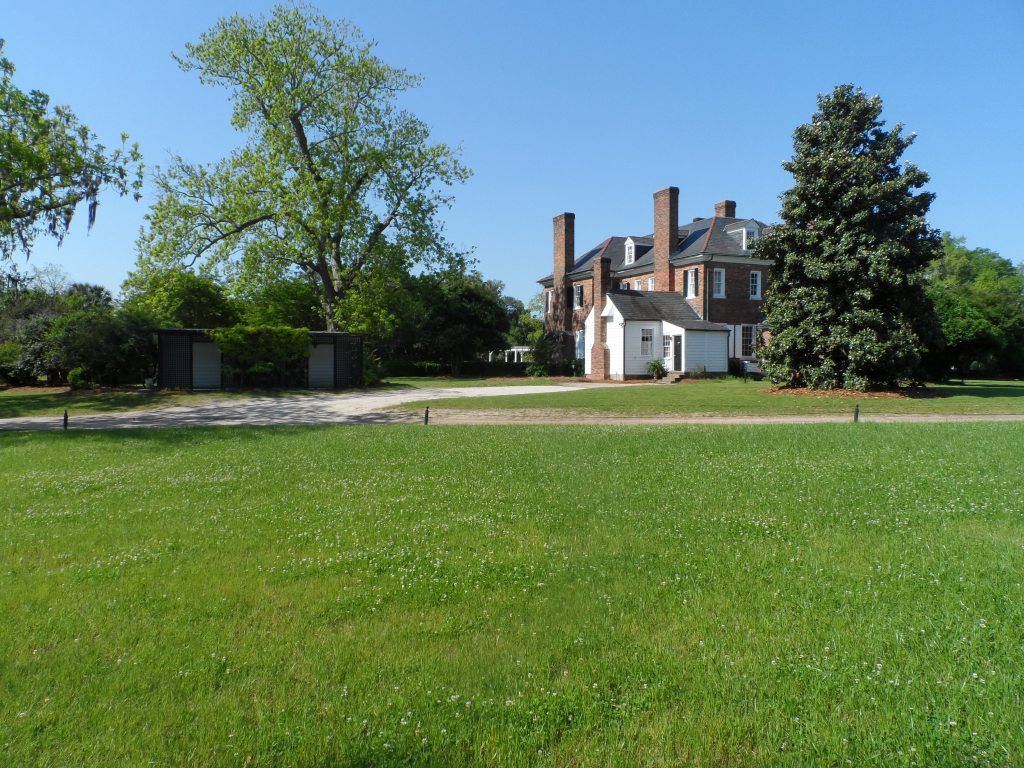
Boone Hall Plantation has welcomed the public since 1956. The McRae family purchased the estate in 1955, and it was Mrs. McRae who furnished the house with antiques and started offering tours. Today, the McRae family still owns the property and continues to enhance the plantation, ensuring visitors can experience an authentic glimpse of plantation life in the 1800s.

The current plantation manor house, built in 1935, is not the original Boone residence. It is actually the fourth structure on the site, with previous buildings lost to fire or demolished to make way for this new home. Designed by Thomas Stone in the early 20th century, the house reflects the classic Southern plantation architectural style.

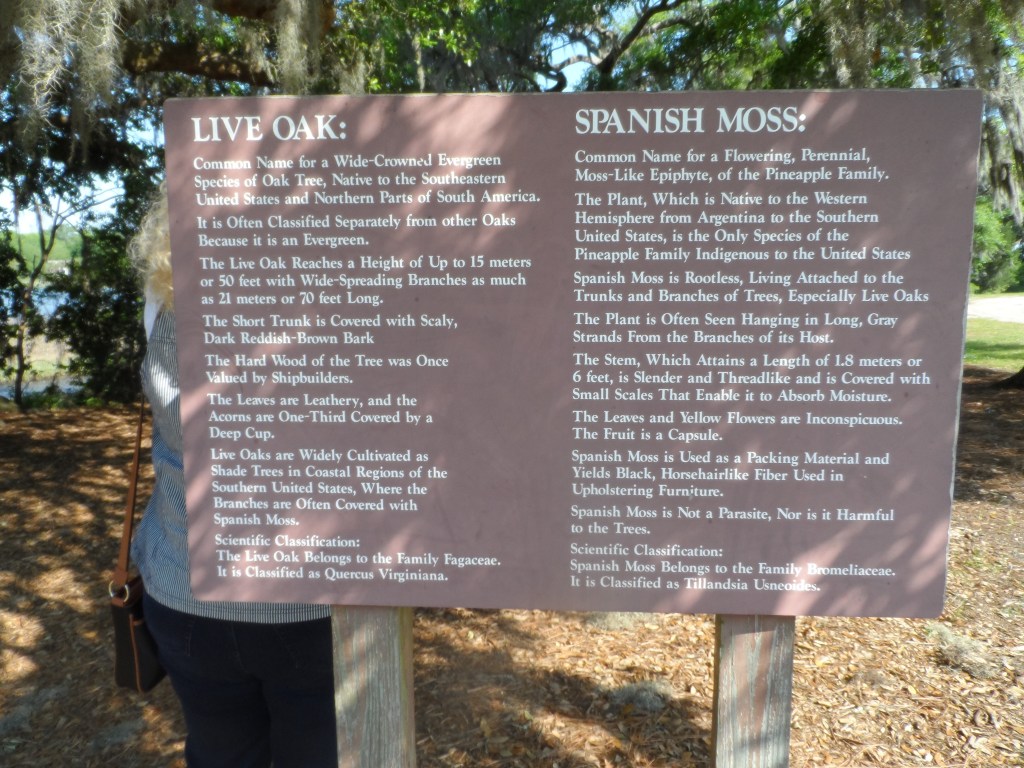
The famous Avenue of Oaks is a scenic three-quarter-mile drive lined with towering oak trees draped in Spanish moss, dating back to 1743. Alongside this historic avenue stand nine original brick slave cabins on what is known as Slave Street. These cabins once housed the plantation’s house servants and skilled craftsmen—those considered the highest-ranking among the enslaved community, responsible for work essential to the comfort and status of the Master. Meanwhile, field slaves lived in simpler shacks and huts closer to the agricultural lands.

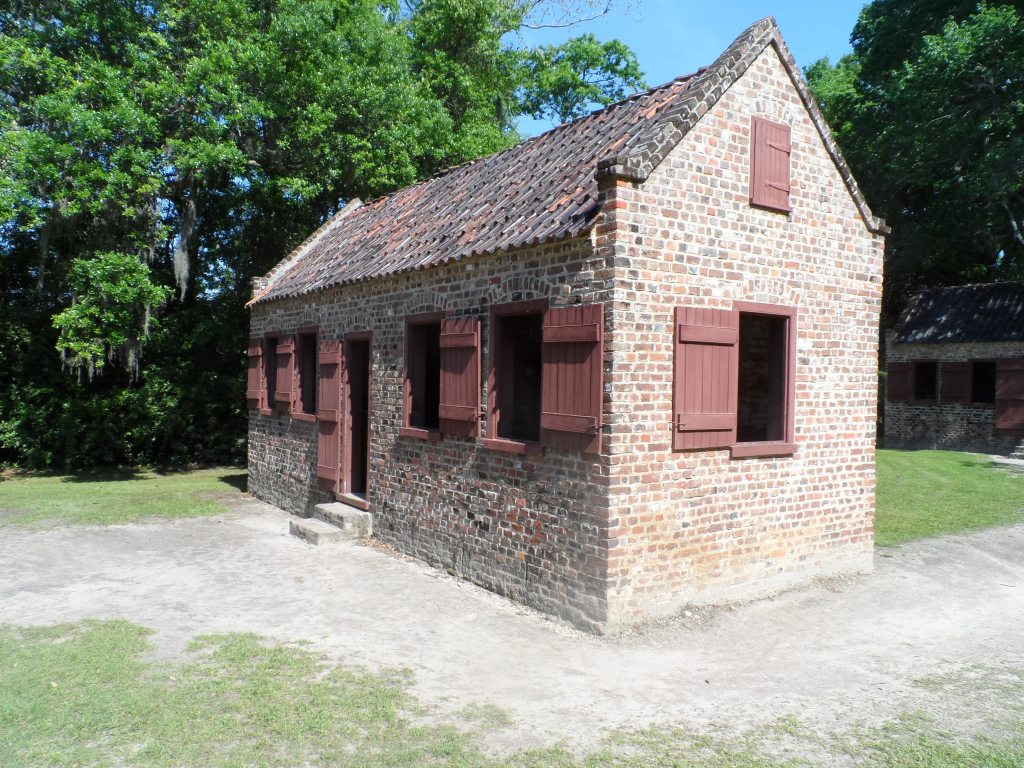
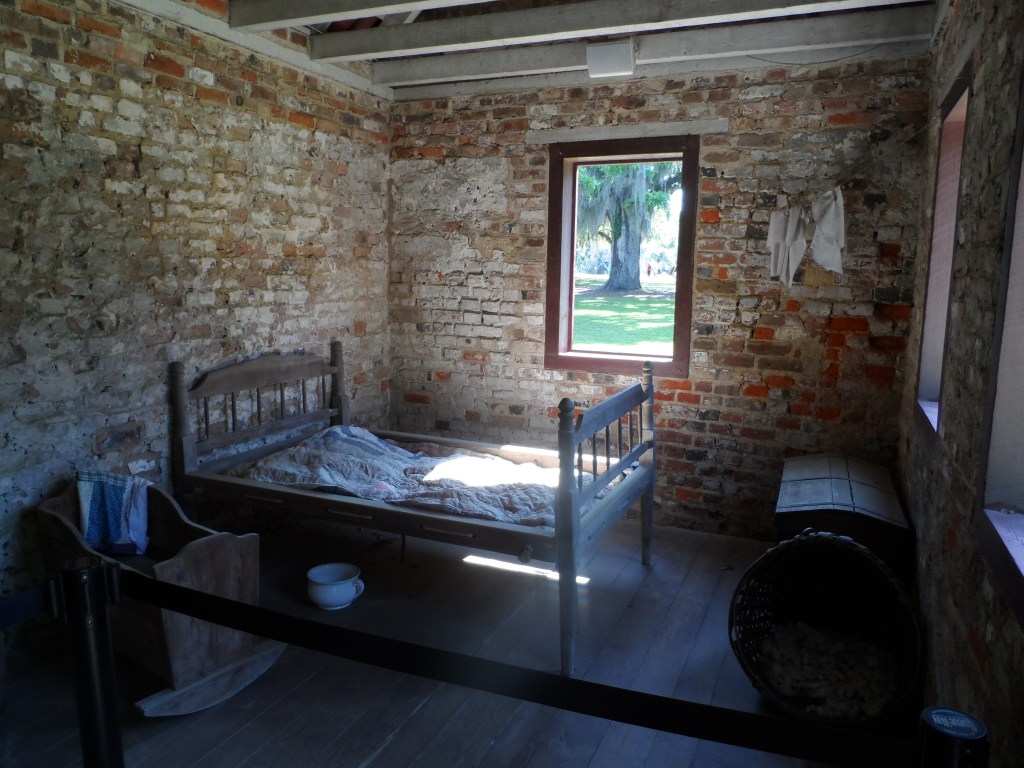
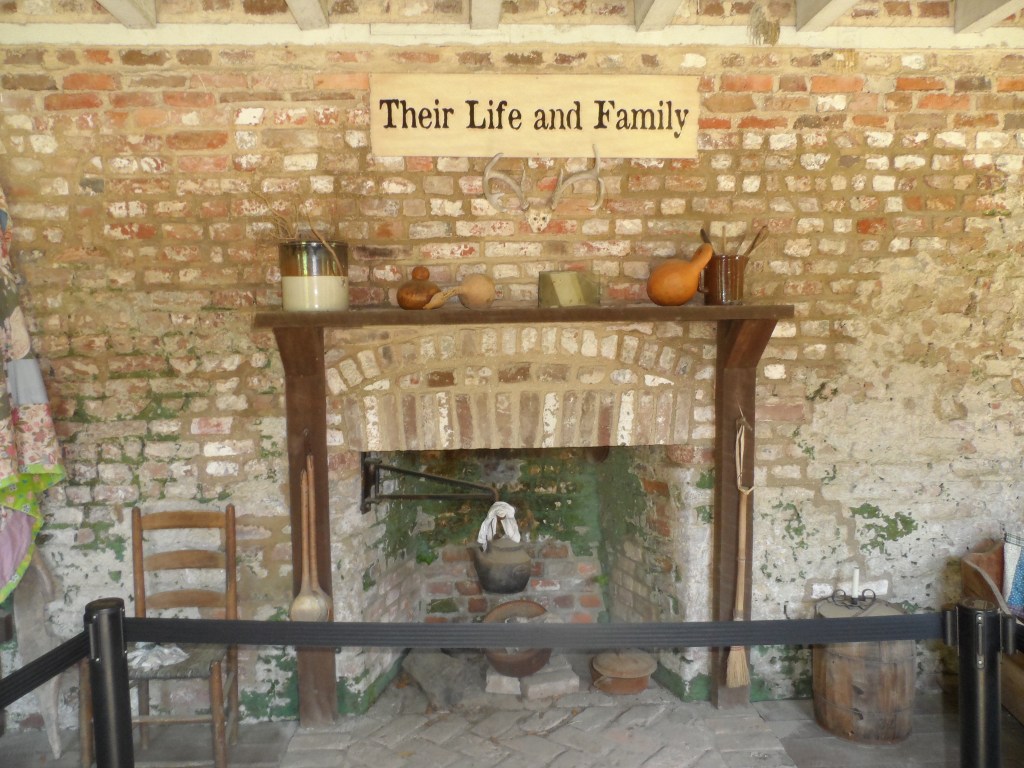
In 1817, two brothers, John and Henry Horlbeck, purchased the plantation and transformed the area near Wampacheone Creek into the Horlbeck Brickyard. In the decade leading up to the Civil War, their brickyard is estimated to have produced around 4 million bricks annually—each one handmade by the plantation’s enslaved workers.
The Horlbecks’ brickyard rapidly grew from just a few kilns operated by some of the plantation’s 225 enslaved workers into a booming business that supplied bricks throughout Charleston. The brothers also planted extensive pecan groves on their land—a key factor in why Boone Hall remains one of the last active plantations in America today.
If you love history, you’ll love visiting Boone Hall. It’s ownership has changed many times, from John Boone, to a Russian prince, to the current McRae family.
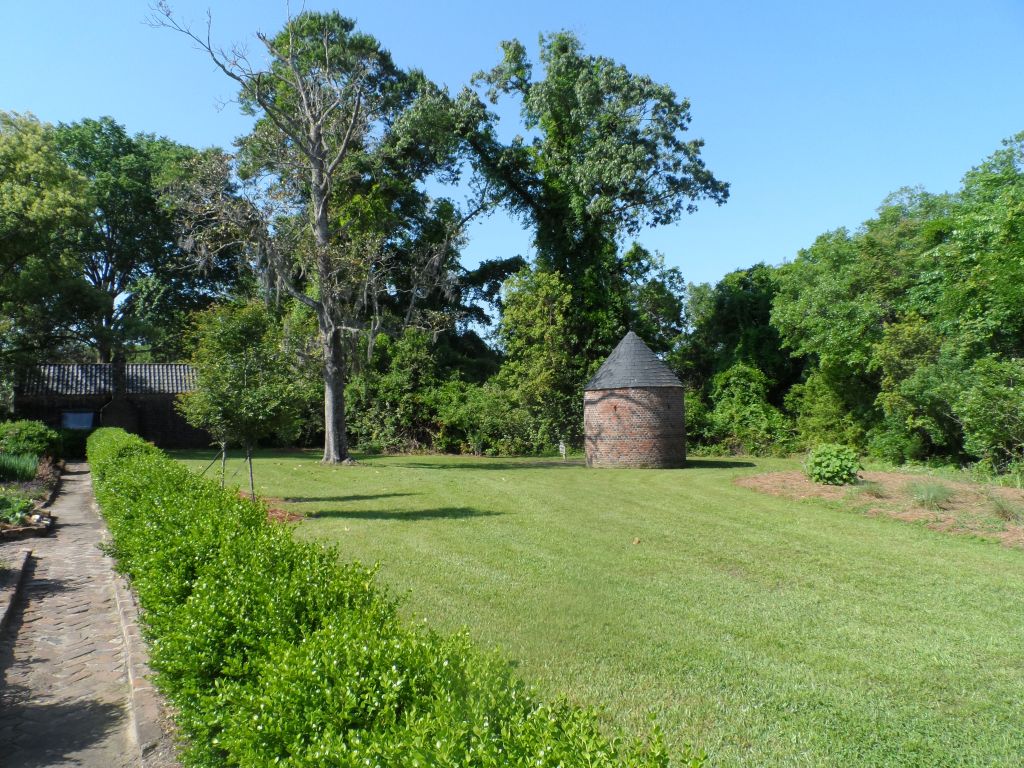
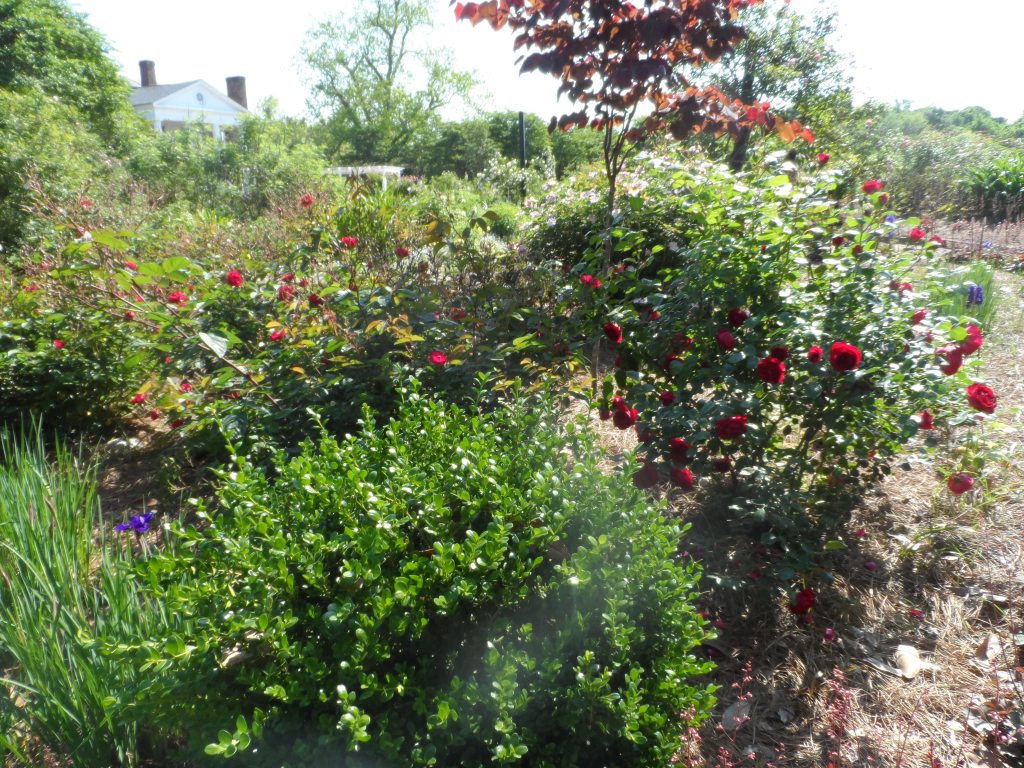
The plantation features, live demonstrations, a coach tour, and beautiful gardens. Visitors can tour the historic Charleston property on their own, or take part in the guided tours through the slave cabins and the mansion on the property.
Beyond its rich history, Boone Hall features a small café (nothing spectacular), a gift shop, and hosts a variety of festivals, fairs, carnivals, and events year-round to celebrate holidays, harvests, and different aspects of plantation life.

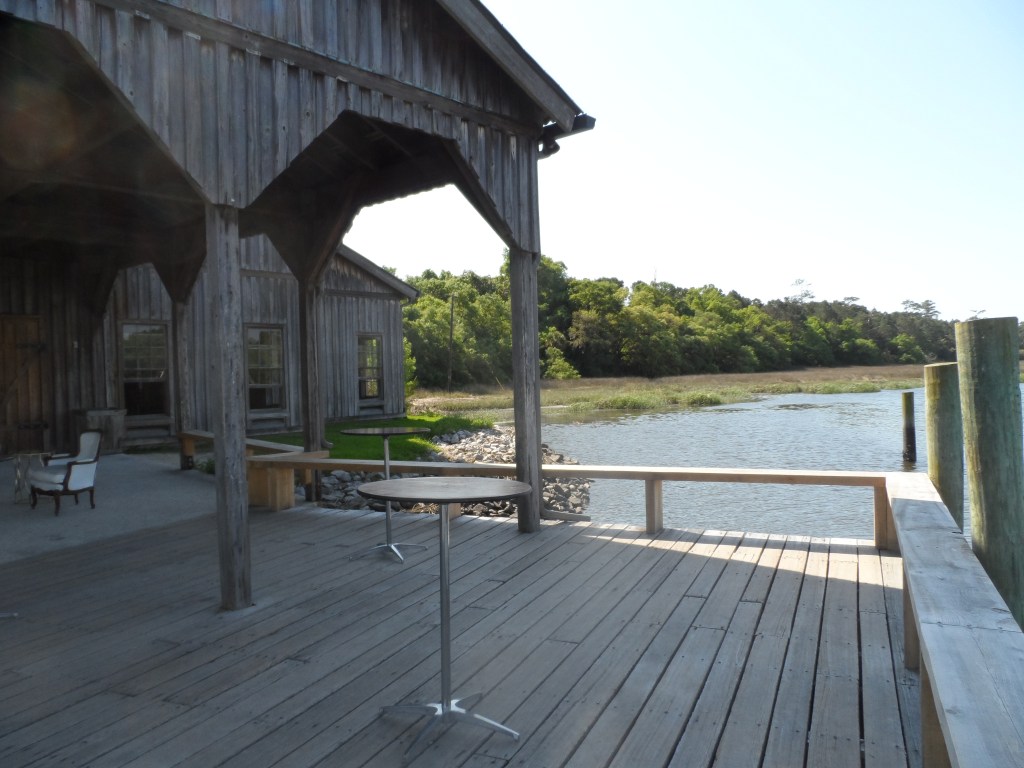
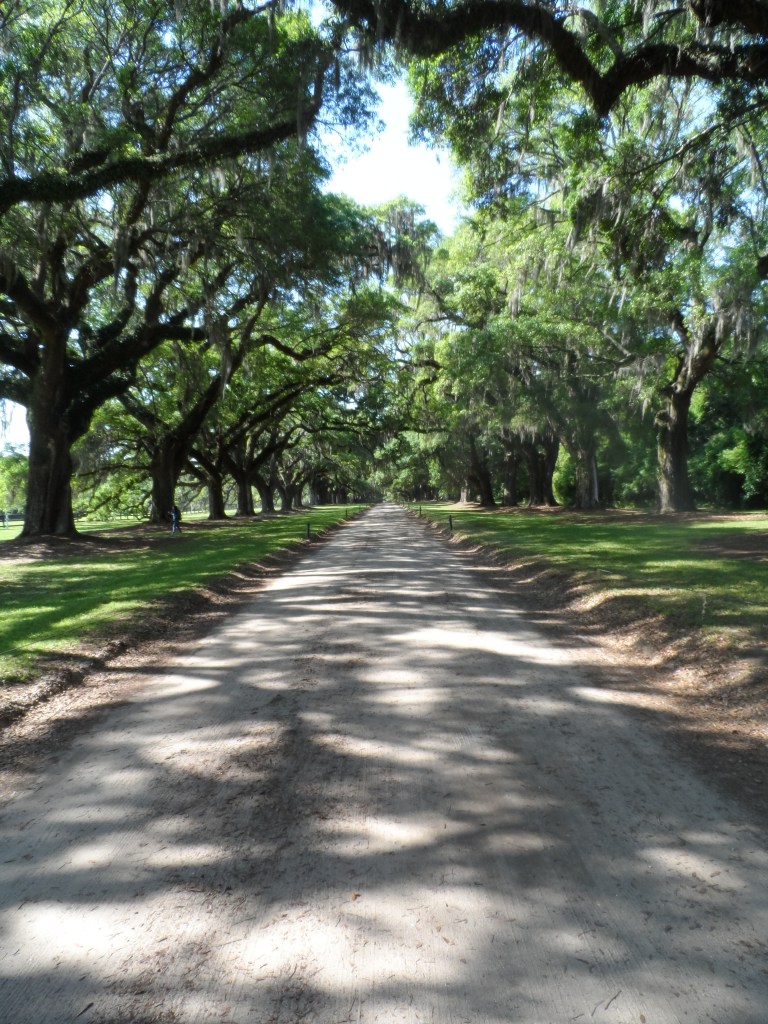
I enjoyed my leisurely stroll around the plantation. The house is a classic Georgian-columned antebellum style, but photos weren’t allowed inside, and access was limited. We were only permitted into the formal dining room, the library, and a screened side porch—the rest of the house was off limits. That didn’t bother me much, though, because what I really came to see were those magnificent oak trees, nearly 350 years old.
Ghost
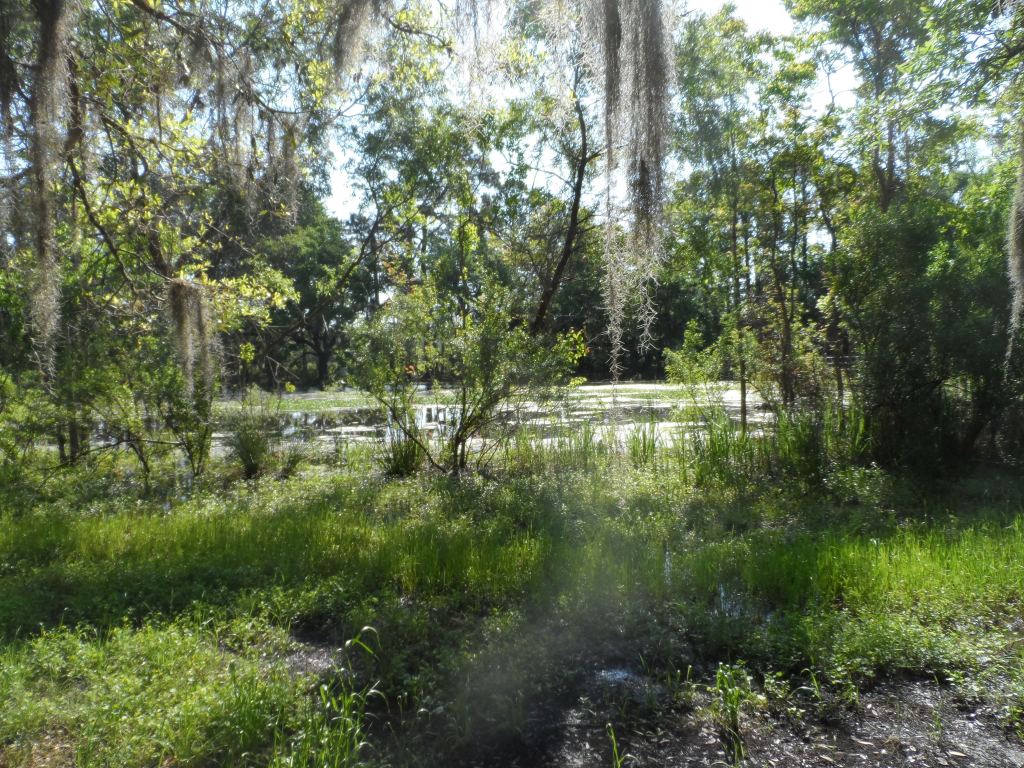
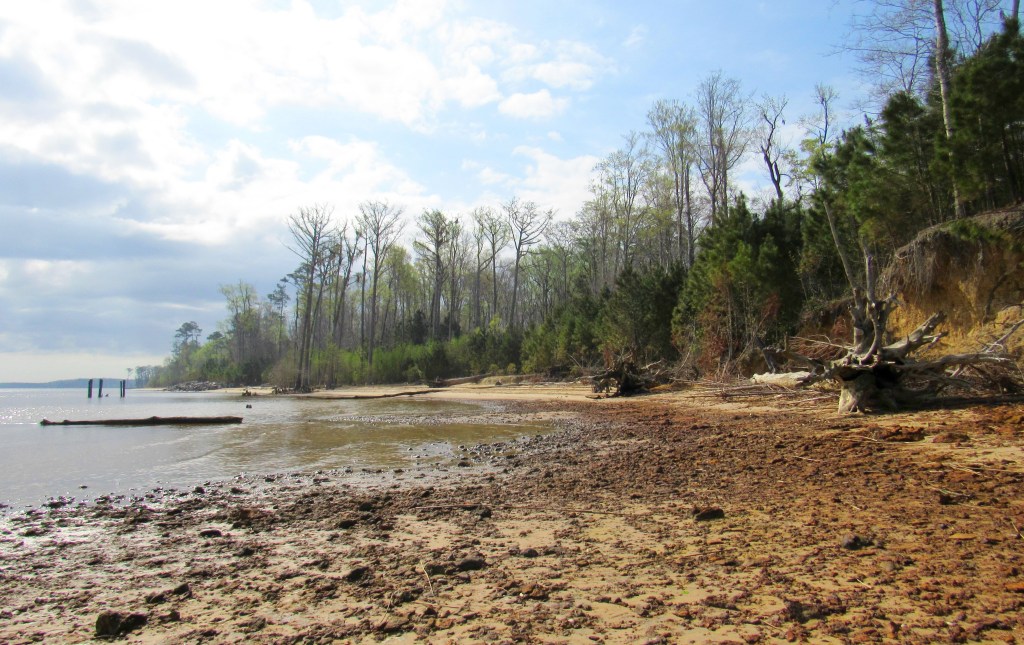
Today, witnesses report a strange sight near the creek at sunset. Several described seeing a mysterious woman standing in the grass beside the road, repeatedly moving her hands in a thrusting motion. She wore tattered dark clothing, her face always bowed toward her jerking hands and hidden beneath loose, flowing hair. Many claimed to see the pale dusk light passing right through her form. Because she’s consistently spotted in the same area, it’s widely believed she is the ghost of a slave who once worked at the 18th-century brickyard.
 Wander Woman