
Just off one of my favorite routes, Highway 441, lies the old Apalachee Schoolhouse. This once-thriving town—now a ghost town—takes its name from the nearby Apalachee River. Back in the day, Apalachee had its own depot and Post Office, though the Post Office closed in the 1950s. Today, Apalachee exists as a quiet rural area just north of Madison, Georgia.

The name Apalachee comes from the Native American tribe that was part of the Creek Confederation, although there’s no evidence that this tribe ever actually settled in the area. The Georgia Legislature officially incorporated the town of Apalachee in 1907, but the community’s roots run much deeper. The land around Apalachee was settled before 1820, making it one of the oldest communities in Morgan County.

In 1888, a railroad was constructed that passed through the community. Later, in 1907, John Bostwick built a second railroad line connecting Bostwick to Apalachee, facilitating the transport of cotton and other supplies. That same year, the town was officially incorporated.
By 1920, the railroad had spurred commercial growth in Apalachee, bringing three general merchandise stores, a cotton gin, a cotton oil refinery, and a seed house. In the early 20th century, the town was also home to several cultural organizations, including a Glee Club, a Players’ Club focused on music, a Literary Club, and the Apalachee Improvement Club—each dedicated to enhancing the community’s quality of life.

In the early 1900s, the community built a large schoolhouse to educate its children. The Apalachee Baptist Church, established in 1857, remains active to this day. Both the church and the school building still stand as lasting landmarks of the town’s history.
At one time, Apalachee was a thriving community. However, years of hardship brought on by the boll weevil infestation and the Great Depression led to its decline, eventually causing the town to lose its incorporation. Though no longer incorporated, Apalachee remains home to several families who have maintained their roots in the area, supported by a diverse agricultural economy that includes poultry farming, dairy farming, hay harvesting, and more.
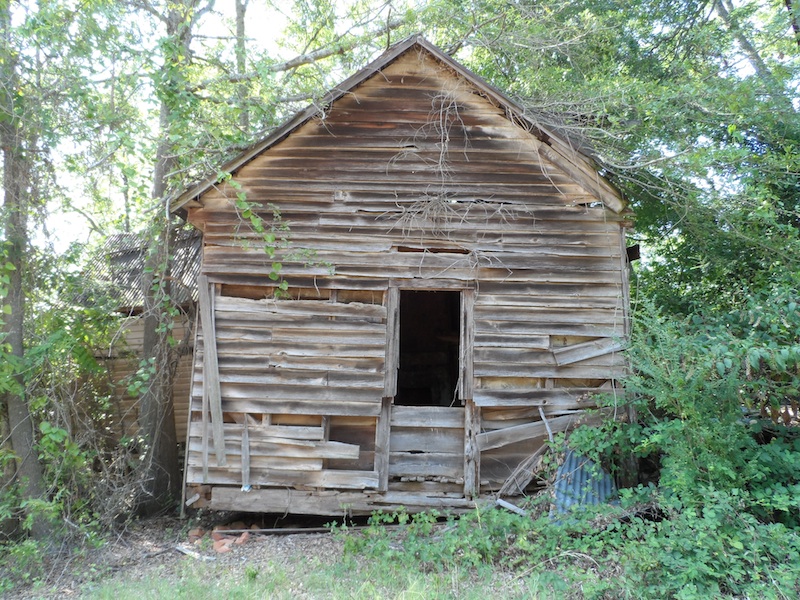
Today, many of the buildings are former shadows of what they once were, as business buildings are boarded up. It is just a rural area now.
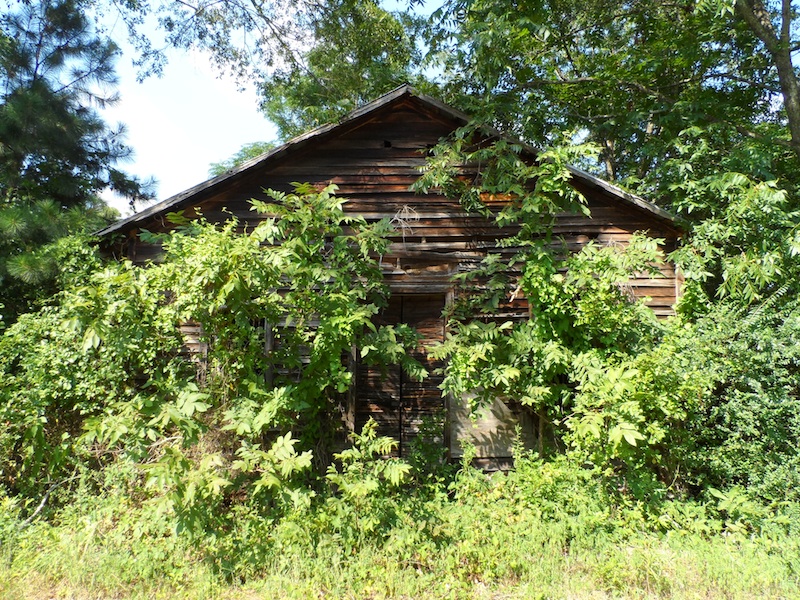
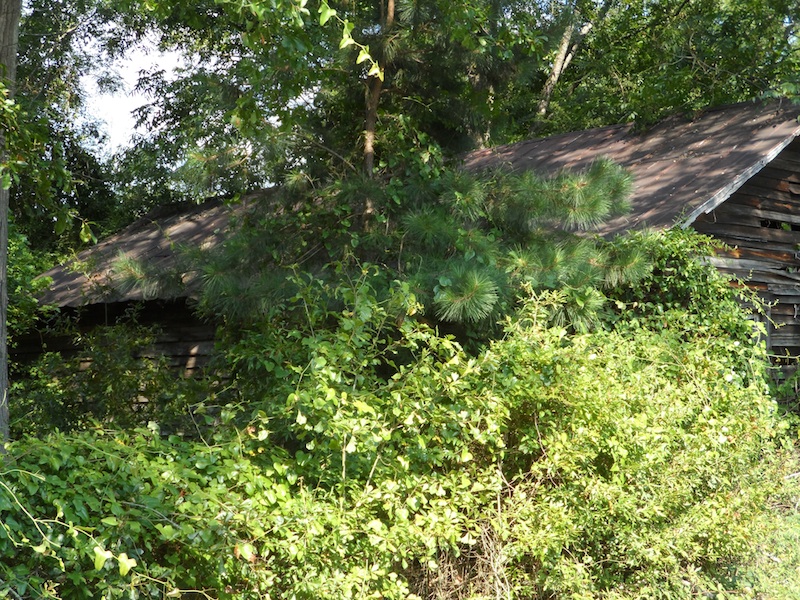

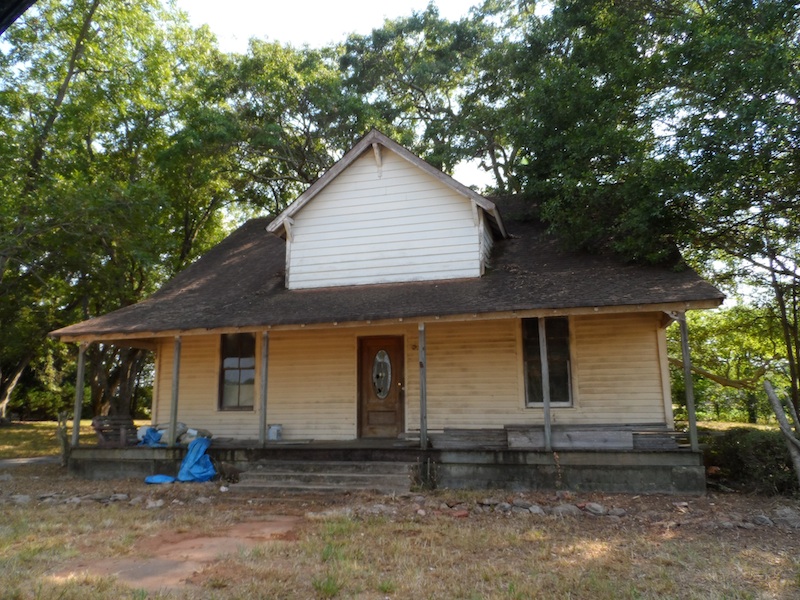
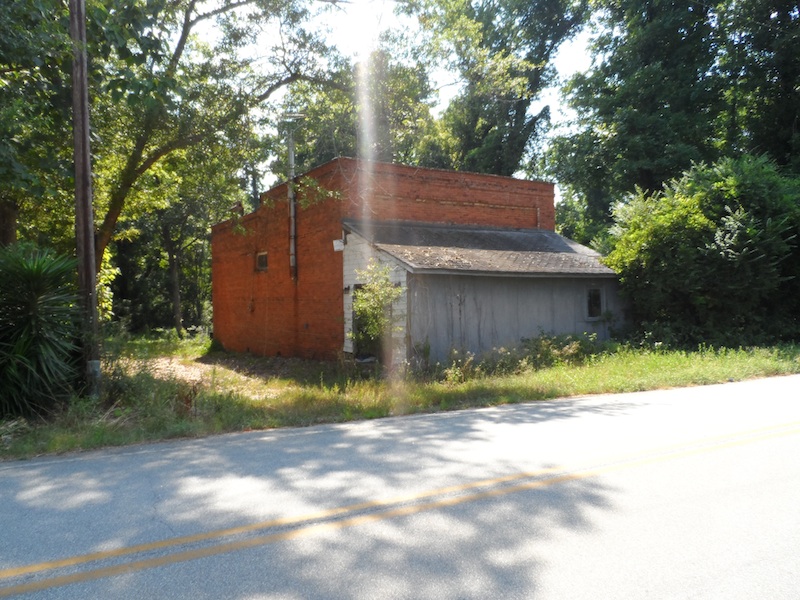
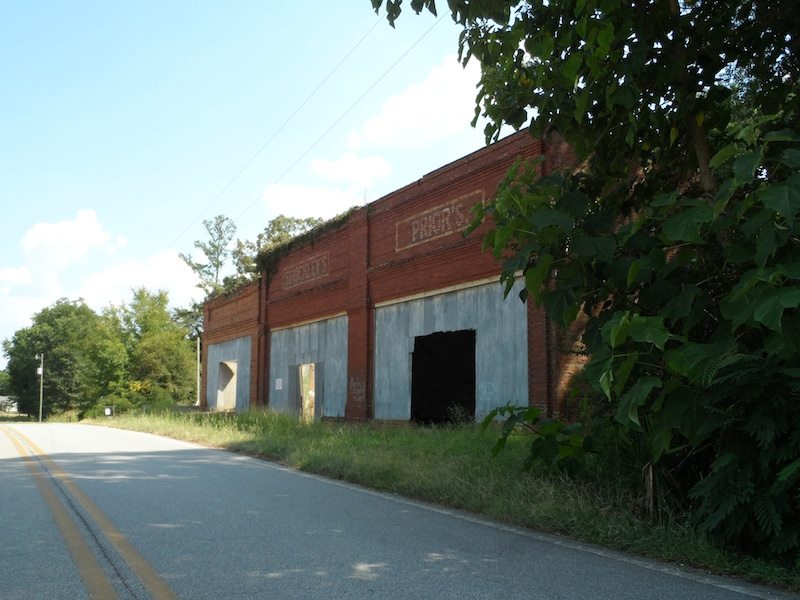
Unfortunately, I didn’t get to step inside the wreath laden doors of the school house, but I plan to give the historian a call to learn more history about the place, since Google isn’t turning up too much information about it.
 Wander Woman