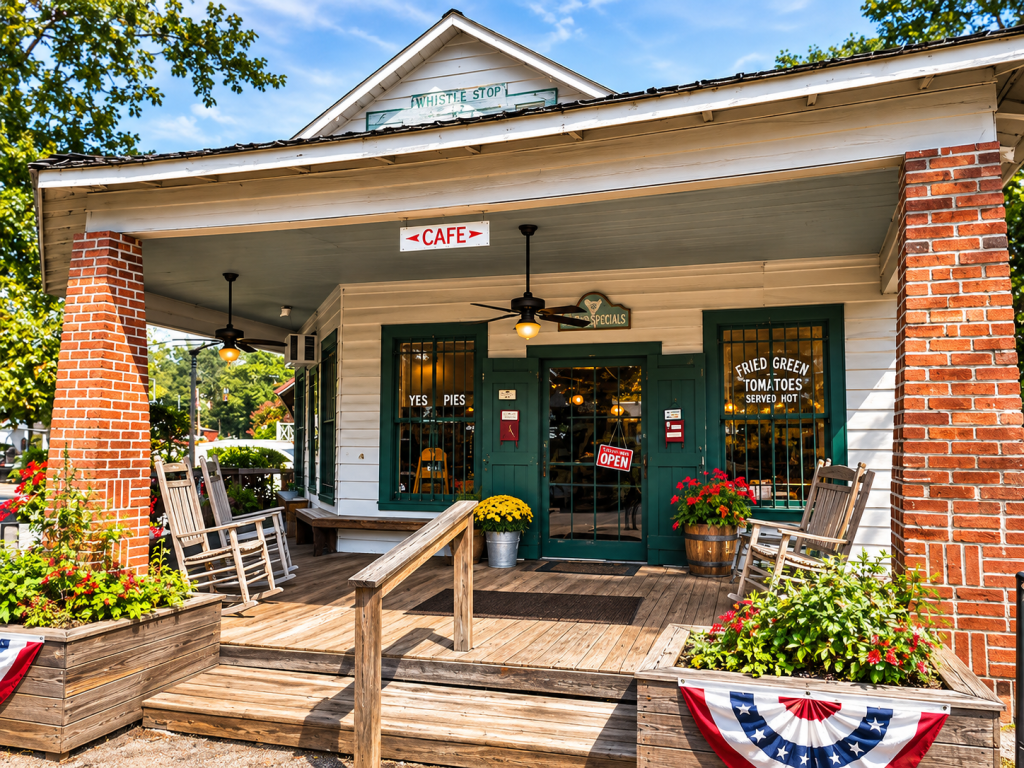
Some towns are famous for their history. Others are famous for Hollywood. Juliette, Georgia, has a little of both. There’s something about an old Southern town that makes me want to pull over, park, and wander. Maybe it’s the weathered buildings, the quiet streets, or the feeling that there’s a story hiding behind every old storefront. Juliette, Georgia, was one of those places.
Most people recognize Juliette as the fictional town of Whistle Stop from the 1991 film Fried Green Tomatoes, and while walking through a real-life movie set was certainly part of the attraction, I was just as interested in discovering the history of the town itself, because long before Hollywood arrived, Juliette had a story of its own.
Before There Was a Whistle Stop
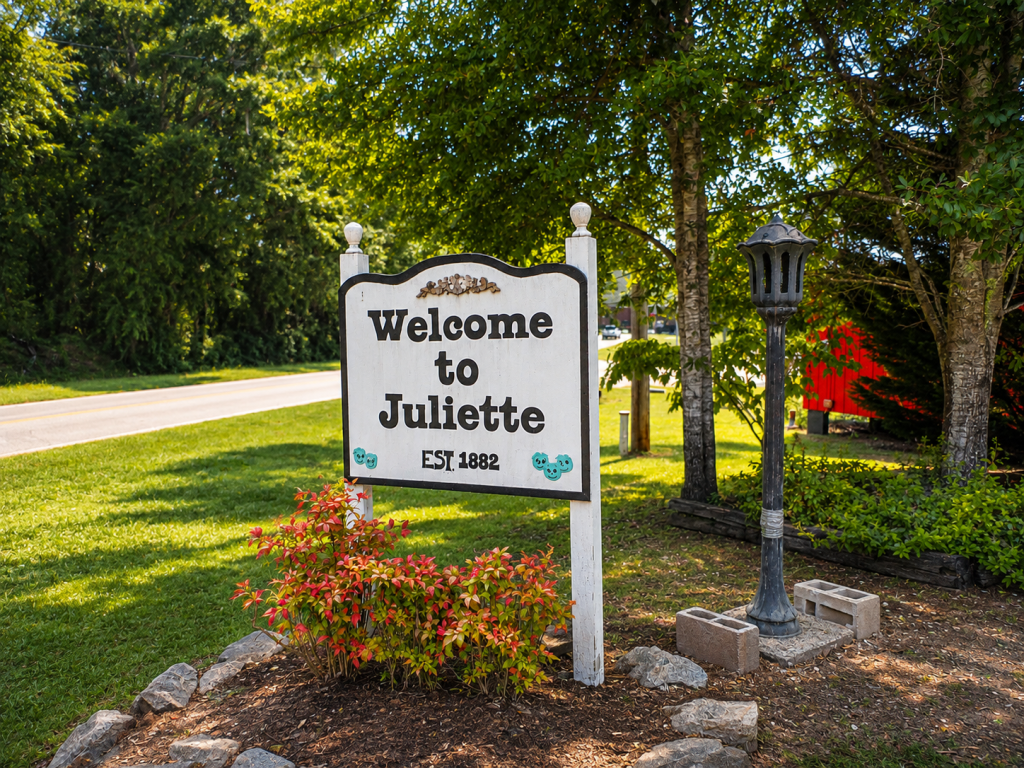
Long before movie cameras rolled down McCracken Street, Juliette was a hardworking Southern community built around cotton, industry, and the railroad. Originally known as Glover, the settlement took its name from Dr. Glover, who established a cotton mill along the river in what is now East Juliette. Like so many small towns throughout the South, its early existence depended heavily on the industries that kept the surrounding communities alive. The railroad would eventually change everything.
In 1882, the town was renamed Juliette in honor of Juliette McCracken, the daughter of a railroad engineer associated with bringing the railway through the area. Even today, the town’s main street carries the McCracken family name, a small reminder of the people who helped shape its beginnings.
By the early 1900s, Juliette had become a busy little railroad community. Trains carried cotton and other goods from the local mill and surrounding farms, while the depot served as an important connection to the outside world. It wasn’t a movie set back then. It was a place where people worked, raised families, attended church, and built their lives. The town even had its own school, originally constructed near the church. After a fire destroyed the building in 1907, a replacement was built. That school continued serving the community until 1943.
I find places like this fascinating because it’s easy to look at an old building and see nothing more than weathered wood and peeling paint, but when you learn what happened there, the building becomes something entirely different. It becomes part of someone’s life. Unfortunately, Juliette’s prosperity wouldn’t last forever.
By the 1950s, industry was declining, businesses were closing, and the little railroad town was growing quieter. The economic activity that had once sustained the community was disappearing, leaving behind buildings that had witnessed better days. For a while, Juliette seemed destined to become another forgotten Southern town, and then Hollywood came calling.
When Hollywood Discovered Juliette
In 1991, the movie Fried Green Tomatoes introduced audiences to the fictional town of Whistle Stop, Alabama, and Juliette became its real-life counterpart. The town’s aging storefronts, railroad tracks, and small-town Southern atmosphere made it an ideal filming location. What had once been signs of a struggling community suddenly became exactly what the filmmakers were looking for, and just like that, Juliette found itself with a second chance.
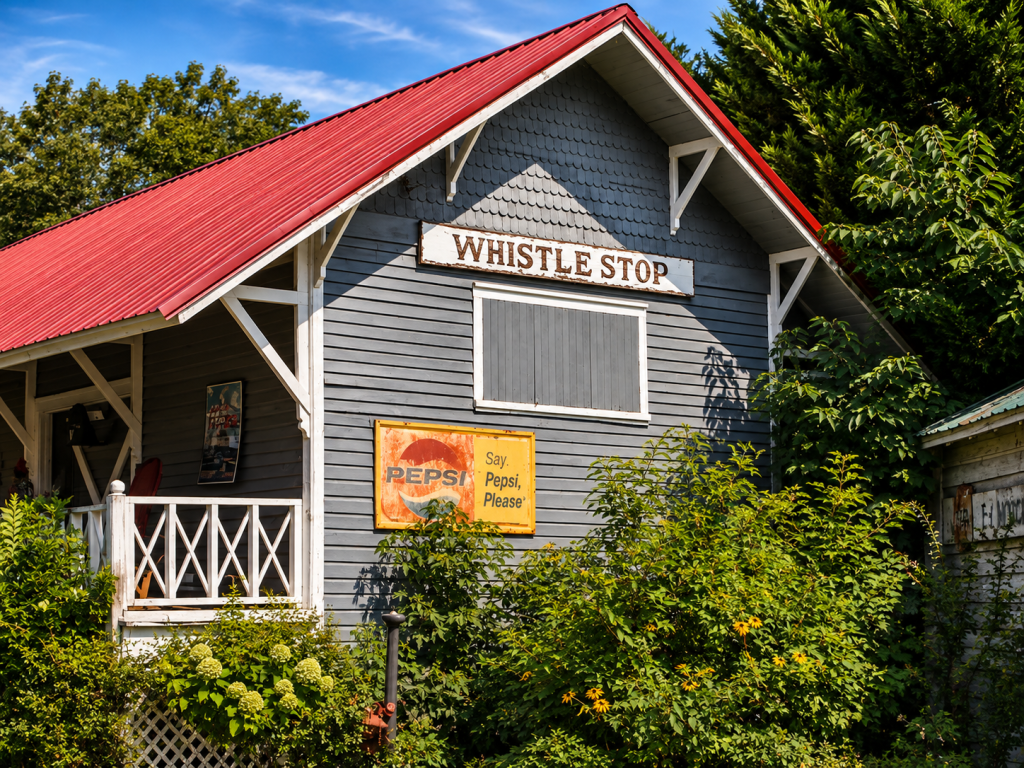
The movie brought new attention to the town, attracting visitors who wanted to experience the places they had watched on screen. Businesses began welcoming tourists, and the quiet little street that might otherwise have faded into obscurity found a new purpose. I love that part of Juliette’s story. A town that had spent decades watching its livelihood disappear was suddenly being rediscovered because of the very buildings that time had left behind.
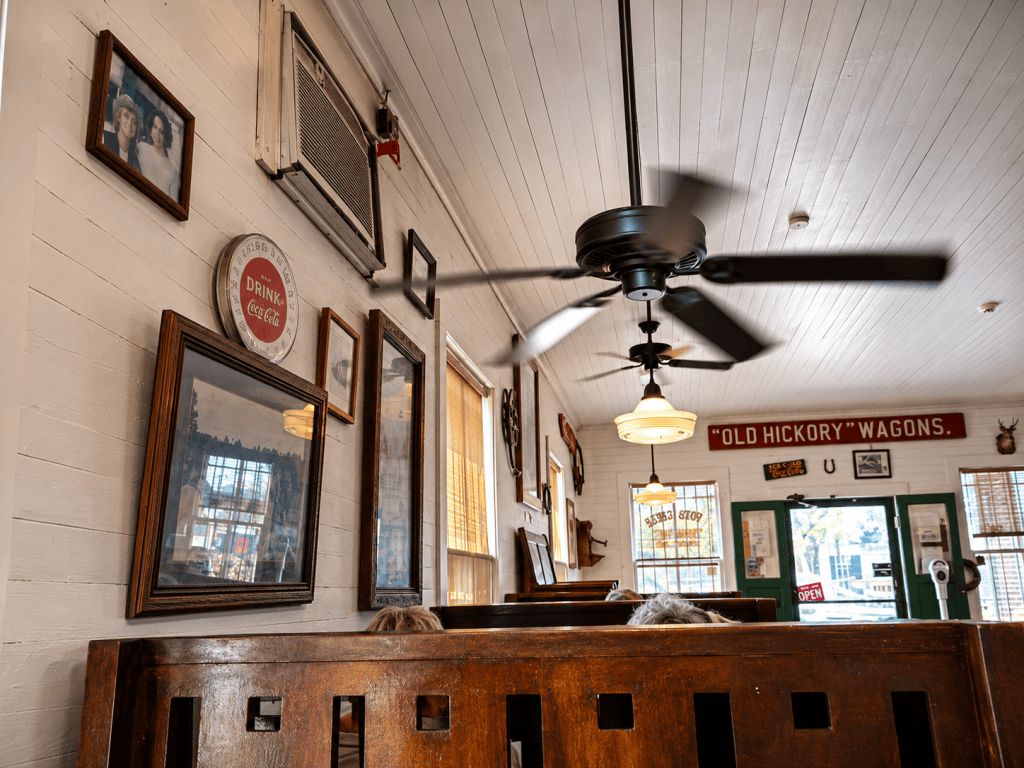
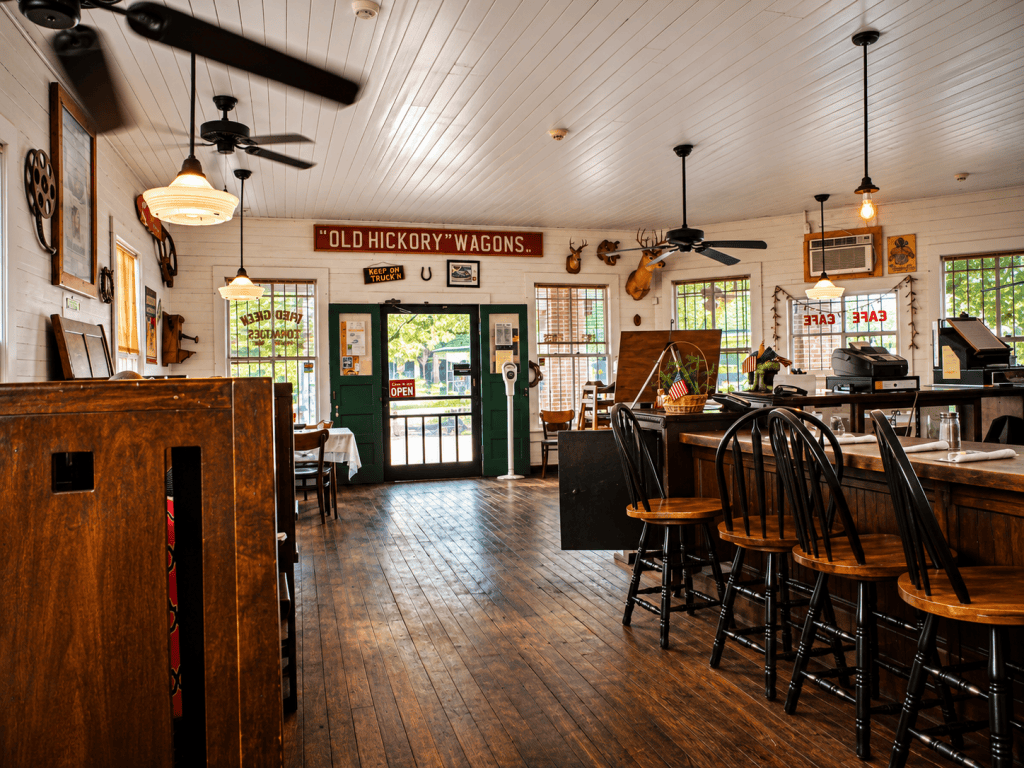
A Little Taste of Whistle Stop
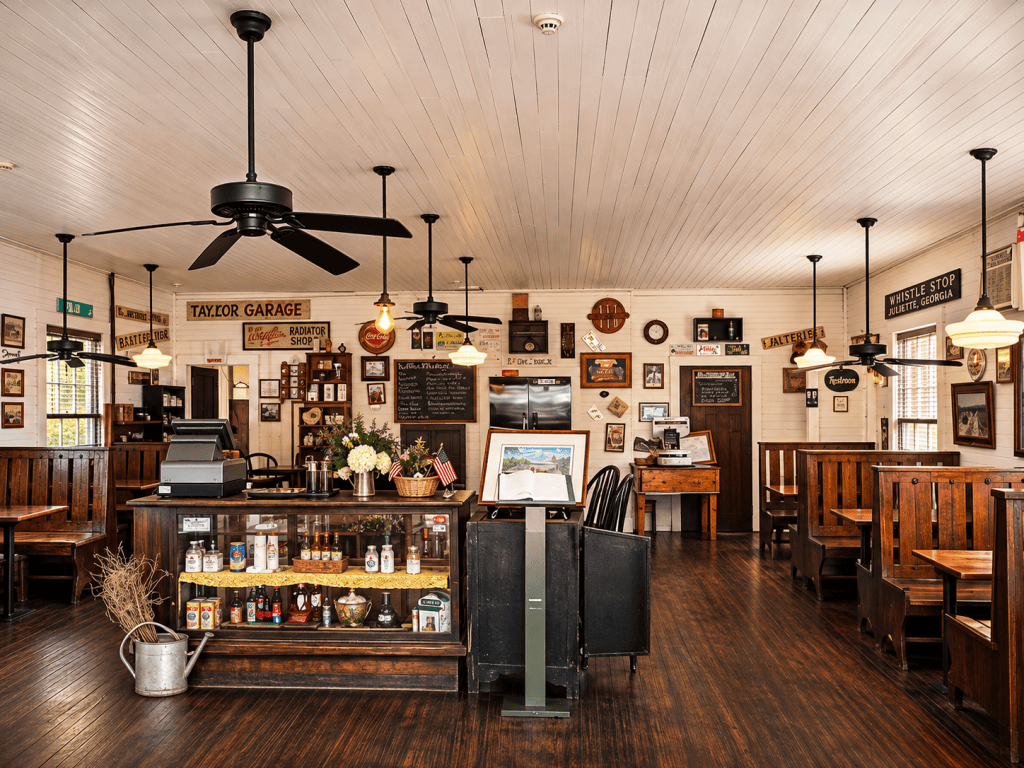
Of course, I couldn’t visit Juliette without stopping at the famous Whistle Stop Café. Now, I should probably confess something. I don’t really like tomatoes. I’ve never been particularly fond of them, so the idea of ordering a plate of fried green tomatoes wasn’t exactly something I would normally get excited about, but when you’re standing in the town made famous by a movie called Fried Green Tomatoes, it almost feels wrong not to try them. So I did, and I have to admit, they were absolutely delicious.
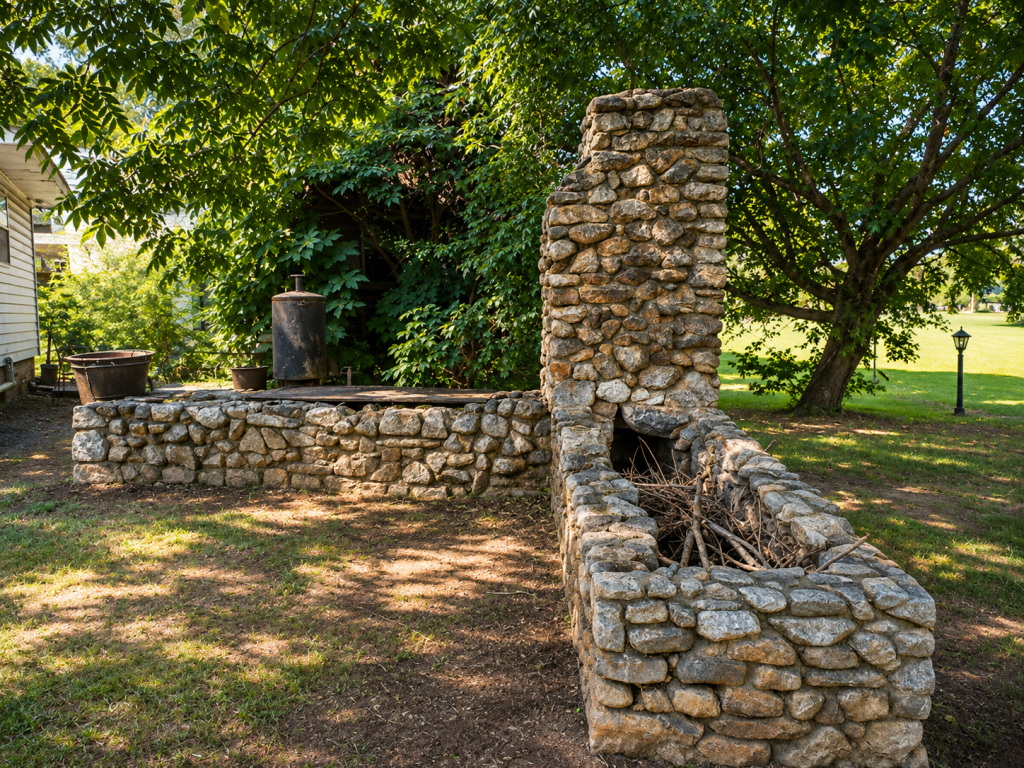
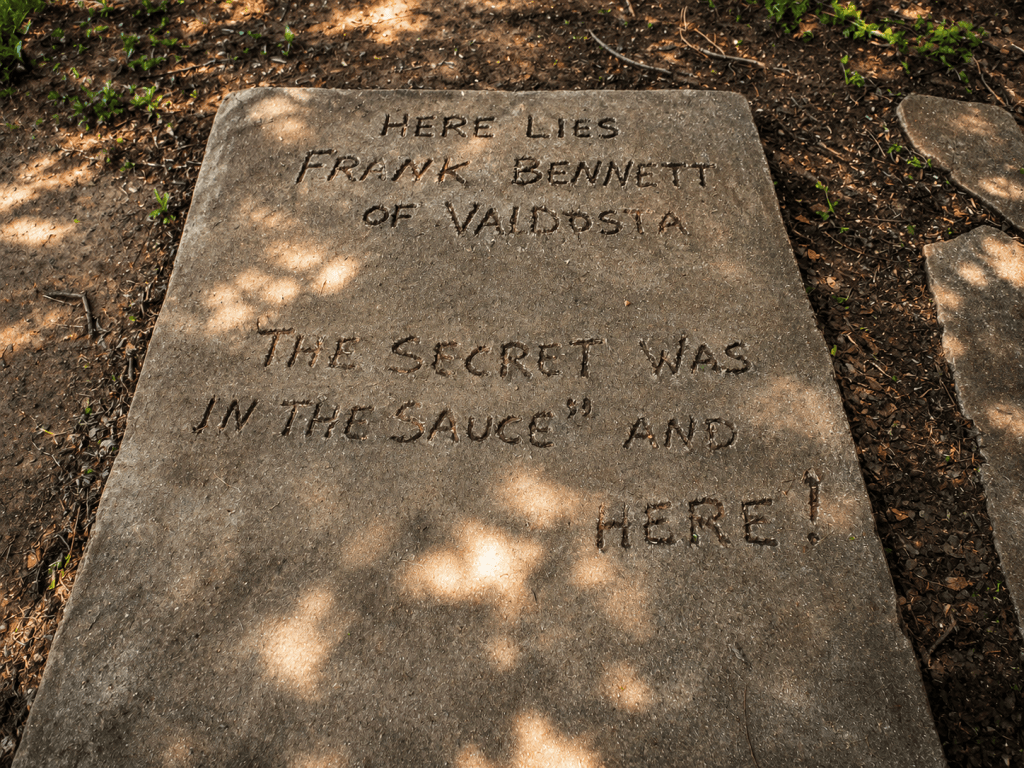
Crispy on the outside, tender on the inside, and served with a secret sauce that made them even better. I don’t know exactly what was in that sauce, but whatever they were doing in that kitchen, they were doing it right. For someone who doesn’t particularly care for tomatoes, I was pleasantly surprised. Sometimes traveling means trying something you wouldn’t normally eat, and occasionally, you discover you’ve been missing out. I’d go back for those fried green tomatoes and that sauce alone.

Walking Through a Movie Set
After eating, I spent some time exploring McCracken Street. There’s something wonderfully unusual about walking through a place you’ve seen in a movie. You recognize certain buildings and corners, but at the same time, you’re experiencing a real town with a history that extends far beyond the film. The street is lined with old-fashioned storefronts, little shops, and places to browse for souvenirs and collectibles. It’s not a large town, and that’s part of its charm.
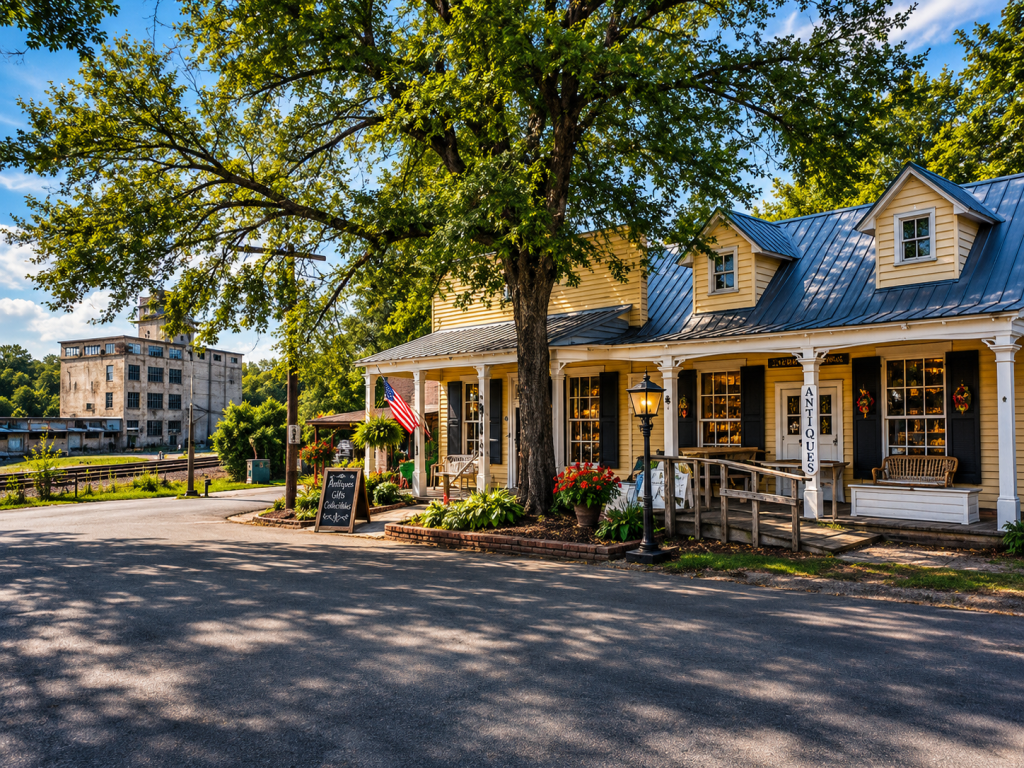
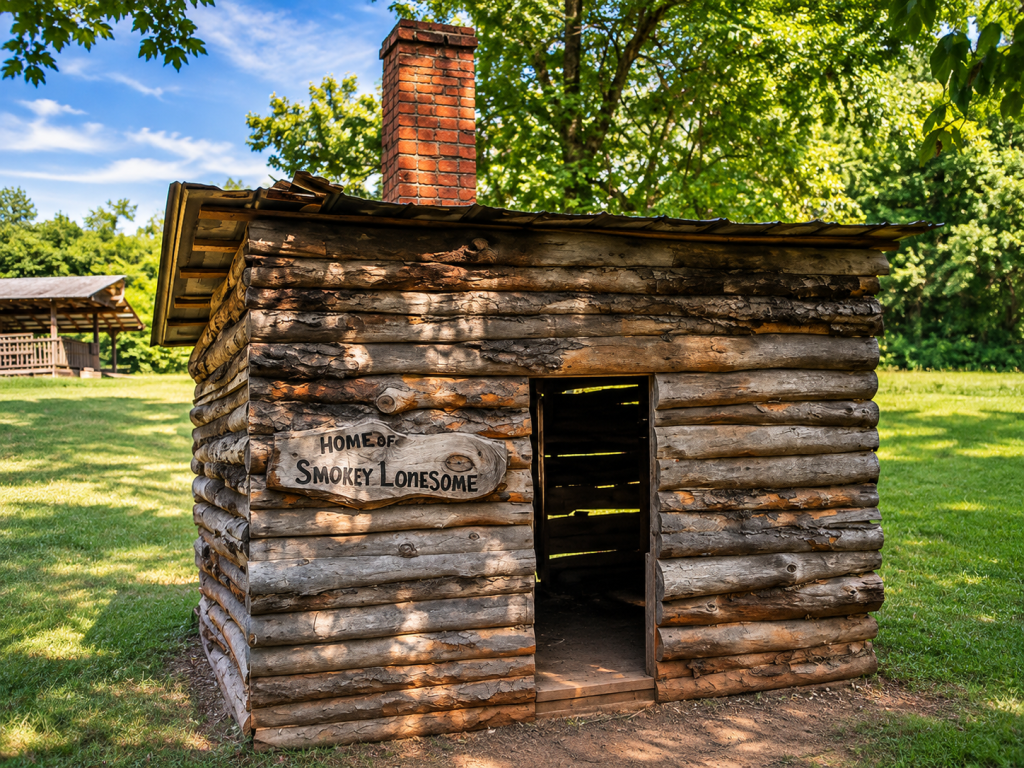
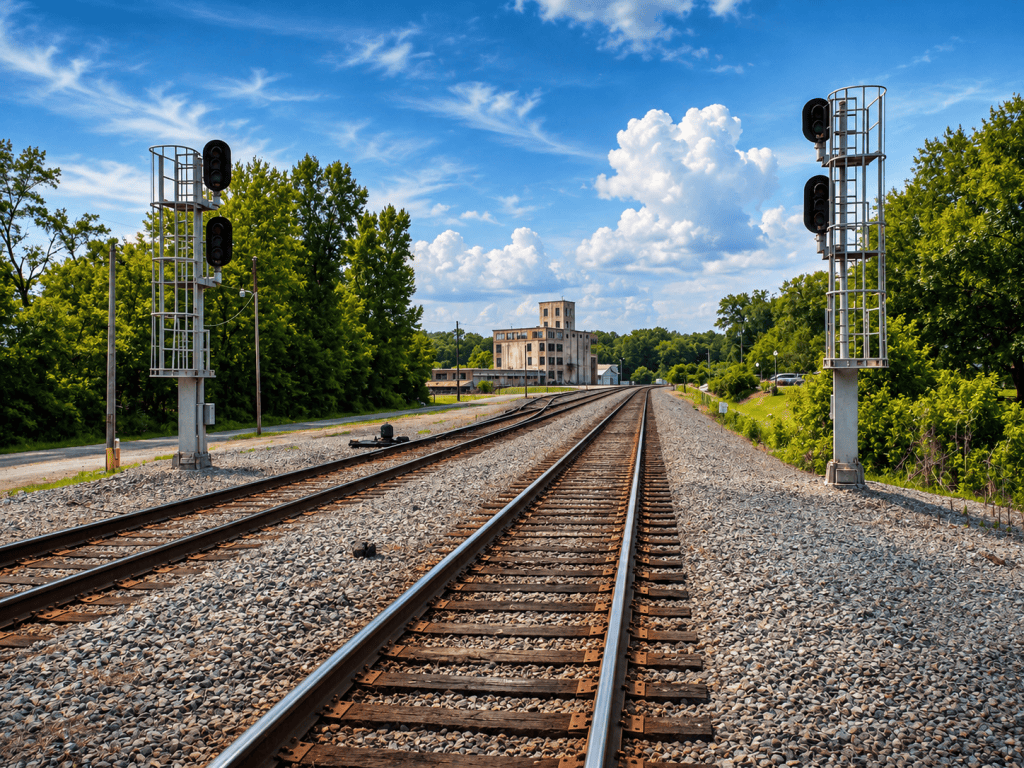
You don’t need a complicated itinerary or a full day of scheduled activities. You can simply wander, look around, and enjoy the atmosphere, and then there’s the railroad. Standing near the tracks, I couldn’t help thinking about Idgie Threadgoode and Ruth Jamison, two of the film’s most memorable characters.
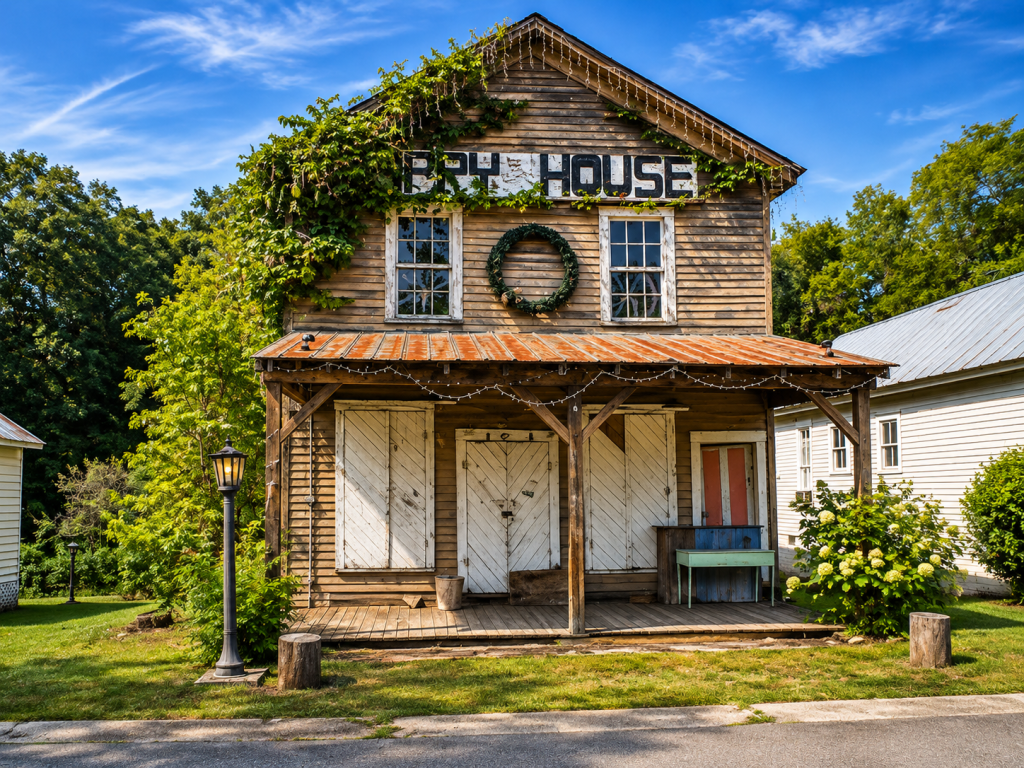
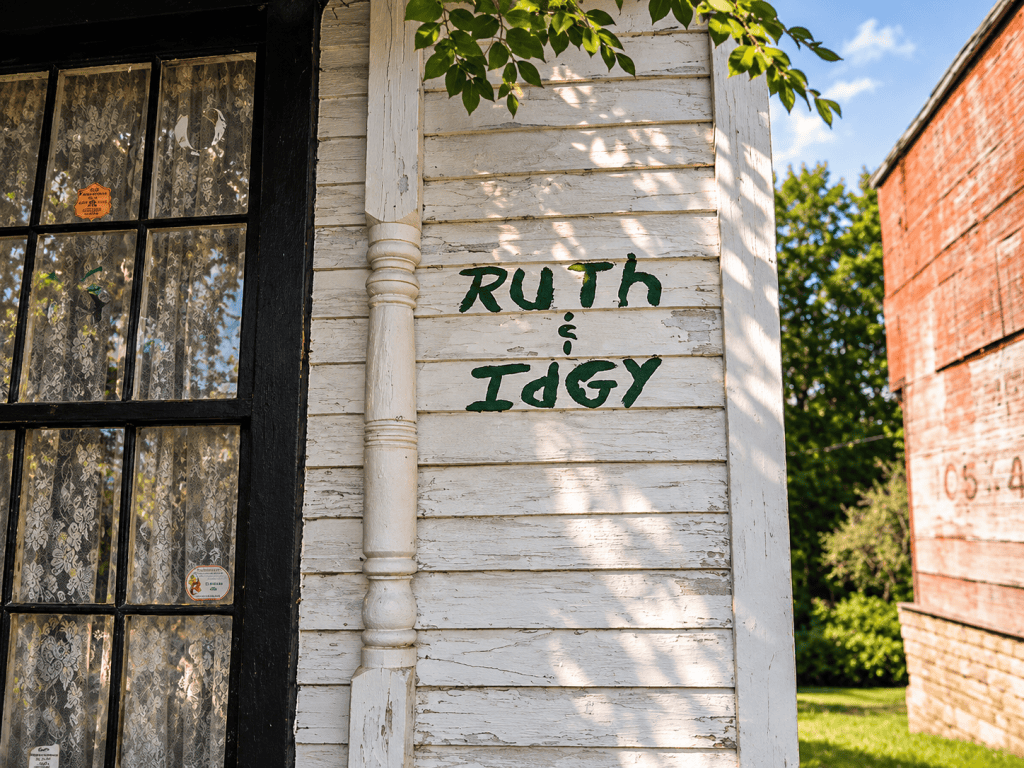
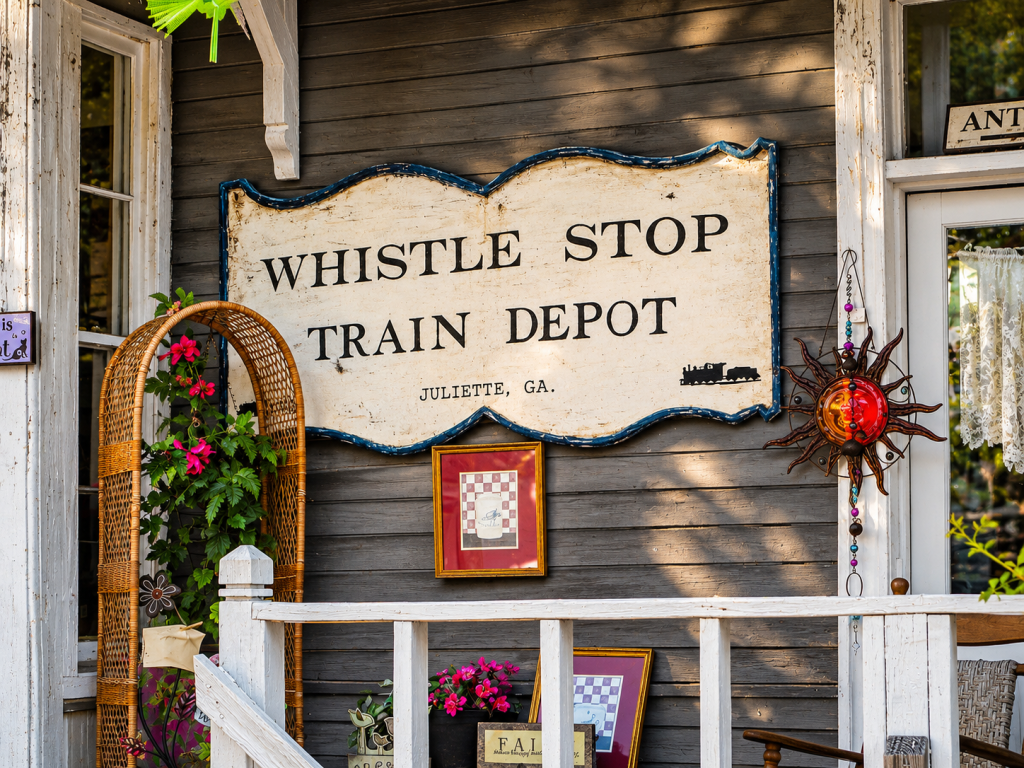
It’s easy to imagine the scenes from the movie playing out around you, especially the moments involving the passing trains, but as much as I enjoyed recognizing the filming locations, I kept thinking about the real trains that once traveled those tracks.
Long before anyone imagined Whistle Stop, those railcars carried the products of Juliette’s cotton industry. They connected a small community to a much larger world and helped sustain the families who lived there. The movie made the railroad famous to a new generation. History is what made it important in the first place.
Beyond McCracken Street
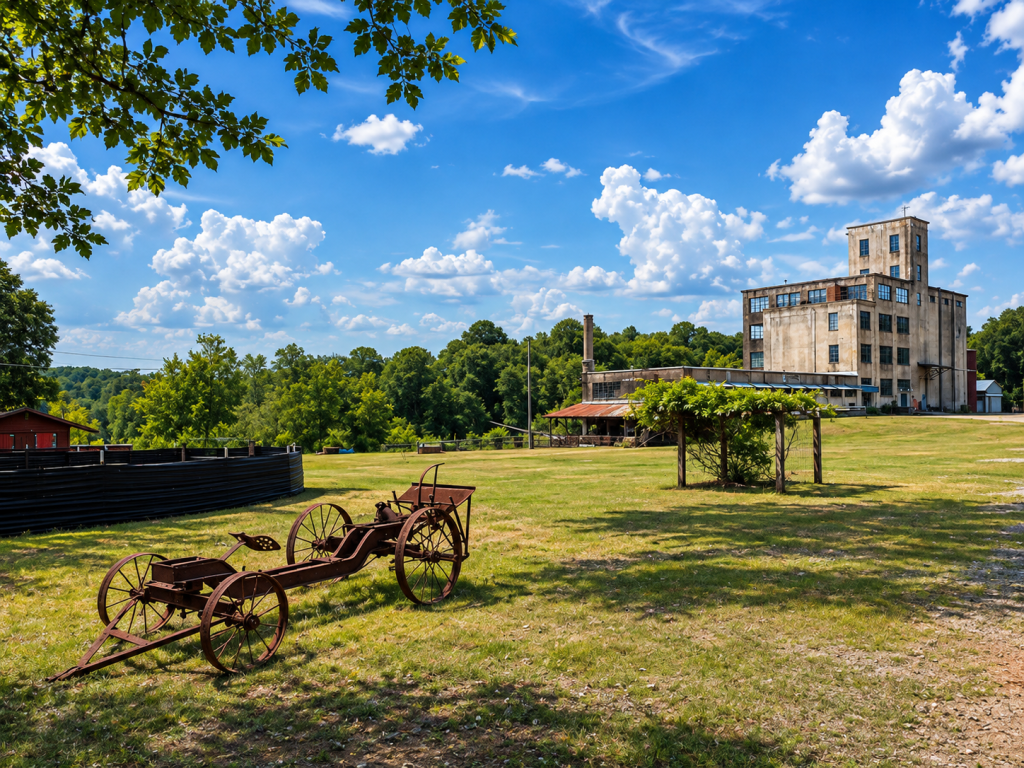
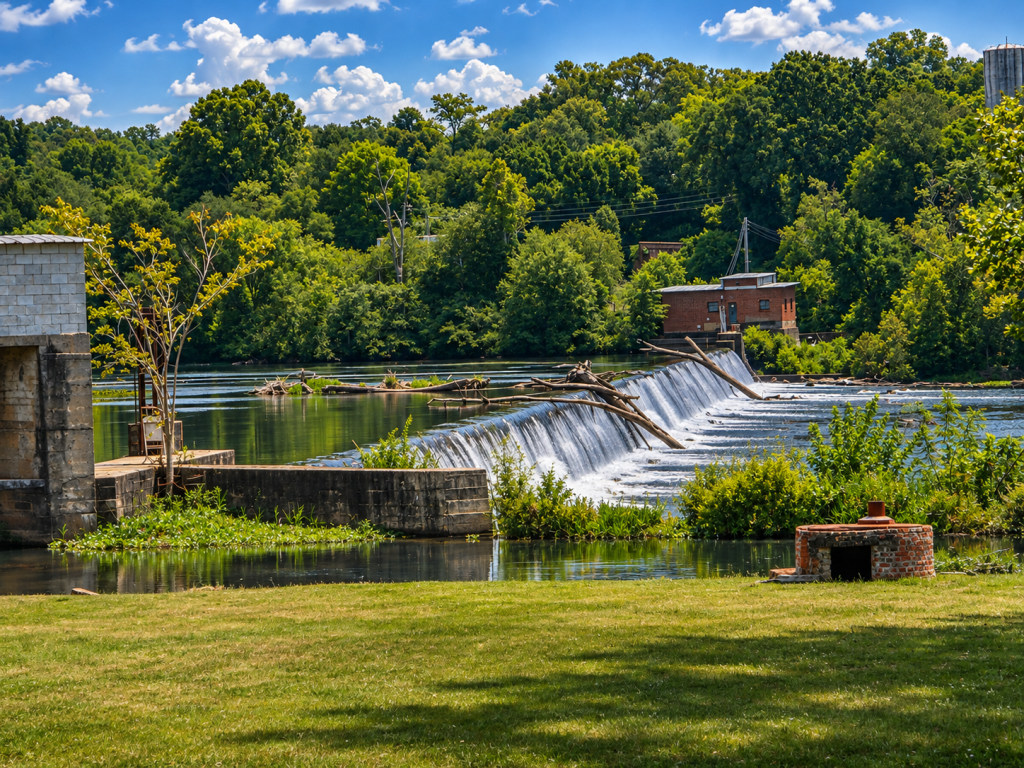
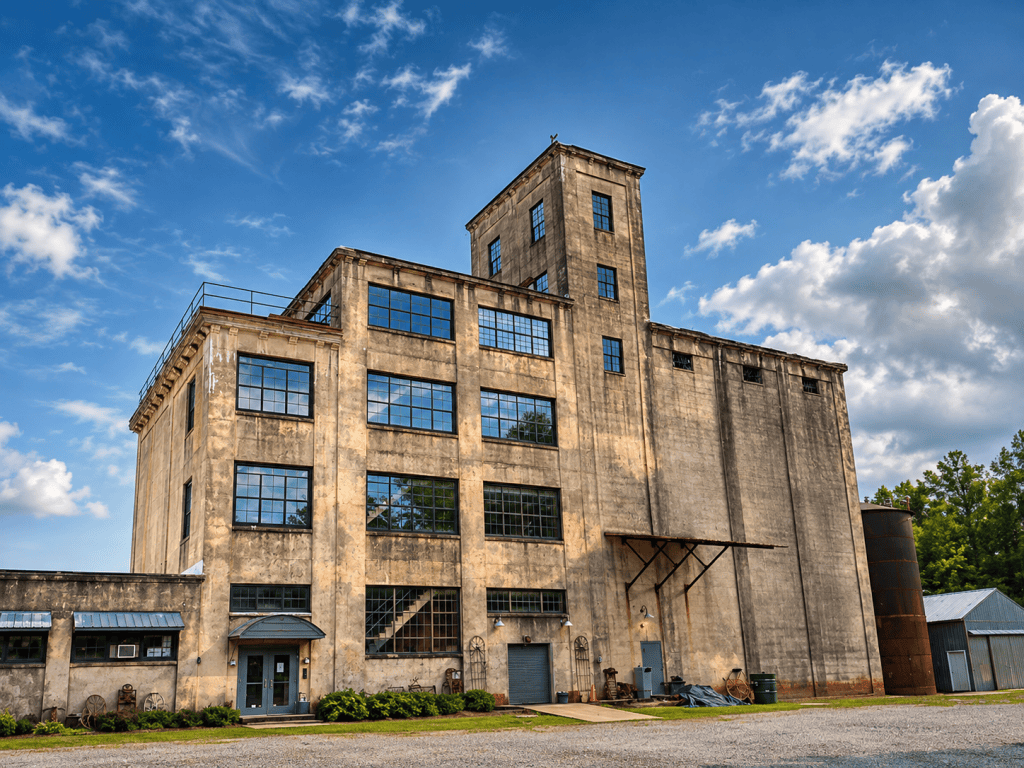
One of the things I enjoy most about exploring historic towns is discovering what’s beyond the obvious attractions. Juliette has more to offer than its movie-famous café. Following the railroad toward the river leads into another chapter of the town’s past, where the old mill and dam recall the industrial activity that once supported the community. It’s a reminder that this wasn’t always a quiet destination for tourists. People once came here to work, not to take photographs.
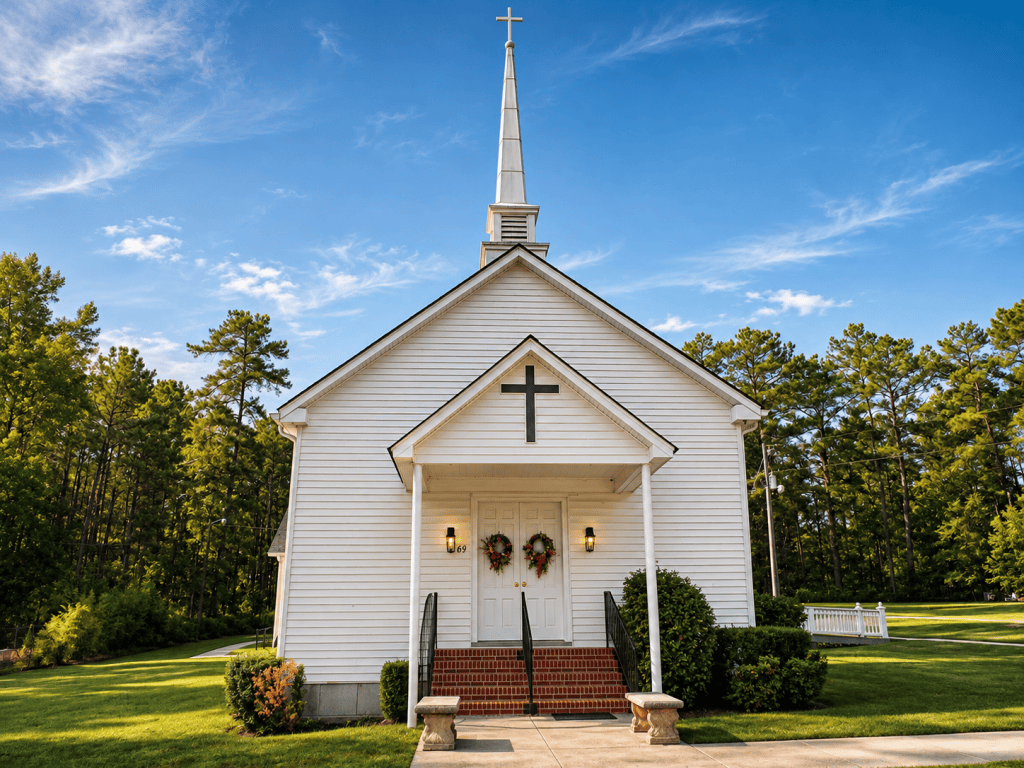
Farther along the river are rustic cabins tucked into the surrounding landscape. They’re the kind of peaceful little places that make you think about staying overnight instead of heading back to the highway, and for fans of Fried Green Tomatoes, there’s another unusual stop nearby.
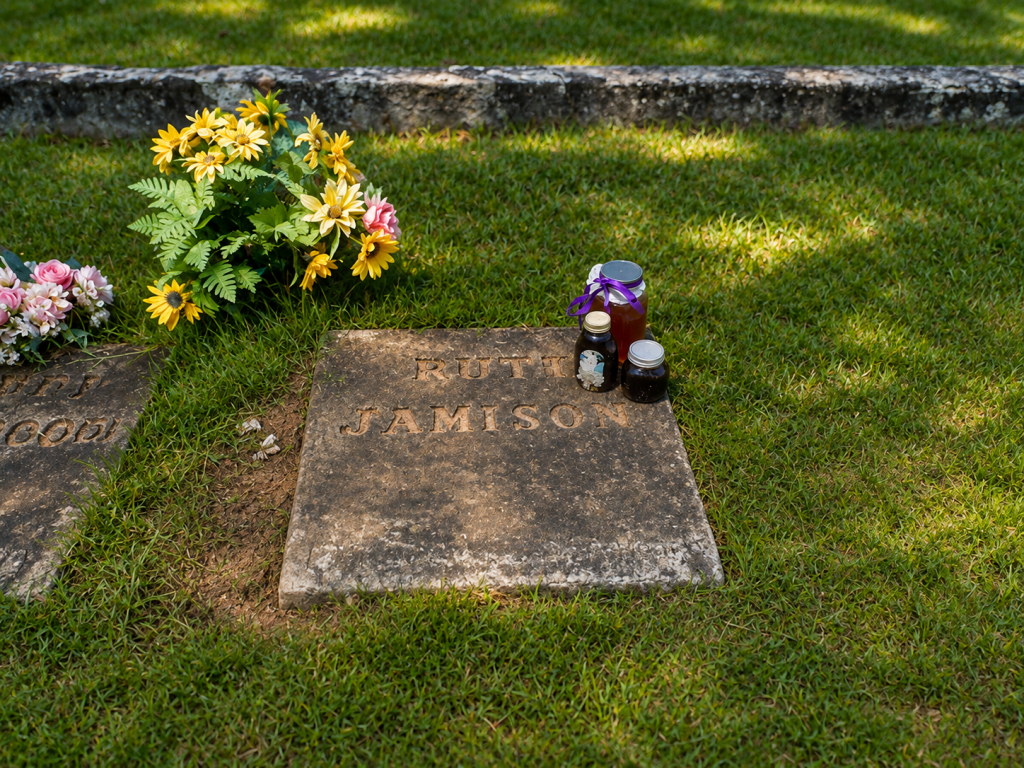
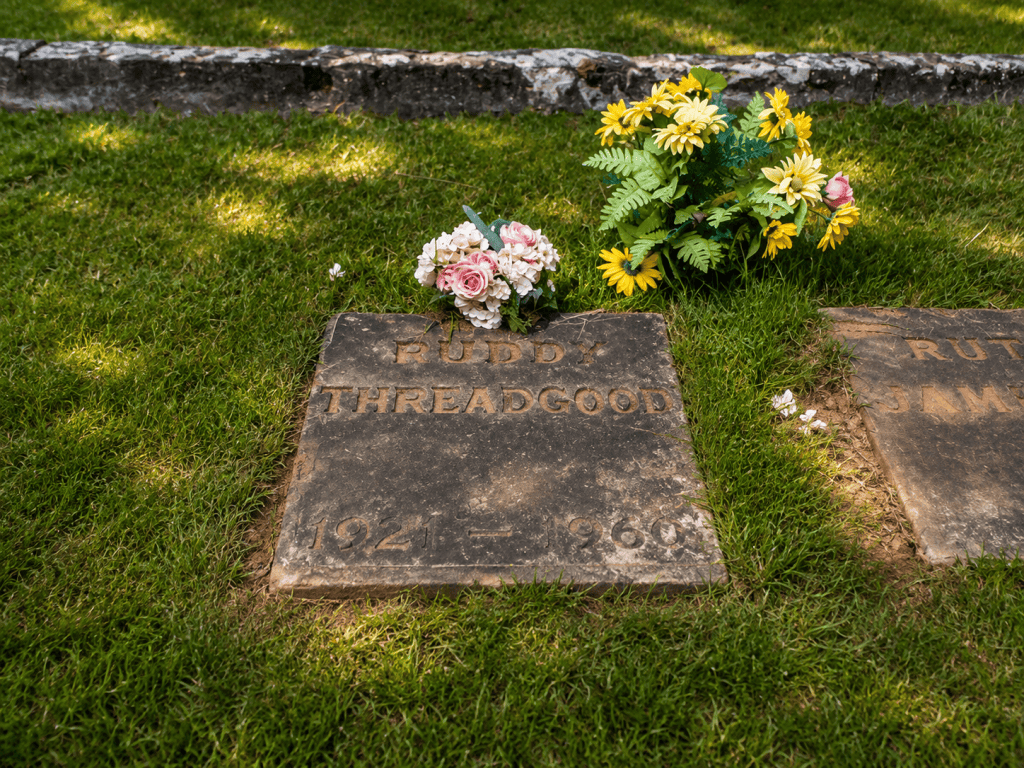
A short drive from town leads to the graves associated with Ruth and Buddy from the movie. Visitors have left jars of honey at Ruth’s grave, a tribute to the characters and a memorable part of the film’s story. It’s an interesting example of how deeply fictional characters can become connected to a real place. The graves may belong to the world of Hollywood storytelling, but the affection people have for those characters is very real.
More Than a Movie Town
I originally came to Juliette because of Fried Green Tomatoes. I wanted to see Whistle Stop, walk along the familiar street, visit the café, and experience a little piece of a movie I remembered, and I did all of those things, but what I enjoyed just as much was learning about the town that existed long before the cameras arrived.
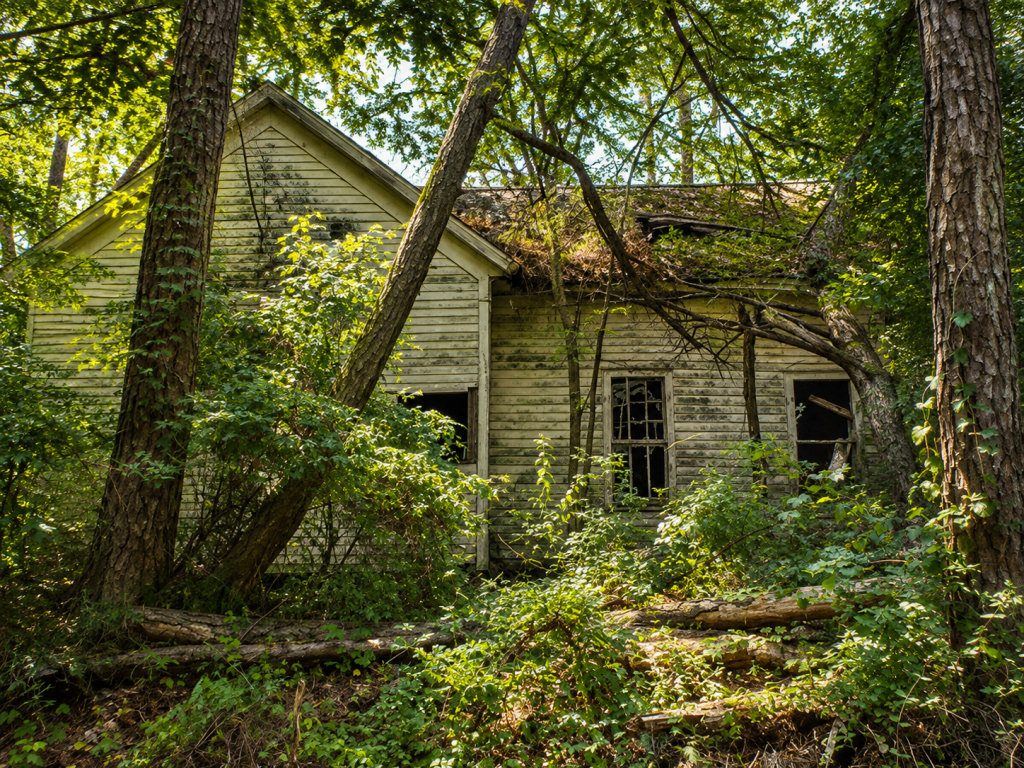
I loved discovering how Juliette began as a cotton-mill settlement, grew into a railroad community, and eventually struggled as the industries that supported it disappeared. I loved seeing how its old buildings found new life instead of simply being abandoned and forgotten, and yes, I even loved the fried green tomatoes. That’s something I never expected to say.
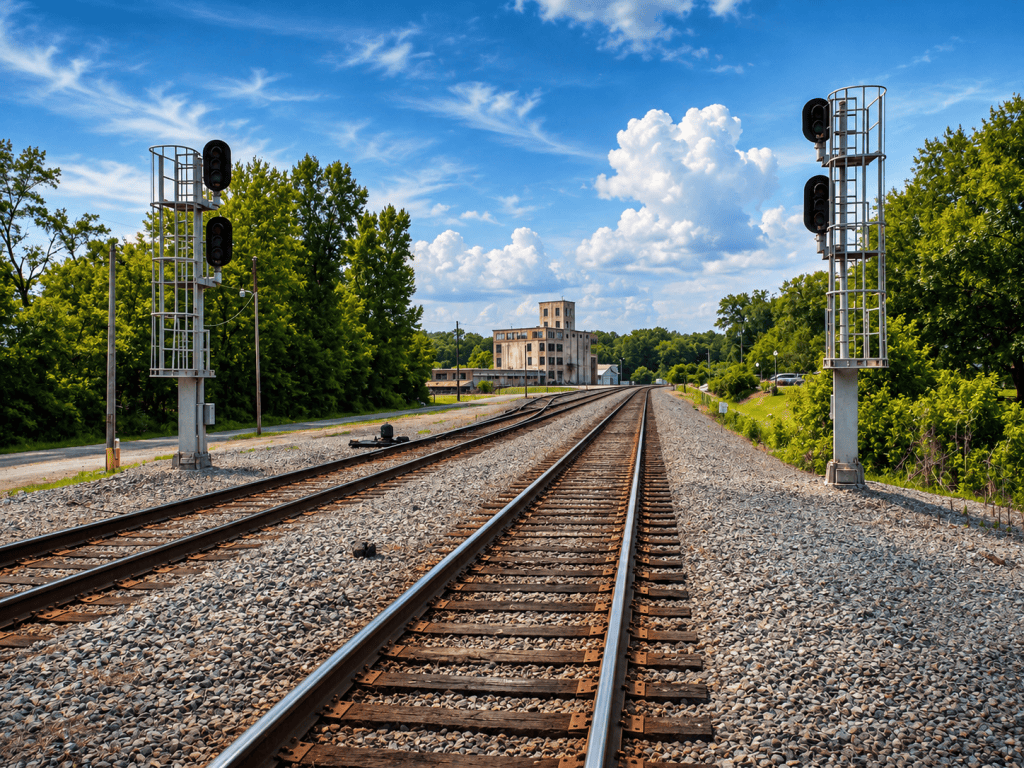
Juliette isn’t a place filled with endless attractions. It’s small, quiet, and easy to explore in an afternoon, but that’s exactly what makes it worth visiting. Sometimes the most interesting places aren’t the ones with the biggest attractions. They’re the little towns where you can wander down an old street, enjoy a good meal, and discover that the history is every bit as fascinating as the reason you came.
Juliette may always be known as the home of Whistle Stop, but after visiting, I think its real story deserves just as much attention, because before Juliette became a place people recognized from a movie, it was a place people called home.

