
Calling them mere gravestones doesn’t do them justice. Many of the markers at Bonaventure Cemetery are exquisite works of art, crafted by sculptors who spent countless hours shaping these stunning statues and monuments. Bonaventure is far more than a cemetery—it’s an open-air sculpture garden that stands among the finest in the nation.
Around 1760, Colonel Myllyne settled the area and built a red brick plantation house, naming the estate Bonaventure, which means “good fortune” in French. Bonaventure Cemetery rests along the Wilmington River, just a short distance from Savannah’s historic district—and it holds its own deep historical significance.
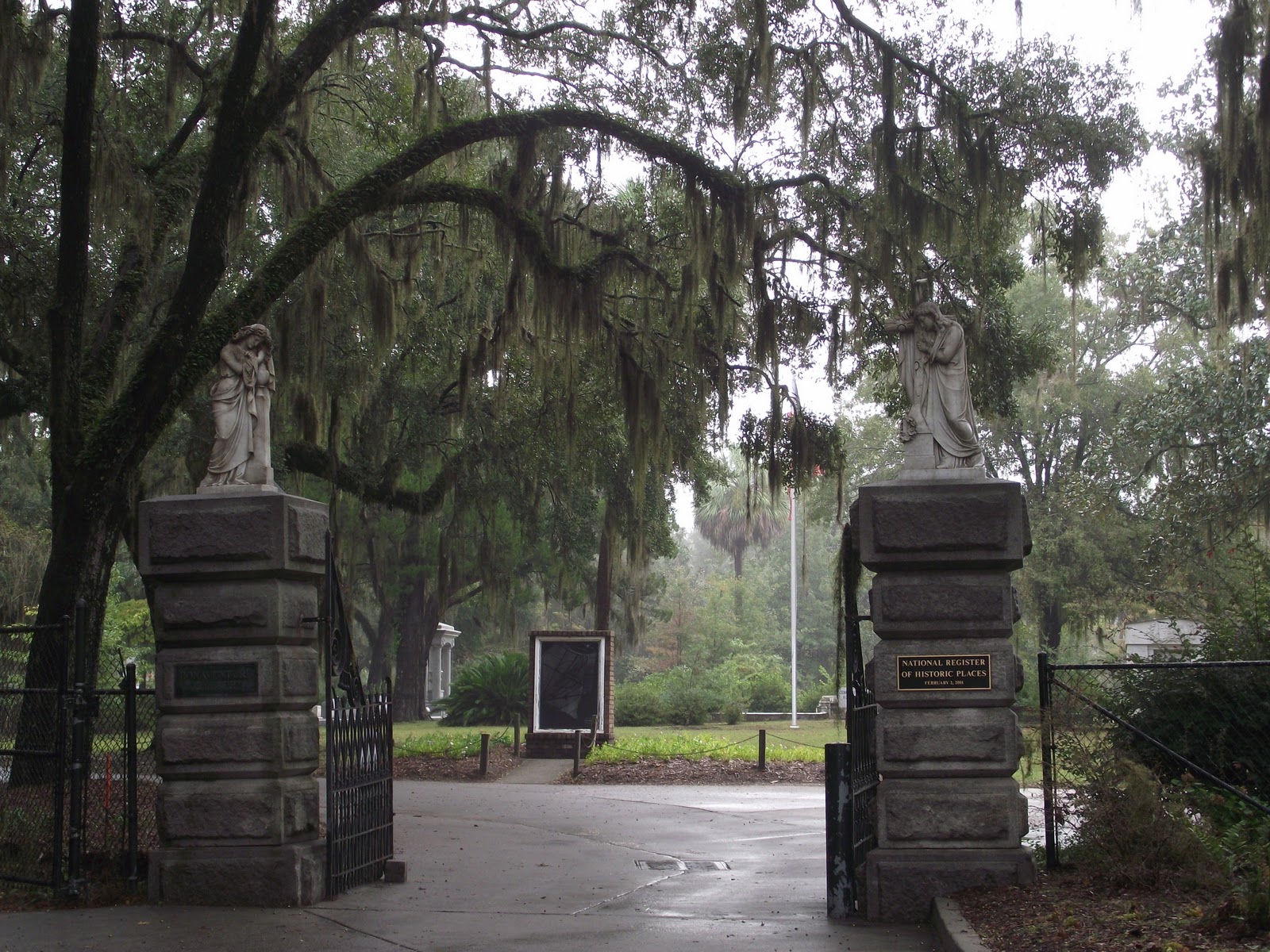
For over 150 years, Bonaventure Cemetery has inspired writers, poets, naturalists, photographers, and filmmakers alike. Part natural cathedral, part sculptural garden, it exists beyond time. Within its boundaries, amid vaults, crypts, and plots, rest a Pulitzer Prize-winning poet, politicians, plantation owners, publishers, soldiers, and a songwriter—each adding to its rich, enduring legacy.
Many notable individuals rest within the grounds of Bonaventure Cemetery. Perhaps the most famous is Johnny Mercer, the celebrated American songwriter, whose grave near the Bull River is among the cemetery’s most visited. Another distinguished figure buried here is Conrad Aiken, who grew up in Savannah and penned many of his novels and poems in the city.
In recent years, Bonaventure Cemetery has become one of Savannah’s most popular tourist attractions, primarily due to its role in Berendt’s best-selling book, “In The Midnight of Good and Evil.” The cover of the book features the “Bird Girl” which used to reside in the cemetery. The sculpture has since been moved to the Telfair Museum of Art.
Among the many unusual tombstones at Bonaventure Cemetery, one of the most distinctive is shaped like a piano. The cemetery’s fascinating monuments, vibrant camellias and azaleas, and majestic old live oaks, dogwoods, and magnolias have made it one of the most photographed cemeteries in the nation.

Widely regarded as one of the most beautiful cemeteries in the United States, Bonaventure’s charm is defined by its ancient oaks draped in Spanish moss and its ornate Victorian grave markers. As you stroll along the dusty paths, flanked by silent tombs, the weight of history and memory can feel both profound and overwhelming.
The Live Oak Trees of Bonaventure
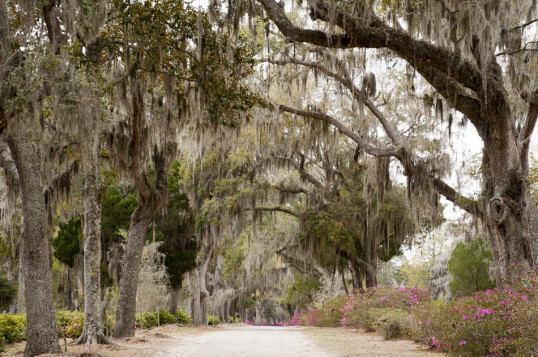
Bonaventure is renowned for its towering live oak trees, whose sprawling branches draped in Spanish moss gracefully arch over its winding roadways. Historical records reveal that many of these majestic oaks are nearly 250 years old, standing as silent witnesses to centuries of history.
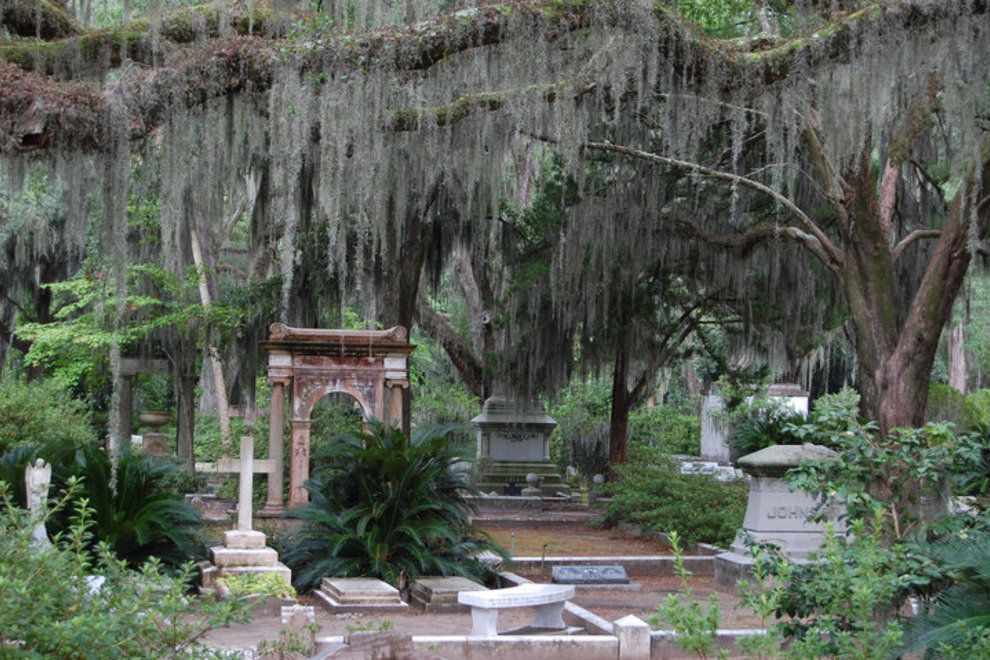
Those monuments alone make it hard for me to imagine camping overnight at Bonaventure, Muir-style. In 1867, the place may have felt alive and vibrant, but by 2017, it seems frozen in time, cloaked in a heavy layer of Victorian-era dust. The overgrown live oaks draped with Spanish moss cast a shadowy gloom, and the already thick humidity in town feels even heavier here by the river. Even after 250 years, those towering live oaks still have the power to startle.

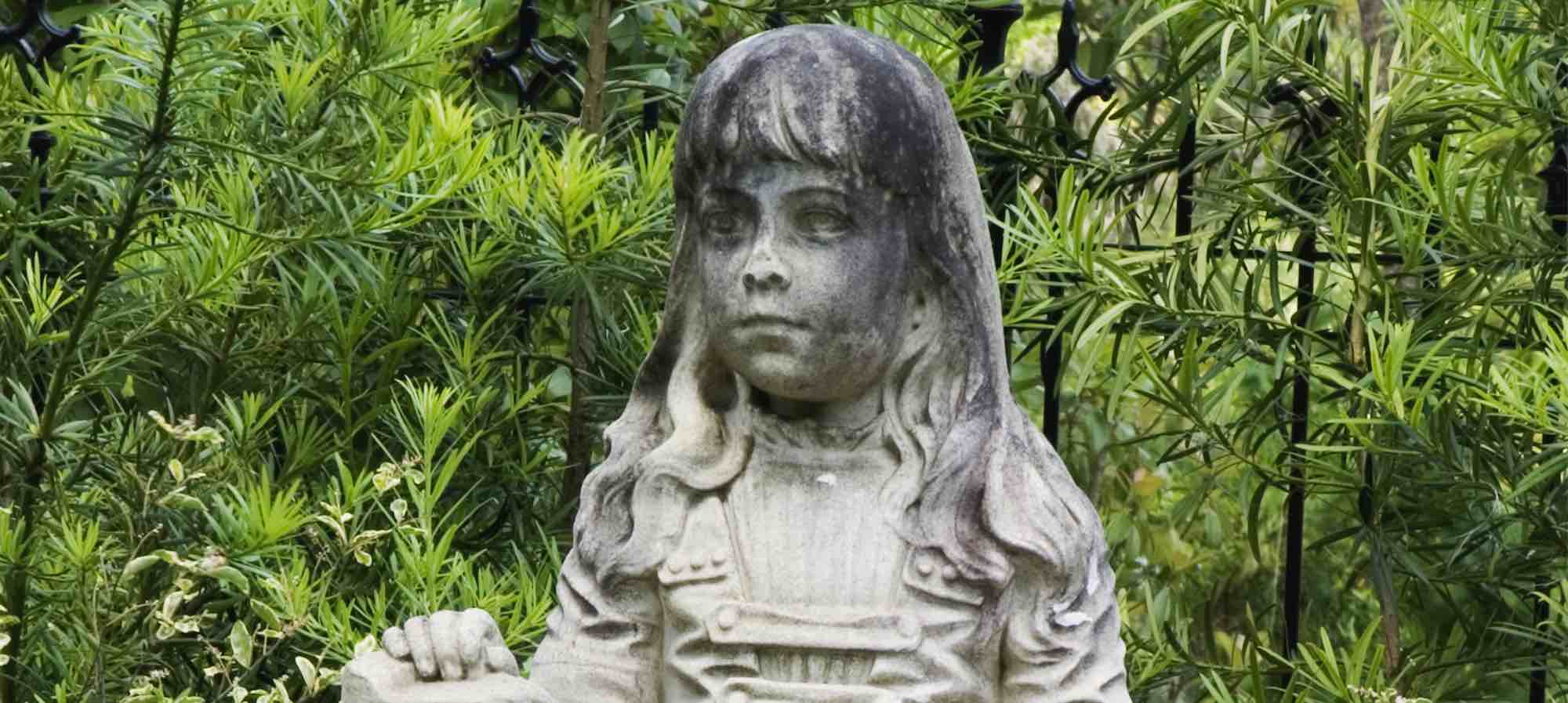
The cemetery is said to be home to many spirits, including a pack of ghostly dogs and the restless soul of a little girl named Gracie Watkins. Gracie is buried here, and visitors often honor her by leaving money, flowers, or trinkets in the hands of her life-sized statue. Legend has it that if any of her gifts are taken, the statue weeps tears of blood. (You can find the statue in Section E, Lot 98.)

Open from dusk to dawn
Tours available through the Bonaventure Historical Society
Tour director: (912) 897-3313
Bonaventure Historical Society Visitor’s Center on site
Open weekends and holidays: 10am-4pm
For more information:
(912) 651-6843
 Wander Woman