CHARLESTON, SOUTH CAROLINA
There are places you visit for their beauty, places you visit for their history, and places that leave you with a story you never expected to tell. Magnolia Plantation managed to give me all three, and one of those stories involved an alligator that came entirely too close for comfort.
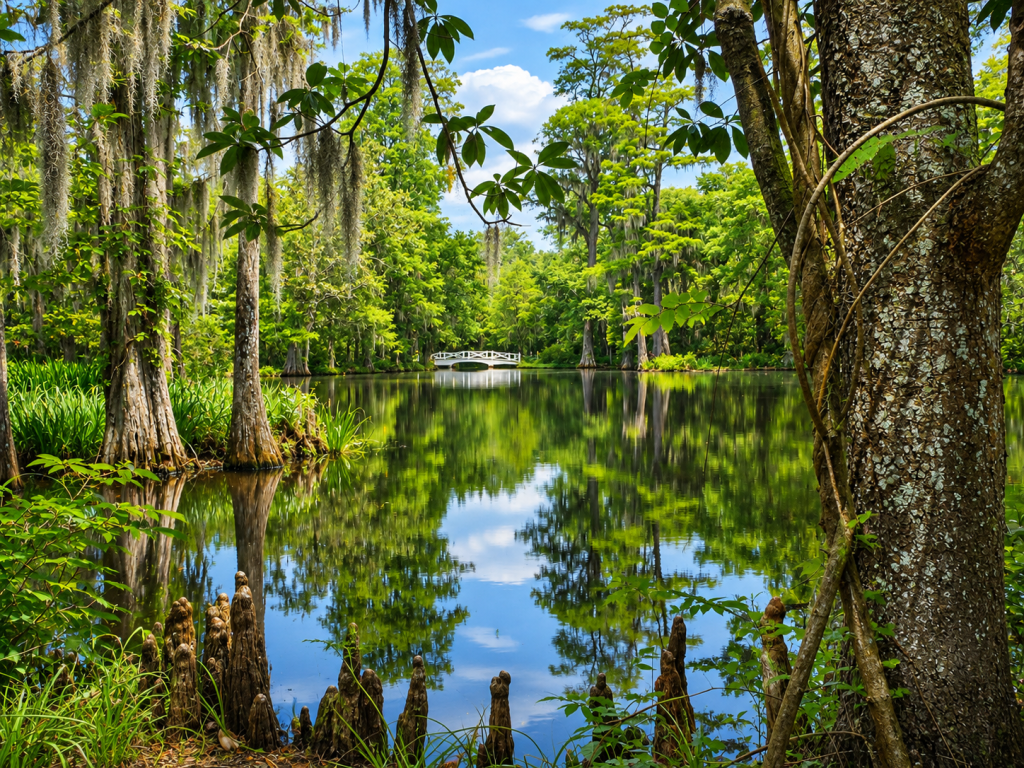
Tucked along the Ashley River outside Charleston, Magnolia Plantation is one of those places where the past seems to linger in everything around you. Ancient live oaks stretch their enormous limbs over winding pathways, Spanish moss hangs from the branches, and dark, still water disappears into thick vegetation. At first glance, the entire property looks like something pulled from the pages of an old Southern novel, but beneath all that beauty is a history far more complicated than the scenery suggests, and as I would discover, the wildlife is not nearly as peaceful as it looks.
A Plantation With Centuries of History
Magnolia Plantation dates to 1676, when the Drayton family established their presence along the Ashley River. Over the centuries, the property witnessed the American Revolution, the Civil War, and the enormous changes that followed emancipation. It also witnessed generations of enslaved African Americans whose labor made the plantation’s wealth possible.
Today, the plantation is best known for its gardens, but its history reaches far beyond the flowers and carefully preserved landscapes. I have always been drawn to historic places, particularly those where the buildings, landscapes, and forgotten stories have survived long after the people who shaped them are gone. Magnolia was exactly that kind of place.
Walking through the grounds, I couldn’t help wondering how different this landscape must have looked centuries ago. The Ashley River was once a vital transportation route, carrying people, agricultural products, and commerce through a region built largely on plantation agriculture and enslaved labor. The scenery was beautiful, but I knew there was much more to this place than what I could see.
Beneath the Oaks and Spanish Moss
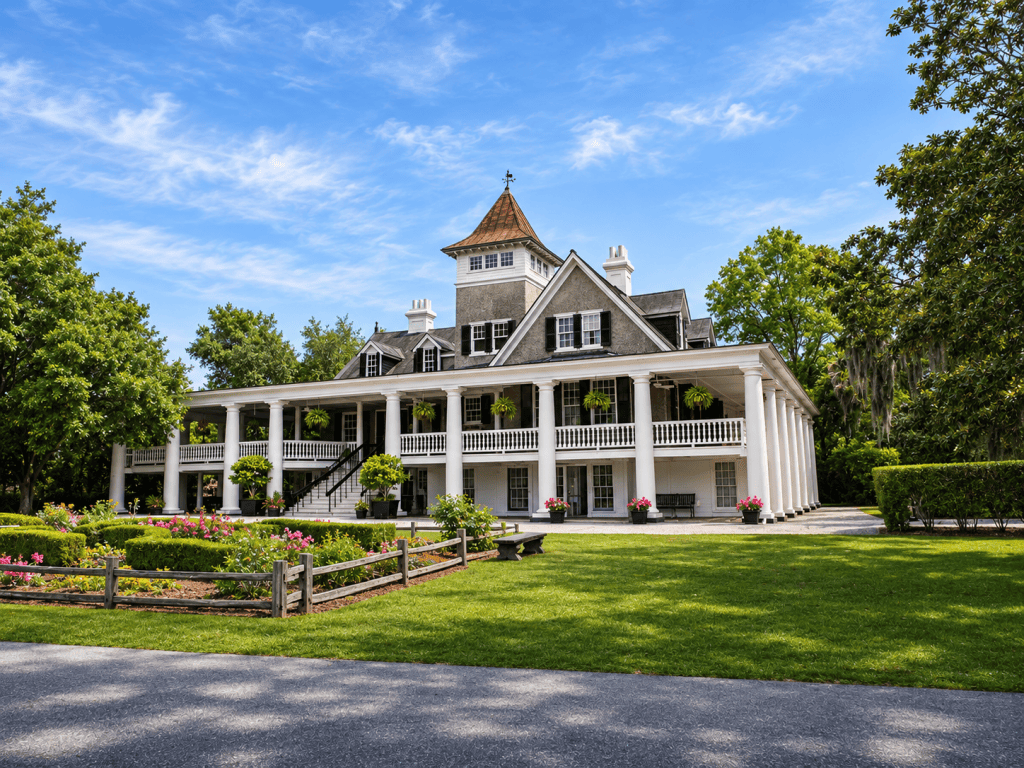
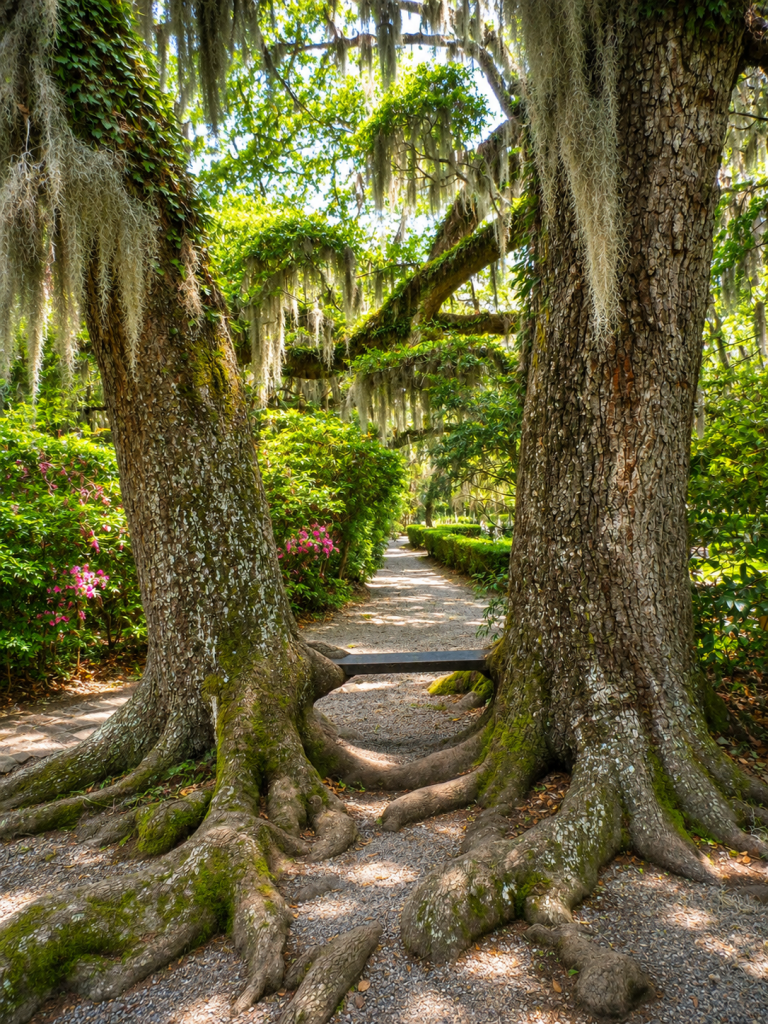
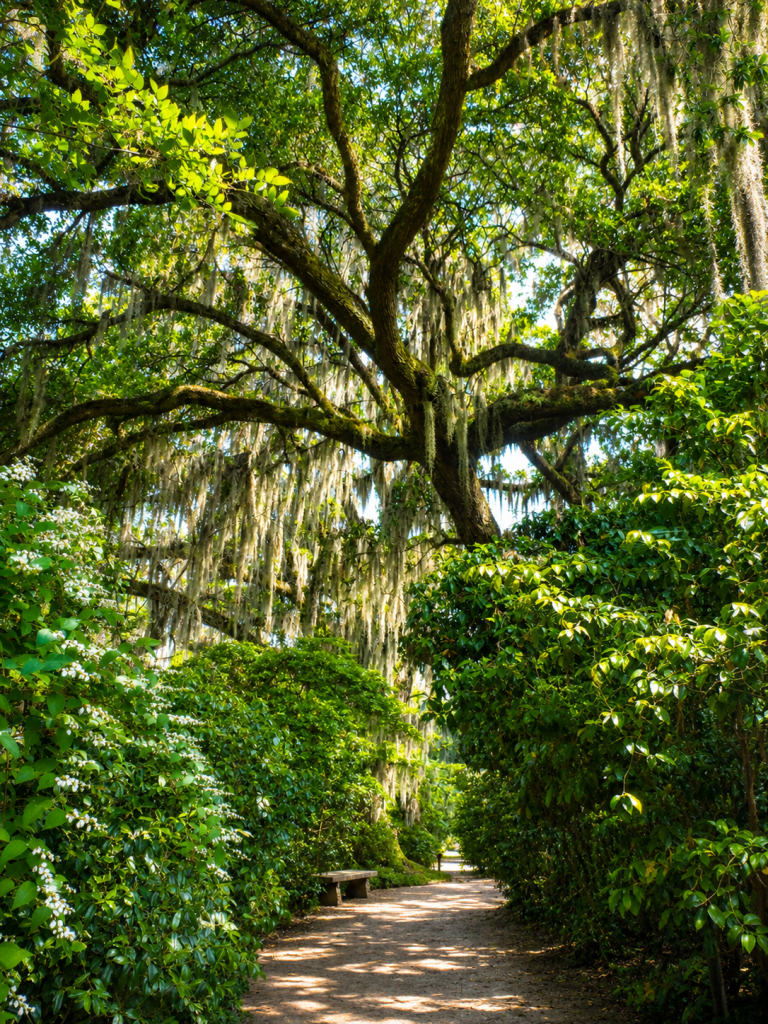
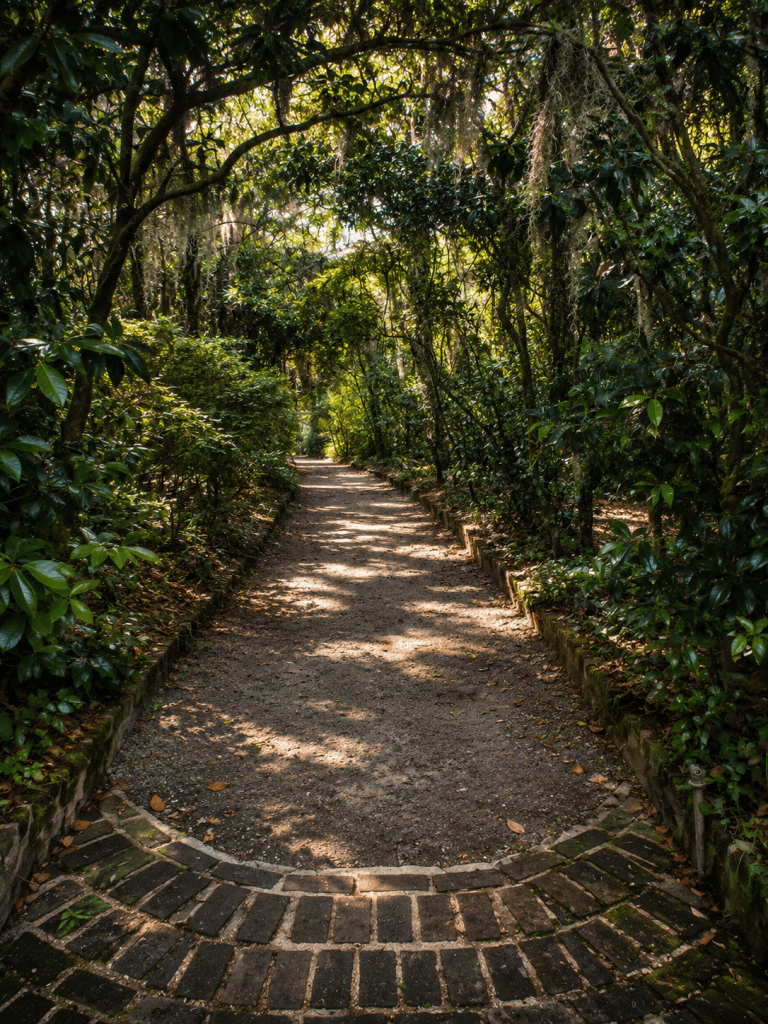
One of the first things that struck me about Magnolia was how wild and natural the gardens felt. Unlike the perfectly manicured estates where every shrub seems trimmed into submission, Magnolia’s romantic-style gardens allow the landscape to grow with a certain freedom. Massive oaks lean over the pathways. Vines twist through the branches. Flowers emerge from seemingly unexpected places, and the trails wander beneath tunnels of greenery. It feels less like walking through a formal garden and more like exploring a forgotten Southern estate slowly being reclaimed by nature.
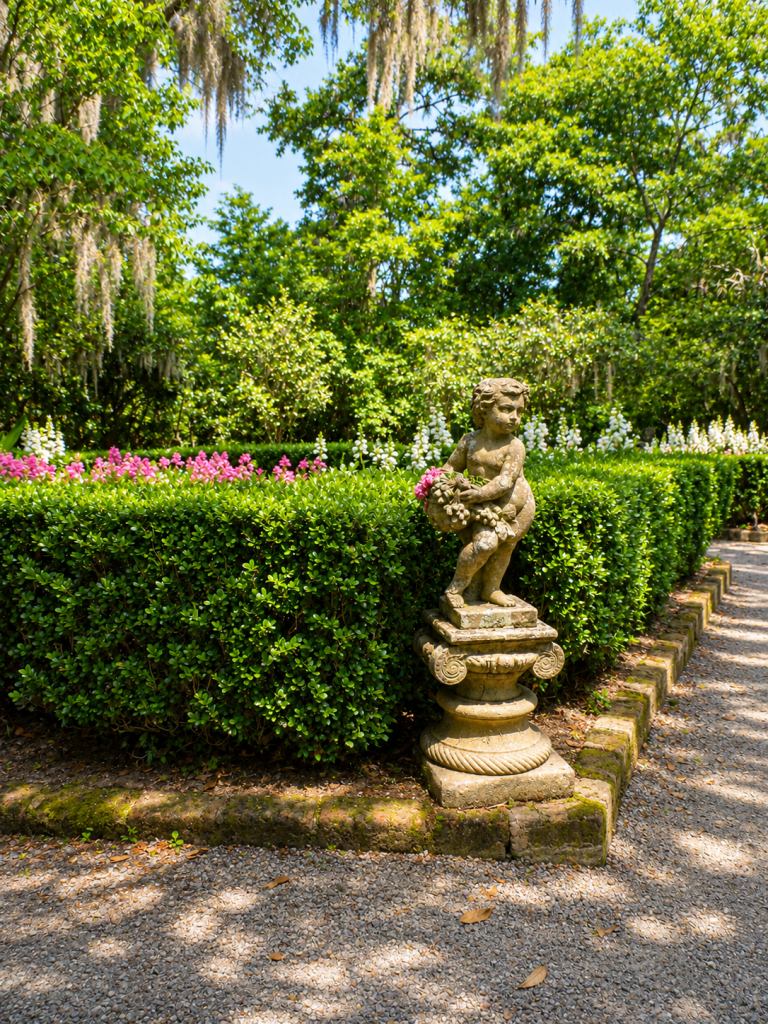
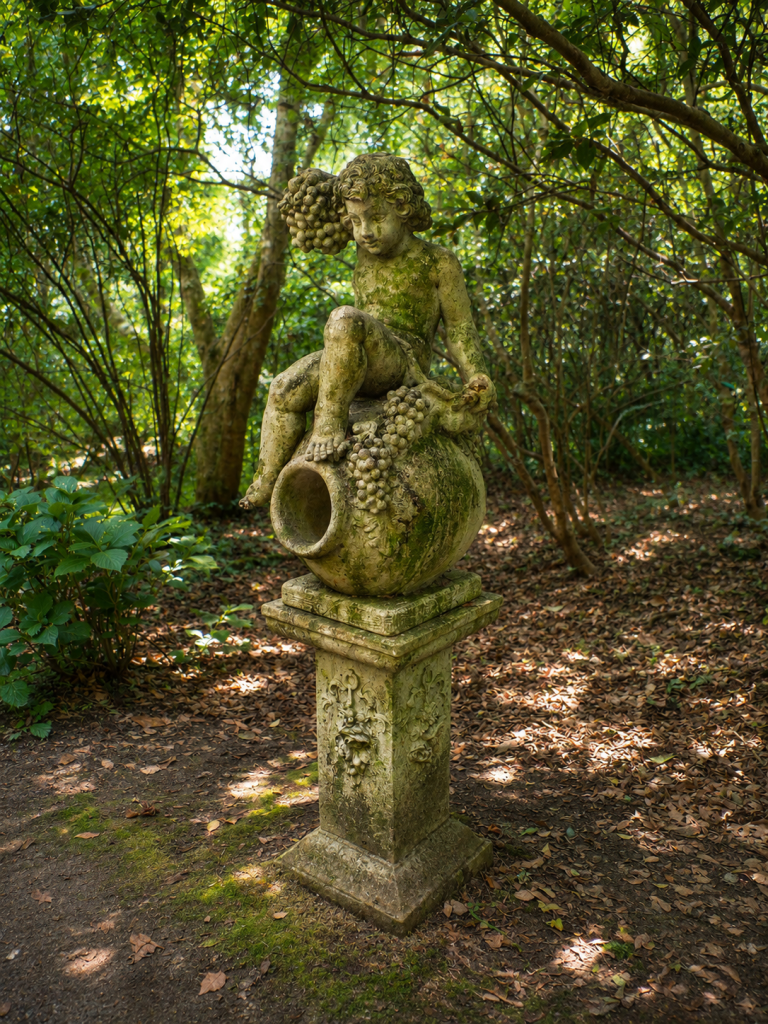
The property is home to approximately 60 acres of romantic gardens, known for their seasonal displays of camellias and azaleas. Beyond them, wooded trails wind toward lakes, wetlands, and the mysterious blackwater swamps that make this part of South Carolina so fascinating. I wandered along the gravel and dirt paths, stopping frequently to take photographs. Around nearly every corner was something worth capturing, whether it was an enormous tree draped in Spanish moss, a quiet stretch of water, or a glimpse of wildlife hiding among the vegetation.
There were benches scattered throughout the gardens, offering places to sit and enjoy the surroundings. I could easily understand how someone might spend an entire afternoon doing nothing more than wandering and taking in the scenery, but I had more exploring to do, and I was especially interested in getting out onto the Ashley River.
A Boat Ride Into the Past
Of everything I experienced at Magnolia, the boat ride was one of the most memorable. The nature boat travels through the plantation’s former flooded rice fields, passing through waterways where wildlife still thrives among the remnants of an agricultural landscape that once depended on enslaved labor.
As the boat moved through the water, I found myself thinking about one of my favorite books, a story involving Anne Bonny, the legendary female pirate. The book had described a plantation along the Ashley River and the rice-growing world that once existed there. Being on the water brought those pages back to life in a way I hadn’t expected.
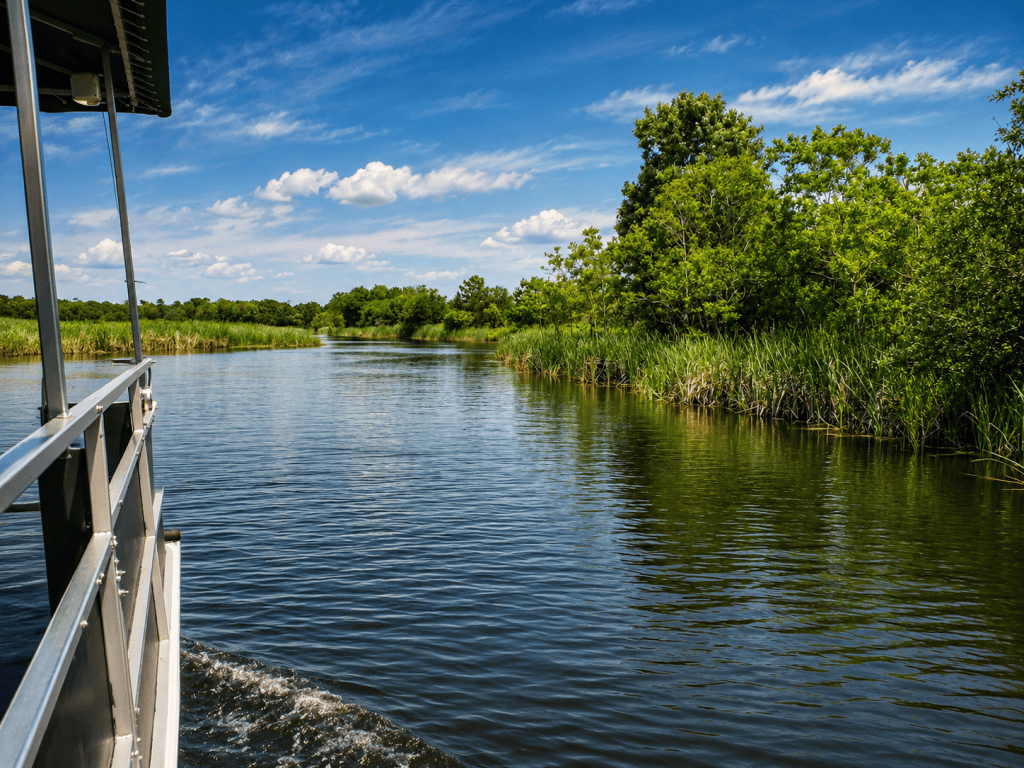
I began imagining the river centuries earlier, when boats carried rice and other goods through the Lowcountry. I thought about the plantations that lined its banks, the people who lived and worked there, and the countless stories that must have unfolded along those muddy shores. For a moment, it felt as though I had stepped into the setting of that book.
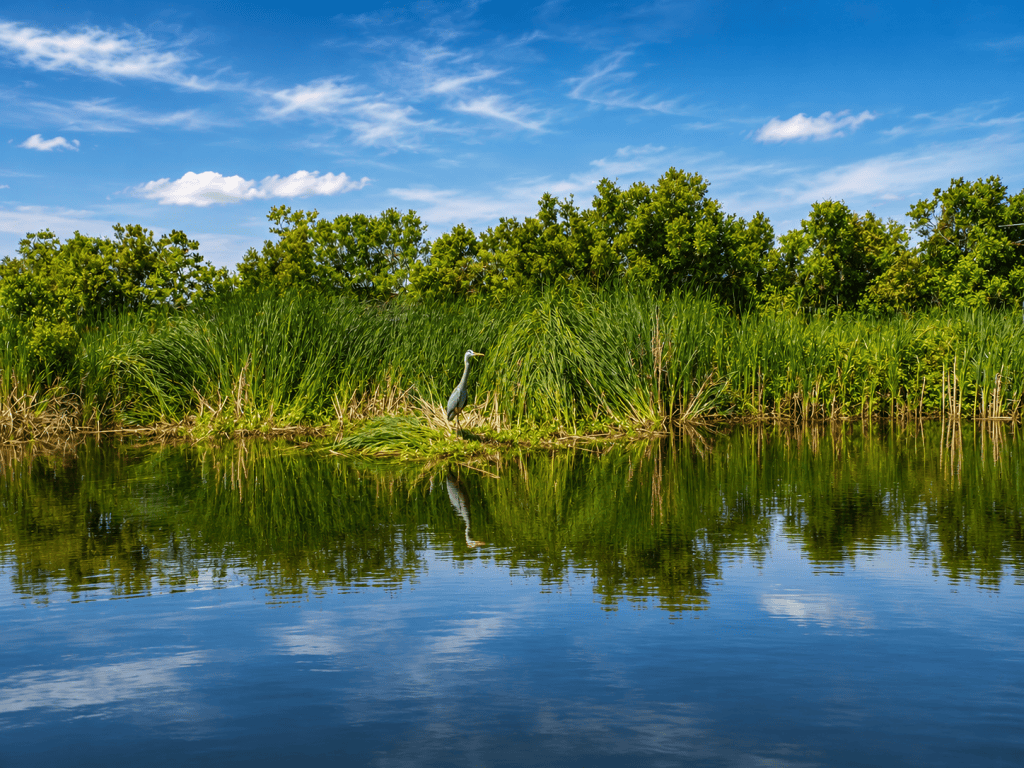
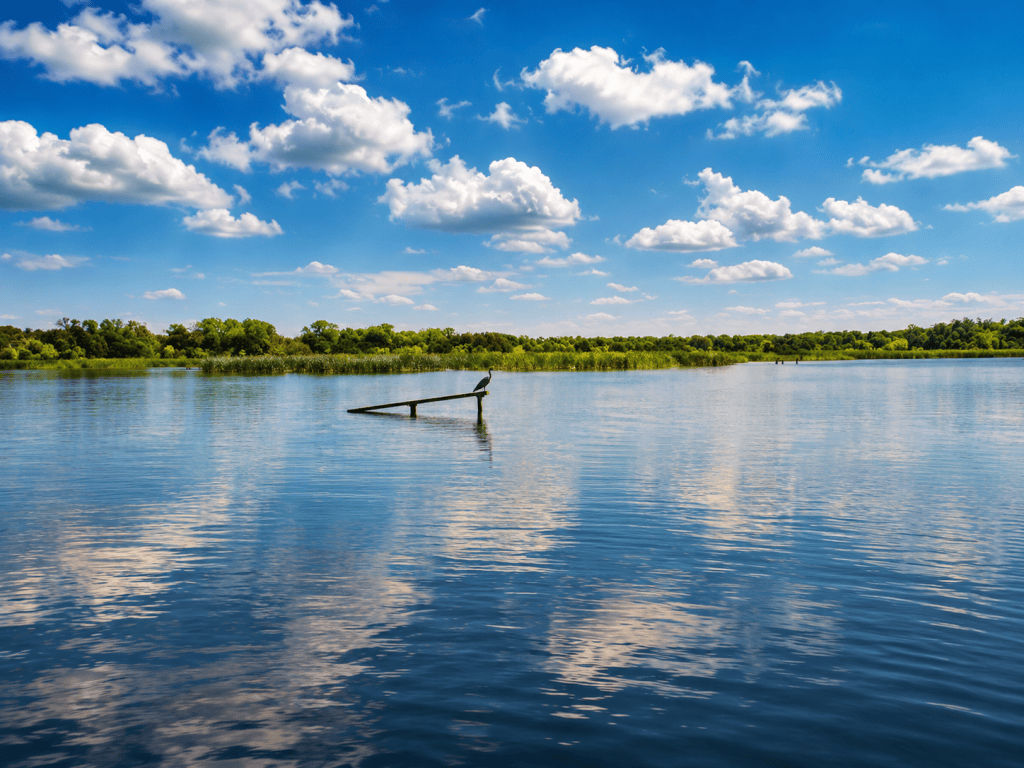
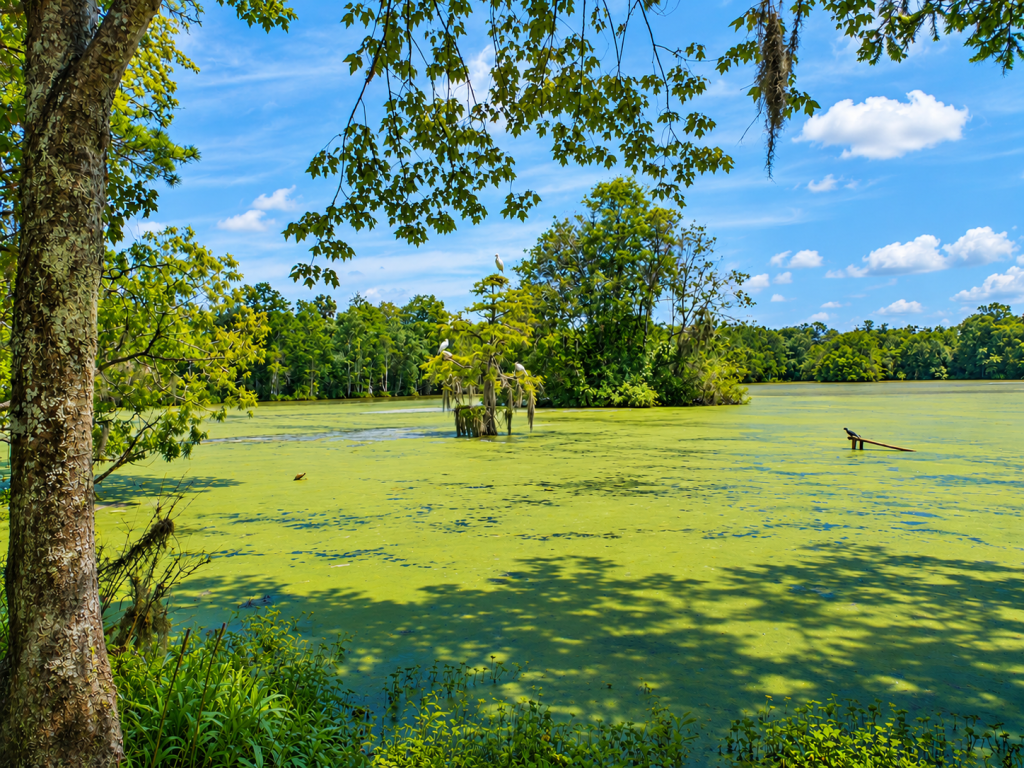
The waterways were beautiful, but there was also something unsettling about them. Alligators moved through the dark water, sometimes barely distinguishable from floating logs. Egrets stalked the shallows, searching for their next meal, while the surrounding vegetation seemed to conceal an entire world of creatures going about their lives. It was the kind of place where you could easily forget how close you were to something dangerous. Unfortunately, I would soon receive a rather unforgettable reminder.
My Close Encounter With an Alligator
After the boat ride, I continued exploring the Audubon Swamp Garden. This part of Magnolia is entirely different from the open gardens. The landscape becomes darker, wetter, and considerably more mysterious. Cypress and tupelo trees rise directly from black water. Their roots twist through the swamp, and narrow pathways and boardwalks lead visitors through a maze of vegetation. It is an incredible place for photography. It is also an excellent place to remember that you are not necessarily at the top of the food chain.
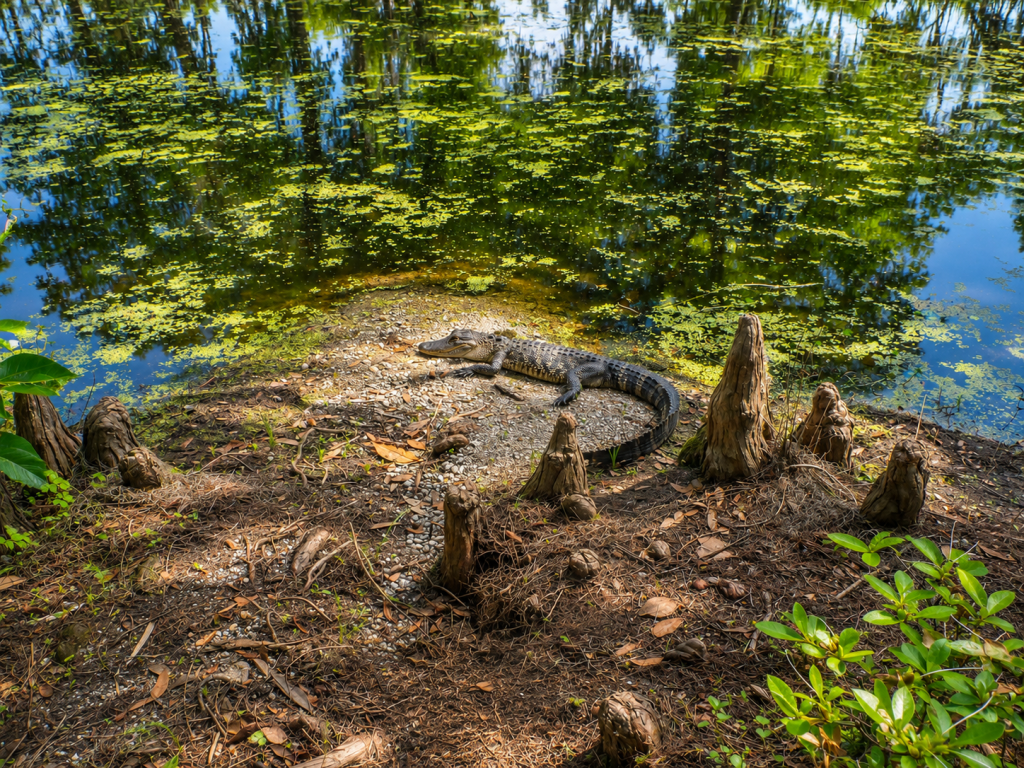
I was walking along one of the trails, taking photographs as I went, when I noticed a small alligator floating in the water. Naturally, I stopped to photograph it. I was so focused on getting the picture that I completely failed to notice what was directly in front of me. A much larger alligator, and when I say larger, I mean large enough to make me seriously reconsider my decision to wander around a swamp with a camera.
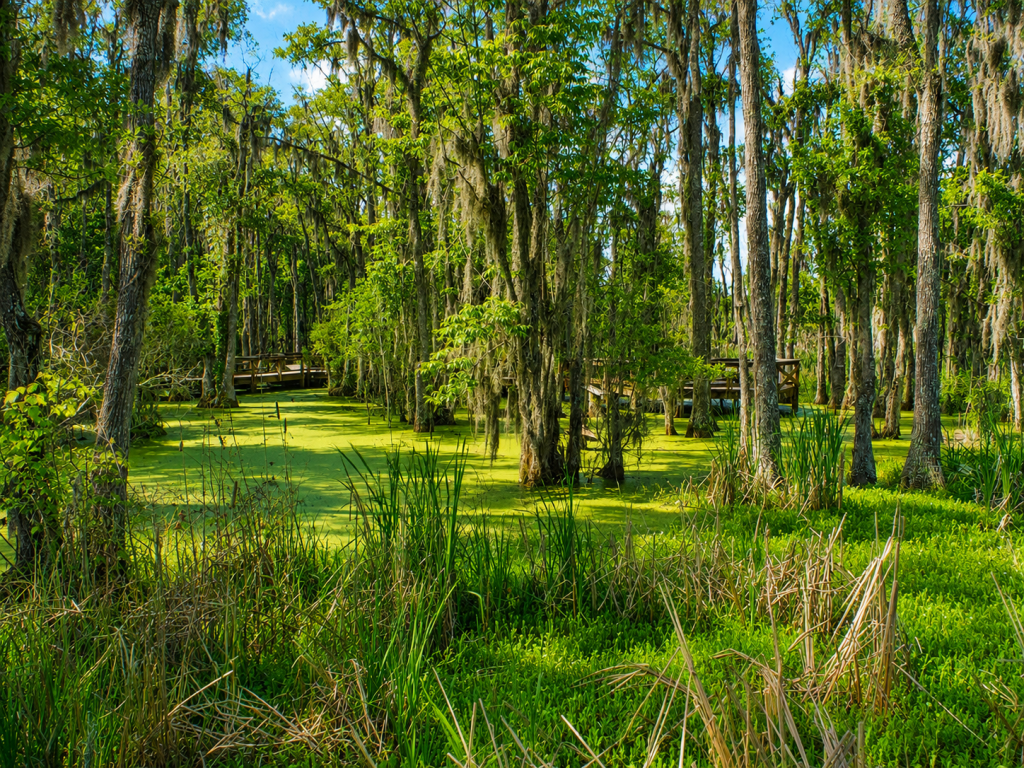
The animal was lying along the bank, partially concealed by an enormous shrub growing out of the water. Its body blended so perfectly with the surrounding vegetation that I had walked dangerously close without seeing it. I must have startled it because the next thing I knew, that enormous creature whipped around and launched itself toward the water.
I felt the rush of air from its tail. For a split second, I couldn’t move, and then my brain caught up with what had just happened. Holy hell. I had been standing within striking distance of a massive alligator, completely oblivious, while photographing its much smaller relative. I don’t know which of us was more startled, but I can promise you that I wasn’t sticking around to find out. I turned around and high-tailed it back in the opposite direction. So much for my peaceful afternoon stroll through the swamp.
An Unexpected Discovery
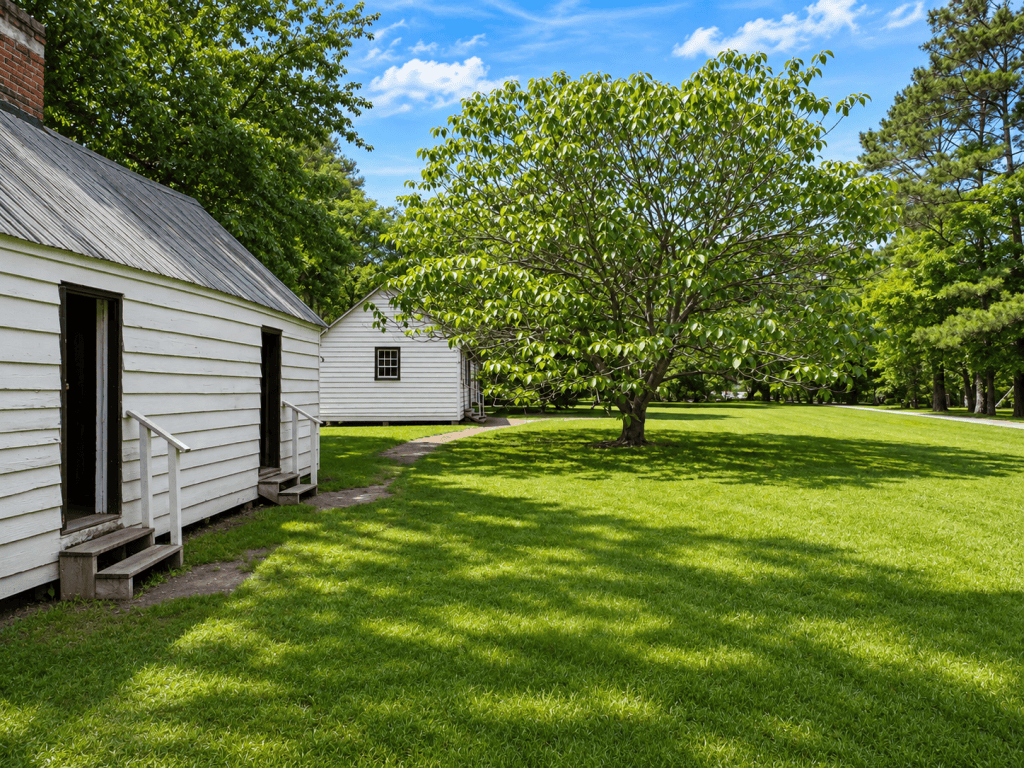
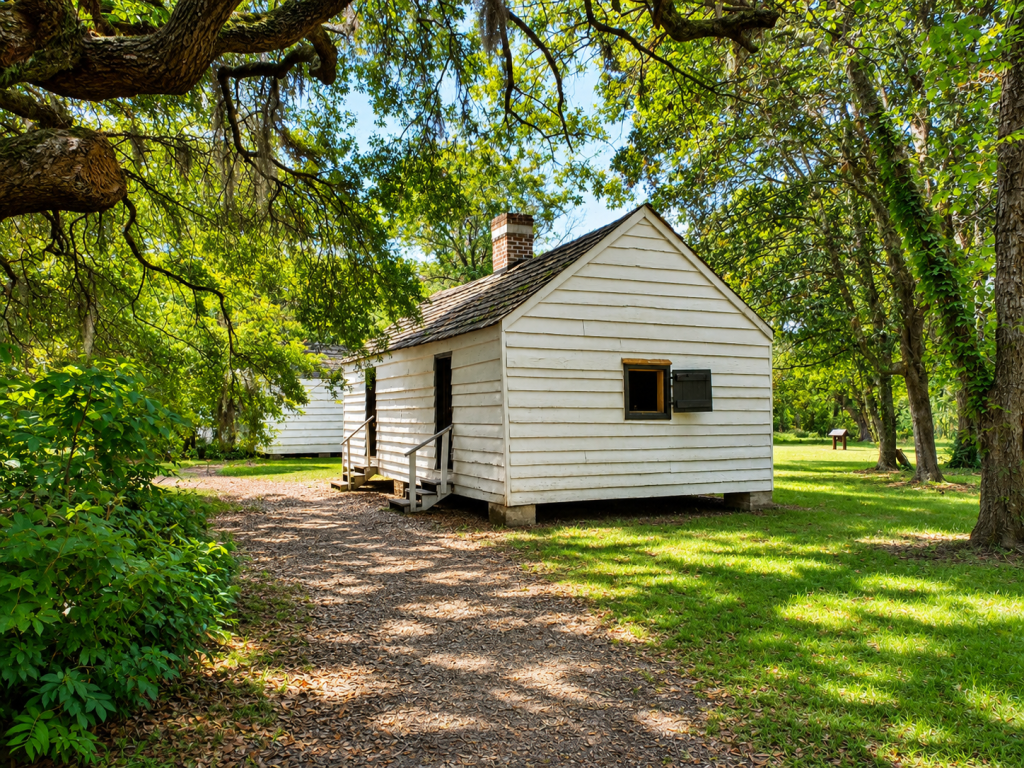
My hurried retreat from the alligator led me somewhere I hadn’t planned to go. I stumbled upon a collection of historic slave cabins. The buildings were constructed during the 1850s and have since been preserved and interpreted to illustrate different periods of African American life on the plantation, from slavery through the Civil Rights era.
Standing near those cabins, the mood of my visit changed. Only moments earlier, I had been laughing nervously at my close call with an alligator. Now I was looking at structures connected to generations of people whose lives were shaped by enslavement, exploitation, and the long struggle for freedom and equality.
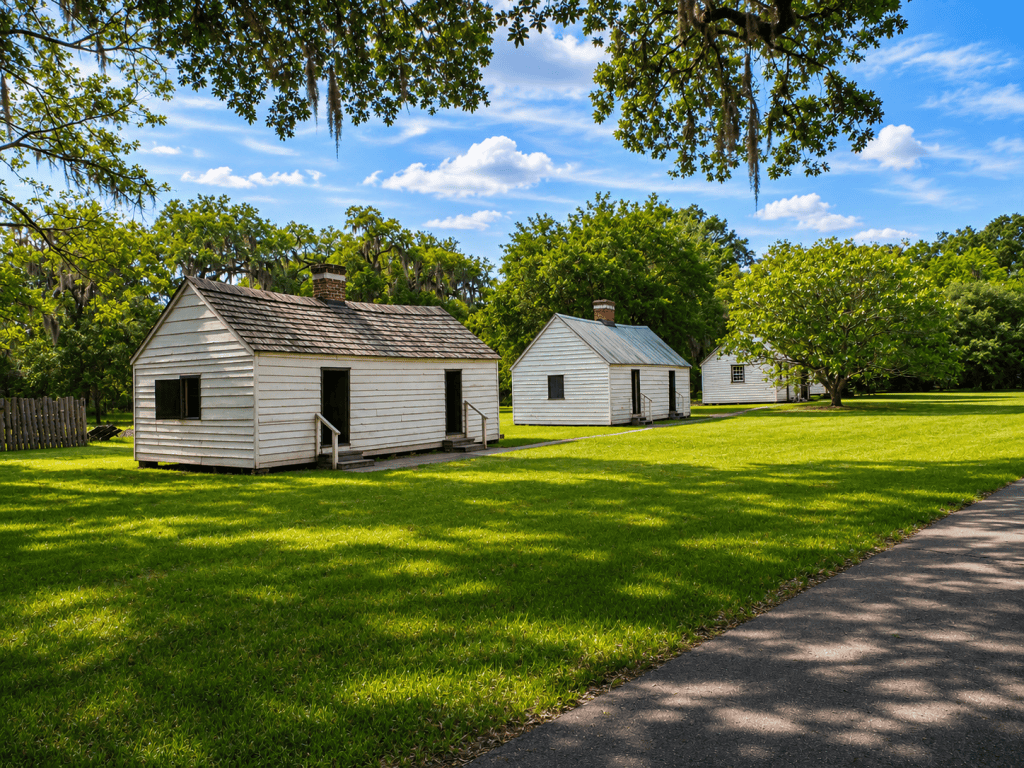
These modest buildings told a very different story from the grand plantation house and beautiful gardens. They were reminders that the wealth and elegance of places like Magnolia came at an enormous human cost. The cabins were among the most important things I encountered during my visit. They made the history feel less distant, less like something confined to the pages of a book. The people who lived here were real. Their experiences were real, and their stories deserve to be remembered alongside those of the families who owned the plantation.nIt was a sobering discovery, and one that stayed with me long after I left.
The Darker Stories of Magnolia
Of course, my fascination with old places rarely ends with their documented history. I am also interested in the legends, unexplained events, and ghost stories that become attached to historic properties over time, and Magnolia has accumulated its share. Stories of restless spirits, unexplained sounds, and unsettling encounters have circulated around the plantation and surrounding Lowcountry for years.
Some local ghost stories describe the screams of an overseer said to have been murdered, while others involve supernatural traditions associated with the plantation’s enslaved population. Such accounts should be understood as folklore rather than established historical fact. There are also stories surrounding a room in the main house sometimes referred to in ghost lore as the Dying Room, supposedly a place where residents spent their final days.
Other legends speak of Confederate soldiers buried in shallow graves near the slave cabins, their spirits allegedly lingering on the grounds. I can’t speak to the truth of any of these stories, and I think it’s important to distinguish historical evidence from the tales that grow around old places, but I understand why Magnolia inspires them.
Between the centuries-old buildings, the shadowy swamps, and the long history of suffering and loss connected to plantation life, the setting lends itself to stories of things that refuse to remain buried. Personally, I didn’t encounter anything paranormal during my visit. Unless you count the alligator that nearly scared the life out of me. That was more than enough excitement for one afternoon.
More Than Just a Walk Through the Gardens
There is a surprising amount to explore at Magnolia, and I quickly realized that a single visit could easily turn into an entire day. The plantation house offers a closer look at the Drayton family’s history and the changes the property has undergone since its founding. The house itself is not simply a perfectly preserved relic from 1676; the residence and estate evolved over generations, reflecting different periods of the plantation’s history.
For visitors who want to see more of the grounds without walking every trail, the Nature Train travels through wooded areas, marshes, lakes, and other parts of the property while guides share stories about its history and wildlife. I particularly enjoyed the opportunity to explore the old rice-field waterways by boat. Seeing the landscape from the water gave me an entirely different perspective, especially knowing how closely the region’s history was tied to rice cultivation and the Ashley River.
The Audubon Swamp Garden, however, was the part of Magnolia that left the strongest impression on me. Its dark water, enormous trees, and abundance of wildlife make it feel like another world. Just remember that the alligators are not decorations. They are wild animals, and they deserve plenty of distance and respect. Trust me on that one.
Leaving Magnolia Behind
By the time I finished exploring Magnolia Plantation, I had experienced far more than I expected. I had wandered beneath centuries-old trees, traveled through historic rice-field waterways, revisited the world of a favorite book, discovered a deeply important piece of African American history, and nearly stepped on an alligator. Not exactly an ordinary day of sightseeing.
What stayed with me most, though, was the contrast. Magnolia is undeniably beautiful. Its gardens, waterways, and ancient trees create one of the most memorable landscapes I have explored in South Carolina, but that beauty exists alongside a history that cannot, and should not, be separated from it. The plantation’s past includes privilege and wealth, but also enslavement, hardship, and generations of people whose contributions were too often overlooked.
I left with a greater appreciation for the importance of preserving places like Magnolia, not simply because they are beautiful, but because they provide opportunities to confront and understand the past, and somewhere out there in the Audubon Swamp, I imagine a rather large alligator is still going about its business. Hopefully without another distracted photographer wandering into its personal space. As for me, I’ll be keeping a much closer eye on the shoreline the next time I visit a Southern swamp. Some lessons are best learned only once.
Planning a Visit to Magnolia Plantation
Magnolia Plantation and Gardens is located along the Ashley River near Charleston, South Carolina. The property offers a variety of ways to experience its history and natural surroundings, including the historic gardens, plantation house, guided nature excursions, boat rides through former rice fields, and the Audubon Swamp Garden.
I would recommend allowing several hours rather than rushing through. The gardens alone are worth taking your time to explore, and the additional experiences offer different perspectives on the plantation’s history and landscape. Comfortable walking shoes are a good idea, especially if you plan to explore the swamp trails. Bring water, keep your camera handy, and always remain alert around the waterways.
A word about wildlife: Alligators are present throughout the property. Never approach, feed, or attempt to photograph one at close range. Stay on designated paths and boardwalks and give all wildlife plenty of space.
Admission prices, tour schedules, and operating hours can change, so check the official Magnolia Plantation and Gardens website before planning your visit.
Location: 3550 Ashley River Road, Charleston, South Carolina
Website: https://www.magnoliaplantation.com/

