
Majestic and awe-inspiring, Blood Mountain is renowned for its sweeping, panoramic vistas. The Blood Mountain summit peaks the highest elevation on the Appalachian Trail in Georgia and the state’s sixth highest mountain. Considered one of the most challenging trails in North Georgia, it’s an ideal route for those training for a thru-hike—but not recommended for the faint of heart.
According to Cherokee legend, this summit is a sacred place. It was near Slaughter Creek that the Cherokee fought a fierce and bloody battle with the Creek tribe—a conflict that gave Blood Mountain its name. Surrounded by sweeping views, soaring birds riding thermal currents, and the raw, windswept beauty of rugged trees and wild vegetation, it’s easy to see why the Cherokee held this mountain in such deep reverence.
Within the depths of Vogel State Park lies a 12.8-mile loop that takes you up and over two of Georgia’s highest mountains (Coosa Bald and Slaughter Mountain.)

The Coosa Backcountry Trail begins in the lowlands of Vogel State Park and winds through some of its most remote and rugged terrain. From there, it challenges hikers with steep climbs up Coosa Bald and Slaughter Mountain, eventually crossing into a portion of the Blood Mountain Wilderness. While tackling the full 12.8-mile loop in a single day isn’t recommended, many have done it. The intense elevation changes might leave you questioning how you’d ever make it to Maine if you were thru-hiking the entire Appalachian Trail—but don’t let that discourage you.
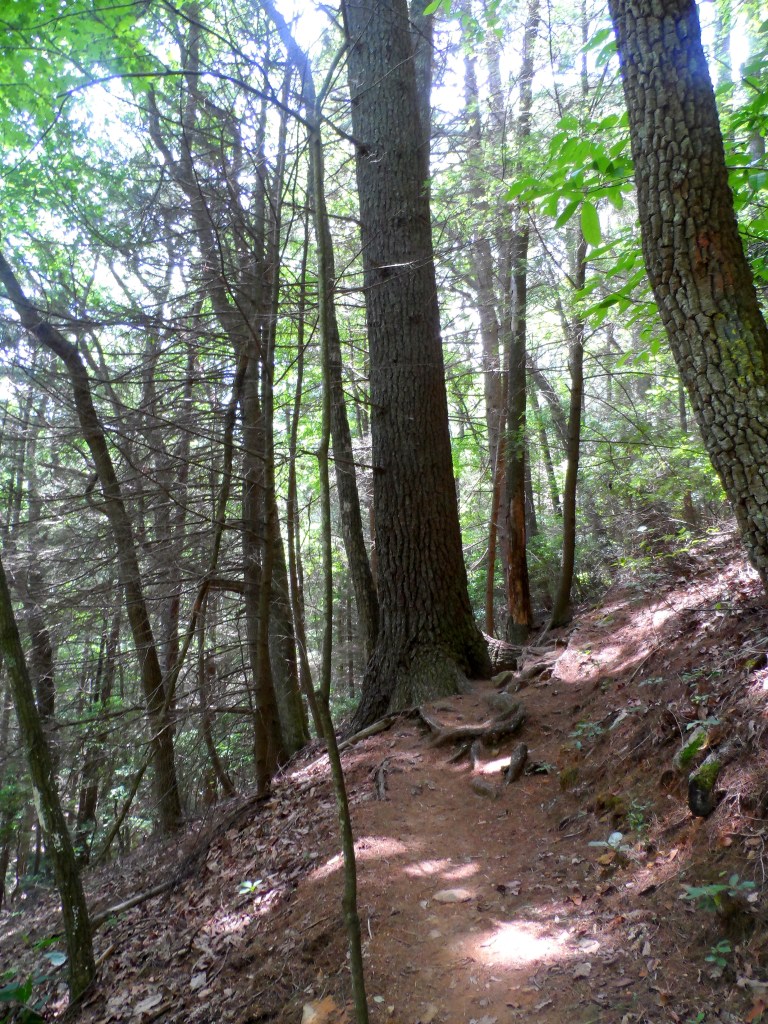
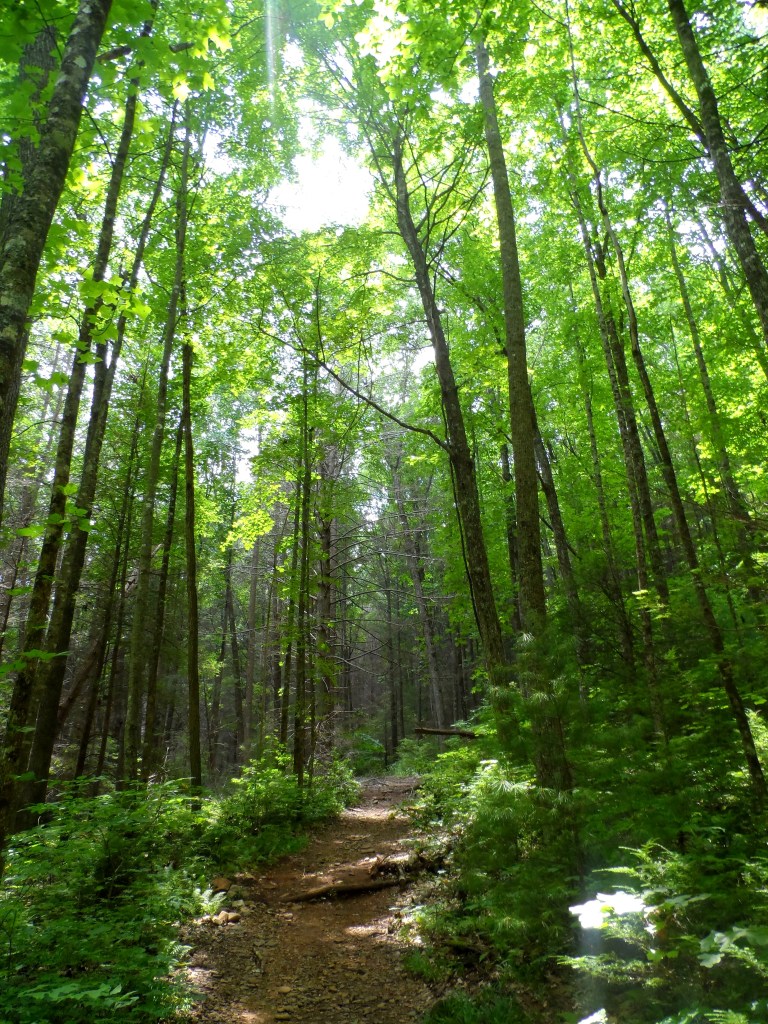
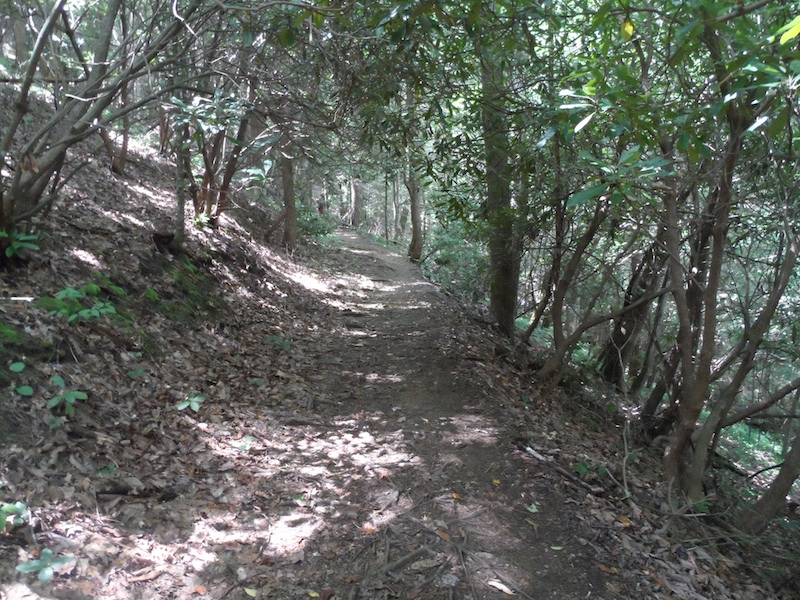
The Coosa Backcountry Trail intersects with the Duncan Ridge Trail, and from there, the climb intensifies. As the trail ascends, the forest shifts—from lush, lower-elevation hardwoods to wind-swept pines and dense rhododendron thickets higher up. The terrain grows increasingly rugged, with rocky paths, scattered boulders, and broad granite outcrops coming into view. Trail reviews called it “strenuous,” but judging by the elevation gain, I knew it wasn’t just a warning—it was a promise.

At the summit of Blood Mountain stands a rustic Appalachian Trail shelter, offering primitive lodging for hikers on the epic 2,000+ mile journey from Georgia’s Springer Mountain to Maine’s Mount Katahdin. Originally constructed in 1934 by the Civilian Conservation Corps, the shelter was extensively renovated in 2012 by the Georgia Appalachian Trail Club. The Appalachian Trail itself runs 10.75 miles through this section, following the crest of the Blue Ridge Mountains and eventually reaching the stone shelter atop Blood Mountain. According to the U.S. Forest Service, this is the most heavily trafficked stretch of the AT in Georgia.
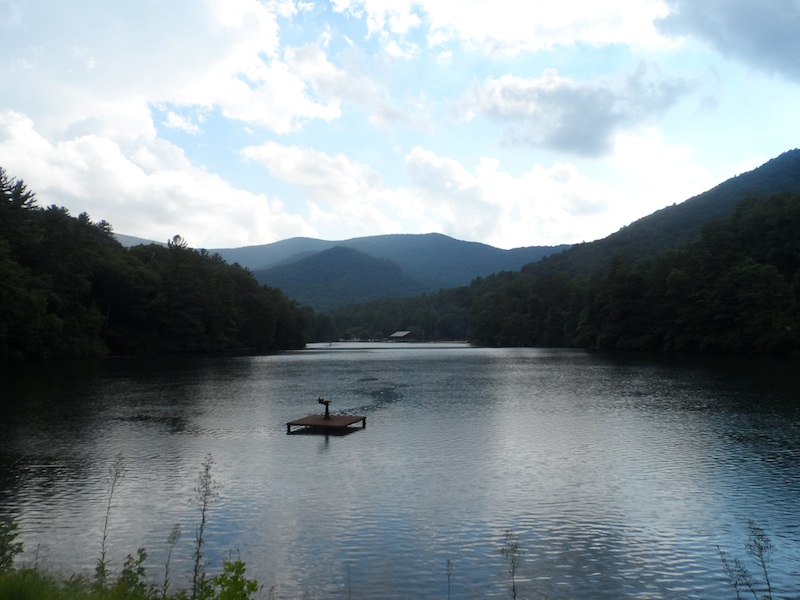
The Coosa Trail is incredibly remote—I found myself completely alone deep in the Chattahoochee State Forest, constantly glancing over my shoulder half-expecting a bear to appear. And the trail? Steep doesn’t even begin to cover it. It climbed relentlessly for hours—just up, up, and more up. I had to stop a few times to catch my breath, but with daylight fading, I pushed on to avoid getting caught out there after dark. By the time the trail finally started to descend, I was more than ready for it to end. And even the descent was no relief—it took real effort not to lose my footing. When I finally emerged from the forest, I walked around Lake Trahlyta in a light drizzle, letting the calm of the water ease the intensity of the hike.


If you’ve never been to Blood Mountain, Georgia, it’s time to make the trip. As the highest peak along the Georgia stretch of the Appalachian Trail, it offers some of the most breathtaking views in the region—and they’re well worth the effort. While hiking here is generally safe, it’s important to stay alert and use common sense, just as you would in any remote wilderness. The backcountry is rugged and secluded, and black bear sightings are not uncommon. Always stay aware of your surroundings and follow proper safety precautions to enjoy the trail responsibly.
 Wander Woman